一杯28,医院卖的养生咖啡为何能逃过9.9价格战?Why can a cup of 28 yuan health coffee sold in hospitals escape the 9.9 price war?
作者|卡特、小雨
运营|魏雨欣
图片|网 络
来源|FFL未来食品实验室
咖啡价格战打到9.9,医院里的养生咖啡不仅卖到一杯30元不等,却还要排队。这背后有什么生意经?
01
医院里卖养生咖啡,成为一股潮流
当下,“医院+咖啡”的生意模式主要呈现两种路径。
第一种是医院自营咖啡店,将医疗资源与药食同源理念结合,打造“养生咖啡”新体验。
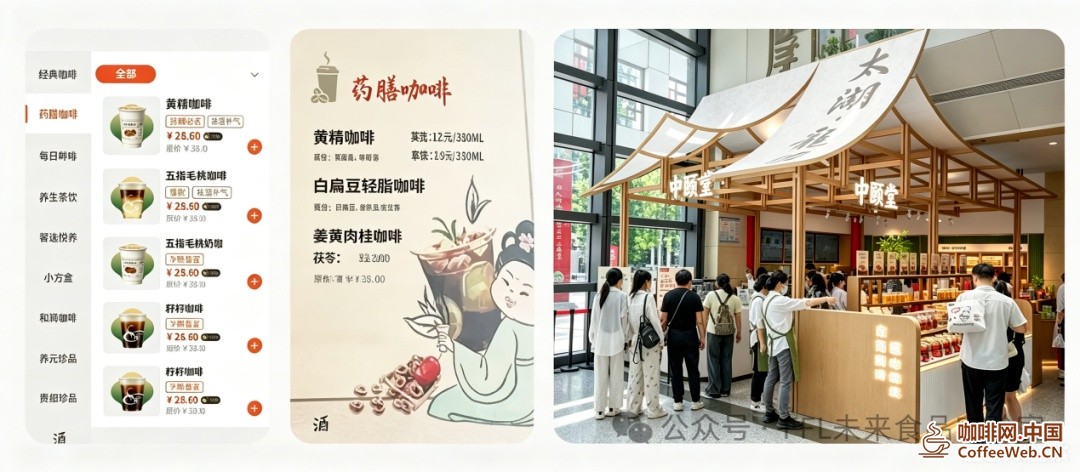
例如,广州中医药大学第一附属医院推出的“瑞林堂”,围绕药食同源、药膳开发特色饮品,其中五指毛桃咖啡、五指毛桃奶咖成为热门单品,售价最高达到28.6元;无锡市中医医院的“太湖·龙砂中颐堂”则将陈皮、黄芪等中药材融入美式、拿铁等常见咖啡品类;广西中医药大学附属北海医院推出黄精咖啡、白扁豆轻脂咖啡等药膳咖啡;北京中日友好也开了咖啡店,但是并未推出养生概念的咖啡,走的是日常路线,主要满足的是院内工作人员的日常饮用。
▲图源:小红书
部分医院则走起了轻量化的路线,比如引入自助咖啡机,据了解江苏省中医院院内便放置了一台定制款智能咖啡机,提供黄精美式、黄精拿铁、黄精卡布、黄精饮等多款药膳咖啡及养生饮品。相比街头咖啡市场的低价竞争,这类院内咖啡卖的价格远远高于“9.9”,医院自营咖啡店卖的是“咖啡+养生”的差异化体验。
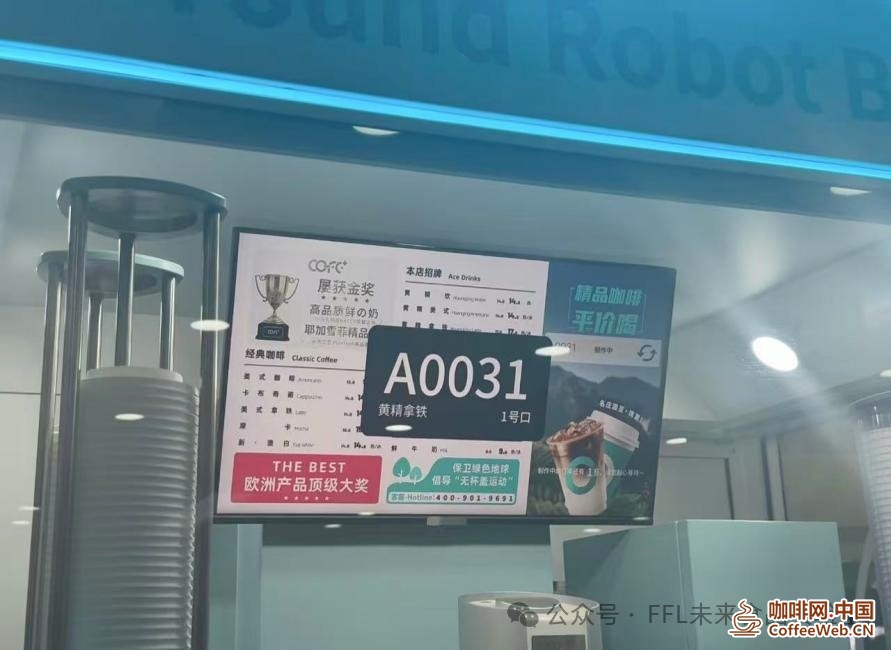
▲图源:小红书
从空间布局来看,这类门店大多选址在医院大堂、门诊大厅等人流密集区域,并专门划出堂食休憩区。北京市朝阳区中医医院的咖啡店直接开在了分诊台对面,配备多套小型桌椅供患者及家属短暂歇脚;广州瑞林堂同样在吧台前的大厅区域放置了多组桌椅,既有适合独处的小圆桌,也有可供多人围坐的方桌。咖啡店不再只是“买了就走”的档口,而是成为一个具备停留属性的复合空间。
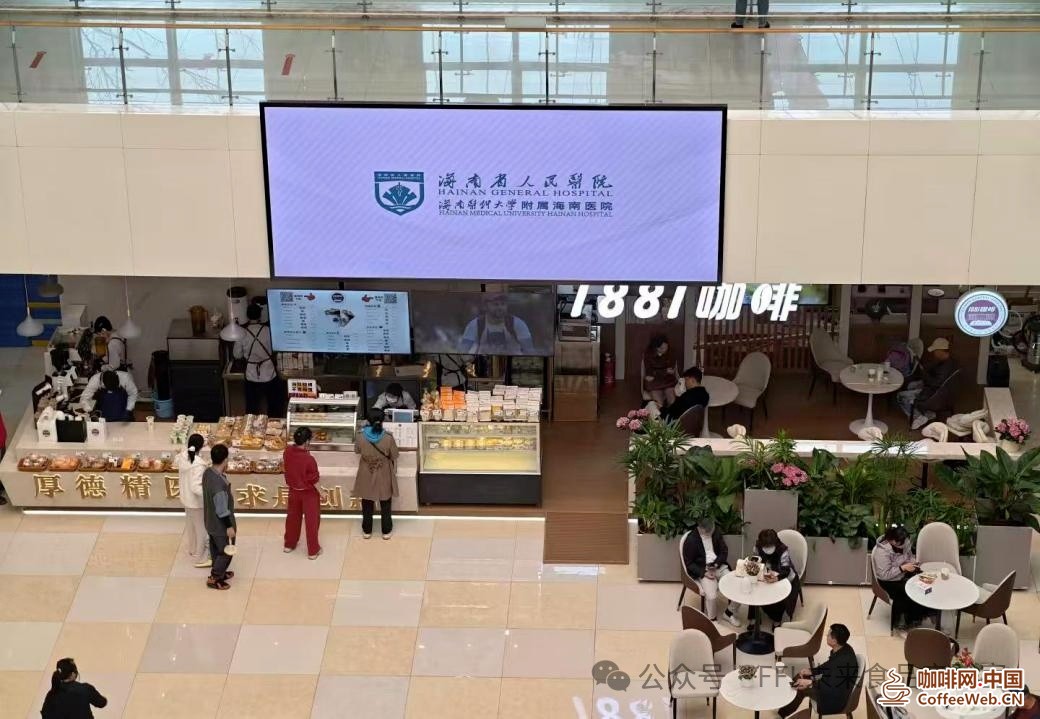
▲图源:小红书
另一种路径,则是成熟咖啡品牌进入医院渠道,借助医院高频人流拓展新的消费触点。
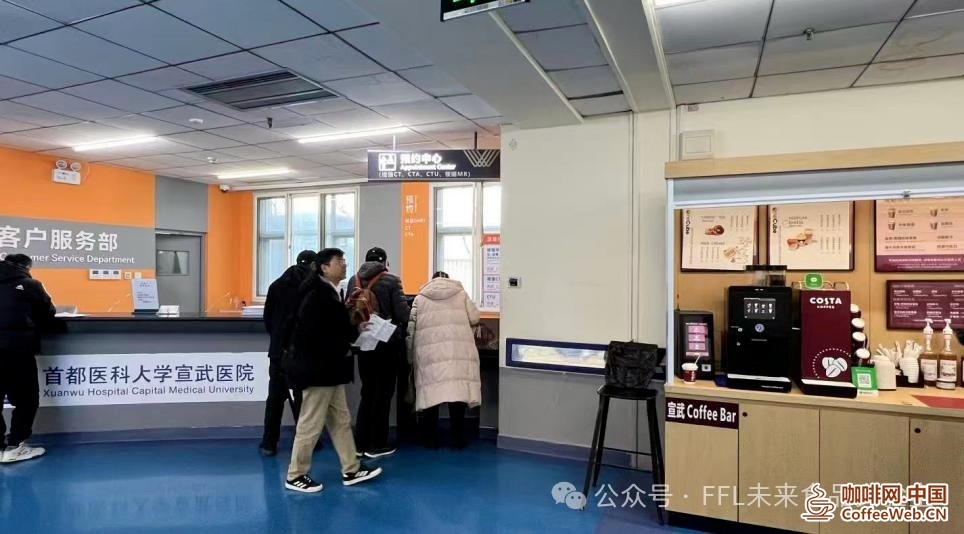
从星巴克进入上海东方医院开始,医院咖啡馆逐渐成为连锁品牌布局的新场景,星巴克之后陆续进入江苏省人民医院、南京鼓楼医院,Costa Coffee也进驻复旦大学附属华山医院。瑞幸则通过直营门店和无人咖啡设备布局医院场景,目前已在广州多家医院落地。
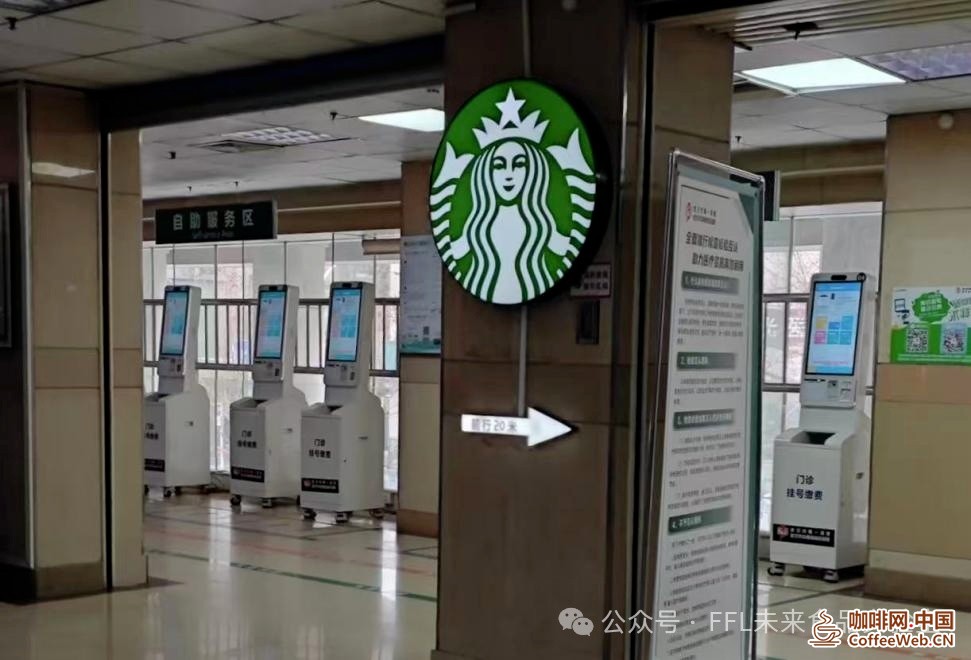
▲图源:网络
2025年,Tims进一步宣布开启医院等特殊渠道加盟招募,计划持续扩大医院网点。与此同时,老字号品牌也开始尝试跨界,例如白塔寺药店旗下耀咖啡进入医院,通过咖啡场景为传统品牌注入年轻化表达。
不同于医院自营咖啡探索“药食同源”的产品创新,这些咖啡连锁品牌进入医院,更多是在寻找新的渠道增长点,提供的是标准化咖啡与便捷消费服务。
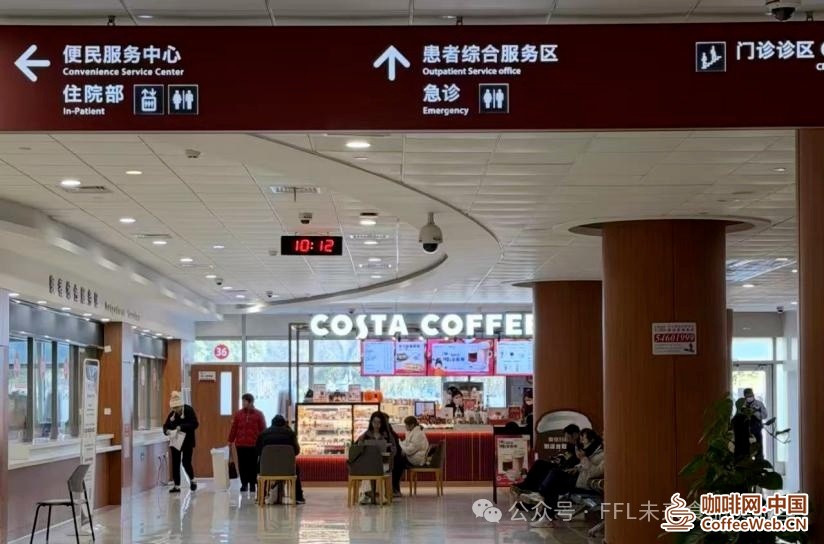
▲图源:小红书
02
为什么卖得不便宜还有人买?
两种模式看似都在医院卖咖啡,但底层的商业逻辑并不相同。前者做的是内容创新,用养生重构产品价值;后者做的是渠道占位,用标准化供给满足特殊场景需求。
但一个共同的问题是:为什么医院里的养生咖啡能卖到二三十元,甚至比外面精品咖啡馆还贵,排队都有人愿意买单?答案不是简单的加了某种中药成分。
看场景。医院是一个相对封闭的消费场域,患者、陪护家属和医护人员构成了稳定且持续的客群。这些人买咖啡,解渴提神只是基础需求,更多时候它承担的是长时间候诊、陪护或高强度工作间隙里的一点“情绪价值”。在这样的环境下,消费者对价格的敏感度天然降低,他们更在意的是能不能马上买到,而不是贵了几块钱。医院咖啡的定价体系,很大程度上正是建立在这种“便利即合理”的逻辑之上。
▲图源:小红书
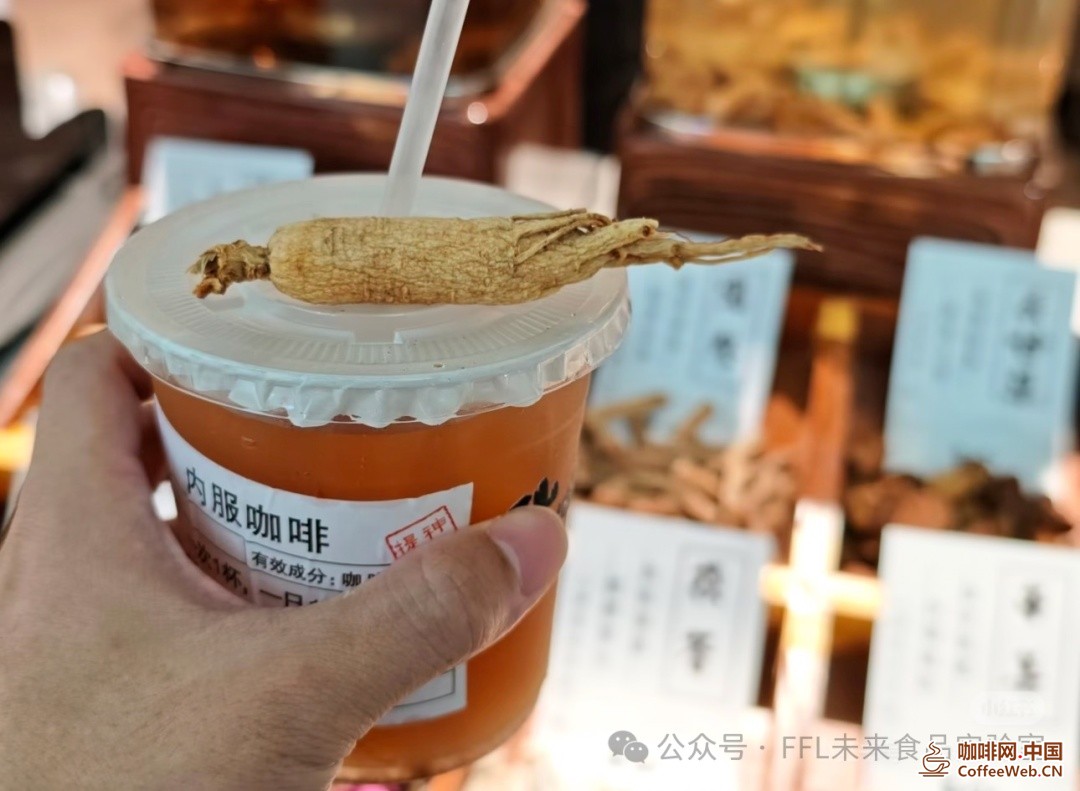
再看产品本身。医院卖的养生咖啡,核心不是咖啡。当黄芪、陈皮、五指毛桃、黄精这些中药材出现在杯贴上,再放到医院这个本身就代表专业与权威的空间里,消费者对“健康功效”的心理预期被大幅拉高,不少医院的产品还有中医专家参与配方研发,消费者愿意多花十几块钱,买的不是咖啡因,是一份喝下去对身体也有好处的心理暗示。
▲图源:小红书
值得留意的是,愿意买单的不只是院内人群。社交平台上,“去医院打卡养生咖啡”正在成为一种新的探店潮流。不少消费者专程前往,不是为了看病或陪护,纯粹是为了尝鲜、拍照、发朋友圈。对他们来说,一杯养生咖啡,约等于一张体验门票,性价比远高于一杯普通咖啡。正是这种“院内刚需+院外打卡”的双重客群叠加,撑起了医院养生咖啡在当前阶段的高定价与高热度。
03
从咖啡到餐桌,药食同源的边界能走多远?
除了咖啡之外,越来越多的药食同源产品也开始进驻医院、中医馆这个特殊的场景中。从烘焙到正餐,“药食同源+”正在以更多元的形态渗透进大众生活。FFL选取几个代表性案例,拆解其走红逻辑与潜在挑战。
——养生烘焙
药膳面包是这股风潮中最为活跃的品类。去年下半年,扬州市中医院的药膳面包成为现象级爆款。上市首日,数千个面包在1小时内售罄,排队场面持续多日。八珍司康、碱水四神膏是主打产品,添加党参、当归、枸杞等药食同源食材,均价约10元。与其说是面包好吃,不如说它精准击中了几个消费心理:医院研发的信任背书、10元左右的低决策门槛、以及吃面包也能养生的心理安慰。
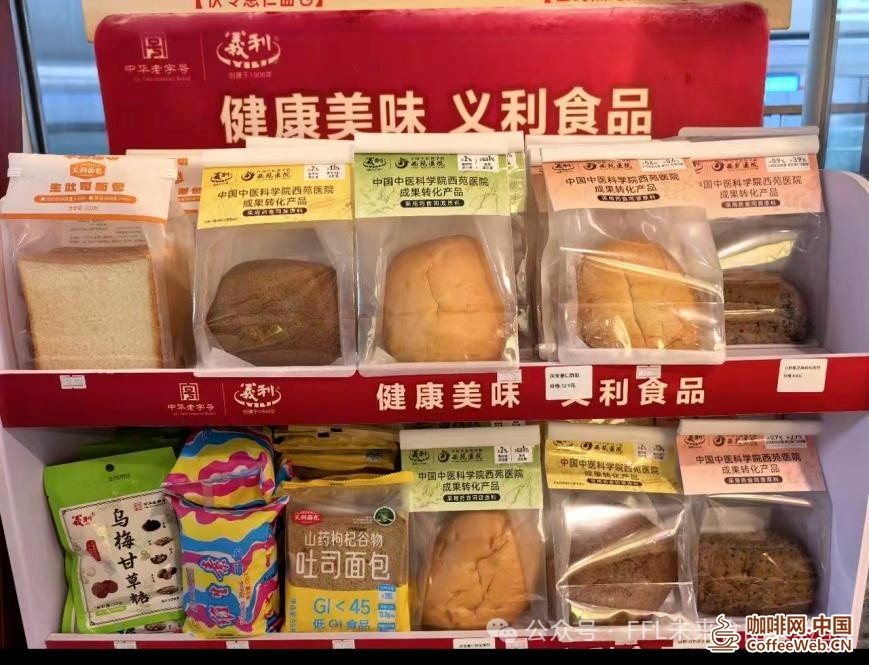
各地医院纷纷跟进推出药食同源烘焙食品。例如宁夏中医医院一次性推出15款药膳面包,每款针对不同体质精准适配,陈皮玫瑰款帮助气郁体质人群疏肝理气,银耳百合款专为阴虚体质设计。西苑医院与百年义利联名推出脾动力、胃友好系列面包,以山药、茯苓等经典药食同源材料为核心。济南市中医医院推出5款辨证养生面包,针对不同体质人群实现“对症食养、科学养生”。天津市中医药研究院附属医院的“药食坊”开业后日日客流不断。巴南区中医院的“五味良方”体验店,师傅们每天凌晨4点开工,只为确保清晨7点开门时产品能准时上架。
▲图源:小红书
整体看,药食同源烘焙产品具有不错的市场反馈,但是可观看,目前消费者掏腰包主要是愿意为“医院出品”尝鲜,而非真的“养生”,也有专业人士指出这类产品的养生效果因人而异,过量摄入反而可能增加代谢负担。所以该品类到底具有多少真实需求,还需要更长时间的验证。
——餐饮
比烘焙更进一步的是药膳正餐和养生食堂的兴起。陕西省中医医院推出的“养生食堂”,设有中医治疗膳食窗口,提供辨证施膳的药膳汤品、精准控糖的主食套餐以及术后适配的半流质饮食。这些由营养科医生“开方”、专业厨师“掌勺”的定制餐食,精准覆盖了不同人群的健康需求。
漳州市中医院药膳营养餐厅正式营业,取餐区分为炖罐区、糕点区、茶饮区,菜品既有山药茯苓鸡汤、参杞排骨汤等传统药膳经典,也有消食轻体糕、白玉养颜馒头等创新佳肴。糕点类药膳价格在1.5至18元之间。
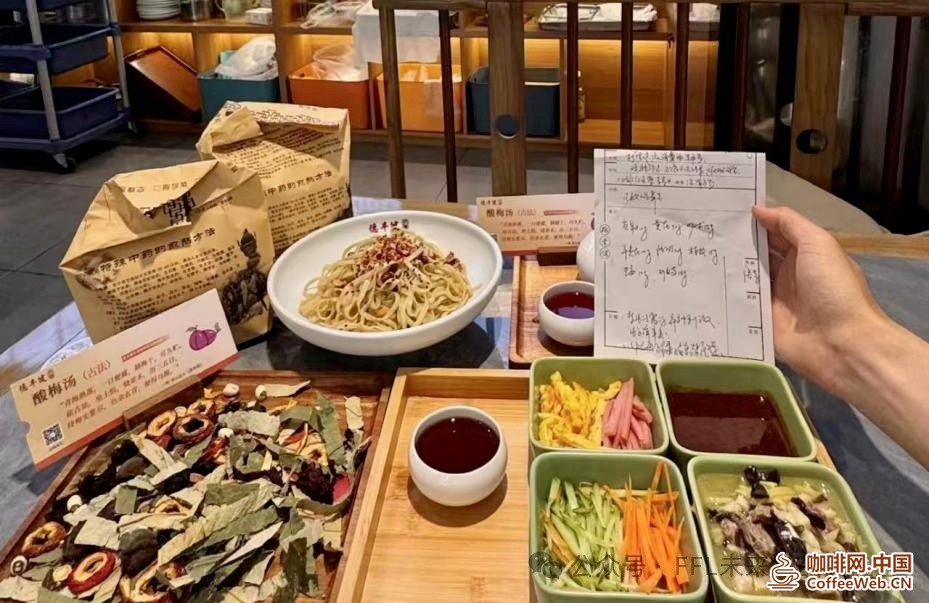
广州一家中医馆更是推出的“先把脉再吃饭”模式走红网络。顾客到店后,先由执业医师把脉问诊,领取专属体质卡,再根据推荐选择对应药膳菜品。
▲图源:小红书
这套模式的巧妙之处在于:把“吃饭”变成了“量身定制”的健康服务体验,极大地拉高了消费的仪式感和心理价值。然而,“把脉问诊”在法律上属于医疗行为。执业医师在餐厅内进行诊疗活动,是否合规、是否构成变相坐诊,业内已有争议。药膳餐饮若想从“网红打卡”走向常态经营,必须在专业服务与合规边界之间划清界限。此外,这类模式高度依赖人力,一旦规模化,品控和体验如何保持,也是一道难题。
无论哪种模式,最终都要面对同一个拷问:当新鲜感消退,复购率能否撑起长期运营?医院、中医馆背书确实能降低消费者的首次决策成本,但“养生”概念带来的尝鲜动力终究会衰减。当越来越多参与者涌入赛道,产品本身的品质、口感、便捷度和价格,才是决定消费者用脚投票的关键。药食同源大健康产业不缺概念,缺的是真正经得起复购的好产品、好服务。
* 参考文章:
(1)虎嗅:一杯咖啡卖28元,在医院开餐饮店成香饽饽了?
(2) 无锡新传媒:医院里喝杯“冰中式”,社区里品“奶奶手作” 无锡咖啡馆,越来越“跨界”。
(3) 搜狐新闻:三甲医院药房旁卖药膳奶茶、咖啡!药师参与,外卖上线可送。
(4) 今日头条:瑞幸、星巴克、库迪、MANNER…9大咖啡品牌最新拓店计划:有人要冲5万店,卷飞了!
(5) 搜狐新闻:医院×咖啡馆,科学和人文的统一 。
(6) 今日头条:北京支持老字号创新发展,网红咖啡店进驻医院。
* 提醒:文章仅供参考,如有不当,欢迎留言指正和交流。且读者不应该在缺乏具体的专业建议的情况下,擅自根据文章内容采取行动,因此导致的损失,本运营方不负责。如文章涉及侵权或不愿我平台发布,请联系处理。
Author | Carter, Xiaoyu
Operations | Wei Yuxin
Image | Network
Source | FFL Future Food Laboratory
The coffee price war has reached 9.9, and the health coffee in the hospital not only sells for 30 yuan per cup, but also has to queue up. What business is behind this?
01
Selling health coffee in hospitals has become a trend
At present, the business model of "hospital+coffee" mainly presents two paths.
The first type is the hospital's self operated coffee shop, which combines medical resources with the concept of food and medicine, creating a new experience of "health coffee".
For example, the first affiliated hospital of Guangzhou University of Traditional Chinese Medicine launched the "Ruilin Tang", which focuses on the development of characteristic drinks based on the same source of medicine and food and Tonic Diet. Among them, five fingered peach coffee and five fingered peach milk coffee became popular items, with the highest price of 28.6 yuan; The "the Taihu Lake Lake · Longsha Zhongyi Hall" of Wuxi Hospital of Traditional Chinese Medicine integrates traditional Chinese medicines such as tangerine peel and astragalus into common coffee categories such as American style and latte; Beihai Hospital affiliated to Guangxi University of Traditional Chinese Medicine launched Tonic Diet coffees such as Huangjing coffee, white lentil light fat coffee, etc; Beijing Sino Japanese Friendship has also opened coffee shops, but has not introduced coffee with health concepts. It follows a daily route and mainly satisfies the daily consumption of staff in the hospital.
▲ Image source: Xiaohongshu
Some hospitals have taken the route of lightweight, such as introducing self-service coffee machines. It is understood that a customized intelligent coffee machine has been placed in the hospital of Jiangsu Provincial Hospital of Traditional Chinese Medicine, providing many Tonic Diet coffee and health drinks, such as Huangjing American style, Huangjing latte, Huangjing kabu, Huangjing drink, etc. Compared to the low price competition in the street coffee market, the price of coffee sold in these hospitals is much higher than "9.9". The hospital's self operated coffee shops offer a differentiated experience of "coffee+health".
▲ Image source: Xiaohongshu
From the perspective of spatial layout, most of these stores are located in densely populated areas such as hospital lobbies and outpatient halls, and have dedicated dining and rest areas. The coffee shop of Chaoyang District Traditional Chinese Medicine Hospital in Beijing is directly located across from the triage desk, equipped with multiple sets of small tables and chairs for patients and their families to rest briefly; Guangzhou Ruilin Hall has also placed multiple sets of tables and chairs in the lobby area in front of the bar, including small round tables suitable for solitude and square tables for multiple people to sit around. Coffee shops are no longer just "buy and go" stalls, but have become a composite space with a stopping attribute.
▲ Image source: Xiaohongshu
Another path is for mature coffee brands to enter the hospital channel and expand new consumer touchpoints by leveraging the high-frequency flow of people in hospitals.
Since Starbucks entered Shanghai Oriental Hospital, hospital cafes have gradually become a new scene for chain brand layout. Starbucks has since entered Jiangsu Provincial People's Hospital, Nanjing Drum Tower Hospital, and Costa Coffee has also entered Huashan Hospital affiliated with Fudan University. Luckin Coffee has deployed hospital scenes through direct operated stores and unmanned coffee equipment, and has currently landed in multiple hospitals in Guangzhou.
▲ Image source: Network
In 2025, Tims further announced the opening of special channels such as hospitals for franchise recruitment, with plans to continue expanding hospital branches. At the same time, time-honored brands have also begun to try to cross boundaries, such as Yao Coffee under Baita Temple Pharmacy entering hospitals and injecting youthful expression into traditional brands through coffee scenes.
Unlike hospital self operated coffee exploring product innovation of "medicine and food sharing the same origin", these coffee chain brands entering hospitals are more looking for new channels for growth, providing standardized coffee and convenient consumer services.
▲ Image source: Xiaohongshu
02
Why are people still buying when it's not sold cheap?
Both models seem to sell coffee in hospitals, but the underlying business logic is not the same. The former focuses on content innovation and reconstructs product value through health preservation; The latter focuses on channel positioning and uses standardized supply to meet the needs of special scenarios.
But a common question is: why can health coffee in hospitals be sold for 20-30 yuan, even more expensive than boutique cafes outside, and there are people willing to pay in line? The answer is not simply adding some traditional Chinese medicine ingredients.
Look at the scene. Hospitals are a relatively closed consumer market, with patients, accompanying family members, and medical staff forming a stable and continuous customer base. These people buy coffee to quench their thirst and refresh themselves, which is just a basic need. More often than not, it carries a little emotional value during long waiting periods, companionship, or high-intensity work breaks. In such an environment, consumers' sensitivity to price naturally decreases, and they are more concerned about whether they can buy it immediately, rather than being a few dollars more expensive. The pricing system of hospital coffee is largely based on the logic of "convenience is reasonable".
▲ Image source: Xiaohongshu
Take another look at the product itself. The core of the health coffee sold in hospitals is not coffee. When traditional Chinese medicines such as Huangqi, Chenpi, Wuzhi Mao Tao, and Huangjing appear on cup stickers and are placed in hospitals, which represent professionalism and authority, consumers' psychological expectations of "health benefits" are greatly raised. Many hospital products also involve traditional Chinese medicine experts in formula research and development, and consumers are willing to spend more than ten yuan. They are not buying caffeine, but a psychological suggestion that drinking it is also beneficial to the body.
▲ Image source: Xiaohongshu
It is worth noting that it is not only the people inside the hospital who are willing to pay the bill. On social media platforms, "going to the hospital to check in for health coffee" is becoming a new trend of exploring stores. Many consumers go there specifically, not for medical treatment or companionship, purely for tasting, taking photos, and posting on social media. For them, a cup of health coffee is equivalent to an experience ticket, and its cost-effectiveness is much higher than that of a regular cup of coffee. It is this dual customer base of "in hospital demand+out of hospital check-in" that has supported the high pricing and popularity of hospital health coffee at the current stage.
03
How far can the boundary between medicine and food go from coffee to dining table?
In addition to coffee, more and more medicinal and edible products are also entering the special scene of hospitals and traditional Chinese medicine clinics. From baking to regular meals, the concept of "medicine and food sharing the same origin" is permeating into people's lives in a more diverse form. FFL selects several representative cases and dissects their popular logic and potential challenges.
——Health baking
Tonic Diet bread is the most active category in this trend. In the second half of last year, Tonic Diet bread in Yangzhou Hospital of Traditional Chinese Medicine became a phenomenal hit. On the first day of listing, thousands of breads were sold out within an hour, and the queue lasted for several days. Bazhen Sikang and Alkali Water Four God Cream are the main products, which add medicinal and edible ingredients such as Codonopsis pilosula, Angelica sinensis, and Goji berries, with an average price of about 10 yuan. Rather than saying that bread is delicious, it is more accurate to say that it has hit several consumer psychology points: trust endorsement from hospital research and development, low decision threshold of around 10 yuan, and psychological comfort that eating bread can also promote health.
Hospitals across the country have followed suit and launched baked goods with medicinal and edible properties. For example, Ningxia Hospital of Traditional Chinese Medicine launched 15 types of Tonic Diet bread at one time, each of which is accurate and suitable for different constitutions. The tangerine peel rose version helps people with qi stagnation to calm the liver and regulate qi. The tremella lily version is designed for yin deficiency constitution. Xiyuan Hospital and Centennial Yili have jointly launched a series of spleen powered and stomach friendly breads, with classic medicinal and edible ingredients such as yam and Poria cocos as the core. Jinan Traditional Chinese Medicine Hospital has launched 5 types of dialectical health bread, aiming to achieve "targeted diet and scientific health preservation" for people with different constitutions. After the opening of the "Medicinal Food Workshop" at the Affiliated Hospital of Tianjin Institute of Traditional Chinese Medicine, there has been a continuous flow of customers every day. The "Five Flavor Good Formula" experience store at Banan District Traditional Chinese Medicine Hospital starts work at 4am every day to ensure that products can be put on shelves on time when they open at 7am.
▲ Image source: Xiaohongshu
Overall, medicinal and edible baked goods have received good market feedback, but it can be seen that consumers are mainly willing to pay for "hospital products" to try them out, rather than truly "health preservation". Some professionals also point out that the health benefits of such products vary from person to person, and excessive intake may actually increase metabolic burden. So the actual demand for this category still needs to be verified for a longer period of time.
——Catering
Further than baking is the rise of Tonic Diet dinners and health preserving canteens. The "Health Preserving Canteen" launched by Shaanxi Provincial Hospital of Traditional Chinese Medicine is equipped with a Chinese medicine therapeutic meal window, which provides Tonic Diet soup for syndrome differentiation, staple food package for precise sugar control, and semi liquid diet suitable for postoperative use. These customized meals, formulated by nutritionists and cooked by professional chefs, accurately cover the health needs of different populations.
The Tonic Diet Nutrition Restaurant of Zhangzhou Hospital of Traditional Chinese Medicine was officially opened. The meal taking area was divided into pot stewing area, pastry area and tea drinking area. The dishes included traditional Tonic Diet classics such as Chinese yam poria cocos chicken soup, ginseng and qi spareribs soup, and innovative delicacies such as light body cake, white jade beauty Mantou. The price of pastry Tonic Diet is between 1.5 and 18 yuan.
A traditional Chinese medicine clinic in Guangzhou has launched a popular online model of "checking the pulse before eating". After the customer arrives at the store, the licensed doctor will check his pulse, get the exclusive constitution card, and then select the corresponding Tonic Diet dishes according to the recommendation.
▲ Image source: Xiaohongshu
The cleverness of this model lies in transforming "eating" into a "tailor-made" health service experience, greatly enhancing the sense of ritual and psychological value of consumption. However, 'pulse diagnosis' is legally considered a medical act. There has been controversy in the industry over whether practicing physicians conducting diagnosis and treatment activities in restaurants are compliant and constitute disguised consultations. If Tonic Diet wants to move from "online red card punching" to normal operation, it must draw a clear line between professional services and compliance boundaries. In addition, this type of model highly relies on manpower, and once scaled up, how to maintain quality control and experience is also a challenge.
Regardless of the mode, we will ultimately face the same challenge: when the novelty fades, can the repurchase rate sustain long-term operation? Endorsements from hospitals and traditional Chinese medicine clinics can indeed reduce consumers' initial decision-making costs, but the novelty drive brought by the concept of "health preservation" will eventually decline. As more and more participants flock to the track, the quality, taste, convenience, and price of the product itself are the key factors that determine consumers' voting with their feet. The health industry of medicine and food sharing the same origin is not lacking in concept, but rather in good products and services that can withstand repeat purchases.
*Reference article:
(1) Tiger Sniff: A cup of coffee sells for 28 yuan, and opening a restaurant in the hospital has become a hot commodity?
(2) Wuxi New Media: Drinking a cup of "Ice Chinese style" in the hospital and tasting "Grandma Handmade" Wuxi coffee shops in the community are becoming more and more "cross-border".
(3) Sohu News: Tonic Diet milk tea and coffee are sold next to the pharmacy of the top three hospital! Pharmacists participate, and food delivery is available online.
(4) Today's Headlines: Luckin Coffee, Starbucks, Kudi, MANNER... 9 Major Coffee Brands' Latest Store Expansion Plans: Someone Wants to Visit 50000 Stores, It's Flying Away!
(5) Sohu News: Hospital x Coffee Shop, Unity of Science and Humanities.
(6) Today's headline: Beijing supports the innovative development of time-honored brands, and internet famous coffee shops have entered hospitals.
*Reminder: The article is for reference only. If there is any inappropriate content, please feel free to leave a message for correction and communication. And readers should not take actions based on the content of the article without specific professional advice, and the operator is not responsible for any losses caused as a result. If the article involves infringement or is unwilling to be published on my platform, please contact us for handling.