油茶树下种咖啡,江门这个镇有了“林下经济”新打法Planting coffee under oil tea trees, Jiangmen town has a new strategy of "forest economy"
盛夏七月,江门恩平市那吉镇潭角村鑫华农业基地。油茶树撑开一片浓荫,2万株咖啡苗舒展嫩叶,长势超出预想。这是江门“侨都咖啡”产业布局的新落子,也是那吉这个传统茶乡的“跨界”尝试。
日前,江门印发《江门市促进“侨都咖啡”产业高质量发展行动方案(2026—2028年)》,明确提出构建“1+2+5”咖啡产业体系,即一个天露山精品咖啡种植产业带、两大产业平台和五个县域特色咖啡产业基地。
其中,天露山精品咖啡种植产业带由开平、恩平两地共建,依托广东江门国家农业科技园区,打造侨乡精品咖啡种植核心区和咖啡农文旅融合示范地。
“一片叶”里做“新文章”
那吉镇地处恩平西南端,群山环抱,山林温润多雨、土层疏松,气候条件得天独厚,长期以来便是优质茶叶的产地。近年来,那吉镇不再满足于单一种茶,把目光投向了更广阔的林下空间,以做强“一片叶”为抓手,探索“茶、药、咖”复合种植,加快打造生态农业观光园。
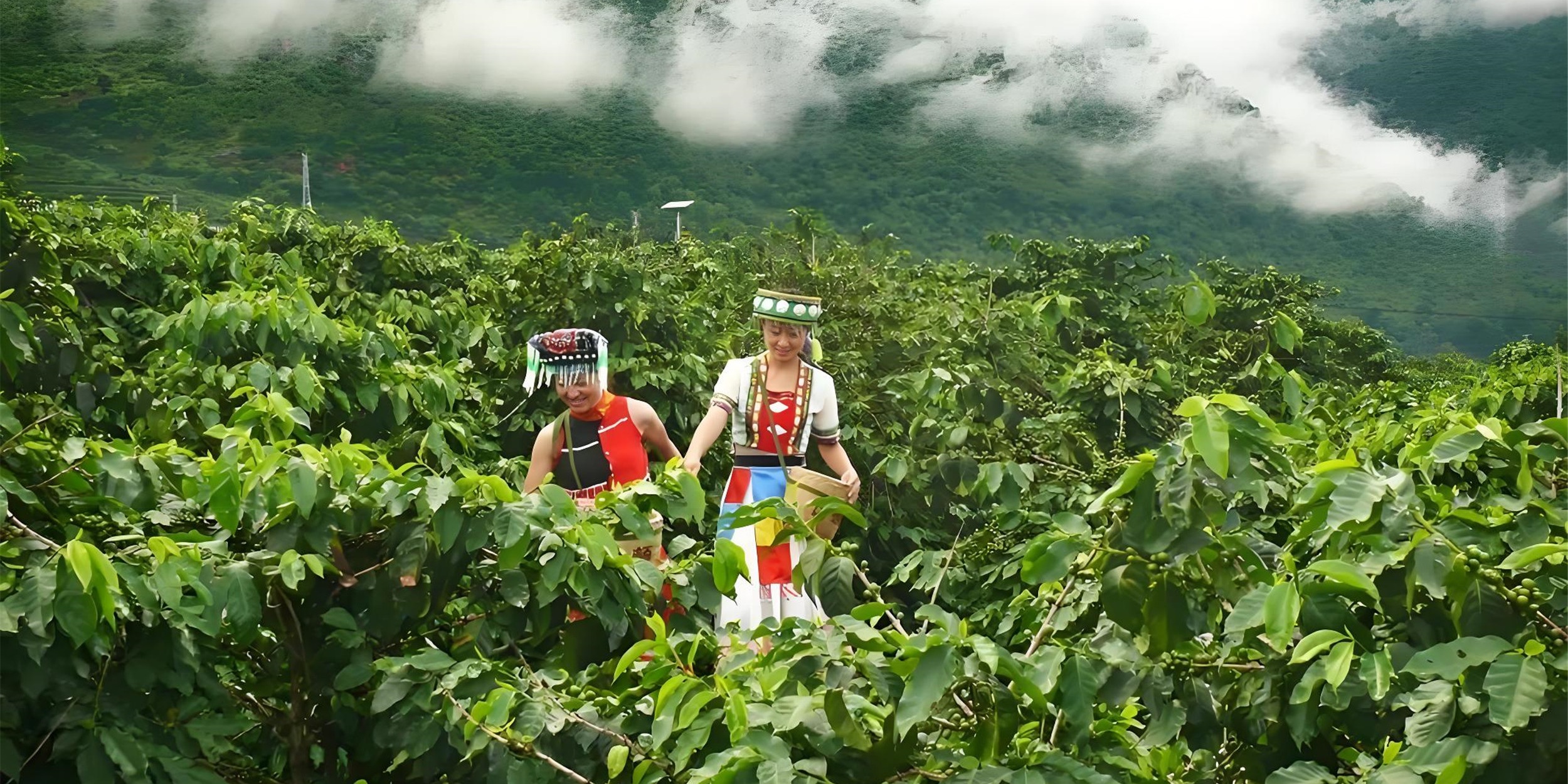
“茶咖共育”正是此次探索的核心命题。那吉镇在潭角村鑫华农业基地率先试点,将咖啡与油茶树进行遮阴套种——油茶在上层构筑天然“遮阳伞”,咖啡在下层安静生长。目前,该基地已种植来自云南的萨奇姆、卡蒂姆咖啡苗约2万株。
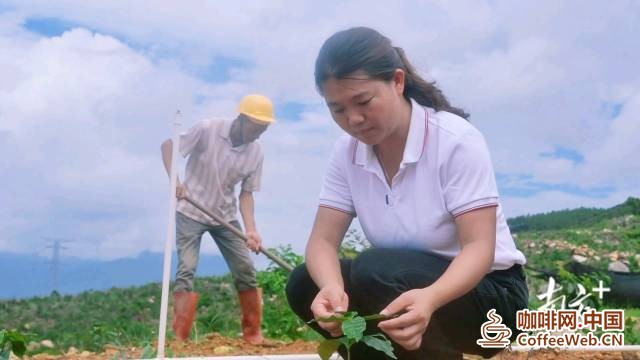
“全遮阴种植模式下,咖啡苗生长速度更快,这是我们在实践中发现的惊喜。”鑫华农业基地负责人卢林英介绍,“那吉的气候条件和海拔高度非常适合咖啡生长,从种下至今仅一个月,幼苗的长势就已超出预期。”这种“树上油茶、树下咖啡”的立体种植模式,既不影响原有经济林收益,又为咖啡苗提供了天然的半日照环境。
一亩林地,两份收成,生态效益与经济效益兼得。
从“不敢种”到抢先试
那吉人种茶是把好手,但面对咖啡这个“外来客”,起初心里并不踏实。近年来,江门本地咖啡庄园相继实现量产突破,让那吉人看到了“自己也能种”的可能。
江门市深入实施“百县千镇万村高质量发展工程”促进城乡区域协调发展推进会近日召开,明确提出要深耕细作特色现代农业,做深做透“土特产”文章,构建“1+2+5”咖啡产业体系。这一部署,为那吉镇特色农业发展指明了方向,为咖啡试种坚定了信心。
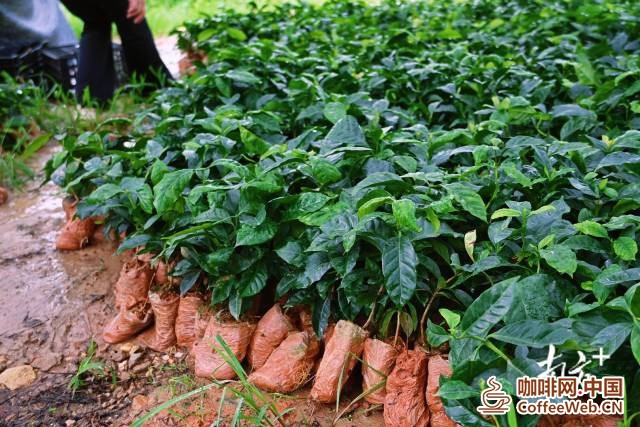
“等这批咖啡苗试种成功,农户看到实实在在的效益,种植的积极性就高了。”那吉镇农业领域分管负责人薛富珅表示,下一步,那吉镇将紧扣“百县千镇万村高质量发展工程”部署要求和乡村振兴产业发展规划,待试种数据稳定后将稳步扩大种植规模,完善配套设施,并探索“企业+农户”的订单化合作模式,让小小的咖啡成为富民兴村的“金豆子”。
咖啡种下去,希望长出来
卢林英望着眼前的一片绿苗,眼中满是期待。“等两三年后挂果,采下来的咖啡豆如果能在本地烘焙、加工,再打上‘那吉产’的标签,那就真有归属感了。”
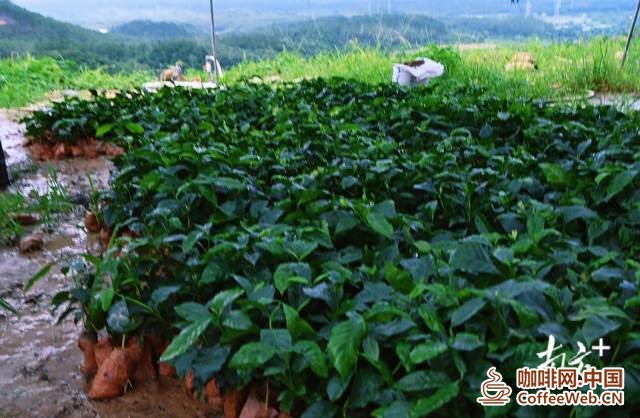
从茶叶到咖啡,从单一种植到“茶药咖”共育,这片土地的价值远不止于茶叶——林下空间、四季景观,都是可以盘活的资源。
在更远的蓝图中,这片农业基地还将融入生态观光等元素,让游客春天看花采茶、秋天摘油茶果,四季品味咖啡,把种植园变成融合农旅的“打卡地”,为恩平市咖啡产业规模化发展积累宝贵经验。
山风拂过,油茶树叶沙沙作响,树荫下的咖啡苗随风轻摇。这批幼苗承载的,不仅是传统农业向高附加值产业的转型之梦,更是一个产业从无到有、从有到优的希望。
采写:南方+记者 张婧媛
通讯员 袁家玮 黄翠苹
摄影/视频:冯毅晋
编辑:王子瑜 责任编辑:刘竞宇
In the scorching summer of July, Xinhua Agricultural Base is located in Tanjiao Village, Naji Town, Enping City, Jiangmen. Oil tea trees spread a thick shade, and 20000 coffee seedlings stretched their tender leaves, growing beyond expectations. This is a new development in the layout of the "Qiaodu Coffee" industry in Jiangmen, and also a "cross-border" attempt by Naji, a traditional tea town.
Recently, Jiangmen issued the "Action Plan for Promoting High Quality Development of the Overseas Chinese Coffee Industry in Jiangmen City (2026-2028)", which clearly proposes to build a "1+2+5" coffee industry system, namely a Tianlushan boutique coffee planting industry belt, two major industry platforms, and five county-level characteristic coffee industry bases.
Among them, the Tianlu Mountain Premium Coffee Planting Industrial Belt is jointly built by Kaiping and Enping, relying on the Guangdong Jiangmen National Agricultural Science and Technology Park to create a core area for premium coffee planting in overseas Chinese hometowns and a demonstration area for the integration of coffee agriculture, culture, and tourism.
Create a 'new article' in 'One Leaf'
Naji Town is located at the southwest end of Enping, surrounded by mountains, with warm and rainy forests, loose soil layers, and unique climatic conditions. It has long been a producer of high-quality tea. In recent years, Naji Town is no longer satisfied with a single type of tea, but has turned its attention to a broader understory space, focusing on strengthening the "one leaf" and exploring the compound planting of "tea, medicine, and coffee" to accelerate the construction of an ecological agricultural sightseeing park.
The core proposition of this exploration is the co cultivation of tea and coffee. Naji Town took the lead in piloting the planting of coffee and oil tea trees in Xinhua Agricultural Base in Tanjiao Village. Oil tea trees were planted in a shaded manner, creating a natural "sunshade umbrella" on the upper layer, while coffee grew quietly on the lower layer. At present, the base has planted about 20000 Sakim and Katim coffee seedlings from Yunnan.
Under the fully shaded planting mode, coffee seedlings grow faster, which is a surprise we have discovered in practice, "said Lu Linying, the person in charge of Xinhua Agricultural Base." The climate conditions and altitude in Naji are very suitable for coffee growth. In just one month since planting, the growth of seedlings has exceeded expectations. "This three-dimensional planting mode of" oil tea on the tree and coffee under the tree "does not affect the original economic forest income, but also provides a natural semi sunlight environment for coffee seedlings.
One acre of forest land yields two harvests, achieving both ecological and economic benefits.
From 'dare not plant' to 'try first'
Nagi is skilled at brewing tea, but when faced with the "outsider" of coffee, he was not at ease at first. In recent years, local coffee plantations in Jiangmen have achieved breakthroughs in mass production, allowing Naji people to see the possibility of "growing their own coffee".
The Jiangmen City has recently held a meeting to promote the coordinated development of urban and rural areas through the implementation of the "Hundred Counties, Thousand Towns, and Ten Thousand Villages High Quality Development Project". The meeting clearly stated the need to deeply cultivate and refine characteristic modern agriculture, thoroughly explore "local specialties", and build a "1+2+5" coffee industry system. This deployment has pointed out the direction for the development of characteristic agriculture in Naji Town and strengthened confidence for coffee trial planting.
After the successful trial planting of this batch of coffee seedlings, farmers will see tangible benefits and their enthusiasm for planting will be high, "said Xue Fuyun, the person in charge of agriculture in Naji Town. In the next step, Naji Town will closely follow the deployment requirements of the" Hundred Counties, Thousand Towns, and Ten Thousand Villages High Quality Development Project "and the rural revitalization industry development plan. After the trial planting data stabilizes, the planting scale will be steadily expanded, supporting facilities will be improved, and the" enterprise+farmers "order based cooperation model will be explored, making small coffee the" golden beans "for enriching the people and revitalizing the village.
Planting coffee, hoping to grow it out
Lu Linying looked at the green seedlings in front of her, her eyes filled with anticipation. After two or three years, if the harvested coffee beans can be roasted, processed locally, and labeled as' Naji produced ', then they will truly have a sense of belonging
From tea to coffee, from monoculture to co cultivation of tea, medicine, and coffee, the value of this land goes far beyond tea - understory space and seasonal landscapes are all resources that can be revitalized.
In a broader blueprint, this agricultural base will also incorporate elements of ecological tourism, allowing tourists to enjoy flowers and pick tea in spring, oil tea fruits in autumn, and taste coffee throughout the year, turning the plantation into a "check-in spot" for integrated agricultural tourism and accumulating valuable experience for the large-scale development of Enping's coffee industry.
The mountain wind blows by, the oil tea leaves rustle, and the coffee seedlings under the shade sway gently in the wind. These seedlings carry not only the dream of transforming traditional agriculture into high value-added industries, but also the hope for an industry to grow from scratch and from existence to excellence.
Reported by: Southern+Reporter Zhang Jingyuan
Correspondent Yuan Jiawei and Huang Cuiping
Photography/Video: Feng Yijin
Editor: Wang Ziyu Responsible Editor: Liu Jingyu