2026-2030年中国咖啡产业全周期发展深度分析In depth analysis of the full cycle development of China's coffee industry from 2026 to 2030
2026-2030年中国咖啡产业全周期发展深度分析
一、行业整体规模与增长预测(2026-2030)
1. 市场总量增速
2025年国内咖啡整体市场规模约3200亿元,2026年突破3800亿元;2026-2030年复合年均增速维持15%-19%,至2030年全产业链总规模突破5200亿元,有望冲击5500亿区间。
中国咖啡消费占全球比重从2025年22%提升至2030年27%,成为全球第二大咖啡消费市场,是全球咖啡行业唯一高增长核心引擎。
2. 人均消费分层
全国人均年咖啡杯数:2026年25杯,2030年突破35杯;
一线/新一线:人均年消费65-80杯,市场趋于饱和,增长放缓至8%-10%;
三四线、县域市场:年均增速25%以上,是2026-2030核心增量来源,县城咖啡门店数量五年翻倍增长 。
3. 终端门店格局
全国连锁咖啡门店2026年约12万家,2030年总量突破22万家;门店结构重构:
平价写字楼/社区小店(10-20元价位)占比60%;
园区商务精品店、独栋复合咖啡馆(咖啡+会所/办公)快速扩容;
无人自助咖啡机覆盖产业园、医院、交通枢纽,成为标准化配套设施。
二、全产业链2026-2030发展变革
(一)上游种植端:国产精品化,降低原料进口依赖
产区布局与产能
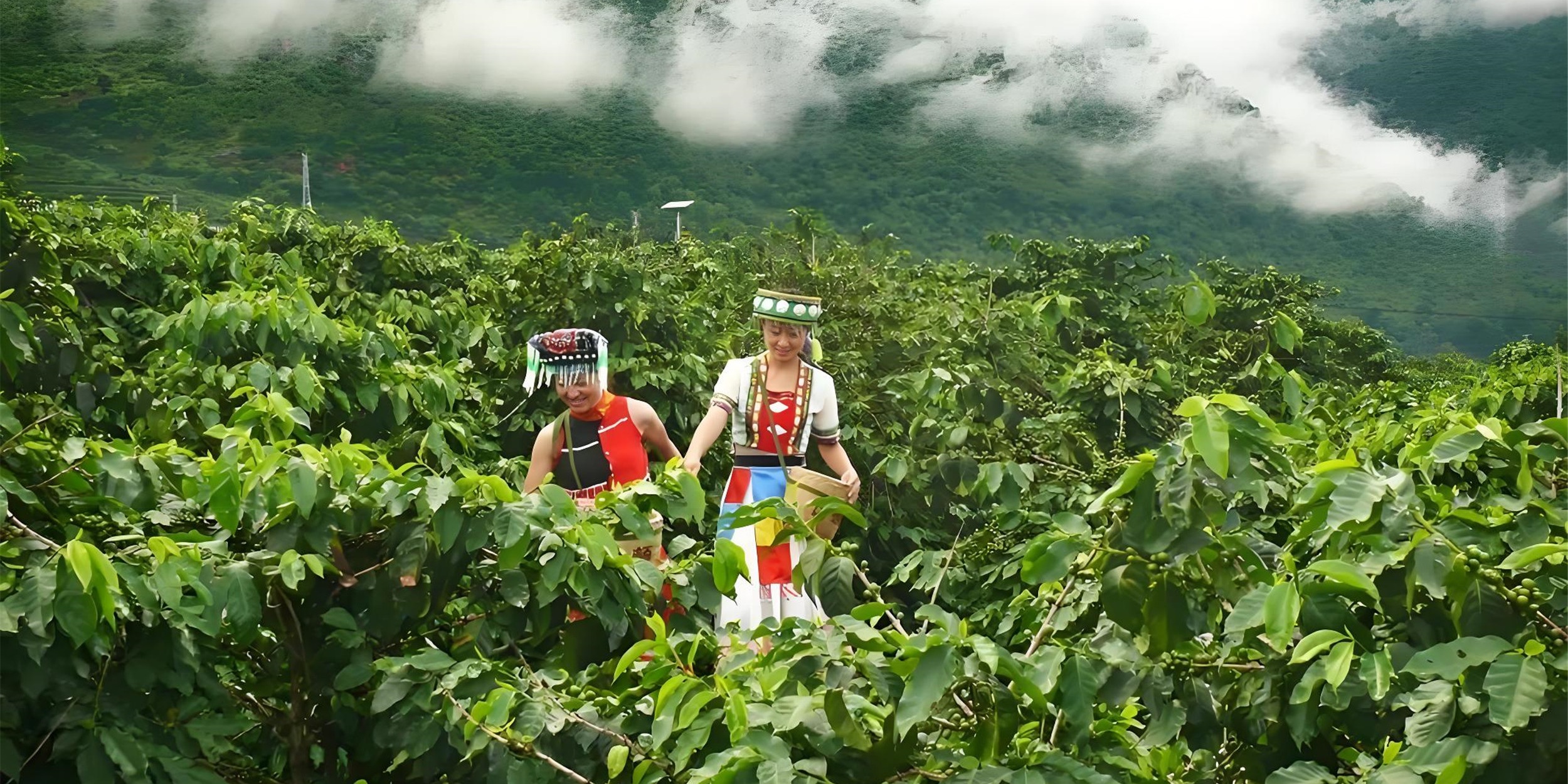
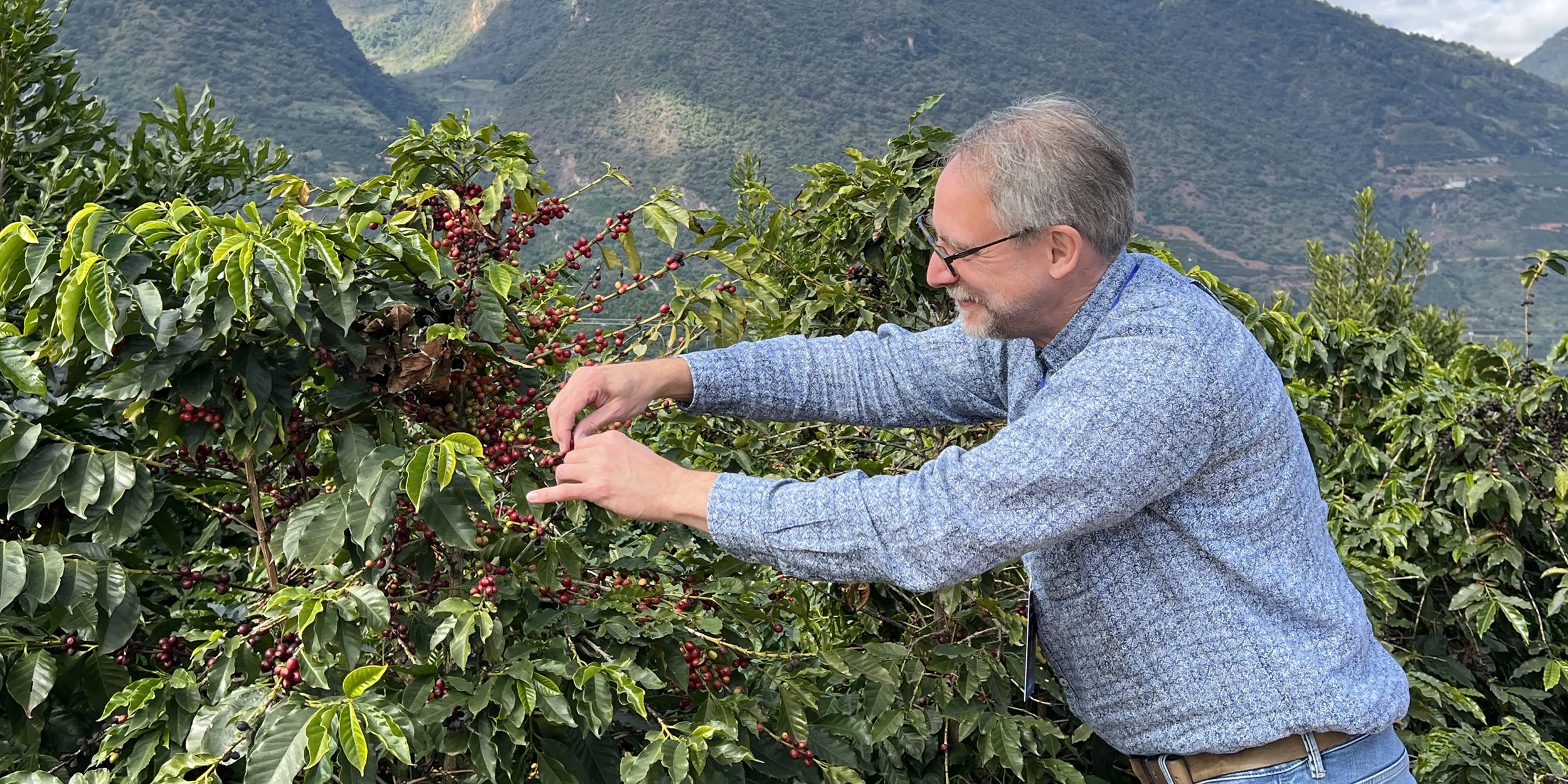
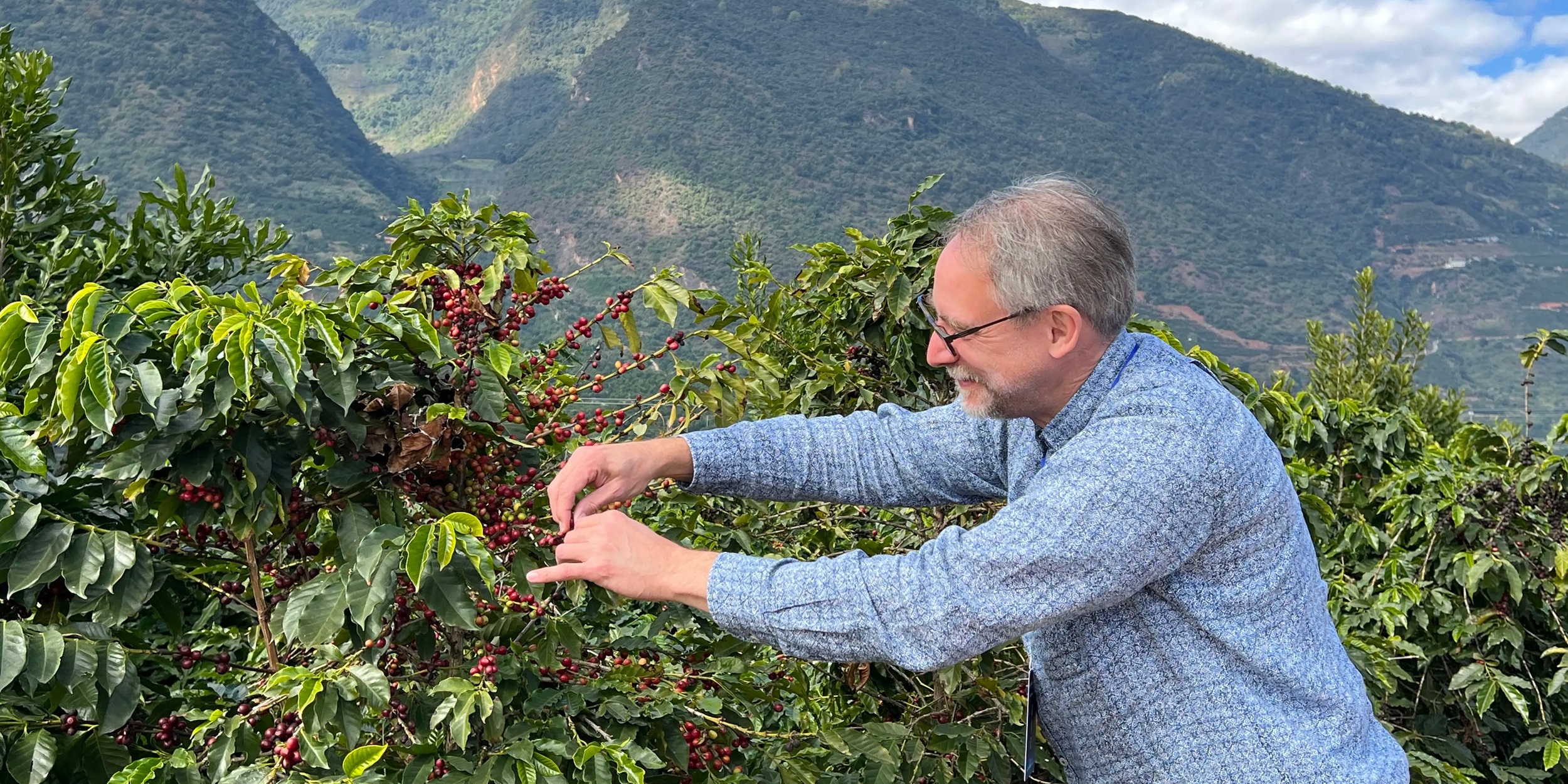
云南为全国核心产区,咖啡种植面积稳定150-190万亩,产量占全国95%以上;2030年年产咖啡豆18万吨,精品咖啡豆占比从2025年41.7%提升至50% ;海南打造热带特色咖啡自贸港集散基地,广西、四川形成小众补充产区。
供给结构转型
咖啡豆整体进口依存度由2025年73%降至2030年63%;大众商用阿拉比卡豆实现国产替代,90%基础商用烘焙豆本土供给;高端精品豆仍依赖埃塞、哥伦比亚等进口。
行业发展重心从“扩种植面积”转向老旧咖啡园改造、抗病良种选育、智慧农业落地,水肥一体化、物联网监测全面普及,咖农标准化种植能力大幅提升。
产业价值升级
彻底摆脱低价生豆外销模式,云南咖啡豆精深加工率稳定85%以上;“咖啡庄园+文旅+乡村旅居”模式成熟,普洱、保山、临沧建成60余家标准化精品庄园,承接研学、下午茶、产地体验客流,延伸农业附加值 。
政策支撑:十五五农业强国、乡村振兴规划持续扶持特色经济作物,云南出台专项补贴,对有机认证、精品加工、庄园文旅给予税收、设备抵扣优惠 。
(二)中游加工制造:技术自主,设备国产替代全面完成
产品结构迭代
现磨烘焙咖啡占比从2025年40%升至2030年53%,成为第一大品类;
冻干粉、冷萃浓缩液、胶囊咖啡、功能性草本咖啡高速增长,适配居家、办公便携场景;
传统三合一速溶持续萎缩,市场份额降至28%以内,单一产地精品挂耳、冻干速溶取而代之。
加工技术国产化
低温冻干、无菌冷萃、氮气烘焙生产线本土量产,进口设备依赖度大幅下降;中式风味创新常态化,酱香、草本、茶咖融合产品形成差异化赛道。
商用咖啡设备赛道爆发
国内商用咖啡机市场2030年突破280亿元,国产品牌占据国内65%以上市场份额;设备从单纯硬件销售转向IoT智能终端+SaaS运维服务,AI预判故障、远程耗材管理、门店客流数据采集成为标配,写字楼、园区窄体全自动咖啡机普及。
(三)下游终端消费:分层竞争,本土品牌主导市场
市场竞争格局重构
连锁头部集中:前五大连锁品牌市场占有率达62%,瑞幸、库迪等本土平价品牌掌控大众赛道;星巴克等外资品牌聚焦40元以上高端精品场景,差异化错位竞争;
独立精品咖啡馆、园区商务独栋店(1层咖啡+楼上会所/办公)形成细分红利赛道,依托稳定B端企业订单实现盈利;
跨界融合常态化:新茶饮门店增设咖啡品类填补早高峰空白,写字楼、产业园区配套咖啡成为基础商务配套。
四大核心消费场景全覆盖
堂食商务洽谈、外卖外带、居家自制、办公自助设备并行;科创园区、高端社区、文旅景区成为门店扩张核心载体,产业园配套商务咖啡是五年新增开店主力。
数字化体系独立化
连锁品牌逐步摆脱第三方SaaS平台,搭建自有独立H5官网+小程序点单系统,会员、订单、用户数据自主留存;企业团餐、会议室咖啡配送成为稳定B端增量,适配科技园、传媒公司批量采购需求。
三、2026-2030产业核心驱动因素
1. 政策红利(十五五规划核心支撑)
《扩大消费十五五规划》明确扶持休闲体验消费、本土连锁服务业,鼓励咖啡门店下沉县域、园区配套布局;
农业强国战略扶持云南咖啡精品化、产地精深加工,完善地理标志保护体系(普洱咖啡、保山小粒咖啡GI认证全面推广);
海南自贸港降低咖啡豆进口关税,打造全国咖啡进出口集散中心,丰富高端原料供给;
智能制造政策补贴农产品深加工设备、智能咖啡机研发制造。
2. 消费人群基础
Z世代、都市白领3亿核心消费群体养成每日喝咖啡习惯,咖啡兼具提神刚需、社交悦己双重属性,抗周期属性强;
三四线、县域中产规模持续扩张,下沉市场咖啡供给缺口大,增速远超一二线;
健康消费趋势:低糖、植物奶、零添加功能性咖啡需求持续走高。
3. 商业模式创新
复合业态成为生存标配:咖啡+简餐、咖啡+商务会所、咖啡+书屋、咖啡+庄园文旅,拉长经营时段、提升单店营收;独栋楼宇一层咖啡、高层私人会所/传媒办公的组合模式,成为高新产业园标准业态;
产地直连供应链:连锁品牌直接与云南咖啡庄园签约保底收购,砍掉多层中间商,压缩原料成本、稳定品质;
私域长效运营:企业月卡、储值会员、园区批量团单、包间时段预约,锁定稳定现金流。
四、行业现存核心挑战(2026-2030长期制约)
上游原料短板
国产精品豆国际知名度不足,高端市场仍依赖进口;咖农种植技术参差不齐,年份气候波动易造成品质不稳定;非洲咖啡豆零关税进口,对平价国产商业豆形成价格冲击。
终端门店同质化内卷
10-20元平价赛道价格战激烈,单店毛利率持续压缩;小型夫妻咖啡馆无供应链、数字化运营能力,淘汰率逐年提升。
全球原料价格波动风险
国际咖啡期货周期性涨跌、海外产区气候灾害、跨境物流成本波动,直接传导至终端门店成本,利润承压。
产业人才缺口
专业烘焙师、精品手冲师、园区复合业态运营管理人才供给不足,行业标准化培训体系尚未完善。
区域发展不均衡
西北、东北低线城市咖啡文化渗透慢,门店回本周期更长;市场资源高度集中东部沿海城市群。
五、2026-2030五大确定性发展趋势
全产业链自主可控
上游云南精品豆提质增量、中游加工设备国产替代、下游本土品牌占据市场主流,形成完整内循环产业体系,逐步从原料进口转向精品豆出口。
消费分层、赛道细分
平价流量店、商务配套店、高端精品手冲、居家便携速溶四条赛道并行,单一通用型门店盈利难度加大,精准定位细分场景成为生存关键。
跨界融合常态化
咖啡+产业园区办公、咖啡+乡村文旅、咖啡+私人会所、咖啡+新茶饮跨界融合,单纯售卖饮品的单一场景门店逐步被市场淘汰。
绿色可持续标准化
有机种植、可降解包装、碳足迹溯源、公平贸易采购成为头部品牌硬性标准,绿色低碳加工、门店运营形成行业准入门槛。
数字化自主经营
连锁品牌自建独立网站、会员管理系统,减少第三方平台佣金抽成,沉淀自有用户数据,依托大数据实现精准选址、产品迭代;商用咖啡机全面搭载物联网,实现无人化运维。
六、实体开店从业者落地参考(园区/商务咖啡馆适配)
选址优先逻辑:高新科创园区独栋一层商铺最优,自带写字楼企业、楼上会所稳定B端订单,周边高端社区补足周末客流;
业态规划:一楼咖啡零售+下午茶洽谈区,设置独立商务小包间承接企业小型会议、传媒团队沟通;楼上配套会所形成客流互补;
运营核心增量:搭建独立H5点单网站,重点开发园区企业团餐、会议咖啡配送业务,作为稳定营收支柱;
供应链策略:云南产地直采基础商用豆控制成本,少量进口精品豆做高端手冲、特色单品,兼顾性价比与品质差异化。

In depth analysis of the full cycle development of China's coffee industry from 2026 to 2030
1、 Overall Industry Scale and Growth Forecast (2026-2030)
1. Growth rate of total market volume
The overall market size of coffee in China is expected to reach approximately 320 billion yuan by 2025, and exceed 380 billion yuan by 2026; The compound annual growth rate will remain at 15% -19% from 2026 to 2030, and the total scale of the entire industry chain is expected to exceed 520 billion yuan by 2030, with the potential to impact the 550 billion yuan range.
The proportion of coffee consumption in China has increased from 22% in 2025 to 27% in 2030, becoming the second largest coffee consumption market in the world and the only high growth core engine of the global coffee industry.
2. Per capita consumption stratification
Annual coffee cups per capita nationwide: 25 cups in 2026, exceeding 35 cups by 2030;
Frontline/New Frontline: Per capita annual consumption of 65-80 cups, market tends to be saturated, and growth slows down to 8% -10%;
Third - and fourth tier, county-level markets: with an average annual growth rate of over 25%, it is the core source of incremental growth from 2026 to 2030, and the number of coffee shops in county towns will double in five years.
3. Terminal store layout
There will be approximately 120000 chain coffee stores nationwide by 2026, and the total number will exceed 220000 by 2030; Store restructuring:
Affordable office buildings/community small shops (priced between 10-20 yuan) account for 60%;
Rapid expansion of business boutique stores and standalone compound cafes (coffee+clubhouse/office) in the park;
Unmanned self-service coffee machines cover industrial parks, hospitals, and transportation hubs, becoming standardized supporting facilities.
2、 Development and transformation of the entire industry chain from 2026 to 2030
(1) Upstream planting end: Domestic refinement, reducing dependence on imported raw materials
Production Area Layout and Capacity
Yunnan is a core production area in China, with a stable coffee planting area of 1.5-1.9 million mu and a yield accounting for over 95% of the country's total; By 2030, the annual production of coffee beans will be 180000 tons, and the proportion of premium coffee beans will increase from 41.7% in 2025 to 50%; Hainan is building a tropical specialty coffee free trade port distribution base, while Guangxi and Sichuan are forming niche supplementary production areas.
Supply structure transformation
The overall import dependence of coffee beans will decrease from 73% in 2025 to 63% in 2030; Mass commercial Arabica beans achieve domestic substitution, with 90% of basic commercial baked beans supplied locally; High end premium beans still rely on imports from Ethiopia, Colombia, and other countries.
The focus of industry development has shifted from "expanding planting area" to the renovation of old coffee plantations, breeding of disease resistant varieties, and the implementation of smart agriculture. The integration of water and fertilizer, and the comprehensive popularization of IoT monitoring have greatly improved the standardized planting ability of coffee farmers.
Upgrading industrial value
Completely getting rid of the low-priced green bean export model, the deep processing rate of Yunnan coffee beans remains stable at over 85%; The "Coffee Plantation+Cultural Tourism+Rural Travel" model is mature, with more than 60 standardized boutique estates built in Pu'er, Baoshan, and Lincang, undertaking research, afternoon tea, and production experience passenger flow, and extending agricultural added value.
Policy support: The 15th Five Year Plan for Agricultural Power and Rural Revitalization will continue to support characteristic economic crops. Yunnan has issued special subsidies, providing tax and equipment deduction benefits for organic certification, high-quality processing, and rural tourism.
(2) Midstream processing and manufacturing: independently developed technology, fully replaced by domestically produced equipment
Product structure iteration
The proportion of freshly ground roasted coffee will increase from 40% in 2025 to 53% in 2030, becoming the largest category;
Freeze dried powder, cold extract concentrate, capsule coffee, and functional herbal coffee are growing rapidly, suitable for portable home and office scenarios;
Traditional three in one instant medicine continues to shrink, with market share dropping to less than 28%, replaced by high-quality ear hanging and freeze-dried instant medicine from a single origin.
Localization of processing technology
Low temperature freeze-drying, sterile cold extraction, and nitrogen baking production lines are mass-produced locally, and the dependence on imported equipment has significantly decreased; Chinese flavor innovation is normalized, and the fusion of sauce aroma, herbal, and tea coffee products forms a differentiated track.
Commercial coffee equipment race erupts
The domestic commercial coffee machine market is expected to exceed 28 billion yuan by 2030, with domestic brands occupying over 65% of the domestic market share; The equipment has shifted from simple hardware sales to IoT intelligent terminals+SaaS operation and maintenance services. AI fault prediction, remote consumables management, and store customer flow data collection have become standard features, and narrow body fully automatic coffee machines have become popular in office buildings and parks.
(3) Downstream terminal consumption: tiered competition, local brands dominate the market
Reconstruction of market competition pattern
Chain head concentration: The top five chain brands have a market share of 62%, with local affordable brands such as Luckin Coffee and Kudi dominating the mass market; Foreign brands such as Starbucks focus on high-end boutique scenes priced at over 40 yuan, competing with differentiation and dislocation;
Independent boutique cafes and park commercial standalone stores (1st floor coffee+upstairs clubhouse/office) form a segmented dividend track, relying on stable B2B enterprise orders to achieve profitability;
Normalization of cross-border integration: New tea beverage stores add coffee categories to fill the gap in morning rush hour, and office buildings and industrial parks provide coffee as a basic business support.
Full coverage of the four core consumption scenarios
Business negotiations for dine in, takeaway, home made, and self-service office equipment are conducted in parallel; Science and technology innovation parks, high-end communities, and cultural and tourism scenic spots have become the core carriers for store expansion, and the supporting business coffee in industrial parks has been the main force for new store openings in the past five years.
Independence of digital system
Chain brands are gradually moving away from third-party SaaS platforms and building their own independent H5 official website and mini program ordering system, with member, order, and user data retained independently; Enterprise group meals and conference room coffee delivery have become stable B-end increments, adapting to the bulk procurement needs of technology parks and media companies.
3、 Core driving factors of industries from 2026 to 2030
1. Policy dividends (core support of the 15th Five Year Plan)
The 15th Five Year Plan for Expanding Consumption clearly supports leisure experience consumption and local chain service industries, and encourages coffee shops to settle in counties and park supporting layouts;
The strategy of building a strong agricultural country supports the refinement and deep processing of Yunnan coffee, and improves the protection system of geographical indications (such as the comprehensive promotion of GI certification for Pu'er coffee and Baoshan small grain coffee);
Hainan Free Trade Port reduces import tariffs on coffee beans, builds a national coffee import and export distribution center, and enriches the supply of high-end raw materials;
The intelligent manufacturing policy subsidizes the research and development of agricultural product deep processing equipment and intelligent coffee machines.
2. Consumer base
The core consumer group of Generation Z and urban white-collar workers, with a population of 300 million, has developed a daily habit of drinking coffee. Coffee has dual attributes of refreshing and satisfying oneself socially, with strong anti cyclical properties;
The scale of the middle class in third - and fourth tier cities and counties continues to expand, and the supply gap of coffee in the sinking market is large, with a growth rate far exceeding that of first - and second tier cities;
Health consumption trend: The demand for low sugar, plant-based milk, and zero additive functional coffee continues to rise.
3. Business model innovation
Composite formats have become a standard for survival: coffee+light meals, coffee+business clubs, coffee+bookstores, coffee+garden cultural tourism, extending business hours and increasing single store revenue; The combination of a single story coffee shop and a high-rise private club/media office has become a standard format for high-tech industrial parks;
Direct supply chain connection from the origin: Chain brands directly sign contracts with Yunnan Coffee Plantation for guaranteed acquisition, cutting multiple layers of intermediaries, reducing raw material costs, and stabilizing quality;
Long term operation of private domain: enterprise monthly card, stored value membership, batch group orders in the park, reservation of private room time slots, locking in stable cash flow.
4、 Current core challenges in the industry (long-term constraints from 2026-2030)
Shortcomings in upstream raw materials
Domestic premium beans lack international recognition, and the high-end market still relies on imports; The planting techniques of coffee farmers vary greatly, and climate fluctuations in different years can easily lead to unstable quality; The zero tariff import of African coffee beans has had a price impact on affordable domestic commercial beans.
Homogenization and internal competition in terminal stores
The price war on the 10-20 yuan parity track is fierce, and the gross profit margin of a single store continues to be compressed; Small couple cafes lack supply chain and digital operation capabilities, and the elimination rate is increasing year by year.
Global raw material price volatility risk
The cyclical rise and fall of international coffee futures, climate disasters in overseas production areas, and fluctuations in cross-border logistics costs directly transmit to terminal store costs, putting pressure on profits.
Industry talent gap
There is a shortage of professional bakers, boutique hand blenders, and park complex operation and management talents, and the industry standardization training system is not yet perfect.
Uneven regional development
The penetration of coffee culture in low tier cities in Northwest and Northeast China is slow, and the payback period for stores is longer; Market resources are highly concentrated in the eastern coastal urban agglomeration.
5、 Five deterministic development trends from 2026 to 2030
The entire industry chain is independently controllable
Upstream Yunnan premium bean quality improvement increment, midstream processing equipment domestic substitution, downstream local brands dominate the market, forming a complete internal circulation industry system, gradually shifting from raw material imports to premium bean exports.
Consumption stratification and track segmentation
The four tracks of affordable traffic stores, business supporting stores, high-end boutique hand punch, and home portable instant are running parallel. The difficulty of making profits from a single universal store has increased, and precise positioning of segmented scenarios has become the key to survival.
Normalization of cross-border integration
Coffee+industrial park office, coffee+rural cultural tourism, coffee+private club, coffee+new tea drink cross-border integration, single scene stores that only sell drinks are gradually being eliminated by the market.
Green Sustainable Standardization
Organic planting, biodegradable packaging, carbon footprint tracing, and fair trade procurement have become mandatory standards for top brands, while green and low-carbon processing and store operation have formed industry entry barriers.
Digital Autonomous Management
Chain brands build independent websites and membership management systems, reduce commission fees for third-party platforms, accumulate their own user data, and rely on big data to achieve precise site selection and product iteration; Commercial coffee machines are fully equipped with the Internet of Things, achieving unmanned operation and maintenance.
6、 Reference for practitioners of physical store opening (adapted to parks/business cafes)
Priority logic for site selection: A single story commercial building in the high-tech innovation park is the best, with built-in office buildings for enterprises and upstairs clubs to stabilize B-end orders, and surrounding high-end communities to supplement weekend foot traffic;
Business format planning: Coffee retail on the first floor+afternoon tea negotiation area, with an independent business small room set up to accommodate small meetings of enterprises and communication with media teams; The upstairs supporting clubhouse forms complementary passenger flow;
Operational core increment: Build an independent H5 ordering website, focusing on developing group meals and conference coffee delivery services for park enterprises as a stable revenue pillar;
Supply chain strategy: Yunnan origin directly collects basic commercial beans to control costs, and imports a small amount of high-quality beans for high-end hand washed and specialty products, balancing cost-effectiveness and quality differentiation.