跨界咖啡的名创优品,奔着星巴克就去了?Did the renowned cross-border coffee brand go straight to Starbucks?
(来源:博客COVER)
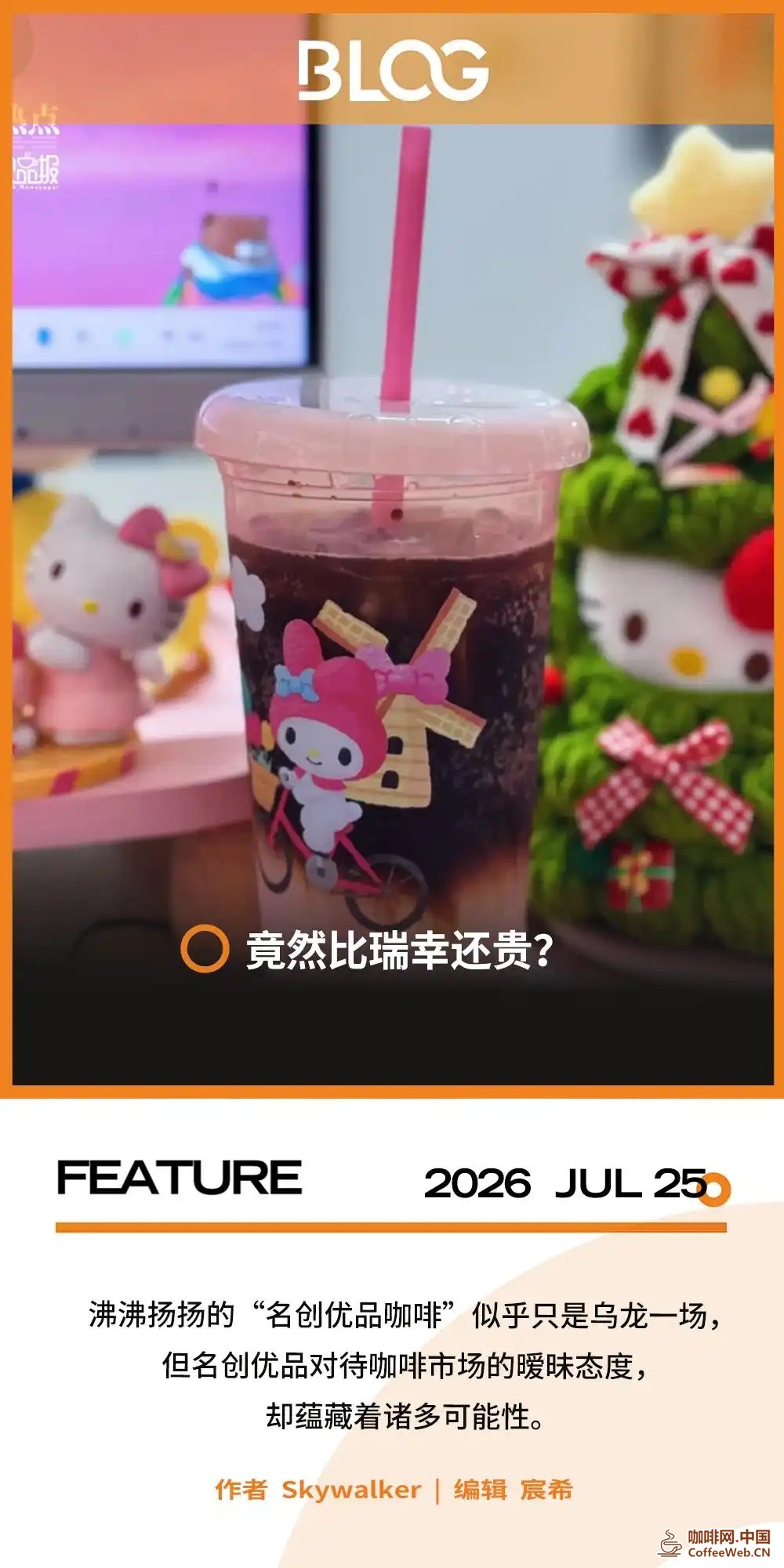
7月的广州,有消费者在名创优品旗下的SUPER MINISO超级名创门店里,意外发现了咖啡和甜点的身影。
水洗冷萃、香水椰、可颂华夫、巴斯克蛋糕——菜单上的品类不算少,现场陈列也颇为完整,咖啡机、甜品柜与货架上的IP公仔形成了一种奇异的和谐。
消息很快在小红书上传开,一个疑问随之浮出水面:名创优品也要开始卖咖啡了?
舆论的第一反应毫不意外,一家手握8565家全球门店、以“十元店”性价比横扫世界的零售巨头,突然试水咖啡似乎顺理成章。
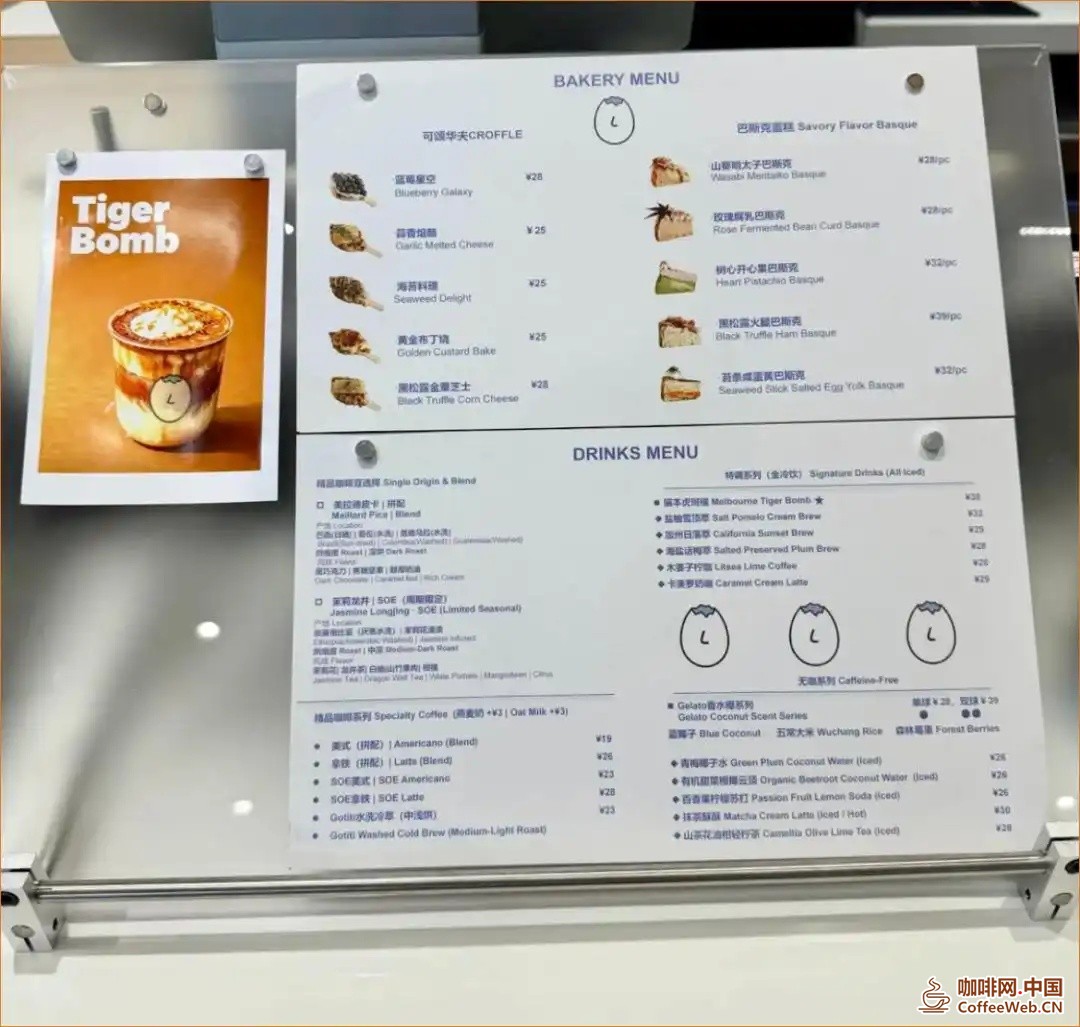
名创优品菜单
尤其在瑞幸、库迪刚刚从“9.9元价格战”的硝烟里脱身的时间点,人们下意识地以为,这个擅长用海量IP联名把价格打下来的“全球联名大佬”,这回怕是要来抄咖啡行业的底了。
然而,当价目表在网上流传开来,网上的讨论开始变得微妙。拼配美式19元、拼配拿铁26元、特调饮品28元~38元、可颂华夫25元~28元、巴斯克蛋糕28元~39元——这些数字让习惯了名创优品“十元店”标签的消费者倒吸一口凉气。
原以为这是又一轮“性价比降维打击”,但“名创咖啡”一出手,竟然摆出的是和精品咖啡与“第三空间”掰手腕的架势。
反转来得比想象中快,名创优品方面随即向媒体澄清:咖啡、甜品业务并非品牌自营,仅为个别超级名创单店的场地合作项目,并非全国性新业务布局。
该区域的经营主体实为广州日作甜屋餐饮有限公司,以“日作甜屋”独立品牌运营,双方属于联名合作模式。咖啡甚至无法通过名创优品门店的收银系统下单,两套经营体系完全独立。
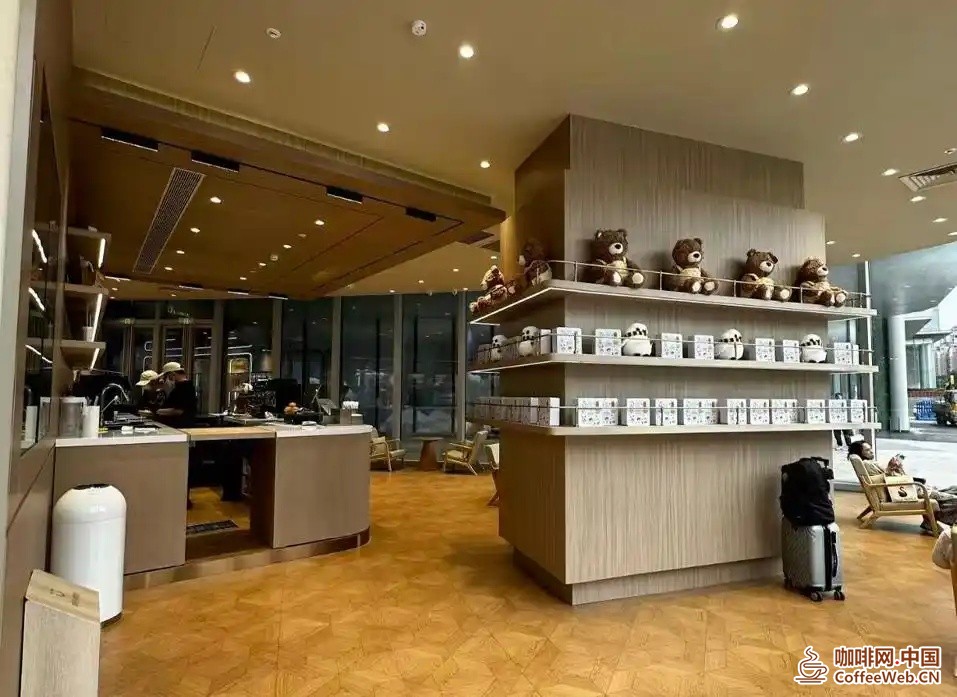
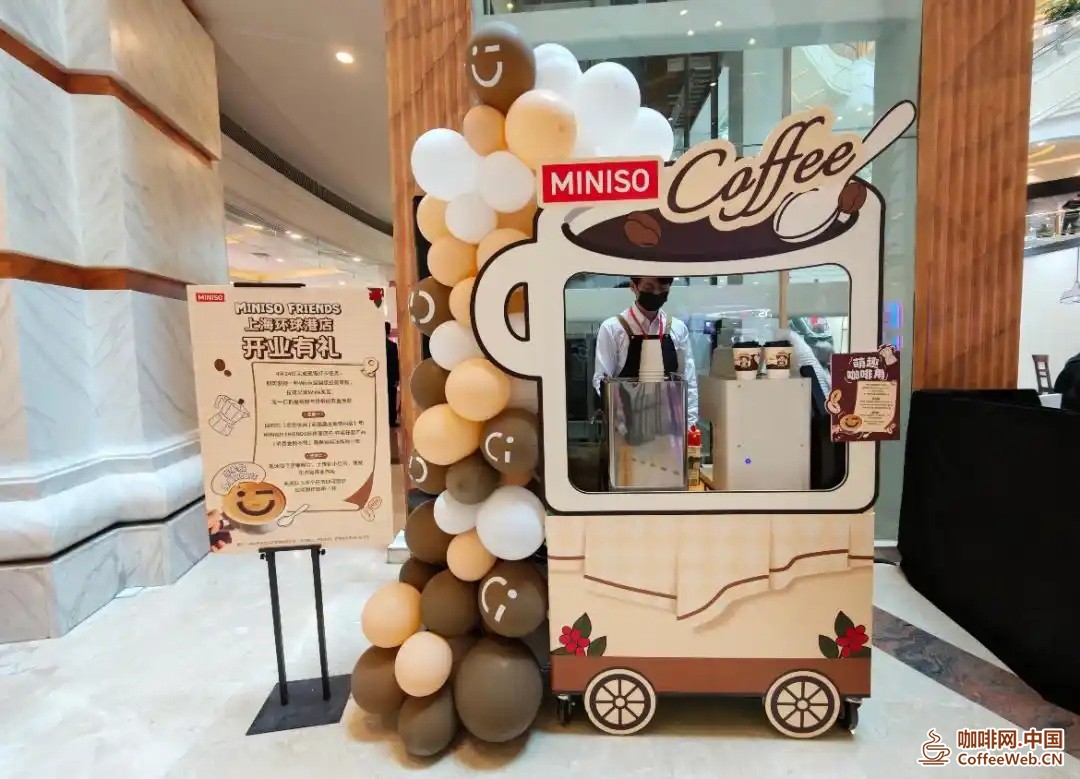
广州首家MINISO咖啡厅
由于该区域与SUPER MINISO门店场景融为一体,第三方属性并不显眼,消费者极易将其误读为名创优品自营。
乌龙归乌龙,但这个动作的背后,藏着一个更值得追问的问题:假设名创优品哪天真的想做咖啡,以19到39元的定价进场,它能在今天的中国咖啡市场里活下去吗?
先来看看这杯咖啡打算端给谁。
中国咖啡市场仍然在快速增长。《2026中国城市咖啡发展报告》显示,2025年中国咖啡产业市场规模已达3549亿元,同比增长13.3%;中国人均年咖啡消费量升至28.57杯,同比增长27.5%。外卖订单量更是突破9.9亿单,同比增长430.86%。从任何角度看,这都是一个高速增长的市场。
但增量从不等于蓝海。
同一报告显示,2025年中国咖啡门店总数已触及21.5万家,一年净增超4万家,增幅达25%;行业连锁化率提升至53%。场上已出现四家万店品牌:瑞幸门店突破3.3万家,库迪突破1.8万家,幸运咖和挪瓦咖啡同样迈入万店阵营。
星巴克中国截至2026财年第一季度末拥有8011家门店,并明确释放出未来“迅速”提升至2万家的扩张信号。椅子已经快坐满了,新来者连找个站的位置都不容易。
更残酷的是,过去三年的一场价格战,已经把整个行业的利润结构打得面目全非。
2023年,库迪率先抛出“全场饮品9.9元起”,瑞幸火速跟进,一场持续近两年的“9.9元咖啡大战”全面打响。低价完成了市场启蒙,咖啡从“犒赏自己的小奢侈”被迅速拉进“日常提神消费品”的行列。但代价是,行业集体滑入“增收不增利”的窘境。
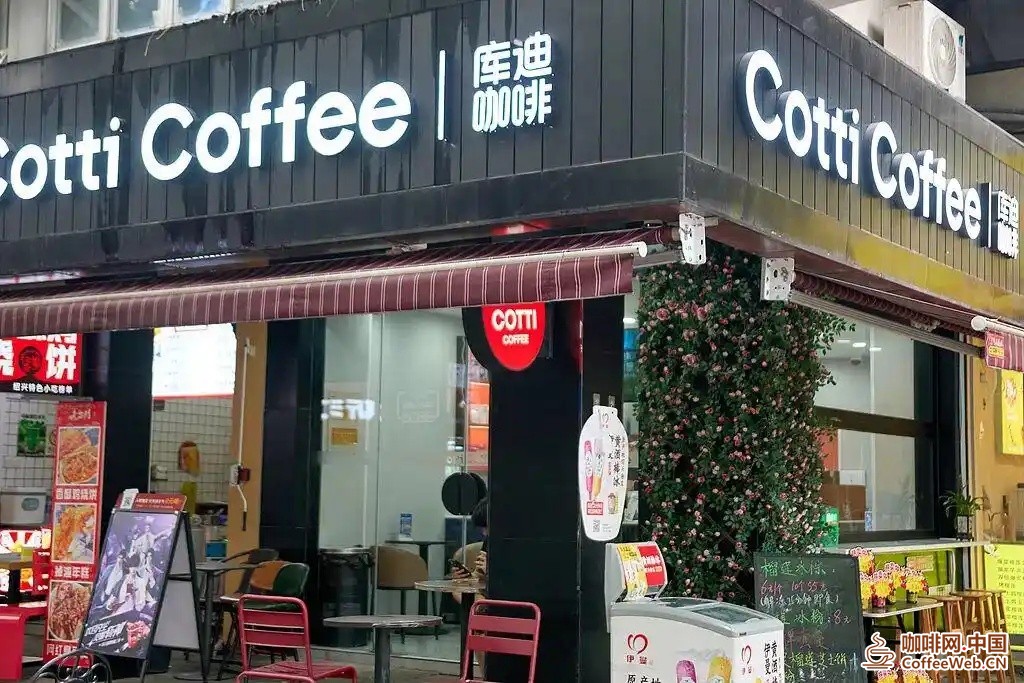
库迪咖啡门店 图源/视觉中国
瑞幸2026年第一季度财报显示,净收入119.95亿元,同比增长35.3%,但净利润同比下滑3.6%至5.06亿元,GAAP营业利润率从去年同期的8.3%收缩至6.0%,配送费用更是从6.89亿元飙升至13.08亿元,增幅达89.8%。门店越开越多,账上的钱却越赚越薄。
2026年初,库迪正式终止“全场9.9元不限量”促销,仅在特价专区保留少数产品,核心单品价格普遍上涨30%至60%。瑞幸则更早一步,自2024年起逐步收紧9.9元活动。
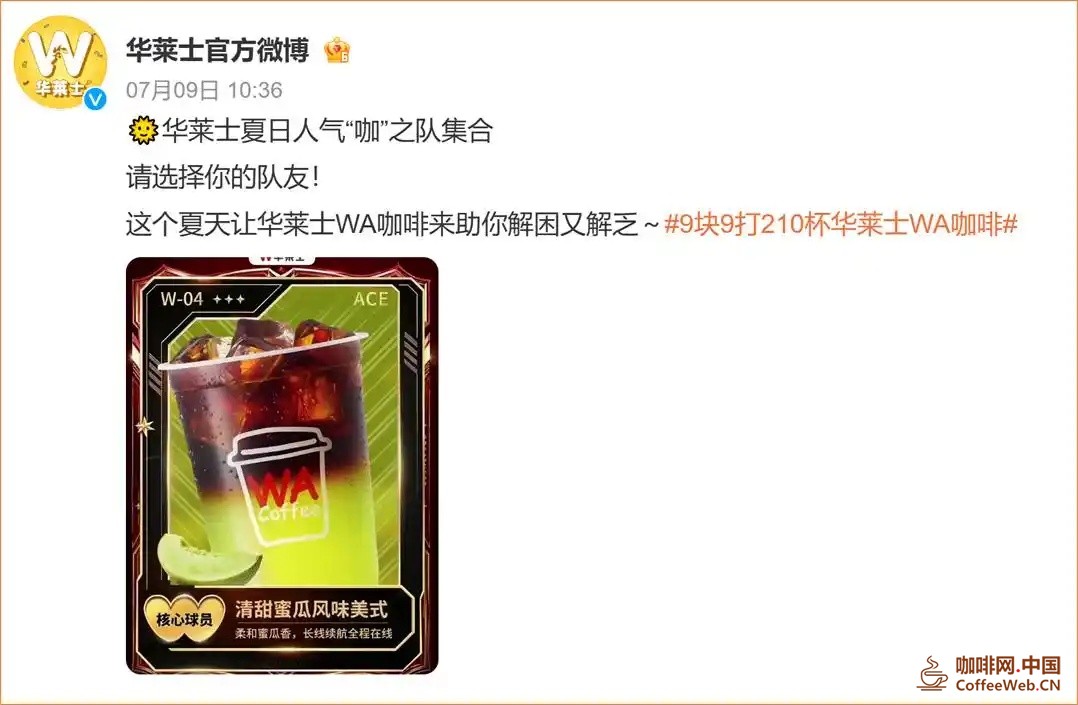
长期低价厮杀已深刻重塑了消费者的心理预期,形成的“低价惯性”将持续对全行业的定价策略构成战略约束。与此同时,市场的极端低价玩家并未消失——华莱士旗下跨界推出的“WA咖啡”甚至推出了9.9元月卡,宣称每月最多可领210杯咖啡。价格战的余烬随时可能复燃。
如果名创优品选择在这个节点亲自下场卖咖啡,以19元一杯美式切入市场,它首先面对的就是一个已经被价格战彻底分层、容错率极低的价格光谱:一端是便利店不到10元的平价美式,另一端是星巴克30元以上的中高端产线。
19元,恰好落在这条光谱的中间。
19元的美式、26元的拿铁、28至38元的特调。即便经营主体是日作甜屋,这套与名创优品共享场景的定价,实际上已经把自己架在了当前咖啡市场最拥挤、最尴尬的中间地带。它要面对的竞争,远比想象中残酷。
往下看,是一道名为“极致性价比”的铜墙铁壁。瑞幸多数产品价格已回升至10.9至13.9元区间,库迪常规售价恢复至11.9至16.9元,幸运咖则把主力价格锚定在6至8元。
这些品牌用万店规模、数字化系统和极致供应链效率,牢牢锁死了10至15元这一最主流的消费者心理价位。在经历了三年“9.9元教育”之后,一杯日常提神咖啡该花多少钱,消费者心里已经有了铁一般的锚点,而19元的美式在这个区间几乎没有说服力。
往上看,则是另一重难以逾越的壁垒:品牌溢价与空间体验。
星巴克中国2026财年第一季度同店销售额同比增长7%,连续三个季度实现增长。尽管遭遇价格战冲击,星巴克凭借稳固的“第三空间”社交属性和品牌势能,依然守住了高端价位的基本盘。
MANNER在2026年4月将SOE咖啡每杯上调5元至25至30元区间,M Stand估值一度突破40亿元,皮爷咖啡依靠“加州花园”精品定位,在高线城市持续收割高客单价人群。
它们售卖的远不止咖啡,还有氛围、社交货币和身份认同。而这些,恰恰是名创优品门店熙攘的卖场环境无法赋予的。
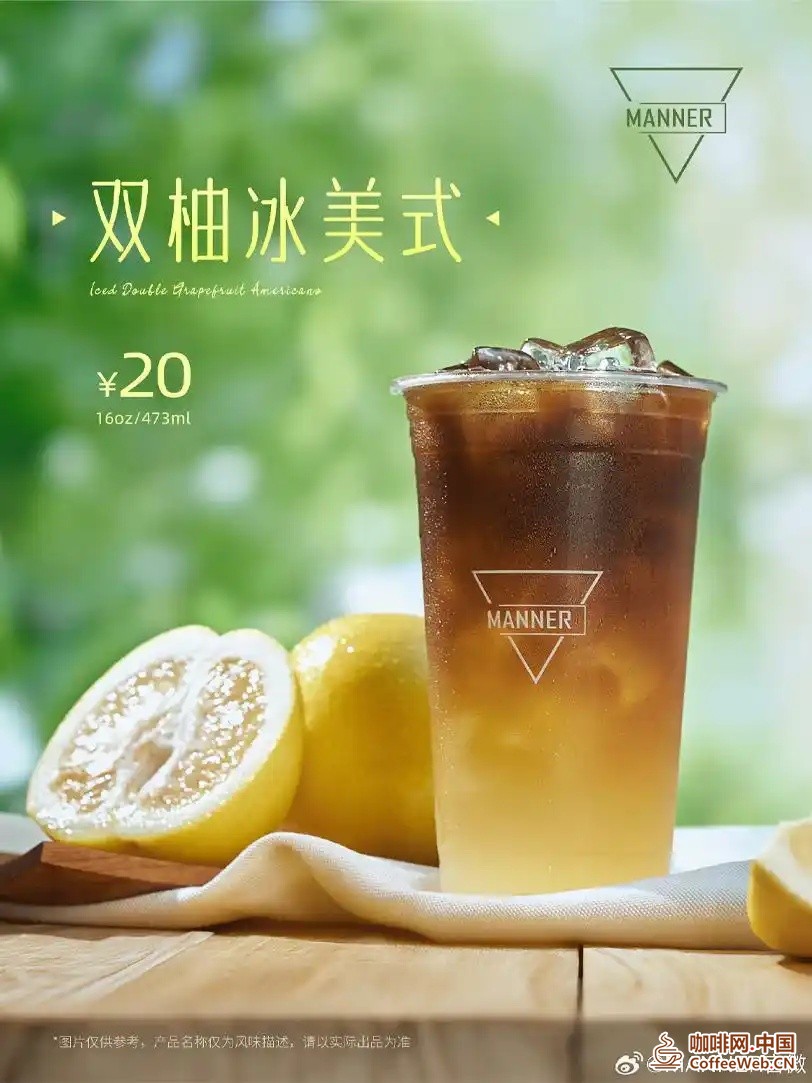
MANNER宣传图 图源/MANNER官方微博
19元到39元的咖啡甜点,向上够不到星巴克的体验护城河,向下拼不过瑞幸的规模效率,消费者很容易发出灵魂一问:我凭什么多付这5到9块钱?
而咖啡市场并不缺乏“前车之鉴”。曾被誉为“精品咖啡黄埔军校”的Seesaw,高客单价长期维持在32.48元,在9.9元价格战的冲击下,高端定位逐渐失守,从巅峰期160家门店收缩至34家,最终走向破产清算。
Seesaw的结局证明,在中国今天的咖啡市场,想靠“比瑞幸好一点、比星巴克便宜一点”的模糊姿态生存下来,难度远比想象中大得多。
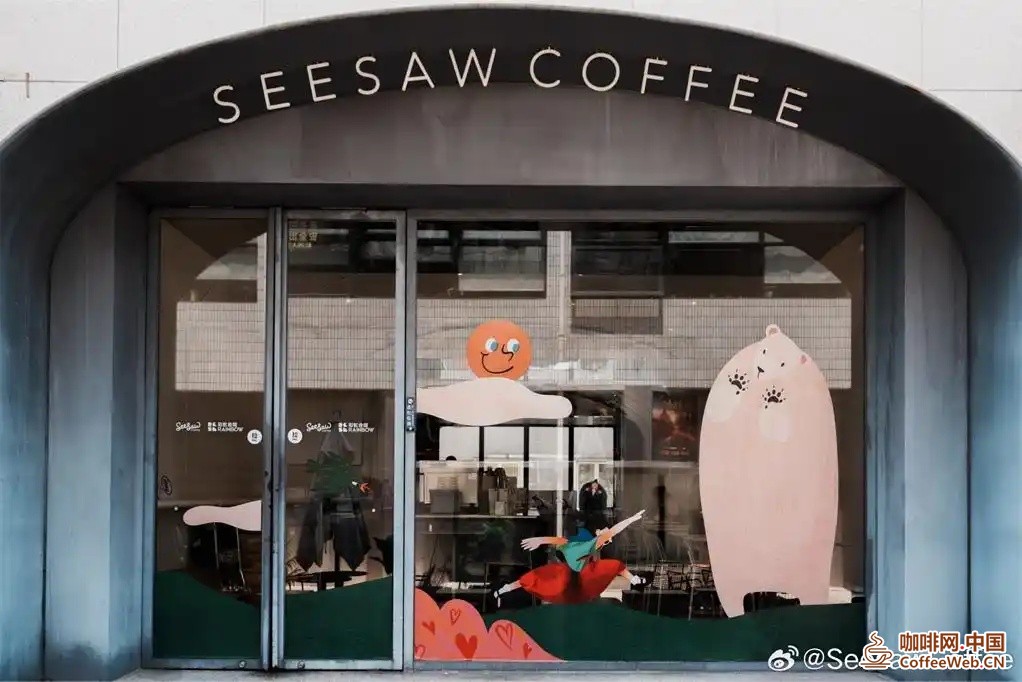
Seesaw官方微博
对于名创优品而言,即便是以场地合作方的身份出现,风险也并未完全隔离。品牌认知的混淆是一把双刃剑,消费者冲着名创优品的性价比标签而来,面对19元一杯的冷萃会产生强烈的预期冲突。
而一旦咖啡或甜品的口味不及预期,受损的将是主品牌积攒多年的信誉。
当然,名创优品并非毫无牌可打。8565家全球门店的网络纵深、强悍的供应链管理能力和在IP联名上积累的年轻客群洞察力,确实给了它一些跨界者不具备的想象空间。
这次被舆论误读的“咖啡乌龙”,更像是一次轻巧的低成本试水。用场地换合作,用别人的品牌测自己的水温,进可攻、退可守,商业逻辑上无可厚非。
但真正的问题在于,中国咖啡市场的窗口期正在以肉眼可见的速度收窄。价格战熄火之后,行业竞争已从单纯的“规模竞赛”升级为供应链效率、产品创新与品牌心智的综合角力,每一个维度都在快速堆高壁垒。
等到名创优品真的想清楚“要不要亲自下场做咖啡”的那一天,面前这张牌桌,恐怕已不会再为任何迟到者预留空位。

In July, in Guangzhou, a consumer unexpectedly discovered the presence of coffee and desserts at the SUPER MINISO store under Miniso.
Washed Cold Extract, perfume Coconut, Kesonwaffe, Basque Cake - there are not few categories on the menu, and the on-site display is also quite complete. The coffee machine, dessert cabinet and IP dolls on the shelf form a strange harmony.
The news quickly spread on Xiaohongshu, and a question emerged: Is Miniso also going to start selling coffee?
The first reaction of public opinion is not surprising, as a retail giant with 8565 global stores and sweeping the world with the "ten yuan store" cost-effectiveness suddenly seems to be testing the waters of coffee.
Miniso Menu
Especially at the moment when Luckin Coffee and Kudi have just emerged from the "9.9 yuan price war", people subconsciously think that this "global co branding giant" who is good at using massive IP co branding to lower prices may be coming to copy the bottom of the coffee industry.
However, as the price list circulated online, discussions began to become subtle. Mix American style 19 yuan, mix latte 26 yuan, special drinks 28 yuan~38 yuan, Kesong Huafu 25 yuan~28 yuan, Basque cake 28 yuan~39 yuan - these numbers make consumers who are used to the "ten yuan store" label of Miniso take a deep breath.
I thought this was another round of "cost-effectiveness and dimensionality reduction blow", but when "Miniso Coffee" made a move, it actually showed a posture of wrestling with boutique coffee and the "third space".
The reversal came faster than expected, and Miniso immediately clarified to the media that the coffee and dessert business is not self operated by the brand, but only a venue cooperation project for individual super Miniso stores, and not a nationwide new business layout.
The operating entity in this area is actually Guangzhou Rizuo Sweet House Catering Co., Ltd., operating under the independent brand "Rizuo Sweet House", and the two parties belong to a joint cooperation model. Coffee cannot even be ordered through the checkout system of Miniso stores, and the two operating systems are completely independent.
The first MINISO coffee shop in Guangzhou
Due to the integration of this area with the SUPER MINISO store scene, the third-party attributes are not prominent, and consumers are prone to misinterpreting it as self operated by Chuangyoupin.
Oolong is still an Oolong, but behind this action lies a more pressing question: if Miniso really wants to make coffee and enters the market at a price of 19 to 39 yuan, can it survive in today's Chinese coffee market?
Let's first see who this cup of coffee is intended for.
The Chinese coffee market is still growing rapidly. The 2026 China Urban Coffee Development Report shows that the market size of China's coffee industry has reached 354.9 billion yuan by 2025, a year-on-year increase of 13.3%; The per capita annual coffee consumption in China has risen to 28.57 cups, a year-on-year increase of 27.5%. The number of takeaway orders has exceeded 990 million, a year-on-year increase of 430.86%. From any perspective, this is a rapidly growing market.
But increment never equals blue ocean.
The same report shows that the total number of coffee shops in China has reached 215000 by 2025, with a net increase of over 40000 in one year, a growth rate of 25%; The industry chain rate has increased to 53%. Four brands with thousands of stores have appeared on the field: Luckin Coffee has surpassed 33000 stores, Kudi has surpassed 18000 stores, and Lucky Coffee and Novacoffee have also entered the camp of thousands of stores.
Starbucks China has 8011 stores as of the end of the first quarter of fiscal year 2026, and has clearly released a signal to rapidly expand to 20000 stores in the future. The chairs are almost full, and it's not easy for newcomers to even find a standing position.
Even more cruelly, a price war over the past three years has completely altered the profit structure of the entire industry.
In 2023, Kudi was the first to launch a "9.9 yuan start for all drinks" promotion, and Luckin Coffee quickly followed suit, sparking a nearly two-year "9.9 yuan coffee war". Low prices have completed market enlightenment, and coffee has quickly been pulled from a "small luxury to reward oneself" to a "daily refreshing consumer product". But the cost is that the industry has collectively fallen into the dilemma of "increasing income without increasing profits".
Kudi Coffee Store Image Source/Visual China
Luckin Coffee's first quarter 2026 financial report shows a net income of 11.995 billion yuan, a year-on-year increase of 35.3%, but a net profit decline of 3.6% year-on-year to 506 million yuan. The GAAP operating profit margin shrank from 8.3% in the same period last year to 6.0%, and delivery expenses soared from 689 million yuan to 1.308 billion yuan, an increase of 89.8%. The more stores are opened, the thinner the money in the account is.
At the beginning of 2026, Kudi officially terminated the "9.9 yuan unlimited" promotion and only retained a few products in the special offer section, with core product prices generally increasing by 30% to 60%. Luckin Coffee will take an earlier step and gradually tighten its 9.9 yuan promotion starting from 2024.
The long-term low price competition has profoundly reshaped consumers' psychological expectations, and the formed "low price inertia" will continue to pose strategic constraints on the pricing strategies of the entire industry. At the same time, the extremely low-priced players in the market have not disappeared - Hua Lai Shi's cross-border "WA Coffee" even launched a 9.9 yuan monthly card, claiming to receive up to 210 cups of coffee per month. The embers of the price war may reignite at any time.
If Miniso chooses to personally sell coffee at this point and enter the market at a price of 19 yuan per cup in the American style, it will first face a price spectrum that has been thoroughly stratified by price wars and has extremely low tolerance: one end is the affordable American style at convenience stores for less than 10 yuan, and the other end is the mid to high end production line at Starbucks for over 30 yuan.
19 yuan, which falls exactly in the middle of this spectrum.
19 yuan for American style, 26 yuan for latte, 28 to 38 yuan for special notes. Even if the operating entity is Nippon Sweet Home, the pricing of this shared scenario with Miniso has actually placed itself in the most crowded and awkward middle ground of the current coffee market. The competition it faces is far more brutal than imagined.
Looking down, there is a copper and iron wall called 'Ultimate Cost Performance'. Most of Luckin's product prices have rebounded to the range of 10.9 to 13.9 yuan, while the regular selling price of Kudi has recovered to 11.9 to 16.9 yuan. Lucky Coffee has anchored its main price at 6 to 8 yuan.
These brands have firmly locked in the most mainstream consumer psychological price range of 10 to 15 yuan with their ten thousand store scale, digital system, and ultimate supply chain efficiency. After three years of "9.9 yuan education", consumers have an iron anchor in their minds about how much a daily refreshing coffee should cost, and the 19 yuan American style is almost unconvincing in this range.
Looking up, there is another insurmountable barrier: brand premium and spatial experience.
Starbucks China's same store sales in the first quarter of fiscal year 2026 increased by 7% year-on-year, achieving growth for three consecutive quarters. Despite the impact of the price war, Starbucks has maintained its basic position in the high-end price range with its stable "third space" social attributes and brand momentum.
MANNER will raise the price of SOE coffee by 5 yuan to 25 to 30 yuan per cup in April 2026, and M Stand's valuation once exceeded 4 billion yuan. Piye Coffee relies on its "California Garden" boutique positioning to continue harvesting high priced customers in high tier cities.
They sell not only coffee, but also atmosphere, social currency, and identity recognition. And these are exactly what the bustling sales environment of Miniso stores cannot provide.
MANNER promotional image source/MANNER official Weibo
Coffee desserts priced between 19 and 39 yuan cannot reach Starbucks' experience moat upwards, nor can they compete with Luckin Coffee's scale and efficiency downwards. Consumers are easily tempted to ask, 'Why should I pay this extra 5 to 9 yuan?'?
The coffee market is not lacking in lessons learned from previous experiences. Seesaw, once known as the "Huangpu Military Academy of Fine Coffee", has maintained a high unit price of 32.48 yuan for a long time. Under the impact of the 9.9 yuan price war, its high-end positioning gradually lost its position, shrinking from its peak of 160 stores to 34 stores, and ultimately leading to bankruptcy liquidation.
The ending of Seesaw proves that in today's coffee market in China, it is much more difficult than imagined to survive with a vague attitude of "being lucky than Rui and cheaper than Starbucks".
Seesaw Official Weibo
For Miniso, even if it appears as a venue partner, the risks are not completely isolated. The confusion of brand awareness is a double-edged sword. Consumers are attracted by the cost-effectiveness label of famous premium products, and when faced with a cold brew priced at 19 yuan per cup, they will have strong expectations conflicts.
And once the taste of coffee or desserts falls short of expectations, it will damage the reputation accumulated by the main brand for many years.
Of course, Miniso is not without its cards to play. The network depth of 8565 global stores, strong supply chain management capabilities, and insights into young customer groups accumulated through IP co branding have indeed given it some imaginative space that cross-border players do not possess.
The 'coffee oolong' that was misunderstood by public opinion this time is more like a light low-cost trial run. Exchanging venues for cooperation, testing one's own temperature with someone else's brand, being able to attack and defend, is understandable in terms of business logic.
But the real problem is that the window period of the Chinese coffee market is narrowing at a visible rate. After the price war stalled, industry competition has evolved from a simple "scale competition" to a comprehensive struggle between supply chain efficiency, product innovation, and brand mentality, with each dimension rapidly raising barriers.
On the day when Miniso really thinks about whether to personally go out and make coffee, the table in front of us may no longer reserve space for any latecomers.