荔枝树下种咖啡 咖啡豆里飘“广味”|“啡”跃广州·全链向上Planting coffee under lychee trees, the coffee beans are filled with "broad flavor" - "coffee" jumps to Guangzhou, the whole chain is moving upwards
广州也能种咖啡!虽非传统咖啡产区,但本地咖啡种植已在广州悄然兴起:黄埔区咖啡种植面积已达45亩,占全市种植总面积80%以上;从化区确立2026年为“咖啡元年”,5万株咖啡树苗扎根岭南。
如何让外来咖啡品种扎根岭南大地,散发出浓郁广州“味道”?以“前院后坊”模式运营的咖襄烘焙学院,是国内首家建立咖啡产业链人才培训全场景的学院;在从化区,融合从化本土特色的“流溪荔夏”咖啡品牌建设与国家地理标志申报同步推进。
流溪荔夏:让外来咖啡豆融入从化“味道”
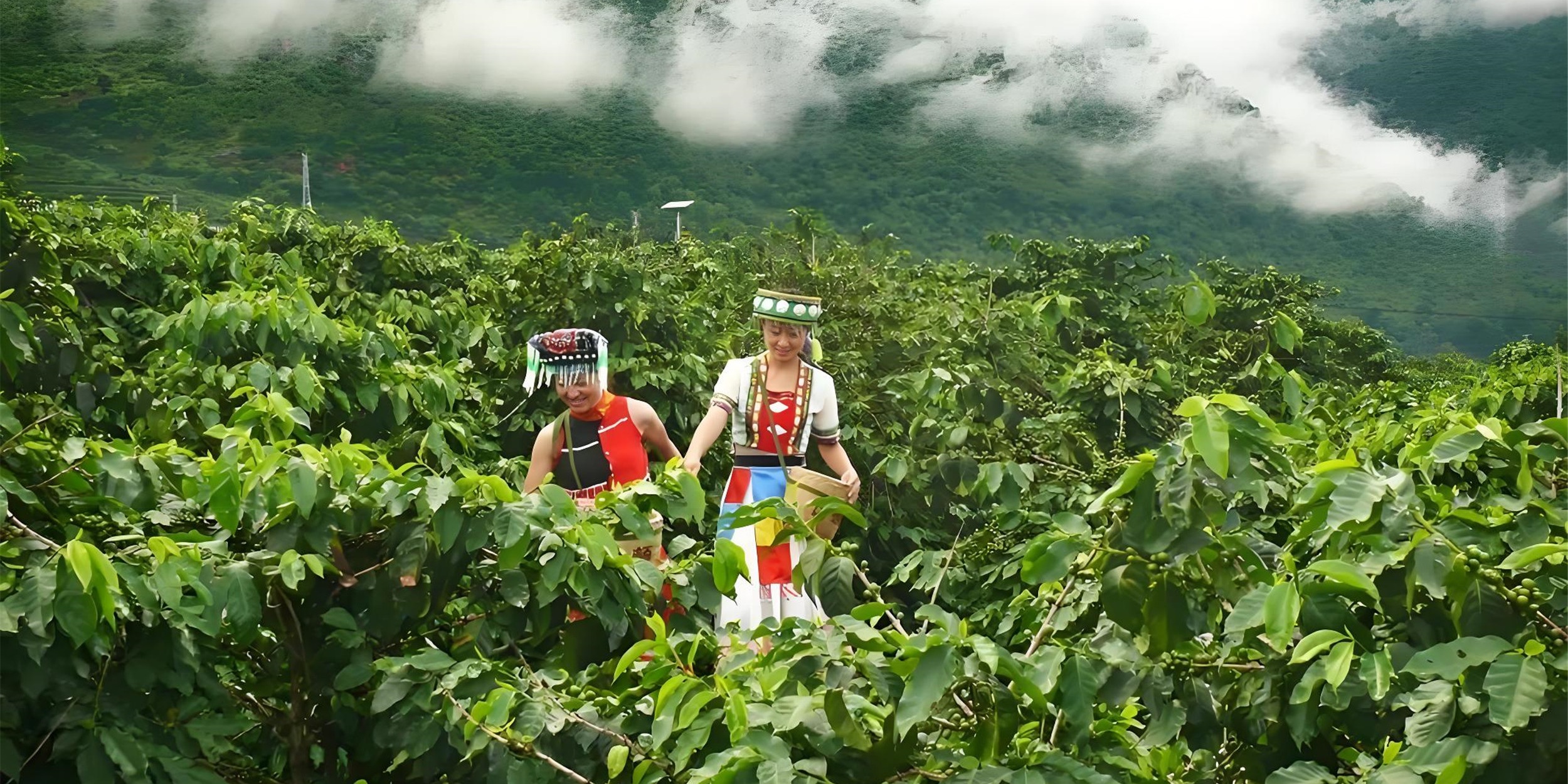
“目前种植的主要是波旁、萨奇姆、卡蒂姆和卡杜拉等咖啡品种。”从化区咖啡专委会秘书长、罗洞工匠小镇青年乡咖工坊主理人张若渔介绍,早在2021年便有云南团队在从化荔枝林下试种咖啡树,如今从化咖啡种植已初具规模:罗洞工匠小镇荔枝柿子树下种植1.2亩咖啡树、太平镇银林村及艾米小镇启动3亩有机种植试验田、从化区咖啡专委会完成5万株咖啡育苗。
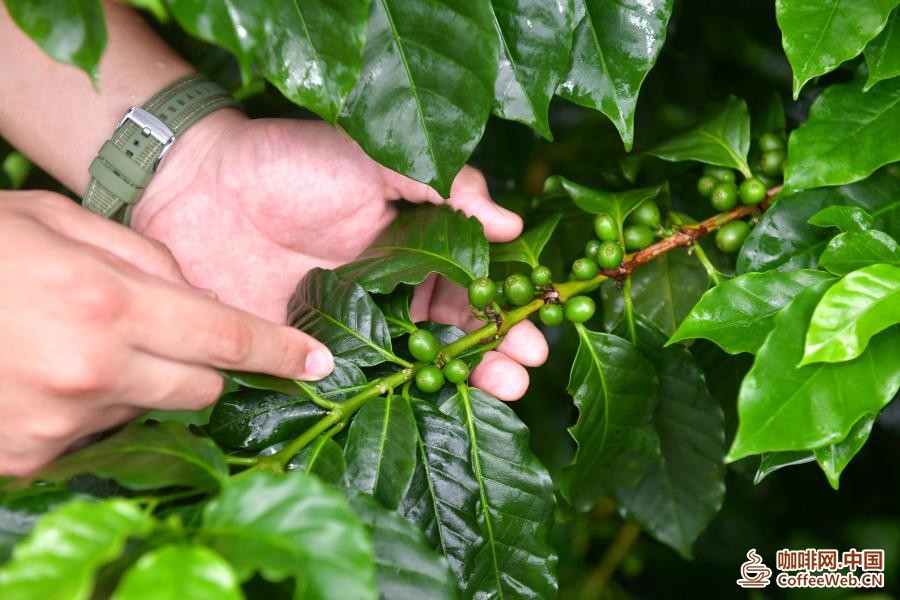
红百合生态园咖谷依托高校科研力量,开展咖啡高值化利用研究。
如何让外来咖啡品种扎根落地种出广州“味道”?答案就藏在“流溪荔夏”里。“闻起来有荔枝的清香,口感层次丰富,既有咖啡的醇厚,又有类似荔枝的酸甜感。”张若渔介绍,这款2026年刚完成商标注册的咖啡新品种,从命名到种植、再到咖啡豆处理都带有浓厚的从化“味道”。
据介绍,咖啡树作为半阴性植物,不耐强光直射,通过高大树木提供适度遮阴,可为其创造最佳生长环境。而在从化,荔枝树、龙眼树等本地特有的树种提供了天然契机。张若渔认为,荔枝林下套种咖啡树,一方面有效节约了土地资源和种植成本,另一方面也给外来咖啡树悄然刻下荔枝“烙印”。她进一步解释,荔枝林下独特的微气候和土壤环境、荔枝树与咖啡树和谐共生的生态群落,共同赋予了咖啡豆别具一格的风味底色。
“咖啡豆的处理、烘焙、冲煮等环节也十分关键。”张若渔强调,“流溪荔夏”的荔枝风味主要来源于此。自此,外来的咖啡树经过育苗、种植、采摘、咖啡豆处理、烘焙等环节后,变身带有浓郁从化“味道”的“流溪荔夏”。
在张若渔看来,从化咖啡的发展不能止步于种植和加工,更重要的是打通从种植到加工、再到咖啡消费+文旅消费场景的一二三产业链,其中的关键便是培育咖啡氛围和文化。张若渔和团队一起升级咖啡馆打卡场景,不断研发相关新产品,还同步开发咖啡研学课程。“最近刚推出全流程体验咖啡种苗、识豆、烘豆、品豆、手冲等环节的融合课程,受到消费者热捧。”
值得一提的是,2025年底成立的从化区咖啡专委会将咖啡种植、烘焙、消费和农文旅等资源进行整合。如在咖啡日化产品方面,联合华南理工大学,2026年将投产面膜、磨砂膏等;在咖啡食品方面,联合广州市高新医药与食品技工学校,面条、曲奇、面包已推出市场。
咖襄烘焙学院:为广州咖啡种植提供全产业链人才支撑
在黄埔区长洲岛,得天独厚的江心生态环境与温润气候,为热带咖啡种植提供了天然沃土。岛上坐拥40亩精品咖啡种植区的红百合生态园咖谷,是广州最大的咖啡生态景观带。这座占地120亩的生态园区,并非普通的采摘园,而是依托国家级科研机构——云南德宏热带农业科学研究所打造的“咖啡种业芯片”。红百合咖谷正是其在广州唯一合作示范基地。据统计,生态园咖谷已引进种植近20个国内外优质咖啡品种,培育十万株优质咖啡苗。
帕卡马拉种、红波旁种、卡蒂姆种……不同品种的咖啡树扎根生态园咖谷。红百合咖谷技术总监王红星介绍:“我们正在筛选最适合广东气候与土质的咖啡种苗,目前已取得阶段性成果。”
红百合生态园咖谷还依托华南理工大学等高校科研力量,开展咖啡高值化利用研究。“2022年,我把校园用于上课的咖啡树移植到长洲岛,还从云南运来了云南小粒咖啡树苗种植在长洲岛。”红百合生态园咖谷技术专家、华南理工大学高级工程师陈荣表示,目前已开发出“咖果咖美”牌绿咖挂耳咖啡、咖啡馒头、咖啡曲奇等衍生产品,并启动微型智慧咖啡庄园建设,未来将实现智能灌溉等数字化管理。
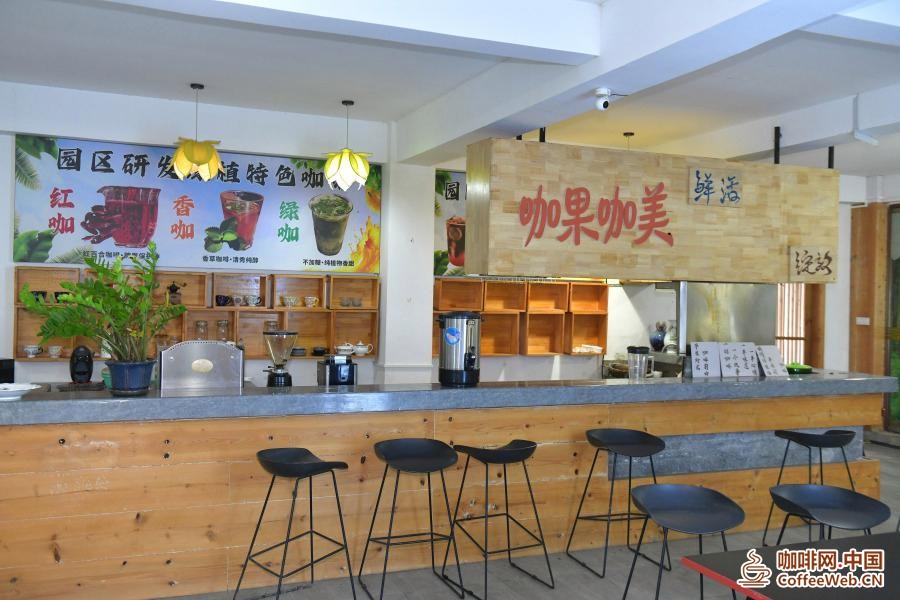
除了筛选最适合广东的咖啡种苗外,一所以“前院后坊”模式运营的咖襄烘焙学院的问世,也为广州咖啡种植提供了全产业链人才支撑。咖襄烘焙学院面积达2300平方米,配备先进的烘焙设备与检测仪器,是国内首家建立咖啡产业链人才培训全场景的学院。此外,学院定期向市民免费开放咖啡课程、主题品鉴会,邀请市民亲手制作“暖光咖啡”赠送给社区工作者。
黄埔区咖啡种植版图正在快速扩张。据统计,全区目前共种植45亩咖啡,占全市种植总面积的80%以上,位居全市第一。除红百合生态园外,长岭街道岭头红茶创意园开辟了5亩种植区,深度融入“黄埔红”千亩茶山的生态肌理,不扰动原有山林植被格局,打造出“茶咖共生、一园双香”的近自然复合生态景观;新龙镇预计今年种植50亩,明年将达200亩。届时,全区咖啡育苗规模将呈指数级增长:2026年10万棵,2027年30万棵,2028年冲刺200万棵优质咖啡苗,打造独具岭南特色的林下经济模式。
文/广州日报新花城记者:夏强、何瑞琪
图/广州日报新花城记者:杨耀烨
广州日报新花城编辑:李凤荷
Guangzhou can also grow coffee! Although not a traditional coffee producing area, local coffee cultivation has quietly emerged in Guangzhou: the coffee planting area in Huangpu District has reached 45 acres, accounting for more than 80% of the total planting area in the city; Conghua District has established 2026 as the "Year of Coffee", with 50000 coffee saplings rooted in Lingnan.
How to make foreign coffee varieties rooted in the land of Lingnan and emit a strong Guangzhou flavor? The Coffee and Baking Academy, operating under the "front yard and back yard" model, is the first academy in China to establish a comprehensive talent training program for the coffee industry chain; In Conghua District, the construction of the "Liuxi Lixia" coffee brand, which integrates local characteristics of Conghua, is being promoted simultaneously with the application for national geographical indications.
Liuxi Lixia: Integrating Foreign Coffee Beans into the Flavor of Conghua
At present, the main coffee varieties planted are Bourbon, Sachim, Katim, and Kadura, "said Zhang Ruoyu, Secretary General of the Conghua District Coffee Committee and Head of the Youth Township Coffee Workshop in Luodong Craftsman Town. As early as 2021, a Yunnan team had been trying to plant coffee trees under the lychee forest in Conghua, and now coffee planting in Conghua has begun to take shape: 1.2 acres of coffee trees were planted under the lychee and persimmon trees in Luodong Craftsman Town, 3 acres of organic planting experimental fields were launched in Yinlin Village and Aimi Town in Taiping Town, and 50000 coffee seedlings were completed by the Conghua District Coffee Committee.
Red Lily Ecological Park Coffee Valley relies on the scientific research strength of universities to carry out research on the high-value utilization of coffee.
How to make foreign coffee varieties take root and grow the "flavor" of Guangzhou? The answer is hidden in 'Liuxi Lixia'. It smells like lychee and has a rich and layered taste, with both the richness of coffee and the sweet and sour sensation similar to lychee. "Zhang Ruoyu introduced that this new coffee variety, which just completed trademark registration in 2026, has a strong Conghua" flavor "from naming to planting to coffee bean processing.
It is reported that coffee trees, as semi shade plants, are not tolerant to direct sunlight. By providing moderate shade through tall trees, the best growth environment can be created for them. In Conghua, local unique tree species such as lychee and longan provide natural opportunities. Zhang Ruoyu believes that intercropping coffee trees under lychee forests not only effectively saves land resources and planting costs, but also quietly leaves a "lychee imprint" on foreign coffee trees. She further explained that the unique microclimate and soil environment under the lychee forest, as well as the harmonious coexistence of lychee trees and coffee trees in the ecological community, collectively give coffee beans a unique flavor background.
The processing, roasting, and brewing of coffee beans are also crucial, "Zhang Ruoyu emphasized. The lychee flavor of" Liuxi Lixia "mainly comes from this. From then on, the foreign coffee trees transformed into the "Liuxi Lixia" with a rich Conghua "flavor" after undergoing seedling cultivation, planting, picking, coffee bean processing, baking, and other processes.
In Zhang Ruoyu's view, the development of Conghua coffee cannot stop at planting and processing. More importantly, it is necessary to connect the primary, secondary, and tertiary industry chains from planting to processing, and then to coffee consumption and cultural tourism consumption scenarios. The key is to cultivate a coffee atmosphere and culture. Zhang Ruoyu and his team upgraded the coffee shop check-in scene, continuously developed related new products, and also simultaneously developed coffee study courses. Recently, we have just launched an integrated course that covers the entire process of experiencing coffee seedlings, identifying beans, roasting beans, tasting beans, and hand washing, which has been well received by consumers
It is worth mentioning that the Conghua District Coffee Committee, established at the end of 2025, will integrate resources such as coffee cultivation, roasting, consumption, and agricultural tourism. For example, in terms of coffee daily chemical products, in cooperation with South China University of Technology, facial mask and scrubs will be put into production in 2026; In terms of coffee and food, in collaboration with Guangzhou High tech Pharmaceutical and Food Technical School, noodles, cookies, and bread have been launched on the market.
Kaoxiang Baking Academy: Providing full industry chain talent support for coffee cultivation in Guangzhou
On Changzhou Island in Huangpu District, the unique ecological environment and warm climate in the river center provide natural fertile soil for tropical coffee cultivation. The Red Lily Ecological Park, located on the island with a 40 acre premium coffee planting area, is the largest coffee ecological landscape belt in Guangzhou. This 120 acre ecological park is not an ordinary picking garden, but a "coffee seed industry chip" built by the Yunnan Dehong Tropical Agricultural Science Research Institute, a national level scientific research institution. Red Lily Coffee Valley is its only cooperative demonstration base in Guangzhou. According to statistics, Ecological Park Coffee Valley has introduced and planted nearly 20 high-quality coffee varieties from home and abroad, cultivating 100000 high-quality coffee seedlings.
Different varieties of coffee trees such as Pakamara, Red Bourbon, and Katim are rooted in the ecological park coffee valley. We are currently screening coffee seedlings that are most suitable for the climate and soil conditions in Guangdong, and have achieved phased results, "said Wang Hongxing, Technical Director of Red Lily Coffee Valley
The Red Lily Ecological Park Coffee Valley also relies on the scientific research strength of universities such as South China University of Technology to carry out research on the high-value utilization of coffee. "In 2022, I will transplant the coffee trees used for classes on campus to Changzhou Island, and also transport the seedlings of Yunnan Coffea arabica from Yunnan to plant on Changzhou Island." Chen Rong, a technical expert of the Red Lily Ecological Park coffee valley and a senior engineer of South China University of Technology, said that at present, we have developed the derivatives of "coffee fruit coffee beauty" brand green coffee hanging ear coffee, coffee Mantou, coffee cookies, and started the construction of micro smart coffee manor, which will realize digital management such as intelligent irrigation in the future.
In addition to selecting the most suitable coffee seedlings for Guangdong, the emergence of the Coffee and Baking Academy, which operates in a "front yard and back yard" model, also provides full industry chain talent support for coffee cultivation in Guangzhou. Kaoxiang Baking Academy covers an area of 2300 square meters and is equipped with advanced baking equipment and testing instruments. It is the first academy in China to establish a comprehensive training program for talents in the coffee industry chain. In addition, the college regularly offers free coffee courses and themed tasting events to citizens, inviting them to personally make "Warm Light Coffee" and give it as a gift to community workers.
The coffee planting landscape in Huangpu District is rapidly expanding. According to statistics, a total of 45 acres of coffee are currently planted in the entire region, accounting for over 80% of the total planting area in the city, ranking first in the city. In addition to the Red Lily Ecological Park, the Lingtou Black Tea Creative Park in Changling Street has opened up a 5-acre planting area, deeply integrating the ecological texture of the "Huangpu Red" thousand acre tea mountain, without disturbing the original forest vegetation pattern, creating a near natural composite ecological landscape of "tea coffee symbiosis, one garden dual fragrance"; Xinlong Town is expected to plant 50 acres this year and reach 200 acres next year. At that time, the scale of coffee seedling cultivation in the entire region will grow exponentially: 100000 in 2026, 300000 in 2027, and 2 million high-quality coffee seedlings in 2028, creating a unique Lingnan style agroforestry model.
Guangzhou Daily Xinhua City reporters: Xia Qiang, He Ruiqi
Photo/Guangzhou Daily Xinhua City Reporter: Yang Yaoye
Guangzhou Daily Xinhua City Editor: Li Fenghe