


这几类药物,绝不能与咖啡同服These types of drugs should never be taken together with coffee
清晨、午后或感到疲乏时,不少人都有用一杯咖啡来提神醒脑的习惯,更有爱好者甚至把咖啡当成水喝。
但咖啡与药物“相遇”后,会对身体产生哪些作用呢?是否有一些常用药物和咖啡同服会“碰撞”出可怕的影响呢?下面为您介绍,千万不可以与咖啡同服的八类药物。

图库版权图片,转载使用可能引发版权纠纷
第一类:喹诺酮类抗生素
此类药物包括左氧氟沙星、莫西沙星等。
这些药物都不宜与咖啡同时服用,这主要是因为它们可以抑制肝脏中药物的代谢酶,从而减缓咖啡因的代谢,使血药浓度升高而引起中毒。

图库版权图片,转载使用可能引发版权纠纷
第二类:口服避孕药
此类药物包括复方炔诺酮片、复方甲地孕酮片等。
绝大多数口服避孕药会干扰咖啡因的代谢,使咖啡因在人体内的停留时间比平常延长4小时左右,可能会引起身体不适。而避孕药本身又可因咖啡因的破坏作用,使药效降低甚至失效。

图库版权图片,转载使用可能引发版权纠纷
第三类:解热镇痛药
此类药物包括对乙酰氨基酚缓释片、氨酚伪麻美芬片Ⅱ/ 氨麻苯美片等在内的很多感冒药。
这些药物中含有的解热镇痛药成分,本身就对胃黏膜有刺激作用;而咖啡因会刺激胃酸分泌,从而加重这些药物对于胃黏膜的刺激,严重时可引起胃烧灼感并造成胃出血等危险。

图库版权图片,转载使用可能引发版权纠纷
第四类:镇静催眠药
此类药物包括艾司唑仑、地西泮、阿普唑仑等。
如果您在平时有失眠症状,就不要喝咖啡了,如果确实要喝,也一定不要与上述镇静催眠药同服。
因为咖啡中的咖啡因能引起神经中枢的兴奋,会加重失眠症状,也会阻碍这些药物发挥作用。

图库版权图片,转载使用可能引发版权纠纷
第五类:利尿药
此类药物包括氢氯噻嗪、呋塞米、螺内酯等。
咖啡因可以促进肾脏功能,有利尿作用,如果此时同时服用利尿药,就会增加利尿作用,特别是呋塞米等排钾利尿药,容易造成人体内钾、钠离子过度流失。

图库版权图片,转载使用可能引发版权纠纷
第六类:甲状腺激素药
此类药物包括左甲状腺素钠片、甲状腺素钠等。
服用甲状腺素的甲状腺功能降低者,如果同时服用咖啡,药物的吸收效果会降低约一半。临床上也屡次发生过患者因喝咖啡导致药效减弱的情况。

第七类:骨质疏松治疗药
此类药物包括阿仑膦酸钠等。
咖啡中的咖啡因可以降低人体对钙质的吸收,由此引起骨质疏松。
另外,咖啡因也会降低人体对阿仑膦酸钠的吸收率,致使人体的钙质进一步流失。因此,骨质疏松患者不宜长期喝咖啡。
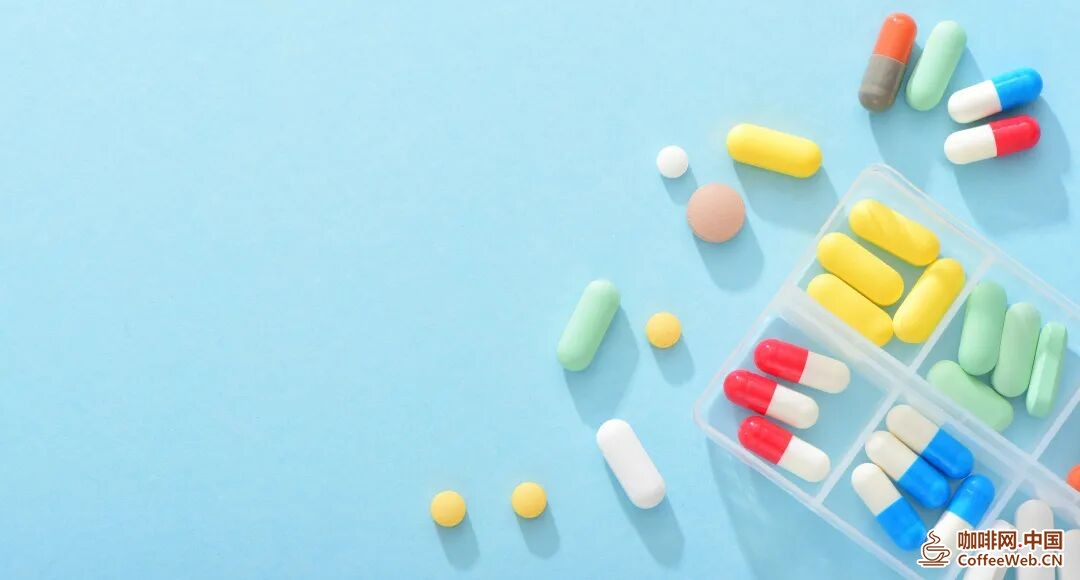
图库版权图片,转载使用可能引发版权纠纷
第八类:维生素类补充剂
咖啡因可与维生素B1结合,降低其在人体内的吸收。因此,补充B族维生素时,尽量不要喝咖啡。

图库版权图片,转载使用可能引发版权纠纷
药师有话说
如果您不能确定自己所服用的药物是否会与咖啡发生相互作用,那就请您在服药期间尽量避免喝咖啡。在口服药物时,应尽量选择用白水送服,以减少因食物-药物相互作用导致的不良反应。
内容来源:
人民卫生出版社出版《“药”知道——合理用药的智慧》
本书主编:
首都医科大学附属北京同仁医院主任药师 王家伟
本文作者:
首都医科大学附属北京安贞医院 彭文星
文章声明
本材料仅供疾病认知教育使用,无意提供任何医疗建议或推荐具体治疗方案,与您个体疾病状况有关的任何治疗方案或其他医疗相关问题,请咨询您的主治医生。
图片版权问题
本文封面图片和文内图片均来自版权图库,转载时请注意,避免侵权。
In the morning, afternoon, or when feeling tired, many people have the habit of using a cup of coffee to refresh themselves, and some enthusiasts even drink coffee as water.
But what effects will coffee have on the body when it meets drugs? Do some commonly used drugs and coffee have a terrible impact when taken together? Here are eight types of medications that should never be taken with coffee.
Copyright images in the gallery, reprinting and using them may lead to copyright disputes
Category 1: Quinolone antibiotics
This type of medication includes levofloxacin, moxifloxacin, etc.
These drugs should not be taken together with coffee, mainly because they can inhibit the metabolic enzymes of drugs in the liver, thereby slowing down the metabolism of caffeine and causing an increase in blood drug concentration, leading to poisoning.
Copyright images in the gallery, reprinting and using them may lead to copyright disputes
Category 2: Oral contraceptives
This type of medication includes compound norgestrel tablets, compound medroxyprogesterone tablets, etc.
The vast majority of oral contraceptives can interfere with caffeine metabolism, causing caffeine to stay in the body for about 4 hours longer than usual, which may cause discomfort. Contraceptive pills themselves can be weakened or even ineffective due to the destructive effects of caffeine.
Copyright images in the gallery, reprinting and using them may lead to copyright disputes
Category 3: Antipyretic and analgesic drugs
This type of medication includes many cold medicines such as acetaminophen sustained-release tablets, paracetamol pseudoephedrine tablets II/paracetamol tablets, etc.
The antipyretic and analgesic components contained in these drugs themselves have a stimulating effect on the gastric mucosa; Caffeine can stimulate the secretion of gastric acid, thereby exacerbating the irritation of these drugs on the gastric mucosa. In severe cases, it can cause a burning sensation in the stomach and pose a risk of gastric bleeding.
Copyright images in the gallery, reprinting and using them may lead to copyright disputes
Category 4: Sedatives and Hypnotics
This type of medication includes escitalopram, diazepam, alprazolam, etc.
If you have insomnia symptoms in your daily life, do not drink coffee. If you do need to drink coffee, do not take it together with the above-mentioned sedative hypnotic drugs.
Because caffeine in coffee can stimulate the central nervous system, it can exacerbate insomnia symptoms and hinder the effectiveness of these drugs.
Copyright images in the gallery, reprinting and using them may lead to copyright disputes
Category 5: Diuretics
This type of medication includes hydrochlorothiazide, furosemide, spironolactone, etc.
Caffeine can promote kidney function and has a diuretic effect. If diuretics are taken at the same time, it will increase the diuretic effect, especially potassium excreting diuretics such as furosemide, which can easily cause excessive loss of potassium and sodium ions in the human body.
Copyright images in the gallery, reprinting and using them may lead to copyright disputes
Category 6: Thyroid hormone drugs
This type of medication includes levothyroxine sodium tablets, thyroxine sodium, etc.
Individuals with hypothyroidism who take thyroid hormone may experience a reduction in drug absorption by approximately half if they also consume coffee. There have also been repeated cases in clinical practice where patients' medication efficacy has been weakened due to drinking coffee.
Category 7: Osteoporosis treatment drugs
This type of medication includes sodium alendronate.
The caffeine in coffee can reduce the body's absorption of calcium, leading to osteoporosis.
In addition, caffeine can also reduce the absorption rate of alendronate sodium in the human body, leading to further loss of calcium in the body. Therefore, patients with osteoporosis should not drink coffee for a long time.
Copyright images in the gallery, reprinting and using them may lead to copyright disputes
Category 8: Vitamin supplements
Caffeine can bind with vitamin B1, reducing its absorption in the human body. Therefore, when supplementing B vitamins, try not to drink coffee.
Copyright images in the gallery, reprinting and using them may lead to copyright disputes
The pharmacist has something to say
If you are unsure whether the medication you are taking will interact with coffee, please try to avoid drinking coffee as much as possible during the medication period. When taking oral medication, white water should be chosen as much as possible to reduce adverse reactions caused by food drug interactions.
Content source:
People's Health Publishing House publishes "Knowing 'Medicine' - The Wisdom of Rational Drug Use"
Editor in chief of this book:
Wang Jiawei, Chief Pharmacist of Beijing Tongren Hospital Affiliated to Capital Medical University
Author of this article:
Peng Wenxing from Beijing Anzhen Hospital affiliated with Capital Medical University
Article statement
This material is only for disease awareness education purposes and is not intended to provide any medical advice or recommend specific treatment plans. For any treatment plans or other medical related issues related to your individual disease condition, please consult your attending physician.
Image copyright issues
The cover image and the images inside this article are both from the copyright gallery. Please be careful when reprinting to avoid infringement.