列国鉴丨猫屎咖啡何以成为印尼“黑金名片”How Cat Shit Coffee Became Indonesia's' Black Gold Business Card '
在印尼众多种类咖啡中,猫屎咖啡或许最具国际辨识度。它由麝香猫食用咖啡果后排出的咖啡豆制成,经过清洗、晾晒和烘焙,被包装成全球最昂贵、也最具争议的咖啡之一。
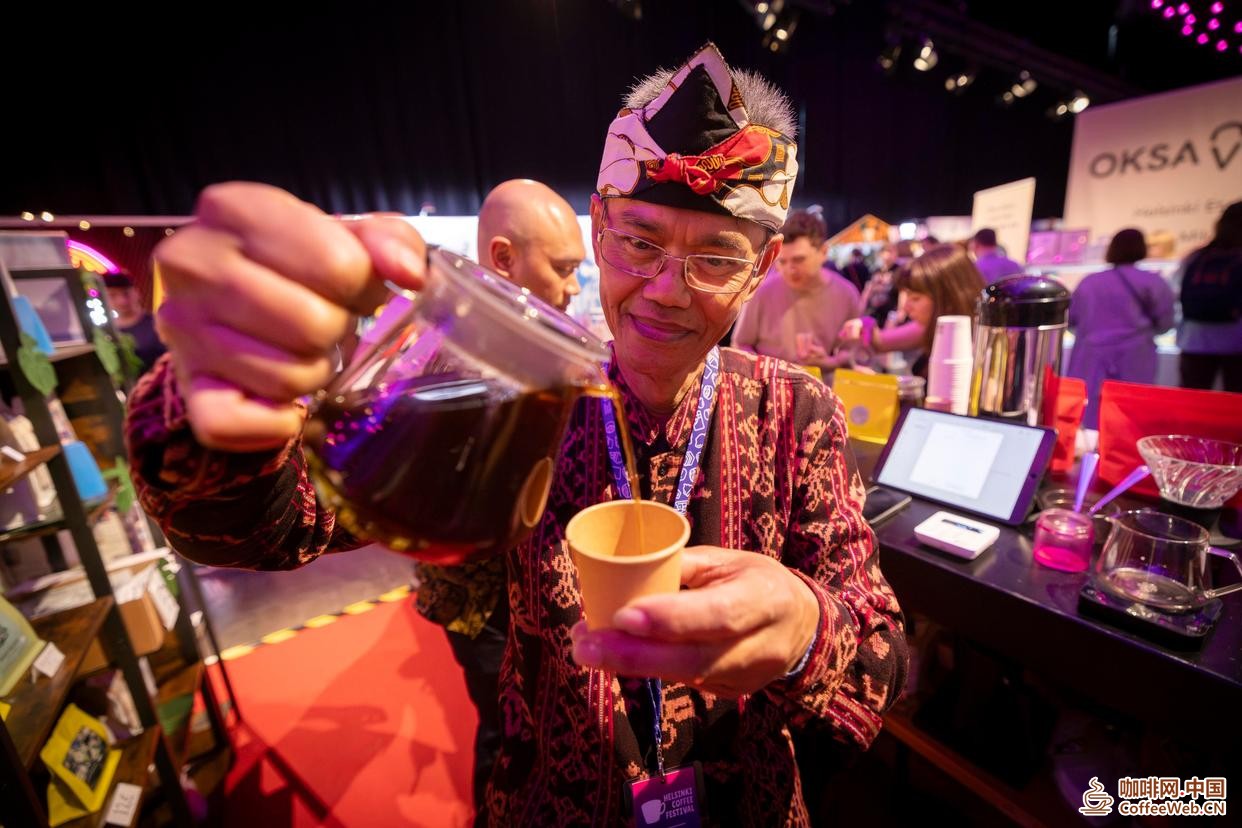
2025年4月26日,在芬兰首都赫尔辛基举行的2025年赫尔辛基咖啡节上,一名来自印尼的参展商身着传统服装展示咖啡产品。新华社发(马蒂·马蒂凯宁摄)从“穷人咖啡”到“黑金名片”
据印尼中央统计局数据,2025年印尼咖啡出口量约50.88万吨,同比增长62.61%;出口额25亿美元,同比增长54.04%。比利时成为印尼咖啡最大出口目的地,美国、德国、埃及、马来西亚等为主要出口市场。
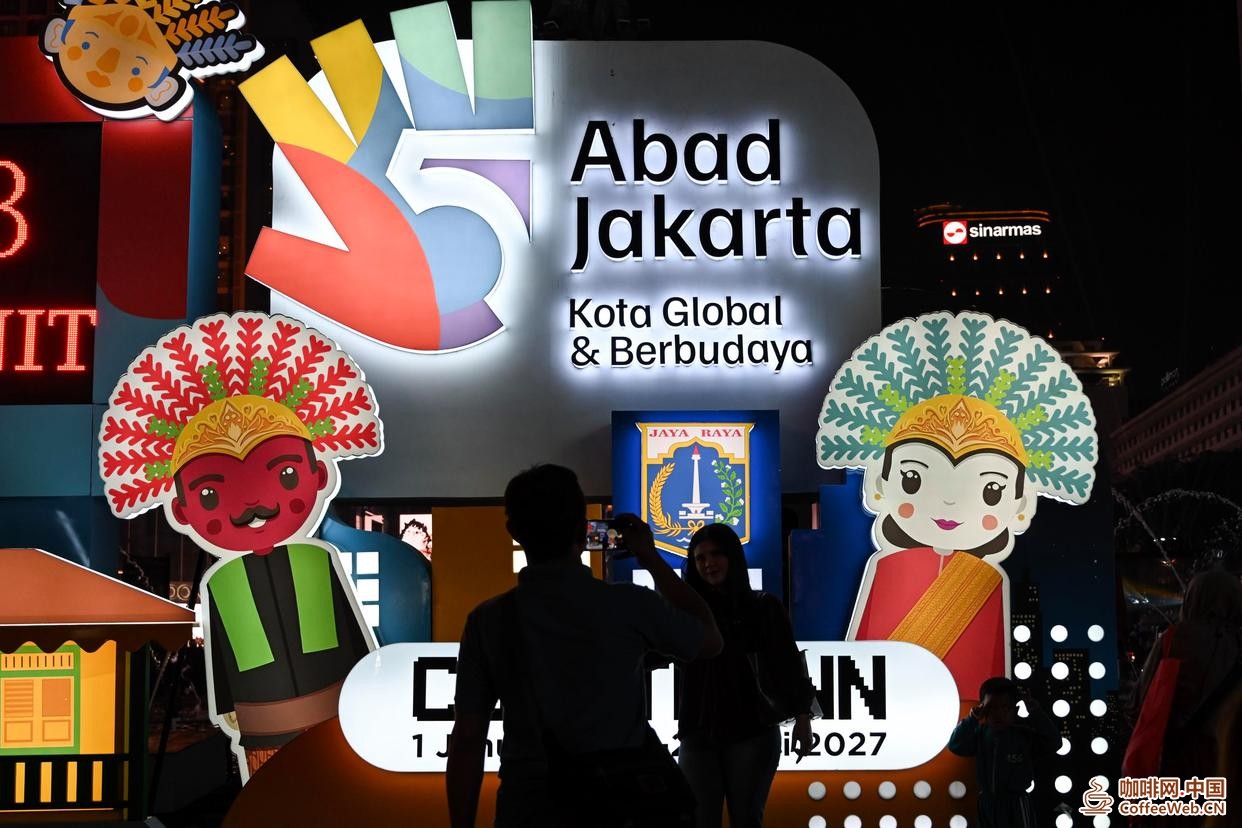
2026年6月27日,在印尼雅加达,人们在灯光装饰前拍照留念。新华社发(维里摄)从饮品到体验型消费品
在国际博览会、外交场合和旅游推广中,猫屎咖啡常与印尼民族服装“巴迪克”、印尼香料、印尼传统木雕等同时出现。对不少外国消费者而言,他们未必了解印尼的历史与文化,却听说过猫屎咖啡。从某种程度上说,印尼猫屎咖啡的热销,与意大利披萨“出圈”的逻辑颇为相似,即先以一种具象消费品建立全球认知,再逐渐延伸为国家形象的一部分。
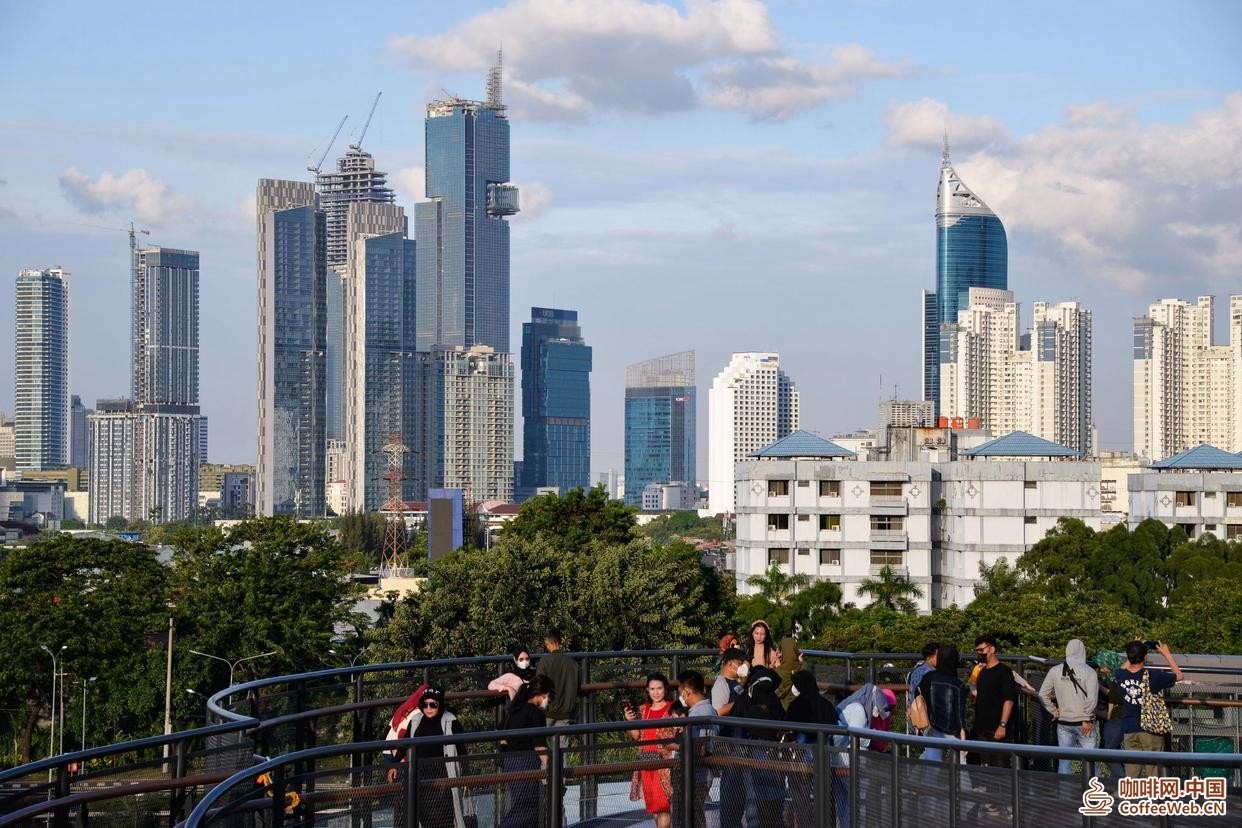
2022年1月23日,人们在印尼雅加达史纳延公园的空中步道欣赏城市风光。新华社记者徐钦摄争议与转型
Jakarta, July 27th (Xinhua) - In Indonesia, coffee has long been integrated into daily life. From coffee stalls on the streets of Jakarta, to boutique cafes in Bali, to coffee plantations in the mountains of Sumatra and Java, the rich aroma of coffee can be smelled throughout this archipelago country.
Among the many types of coffee in Indonesia, cat poop coffee may be the most internationally recognized. It is made from coffee beans produced by civet cats after consuming coffee fruits. After cleaning, drying, and baking, it is packaged into one of the most expensive and controversial coffees in the world.
On April 26, 2025, at the Helsinki Coffee Festival held in Helsinki, the capital of Finland, an exhibitor from Indonesia dressed in traditional clothing showcased coffee products. Xinhua News Agency (Photo by Matti Martini) From "Poor People's Coffee" to "Black Gold Business Card"
There is a well-known saying in Indonesia about the origin of cat poop coffee.
During the Dutch colonial period in the 18th century, colonial authorities extensively developed coffee plantations in Java, Sumatra, and other areas. Local farmers are prohibited from picking coffee fruits without permission and can only work for colonizers. Some farmers have found that civets living in tropical rainforests prefer to choose mature and sweetest coffee fruits to eat, and coffee beans are difficult to fully digest and are excreted by civets. People wash and roast these coffee beans, and when they drink them, they unexpectedly find that the coffee taste is softer and smoother, and the bitterness is significantly reduced.
Actually, the locals initially went to pick up those beans because they couldn't drink coffee from the plantation, "Adi Pratama, the owner of a coffee shop in southern Jakarta, told reporters." Later, this' poor man coffee 'became one of the most expensive coffees in the world, which we call' black gold '
Entering the 21st century, with the rapid expansion of the global premium coffee market, cat poop coffee has been packaged as a luxury consumer product that combines scarcity, exoticism, and status symbol.
Adi said that depending on the year and quality, the wholesale price of cat poop coffee in Indonesia is approximately $300 to $1300 per kilogram. Some high-end products baked and packaged by large brands have higher prices.
A study by the Indonesian agricultural department shows that the export scale of cat poop coffee is relatively limited, but it can still generate an annual income of 8 to 10 million US dollars for Indonesia, and its premium ability is much higher than that of ordinary coffee.
According to the Central Bureau of Statistics of Indonesia, the export volume of coffee in Indonesia is expected to reach approximately 508800 tons in 2025, a year-on-year increase of 62.61%; The export value was 2.5 billion US dollars, a year-on-year increase of 54.04%. Belgium has become the largest export destination for Indonesian coffee, with the United States, Germany, Egypt, Malaysia, and other major export markets.
On June 27, 2026, in Jakarta, Indonesia, people took photos in front of lighting decorations. Xinhua News Agency (Photo by Wei Li) From Beverages to Experiential Consumer Products
In the eyes of many international consumers, tasting cat poop coffee in Indonesia is more like a novel experience. Compared to industrialized standard coffee, it is a tropical narrative with adventurous elements: volcanoes, primeval forests, wildlife, traditional farms, which together form the imagination of overseas consumers towards Indonesian culture.
In the Ubud area of Bali, many coffee estates have developed the process of making cat poop coffee into a tourism project. Tourists can not only visit coffee plantations, but also observe civet cats up close and experience the handmade baking and brewing process.
There are different flavors of coffee placed on the wooden table, and the air is filled with the roasted aroma. Tourists shoot videos while listening to staff tell the story of how a civet cat selects ripe coffee fruits. In the era of social media, "drinking cat poop coffee for the first time" has become a popular content that many tourists eagerly post. From opening the packaging, sniffing the aroma, to the reaction after entering the mouth, related videos are often easy to gain traffic.
Adi said that for many young consumers, cat poop coffee is no longer just coffee, but also an experiential consumer product.
In recent years, with the growth of Indonesia's premium coffee market, more and more companies have begun to combine cat poop coffee with tourism experiences and cultural packaging, further building its international reputation. The Indonesian Ministry of Tourism and Creative Economy continues to promote "coffee tourism", attempting to integrate the coffee industry with rural tourism and ecotourism. In some mountainous areas of Bali, Yogyakarta, and Sumatra, tourists can experience the picking, baking, and hand brewing processes at coffee plantations, and taste coffee in rice fields, by volcanoes, or in rainforests.
Foreign tourists visiting these places not only want to have a cup of coffee, "said tourism practitioner Vidaya Prasettio," but also want to experience tropical islands, volcanoes, forests, and rural lifestyles
In international expos, diplomatic occasions, and tourism promotion, cat poop coffee often appears alongside Indonesian ethnic clothing such as "badik", Indonesian spices, and traditional Indonesian wood carvings. For many foreign consumers, they may not be familiar with Indonesia's history and culture, but they have heard of cat poop coffee. To some extent, the popularity of Indonesian cat poop coffee is quite similar to the logic of Italian pizza "going global", which first establishes global awareness as a concrete consumer product, and then gradually extends to become part of the national image.
On January 23, 2022, people enjoyed the city scenery on the skywalk in Sinayan Park, Jakarta, Indonesia. Photo by Xinhua News Agency reporter Xu Qin: Controversy and Transformation
The popularity of cat poop coffee continues to expand, leading to controversy.
Organizations such as the World Animal Protection Association have pointed out that some businesses, in pursuit of production, keep civet cats in narrow cages for a long time and force them to feed coffee fruits, which damages animal health. Some European and American specialty coffee brands have even stopped purchasing cat poop coffee from captive civet cats. In addition, many counterfeit products have entered the market, and some so-called "cat poop coffee" is actually ordinary coffee packaged under marketing concepts.
As consumers' awareness of the difference between "wild collection" and "captive production" continues to increase, some coffee practitioners in Indonesia have begun to try to promote industrial transformation. Some boutique coffee plantations have also begun to establish traceability systems and strengthen geographical indications, ecological certifications, etc. Labels such as "organic certification" and "animal friendly" have gradually become important added values for high-end cat poop coffee.
Quintoro Yusuf, who runs a small cat poop coffee cooperative in Yogyakarta, told reporters that they have been continuously strengthening the concepts of "wild collection" and "sustainable production" in recent years, distinguishing their products from industrialized ones. A truly good cat poop coffee should come from the natural environment, not the assembly line
Faced with controversy, more and more Indonesian coffee practitioners are also considering whether to continue making cat poop coffee the most eye-catching international business card of the Indonesian coffee industry. In fact, in addition to cat poop coffee, Indonesia also has several internationally renowned specialty coffee producing areas such as Sumatra Robusta, Mantening, Java Arabica, and Sulawesi Toraja. For young Indonesian baristas like Adidas, they hope that foreign consumers will not only remember "cat poop coffee", but also Indonesia's complex and diverse specialty coffee system.
From coffee beans secretly picked up by farmers during the colonial era to expensive drinks in boutique cafes; From accidental discoveries in tropical rainforests to traffic commodities in the era of social media... The story of cat poop coffee also reflects to some extent how Indonesia is transforming local traditions and natural resources into cultural influence in the wave of globalization. In this country composed of tens of thousands of islands, a cup of coffee carries more than just the taste itself.