打造“咖啡之城”! 咖啡香里的天津产业新叙事Creating a 'Coffee City'! A New Narrative of Tianjin's Industry in the Fragrance of Coffee
咖啡生豆、烘焙设备、萃取器具、高端咖啡机、包装技术、品牌连锁、供应链配套……12000平方米的专属展区内,咖啡香是最浓郁的味道。
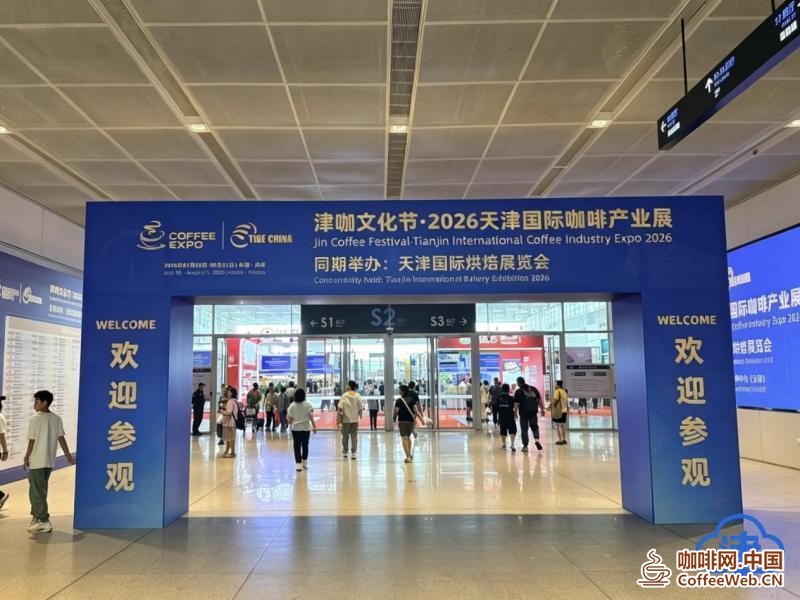
如果你是一名咖啡爱好者,那么这几天,国家会展中心(天津)S2馆会让你不虚此行。
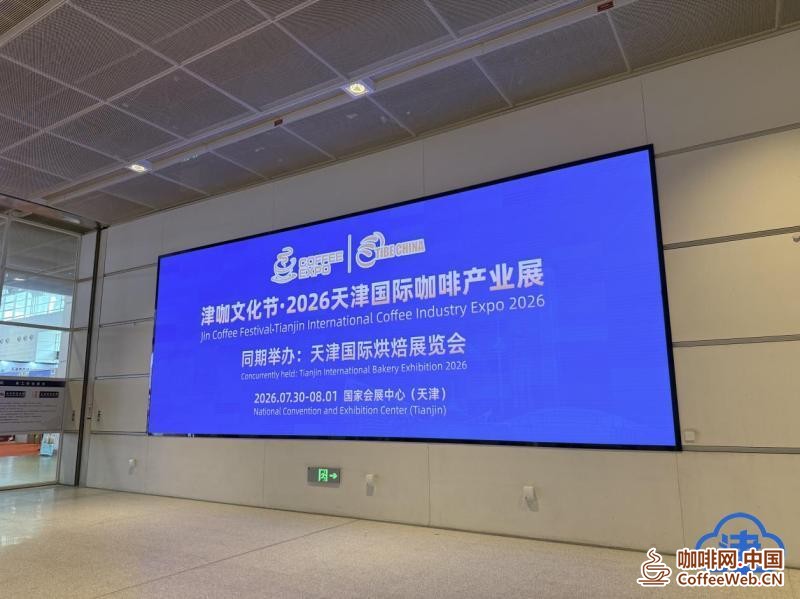
作为第31届中国天津投资贸易洽谈会的同期展览,津咖文化节·2026天津国际咖啡产业展,吸引了全球20多个国家及地区的咖啡展商齐聚于此。
展会期间,和平区正式发布培育建设“咖啡之城”的远景规划,提出以咖啡为笔、洋楼为卷,绘就百年街区与消费新场景共生共荣的城市发展新篇章。从一杯咖啡到一座“咖啡之城”,咖啡正在成为天津消费产业的新叙事——当津城的历史片场遇上全球化的咖啡贸易,一场从“喝咖啡”到“懂咖啡”的进阶体验正在上演。
消费者与展商共叙咖啡魅力
“我喜欢深烘豆,苦一点口感比较厚重。”“还是浅烘豆好,好豆子才浅烘了,口感明亮能品尝出不同风味。”
7月30日上午,赛品咖啡站台前已大排长龙——来的都是准备试喝的消费者。
来自不同产地、不同风味、不同烘焙程度的咖啡豆一字排开,几名咖啡师同时操作,现场磨豆、手冲,一边制作一边讲解各个品类的区别,并分发给消费者现场品鉴。
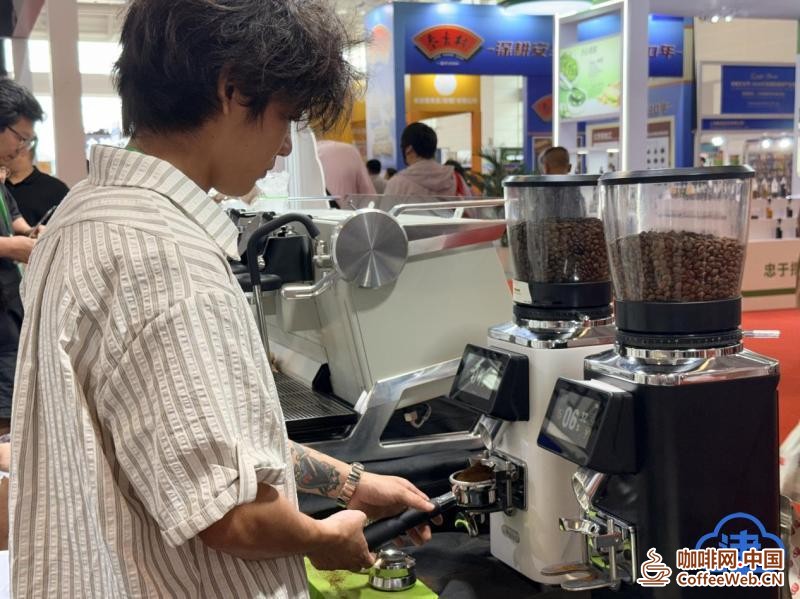
埃塞俄比亚日晒的明亮果酸、哥伦比亚水洗的醇厚坚果调性、云南深焙的焦糖香气……消费者端着小纸杯一边品、一边聊,反复对比同一产地不同批次的风味差异。
“咖啡迷”们各持己见,但都能在现场选到心仪的品类。
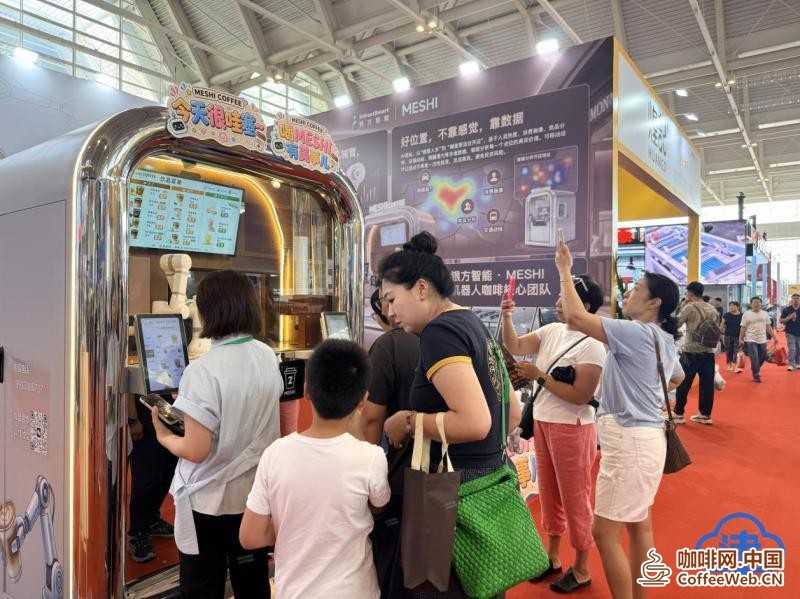
不远处的MESHI机器人前则是另一份“热闹”所在。全自动机械臂的制作方式吸引了不少消费者的注意力,想要品尝一下“机器人”做的咖啡和咖啡师做的有何不同。
“挺好喝的!”市民刘新尝了一口后笑着告诉记者:“这是我买的第二杯了,挺好喝的。跟人做的没什么区别,还便宜、方便。”他坦言,自己和妻子都有喝咖啡的习惯,妻子习惯在家自己做现磨咖啡,而他则图方便去外面购买,“每天上午一杯711、下午一杯瑞幸,都养成习惯了。”
刘新的日常消费轨迹,显示出咖啡正在从“偶尔的时髦”变成“每天的刚需”。而这种习惯的养成,正是天津咖啡产业从消费端到供应链端全面升级的底层驱动力。
从“喝咖啡”到“懂咖啡”
展会的热闹背后,是一个正在加速释放的市场信号。
天津星落咖啡贸易有限公司负责人陈耳东深耕行业多年,他对天津市场的判断清晰而笃定:“天津其实还是有很大增量市场的,无论是人均配比还是消费习惯,天津都有很大的增长空间。”
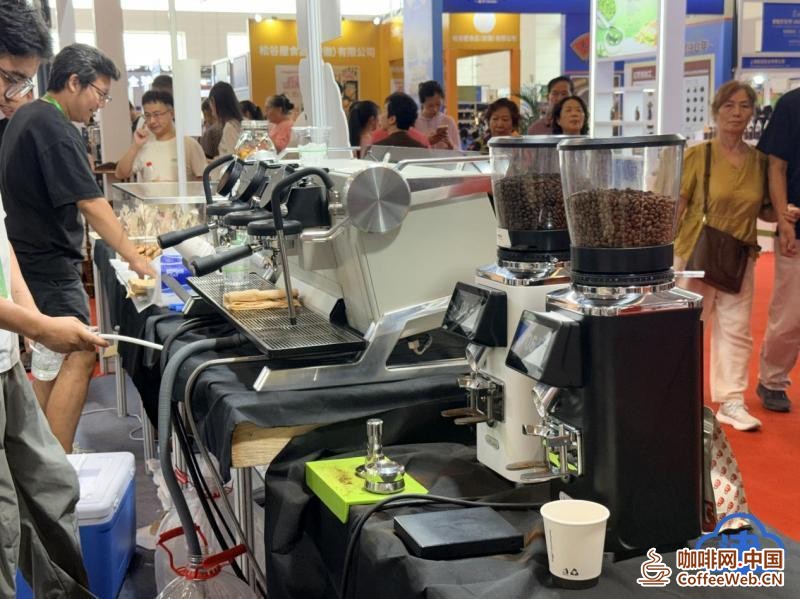
华北区域咖啡消费市场保持稳步增长,下沉市场的咖啡门店扩张速度持续加快,大量区域经营者存在供应链升级、选品更新的实际需求。而天津作为北方重要的港口城市,凭借区位优势与贸易网络,天然具备连接全球咖啡产区与北方庞大消费市场的枢纽功能。展会期间,多个咖啡主产国官方展团亮相,依托天津港的贸易优势,跨境直采正在从概念变为现实。
展会上参展商的构成,同样印证了天津咖啡产业的多元与活力。从赛品咖啡这样的老牌供应链企业,到MESHI这样的智能设备新锐;从咖啡生豆贸易商到烘焙设备供应商;从包装企业到品牌连锁——产业链上下游的专业玩家悉数到场。
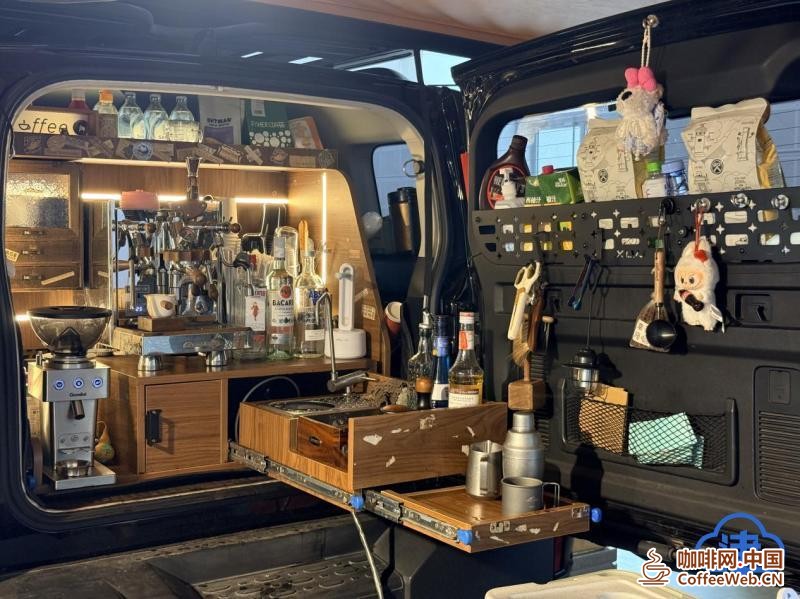
更有意思的是,咖啡培训学院和后备箱咖啡等新兴业态也亮相展会,形式多种多样,专业又不失新意。
天津醒咖咖啡学院主理人王明璐便是其中之一。这家成立于2025年的初创公司,集咖啡销售与咖啡师培训于一体。她告诉记者,选择咖啡赛道,除了个人热爱之外,更重要的是看准了天津市场的潜力:“咱天津人很松弛,大家都特别喜欢喝咖啡。”她观察到,咖啡已从咖啡馆走向家庭,越来越多的人由单纯“喝”转向“品鉴”,“所以我们公司就是希望能够帮助大家更多地了解咖啡、学习咖啡知识。比如考取SCA、PCA证,不论是从事专业咖啡师的工作,还是对自身水平的认可,都是非常有必要的。”
从“喝一杯”到“懂一杯”,这种消费心智的跃迁,才是天津咖啡市场走向成熟的真正信号。
以展会为契机,和平区也正式官宣启动“咖啡之城”培育建设行动,依托五大道等历史文化街区的洋楼资源,通过市场化手段活化闲置载体,使和平区成为品牌咖啡入驻天津的首选地与独立咖啡店的创业热土。按照规划,和平区将分功能打造四大“咖啡之城”地标商业街区:五大道独立精品咖啡区、小白楼商务连锁咖啡区、金街潮流创意咖啡区、南市高端品质咖啡区。未来,“一栋洋楼、一家特色店”的标杆场景将让百年洋楼与咖啡文化碰撞出更多火花。
连锁品牌与独立咖啡馆各美其美,文旅融合与日常消费并行不悖——天津的咖啡故事,正在被多种力量共同书写。
从“消费场景”到“产业闭环”
消费端的火热,离不开供应链端的支撑。从单纯的“消费场景”走向完整的“产业闭环”,这一步至关重要。
赛品咖啡是这条产业链上的重要一环。其工厂位于天津武清区,从事咖啡豆、咖啡冻干、速溶咖啡等产品已经20年。业务员刘斯褀在展会现场向津云记者介绍:“我们公司最大的优势就是响应速度快。无论是大订单还是小订单,都能保证及时接单。”依托云南高海拔产区原料优势与自动化生产线,赛品已成为北方重要的咖啡供应链企业。
外资企业同样在加码天津。深耕天津20多年的高利尔(天津)包装有限公司,是意大利高利尔集团在亚洲唯一的制造基地,为咖啡行业提供包装袋及全自动包装机等定制化解决方案。看中2025年中国咖啡产业市场规模突破5000亿元的机遇,高利尔投入5000万元自主研发,公开资料显示,目前高利尔已陆续接到瑞幸、古茗等国内头部咖啡企业的订单,还计划将原本需要在意大利总部生产的咖啡灌装机放到天津基地进行装配。
库迪咖啡将运营中心设在天津空港经济区,该中心承担着集团全链路数字化供应链的统筹管理与运营调度职能,覆盖从咖啡豆全球直采、自建烘焙基地到门店智能补货的端到端协同与优化。位于津南区的威士特(天津)国际贸易有限公司集咖啡设备、原料供应及技术服务于一体的综合布局,也在为产业链的完善添砖加瓦。
从咖啡豆的全球直采、本地烘焙,到设备供应、品牌连锁,再到终端消费与文旅融合——一条相对完整的咖啡产业链正在天津逐渐成形。正如展会相关负责人罗云杰所说:“烘焙和咖啡在天津很受欢迎,我们希望借助津洽会这一平台,把我们的展会品牌推向更广的受众群体,共同做大市场。”
(津云新闻记者彭俊勇、实习记者韩煦 文并摄)
Coffee beans, roasting equipment, extraction tools, high-end coffee machines, packaging technology, brand chain, supply chain support... In the exclusive exhibition area of 12000 square meters, coffee aroma is the most intense flavor.
If you are a coffee enthusiast, then these days, the S2 Hall of the National Convention and Exhibition Center (Tianjin) will make your trip worthwhile.
As a concurrent exhibition of the 31st China Tianjin Investment and Trade Fair, the Tianjin Coffee Culture Festival 2026 Tianjin International Coffee Industry Exhibition has attracted coffee exhibitors from more than 20 countries and regions around the world.
During the exhibition, Heping District officially released a long-term plan to cultivate and build a "Coffee City", proposing to use coffee as a pen and Western style buildings as a scroll to depict a new chapter of urban development where century old neighborhoods and new consumption scenes coexist and prosper. From a cup of coffee to a 'coffee city', coffee is becoming a new narrative in Tianjin's consumer industry - as the historical film set of Tianjin encounters the globalized coffee trade, an advanced experience from 'drinking coffee' to 'understanding coffee' is unfolding.
Consumers and exhibitors discuss the charm of coffee together
I like deep roasted beans. They are a bit bitter and have a thicker texture. It's better to light roast beans. Good beans are only lightly roasted, and the taste is bright enough to taste different flavors
On the morning of July 30th, there was already a long queue in front of the Saipin Coffee platform - all the customers who came were ready to try it out.
Coffee beans from different origins, flavors, and degrees of roasting are arranged in a straight line. Several baristas operate simultaneously, grinding and hand washing the beans on site, explaining the differences between each category while making, and distributing them to consumers for on-site tasting.
The bright fruit acid from Ethiopia's sun exposure, the rich nutty texture washed in Colombia, and the caramel aroma from Yunnan's deep roasting... Consumers hold small paper cups and chat while repeatedly comparing the flavor differences between different batches from the same origin.
Coffee fans have their own opinions, but they can all choose their favorite category on site.
In front of the MESHI robot not far away is another lively place. The production method of fully automated robotic arms has attracted the attention of many consumers who want to taste the difference between coffee made by robots and coffee made by baristas.
It's delicious! "Citizen Liu Xin smiled and told reporters after tasting it," This is the second cup I bought, it's delicious. It's not much different from what people make, it's also cheap and convenient. "He admitted that he and his wife have a habit of drinking coffee. His wife is used to making freshly ground coffee at home, while he wants to buy it conveniently outside." I have developed a habit of having one 711 in the morning and one Luckin in the afternoon every day
Liu Xin's daily consumption trajectory shows that coffee is shifting from an "occasional trend" to a "daily necessity". The cultivation of this habit is the underlying driving force behind the comprehensive upgrading of Tianjin's coffee industry from the consumer end to the supply chain end.
From "drinking coffee" to "understanding coffee"
Behind the excitement of the exhibition is a market signal that is accelerating its release.
Chen Erdong, the person in charge of Tianjin Xingluo Coffee Trading Co., Ltd., has been deeply involved in the industry for many years. His judgment of the Tianjin market is clear and firm: "Tianjin actually has a large incremental market, whether it is per capita ratio or consumption habits, Tianjin has a lot of room for growth
The coffee consumption market in the North China region maintains steady growth, and the expansion speed of coffee shops in the sinking market continues to accelerate. A large number of regional operators have practical needs for supply chain upgrading and product selection updates. As an important port city in the north, Tianjin naturally has the hub function of connecting global coffee producing areas with the huge consumer market in the north, thanks to its geographical advantages and trade network. During the exhibition, official delegations from multiple coffee producing countries appeared, leveraging the trade advantages of Tianjin Port to transform cross-border direct procurement from a concept into a reality.
The composition of exhibitors at the exhibition also confirms the diversity and vitality of Tianjin's coffee industry. From established supply chain companies like Saipin Coffee to emerging smart devices like MESHI; From coffee bean traders to roasting equipment suppliers; All professional players from packaging companies to brand chains - upstream and downstream of the industry chain - were present.
What's even more interesting is that emerging formats such as coffee training colleges and trunk coffee also appeared at the exhibition, with various forms, professional yet innovative.
Wang Minglu, the director of Tianjin Xingka Coffee Academy, is one of them. This startup company, established in 2025, integrates coffee sales and barista training. She told reporters that when choosing the coffee track, in addition to personal passion, it is more important to see the potential of the Tianjin market: "We Tianjin people are very relaxed, and everyone loves to drink coffee." She observed that coffee has moved from cafes to families, and more and more people are shifting from simply "drinking" to "tasting." Therefore, our company hopes to help everyone understand coffee more and learn coffee knowledge. For example, obtaining SCA and PCA certificates is very necessary whether it is to work as a professional barista or to recognize one's own level. ”
The transition of consumer mentality from "drinking a cup" to "understanding a cup" is the true signal of the maturity of Tianjin's coffee market.
Taking the exhibition as an opportunity, Heping District officially announced the launch of the "Coffee City" cultivation and construction action, relying on the western-style building resources of historical and cultural blocks such as Wudao, and activating idle carriers through market-oriented means, making Heping District the first choice for brand coffee to settle in Tianjin and the entrepreneurial hotspot for independent coffee shops. According to the plan, Heping District will create four landmark commercial blocks of "Coffee City" by function: the independent boutique coffee area of Wudao Avenue, the business chain coffee area of Xiaobailou, the trendy and creative coffee area of Jinjie, and the high-end quality coffee area of Nanshi. In the future, the benchmark scene of "one western-style building, one specialty store" will create more sparks of collision between century old western-style buildings and coffee culture.
Chain brands and independent coffee shops each have their own beauty, and the integration of culture and tourism goes hand in hand with daily consumption - the coffee story of Tianjin is being written by multiple forces.
From "consumer scenario" to "industrial closed-loop"
The popularity of the consumer end cannot be separated from the support of the supply chain end. It is crucial to move from a simple "consumption scenario" to a complete "industrial closed-loop".
Saipin Coffee is an important link in this industry chain. Its factory is located in Wuqing District, Tianjin, and has been engaged in coffee beans, coffee freeze-drying, instant coffee and other products for 20 years. Salesman Liu Siqian introduced to Jinyun reporters at the exhibition site, "Our company's biggest advantage is fast response speed. Whether it is a large order or a small order, we can ensure timely acceptance." Relying on the advantages of raw materials and automated production lines in high-altitude production areas in Yunnan, Saipin has become an important coffee supply chain enterprise in the north.
Foreign companies are also increasing their investment in Tianjin. Gaolier (Tianjin) Packaging Co., Ltd., which has been deeply rooted in Tianjin for more than 20 years, is the only manufacturing base of the Italian Gaolier Group in Asia, providing customized solutions such as packaging bags and fully automatic packaging machines for the coffee industry. Taking advantage of the opportunity for the Chinese coffee industry market to exceed 500 billion yuan by 2025, Gaolier has invested 50 million yuan in independent research and development. Public information shows that Gaolier has received orders from leading domestic coffee companies such as Luckin Coffee and Guming, and plans to assemble coffee filling machines that originally needed to be produced in the Italian headquarters at its Tianjin base.
Kudi Coffee will establish its operations center in the Tianjin Airport Economic Zone, which will undertake the overall management and operation scheduling functions of the group's full chain digital supply chain, covering end-to-end collaboration and optimization from global coffee bean procurement, self built roasting bases to intelligent replenishment in stores. Wistech (Tianjin) International Trade Co., Ltd., located in Jinnan District, has a comprehensive layout integrating coffee equipment, raw material supply, and technical services, and is also contributing to the improvement of the industrial chain.
A relatively complete coffee industry chain is gradually taking shape in Tianjin, from global direct procurement and local roasting of coffee beans, to equipment supply, brand chain, and finally to the integration of terminal consumption and cultural tourism. As Luo Yunjie, the person in charge of the exhibition, said, "Baking and coffee are very popular in Tianjin. We hope to use the Tianjin International Fair as a platform to promote our exhibition brand to a wider audience and jointly expand the market
(Photo by Jinyun News reporter Peng Junyong and intern reporter Han Xuwen)