四点半的咖啡香:一座棚户区怎么就成了“城市客厅”4:30 coffee aroma: How did a shantytown become a "city living room"
下午四点半,洪山区楚平路旁的嘉园里口袋公园开始热闹起来。
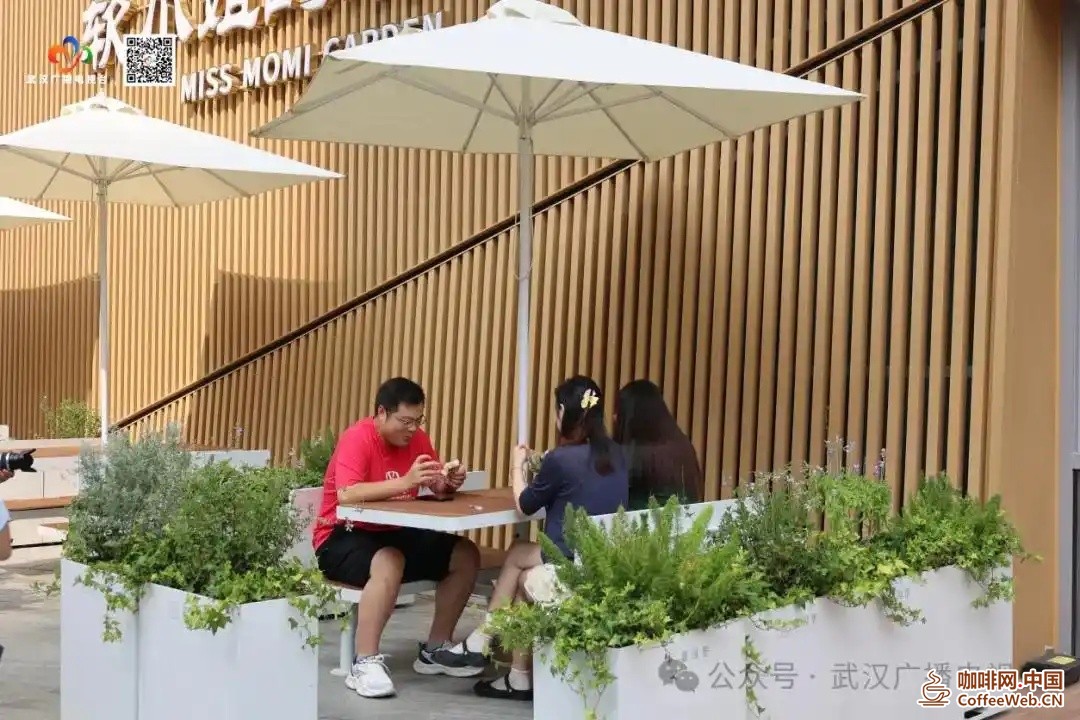
集装箱咖啡屋前排着刚下班的年轻人,草地上的老人在石凳上打盹,草阶边的家长翘着脚等孩子放学。太阳还没下山,热浪退去,微风从树梢穿过,有人端着拿铁靠在木椅上刷手机,有人拎着电脑在长椅上赶方案——是的,一座棚户区改造来的小公园,改变得让人难以置信。
城市更新体现在嘉园里有意思的地方,恰恰不在“大”,而在“小”。
小到什么程度?4599平方米,差不多半个足球场。小到你可能路过都不会多看一眼,小到你甚至不好意思叫它“公园”。但就是这么个小地方,从早到晚都有人在用,有人停留,有人消费,有人坐着发呆什么也不干。
围起来省事,打开来才叫本事
往前倒几个月,这块地是另一副面孔。老旧棚户区,私垦菜地,生活垃圾堆得到处都是。住在保利拉菲的杜女士说得实在:“原来这边都是围起来的,里面全是土。”
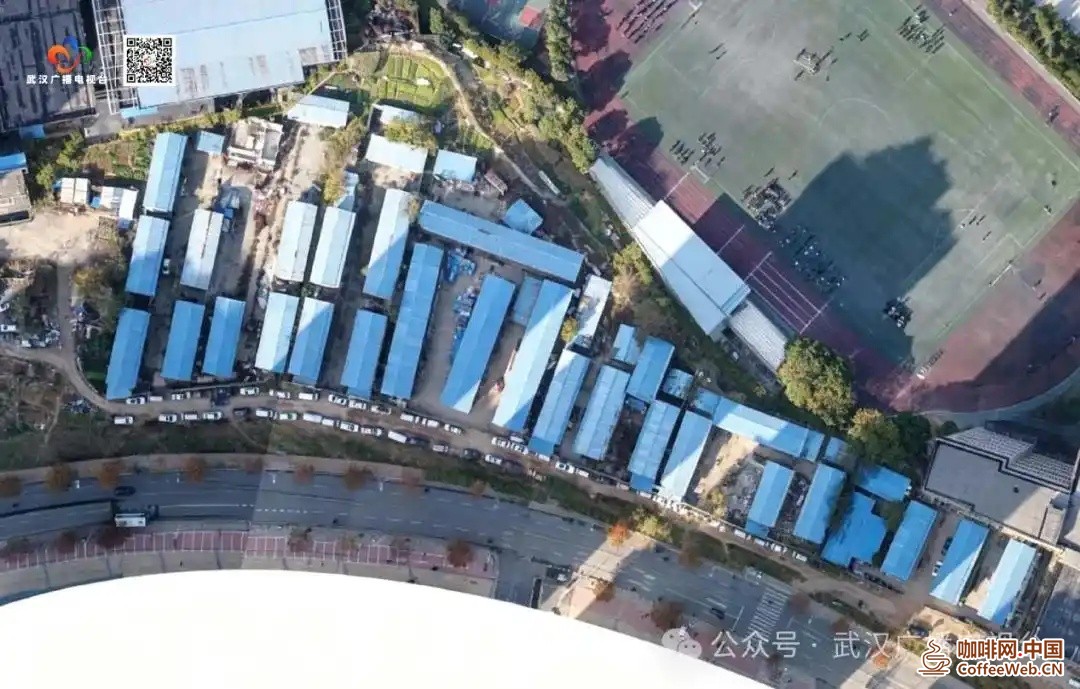
“围起来”,三个字,道尽了城市管理的惯性思维。不好看怎么办?围。没人管怎么办?围。不知道拿它怎么办?先围了再说。围挡一立,眼不见为净,大家都省心。久而久之,城市里多出来无数“围起来”的角落,它们像一道伤口被创可贴遮住,路过的人看不见,但住在旁边的人天天对着它。
洪山区城管局这次做了一个不太一样的选择:拆。
不仅拆围挡,还拆思维。他们提出了九个字——“去围墙、无边界、融街区”。
听起来像口号,做起来全是硬骨头。围墙拆了,谁来管?边界没了,责任怎么分?但拆完之后的效果说明了一件事——老百姓不需要那么多“禁止入内”,他们需要的是“请坐”。
空间这东西,框得越死,人就越不自在。反过来,越模糊,越自在。嘉园里没有生硬的功能分区,没有“儿童区”“老人区”“禁止踩踏”的牌子,堆坡代替了围墙,绿植代替了栏杆,草坪可以踩,台阶可以坐,咖啡可以端到室外喝。公园铺装和旁边商家的色调统一,从室内到室外几乎没有割裂感——你走着走着就进去了,进去才发现自己在公园里。
这才是城市公共空间本该有的样子:让人不自觉地走进来,而不是被请进来。
一个公园能不能活下去,
要看它有没有“造血”能力
嘉园里另一个不一样的地方,是它居然有“商业”。
集装箱盒子改的“咕嘟咖啡”和“咖喱好食屋”,错落散布在绿丘之间,旁边还有烘焙馆、戏剧场、科创中心,围成一个小小的商业聚落。工作日下午,咖啡店里坐着码字的年轻人,外卖小哥从旁边穿梭而过,有上班族带着电脑在户外办公,也有推婴儿车的妈妈在树荫下歇脚。
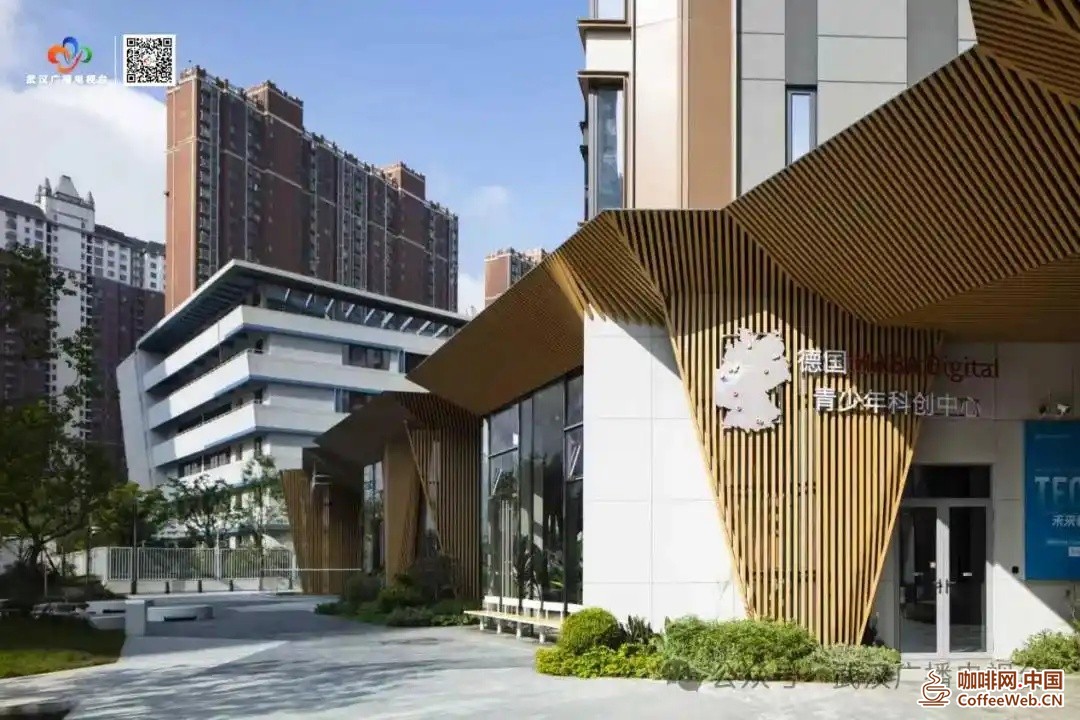
很多人一听到“公园里有商业”,第一反应是皱眉。但仔细想想,一座没有商业的公园,靠什么活下去?
靠财政拨款养护,钱总有花完的一天;靠自觉维护,总有人不守规矩。嘉园里用的是开发商代建、财政后期养护的模式,集装箱商业和沿街底商联动,既聚拢人气,也创造收入。室外餐饮区串联起驿站休闲区,形成半围合式的社交空间——说白了,就是让你有地方坐,坐下来有东西喝,喝完还想来。
华中科学生态城副总经理黎丹丹说,口袋公园设计之初就确定了一个设计思路:这里白天是上班族的户外办公室,午后是大爷大妈的天然摄影棚,晚上是全家出动的散步遛弯地。分时分龄的空间管理,让一个小公园从早到晚都有人气。有人气,才有生命力。
这背后是一个朴素的城市更新逻辑:光靠“漂亮”留不住人,得让这个地方“有用”。
最笨的功夫,往往最管用
改造前期,保利蓝海郡社区的工作人员做了一件“笨”事。
他们捧着一束束鲜花,沿着楚平路挨家挨户敲居民的门。“您好,我们在做口袋公园改造,想听听您的想法。”没有调查问卷,没有电话访问,就是一枝花、一张笑脸、一声“您说”。
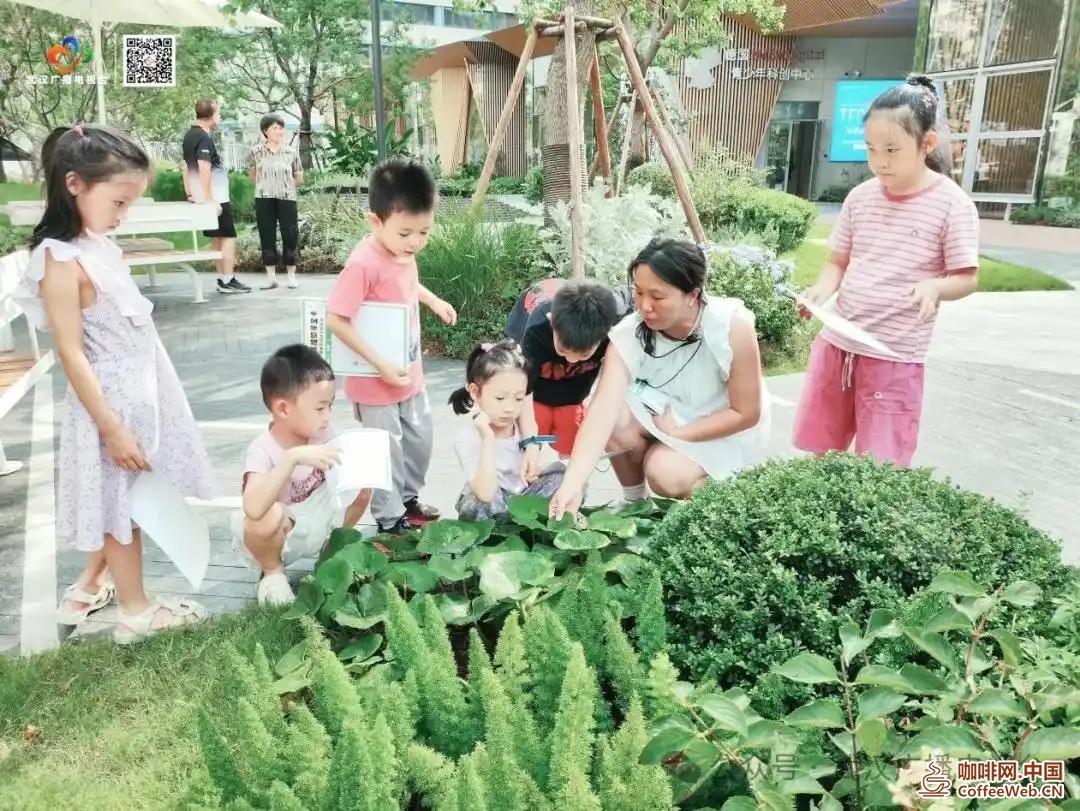
就这样走了上千户居民。有人想要休闲场地,有人想要亲子空间,有人建议弄个市集,有人说只要能让我下楼坐坐就行。工作人员把每一条诉求都记下来,后来它们都变成了嘉园里实实在在的功能。
这个方法笨不笨?笨。花了很多时间,走断了腿,磨破了嘴。但这个方法管不管用?管用。因为当居民发现“我之前说的那个凳子真的装上了”“我提的那个秋千真的有了”,他们对这个公园的情感就变了——这不再是“政府建的一个公园”,而是“我们提意见建起来的那个园子”。
社创中心里摆满了街坊亲手做的东西:手工编织包、香薰蜡烛、手绘贴画、闲置书籍、创意小玩具。“居民可以低价置换,也可以寄卖。”保利蓝海郡社区工作人员洪霞介绍。一个小型社区经济体就这样长出来了——没有规划文件,没有招商手册,就是大家你带一点我带一点,慢慢填满了整个空间。
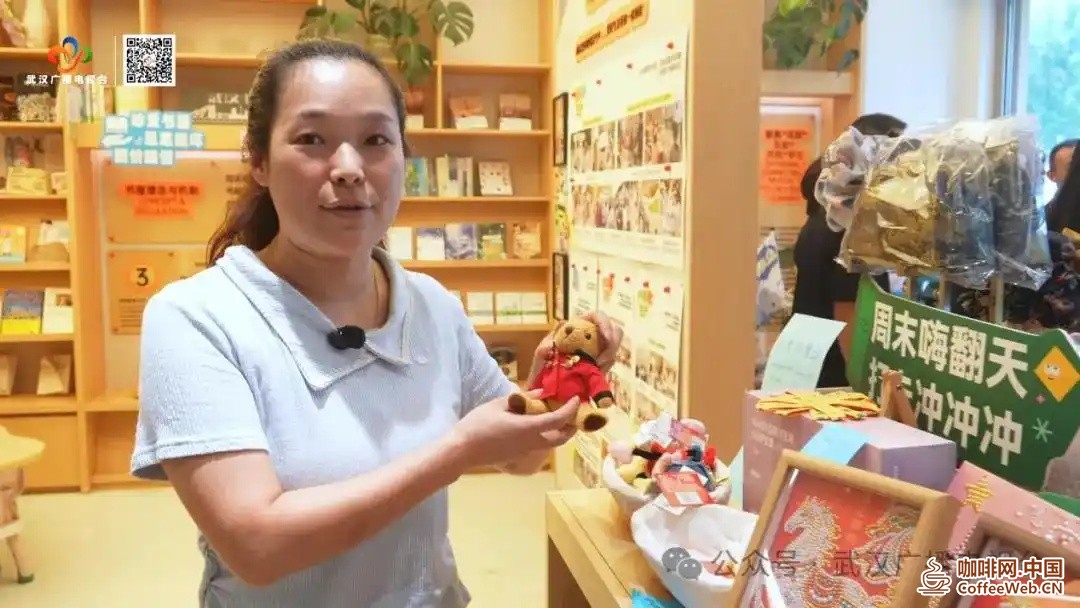
这些年,城市更新不缺大手笔。拆一片、建一片、规划一片,气派的效果图,宏大的叙事,动不动就是“城市会客厅”“国际社区”。但嘉园里这片4599平方米的角落告诉我们,真正让城市变好的,往往不是那些大规划,而是这些不起眼的小切口。
洪山区今年改造了31处边角地,建成了4个口袋公园。青菱河路沿线14000平方米的荒地变成了可以遛弯的小游园,先建村900多平方米的卫生死角变成了凉亭下有人拉二胡的小广场。这些地方没上过头条,不值得写进工作报告里大书特书,但它们实实在在地让住在旁边的人开心了一点、方便了一点、舒心了一点。
从一个堆满垃圾的老旧棚户区,到一个随时可以坐下来喝杯咖啡的微客厅,嘉园里只做了三件事:把围墙拆掉,把空间打开,把居民请进来。因为拆围墙容易,拆心里的围墙难。把空间打开容易,把治理思路打开难。把人请进来容易,让人愿意留下来难。
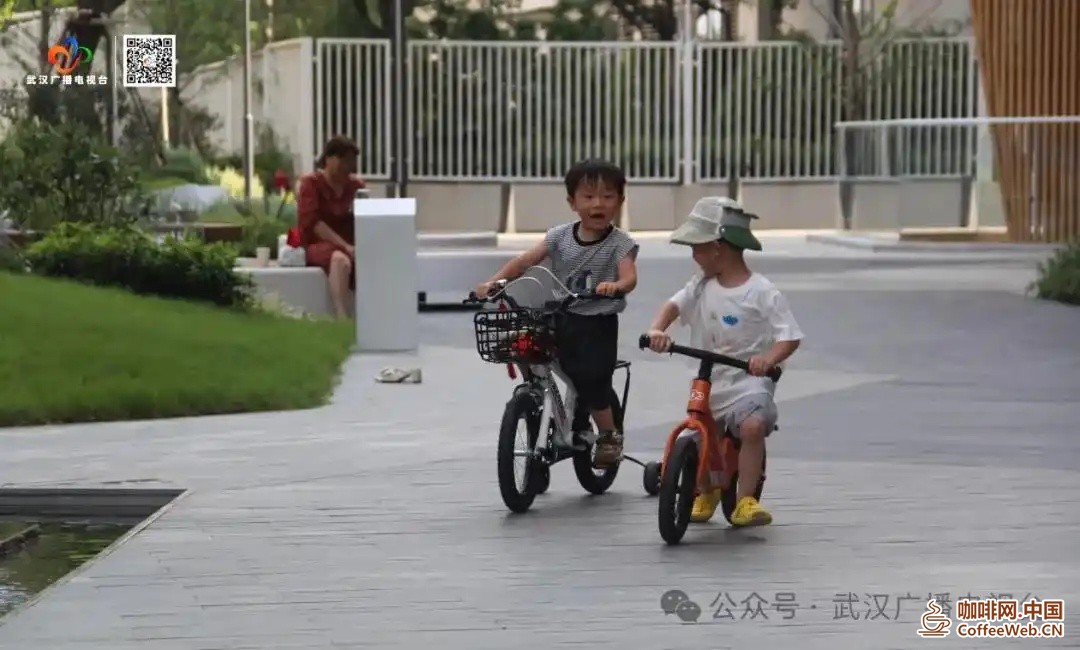
嘉园里做到了,因为它从一开始就想明白了一个问题:城市更新,是给人用的,不是给人看的。
下午六点,嘉园里迎来了当天最后一波小高峰。下班的人顺路买杯咖啡,放学的孩子在草坪上追逐打闹,附近的老夫妻并肩坐在长椅上看夕阳。这座4599平方米的“城市微客厅”,不大,但装得下所有人想要的那么一点点日常的舒服。
城市要更新,先从让人能舒舒服服坐下来开始。
(来源:武汉广播电视台)
At 4:30 pm, Jiayuanli Pocket Park along Chuping Road in Hongshan District began to liven up.
Young people who have just finished work sit in front of the container coffee shop, elderly people on the grass are dozing off on stone benches, and parents on the grass steps are waiting for their children to finish school with their feet up. The sun has not yet set, the heat wave has receded, and a gentle breeze passes through the treetops. Some people are leaning on wooden chairs with latte holders to swipe their phones, while others are rushing to come up with plans on benches with computers. Yes, a small park transformed from a shantytown has undergone incredible changes.
Urban renewal is reflected in the interesting aspects of Jiayuan, not in the 'big' but in the 'small'.
How small is it? 4599 square meters, about half a football field. It's so small that you may not even glance at it when you pass by, and so small that you feel embarrassed to call it a 'park'. But it's just this small place, where people use it from morning till night, some stay, some consume, and some sit and daydream without doing anything.
Surrounding it saves time, opening it up is the skill
A few months ahead, this piece of land has a different face. Old shantytowns, privately cultivated vegetable fields, and piles of household waste are everywhere. Ms. Du, who lives in Poly Lafite, said truthfully, "So this place is surrounded and filled with dirt
The three words' surround 'express the habitual thinking of urban management. What if it doesn't look good? Surrounding. What if no one cares? Surrounding. I don't know what to do with it? Let's wrap it up first. Once the fence is erected, it's clear if you can't see it, and everyone is at ease. Over time, countless "enclosed" corners have emerged in the city, like wounds covered by adhesive bandages. Passers by cannot see them, but people living next to them face them every day.
The Hongshan District Urban Management Bureau has made a different choice this time: demolition.
Not only to remove fences, but also to dismantle thinking. They proposed nine words - 'Go to the wall, no boundaries, integrate the block'.
It sounds like a slogan, but when it comes to implementation, it's all tough. The wall has been dismantled, who will take care of it? How to divide the responsibility when the boundary is gone? But the effect after demolition shows one thing - ordinary people don't need so many 'no entry' measures, what they need is' please sit down '.
The more tightly enclosed space is, the more uncomfortable people feel. Conversely, the more vague, the more comfortable. There are no rigid functional zones in Jiayuan, no signs of "children's zone", "elderly zone", or "no trampling". Slopes have replaced walls, green plants have replaced railings, lawns can be stepped on, steps can be sat on, and coffee can be served outdoors. The color scheme of the park pavement is consistent with that of the nearby businesses, and there is almost no sense of separation from indoors to outdoors - you walk in as you enter, only to find yourself in the park.
This is what urban public spaces should be like: making people unconsciously enter, rather than being invited in.
Can a park survive,
It depends on whether it has the ability to generate blood
Another unique feature of Jiayuan is that it actually has "commerce".
Container boxes transformed into "Gudu Coffee" and "Curry Gourmet House" are scattered among the green hills, surrounded by bakeries, theaters, and science and technology innovation centers, forming a small commercial settlement. On weekday afternoons, young people sitting in the coffee shop with code words, delivery drivers passing by, office workers working outdoors with computers, and mothers pushing strollers resting under the shade of trees.
Many people's first reaction when they hear 'there are businesses in the park' is to frown. But upon careful consideration, how can a park without commerce survive?
Relying on financial appropriations for maintenance, money will always be spent one day; Through conscious maintenance, there will always be people who do not follow the rules. Jiayuan uses a model of developer construction and financial maintenance in the later stage, with container commerce and street level businesses linked together, which not only attracts popularity but also creates income. The outdoor dining area connects with the rest and leisure area of the post station, forming a semi enclosed social space - in other words, it provides you with a place to sit, something to drink, and something to come back to after drinking.
Li Dandan, Deputy General Manager of Huazhong Science Ecological City, said that at the beginning of the design of Pocket Park, a design concept was determined: it is an outdoor office for office workers during the day, a natural photography studio for grandparents in the afternoon, and a place for the whole family to take a walk at night. Space management based on age division ensures that a small park remains popular from morning till night. Popularity is the key to vitality.
Behind this is a simple urban renewal logic: relying solely on "beauty" cannot retain people, we must make this place "useful".
The dumbest kung fu is often the most effective
In the early stage of the renovation, the staff of Poly Blue Ocean County Community did a "stupid" thing.
They held bundles of flowers and knocked on the doors of residents door to door along Chuping Road. Hello, we are working on the renovation of Pocket Park and would like to hear your thoughts. "There is no survey questionnaire or phone interview, just a flower, a smiling face, and a" you say ".
Thousands of residents left like this. Some people want a leisure area, some want a parent-child space, some suggest setting up a market, and some say as long as I can come downstairs and sit down. The staff took note of every request, which later became a tangible function in Jiayuan.
Is this method stupid? Stupid. I spent a lot of time walking, broke my leg, and rubbed my mouth. But does this method work? It works. Because when residents realize that 'the stool I mentioned before has really been installed' and 'the swing I mentioned has really been installed', their emotions towards this park change - it is no longer 'a park built by the government', but 'the garden we suggested to build'.
The social innovation center is filled with handmade items made by neighbors: hand woven bags, scented candles, hand drawn stickers, idle books, and creative toys. Residents can exchange at a low price or sell on consignment, "said Hong Xia, a community worker at Poly Blue Ocean County. A small community economy has grown out like this - without planning documents or investment brochures, it's just that everyone brings a little and I bring a little, slowly filling the entire space.
In recent years, there has been no shortage of large-scale urban renewal. Dismantling, building, and planning a piece of land, creating magnificent renderings and grand narratives, is often referred to as a "city reception room" or an "international community". But this 4599 square meter corner in Jiayuan tells us that what really makes the city better is often not those big plans, but these inconspicuous small incisions.
This year, Hongshan District has renovated 31 corner areas and built 4 pocket parks. The 14000 square meters of barren land along Qinglinghe Road has been transformed into a small park for strolling, and the over 900 square meters of sanitary blind spots in the first built village have been transformed into a small square with people playing erhu under the pavilion. These places have never made headlines and are not worth writing about in work reports, but they have truly made the people living next to them happier, more convenient, and more comfortable.
From an old shantytown filled with garbage to a micro living room where you can sit down and have a cup of coffee anytime, Jiayuan has only done three things: demolishing the walls, opening up the space, and inviting residents in. Because it is easy to dismantle the wall, but difficult to dismantle the inner wall. Opening up space is easy, but opening up governance ideas is difficult. It's easy to invite people in, but difficult to make them willing to stay.
Jiayuan achieved it because it understood a problem from the beginning: urban renewal is for people to use, not for people to see.
At 6 pm, the last small peak of the day arrived in Jiayuan. People who finish work buy a cup of coffee on the way, children who finish school chase and play on the lawn, and nearby elderly couples sit side by side on benches watching the sunset. This 4599 square meter "urban micro living room" is not large, but it can accommodate a little bit of daily comfort that everyone wants.
To update a city, we need to start by allowing people to sit comfortably.
(Source: Wuhan Radio and Television Station)