亚太同学Let's Go丨韩国“咖啡二代”,在广州用特调读懂一座城Asia Pacific classmate Let's Go 丨 Korean "coffee second generation" understands a city with special notes in Guangzhou
【开篇语】
8月10日,APEC峰会迎来倒计时100天。广州日报聚焦APEC主题,即日起推出“亚太同学Let's Go”系列报道,邀约来自APEC其他成员经济体的在粤学生一道走进大湾区街头小巷、学校社区,在普通人的日常工作里,从生活的每个细节中,沉浸式体验广州味道,感受岭南文化,向世界讲好中国故事、广东故事、广州故事。第一期,号称“体内全是咖啡”的韩国留学生韩曦洙,和本报记者一起走进广州咖啡文化季,体验不一样的广州咖啡文化。
韩曦洙大概是广州咖啡文化季现场最有特点的品鉴者之一。
这位中山大学的韩国留学生,是在首尔一家咖啡店里长大的孩子——他的母亲在那座城市经营着自己的咖啡店,从打工学艺到接手店铺,一路把对咖啡的热忱做成了事业。
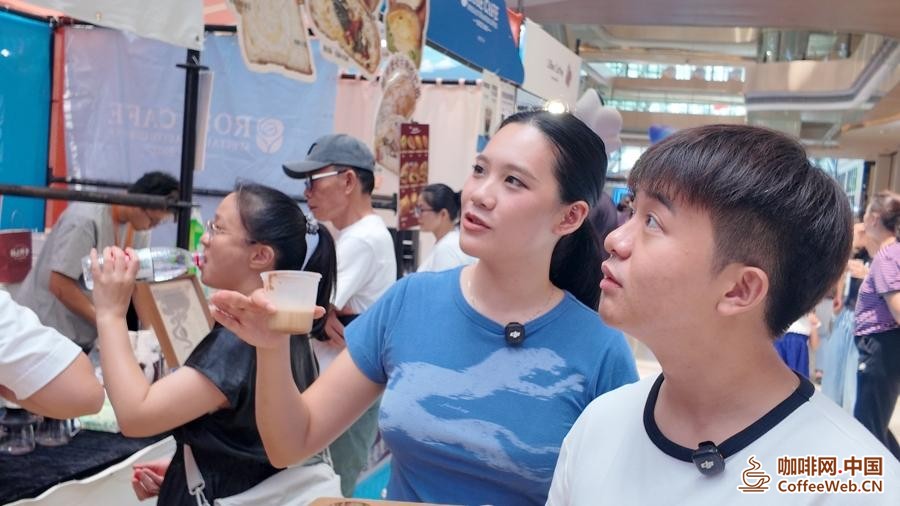
中山大学韩国留学生韩曦洙(右)参与2026广州咖啡文化季闭幕活动因为学习过中文,韩曦洙母亲对中国的生活并不陌生,这份隐约的联结,后来也牵引着韩曦洙来到广州求学。
从小的耳濡目染,让他对咖啡自有一套判断标准。但当姜撞奶的辛辣撞进咖啡的醇厚,当猪脚姜的甜醋味混着咖啡的苦涌上喉咙,他在惊喜中开始意识到,广州这座城市对咖啡的理解,和此前知道的完全不同。
一杯咖啡,喝到世界的味道
2026广州咖啡文化季闭幕活动现场,一杯埃塞俄比亚豆子做成的特调咖啡端到韩曦洙面前。韩曦洙抿了一口,表情有些意外——不是他习惯的深烘焦苦,而是一股干净明亮的酸质,清清爽爽的甜,带着一点果味的回甘。埃塞俄比亚的豆子,在广州被做成了水果调性鲜明的创意咖啡,和他印象中咖啡应有的苦醇模样相去甚远。
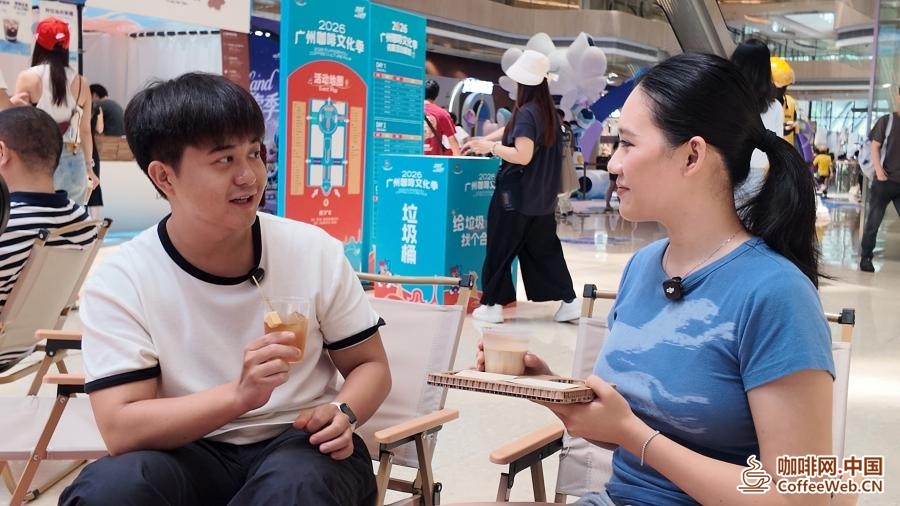
中山大学韩国留学生韩曦洙品尝用埃塞俄比亚咖啡豆制作的咖啡“没想到在广州喝到埃塞俄比亚的豆子,竟是这种风味的。”韩曦洙觉得很新鲜。在广州,来自各大产区的咖啡豆汇聚于此,一杯咖啡里,可以同时喝到产地很远、但又离广州很近的味道。
两杯广式特调,喝出城市性格
真正刷新韩曦洙对咖啡认知的,是接下来的两杯广式特调。
第一杯端上来,深褐色的液体表面看不出什么特别,可凑近一闻,浓郁的甜醋味钻进鼻腔,带着老姜的辛辣感。猪脚姜——广东人最熟悉的传统食物,甜醋和老姜在小火慢煮中把滋味融进每一寸食材,而咖啡师竟然把这种岭南味道做进了咖啡里。
韩曦洙小心地尝了一口。姜的温热感从喉咙深处慢慢往上走,辣辣的,暖暖的。“口感很神奇,”他忍不住说,“第一次看到‘猪脚姜’的时候没看到姜,只看到猪脚两字,还以为咖啡里面真的放了猪脚。”
第二杯是姜撞奶风味的特调。热牛奶撞进姜汁,辛辣与奶香瞬间凝结成嫩滑的口感。韩曦洙之前尝过这道广式甜品,对那股辣辣的味道有记忆。当同样的辛辣感出现在咖啡里,与醇厚的口感交织在一起,他品了品,有些惊喜:“辣辣的那个味道还在,没想到和咖啡融合得这么好!”
这种把本土饮食文化大胆融入咖啡的做法,让韩曦洙觉得很新奇,也很包容。“一般人可能很难想象把猪脚姜做成咖啡,”他说,“但姜本身就是广东的特色,咖啡师用广东文化来做东西,有独特性,也很时尚。”
在咖啡里,看见一座城的开放
这场咖啡季的寻味之旅,让韩曦洙对广州咖啡有了不一样的认知。他说自己在广州的“打卡点”又要变多了——不同的豆子、不同的做法,这座城市日常里藏着太多可以慢慢品尝的故事。他甚至已经有了自己的创意方向:做一杯双皮奶口味的特调,让顾客自己选择甜度,“想做成年轻人喜欢的风格”。
广州对咖啡的开放,韩曦洙在远景路也感受到过。远景路是广州韩国人最集中的街区,韩式餐馆和超市沿街而立,连韩国的咖啡品牌也来这里做过快闪。在异国街头遇见家乡的咖啡,他的第一反应是意外,但很快就觉得亲切。“这是一种好事,可以促进两国咖啡文化和咖啡师之间的交流。”
说起两国咖啡文化的异同,韩曦洙有自己的观察。首尔的咖啡店偏经典,焦糖拿铁、冰美式是日常;而广州“独特味道的咖啡很多”,本土食材被大胆做进咖啡里,创意层出不穷。但年轻人对咖啡店的喜好是相通的——他提起东山口那些氛围感十足的店,说韩国的年轻人也一样,“喜欢在那种有氛围感的地方喝咖啡”。
有意思的是,韩曦洙的母亲去年也来过广州。她在首尔经营咖啡店多年,那一次尝了不少咖啡,却对一个广州本土品牌印象最深。韩曦洙说起这件事时,语气里带着一点自豪。一个首尔咖啡店经营者对广州本土品牌的认可,也许便是两座城市在咖啡这件事上一次小小的共鸣。
在2026广州咖啡文化季闭幕活动上,韩曦洙在一杯杯咖啡里,慢慢读懂了一座城市的开放。从埃塞俄比亚的果酸,到猪脚姜的甜醋,再到姜撞奶的辛辣——他忽然觉得,一杯咖啡能装下的东西,比他想象的多得多。广州这座城市大概也是这样:不急着定义自己,只是一杯一杯地,把来自世界各地的味道,慢慢调成自己的风味。
对于这位来自APEC经济体的年轻人来说,广州早已不只是留学的地方,更是一个让他重新认识咖啡、也重新认识文化如何交融的窗口。
统筹/广州日报新花城编辑:薛琰
文、图/广州日报新花城记者:吴荻 实习生 欧阳舒婷
拍摄/广州日报新花城记者:陈铭曦、郑洪达、王钰舜
剪辑/广州日报新花城记者:陈铭曦
广州日报新花城编辑:吴荻
[Opening statement]
On August 10th, the APEC summit welcomed a 100 day countdown. Guangzhou Daily focuses on the theme of APEC and has launched the "Let's Go" series of reports, inviting students from other APEC member economies in Guangdong to walk into the streets, alleys, schools, and communities of the Greater Bay Area. In the daily work of ordinary people, they can immerse themselves in the taste of Guangzhou from every detail of life, experience Lingnan culture, and tell the world the stories of China, Guangdong, and Guangzhou. In the first episode, Korean international student Han Xizhu, who claimed to have "coffee all in his body", walked into the Guangzhou Coffee Culture Season with our reporter to experience a different Guangzhou coffee culture.
Han Xizhu is probably one of the most distinctive tasters at the Guangzhou Coffee Culture Festival.
This Korean international student from Sun Yat sen University grew up in a coffee shop in Seoul - his mother runs her own coffee shop in that city, and from working part-time to taking over the shop, she has turned her passion for coffee into a career.
Korean student Han Xizhu (right) from Sun Yat sen University participated in the closing ceremony of the 2026 Guangzhou Coffee Culture Season. Due to her Chinese language education, Han Xizhu's mother is not unfamiliar with life in China. This vague connection later led Han Xizhu to study in Guangzhou.
Growing up immersed in coffee, he developed his own set of criteria for judging it. But when the spiciness of ginger collided with the richness of coffee, and the sweet and sour taste of pig's foot ginger mixed with the bitterness of coffee surged up his throat, he began to realize in surprise that Guangzhou's understanding of coffee was completely different from what he had known before.
A cup of coffee, tasting the taste of the world
At the closing ceremony of the 2026 Guangzhou Coffee Culture Season, a specially brewed coffee made from Ethiopian beans was presented to Han Xizhu. Han Xizhu took a sip, his expression somewhat surprised - not the deep roasted bitterness he was accustomed to, but a clean and bright sourness, a refreshing sweetness, with a hint of fruity aftertaste. Ethiopian beans have been turned into creative coffee with distinct fruit flavors in Guangzhou, which is far from the bitter and mellow appearance that coffee should have in his impression.
Korean student Han Xizhu from Sun Yat sen University tasted coffee made with Ethiopian coffee beans and "I didn't expect to find Ethiopian beans in Guangzhou with this flavor." Han Xizhu thought it was very fresh. In Guangzhou, coffee beans from various production areas gather here, and in a cup of coffee, you can simultaneously enjoy the taste of being far from the production area but close to Guangzhou.
Two cups of Cantonese style special notes, drinking out the urban character
What truly refreshed Han Xizhu's understanding of coffee was the next two cups of Cantonese style special notes.
When the first cup is served, the dark brown liquid surface doesn't show anything special, but upon closer inspection, a strong sweet vinegar flavor seeps into the nose, accompanied by the spiciness of ginger. Pig's foot ginger - the most familiar traditional food among Guangdong people. Sweet vinegar and aged ginger blend the flavor into every inch of the ingredients in slow cooking over low heat, and the barista surprisingly incorporated this Lingnan flavor into the coffee.
Han Xizhu took a careful sip. The warmth of ginger slowly rises from deep in the throat, spicy and warm. The taste is amazing, "he couldn't help but say." The first time I saw 'pig's feet ginger', I didn't see any ginger, I only saw the word 'pig's feet', and I thought there were really pig's feet in the coffee
The second cup is a special blend of ginger and milk flavor. Hot milk mixed with ginger juice instantly solidifies the spiciness and milky aroma into a tender and smooth taste. Han Xizhu has tasted this Cantonese dessert before and remembers the spicy taste. When the same spiciness appeared in the coffee, intertwined with the rich taste, he tasted it and was somewhat surprised: "The spiciness is still there, I didn't expect it to blend so well with the coffee
This bold integration of local food culture into coffee made Han Xizhu feel very novel and tolerant. It may be difficult for ordinary people to imagine making pig's feet ginger into coffee, "he said," but ginger itself is a characteristic of Guangdong. Cafeterists use Guangdong culture to make things, which is unique and fashionable
In the coffee, I saw the opening of a city
The taste seeking journey of this coffee season has given Han Xizhu a different understanding of Guangzhou coffee. He said that there will be more "check-in points" in Guangzhou again - different beans, different methods, and there are too many stories that can be slowly tasted in the daily life of this city. He even has his own creative direction: to make a special flavor of double skin milk, allowing customers to choose their own sweetness, "wanting to create a style that young people like".
Han Xizhu has also felt the opening of coffee in Guangzhou on Yuanjing Road. Yuanjing Road is the most concentrated neighborhood for Koreans in Guangzhou, with Korean restaurants and supermarkets lining the streets, and even Korean coffee brands have come here for flash mobs. When he met the coffee from his hometown on the streets of a foreign country, his first reaction was surprise, but he soon felt a sense of familiarity. This is a good thing that can promote the exchange of coffee culture and baristas between the two countries
Speaking of the similarities and differences in coffee culture between the two countries, Han Xizhu has his own observations. Seoul's coffee shops tend to be classic, with caramel latte and iced Americano being everyday; There are many unique flavors of coffee in Guangzhou, and local ingredients are boldly incorporated into the coffee, creating endless creativity. But young people's preferences for coffee shops are similar - he mentioned the atmospheric shops at Dongshankou and said that young people in Korea also like to drink coffee in places with atmosphere.
Interestingly, Han Xizhu's mother also came to Guangzhou last year. She has been running a coffee shop in Seoul for many years, and that time she tasted a lot of coffee, but she was most impressed by a local Guangzhou brand. When Han Xizhu mentioned this matter, there was a hint of pride in his tone. The recognition of local brands in Guangzhou by a Seoul coffee shop operator may be a small resonance between the two cities in the coffee industry.
At the closing ceremony of the 2026 Guangzhou Coffee Culture Season, Han Xizhu slowly understood the openness of a city through cups of coffee. From the fruit acid of Ethiopia, to the sweet vinegar of pig's foot ginger, to the spiciness of ginger mixed with milk - he suddenly felt that a cup of coffee could hold much more than he had imagined. The city of Guangzhou is probably the same: not in a hurry to define itself, just cup by cup, slowly blending flavors from all over the world into its own flavor.
For this young person from an APEC economy, Guangzhou is no longer just a place for studying abroad, but also a window for him to rediscover coffee and how culture blends together.
Coordination/Guangzhou Daily Xinhua City Editor: Xue Yan
Text and pictures/Guangzhou Daily Xinhua City Reporter: Wu Di Intern Ouyang Shuting
Filming/Guangzhou Daily Xinhua City reporters: Chen Mingxi, Zheng Hongda, Wang Yushun
Editor/Guangzhou Daily Xinhua City Reporter: Chen Mingxi
Guangzhou Daily Xinhua City Editor: Wu Di