找蜜雪冰城代工、换咖啡豆供应商?星巴克中国传闻缠身!Looking for Meixue Ice City to manufacture and switch coffee bean suppliers? Starbucks China is plagued by rumors!
中国商报(记者 贺阳 文/图)8月12日,被博裕资本收购后的星巴克中国接连陷入舆论风波。取消“14薪”、纸杯吸管将由蜜雪冰城代工、更换咖啡豆供应商等话题轮番登上热搜,引发广泛讨论。对于种种传闻,星巴克中国紧急辟谣:“我们对市场传闻和猜测不作评论。目前星巴克各项业务均在正常运行中。”
舆论为何在此时集中发酵?一系列传闻的背后,是星巴克中国股权变更后,合资时代下的经营模式、供应链体系、员工激励机制正迎来一轮深度重构。
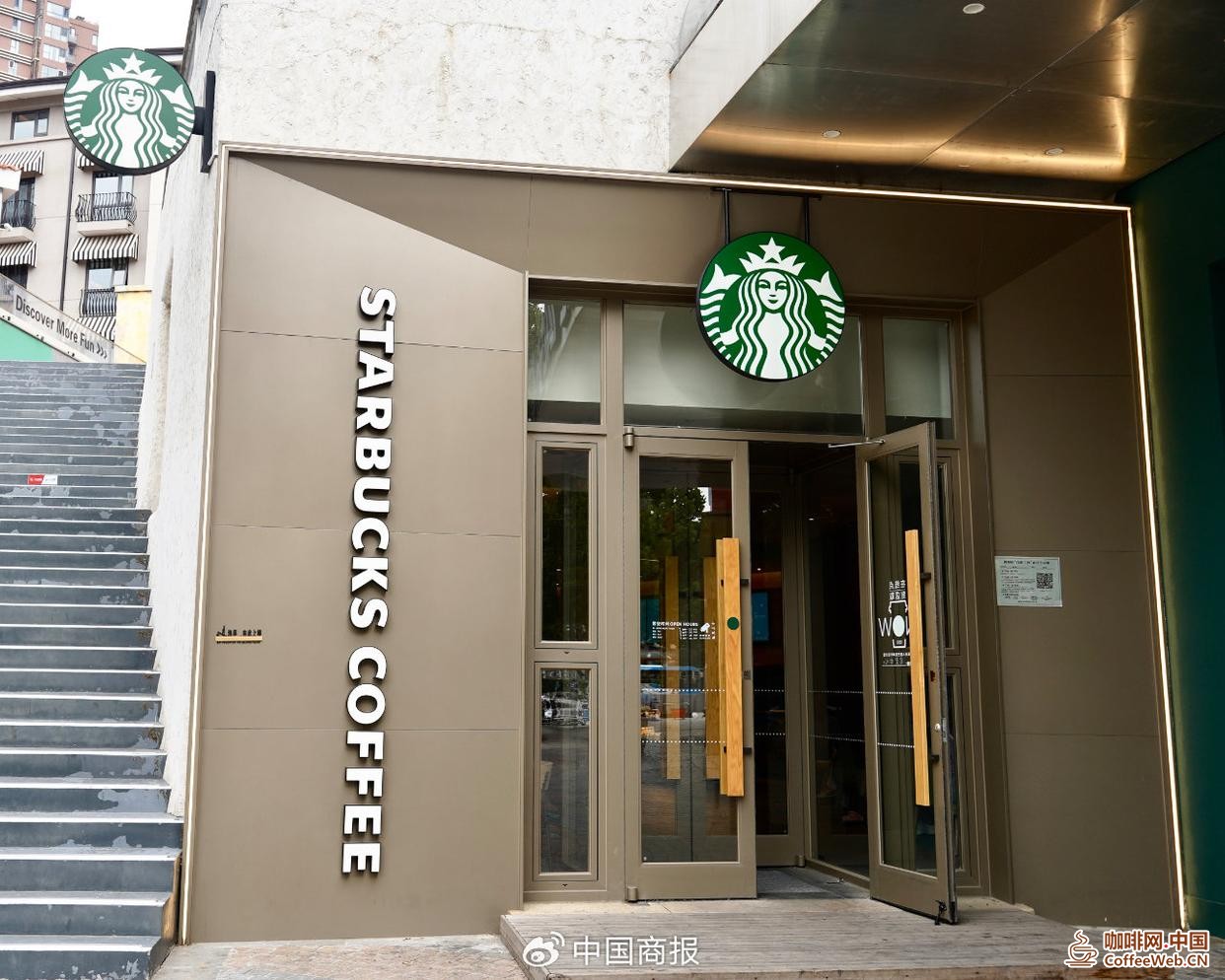
星巴克北京一家门店的外立面。
供应链本土化引发猜想
8月11日,有报道称,离开山姆中国首席采购官职位后,张青已于近期加入博裕资本,开始规划星巴克供应链改造的相关战略,包括寻找国内头部的优质供应商,加速本土化进程。其中,星巴克中国的纸杯、吸管、抹茶粉都将由蜜雪冰城代工,部分乳制品供应商也将更换,以此压低物料采购成本。
8月12日,星巴克中国回应中国商报记者称:“网传‘星巴克纸杯吸管或由蜜雪冰城代工’‘更换咖啡豆供应商’等信息,严重失实。”
“我们始终秉持可持续高质量发展理念,坚持开放姿态,和行业供应链伙伴们协同发展、互惠共生,致力于为顾客提供始终如一的高品质咖啡产品和星巴克服务体验。请大家理性辨别各类网传消息,勿随意转发不实传闻。”星巴克中国表示。
传言虽被辟谣,但这一话题能够迅速发酵,从侧面反映了市场对星巴克中国供应链改革的高度关注。过去多年,星巴克中国搭建起一套重资产供应链体系,在江苏建设咖啡创新产业(49.200, 1.19, 2.48%)园,覆盖咖啡豆烘焙、仓储物流。同时深耕云南咖啡产区,开展种植培训,采购本土咖啡豆,形成了“全球采购+本土生产”的模式。
但面对瑞幸咖啡等本土品牌的冲击,星巴克单杯产品的综合成本高于国内同行已成为行业共识。本土品牌依托成熟的国内供应链网络,实现原料、包材规模化降本,支撑起低价扩张策略。再加上市场普遍认为,进入合资时代之后,星巴克中国会进一步推进供应链本土化,引入更多国内供应商,优化采购成本结构,提升盈利水平。
分析人士对记者表示,供应链本土化不等于直接找竞品代工,更大可能性是扩大国内优质供应商的遴选范围,优化现有供应商矩阵,包材、原料品类寻找更多国内工厂参与竞标,以此优化成本。对于大众而言,星巴克中国的品牌定位是中高端咖啡,消费者潜意识中将“本土化采购”等同于“找平价茶饮品牌代工”,这一传闻的广泛传播,本质上是踩中了消费者对于星巴克中国产品品质或将下滑的焦虑点。
并未取消“14薪”
除了代工一事外,近期还有传闻称,星巴克中国已开启裁员并降低人工成本,例如取消“14薪”、修改员工合同,除店经理以外的大部分员工改为兼职合同、取消部分带薪假期。
记者从多方了解到,星巴克中国并未取消“14薪”、修改员工合同乃至取消部分带薪假期。
2021年,星巴克中国正式宣布,面向从星级咖啡师到区经理的近4万名全职门店伙伴推出“14薪”福利,在原有“13薪”的基础上,到财年底再增加一个月工资作为奖金,这一薪酬制度在餐饮零售行业中具备较强竞争力,也是星巴克吸引、留存门店全职员工的重要筹码。
市场的担忧并非完全空穴来风。2025年11月,星巴克宣布与博裕资本达成战略合作,博裕资本拿下星巴克中国合资公司最多60%股权,星巴克保留40%股权,星巴克中国业务正式迈入合资运营新阶段。股权交割后,原有咖啡豆股票激励计划迎来调整,员工持股福利的优化方案也将于今年10月开启的全新财年正式落地。
今年4月8日,星巴克中国CEO刘文娟表示,合资公司会全面承继原有员工的劳动合同,工龄连续计算,现有福利政策都会延续,今年第四季度还会推出新的长期激励方案,包括“豆股票”等举措。她还强调,依旧将门店工作人员视作经营的核心根基,保障伙伴权益稳定。
不少门店员工将股票激励的调整解读为整体福利的全面缩水,再加上餐饮行业普遍扩大兼职用工比例的行业现状,进而催生了“取消14薪、全员转兼职”的网络传言。
多位行业人士告诉记者,餐饮门店采用全职+兼职混合用工模式是行业常态,在高低峰错配的门店场景下,兼职岗位可以优化人力排班,但这不代表全盘替换全职岗位。曾经依靠优厚福利建立行业口碑的星巴克中国,在合资降本的大背景下,任何激励制度的变动都极易引发员工群体的敏感情绪,也容易在网络传播中被放大、变形。
合资时代的转型考题
接连不断的热搜与辟谣,本质上是星巴克中国在合资转型周期中面临的一场舆论考验。40亿美元估值的交易落地之后,博裕资本接盘大部分股权,市场对星巴克中国的期待,已经从过去外资品牌的“慢增长”,转向追求更高的运营效率与利润回报。
近几年,国内咖啡市场发生了翻天覆地的变化。低价连锁咖啡快速铺店,茶饮品牌跨界入局咖啡赛道,市场竞争进入白热化阶段。国内咖啡门店数量持续走高,价格带不断下探,存量市场竞争加剧。星巴克虽然依旧占据中高端咖啡市场的重要位置,但门店扩张速度、同店增长承压,成本压力持续凸显,降本增效成为绕不开的课题。
在改革的过程中,人力、供应链两大核心板块成为重中之重。而改革的每一步,都需要平衡三方诉求:资本方的盈利诉求、门店员工的权益诉求、消费者对品牌品质的心理预期。
不少行业观察者表示,星巴克中国当下最大的挑战,不在于供应链改不改、成本降不降,而在于改革过程中的信息传递。很多制度调整处于筹划、过渡阶段尚未正式落地,信息在内部流转过程中流出,经过网络二次加工,演变成耸人听闻的热搜传闻,企业被动辟谣,反而进一步放大了大众焦虑。
星巴克中国的新财年即将开启,更多制度调整将陆续落地。如何在资本诉求、员工权益、消费者期待三者之间找到平衡点,是摆在星巴克中国面前的一道长期考题。
On August 12th, Starbucks China, which was acquired by Boyu Capital, has been embroiled in a series of public opinion controversies. The cancellation of the "14 salary" policy, the replacement of paper cup straws by Meixue Ice City, and the change of coffee bean suppliers have repeatedly appeared on hot searches, sparking widespread discussions. Regarding various rumors, Starbucks China urgently refutes them: "We do not comment on market rumors and speculations. Currently, Starbucks' various businesses are operating normally
Why is public opinion fermenting at this time? Behind a series of rumors is the deep restructuring of Starbucks China's business model, supply chain system, and employee incentive mechanism in the era of joint ventures after the equity change.
The exterior of a Starbucks store in Beijing.
Localization of supply chain sparks speculation
On August 11th, it was reported that after leaving the position of Chief Procurement Officer at Sam's Club China, Zhang Qing has recently joined Boyu Capital and started planning related strategies for Starbucks' supply chain transformation, including finding high-quality domestic suppliers and accelerating the localization process. Among them, Starbucks China's paper cups, straws, and matcha powder will all be manufactured by Meixue Bingcheng, and some dairy suppliers will also be replaced to lower material procurement costs.
On August 12th, Starbucks China responded to a reporter from China Business Daily, saying, "The online rumors of 'Starbucks paper cup straws may be manufactured by Meixue Bingcheng' and 'changing coffee bean suppliers' are seriously untrue
We always uphold the concept of sustainable and high-quality development, adhere to an open attitude, and collaborate with industry supply chain partners for mutual benefit and symbiosis. We are committed to providing customers with consistent high-quality coffee products and Starbucks service experience. Please rationally distinguish various online rumors and do not casually forward false rumors, "Starbucks China said.
Although the rumors have been debunked, the rapid escalation of this topic reflects the high level of market attention to Starbucks' supply chain reform in China. Over the years, Starbucks China has established a heavy asset supply chain system and built a coffee innovation industry park (49.200, 1.19, 2.48%) in Jiangsu, covering coffee bean roasting, warehousing and logistics. At the same time, we have deeply cultivated the coffee producing areas in Yunnan, conducted planting training, and purchased local coffee beans, forming a "global procurement+local production" model.
However, in the face of the impact of local brands such as Luckin Coffee, it has become a consensus in the industry that the comprehensive cost of Starbucks' single cup products is higher than that of domestic peers. Local brands rely on mature domestic supply chain networks to achieve large-scale cost reduction of raw materials and packaging materials, supporting low-cost expansion strategies. In addition, the market generally believes that after entering the era of joint ventures, Starbucks China will further promote the localization of its supply chain, introduce more domestic suppliers, optimize its procurement cost structure, and improve its profitability.
Analysts told reporters that localizing the supply chain does not mean directly finding competitors for outsourcing. It is more likely to expand the selection range of high-quality domestic suppliers, optimize the existing supplier matrix, and seek more domestic factories to participate in bidding for packaging and raw material categories, in order to optimize costs. For the general public, Starbucks China's brand positioning is mid to high end coffee. Consumers subconsciously equate "localized procurement" with "finding affordable tea beverage brands for outsourcing". The widespread spread of this rumor essentially hits consumers' anxiety point about the potential decline in Starbucks China's product quality.
The '14 salary' has not been cancelled
In addition to the outsourcing matter, there have been rumors recently that Starbucks China has started layoffs and reduced labor costs, such as canceling the "14 salary", modifying employee contracts, converting most employees except store managers to part-time contracts, and canceling some paid holidays.
The reporter learned from multiple sources that Starbucks China has not cancelled the "14 salary" policy, modified employee contracts, or even canceled some paid holidays.
In 2021, Starbucks China officially announced the launch of a "14 salary" benefit for nearly 40000 full-time store partners, ranging from star baristas to district managers. On the basis of the original "13 salary", an additional month's salary will be added as a bonus by the end of the fiscal year. This compensation system has strong competitiveness in the catering and retail industry and is also an important bargaining chip for Starbucks to attract and retain full-time employees in its stores.
The market's concerns are not entirely groundless. In November 2025, Starbucks announced a strategic partnership with Boyu Capital. Boyu Capital acquired up to 60% of the equity in Starbucks' China joint venture, while Starbucks retained 40% of the equity. Starbucks' China business officially entered a new stage of joint venture operation. After the equity delivery, the original coffee bean stock incentive plan will be adjusted, and the optimization plan for employee stock ownership benefits will also be officially implemented in the new fiscal year starting in October this year.
On April 8th of this year, Starbucks China CEO Liu Wenjuan stated that the joint venture will fully inherit the labor contracts of existing employees, with continuous calculation of seniority and the continuation of existing welfare policies. In the fourth quarter of this year, new long-term incentive plans will be launched, including measures such as "bean stocks". She also emphasized that store staff are still regarded as the core foundation of operation, ensuring the stability of partner rights and interests.
Many store employees interpret the adjustment of stock incentives as a comprehensive reduction in overall benefits, coupled with the current situation of the catering industry generally expanding the proportion of part-time employment, which has led to online rumors of "canceling 14 salaries and all employees switching to part-time jobs".
Several industry insiders told reporters that the use of a mixed full-time and part-time employment model in catering stores is the norm in the industry. In the scenario of mismatched high and low peaks, part-time positions can optimize manpower scheduling, but this does not mean a complete replacement of full-time positions. Starbucks China, which once relied on generous benefits to establish a good reputation in the industry, is prone to sensitive emotions among its employees and can easily be amplified and distorted in online communication due to changes in incentive systems in the context of joint venture cost reduction.
Transformation Exam in the Era of Joint Ventures
The continuous hot searches and debunking of rumors are essentially a public opinion test faced by Starbucks China during its joint venture transformation cycle. After the transaction with a valuation of 4 billion US dollars landed, Boyu Capital took over most of the equity, and the market's expectations for Starbucks China have shifted from the "slow growth" of foreign brands in the past to pursuing higher operational efficiency and profit returns.
In recent years, the domestic coffee market has undergone earth shaking changes. Low price chain coffee fast shops, tea beverage brands cross over into the coffee market, and market competition enters a white hot stage. The number of domestic coffee shops continues to rise, while price bands continue to decline, intensifying competition in the existing market. Although Starbucks still holds an important position in the mid to high end coffee market, the speed of store expansion and same store growth are under pressure, and cost pressures continue to be prominent. Cost reduction and efficiency improvement have become unavoidable issues.
In the process of reform, the two core areas of human resources and supply chain have become of paramount importance. Every step of the reform requires balancing the demands of three parties: the profit demands of the capital, the rights demands of store employees, and the psychological expectations of consumers for brand quality.
Many industry observers have stated that Starbucks China's biggest challenge at present is not whether to change its supply chain or reduce costs, but rather the transmission of information during the reform process. Many institutional adjustments are in the planning and transitional stage and have not yet been officially implemented. Information flows out in the internal circulation process, and after secondary processing on the internet, it evolves into sensational hot search rumors. Enterprises passively refute rumors, which further amplifies public anxiety.
Starbucks China's new fiscal year is about to begin, and more institutional adjustments will be implemented one after another. How to find a balance between capital demands, employee rights, and consumer expectations is a long-term challenge facing Starbucks China.