业内人士称,中国咖啡市场高增速还能持续5到10年Industry insiders say that the high growth rate of China's coffee market can continue for another 5 to 10 years
中新网海口8月14日电 (记者 王晓斌 李宇凡)"中国咖啡市场眼下15%到25%的复合增长率,至少还能维持5到10年。"14日在2026海南国际咖啡博览会开幕式上,亚洲咖啡协会会长张宏给出了这样的判断。
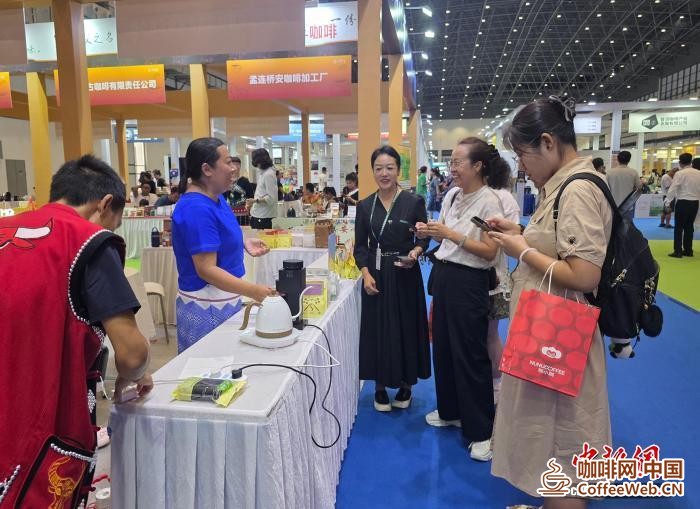
8月14日,2026海南国际咖啡博览会在海口开幕。图为展会现场展商与观众交流。记者 王晓斌 摄
张宏此前曾公开表示,中国咖啡终端市场年度消费规模已超2000亿元,正以每年约20%的速度递增,增速是世界平均水平的10倍。亚洲拥有全球近六成人口,咖啡消费增速是其他地区的4到5倍,"全球咖啡产业的中心和增量市场正在向亚洲、向中国转移。"张宏对中新网记者说。
中国咖啡豆供给主要依赖进口。中国咖啡市场的持续高增长,在咖啡豆出口国的数据中得到印证。
埃塞俄比亚是阿拉比卡咖啡的发源地。数据显示,两年前中国还是埃塞俄比亚咖啡的第七大进口国,到2024/25财年已升至第五位,而在2025/26财年,中国进一步跃居第三大出口市场,仅次于沙特阿拉伯和德国。该财年埃塞俄比亚对华出口咖啡47836吨,出口额3.47亿美元,同比分别增长约40%和58%。
埃塞俄比亚驻华大使馆副馆长阿齐扎·盖莱塔说,中国咖啡文化兴起给了埃塞俄比亚"很多新机会",让埃塞俄比亚的咖啡原产地与中国的创新、创业精神以及消费者品位更好地连接起来。
哥伦比亚同样感受到了中国咖啡市场热浪。哥伦比亚驻华大使馆商务参赞奥斯卡·普拉塔告诉记者,过去四年,中国进口哥伦比亚咖啡增长了约105%,2025年进口金额达到约1.6亿美元。在他看来,增长背后也有中国咖啡消费者的变化,"他们不再只追求咖啡因,更在意产地故事、可持续发展和可追溯性。"
中国精品咖啡需求的崛起,让哥伦比亚看到了更大的前景。"哥伦比亚最重要的农产品就是咖啡,所以我在中国的工作很大一部分是和咖啡相关。"奥斯卡·普拉塔说,咖啡可以成为中哥两国开展多领域合作的重要平台,涵盖农业科研、气候适应型农业、技术创新、数字化溯源、咖啡加工、物流、电商以及文化交流等多个层面。
目前全球咖啡进入中国市场的主要通道集中在上海等东部口岸。而海南自贸港的独特政策,正在开辟一条新通道。
2025年2月,中国将未烘焙咖啡等品类纳入海南自贸港原辅料“零关税”清单。根据这一政策,企业进口咖啡生豆可免征关税、进口环节增值税和消费税。在此基础上,加工增值超30%(含)的产品经“二线”进入内地市场,还可免征进口关税。
奥斯卡·普拉塔注意到,根据海南自贸港加工增值免关税等政策,哥伦比亚咖啡生豆可以先运到海南,加工成烘焙豆或成品后再销往全国。他此行参加海南国际咖啡博览会的重要工作之一,就是充分了解相关政策细节,把海南自贸港的信息传递给哥伦比亚企业,为哥伦比亚咖啡寻找一条进入中国市场的新登陆点。(完)
Haikou, August 14th (Xinhua) -- "The compound growth rate of 15% to 25% in the Chinese coffee market can be maintained for at least 5 to 10 years," said Zhang Hong, President of the Asian Coffee Association, at the opening ceremony of the 2026 Hainan International Coffee Expo on August 14th.
On August 14th, 2026 Hainan International Coffee Expo opened in Haikou. The picture shows the communication between exhibitors and visitors at the exhibition site. Photo by journalist Wang Xiaobin
Zhang Hong previously publicly stated that the annual consumption scale of China's coffee terminal market has exceeded 200 billion yuan, and is increasing at a rate of about 20% per year, which is 10 times the world average. Asia has nearly 60% of the world's population, and the growth rate of coffee consumption is 4 to 5 times that of other regions. "The center and incremental market of the global coffee industry are shifting to Asia and China," Zhang Hong told China News Service reporters.
The supply of coffee beans in China mainly relies on imports. The sustained high growth of the Chinese coffee market is confirmed by data from coffee exporting countries.
Ethiopia is the birthplace of Arabica coffee. Data shows that two years ago, China was the seventh largest importer of Ethiopian coffee, but by the 2024/25 fiscal year, it had risen to the fifth place. In the 2025/26 fiscal year, China further jumped to become the third largest export market, second only to Saudi Arabia and Germany. In this fiscal year, Ethiopia exported 47836 tons of coffee to China, with an export value of 347 million US dollars, an increase of about 40% and 58% year-on-year, respectively.
Aziza Galeta, Deputy Director of the Embassy of Ethiopia in China, said that the rise of Chinese coffee culture has given Ethiopia "many new opportunities" to better connect the country's coffee origin with China's innovation, entrepreneurial spirit, and consumer taste.
Colombia has also felt the heat wave of the Chinese coffee market. Oscar Plata, Commercial Counsellor of the Embassy of Colombia in China, told reporters that in the past four years, China's imports of Colombian coffee have increased by about 105%, and the import amount will reach about 160 million US dollars by 2025. In his view, there is also a change in Chinese coffee consumers behind the growth, "they are no longer just pursuing caffeine, but more concerned about origin stories, sustainable development, and traceability
The rise of demand for premium coffee in China has presented Colombia with greater prospects. The most important agricultural product in Colombia is coffee, so a large part of my work in China is related to coffee, "said Oscar Plata. Coffee can become an important platform for cooperation between China and Colombia in multiple fields, covering agricultural research, climate adaptive agriculture, technological innovation, digital traceability, coffee processing, logistics, e-commerce, and cultural exchange.
At present, the main channels for global coffee to enter the Chinese market are concentrated in eastern ports such as Shanghai. The unique policy of Hainan Free Trade Port is opening up a new channel.
In February 2025, China will include categories such as unbaked coffee in the "zero tariff" list of raw materials for Hainan Free Trade Port. According to this policy, companies importing coffee beans are exempt from customs duties, import value-added tax, and consumption tax. On this basis, products with a processing value-added of over 30% (inclusive) entering the mainland market through the "second tier" can also be exempted from import tariffs.
Oscar Plata noticed that according to the policies of value-added processing and tariff exemption at Hainan Free Trade Port, Colombian coffee beans can be transported to Hainan first, processed into baked beans or finished products, and then sold nationwide. One of the important tasks of his participation in the Hainan International Coffee Expo during this trip is to fully understand the relevant policy details, transmit information about the Hainan Free Trade Port to Colombian enterprises, and find a new entry point for Colombian coffee into the Chinese market. (End)