咖啡产区遭重创,哥伦比亚地震如何冲击本已紧绷的国家财政?How did the Colombian earthquake impact the already tight national finances after the coffee producing areas were severely damaged?
据新华社报道,哥伦比亚国家灾害风险管理局8月13日发布最新灾情通报说,截至当地时间13日17时,该国地震已造成281人死亡、3971人受伤、379人失踪,另有348人获救。
此前,哥伦比亚总统德拉埃斯普列亚宣布该国进入经济紧急状态,以应对地震危机。德拉埃斯普列亚表示,紧急状态旨在加快对受灾群众的救助,并为重建调拨资源,还实施振兴经济措施。
据牛津经济研究院(Oxford Economics)估算,地震对哥伦比亚可能造成的直接经济损失在9.9亿至19.8亿美元之间,但对国内生产总值(GDP)增长的冲击可能相对有限。该机构对哥伦比亚的经济增长预期保持不变,2026年为3%,2027年为2.5%,原因是救援和重建的政府公共支出将抵消私人需求下滑所带来的大部分影响。
奥罗拉宏观策略公司在一份报告中分析称,地震可能有助于德拉埃斯普列亚巩固政治地位,但重建的经济成本可能会使他承诺的紧缩财政计划变得更加复杂。
震中位于哥伦比亚最贫困省份
据哥伦比亚地质局发布的消息,哥伦比亚西部于当地时间10日7时34分(北京时间10日20时34分)发生7.4级地震。这是该国本世纪以来震级最强的地震。美国地质调查局地震信息网更新后的消息显示,震中位于乔科省圣何塞-德尔帕尔马以南5公里,震源深度110.3公里。
乔科省濒临太平洋,属于偏远地区,热带雨林广布。根据政府统计,该省人口以非裔哥伦比亚人和原住民为主,超过三分之二人口生活在贫困之中。圣何塞-德尔帕尔马位于首都波哥大以西约400公里处,常住居民约4800人。
由于地处偏远,乔科省超过30%的人口无法获得自来水,约80%的人口没有覆盖污水处理系统。此外,乔科省的医疗条件在哥伦比亚最为落后,首府基布多仅有一家医院。
据西班牙《国家报》报道,乔科省31个市镇的交通主要依赖水路和航空运输,当地脆弱的公路网络无法连接全省所有市镇,与哥伦比亚其他地区之间的交通联系也存在诸多问题。这种与外界隔离的状态,使当地成为武装组织的据点。
从哥伦比亚内战时期开始,到如今左翼游击组织“民族解放军”(ELN)与右翼准军事组织“海湾帮”(AGC)之间持续不断的冲突,乔科省的混乱局势始终没有得到根本缓解。ELN和AGC两股势力持续争夺地盘、非法贸易路线、经济控制权以及通往巴拿马的重要走私通道。当地丰富的非法毒品贸易以及木材、铂金和黄金等重要自然资源,则进一步助长了这种争夺。
“早在地震发生之前,当地社区就已经面临着武装冲突和严重的贫困问题。”全球性非营利组织“国际救援委员会”负责哥伦比亚、委内瑞拉和厄瓜多尔事务的主任妮可·卡斯特告诉媒体,自然灾害将使乔科省民众更加难以获得医疗保健和其他基本服务,从而加剧困境。
“咖啡三角区”省份受灾严重
考卡山谷省和里萨拉尔达省与震中地区接壤,是另外两个受地震影响最严重的省份。
考卡山谷省首府卡利市是哥伦比亚第三大城市,当地人口约200万。市长亚历杭德罗·埃德尔表示,至少有30栋建筑物倒塌,多人被困。市长办公室表示,由于建筑结构受损,包括医院、诊所和实验室在内的七家主要医疗中心已被疏散,并可能继续关闭。另有25家医疗中心可能遭受结构性损坏,该市已对医院系统发布红色警报。
据新华社报道,位于哥伦比亚“咖啡三角区”的里萨拉尔达省受灾严重。按照哥伦比亚全国首府协会的说法,仅该省首府佩雷拉就有至少60人死亡。在同处“咖啡三角区”的卡尔达斯省首府马尼萨莱斯,当地标志性的新哥特式大教堂一座侧塔倒塌。
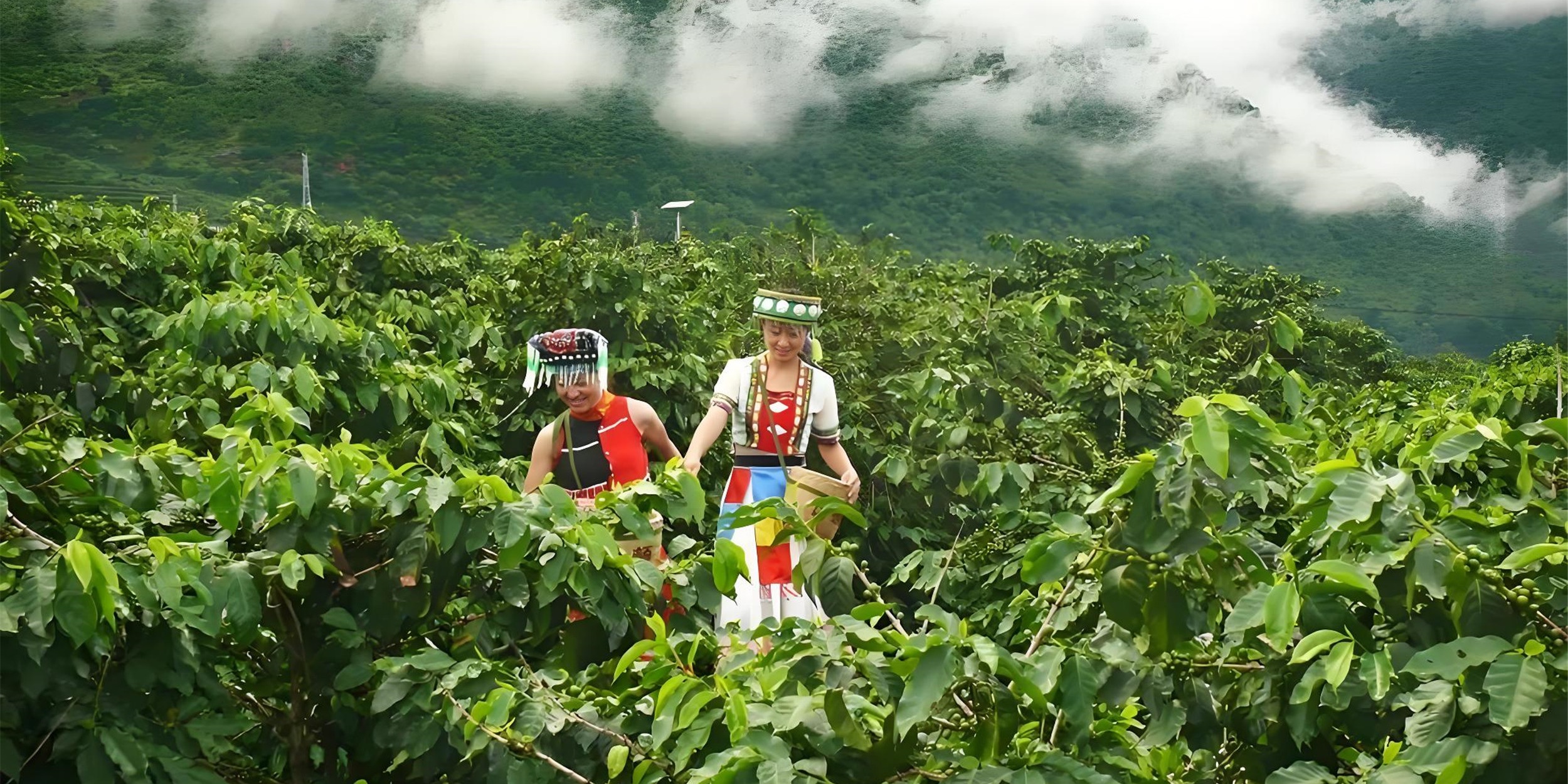
目前正值哥伦比亚的咖啡采收期,主要产区包括考卡省、纳里尼奥省、考卡山谷省和乌伊拉省等南部地区,其中相当一部分咖啡通常经由考卡山谷省的布埃纳文图拉港出口。
《金融时报》援引哥伦比亚全国咖啡种植者联合会的声明报道称,布埃纳文图拉港的码头已经暂时停止运营,以对基础设施进行检查。与此同时,进入该港口的多条道路因地震被封锁,特别是卡利至布埃纳文图拉的高速公路沿线隧道周围。目前,港口码头管理人员正在评估损失,并已暂停或限制咖啡货物的接收工作。
哥伦比亚是仅次于巴西和越南的世界第三大咖啡生产国,也是高品质水洗阿拉比卡咖啡豆的最大生产国。
由于全球咖啡产业高度依赖哥伦比亚咖啡豆,地震成为影响国际咖啡价格的又一变量。受市场担忧厄尔尼诺现象可能影响主要咖啡产区产量的影响,阿拉比卡咖啡期货价格自6月初以来已上涨约30%。地震发生后,阿拉比卡咖啡期货价格在11日一度升至数周以来的最高水平,即每磅3.26美元(约合22元),随后有所回落。目前,业内正密切关注此次地震将如何影响哥伦比亚咖啡豆的供应。
右翼总统面临严峻经济考验
英国经济观察站(Economics Observatory)刊文指出,2022年左翼政治人物古斯塔沃·佩特罗当选总统后,哥伦比亚经济并未出现外界所担心的“硬着陆”现象,而是保持基本稳定状态,主要体现为经常账户(Current Account,又称“现金项目”,指一国国际收支的主要组成部分)状况改善,比索表现较强。
得益于公共支出增加、国内消费增长以及补贴和最低工资上调,哥伦比亚的失业率和贫困率均有所下降,失业率降至本世纪以来最低水平,多维贫困指数(注:为了精确定义贫困、评价贫困而建立的指标体系)首次降至个位数。
哥伦比亚前财政部长何塞·安东尼奥·奥坎波撰文称,这些成果反映了教育、医疗、公共事业和住房条件的改善,而非居民收入的实质性提高。与此同时,政府大规模支出也提高了公共债务和财政赤字。自2024年以来,哥伦比亚的财政赤字已超过GDP的6%,位居拉美地区前列。2025年,公共债务占该国生产总值(GDP)的比重超过60%,创历史新高。
据牛津经济研究院估算,地震在短期内将对哥伦比亚经济造成冲击。该机构预计,8月的“经济跟踪指标”(ISE)将走弱,第三季度增长也会放缓。有分析认为,地震发生后部分企业失去了经营场所,另一些则损失了库存和资金。企业倒闭将产生连锁反应,导致失业增加、金融部门承压,许多家庭将陷入更加困难的境地。
美国地质调查局估计,重建可能需要10亿至100亿美元,最高达哥伦比亚国内生产总值的7%。目前,哥伦比亚已在世界银行“灾害风险管理发展政策贷款”应急信贷额度下锁定4.5亿美元,约占其GDP的0.1%,并从美洲开发银行的应急机制获得4亿美元。总部位于美国的金融服务公司XP Investments的宏观策略主管安德烈斯·帕尔多·阿梅斯基塔·帕尔多认为,这些缓冲资金只能应对紧急需求。
根据牛津经济研究院的评估,哥伦比亚经济在经历短暂低迷后,灾后重建活动将推动经济回升。不过,这种复苏伴随着一个重大难题:重建受损的住房、学校、医院和基础设施,可能给本已存在巨额财政赤字的哥伦比亚政府预算带来额外压力。
地震发生前,牛津经济研究院预计哥伦比亚2026年财政赤字约占该国GDP的7.1%、2027年为5.5%。随着重建支出增加,该机构目前预计将上调这些预测数字。
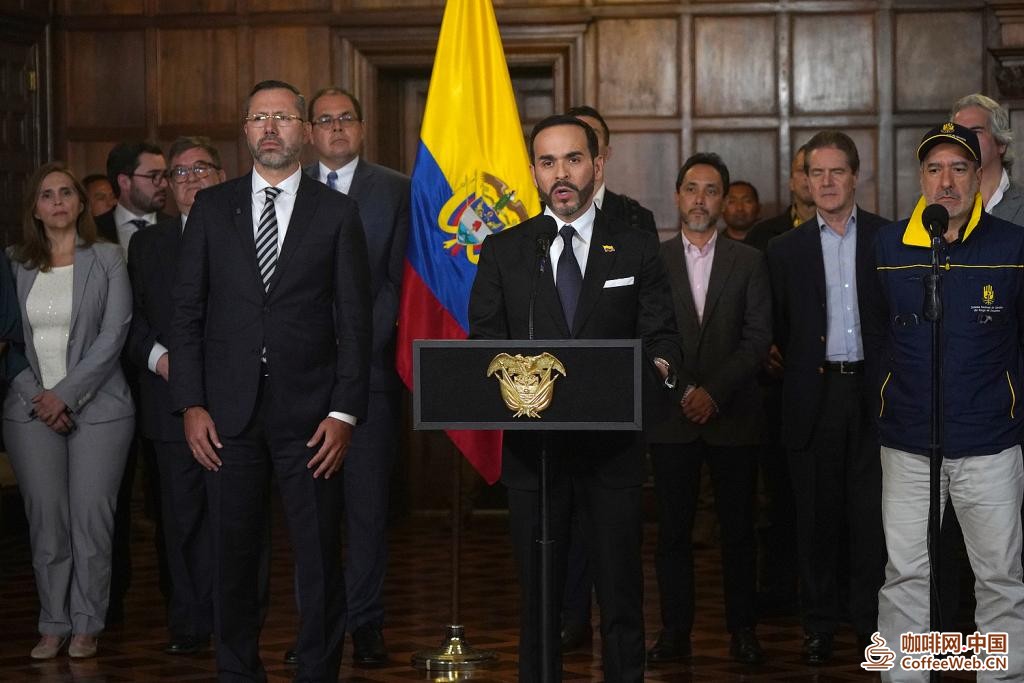
当地时间2026年8月13日,哥伦比亚波哥大,哥伦比亚总统阿贝拉尔多·德拉埃斯普列亚(中)与国家灾害风险管理局局长丹尼尔·塔马约(右)、哥伦比亚住房部长海梅·安德烈斯·贝尔特兰·马丁内斯(左三)共同出席新闻发布会。
8月7日就职的现总统德拉埃斯普列亚隶属极右翼,主张削减约40%的国家公共开支,推行税制改革,促进投资和就业,同时保留前任政府所制定的社会福利项目。为增加财政收入,他同时支持扩大石油和天然气勘探,包括“发展负责任和可持续的水力压裂技术”。
承诺降低公共支出的德拉埃斯普列亚将不得不面对高昂的重建成本,其财政紧缩计划也将面临更大挑战。8月10日,他在乔科省宣布,政府已向超过1400个家庭发放紧急经济援助,并允许受灾家庭暂缓缴纳水电等公共事业费用、推迟所得税申报。此外,省政府还将为住房受损家庭提供临时租金补贴。
《拉丁美洲风险报告》(Latin America Risk Report)作者詹姆斯·博斯沃思当地时间11日撰文指出:从地震中恢复十分困难,而德拉埃斯普列亚没有治理国家的经验。但他幸运的地方是哥伦比亚拥有专业的公务员队伍,能够提供协助。不过,公众会将任何错误都归咎于总统。
来源:澎湃新闻
According to Xinhua News Agency, the National Disaster Risk Management Agency of Colombia released its latest disaster report on August 13th, stating that as of 5:00 pm local time on the 13th, the country's earthquake has caused 281 deaths, 3971 injuries, 379 missing persons, and 348 people have been rescued.
Previously, Colombian President de la Esperia declared an economic emergency in the country to cope with the earthquake crisis. Dela Espulia stated that the state of emergency aims to accelerate assistance to the affected population, allocate resources for reconstruction, and implement measures to revitalize the economy.
According to Oxford Economics, the direct economic losses that the earthquake could cause to Colombia are estimated to be between $990 million and $1.98 billion, but the impact on gross domestic product (GDP) growth may be relatively limited. The institution's economic growth forecast for Colombia remains unchanged, at 3% in 2026 and 2.5% in 2027, as government public spending on rescue and reconstruction will offset most of the impact of declining private demand.
Aurora Macro Strategy analyzed in a report that the earthquake may help de la Esperia consolidate its political position, but the economic cost of reconstruction may make his promised austerity fiscal plan more complex.
The epicenter is located in the poorest province of Colombia
According to the Colombian Geological Bureau, a 7.4 magnitude earthquake occurred in western Colombia at 7:34 am local time on the 10th (8:34 pm Beijing time on the 10th). This is the strongest earthquake of its magnitude in the country since the beginning of this century. The updated information from the United States Geological Survey's earthquake information website shows that the epicenter was located 5 kilometers south of San Jose del Palma in the province of Choco, with a depth of 110.3 kilometers.
Joko Province is located near the Pacific Ocean and is a remote area with extensive tropical rainforests. According to government statistics, the population of the province is mainly composed of African Colombians and Indigenous peoples, with over two-thirds of the population living in poverty. San Jose del Palma is located about 400 kilometers west of the capital Bogot á, with approximately 4800 permanent residents.
Due to its remote location, over 30% of the population in Choco Province cannot access tap water, and about 80% of the population does not have access to sewage treatment systems. In addition, the medical conditions in Choco Province are the most backward in Colombia, with only one hospital in the capital city of Quibdo.
According to the Spanish newspaper El Pais, the transportation of 31 municipalities in the province of Choc ó mainly relies on waterways and air transportation. The fragile road network in the area cannot connect all municipalities in the province, and there are also many problems with transportation links with other regions of Colombia. This state of isolation from the outside world has turned the area into a stronghold for armed groups.
From the Colombian Civil War period to the ongoing conflict between the left-wing guerrilla organization "National Liberation Army" (ELN) and the right-wing paramilitary organization "Gulf Gang" (AGC), the chaotic situation in Choco Province has never been fundamentally alleviated. ELN and AGC continue to compete for territory, illegal trade routes, economic control, and important smuggling routes to Panama. The abundant illegal drug trade and important natural resources such as timber, platinum, and gold in the local area further fuel this competition.
Even before the earthquake, the local community was already facing armed conflict and severe poverty, "Nicole Castell, the director of the global non-profit organization" International Rescue Committee "responsible for Colombia, Venezuela, and Ecuador, told the media. Natural disasters will make it more difficult for the people of Choco Province to access healthcare and other basic services, thereby exacerbating the situation.
Provinces in the 'Coffee Triangle' are severely affected by the disaster
The provinces of Cauca Valley and Risaralda border the epicenter area and are the other two provinces most severely affected by the earthquake.
Cali, the capital of the Cauca Valley Province, is the third largest city in Colombia with a population of approximately 2 million. Mayor Alejandro Edel stated that at least 30 buildings have collapsed and multiple people are trapped. The mayor's office stated that seven major medical centers, including hospitals, clinics, and laboratories, have been evacuated due to structural damage and may continue to be closed. Another 25 medical centers may suffer structural damage, and the city has issued a red alert to the hospital system.
According to Xinhua News Agency, the province of Risaralda, located in the "Coffee Triangle" of Colombia, has been severely affected by the disaster. According to the National Capital Association of Colombia, at least 60 people have died in the provincial capital Pereira alone. In Manizales, the capital of the province of Caldas located in the same "coffee triangle", a side tower of the iconic Neo Gothic cathedral collapsed.
At present, it is the coffee harvest season in Colombia, and the main production areas include the southern regions of Cauca, Nari ñ o, Cauca Valley, and Uira provinces. A considerable amount of coffee is usually exported through the Buenaventula port in Cauca Valley province.
The Financial Times, citing a statement from the Colombian National Coffee Growers Federation, reported that the terminal at Buenaventula Port has temporarily suspended operations to conduct infrastructure inspections. At the same time, multiple roads leading to the port were blocked due to the earthquake, especially around the tunnels along the highway from Cali to Buenaventula. At present, port and terminal management personnel are assessing the losses and have suspended or restricted the receipt of coffee cargo.
Colombia is the world's third largest coffee producer after Brazil and Vietnam, and also the largest producer of high-quality washed Arabica coffee beans.
Due to the high dependence of the global coffee industry on Colombian coffee beans, earthquakes have become another variable affecting international coffee prices. Due to market concerns about the potential impact of El Ni ñ o on production in major coffee producing regions, Arabica coffee futures prices have risen by approximately 30% since early June. After the earthquake, the futures price of Arabica coffee rose to its highest level in weeks on the 11th, at $3.26 per pound (about 22 yuan), and then fell back slightly. At present, the industry is closely monitoring how this earthquake will affect the supply of coffee beans in Colombia.
Right wing president faces severe economic test
An article published by the Economic Observatory in the UK pointed out that after left-wing politician Gustavo P é tro was elected president in 2022, the Colombian economy did not experience the "hard landing" phenomenon that the outside world was concerned about, but maintained a basic stable state, mainly reflected in the improvement of the current account (also known as the "cash account", referring to the main component of a country's balance of payments) and the strong performance of the peso.
Thanks to increased public spending, domestic consumption growth, subsidies, and minimum wage increases, Colombia's unemployment and poverty rates have both decreased, with the unemployment rate dropping to its lowest level since the turn of the century, and the multidimensional poverty index (note: an indicator system established to accurately define and evaluate poverty) dropping to single digits for the first time.
Former Colombian Finance Minister Jose Antonio Ocampo wrote that these achievements reflect improvements in education, healthcare, public utilities, and housing conditions, rather than substantial increases in residents' income. At the same time, large-scale government spending has also increased public debt and fiscal deficits. Since 2024, Colombia's fiscal deficit has exceeded 6% of GDP, ranking among the top in Latin America. By 2025, the proportion of public debt to the country's Gross Domestic Product (GDP) will exceed 60%, reaching a historic high.
According to Oxford Economics, the earthquake will have an impact on the Colombian economy in the short term. The institution expects that the Economic Tracking Indicators (ISE) for August will weaken and growth in the third quarter will also slow down. Some analysts believe that after the earthquake, some companies lost their business premises, while others lost inventory and funds. The collapse of a company will have a chain reaction, leading to increased unemployment, pressure on the financial sector, and many families will find themselves in even more difficult situations.
The United States Geological Survey estimates that reconstruction may require $1 billion to $10 billion, up to 7% of Colombia's gross domestic product. Currently, Colombia has secured $450 million under the World Bank's Disaster Risk Management Development Policy Facility emergency credit line, accounting for approximately 0.1% of its GDP, and received $400 million from the Inter American Development Bank's emergency mechanism. Andres Pardo Ameskita Pardo, head of macro strategy at XP Investments, a financial services company based in the United States, believes that these buffer funds can only meet emergency needs.
According to the assessment of Oxford Economics, after a brief downturn, post disaster reconstruction activities in Colombia will drive economic recovery. However, this recovery is accompanied by a major challenge: rebuilding damaged housing, schools, hospitals, and infrastructure, which may put additional pressure on the already large budget deficit of the Colombian government.
Before the earthquake, Oxford Economics predicted that Colombia's fiscal deficit would account for approximately 7.1% of the country's GDP in 2026 and 5.5% in 2027. As reconstruction spending increases, the agency currently expects to revise up these forecast figures.
On August 13, 2026, local time, in Bogota, Colombia, Colombian President Abelardo de la Esperia (center), Director of the National Disaster Risk Management Agency Daniel Tamayo (right), and Colombian Housing Minister Jaime Andres Beltran Martinez (third from left) attended a press conference together.
The current President de la Esperia, who took office on August 7th, belongs to the far right and advocates reducing about 40% of national public spending, implementing tax reform, promoting investment and employment, while retaining the social welfare programs established by the previous government. To increase fiscal revenue, he also supports expanding oil and gas exploration, including the development of responsible and sustainable hydraulic fracturing technology.
Dela Espulia, which has promised to reduce public spending, will have to face high reconstruction costs, and its fiscal austerity plan will also face greater challenges. On August 10th, he announced in the province of Choco that the government had provided emergency economic assistance to over 1400 families and allowed affected families to temporarily suspend payment of public utilities such as water and electricity, as well as postpone income tax declarations. In addition, the provincial government will provide temporary rental subsidies for families whose housing has been damaged.
James Bosworth, the author of the Latin America Risk Report, wrote on the 11th local time that it is very difficult to recover from earthquakes, and de la Esperia has no experience in governing the country. But his lucky thing is that Colombia has a professional civil service team that can provide assistance. However, the public will attribute any mistakes to the president.
Source: The Paper News