中国咖啡出海,一场全球咖啡产业链升级的缩影Chinese coffee going global, a microcosm of the upgrading of the global coffee industry chain
新京报 在中国消费品牌迅速发展的当下,全球化布局正在成为品牌跃升的支点。数据显示,2023年—2026年(预计),中国消费品的出海规模将从6106亿美元增至8231亿美元,年复合增速超10%。中国消费品也将由此告别“低价跑量”的初级阶段,迈入“能力驱动”的深水区。
站在“十五五”开局之年,2026年全国两会政府工作报告将“扩大高水平对外开放”摆在突出位置,明确提出“引导产业链供应链合理有序跨境布局”“高质量共建‘一带一路’”等。作为中国咖啡行业的领军品牌,瑞幸咖啡正以实际行动践行这些战略方向——以“品牌出海”整合全球优质资源,夯实国内大循环的同时稳步拓展国际循环,在全球咖啡产业链中贡献中国力量。
全球扫货,把世界好物搬进中国咖啡杯
过去的10年,从“买买买”到“建建建”,中国品牌正在打造特有的全球资源整合体系,具备可持续经营结构的品牌,也成为资本与市场的共同选择。今年政府工作报告明确提出“引导企业优化全球市场布局,推进贸易投资一体化、内外贸一体化发展”,这正是中国品牌全球化实践的底层逻辑。
以瑞幸咖啡为例,在中国这个全球增长最快的咖啡消费市场站稳脚跟后,瑞幸没有止步于“卖咖啡”,而是向上游溯源、向全球延伸。
2024年11月,瑞幸与巴西出口投资促进局在巴西首都巴西利亚签署《合作备忘录》,将在2025年至2029年间向巴西采购24万吨咖啡豆,总价值100亿元人民币。这是瑞幸迄今最大规模的咖啡豆采购计划,也是中国咖啡企业深度参与全球资源配置的标志性事件。
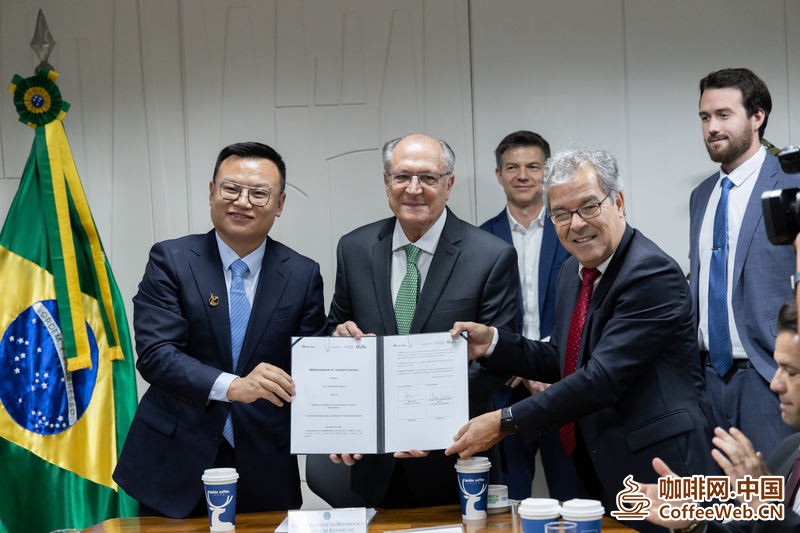
签约现场。
2025年3月,瑞幸携手合作伙伴在印尼“包下”邦盖群岛作为“瑞幸咖啡专属生椰岛”,未来5年将联合采购约100万吨椰子原料,确保生椰拿铁核心原料的专属供应。
这种深度绑定全球原料产区的战略布局,让瑞幸成为连接中国与世界的重要桥梁。从巴西的咖啡豆到印尼的椰子,从埃塞俄比亚的古老产区到云南的高原庄园,瑞幸以市场为支点,撬动全球优质资源,只为把全世界最好的原料,装进消费者手中那杯咖啡里。
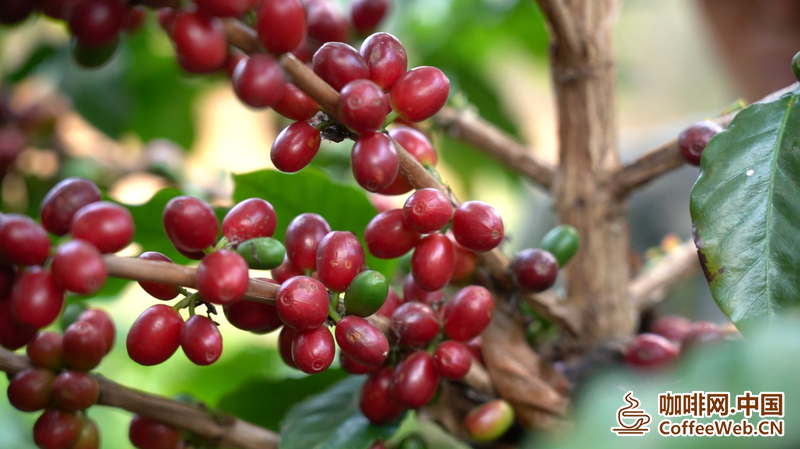
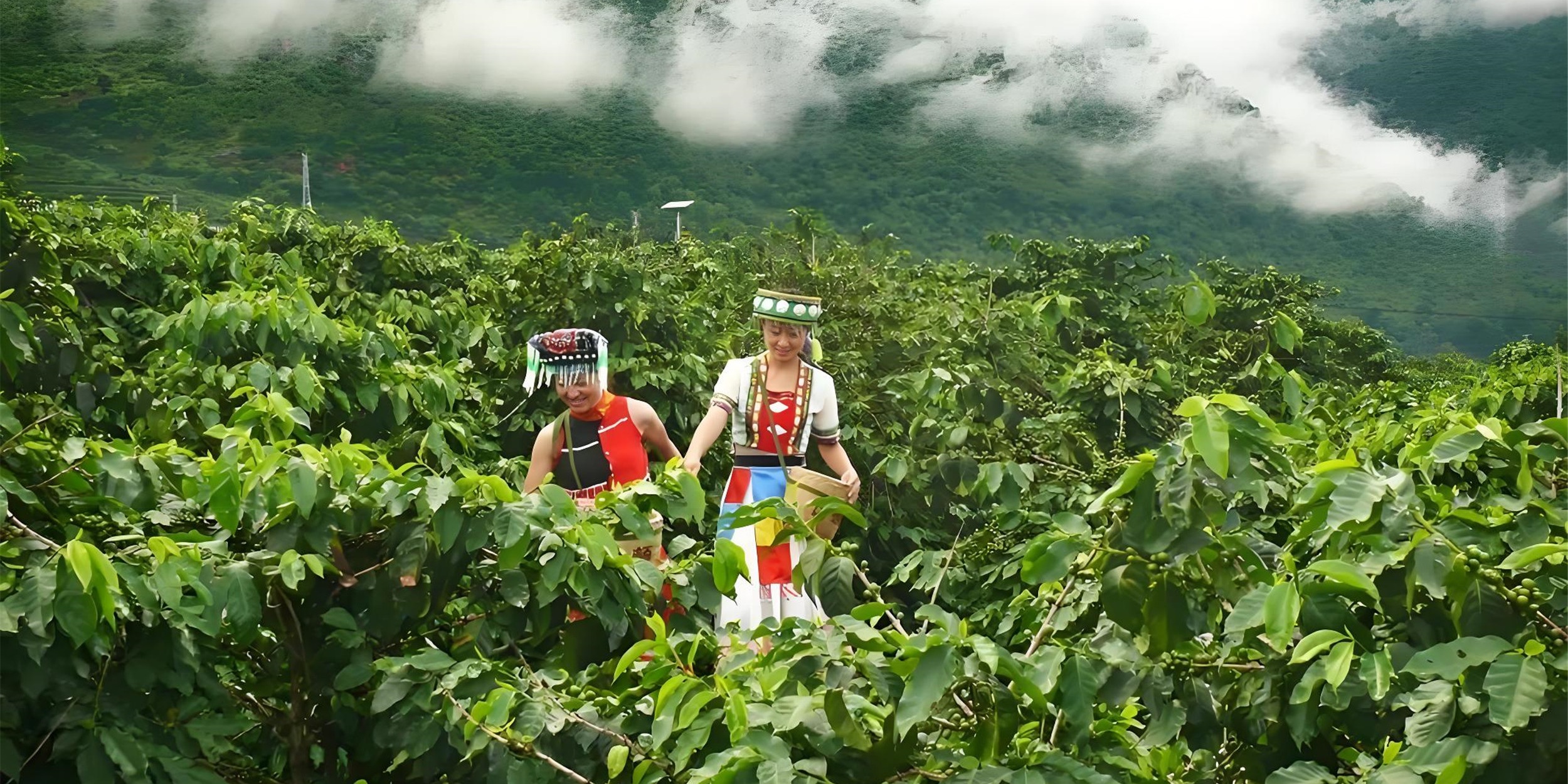
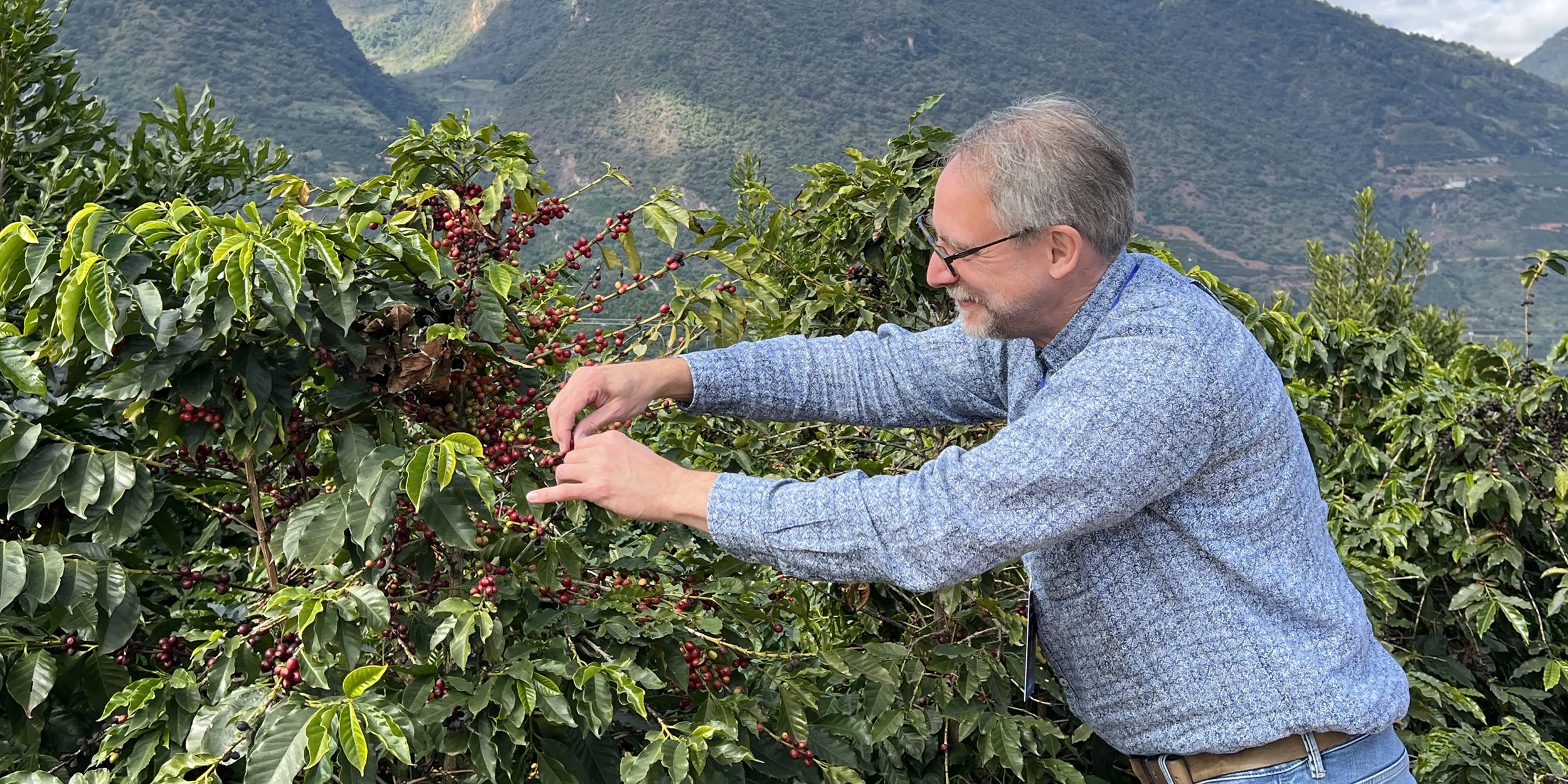
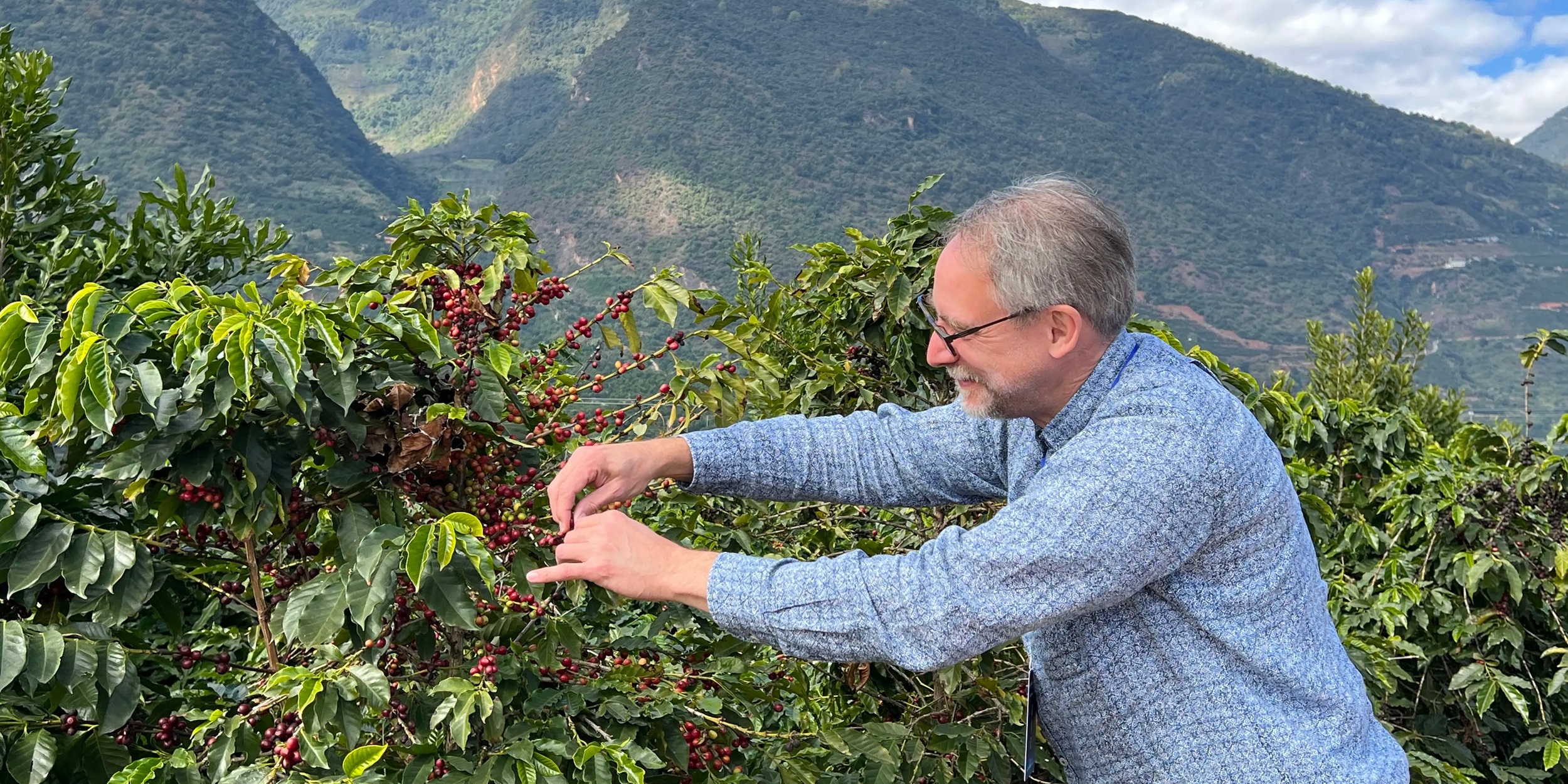
云南成熟的咖啡豆。
反向输出,重新定义全球咖啡消费的可能
近年来,中国消费品牌的身影越来越频繁地出现在世界舞台,角色也悄然发生着深刻转变。从跟随者到引领者,从最初的产品输出到当下的模式、文化反向输出,中国品牌正在以更加立体丰满的形象走进全球消费者的生活,在世界舞台上绽放光彩。
在这一历史进程中,瑞幸咖啡的“出海”实践是最具代表性的案例之一。截至2025年12月31日,瑞幸在国际市场的门店总数达160家,从新加坡到马来西亚,从美国纽约到东南亚街头,“小蓝杯”正以独特的姿态出现在全球消费者的视野中。
但瑞幸的全球化不止于门店扩张,而是一场更高维度的“品牌出海”,在中国市场取得巨大成功的数字化运营模式,以及对于消费需求的深刻洞察,才是瑞幸征战全球市场的底气。比如,在东南亚最发达的新加坡市场,瑞幸仅用了28个月就实现稳定盈利,充分验证了其商业模式在海外成熟市场的适应性。
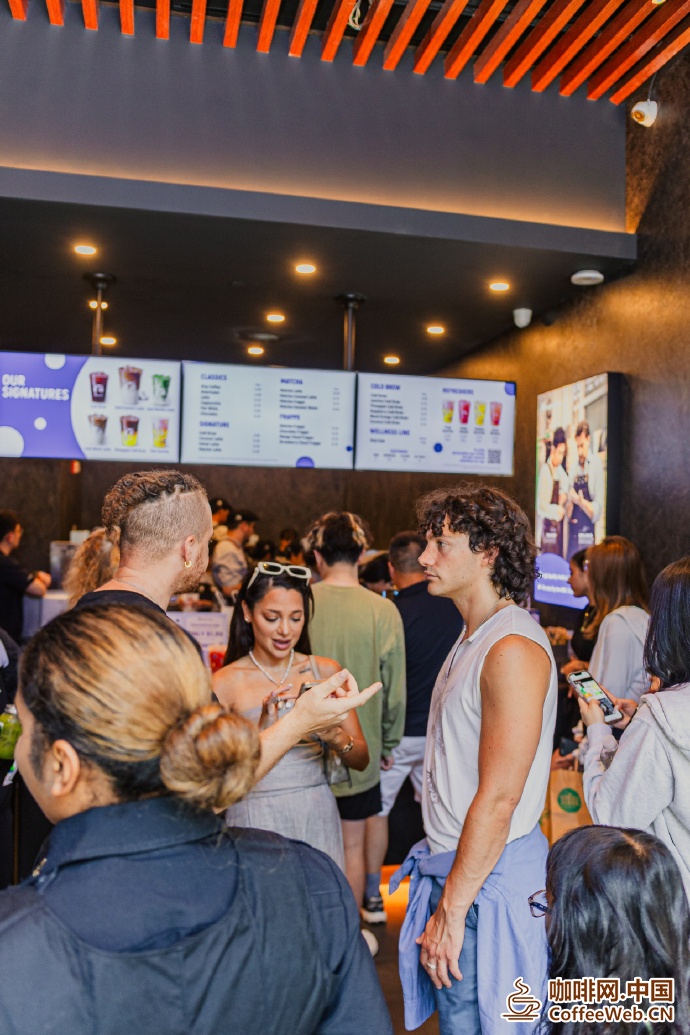
瑞幸咖啡美国门店。
此外,瑞幸通过咖啡豆直采、TOP供应商合作、自建烘焙工厂,所构建的供应链保障及管理能力,也为其海外业务落地与推进提供了全方位支撑。瑞幸正在将中国庞大的消费市场与全球优质产区深度连接,不仅让世界咖啡文化在中国交融,更在用中国力量重新定义全球咖啡消费的更多可能。
2026年1月,英国品牌评估机构Brand Finance发布2026年全球餐饮品牌价值25强排行榜,共有三家中国品牌上榜,其中瑞幸咖啡排在第19位,品牌价值同比大幅增长40%,达24亿美元,是榜单中增长最快的品牌之一。这一成绩标志着瑞幸已从“中国咖啡品牌”跃升为“世界咖啡品牌”的核心一员。
文/王子扬
编辑 唐峥
校对 赵琳
In the current rapid development of consumer brands in China, global layout is becoming a pivot for brand growth. Data shows that from 2023 to 2026 (expected), the scale of China's consumer goods going global will increase from 610.6 billion US dollars to 823.1 billion US dollars, with a compound annual growth rate of over 10%. Chinese consumer goods will also bid farewell to the initial stage of "low price volume" and enter the deep-water area of "capability driven".
Standing at the beginning of the "15th Five Year Plan", the government work report of the 2026 NPC and CPPCC put "expanding high-level opening up" in a prominent position, clearly proposing "guiding the rational and orderly cross-border layout of the industrial chain supply chain" and "high-quality co construction of the" the Belt and Road ". As a leading brand in the Chinese coffee industry, Luckin Coffee is implementing these strategic directions with practical actions - integrating high-quality global resources through "brand going global", consolidating the domestic circulation while steadily expanding the international circulation, and contributing Chinese strength to the global coffee industry chain.
Global shopping, bringing the world's best products into Chinese coffee cups
In the past decade, from "buy buy buy" to "build build build build", Chinese brands have been creating a unique global resource integration system, and brands with sustainable business structures have become a common choice for capital and the market. This year's government work report clearly proposes to "guide enterprises to optimize their global market layout, promote the integration of trade and investment, and the development of domestic and foreign trade integration", which is the underlying logic of China's brand globalization practice.
Taking Luckin Coffee as an example, after establishing a foothold in China, the world's fastest-growing coffee consumption market, Luckin Coffee did not stop at "selling coffee", but instead traced its roots upstream and extended globally.
In November 2024, Luckin Coffee and the Brazilian Export Investment Promotion Agency signed a Memorandum of Cooperation in the Brazilian capital Brasilia, which will purchase 240000 tons of coffee beans from Brazil between 2025 and 2029, with a total value of 10 billion yuan. This is Luckin Coffee's largest coffee bean procurement plan to date, and also a landmark event for Chinese coffee companies to deeply participate in global resource allocation.
Signing site.
In March 2025, Luckin Coffee partnered with its partners to establish a "Luckin Coffee Exclusive Coconut Island" in the Banggai Islands of Indonesia. Over the next five years, they will jointly purchase approximately 1 million tons of coconut raw materials to ensure exclusive supply of core raw materials for coconut latte.
This strategic layout of deep binding to global raw material production areas has made Luckin an important bridge connecting China and the world. From coffee beans in Brazil to coconuts in Indonesia, from ancient production areas in Ethiopia to plateau estates in Yunnan, Luckin Coffee leverages the global high-quality resources with the market as the pivot, only to put the best ingredients from around the world into the cup of coffee in the hands of consumers.
Mature coffee beans from Yunnan.
Reverse output, redefining the possibility of global coffee consumption
In recent years, the presence of Chinese consumer brands has become increasingly frequent on the world stage, and their roles are quietly undergoing profound changes. From followers to leaders, from initial product output to current mode and cultural reverse output, Chinese brands are entering the lives of global consumers with a more three-dimensional and full image, shining brightly on the world stage.
In this historical process, Luckin Coffee's "going global" practice is one of the most representative cases. As of December 31, 2025, Luckin Coffee has a total of 160 stores in the international market, from Singapore to Malaysia, from New York City in the United States to the streets of Southeast Asia. The "Little Blue Cup" is appearing in a unique way in the eyes of global consumers.
But Luckin's globalization is not just about store expansion, but a higher dimensional "brand going global". The digital operation model that has achieved great success in the Chinese market, as well as a profound understanding of consumer demand, are the confidence that Luckin has in competing in the global market. For example, in Singapore, the most developed market in Southeast Asia, Luckin achieved stable profitability in just 28 months, fully demonstrating the adaptability of its business model in mature overseas markets.
Luckin Coffee's American store.
In addition, Luckin Coffee's supply chain guarantee and management capabilities built through direct coffee bean procurement, cooperation with top suppliers, and self built baking factories have provided comprehensive support for the landing and promotion of its overseas business. Luckin Coffee is deeply connecting China's vast consumer market with high-quality global coffee producing regions, not only blending world coffee culture in China, but also redefining more possibilities for global coffee consumption with Chinese strength.
In January 2026, Brand Finance, a British brand evaluation agency, released the Top 25 Global Catering Brands by Value in 2026. Three Chinese brands made the list, with Luckin Coffee ranking 19th. The brand value increased significantly by 40% year-on-year, reaching $2.4 billion, making it one of the fastest-growing brands on the list. This achievement marks Luckin Coffee's rise from a "Chinese coffee brand" to a core member of the "World Coffee Brand".
Wen/Wang Ziyang
Editor Tang Zheng
Proofreading Zhao Lin