科学引导 推动“公路咖啡”规范发展Scientific guidance promotes the standardized development of "highway coffee"
转自:中国旅游报
□ 田芙蓉 蒙 睿 罗伊玲 张玉丽
据报道,在雪山脚下、沙漠边缘、公路驿站旁,常有移动咖啡店:一辆改装房车、一套便携咖啡设备,再加上几组露营桌椅……流动的咖啡车将醇香咖啡搬到山野公路、湖畔江岸,以自由灵活的形态解锁户外休闲、旅居创业的多元可能。
当前,大众旅游正从走马观花的观光模式转向松弛化、体验型的深度休闲,“公路咖啡”业态是“交通+文旅+特色农业+加工工业”融合的轻量化创新载体。规范引导、深度开发“公路咖啡”业态,有利于培育年轻化文旅IP,构建农文体旅商融合新增长点。具体可从以下几个方面加以探讨。
其一,“公路咖啡”折射多方面变化趋势。
旅游模式正从“赶路观光”转向“松弛慢游”。传统旅游以景区打卡、“长线赶路”为主,当代年轻人更偏爱“随走随停、边走边体验”的松弛式旅行。“公路咖啡”业态恰好匹配碎片化停留需求,有利于把道路转化为休闲空间。
出行方式日趋多样化,催生沿路休闲需求。自驾、机车骑行、徒步露营群体扩容,出行中休憩、社交、打卡需求旺盛,“公路咖啡”业态契合了这一趋势。
创业模式多元化,轻资产旅居创业前景良好。“公路咖啡”业态门槛低、灵活性强,房车、集装箱、简易露台均可运营,不需要大额门店投入,契合返乡青年、旅居创业者需求。
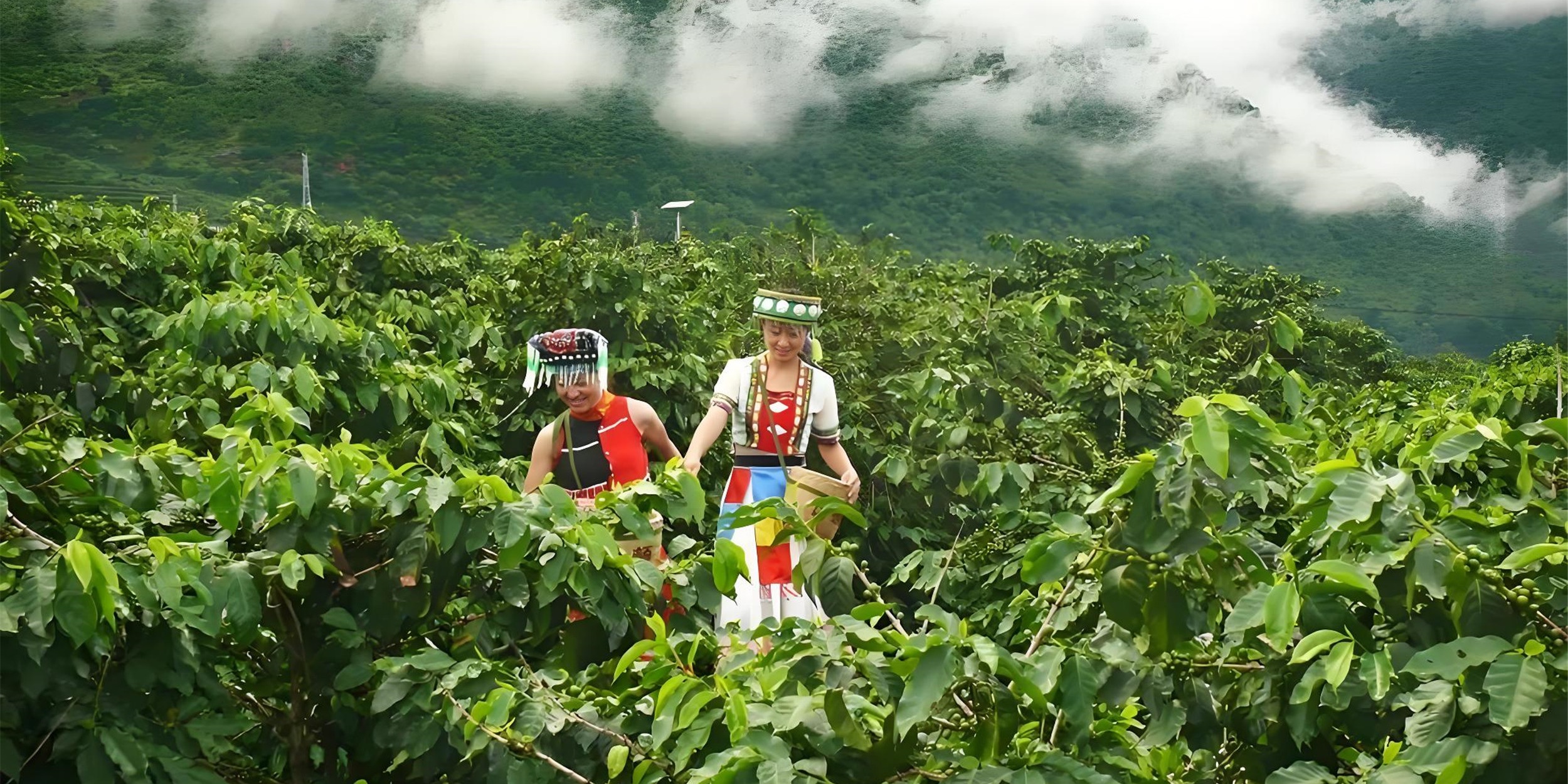
消费偏好变化,本土精品咖啡认可度持续提升。随着国产精品咖啡普及,游客不再只依赖连锁品牌。例如,云南咖啡产区依托公路窗口,把本地咖啡风味直接送到游客手中,有利于咖啡种植、加工、文旅体验一体化发展。
其二,“公路咖啡”助力多元融合发展。
发展“公路咖啡”业态,有利于盘活闲置资源、塑造公路文化。一些景观条件好、邻近村镇烟火气、安全可控的公路养护场所和道路修筑预留用地可以转化为“停下来歇歇脚”的公路旅游消费场景,让旅途上的人们从“赶路”变成“感受路”,让一群喜欢公路文化的人在公路边“遇见”,逐步形成具有中国特色的公路文化。
发展“公路咖啡”业态,有助于延伸农文体旅商产业链条。“公路咖啡”业态上游连接咖啡种植庄园,中游覆盖烘焙、创意饮品开发,下游联动文旅、体育、伴手礼销售,可以促进交通圈、运动圈、生活圈和文旅圈“破圈”融合发展。
发展“公路咖啡”业态,有利于塑造年轻化文旅新IP。“公路咖啡”业态自带社交传播属性,适配短视频传播逻辑。例如,草原公路咖啡、峡谷观景咖啡、茶园路边咖啡等差异化点位,易成为网红打卡地标。
其三,“公路咖啡”业态发展目前仍存在一些短板。
经营管理缺乏统一规范标准。多数移动咖啡车、临时路边点位缺乏明确准入规则,对其环境卫生、食品安全、经营秩序、垃圾处理管控相对松散。
存在同质化现象。多数“公路咖啡”经营者仅提供基础拿铁、美式,产品趋同,缺少结合本地民族文化、生态特色等的创新产品;配套体验单一,仅有简单桌椅等设施,缺少研学、手工、农园联动延伸项目。
融合深度不足。多数经营者仅做饮品售卖,未联动周边咖啡庄园、乡村景点、非遗工坊;产销链路割裂,产地咖啡豆直供机制不畅。
如何推动“公路咖啡+文旅”融合发展?笔者认为可从以下几个方面发力。
一是加强规划设计,打造具有地方特色的咖啡文化。例如,打造云南咖啡IP,当地可基于上百年咖啡种植、加工、品饮历史,结合东方处世哲学、生物多样性特色,再配上瓷、陶、瓦非遗技艺,塑造具有特色的咖啡文化。
二是科学布局,规范经营管理。结合旅游公路建设进程,分类划定允许经营区域,严控生态敏感区、水源地、核心景观带点位数量,实现有序布点、减量提质。分类适配不同道路场景,例如,在骑行休闲步道沿线提供小型移动咖啡车、简易外摆,在自驾风景廊道沿线设置观景台、配套固定轻咖馆,在产业路沿线与咖啡庄园联动设立综合体验店等。统一生态卫生管控标准,出台公路户外经营管理细则,明确食品卫生、污水垃圾收纳、建筑风貌管控要求,推行统一环保耗材、定点清运制度。
三是以路为媒,促进“公路咖啡+文旅”产业链做大做强。引进头部咖啡饮品企业、品牌酒店管理集团建设精深加工中心、咖啡庄园综合体,为“公路咖啡”业态提供高品质咖啡豆。扶持具备咖啡豆供应、设备配套、文创开发、场景运营综合能力的服务商,为“公路咖啡”业态提供不断优化的整体解决方案。助力小微经营主体创业创新,面向旅居客、返乡青年、新农人、村集体出台创业扶持政策,培育一批小而精、差异化的农文体旅商经营者。
四是丰富场景活动,吸引市场流量。常态化开展“公路咖啡”市集、机车咖友聚会、产地研学营、短视频打卡赛事;联动沿线民宿、景区、乡村采摘线路推出联票套票,构建一体化公路休闲消费生态圈。
总之,一缕公路咖香,串联交通路网、特色农业、青年创业与大众休闲。“公路咖啡”不只是简单路边饮品业态,更是打通线性旅游资源、延伸产业链、吸引市场流量的抓手。应通过科学规划、规范运营、深挖本土特色、完善产业协同,让“公路咖啡”从零散网红点位升级为系统化特色业态。以沿路微小消费场景撬动沿线全域产业升级,走出一条适配产地特色、兼顾生态保护、带动富民增收的农文体旅商融合之路。
(作者单位:昆明学院、云南省旅游规划研究院)
Translated from: China Tourism News
Tian Furong, Meng Rui, Luo Yiling, Zhang Yuli
According to reports, at the foot of snow capped mountains, on the edge of deserts, and beside highway stations, there are often mobile coffee shops: a modified RV, a set of portable coffee equipment, and several sets of camping tables and chairs... Mobile coffee trucks transport fragrant coffee to mountain roads, lakeshores, and riverbanks, unlocking diverse possibilities for outdoor leisure, travel, and entrepreneurship in a free and flexible form.
Currently, mass tourism is shifting from a superficial sightseeing mode to a relaxed and experiential deep leisure. The "highway coffee" format is a lightweight innovative carrier that integrates "transportation+cultural tourism+characteristic agriculture+processing industry". Standardizing and deeply developing the "highway coffee" business model is conducive to cultivating young cultural and tourism IPs and building new growth points for the integration of agriculture, culture, sports, tourism, and commerce. Specific aspects can be explored from the following aspects.
Firstly, "highway coffee" reflects various changing trends.
The tourism mode is shifting from "traveling for sightseeing" to "relaxing and slow travel". Traditional tourism mainly focuses on scenic spot check-in and "long-distance travel", while contemporary young people prefer relaxed travel that involves "stopping and experiencing while walking". The "highway coffee" business model perfectly matches the demand for fragmented parking, which is conducive to transforming roads into leisure spaces.
The increasing diversity of modes of transportation has spurred the demand for leisure along the way. The expansion of self driving, motorcycle riding, and hiking camping groups has led to a strong demand for leisure, socializing, and check-in during travel. The "highway coffee" business model fits this trend.
Diversified entrepreneurial models and promising prospects for light asset travel entrepreneurship. The "highway coffee" business model has low entry barriers and strong flexibility, and can operate RVs, containers, and simple terraces without the need for large store investments, meeting the needs of returning young people and travel entrepreneurs.
Consumer preferences have changed, and the recognition of local specialty coffee continues to increase. With the popularity of domestic specialty coffee, tourists no longer rely solely on chain brands. For example, Yunnan coffee producing areas rely on highway windows to directly deliver local coffee flavors to tourists, which is conducive to the integrated development of coffee cultivation, processing, and cultural tourism experience.
Secondly, "highway coffee" helps promote diversified and integrated development.
Developing the "highway coffee" business model is conducive to revitalizing idle resources and shaping highway culture. Some highway maintenance sites and reserved land for road construction with good landscape conditions, nearby villages and towns with smoke and fire, and safe and controllable conditions can be transformed into "stop and rest" highway tourism consumption scenes, allowing people on the road to change from "rushing" to "feeling the road", and allowing a group of people who love highway culture to "meet" at the roadside, gradually forming a highway culture with Chinese characteristics.
Developing the "highway coffee" business model can help extend the agricultural, cultural, tourism, and commercial industry chain. The "highway coffee" business model connects coffee plantations upstream, covers baking and creative beverage development in the midstream, and links cultural tourism, sports, and souvenir sales downstream, which can promote the integration and development of transportation, sports, lifestyle, and cultural tourism circles.
Developing the "highway coffee" business model is conducive to shaping a young cultural and tourism new IP. The "highway coffee" business model has its own social communication attributes and is adapted to the logic of short video communication. For example, differentiated locations such as grassland highway coffee, canyon view coffee, and tea garden roadside coffee are easy to become popular check-in landmarks for internet celebrities.
Thirdly, there are still some shortcomings in the development of the "highway coffee" industry.
Lack of unified and standardized management practices. Most mobile coffee trucks and temporary roadside locations lack clear admission rules, and their environmental hygiene, food safety, business order, and garbage disposal control are relatively loose.
There is a phenomenon of homogenization. Most "highway coffee" operators only provide basic latte and American style coffee, with similar products and a lack of innovative products that combine local ethnic culture, ecological characteristics, etc; The supporting experience is single, with only simple facilities such as tables and chairs, lacking research, handicrafts, and agricultural park linkage extension projects.
Insufficient depth of integration. Most operators only sell beverages and do not collaborate with surrounding coffee plantations, rural attractions, or intangible cultural heritage workshops; The production and sales chain is fragmented, and the direct supply mechanism of coffee beans from the production area is not smooth.
How to promote the integrated development of "highway coffee+cultural tourism"? The author believes that efforts can be made from the following aspects.
One is to strengthen planning and design, and create a coffee culture with local characteristics. For example, to create a Yunnan coffee IP, the local area can build a unique coffee culture based on over a hundred years of coffee cultivation, processing, and drinking history, combined with Eastern philosophy of life, biodiversity characteristics, and intangible cultural heritage techniques such as porcelain, pottery, and tiles.
The second is to scientifically layout and standardize business management. Based on the construction process of tourist highways, classify and delineate allowed operating areas, strictly control the number of ecological sensitive areas, water sources, and core landscape sites, and achieve orderly distribution, reduction, and quality improvement. Classify and adapt to different road scenarios, such as providing small mobile coffee carts and simple outdoor displays along cycling and leisure trails, setting up observation decks and supporting fixed light cafes along self driving scenic corridors, and setting up comprehensive experience stores in conjunction with coffee estates along industrial roads. Unified ecological hygiene control standards, issued detailed rules for outdoor operation and management of highways, clarified requirements for food hygiene, sewage and garbage collection, and building style control, and implemented a unified system for environmental consumables and designated cleaning and transportation.
The third is to use roads as a medium to promote the expansion and strengthening of the "highway coffee+cultural tourism" industry chain. Introduce top coffee beverage enterprises and brand hotel management groups to build deep processing centers and coffee plantation complexes, providing high-quality coffee beans for the "highway coffee" industry. Support service providers with comprehensive capabilities in coffee bean supply, equipment matching, cultural and creative development, and scene operation, and provide continuously optimized overall solutions for the "highway coffee" industry. Assist small and micro business entities in entrepreneurship and innovation, introduce entrepreneurship support policies for travelers, returning young people, new farmers, and village collectives, and cultivate a group of small, refined, and differentiated agricultural, cultural, sports, tourism, and commercial operators.
The fourth is to enrich the scene activities and attract market traffic. Regularly carry out "highway coffee" markets, motorcycle enthusiast gatherings, origin study camps, and short video check-in competitions; Linking homestays, scenic spots, and rural picking routes along the route to launch joint ticket packages, building an integrated highway leisure consumption ecosystem.
In short, a strand of road coffee fragrance connects the transportation network, characteristic agriculture, youth entrepreneurship, and mass leisure. Highway coffee is not just a simple roadside beverage format, but also a lever to connect linear tourism resources, extend the industrial chain, and attract market traffic. Through scientific planning, standardized operation, deep exploration of local characteristics, and improvement of industrial synergy, "highway coffee" should be upgraded from scattered internet celebrity sites to a systematic characteristic business model. By leveraging small-scale consumption scenarios along the route, we aim to drive the upgrading of industries across the entire region, and pave the way for the integration of agriculture, culture, tourism, and commerce that is suitable for the characteristics of the production area, takes into account ecological protection, and drives the increase of income for the people.
(Author affiliation: Kunming University, Yunnan Tourism Planning and Research Institute)