蜜雪把现磨咖啡卖到5元,难的是什么?What's so difficult about selling freshly ground coffee for 5 yuan by Miyue?
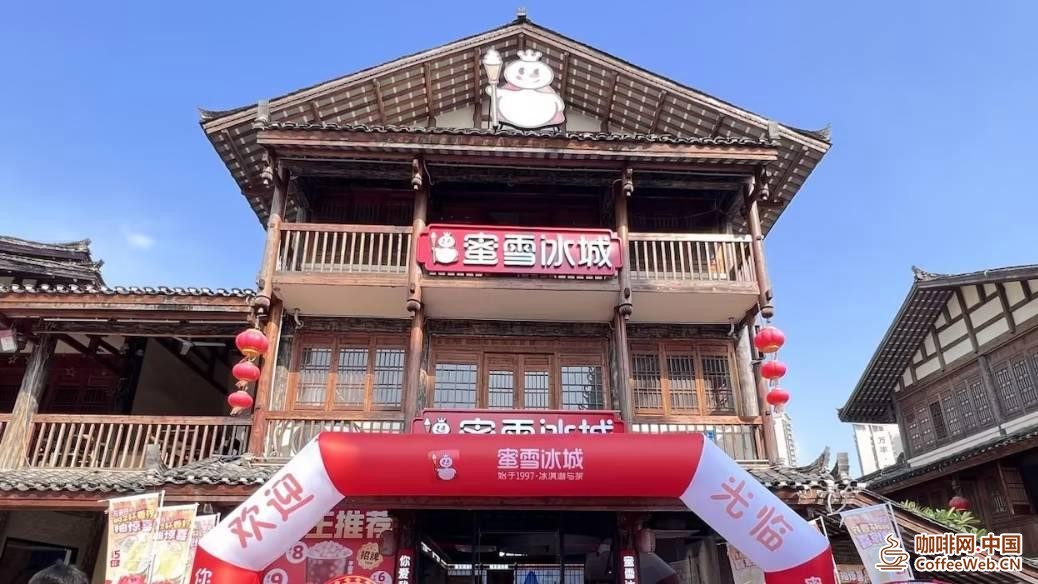
最近,广州番禺南浦地铁站附近的一家蜜雪冰城,吧台上多了一台全自动咖啡机。
每天开店后,店员要先给机器开机、自检,看看豆仓里的咖啡豆够不够。有人点咖啡,机器才开始现场磨豆、萃取。流程比以前多了几步,门店里也多了一种过去不太明显的香气。
店员小林(化名)说,现在只要有人点咖啡,“整个门店都能闻到现磨咖啡的香味”。
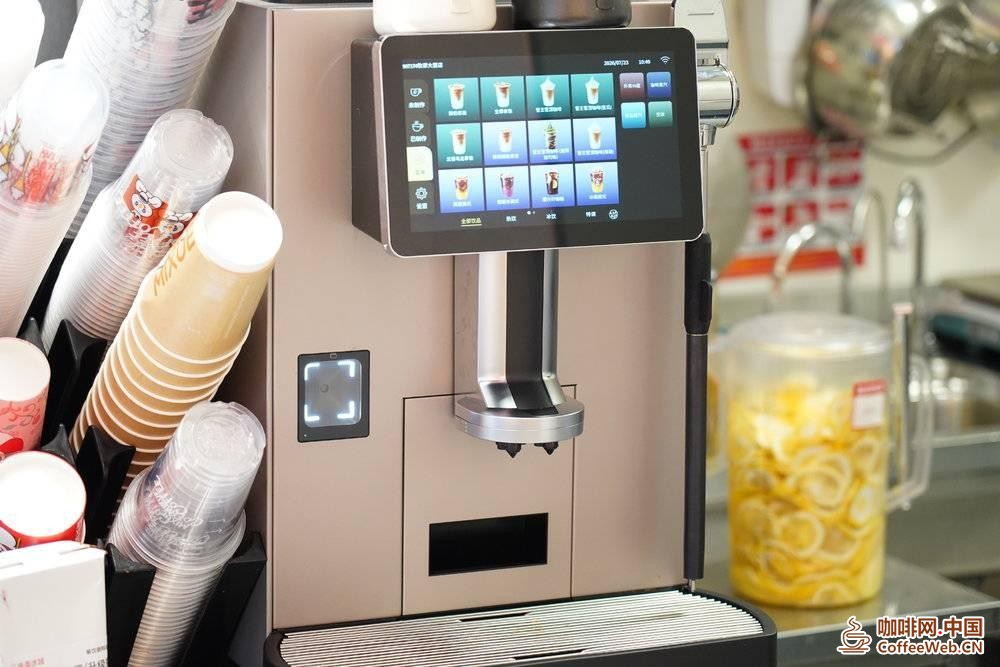
化也反映在销量上。换机之前,这家店一天大概卖20—30杯咖啡,好的时候能到40—50杯;新的现磨咖啡机装上一个月后,平日销量增加到70杯左右,节假日能卖到100—160杯。
值得注意的是,用上现磨咖啡机后,标准冰美式5元,加浓6元。
社交平台上,围绕蜜雪5元现磨咖啡的测评也多了起来。小林观察到,换机约三周后,店里的复购开始明显提升。
现磨咖啡并不新鲜,5元也已经不再是一个足够新奇的低价。单店做出一杯好喝的现磨咖啡不难,难的是让这道新工序进入一张覆盖国内4万多家门店的网络,在几元价格带里稳定复现。
门店越多、分布越远,一台机器带来的变化就越不只在吧台:咖啡豆要更快周转,鲜奶要在更短时间内到店,设备、培训、物流和配送的节奏都要重新计算。
咖啡也不是孤立的一项升级。过去一两年,蜜雪调整了棒打鲜橙、满杯百香果、茉莉绿茶等饮品的原料。消费者看到的是豆香、奶味和果味更直接,茶香更明显,后端则是一张菜单的原料与交付方式一起改变。
因此这台咖啡机提供了一个观察蜜雪的切口:一家以规模化控成本能力见长的公司,开始把更多“鲜”放进菜单后,几元价格带里的品质还能向前走多远?
现磨来得不算早,但蜜雪选择了一个更难的价格带
把时间拨回十年前,速溶咖啡是更符合蜜雪价格带的选择。
当时商用咖啡机价格高,咖啡豆、鲜奶和温控配送都是额外成本。一杯咖啡背后的设备折旧、原料和人工,很难塞进蜜雪熟悉的几元区间。
这些年,消费者喝咖啡的习惯、商用设备和标准化供应逐渐成熟,蜜雪的咖啡产品线也随之经历了三次变化。
最早是速溶,后来变成“工厂预研磨+门店滴滤”:咖啡豆在工厂完成烘焙和研磨,再配送到门店。如今,整豆进入门店,有人下单后,机器才开始研磨、预浸泡和萃取,从而更完整地保留豆子的风味。
这台机器真正改变的是研磨发生的时间:咖啡豆从提前磨成粉,变成出杯前才研磨。
看起来只是把一道工序从工厂挪到了柜台,区别却很容易被闻到、喝到。普通消费者未必能说清产区和萃取参数,但咖啡香不香、入口是否只剩苦涩,是很直接的感受。
小林也是最早感受到变化的人。她觉得以前蜜雪的咖啡“味道比较淡,没有很醇香”,换成现磨设备之后,每次机器开始工作,门店里都会飘出明显的咖啡香。消费者给出的反馈更简单:“现在的咖啡更香了。”
咖啡豆之外,另一半变化藏在拿铁里。
一杯奶咖好不好喝,牛奶的新鲜程度和醇厚度是重要变量。过去几年,蜜雪一直在升级牛奶,早期是常温奶;2026年,部分门店开始陆续使用100%悦鲜活鲜牛奶。
现磨和鲜奶已不是稀缺能力。蜜雪要面对的是:这些在更高价格带被验证过的品质体验,来到5元美式、10元左右奶咖的价格区间后,如何成为稳定供给。
在数万家门店的网络里,端出一张“更鲜的菜单”
茶饮行业在原料端的竞争早已激烈。放在同行节奏里,蜜雪的升级选择并不激进;放回它的规模里,问题会变得不同。
2020年,蜜雪冰城加盟门店突破1万家。如今,蜜雪冰城官网显示品牌门店已超过4.9万家;截至2025年末,蜜雪集团(含幸运咖及鲜啤福鹿家)全球门店总数为59,823家——五六年间,单品牌从万店量级超过4.5万家。
规模之外,还有地理跨度。蜜雪的门店甚至分布在 318 国道沿线、西藏墨脱、泰山山顶以及绥芬河等边境地区,全国接近 60% 的门店位于三线及以下城市。
以这样的体量和跨度同步提高新鲜度,行业里很少有可以直接照搬的样本。一款产品进入全国门店,需要原料、有效期、运输库存和门店操作同时成立。
门店更少、客单价更高的品牌,可以围绕小众产地原料、小批量采购和更复杂的门店制作做风味差异。而蜜雪的核心单品仍在2—9元,门店又覆盖大量低线城市,它只能走另一条路:把复杂度更多留在研发、供应和设备端,把门店动作压到最简单。
蜜雪如今端出的“一张更鲜的菜单”,落到消费者手里,有一些变化可以直接感知:咖啡豆现磨,奶咖开始使用鲜牛奶;棒打鲜橙改用复合橙果汁,满杯百香果的百香果由单一品种升级为“黄金+紫皮百香果”组合,口感更丰富;茉莉花的窨花次数提高到7次,香气更凸显。
棒打鲜橙调整后,一部分老消费者反而觉得“味道淡了”。过去更浓更甜的味道喝久了,本身就会成为消费者认定的“原味”。刚换原料时,有不少消费者不适应,有人会直接问是不是换了配方。过了一段时间,这类反馈才慢慢减少。
这也是蜜雪产品创新要考虑的的特殊尺度:数万家门店寻找的是更大的口味公约数,把大多数消费者能感知、愿意复购的体验做得更稳定。
蜜雪的做法,是把选果分级、保鲜处理等环节尽量前置到产地与供应端,门店只保留可标准化的制作步骤。这样既能让水果更新鲜,也能减少员工依赖经验判断带来的波动。
到了消费端,所有复杂的原料和技术信息,最终都会变成两个简单判断——好不好喝,这个价格值不值。
菜单更新鲜后,万店体系供应链开始跟时间赛跑
一张“更鲜的菜单”背后,是一整套基础系统能力的迭代。咖啡改为整豆现磨,奶与水果原料对时间的要求也更高,仓储配送与门店之间的时间余量都在缩小。
一些过去可以按月安排的库存,现在要按天甚至按小时计算。
咖啡豆仍然是一个典型例子。过去,蜜雪咖啡豆的货架期是90天。工厂可以提前生产,仓库也能留出库存,即使某个环节耽误几天,后面仍有缓冲空间。
现在,咖啡豆的流转周期在极限缩短。工厂生产要尽量靠近订单;豆子烘焙、检测、包装后尽快发走。在工厂多停一天,到门店之后能够使用的时间就少一天。
鲜奶的时间更紧。试运行中的鲜奶保质期只有19天,从仓库出库到门店,需要尽量控制在36小时以内。过去以常温商品为主的物流体系,需要补上温控仓储、全程温控和更严格的效期管理。
配送车也随之改造:同一辆车分区承载常温商品和需要温控的原料,通过隔板和独立车门减少相互影响。距离更远的区域,则要用前置仓等方式,把路上的时间抢回来。
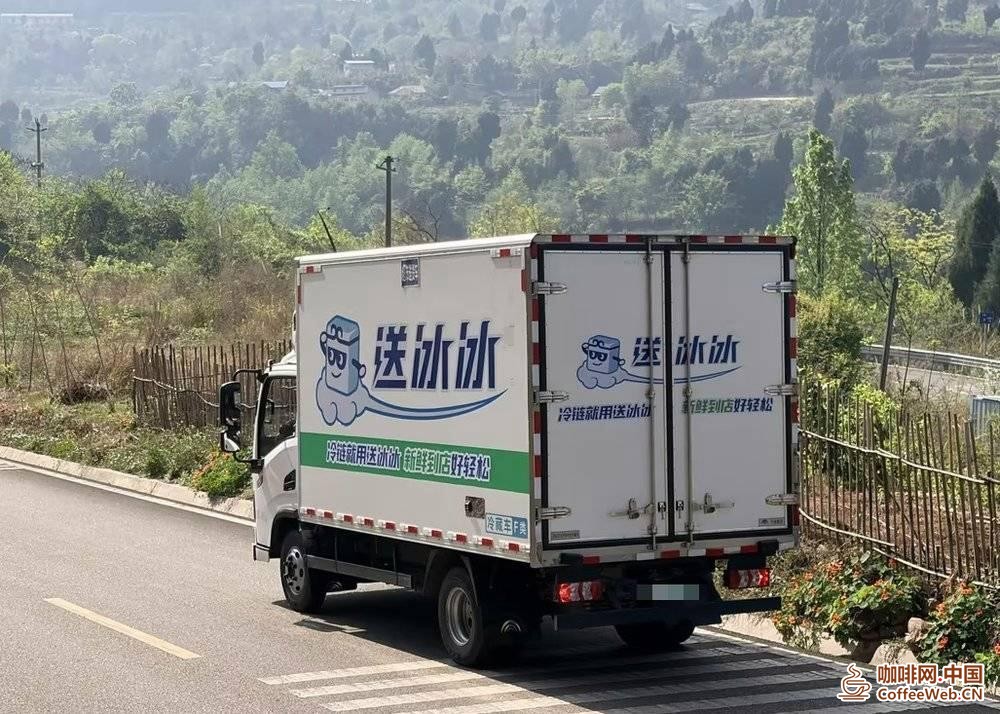
供应链和时间赛跑,门店则要和库存打交道。
鲜奶每天检查日期,咖啡豆根据平日和节假日销量准备不同库存,需要温控的水果原料到店后也要按规定立即归位、记录。小林说,一包咖啡豆开封后,往往远未到废弃期限就已消耗完毕。
菜单越强调新鲜,配送节奏就越需要贴近门店的实际销量。
为了适应短保物料的周转,蜜雪也下调了门店免配送费的整体起订额,降幅接近40%。门店可以用更小的批量、更高的频次补货,减少库存和资金占用。
配送的最后几米也被纳入调整。过去,司机将货物移到车尾后,需要门店员工自行搬进店内。如今实施“卸货进店”后,司机会把货物送到门店指定位置。这项服务目前已经覆盖约五分之四的国内蜜雪门店,减少了高峰期门店人员被搬货占用的时间。
门店承担的是另一端的变化。新的咖啡机刚进店时,一些加盟商觉得操作比过去麻烦;全自动设备又把研磨度、水温、水粉比、预浸泡和萃取时间提前写进程序,普通员工经过培训、考试,按照流程就能完成制作。
这和蜜雪早年“一杯柠檬水统一捶15下”的做法颇有些相似。
数万家加盟店不可能要求每个员工都有相同的经验和手感。规模越大,门店端的操作就越需要标准化、轻量化,复杂的东西则需要不断向后移动——放到研发、工厂、仓库、物流和设备里。
规模带来的采购量和供应体系,也让部分原料升级仍有成本空间。以百香果原料为例,蜜雪将原来的紫皮百香果调整为“黄金百香果+紫皮百香果”的组合后,加盟商订货价下降了12%。
规模的另一面是,哪怕一颗豆子、一箱奶、一台咖啡机的改变,也会被放大成生产、仓储、配送和加盟体系的调整。
这或许也是蜜雪这轮产品升级比“咖啡机搬进门店”本身更值得讨论的地方。现磨咖啡已经被前面的品牌教育成熟,鲜奶和鲜果也早已出现在更高价格带。蜜雪今天要做的,是把这些已经被消费者认可的品质要素继续向大众价格带推进,整体抬高消费者的体验阈值。这显然是一场需要耐心的接力长跑。
消费者看到的仍是一张几元到十元左右的菜单:5元美式、一杯奶咖、一杯水果饮料。后台增加的是周转更快的咖啡豆、19天的鲜奶、分区温控的配送车辆、更频繁的补货节奏,以及新的设备和培训标准。
这套系统必须吸收大部分复杂性,门店和消费者才有机会感受到简单的好产品。
一杯饮品的品质每往前走一步,后面的系统可能要跟着走很多步,特别是这套供应链覆盖的还不只是城市门店。蜜雪的茫崖线路把这个逻辑推到了极端——茫崖位于青海、新疆、西藏三省区交界处,从格尔木继续向西还要走三百多公里。为了给当地两家门店送货,配送车要从兰州仓一路开到茫崖,返程时常空跑,一趟运费动辄大几千甚至上万元。
越往网络末端,门店越分散,运输就会吃掉更多效期。一张菜单要覆盖到这些地方,仓储和线路不能只按全国平均数设计。单看一条线路,一两家门店未必经济;放在全国体系里,它们检验的是这套供应网络能否把相同的产品标准送到更远的地方。
对消费者而言,最理想的结果反而是感受不到这些复杂。他仍然只需要花几块钱,在熟悉的门店下单,然后发现:今天这杯咖啡比过去香了一点,拿铁的奶味更完整了一点,果茶里的水果也更接近真实果味。
本文来自虎嗅,原文链接:https://www.huxiu.com/article/4884566.html?f=baijiabaiducom
AI Introduction
Behind the doubling of sales at the 5 yuan freshly ground coffee fragrance store in Meixue Ice City is a supply chain revolution of over 40000 stores: from freshly ground coffee beans and fresh milk to optimized fruit ingredients, a quality long-distance race about 'freshness' is quietly unfolding in the mass price range
The content is intelligently generated by AI
Recently, a fully automatic coffee machine has been added to the bar at a Meixue Ice City near Nanpu Metro Station in Panyu, Guangzhou.
After opening the store every day, the staff should first turn on the machine and perform a self check to see if there are enough coffee beans in the bean compartment. Someone ordered coffee, and the machine started grinding and extracting beans on site. The process has gone through a few more steps than before, and the store now has a fragrance that was not very noticeable in the past.
Assistant Xiaolin (pseudonym) said that now whenever someone orders coffee, "the whole store can smell the aroma of freshly ground coffee".
The changes are also reflected in sales volume. Before the replacement, this shop sold about 20-30 cups of coffee a day, and when it was good, it could reach 40-50 cups; After installing the new freshly ground coffee machine for a month, its daily sales increased to around 70 cups, and during holidays it could sell 100-160 cups.
It is worth noting that after using the freshly ground coffee machine, the standard iced Americano is 5 yuan and the espresso is 6 yuan.
On social media platforms, there have been more reviews surrounding the 5-yuan freshly ground coffee from Meixue. Xiaolin observed that after about three weeks of replacing the machine, there was a significant increase in repeat purchases in the store.
Freshly ground coffee is not fresh, and 5 yuan is no longer a novel low price. It's not difficult to make a delicious freshly ground coffee in a single store, but the challenge is to bring this new process into a network covering over 40000 stores in China and reproduce it stably within a few yuan price range.
The more stores and the farther they are distributed, the more changes a machine brings not only to the bar counter: coffee beans need to be rotated faster, fresh milk needs to arrive at the store in a shorter time, and the pace of equipment, training, logistics, and delivery needs to be recalculated.
Coffee is not an isolated upgrade either. In the past year or two, Meixue has adjusted the ingredients for beverages such as Bangda Fresh Orange, Full Cup Passion Fruit, Jasmine Green Tea, etc. What consumers see is a more direct aroma of beans, milk, and fruit, with a more pronounced aroma of tea, while the backend changes the ingredients and delivery methods of a menu.
Therefore, this coffee machine provides a glimpse into the beauty of honey snow: a company known for its ability to control costs on a large scale, how far can the quality of a few yuan price range go after adding more "freshness" to its menu?
The current grinding is not early, but Miyuki chose a more difficult price band
Looking back ten years, instant coffee is a more suitable choice for the price range of honey snow.
At that time, commercial coffee machines were expensive, and coffee beans, fresh milk, and temperature controlled delivery were additional costs. The depreciation of equipment, raw materials, and labor behind a cup of coffee are difficult to fit into the familiar range of a few yuan that Meixue is familiar with.
In recent years, consumer coffee drinking habits, commercial equipment, and standardized supply have gradually matured, and Meixue's coffee product line has also undergone three changes.
Originally instant, it later became "factory pre grinding+store drip filtration": coffee beans are roasted and ground in the factory before being delivered to stores. Nowadays, whole beans enter stores, and after someone places an order, machines start grinding, pre soaking, and extracting them to preserve the flavor of the beans more completely.
What this machine really changes is the timing of grinding: coffee beans are ground into powder in advance and then ground before serving.
It seems like just moving a process from the factory to the counter, but the difference is easily noticeable and noticeable. Ordinary consumers may not be able to say the clear production area and extraction parameters, but whether the coffee is fragrant or not, and whether there is only bitterness left in the mouth, are very direct feelings.
Xiaolin was also the first person to feel the change. She felt that in the past, the taste of Meixue's coffee was relatively light and not very mellow. After switching to freshly ground equipment, every time the machine started working, a clear coffee aroma would waft out of the store. The feedback given by consumers is simpler: "Coffee tastes better now
Besides the coffee beans, the other half of the changes are hidden in the latte.
Whether a cup of milk coffee tastes good or not, the freshness and richness of the milk are important variables. In the past few years, Meixue has been upgrading its milk, initially using room temperature milk; In 2026, some stores will gradually start using 100% Yue Fresh Fresh Milk.
Fresh milk and freshly ground milk are no longer scarce abilities. What Mi Xue needs to face is: how to become a stable supply of these quality experiences that have been verified at higher prices, after entering the price range of 5 yuan American style and around 10 yuan milk coffee.
Present a 'fresher menu' in the network of tens of thousands of stores
The competition in the raw material side of the tea beverage industry has long been fierce. Placed in the rhythm of peers, Miyuki's upgrade choice is not radical; Put it back into its scale, the problem will become different.
In 2020, the number of franchise stores in Meixue Ice City exceeded 10000. Nowadays, the official website of Meixue Ice City shows that the brand's stores have exceeded 49000; As of the end of 2025, the total number of global stores of Meixue Group (including Lucky Coffee and Fresh Beer Fulujia) is 59823- in five or six years, the number of single brand stores has exceeded 45000.
In addition to scale, there is also geographical span. The stores of Mixue are even distributed along the 318 National Highway, Motuo, Mount Taishan Peak, Suifenhe and other border areas in Xizang. Nearly 60% of the stores in the country are located in third tier cities and below.
There are few samples in the industry that can be directly copied to improve freshness with such a scale and span. A product entering stores nationwide requires the establishment of raw materials, expiration dates, transportation inventory, and store operations simultaneously.
Brands with fewer stores and higher average order value can create flavor differences around niche ingredients, small batch purchases, and more complex store production. However, the core products of Meixue are still priced between 2-9 yuan, and its stores cover a large number of low tier cities. It can only take another path: to leave more complexity in the research and development, supply, and equipment aspects, and to keep store operations as simple as possible.
The "fresher menu" presented by Mixue now has some changes that can be directly perceived by consumers: coffee beans are freshly ground, and milk coffee is starting to use fresh milk; Bangda Fresh Orange has switched to compound orange juice, and the passion fruit in a full cup has been upgraded from a single variety to a combination of "golden+purple skin passion fruit", resulting in a richer taste; The number of times jasmine flowers are infused has been increased to 7 times, making the fragrance more prominent.
After adjusting the taste of Bangda Fresh Orange, some old consumers actually feel that it has become less flavorful. The richer and sweeter taste of the past, when consumed for a long time, will become the "original flavor" recognized by consumers. When changing raw materials, many consumers feel uncomfortable and some may directly ask if the formula has been changed. After a period of time, this type of feedback gradually decreased.
This is also a special scale that needs to be considered in the innovation of Meixue products: tens of thousands of stores are looking for a larger common denominator of flavors, making the experience that most consumers can perceive and are willing to repurchase more stable.
Mixue's approach is to prioritize the selection, grading, and preservation of fruits as much as possible to the production and supply ends, while stores only retain standardized production steps. This can not only make the fruits fresher, but also reduce the fluctuations caused by employees' reliance on experience judgment.
At the consumer end, all complex raw materials and technical information will ultimately become two simple judgments - whether it tastes good or not, and whether the price is worth it.
After the menu update, the supply chain of Wandian system is racing against time
Behind a 'fresher menu' is an iteration of a complete set of basic system capabilities. Coffee is now ground whole beans, and the time requirements for milk and fruit raw materials are also higher. The time gap between storage and distribution and stores is shrinking.
Some inventory that used to be scheduled on a monthly basis now needs to be calculated on a daily or even hourly basis.
Coffee beans are still a typical example. In the past, the shelf life of honey snow coffee beans was 90 days. Factories can produce ahead of schedule, and warehouses can also reserve inventory. Even if a certain link is delayed for a few days, there is still buffer space in the future.
Now, the circulation cycle of coffee beans is at its limit. Factory production should be as close to the order as possible; After baking, testing, and packaging the beans, please send them out as soon as possible. Stopping at the factory for one more day will result in one less day of use after arriving at the store.
The time for fresh milk is tighter. The shelf life of fresh milk in the trial run is only 19 days, and it needs to be controlled within 36 hours from the warehouse to the store as much as possible. The logistics system that used to focus on products at room temperature needs to be supplemented with temperature controlled warehousing, full temperature control, and stricter shelf life management.
The delivery vehicles have also been renovated accordingly: the same vehicle is divided into zones to carry goods at room temperature and raw materials that require temperature control, reducing mutual influence through partitions and independent doors. For areas farther away, it is necessary to use pre positioned warehouses and other methods to regain time on the road.
The supply chain is racing against time, while stores have to deal with inventory.
Fresh milk is checked on a daily basis, coffee beans are stocked differently based on sales during weekdays and holidays, and fruit ingredients that require temperature control must be returned to their designated locations and recorded immediately upon arrival at the store according to regulations. Xiaolin said that after opening a pack of coffee beans, they are often consumed far before the expiration date.
The more the menu emphasizes freshness, the more the delivery rhythm needs to be close to the actual sales volume of the store.
In order to adapt to the turnover of short-term guarantee materials, Meixue has also lowered the overall minimum order amount for free delivery fees in stores, with a decrease of nearly 40%. Stores can restock with smaller batches and higher frequency, reducing inventory and capital occupation.
The last few meters of delivery have also been included in the adjustment. In the past, after the driver moved the goods to the back of the car, the store staff had to move them into the store themselves. After the implementation of 'unloading goods into the store', drivers will deliver the goods to the designated location of the store. This service currently covers about four fifths of domestic Meixue stores, reducing the time that store personnel are occupied by moving goods during peak hours.
The store is responsible for the changes on the other end. When the new coffee machine first entered the store, some franchisees felt that the operation was more complicated than before; The fully automatic equipment also pre writes the grinding degree, water temperature, water powder ratio, pre soaking and extraction time into the program, and ordinary employees can complete the production according to the process after training and examination.
This is quite similar to Meixue's early practice of "pounding 15 times with a glass of lemon water".
Tens of thousands of franchise stores cannot require every employee to have the same experience and feel. The larger the scale, the more standardized and lightweight the operations at the store end, and complex things need to be constantly moved backwards - into research and development, factories, warehouses, logistics, and equipment.
The procurement volume and supply system brought by scale also leave some cost space for upgrading raw materials. Taking passion fruit raw materials as an example, after adjusting the original purple skin passion fruit to a combination of "golden passion fruit+purple skin passion fruit", the franchisee's order price decreased by 12%.
The other side of scale is that even a change in a bean, a box of milk, or a coffee machine can be amplified into adjustments to the production, warehousing, distribution, and franchise systems.
This may also be a more worthy topic for discussion than the "coffee machine moving into the store" itself in this round of product upgrades by Meixue. Freshly ground coffee has been matured by previous brand education, and fresh milk and fruit have also appeared in higher price ranges. What Meixue needs to do today is to continue promoting these quality elements that have already been recognized by consumers to the public price range, and overall raise the consumer experience threshold. This is obviously a relay long-distance race that requires patience.
Consumers still see a menu ranging from a few yuan to ten yuan: 5 yuan American style, a cup of milk coffee, and a fruit drink. The backend has added faster coffee beans, 19 days of fresh milk, temperature controlled delivery vehicles, more frequent replenishment rhythms, as well as new equipment and training standards.
This system must absorb most of the complexity in order for stores and consumers to have the opportunity to experience simple and good products.
For every step forward in the quality of a drink, the subsequent system may have to follow suit, especially since this supply chain covers more than just city stores. The Mangya line of Mixue pushes this logic to the extreme - Mangya is located at the junction of Qinghai, Xinjiang and Xizang, and it is more than 300 kilometers from Golmud to the west. In order to deliver goods to two local stores, delivery vehicles have to drive all the way from Lanzhou warehouse to Mangya, and the return journey is often empty, with a shipping cost of several thousand or even tens of thousands of yuan per trip.
The further you go to the end of the network, the more scattered the stores become, and transportation will consume more shelf life. A menu should cover these areas, and storage and transportation cannot be designed solely based on the national average. Just looking at one route, one or two stores may not necessarily be economical; Placed in the national system, they test whether this supply network can deliver the same product standards to farther places.
For consumers, the most ideal outcome is not to feel these complexities. He still only needed to spend a few yuan to place an order at a familiar store, and then found that today's coffee was a little more fragrant than before, the milk flavor of the latte was a bit more complete, and the fruit in the fruit tea was closer to the real fruit flavor.
This article is from Tiger Sniff, original link: https://www.huxiu.com/article/4884566.html?f=baijiabaiducom