从产量到品牌:亚洲咖啡如何迎接全球黄金时代?From Production to Brand: How Asian Coffee Welcomes the Global Golden Age?
(本文作者为 产联社CLS,钛媒体经授权发布)
产联社CLS
当下,全球咖啡市场正迎来前所未有的"黄金时代"。
根据国际咖啡组织(ICO)数据,2025年全球咖啡消费量达1.75亿袋(每袋60公斤),市场规模突破5000亿美元。
在这个庞大的市场中,亚洲正从传统的原料供应地,向全产业链价值创造者转型。从越南的罗布斯塔产量全球第一,到中国云南精品咖啡在国际赛事中屡获殊荣;从中国的品牌咖啡新浪潮,到东南亚新兴咖啡消费市场的爆发式增长——
亚洲咖啡产业,正在经历一场从"产量优势"到"品牌价值"的深刻变革。
产量优势与升级
在供应端,亚洲已成为全球咖啡生产的重要一极。根据美国农业部(USDA)数据,2025/2026年度全球咖啡产量预计为1.746亿袋,其中亚洲贡献显著。
越南作为全球第二大咖啡生产国,2025年咖啡产量预计达到3100万袋,占全球产量的17.8%,其中罗布斯塔咖啡产量占据全球主导地位。印度尼西亚以产量1150万袋位居全球第四,其独特的猫屎咖啡(Kopi Luwak)已成为高端咖啡的代名词。
中国咖啡产业正在快速崛起。云南省作为中国最大的咖啡产区,2025年咖啡种植面积达180万亩,产量15万吨,占全国总产量的98%以上。更值得关注的是,中国咖啡产量在过去十年间增长了近三倍,从2015年的5万吨增至2025年的15万吨,年均增长率超过10%。
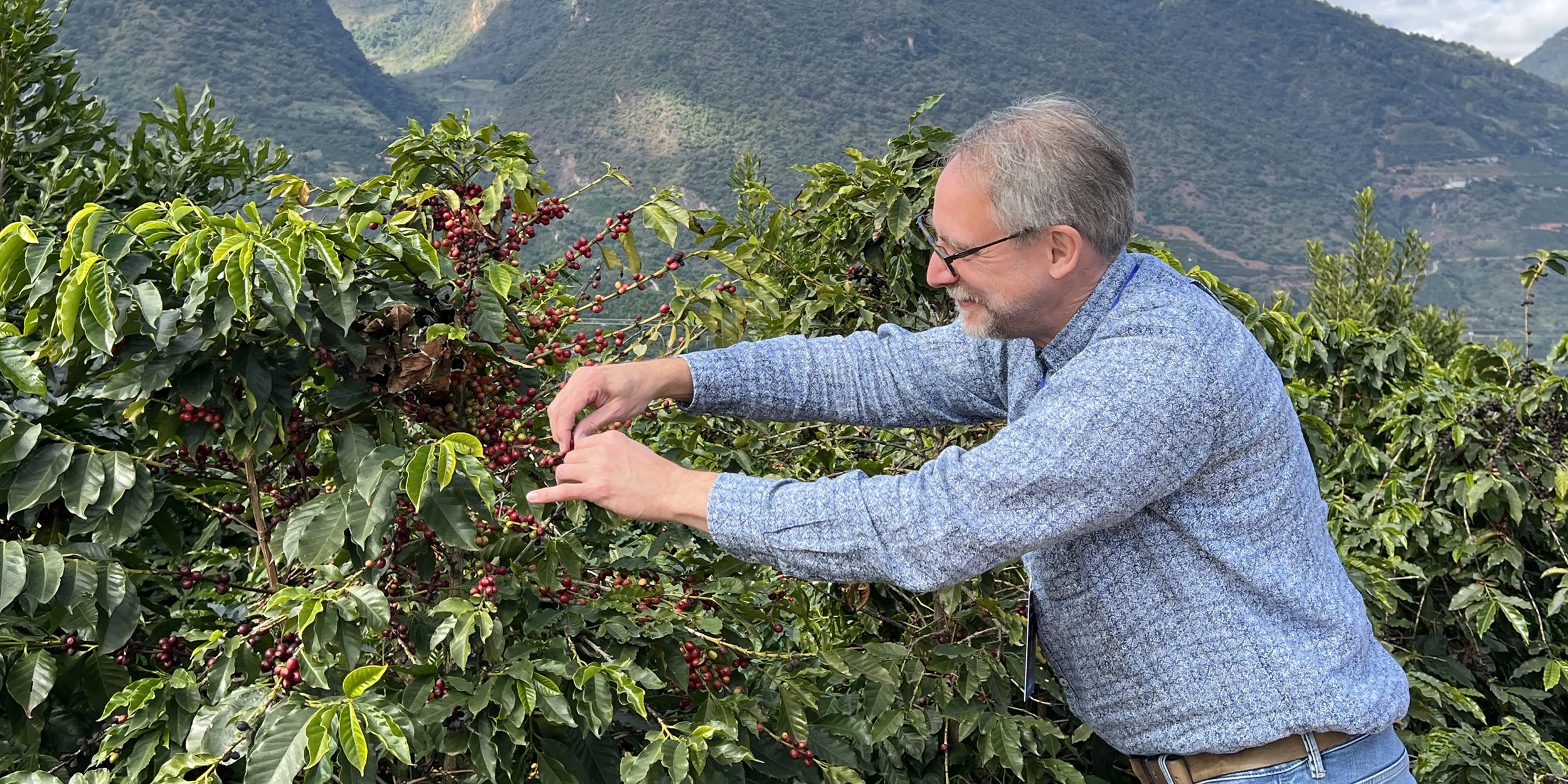
亚洲咖啡产区正在从传统的粗放式种植向精细化、标准化管理转型。在越南,政府推动的咖啡种植园改造计划已初见成效,通过品种改良、灌溉系统升级和有机种植技术的推广,咖啡豆品质得到显著提升。
在中国云南,各大品牌与当地合作社建立的"咖啡种植者支持中心",通过提供技术培训、质量检测和可持续种植指导,帮助咖农提升种植水平。这些举措不仅提高了咖啡豆的附加值,也为亚洲咖啡参与全球精品咖啡市场竞争奠定了基础。
此外,亚洲咖啡产区的供应链正在经历数字化、智能化改造。同样在中国云南,消费者可以通过扫描二维码了解咖啡豆从种植、加工到运输的全过程。这种透明化的供应链管理,不仅增强了消费者信任,也为咖啡品牌的故事营销提供了素材。
咖啡消费的爆发与升级
在消费端,亚洲已成为全球咖啡消费增长最快的地区。根据国际咖啡组织数据,2025年亚洲咖啡消费量预计达到4500万袋,占全球消费量的25.7%,较2015年增长了一倍以上。
中国市场的表现尤为突出,2025年咖啡消费量达到1200万袋,成为全球第五大咖啡消费国。
从人均消费量看,亚洲国家呈现巨大差异。日本、韩国等成熟市场人均年消费量超过300杯,而中国目前人均年消费量仅为12杯,印度仅为2杯。
这种巨大的增长潜力,吸引了全球咖啡企业的关注。星巴克计划到2026年在中国开设9000家门店,瑞幸咖啡的门店数量已超过18000家,库迪咖啡也在快速扩张。
亚洲咖啡消费正在经历从"功能性饮品"到"生活方式符号"的升级。在中国,一线城市消费者追求精品化和个性化,涌现出Manner等本土精品咖啡品牌;二三线城市则更注重性价比和便利性,瑞幸、库迪等品牌通过数字化运营和快速扩张占据市场。
同时,新式茶饮与咖啡的融合创新,如喜茶、奈雪的茶推出的咖啡产品,进一步丰富了消费选择。
亚洲咖啡消费的快速增长,很大程度上得益于数字化技术的应用。中国咖啡市场通过"线上点单、线下自提"的新零售模式,实现了爆发式增长。瑞幸咖啡的APP日活跃用户超过1000万,通过社交裂变和数字化营销,创造了独特的增长路径。
移动支付、外卖平台的普及,极大降低了咖啡消费的门槛。根据美团数据,2025年咖啡外卖订单量较2020年增长了五倍,下午茶时段的咖啡订单占比超过40%。
这种消费场景的拓展,使咖啡从传统的早餐伴侣,扩展至全天候的消费选择。
品牌价值的升级外溢
亚洲本土咖啡品牌正在快速崛起,挑战国际巨头的市场地位。
在中国,瑞幸咖啡通过数字化运营和精准营销,在短短几年内成长为门店数量全球领先的咖啡连锁品牌。2025年,瑞幸咖啡门店数量突破18000家,年销售额超过200亿元,成功实现了从"流量思维"到"品牌价值"的转型。
亚洲咖啡品牌也在通过文化输出构建独特的品牌叙事。
日本将"侘寂美学"融入咖啡空间设计,韩国将K-pop文化元素与咖啡消费结合,中国则将茶文化与传统美学融入咖啡产品创新。这种文化融合不仅创造了差异化的消费体验,也为品牌国际化奠定了基础。
尤其是迅速崛起的中国云南咖啡,诞生了诸如后谷这样让外长点赞的民族品牌。
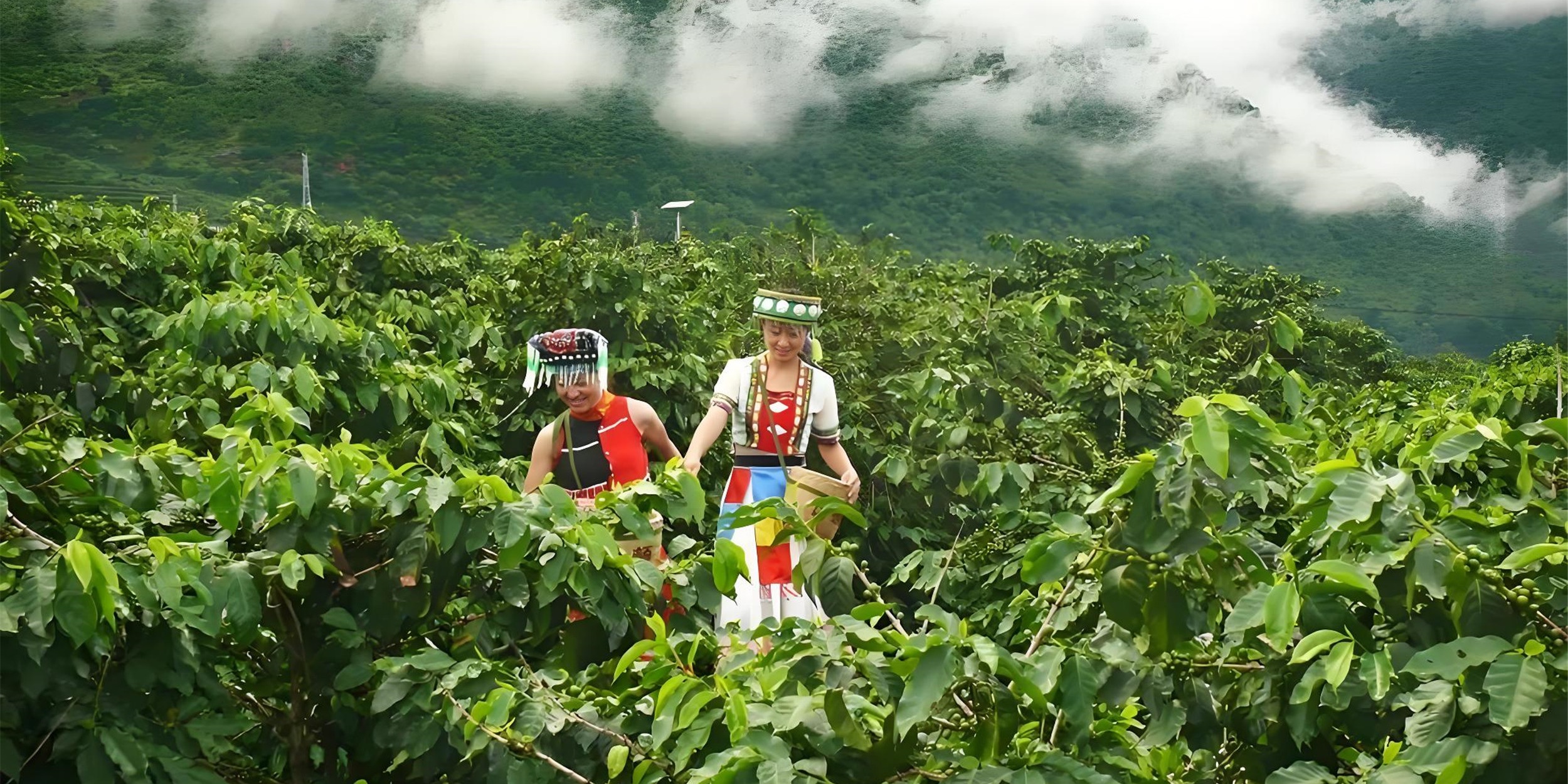
云南咖啡产区通过"产地故事"营销,将少数民族文化、自然风光与咖啡产品结合,打造"从种子到杯子"的全产业链品牌叙事。以后谷咖啡为例,其作为中国全产业链咖啡龙头,其年产2.5万吨咖啡粉、2万吨终端产品,产品远销全球数十国,品牌影响力正在向全球扩展。
2025年,云南咖啡生豆出口均价达到每公斤4.5美元,较2015年增长了50%,品牌溢价效应开始显现。
值得称赞的是,亚洲咖啡品牌越来越重视可持续发展和社会责任。越南咖啡企业通过雨林联盟认证、公平贸易认证等国际标准,提升产品的环境和社会价值。印度尼西亚的猫屎咖啡产业,通过建立可持续的养殖标准和动物福利规范,回应国际社会的伦理关切。
中国咖啡品牌将乡村振兴与产业发展结合,通过"公司+合作社+农户"的模式,帮助云南咖农提升收入水平。部分品牌还推出了碳中和咖啡产品,通过碳足迹核算和碳抵消项目,满足消费者对环保产品的需求。
这种ESG价值的构建,不仅符合全球消费趋势,也为亚洲咖啡品牌长期发展奠定了基础。
结语
全球的咖啡黄金时代,这不仅仅是一杯饮品的风靡,更是一种生活方式的全球传播,一种文化的体现。
产业上看,亚洲咖啡正站在从"产量优势"向"品牌价值"转型的关键节点。产量优势为产业升级提供了基础,消费市场的爆发为品牌成长创造了空间,而文化自信和技术创新则为价值输出提供了动力。
当然,挑战也存在。亚洲咖啡产业在品种研发、加工技术、品牌营销等方面,与传统咖啡强国仍有差距。全球气候变化对咖啡种植的影响日益凸显,供应链的稳定性面临考验。
从云南的山地到越南的高原,从东京的街角到上海的商圈,亚洲咖啡正在书写属于自己的全球故事。
资料来源说明:
国际组织报告:国际咖啡组织(ICO)《2025年咖啡市场报告》;美国农业部(USDA)《2025/2026年度全球咖啡供需展望》;联合国粮农组织(FAO)《亚洲咖啡产业发展报告》
统计数据来源:中国国家统计局《2025年中国咖啡产业统计公报》
行业研究报告:欧睿国际《全球咖啡市场2025年趋势分析》;德勤《亚洲咖啡消费市场洞察报告》;麦肯锡《中国咖啡市场:从爆发到成熟》
市场调研数据:美团研究院《2025年咖啡外卖消费趋势报告》;凯度消费者指数《亚洲咖啡消费行为研究》;益普索《Z世代咖啡消费偏好调查》
免责声明:
本文仅供参考,不构成投资建议。
(The author of this article is CLS, an authorized publication by Titanium Media)
CLS, the Federation of Industry and Commerce
Currently, the global coffee market is ushering in an unprecedented 'golden age'.
According to data from the International Coffee Organization (ICO), global coffee consumption will reach 175 million bags (60 kilograms per bag) by 2025, with a market size exceeding $500 billion.
In this vast market, Asia is transforming from a traditional supplier of raw materials to a value creator across the entire industry chain. From Vietnam's Robusta, which has the world's largest production, to Yunnan's premium coffee in China, which has won numerous awards in international competitions; From the new wave of branded coffee in China to the explosive growth of emerging coffee consumption markets in Southeast Asia——
The Asian coffee industry is undergoing a profound transformation from "yield advantage" to "brand value".
Production Advantage and Upgrade
On the supply side, Asia has become an important pole in global coffee production. According to data from the US Department of Agriculture (USDA), global coffee production is expected to be 174.6 million bags in 2025/26, with significant contributions from Asia.
Vietnam, as the world's second largest coffee producer, is expected to produce 31 million bags of coffee by 2025, accounting for 17.8% of global production, with Robusta coffee production dominating the world. Indonesia ranks fourth in the world with a production of 11.5 million bags, and its unique Kopi Luwak coffee has become synonymous with high-end coffee.
The Chinese coffee industry is rapidly rising. As the largest coffee producing area in China, Yunnan Province will have a coffee planting area of 1.8 million mu and a yield of 150000 tons by 2025, accounting for over 98% of the country's total output. More noteworthy is that China's coffee production has nearly tripled in the past decade, from 50000 tons in 2015 to 150000 tons in 2025, with an average annual growth rate of over 10%.
The coffee producing regions in Asia are transitioning from traditional extensive cultivation to refined and standardized management. In Vietnam, the government's coffee plantation renovation plan has shown initial results, significantly improving the quality of coffee beans through variety improvement, irrigation system upgrades, and promotion of organic planting techniques.
In Yunnan, China, major brands and local cooperatives have established a "Coffee Grower Support Center" to help coffee farmers improve their planting skills by providing technical training, quality testing, and sustainable planting guidance. These measures not only increase the added value of coffee beans, but also lay the foundation for Asian coffee to participate in the global premium coffee market competition.
In addition, the supply chain of coffee producing regions in Asia is undergoing digital and intelligent transformation. In Yunnan, China, consumers can scan the QR code to learn about the entire process of coffee bean cultivation, processing, and transportation. This transparent supply chain management not only enhances consumer trust, but also provides materials for coffee brand story marketing.
The explosion and upgrading of coffee consumption
On the consumer side, Asia has become the fastest-growing region in global coffee consumption. According to data from the International Coffee Organization, coffee consumption in Asia is expected to reach 45 million bags by 2025, accounting for 25.7% of global consumption and more than doubling from 2015.
The performance of the Chinese market is particularly outstanding, with coffee consumption reaching 12 million bags by 2025, becoming the fifth largest coffee consuming country in the world.
From the perspective of per capita consumption, there are significant differences among Asian countries. Mature markets such as Japan and South Korea have a per capita annual consumption of over 300 cups, while China's current per capita annual consumption is only 12 cups, and India's is only 2 cups.
This enormous growth potential has attracted the attention of global coffee companies. Starbucks plans to open 9000 stores in China by 2026, while Luckin Coffee's store count has exceeded 18000, and Kudi Coffee is also rapidly expanding.
Asian coffee consumption is undergoing an upgrade from "functional drinks" to "lifestyle symbols". In China, consumers in first tier cities pursue refinement and personalization, leading to the emergence of local specialty coffee brands such as Manner; In second and third tier cities, more emphasis is placed on cost-effectiveness and convenience, with brands such as Luckin Coffee and Kudi occupying the market through digital operations and rapid expansion.
At the same time, the integration and innovation of new tea drinks and coffee, such as the coffee products launched by HEYTEA and Nayuki Tea, further enrich consumer choices.
The rapid growth of coffee consumption in Asia is largely attributed to the application of digital technology. The Chinese coffee market has achieved explosive growth through the new retail model of "online ordering and offline self pickup". Luckin Coffee's app has over 10 million daily active users, creating a unique growth path through social media and digital marketing.
The popularity of mobile payment and food delivery platforms has greatly lowered the threshold for coffee consumption. According to Meituan data, the number of coffee takeaway orders in 2025 has increased fivefold compared to 2020, with coffee orders during the afternoon tea period accounting for over 40%.
The expansion of this consumption scenario has expanded coffee from a traditional breakfast companion to an all-weather consumption choice.
The upgrade and spillover of brand value
Local coffee brands in Asia are rapidly rising, challenging the market position of international giants.
In China, Luckin Coffee has grown into a globally leading coffee chain brand with a large number of stores in just a few years through digital operations and precision marketing. By 2025, Luckin Coffee's number of stores will exceed 18000, with annual sales exceeding 20 billion yuan, successfully achieving a transformation from "traffic thinking" to "brand value".
Asian coffee brands are also building unique brand narratives through cultural exports.
Japan integrates the "wabi sabi aesthetics" into coffee space design, South Korea combines K-pop cultural elements with coffee consumption, and China integrates tea culture and traditional aesthetics into coffee product innovation. This cultural fusion not only creates differentiated consumer experiences, but also lays the foundation for brand internationalization.
Especially the rapidly rising Yunnan coffee in China has given birth to national brands such as Hougu that have been praised by foreign ministers.
Yunnan coffee producing areas combine ethnic minority culture, natural scenery, and coffee products through "origin stories" marketing, creating a brand narrative of the entire industry chain from seeds to cups. Taking Future Valley Coffee as an example, as the leading coffee company in China's entire industry chain, it produces 25000 tons of coffee powder and 20000 tons of terminal products annually. Its products are exported to dozens of countries around the world, and its brand influence is expanding globally.
By 2025, the average export price of Yunnan coffee beans will reach 4.5 US dollars per kilogram, an increase of 50% compared to 2015, and the brand premium effect will begin to emerge.
It is commendable that Asian coffee brands are increasingly emphasizing sustainable development and social responsibility. Vietnamese coffee companies enhance the environmental and social value of their products through international standards such as Rainforest Alliance certification and Fair Trade certification. The cat poop coffee industry in Indonesia responds to the ethical concerns of the international community by establishing sustainable breeding standards and animal welfare regulations.
Chinese coffee brands combine rural revitalization with industrial development, using the "company+cooperative+farmer" model to help Yunnan coffee farmers improve their income levels. Some brands have also launched carbon neutral coffee products, meeting consumers' demand for environmentally friendly products through carbon footprint accounting and carbon offset projects.
The construction of this ESG value not only conforms to global consumer trends, but also lays the foundation for the long-term development of Asian coffee brands.
Conclusion
The golden age of coffee worldwide is not just about the popularity of a drink, but also about the global spread of a way of life and a reflection of culture.
From an industrial perspective, Asian coffee is at a critical juncture of transitioning from "production advantage" to "brand value". The production advantage provides the foundation for industrial upgrading, the explosion of the consumer market creates space for brand growth, and cultural confidence and technological innovation provide the driving force for value output.
Of course, challenges also exist. The Asian coffee industry still lags behind traditional coffee powerhouses in terms of variety research and development, processing technology, and brand marketing. The impact of global climate change on coffee cultivation is becoming increasingly prominent, putting the stability of the supply chain to the test.
From the mountains of Yunnan to the highlands of Vietnam, from street corners in Tokyo to commercial districts in Shanghai, Asian coffee is writing its own global story.
Data source explanation:
International Organization Report: International Coffee Organization (ICO) "2025 Coffee Market Report" Global Coffee Supply and Demand Outlook for 2025/226 by the United States Department of Agriculture (USDA); Food and Agriculture Organization of the United Nations (FAO) Asian Coffee Industry Development Report
Statistical data source: "Statistical Bulletin of China's Coffee Industry in 2025" by the National Bureau of Statistics of China
Industry research report: Euromonitor International's "Global Coffee Market Trend Analysis 2025" Deloitte's "Insight Report on the Asian Coffee Consumer Market" McKinsey's "China Coffee Market: From Explosion to Maturity"
Market research data: Meituan Research Institute's "2025 Coffee Takeout Consumption Trend Report" Kantar Consumer Index "Research on Asian Coffee Consumption Behavior" Ipsos Coffee Consumption Preference Survey for Generation Z
Disclaimers
This article is for reference only and does not constitute investment advice.