泉州咖啡变奏曲:融合中西风味,创新场景业态Quanzhou Coffee Variations: Integrating Chinese and Western flavors, innovating scene formats
融合中西风味,创新场景业态,咖啡店成为城市文化新载体——
泉州咖啡变奏曲
泉州网8月21日讯 (融媒体记者魏婧琳/文 受访者/供图)咖啡,向来是一座城市文艺气质鲜明的注脚。伴随着泉州世界遗产城市红利持续释放,“世界美食之都”城市名片不断擦亮,文旅产业蓬勃生长,年轻群体源源不断涌入古城,外来的咖啡文化扎根刺桐沃土,不断生长、蜕变、创新。当醇厚馥郁的咖啡香气,萦绕在古巷骑楼、山海乡野之间,一场跨越古今、融汇中西的风味变奏,正在泉州徐徐奏响。
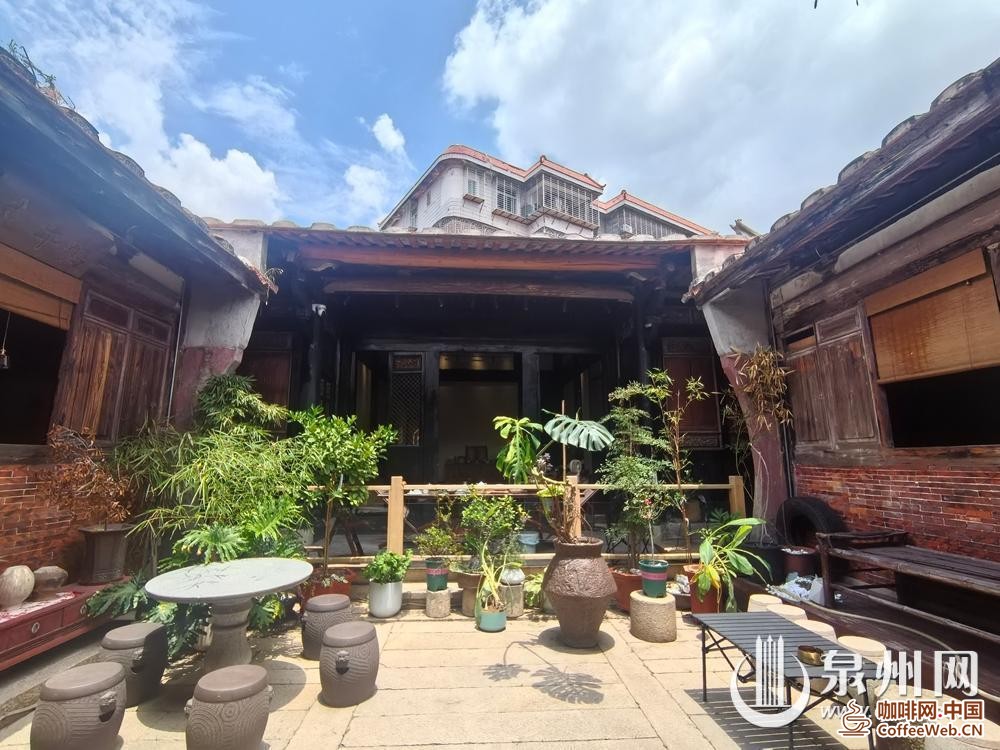
泉州的咖啡业态早已跳出标准化连锁门店的固化框架,图为古厝改造成的咖啡馆。
短短数年间,泉州的咖啡业态早已跳出标准化连锁门店的固化框架,完成一场全方位的革新。从承载咖啡的空间载体,到别具巧思的容器器物;从饮品外观样式,到风味食材配方,闽南古韵与新潮创意持续碰撞交融。
漫步泉州老城纵横交错的石板街巷,一座座沉睡多年的老建筑,在袅袅咖啡香气之中重焕生机。无数青年创业者扎根古城,探索历史建筑活化利用的全新路径,红砖古厝、废弃厂房、南洋骑楼、老旧石屋,纷纷转型为兼具休闲美学、文化展览、社交功能的特色咖啡馆。
以巴浪鱼咖啡为代表的本土品牌,正成为这种跨界融合的生动缩影。它们不再单纯追逐流量,而是尝试打破商业边界,通过在古城宫庙策划艺术展览、举办人文沙龙,引导市民与游客在街巷中完成一场从味觉休闲到文化体验的完整漫游。
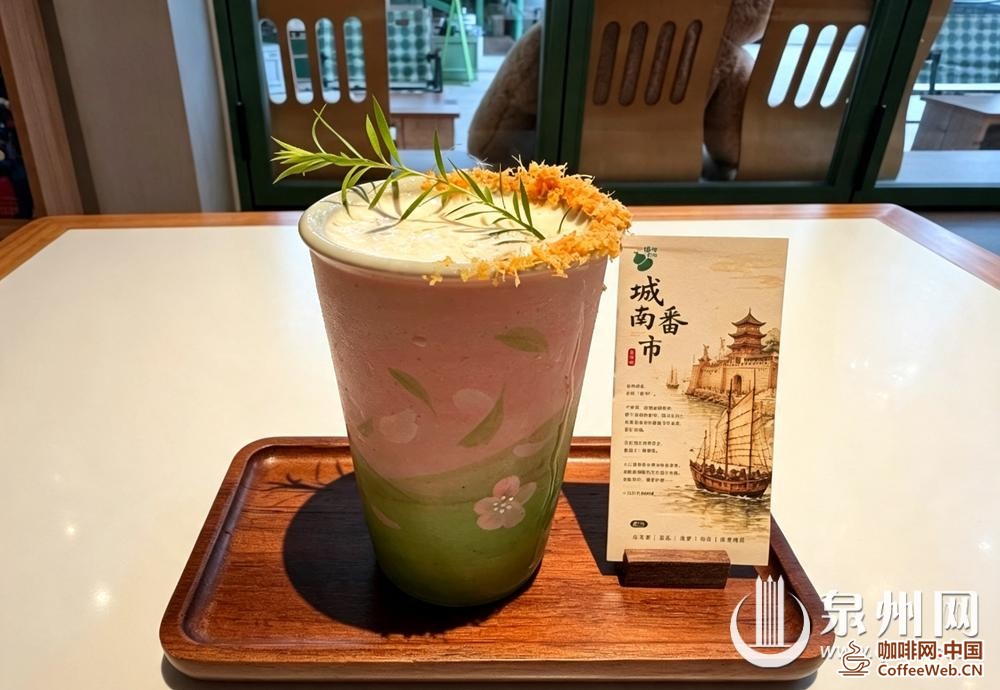
城南元素咖啡
咖啡不再仅仅是一杯简单的饮品,它是串联古城历史与当代生活的文化纽带,是外地游客读懂泉州的一扇温柔窗口,更是本地人安放松弛情绪、交流思想灵感的精神自留地。承天巷一带,咖啡馆与独立书店共生,定期举办读书会、影像分享会、人文沙龙;城南片区等地的咖啡店则持续联动本土创作者,让艺术、咖啡与古城街巷相互赋能。街巷之中,山海之间,咖啡门店与文创商店、古厝民宿、特色小吃店形成成熟的业态集群,逛古城、品咖啡、看展览、淘文创,一站式文旅体验日趋完善。如今,遍布街巷的咖啡馆,如同一个个微小的文化驿站,将厚重的世遗文脉、鲜活的市井烟火、新潮的青年文化交织在一起。人们坐在古厝庭院、临海露台、山林小店,捧起一杯咖啡,眺望东西塔、洛阳桥、万顷碧海,在香气氤氲中,感受泉州独有的、新旧共生的城市气质。
文旅融合浪潮之下,咖啡持续赋能城市高质量发展。在古城,咖啡馆盘活大量闲置古厝,推动历史建筑保护性活化利用;在乡镇,乡村咖啡馆激活乡村旅游,吸引游客走进山野村落;各类咖啡节、咖啡市集拉动街区人气,带动餐饮、旅拍、文创多元消费增长。一杯小小的咖啡,撬动文旅新业态蓬勃发展,成为拉动消费、活化老街巷、传播城市形象的重要抓手。一杯小小的咖啡,承载着古城有机更新的生动实践、青年创业者滚烫的理想、在地文化持续创新探索的无限可能,成为泉州城市文化传播的重要载体,为世遗古城源源不断注入青春活力。
千年之前,这里帆影云集,是“市井十洲人”的国际商港,世界各地商品、思想、文化在此交汇;千年之后,源自海外的咖啡文化,再度与闽南本土文脉相逢。开放包容,始终流淌在泉州城市血脉之中。咖啡所承载的自由、多元、松弛的生活理念,与泉州自古以来兼容并蓄的城市品格共鸣。
以咖啡文化为载体点亮景观、风物和年轻人,泉州——
一杯咖啡里的城市活力
□融媒体记者 魏婧琳/文 受访者/供图
近期落幕的泉州古城咖啡艺术周汇聚全球精品咖啡品牌、国际专业赛事、非遗互动体验与音乐演出等多元业态,打造兼具国际视野与古城特色的世遗泉州核心区时尚消费场,进一步推动青年人才集聚、咖啡产业交流和文商旅融合发展。咖啡艺术周多个热点词条霸榜抖音榜单前五,仅抖音平台曝光量超1700万,话题声量高涨。一杯小小的咖啡,打造出泉州的文艺新名片。
回溯宋元时期,泉州是“市井十洲人”的国际大港,异域物产、多元文明在此交汇碰撞;千年之后,源自海外的咖啡,再度在这座包容开放的城市,与世代传承的闽南文化相逢。而今奔赴古城寻味咖啡的,有怀揣梦想的青年创业者、奔赴山海的游客、热爱生活的本地市民。
在城在乡
“咖啡+”激活跨界玩法
泉州人王小莹,在外闯荡十余载,长期在上海打拼,亲历大都市蓬勃多元的咖啡生态,前后开了十多家咖啡店。心底割舍不断的乡土情怀,最终牵引他重返泉州。他扎根泉州中心市区后城,打造HOU咖啡。在古厝修缮改造全过程中,王小莹坚持最大程度保留老宅原始肌理,不随意破坏原有墙体、木构雕花、旧式地砖与庭院老树。历经修缮之后,沉寂已久的古厝不再闲置冷清,而是引入咖啡、简餐与文创,蜕变为复合型文化空间。往来游客落座古厝厅堂,一边品尝咖啡,一边感受西街千年烟火。古建保护与商业活化在此寻找到完美平衡点,百年古厝持续焕发新生。
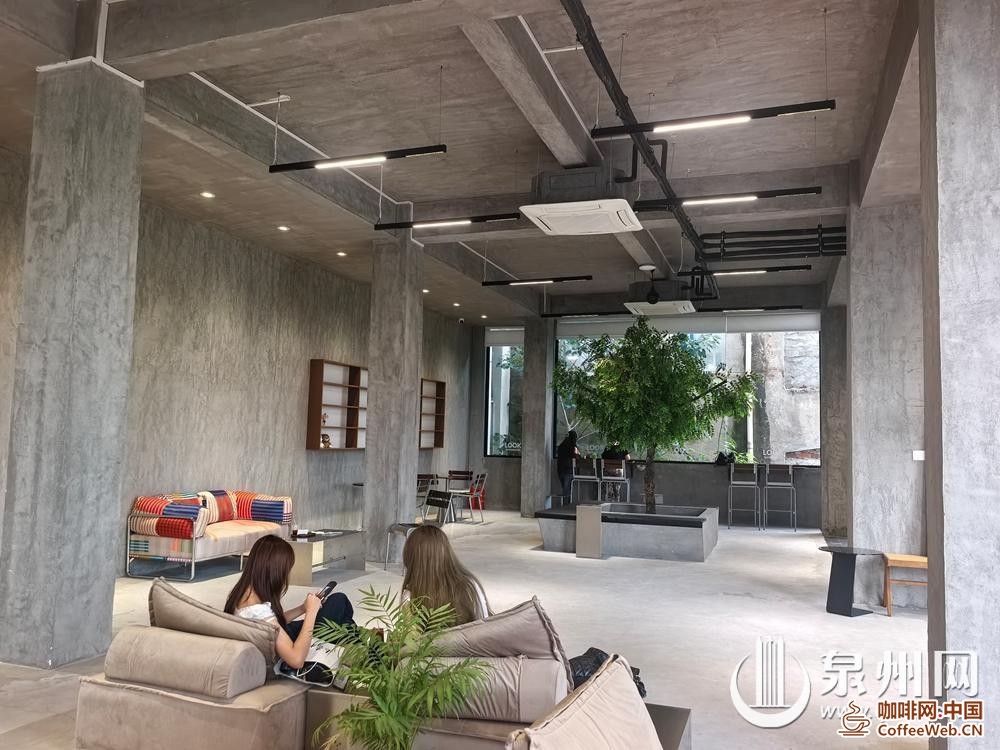
工厂改造而成的咖啡馆空间开阔,带来新体验。
如果说古厝咖啡馆延续闽南民居文脉,那么旧厂房改造咖啡馆,则赋予工业遗存全新生命力。指挥巷南向咖啡馆,由泉籍艺术家吴达新主持改造。这一栋历经岁月变迁的石头老建筑,褪去旧日厂房的工业记忆,被重新规划为上下两层空间:一楼提供咖啡,供市民游客静坐休闲;二楼打造专业艺术展厅,不定期展出绘画、装置艺术等当代作品。日常烟火与先锋艺术在此奇妙碰撞,老街巷新增一处文艺地标,老旧工业建筑完成华丽的文化转身。
泉州咖啡版图不只局限于古城核心街巷,沿着山麓、湖畔、海岸、乡野、天台向外持续延伸,山海之间,处处皆有咖香。清源山脚下,录可咖啡新近开门迎客。主理人Gina(吉娜,音译)拥有多年服装行业从业经历。怀揣对美学的共同追求,她和伙伴一同打造这座隐匿在山脚下的咖啡馆。简约雅致的空间设计,搭配窗外山林景致,新店迅速走红社交平台,成为年轻人逃离城市喧嚣、打卡休憩的热门目的地。仙公山山间咖啡馆隐匿山林,如同世外桃源,登高品咖,尽享清幽。西湖公园内的森系咖啡馆被草木环抱,推窗即是湖光绿意,营造都市里难得的静谧秘境。
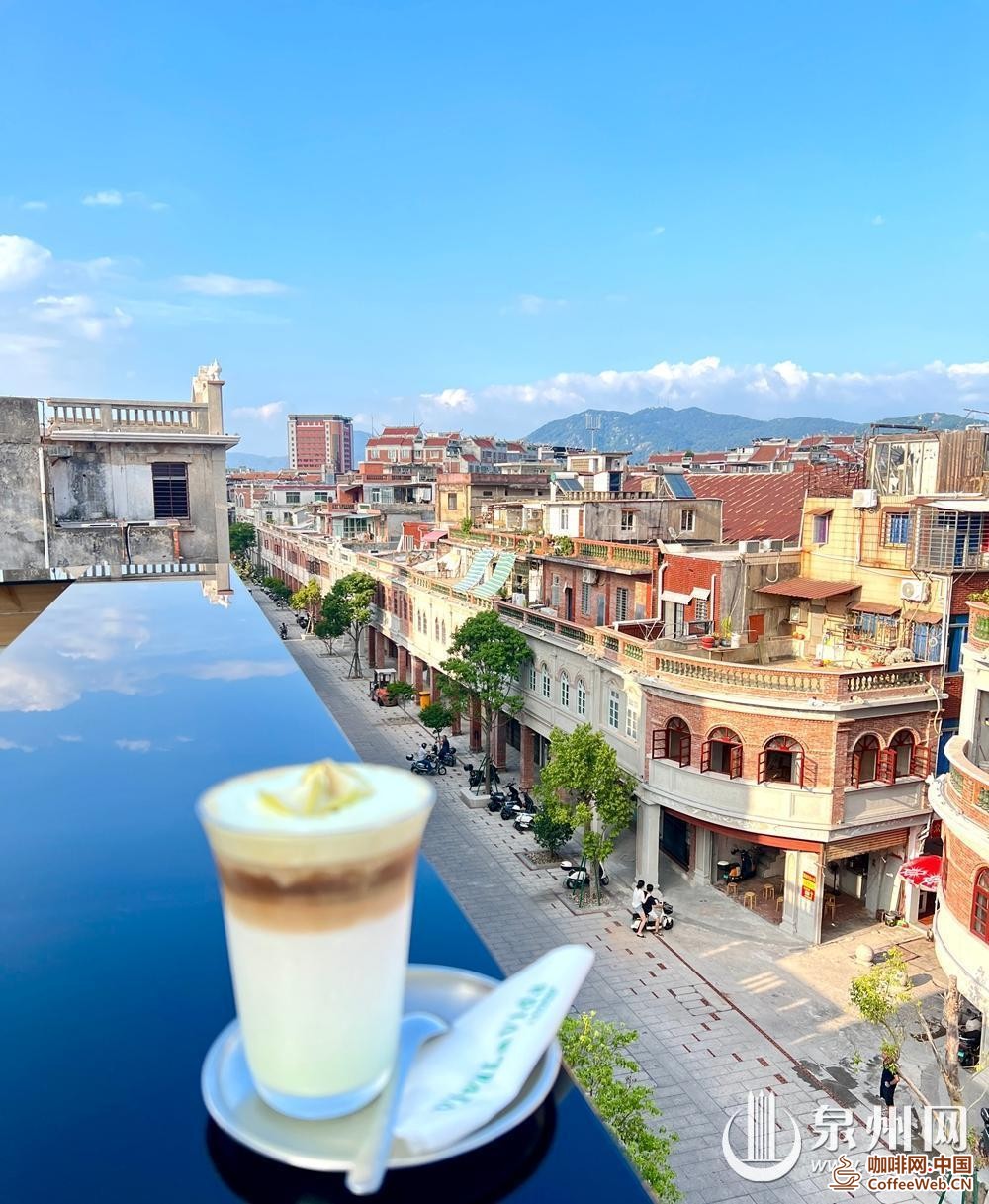
天台咖啡馆俯瞰古城老街
而藏匿于老城楼宇之间的天台咖啡馆更是独具特色,抬眼便能望见开元寺东西塔,或是中山路连绵骑楼,古城全景铺展眼前,成为观赏城市风貌的绝佳观景台。
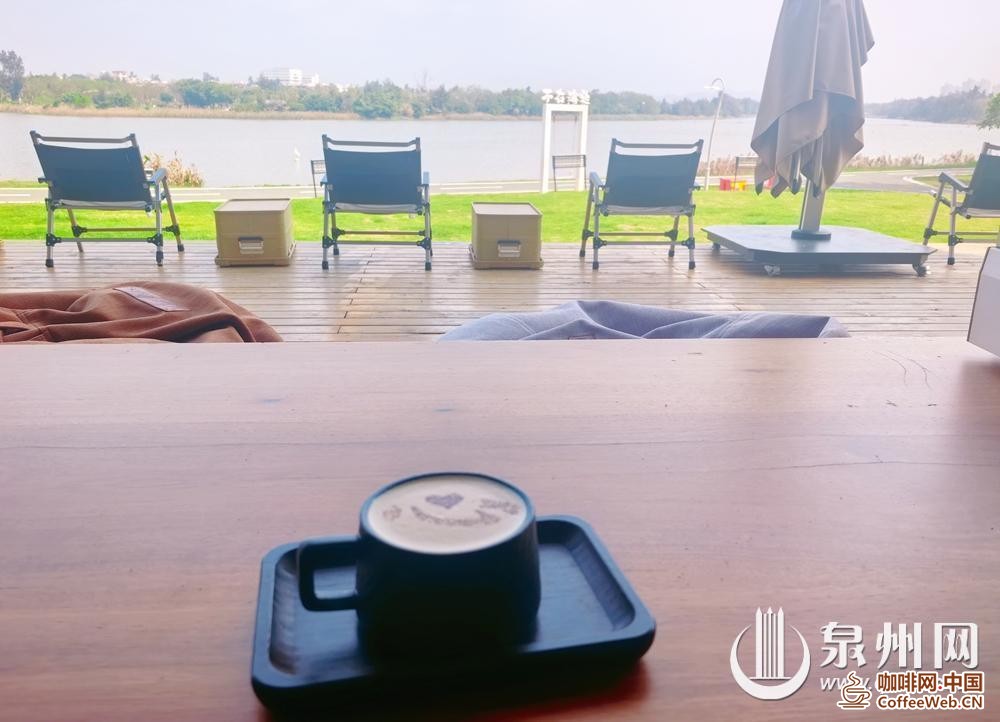
临水的咖啡店将湖景尽收眼底
向山向海。洛阳桥头,移动自行车咖啡随风走红,简单的小车承载咖啡梦想,来往行人驻足买一杯咖啡,眺望洛阳桥千年石堤。台商区古渡咖啡临海而立,辽阔海景尽收眼底,凭海临风喝咖啡,山海诗意扑面而来。在德化乡村,咖啡馆悄然兴起,“村咖”热潮席卷瓷都,城里人驱车奔赴乡野,在乡土风光里感受慢悠悠的田园生活。
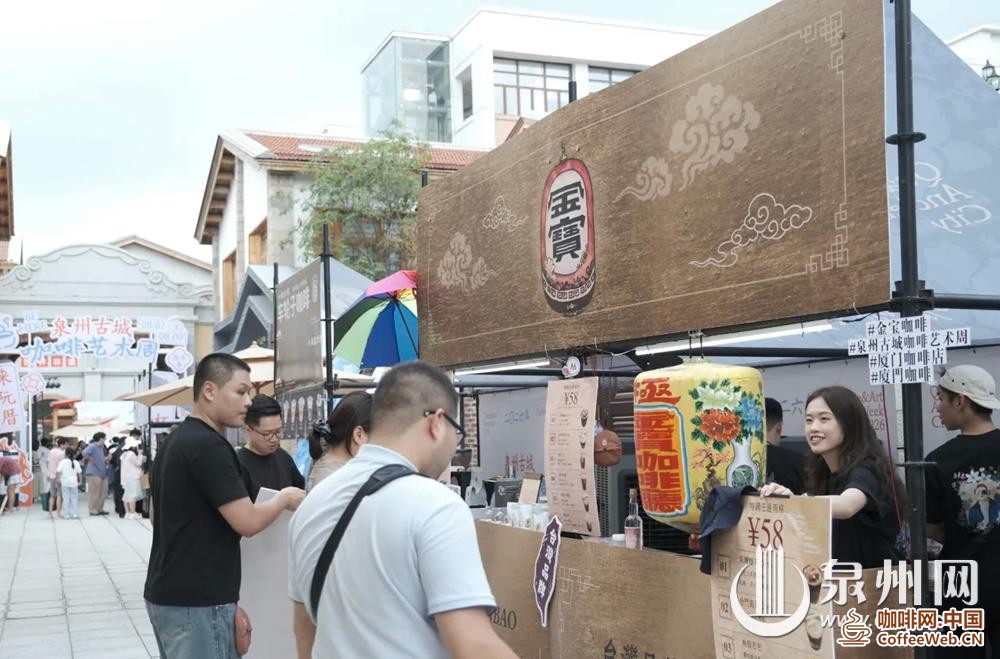
咖啡周活动现场
多元丰富的咖啡空间,串联起泉州从古城到乡野、从山野到海岸的完整文旅脉络。与此同时,城市咖啡文化活动轮番登场。泉州古城咖啡艺术周8月上旬启幕,市集沙龙、冲煮赛事、城市漫游轮番上演。咖啡车穿过古城的街巷,从承天寺到钟楼、从府文庙到天后宫,偶遇即是幸运。杯测桌上,来自巴拿马翡翠庄园的瑰夏一字排开,从埃塞新产季到巴拿马新产季,香气在红砖厝下弥漫。市民陈小姐是一名咖啡爱好者,她说:“泉州越来越有文艺气息,咖啡店越来越多,举办各种各样的咖啡节,一杯小小的咖啡,折射出古城满满的发展活力。”不仅是消费者的感叹,在咖啡周的摊位上,各位主理人以咖为媒,交流创意,碰撞灵感。他们纷纷表示,未来希望能有机会在古城开设精品咖啡店,在老街巷里闯出一片新天地。
此前,丰泽咖啡节、晋江五店市咖啡艺术节相继举办,汇聚全国各地优质咖啡品牌,吸引海量市民游客参与。一场场咖啡盛会,持续放大泉州咖啡影响力,让咖啡文化深度融入城市日常肌理。
本土创新
咖啡风味迎来闽南特调
空间版图不断拓展的同时,泉州咖啡在食材与风味层面大胆突破创新。扎根世界美食之都丰厚的饮食土壤,本土咖啡主理人不断挖掘闽南特色风物,将代代相传的古早食材与现代咖啡工艺巧妙融合,孵化出多款创意特调,让一杯咖啡盛满鲜活浓郁的泉州味道。
惠安县推出的“惠女薯咖”令人耳目一新。依托惠安涂寨本地优质地瓜资源,烤至软糯香甜的地瓜泥与浓缩咖啡相互交融,温润绵长的薯香柔和中和咖啡的微苦,乡土农产变身潮流饮品,为乡村农文旅融合发展开辟全新思路。
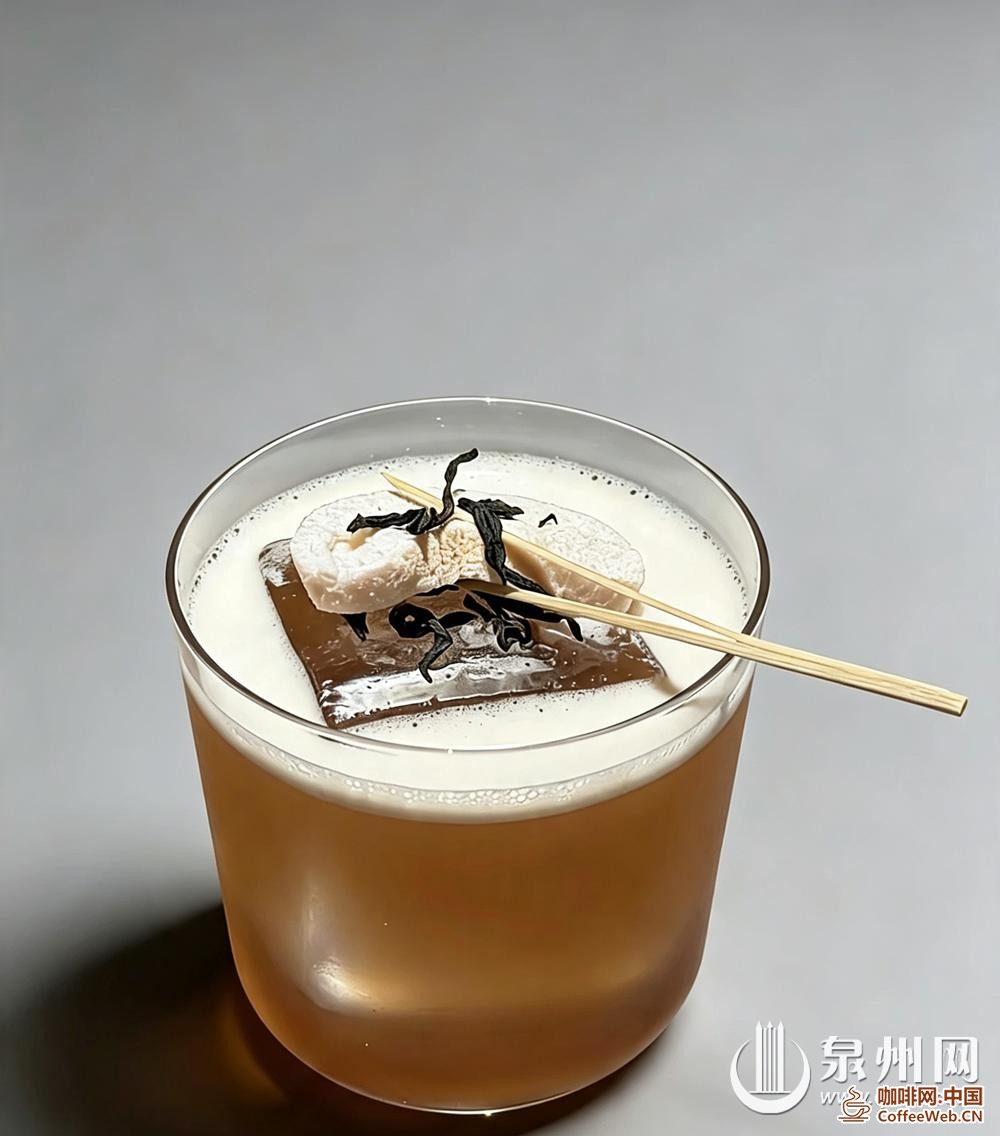
铁观音咖啡自带本土风味
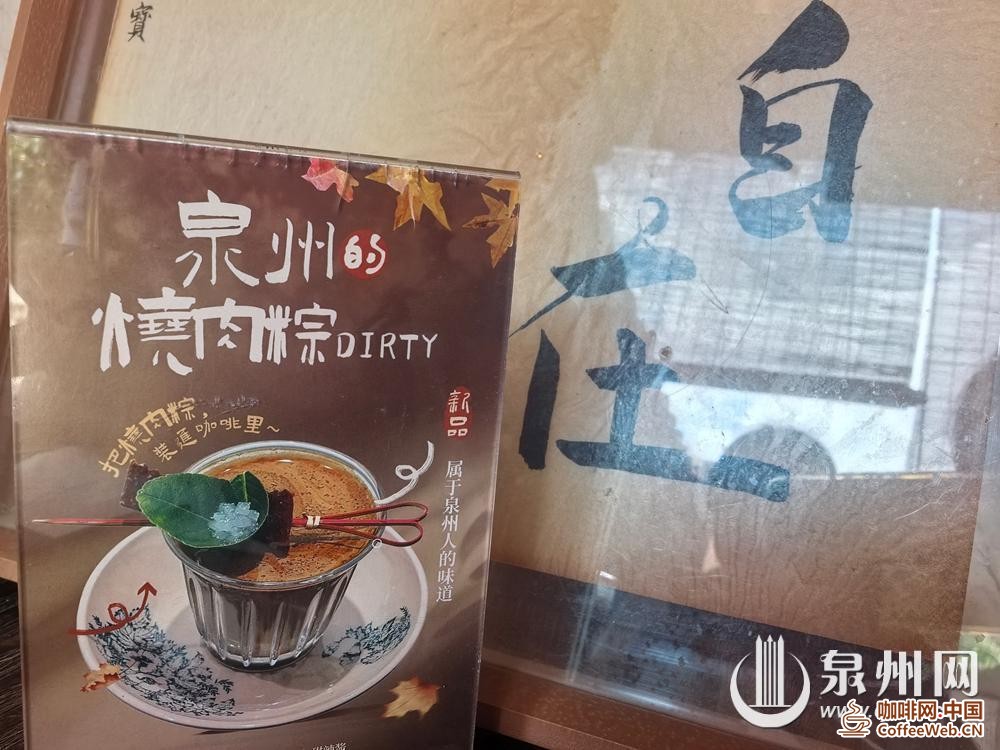
烧肉粽咖啡别出心裁
在地特色创意远远不止于此,石花膏咖啡把泉州人夏日最爱的石花膏融入拿铁,Q弹爽滑的石花膏搭配丝滑奶咖,一口同时尝到大海馈赠的清凉;铁观音咖啡萃取安溪铁观音清雅茶香,茶香与咖啡香层层交织,尽显闽南千年茶韵;更有烧肉粽咖啡、润饼菜咖啡打破了常规的饮品搭配,把泉州餐桌经典古早风味搬进咖啡杯,传统饮食文化与外来咖啡文化碰撞出奇妙火花。
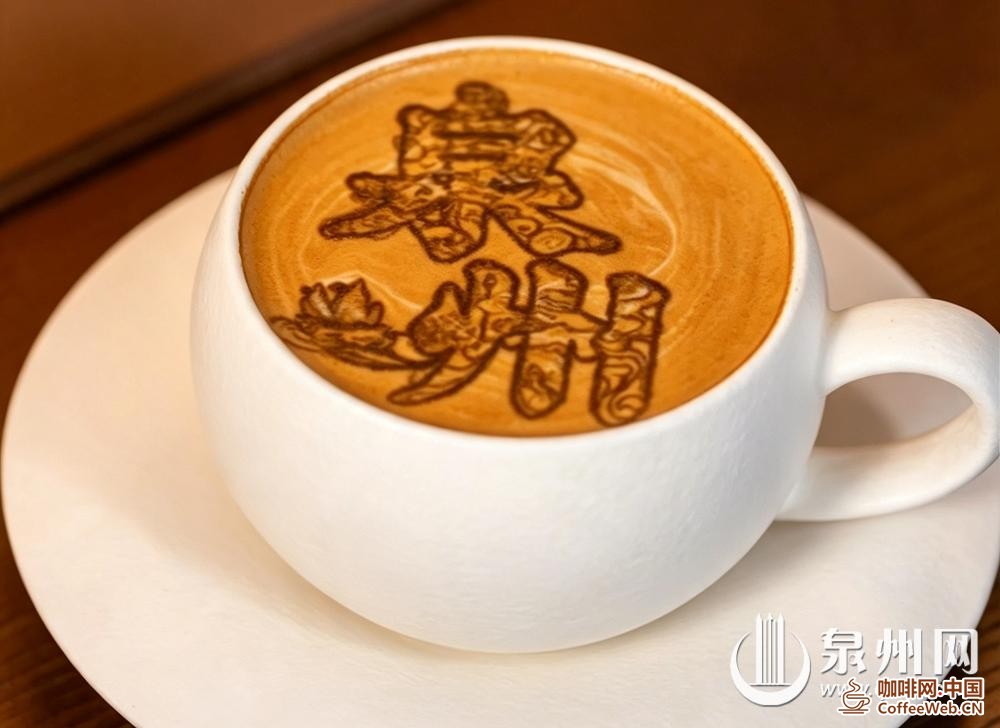
“字里藏城”,“泉州”二字呈现在奶泡之上。
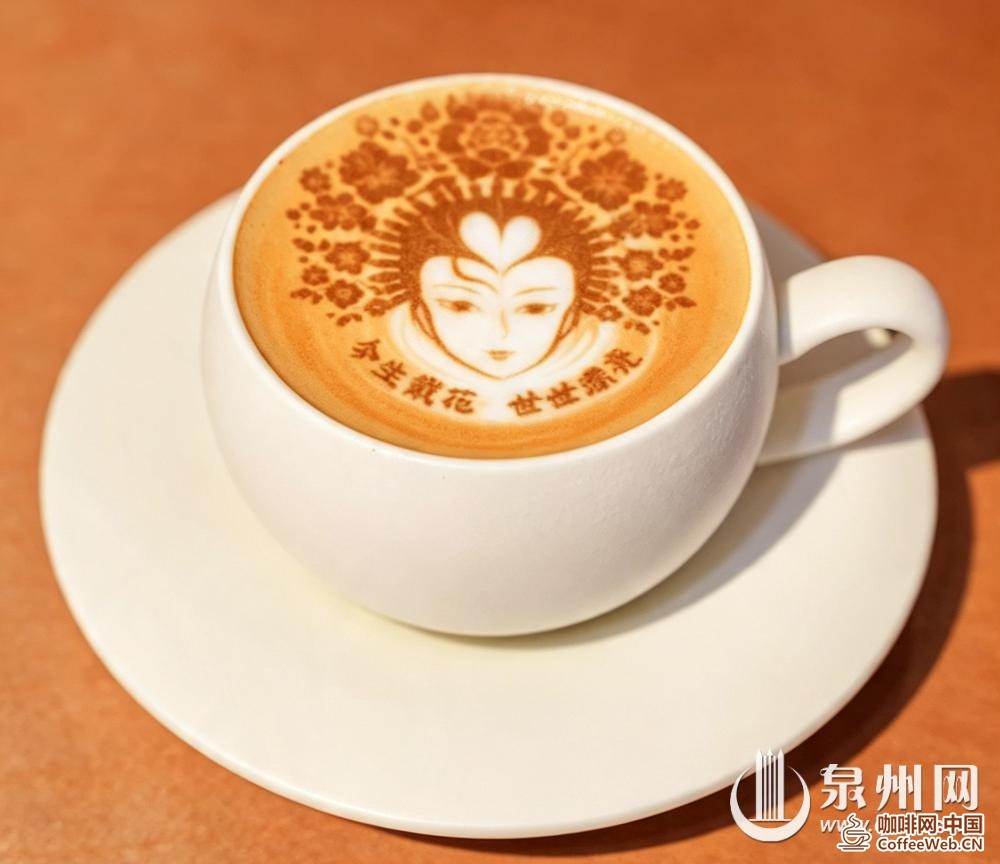
簪花元素入咖
令人欣喜的是,一个小小的咖啡杯,成为在地文化创意展示的灵动画布。也宋咖啡店以泉州城市文化为灵感,打造系列诗意拉花咖啡。“字里藏城”将“泉州”二字细腻呈现在奶泡之上,纹样之中暗藏古厝、福船剪影,一杯咖啡盛满刺桐文脉;“簪花入咖”取材蟳埔簪花围非遗文化,簪花女头像繁花环绕,蟳埔渔家风情定格于咖啡表面。除此之外,刺桐花、东西塔、钟楼等城市标志性元素,纷纷化作精致咖啡拉花图案。
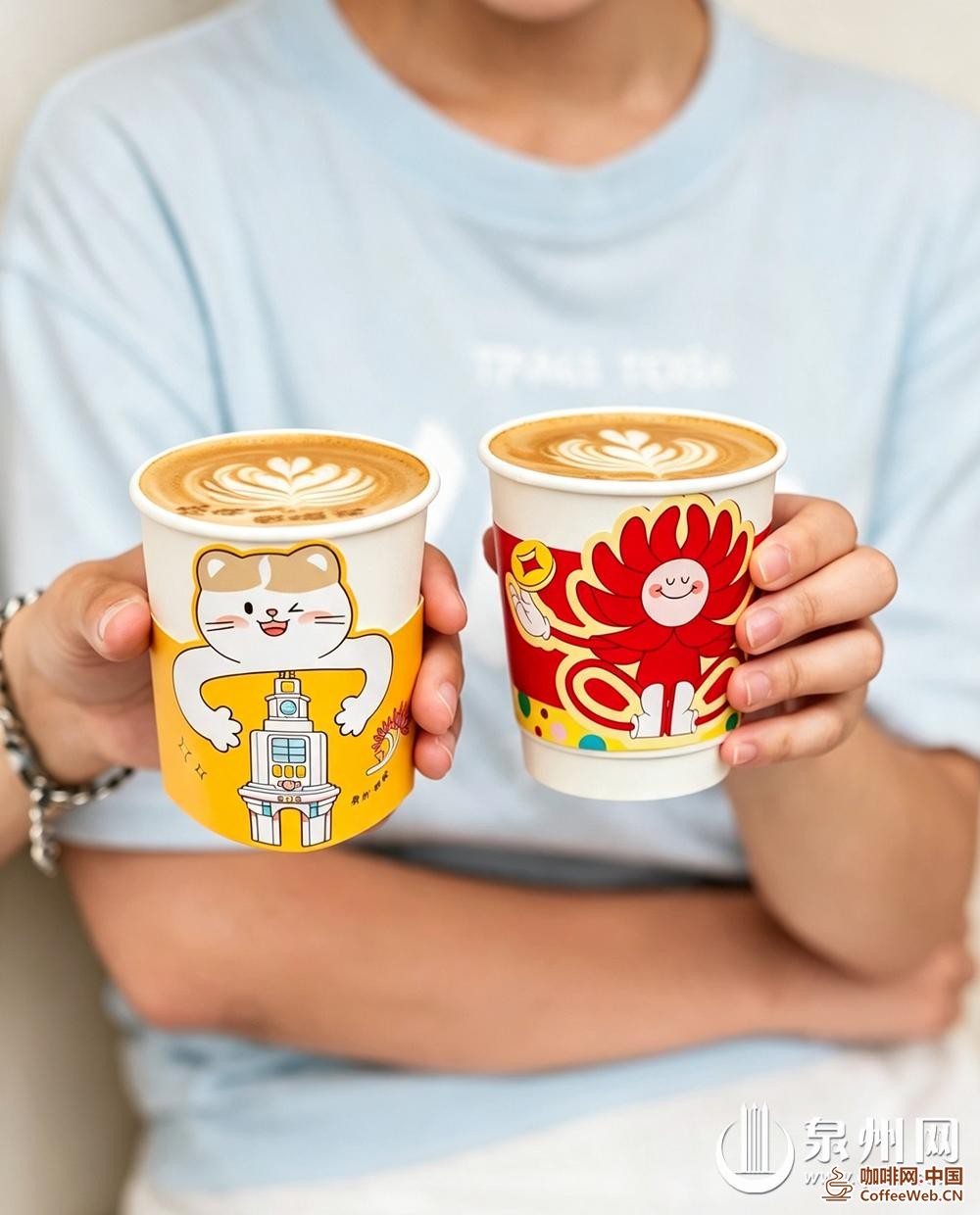
“刺桐花”咖啡
不只饮品本身,容器、周边设计同样镌刻泉州印记。特色文创纸杯印上钟楼、东西塔卡通形象,萌趣小猫、刺桐花IP跃然杯身;饮品搭配竹签装饰、闽南特色点心,每一处细节都传递城市气质。当游客手捧一杯印有泉州元素的特调咖啡行走古城,流动的咖啡,就成为一张鲜活生动的城市名片。
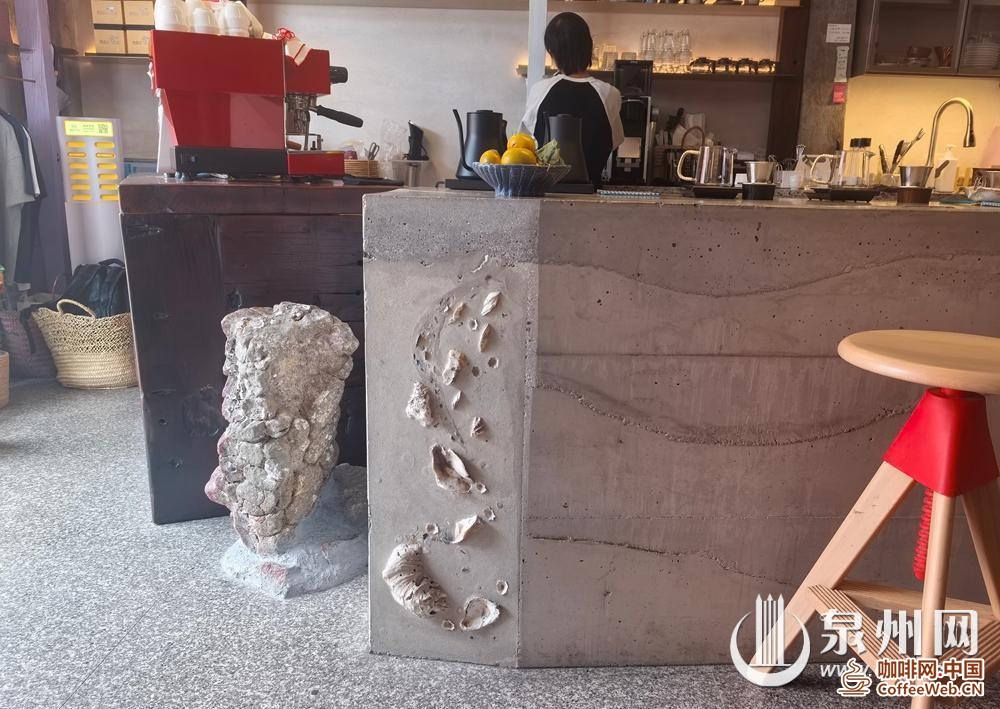
咖啡馆环境融入蚝壳等海洋元素
从单一传统意式咖啡,到百花齐放的闽南创意特调,泉州咖啡完成风味的本土化深刻转型。它不再是纯粹外来的饮品符号,而是充分吸纳闽南饮食文化养分,生长出属于刺桐古城的独特风味体系。古今交融、山海共生的城市气质,尽数浓缩于一杯咖啡之中。
青春经济
咖啡连接起年轻人“产消”端
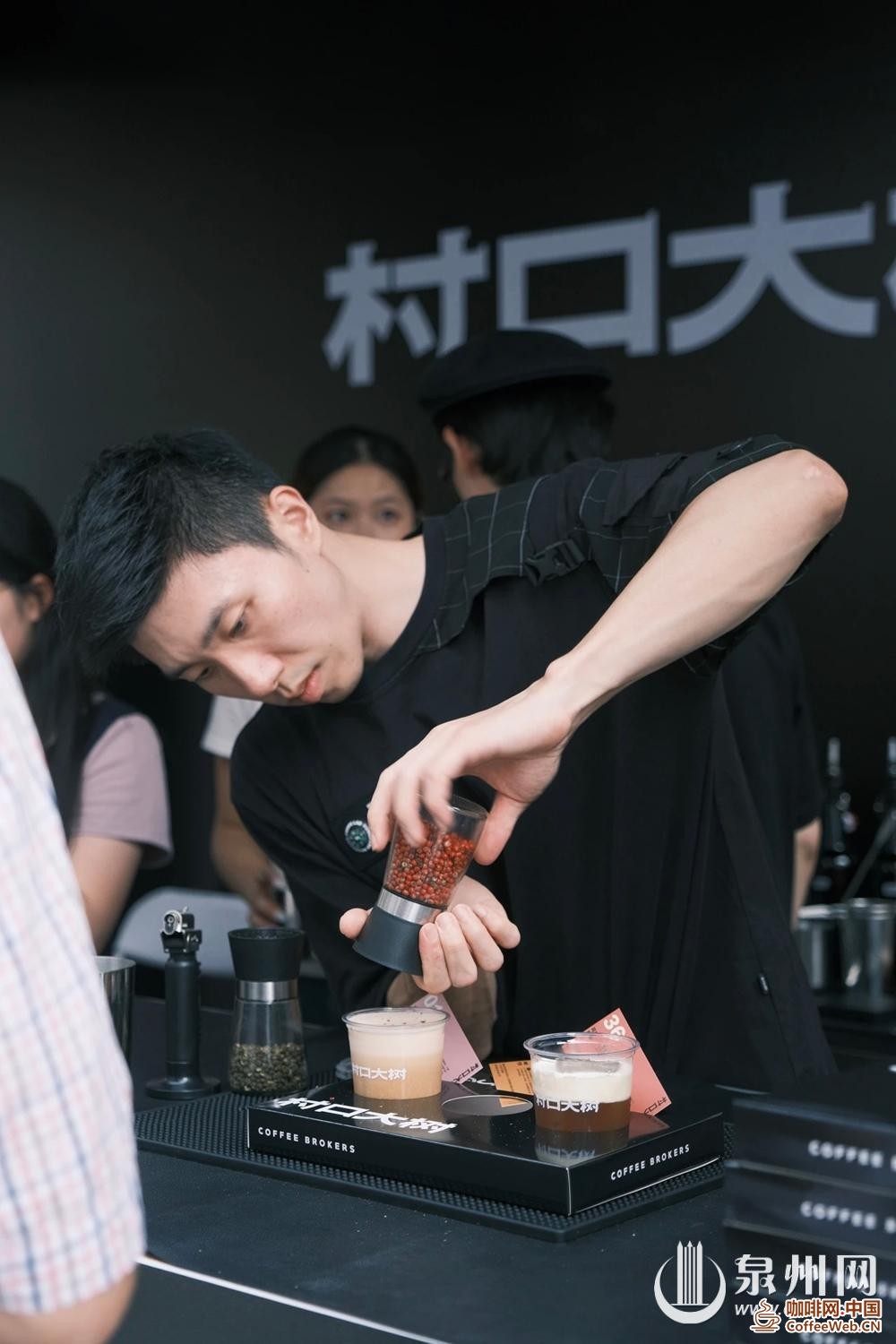
咖啡产业蓬勃发展的背后,是青年群体源源不断的创造力。
咖啡产业蓬勃发展的背后,是青年群体源源不断的创造力和消费力。大量在外求学、工作的泉州年轻人选择返乡创业,还有不少外地青年奔赴泉州扎根开店。他们热爱古城厚重底蕴,善于捕捉潮流趋势,以咖啡为载体,深入挖掘城市文化,持续产出创新内容。年轻人带来新审美、新理念,与泉州厚重的传统文化相互激荡,让千年古城始终保持鲜活生命力,同时也吸引年轻消费者在咖啡的复合型消费场景中,对泉州产生更多文化和审美认同。
在众多外来咖啡创业者中,“85后”四川姑娘张女士有着多年扎实的行业积淀。她在成都深耕咖啡行业二十二年,熟悉精品咖啡制作工艺,也积累了丰富的门店运营经验。因为家人定居泉州,她选择离开熟悉的成都市场,来到泉州开启新的创业之路。最终,她选址中骏世界城周边,开设了一家精品咖啡店。依托多年行业经验,张女士在传统咖啡基础上,融入四川饮品的口味特色,研发出多款川式风味特调咖啡。不同于本地常见的闽南风创意咖啡,她的产品口感清爽、风味独特,带来了不一样的味觉体验。门店开业以来,凭借稳定的出品质量和新颖的风味特色,收获不少市民和年轻消费者的认可,商圈周边上班族、逛街游客常常上门打卡,外来风味慢慢融入本地市场。
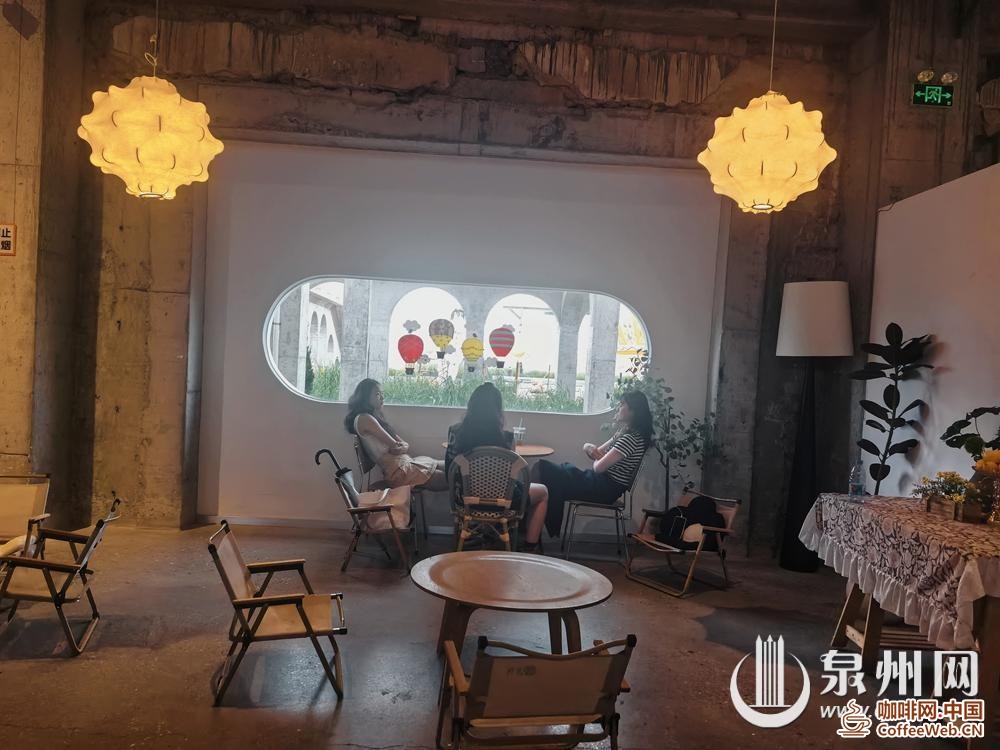
咖啡馆成为年轻人小聚首选的空间
城市咖啡业态的蓬勃发展,也吸引了外籍创业者扎根泉州。在丰泽建筑产业园,来自印度的青年Max(马克斯,音译)开设了一家日咖夜酒的融合餐厅,将咖啡文化与休闲夜经济相结合。在他看来,咖啡是一座城市氛围的重要组成部分。他坦言,一座有活力的城市不能没有咖啡,一家餐厅融入咖啡业态,整体氛围会更加文艺、松弛,也能更好贴合年轻人的消费习惯。白天,门店以精品咖啡、简餐为主,服务园区上班族和周边市民。夜幕降临后,门店切换休闲夜酒模式,打造轻松的社交空间。一家店两种业态,既丰富了产业园的商业配套,也为泉州年轻群体提供了新的休闲选择,为城区咖啡休闲业态增添了国际化、多元化的新鲜活力。
泉州不少低成本、有烟火气的老街巷,也成为年轻咖啡创业者的聚集地。侨乡小商品街租金亲民、街巷氛围安静,适合小成本创业,吸引了一大批青年扎堆开设小众咖啡店。青年创业者尤长富开设的海狸咖啡,就扎根在这条街巷里。门店开业至今已有近一年时间,没有刻意打造网红流量模式,而是以踏实经营、真诚服务留住客人。日常经营之余,尤长富坚持每天在公众号更新开店日常、工作点滴和生活感悟,记录小店的成长与街巷的烟火日常。朴实真诚的文字、安静治愈的小店氛围,慢慢积累了良好口碑,许多游客看到推文后慕名前来打卡,在老街小巷里感受不一样的泉州咖香。
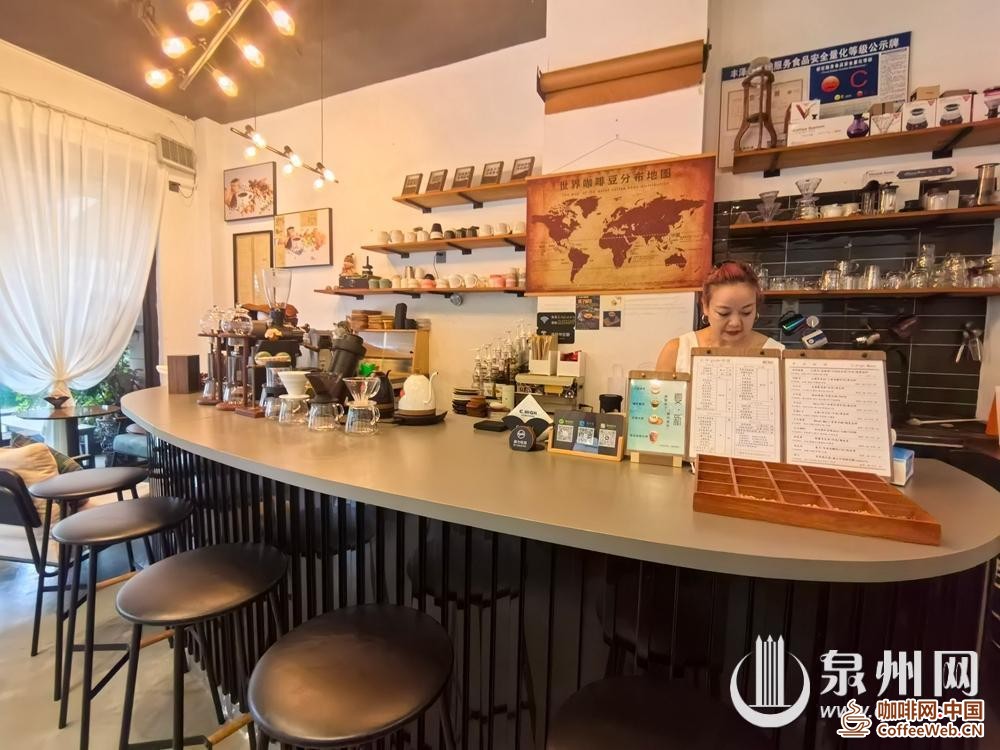
精品咖啡馆
不仅是定格街巷烟火,还有将在地文化与艺术深度融合的进阶探索。本土品牌巴浪鱼咖啡的主理人阿梅,将船木家具、渔获浮漂等海丝记忆搬进店里。她还将分店开到天后宫旁,并在城南黄帝宫策划艺术展览。许多人逛完老街喝杯咖啡,顺路走进宫庙看展,完成了一场文化漫游。
在蓬勃发展之际,泉州咖啡迎来充分认可,也面临着行业审视。WCBC·世界咖啡拼豆师大赛赛事发起人吴杨表示:“泉州不仅拥有深厚的历史文化资源,更具备发展精品咖啡产业和主理人经济的天然优势。”中国咖啡冲煮大赛泉州冠军陈思意则表示,古城咖啡周的开启,让他真切感受到一座城市对青年人才、新消费业态和主理人经济的积极探索与开放姿态。不过他也坦言,当前行业仍存在良莠不齐、同质化严重等隐忧。他期待未来的泉州,能以咖啡为载体,推动城市产业升级、文化传播与人才集聚同频共振,真正成为一座有影响力的精品咖啡之城。
记者手记
咖香里的刺桐密码
从最初零星几家独立咖啡馆,到如今遍布古城、山海、乡野的广阔咖啡版图;从简单复刻标准化咖啡风味,到深度融合闽南风物、世遗文化打造专属特调;从单纯的休闲消费场所,到集休闲社交、艺术展览、文化交流于一体的复合文化空间,泉州咖啡一路生长、不断蜕变。这背后,是泉州这座城市千百年来的包容并蓄,千百年来的多元创新。
红砖古厝飘出绵长咖啡香气,非遗簪花、福船刺桐元素在奶泡之上徐徐绽放,古早地瓜、石花膏、铁观音等闽南风物与咖啡豆奇妙相逢。咖啡为泉州搭建起传统与现代对话的桥梁。游客捧着咖啡漫步古城,在袅袅香气中读懂泉州烟火;市民寻一间心仪咖啡馆,安放日常的松弛与诗意。
当越来越多青年创业者扎根古城,持续挖掘在地文化、打造美学空间,这场属于泉州的咖啡变奏仍将继续。期待更多创意在此萌发,更多青年在此追梦,让千年世遗泉州,永远兼具古韵风华与鲜活新潮,在一杯永续飘香的咖啡里,向广阔世界讲述刺桐故事。(魏婧琳)
Integrating Chinese and Western flavors, innovating scene formats, coffee shops become a new carrier of urban culture——
Quanzhou Coffee Variations
Quanzhou Net, August 21st (Xinhua reporter Wei Jinglin/Wen interviewee/photo provided) Coffee has always been a footnote to a city's distinctive artistic temperament. With the continuous release of the Quanzhou World Heritage City dividend, the "World Food Capital" city card continues to shine, the cultural and tourism industry is thriving, and young people continue to flock to the ancient city. The foreign coffee culture is rooted in the fertile soil of the Chinese parasol tree, constantly growing, transforming, and innovating. When the rich and fragrant aroma of coffee lingers between ancient alleys, arcades, mountains, seas, and rural areas, a flavor variation that spans ancient and modern times and blends Chinese and Western flavors is slowly playing in Quanzhou.
The coffee industry in Quanzhou has long broken away from the rigid framework of standardized chain stores. The picture shows a coffee shop transformed from an ancient house.
In just a few years, the coffee industry in Quanzhou has already broken free from the rigid framework of standardized chain stores and completed a comprehensive reform. From the spatial carrier that carries coffee to the ingenious containers and utensils; From the appearance style of the beverage to the flavor and ingredient formula, the collision and fusion of Minnan ancient charm and trendy creativity continue.
Strolling through the criss crossing stone streets and alleys of Quanzhou's old city, old buildings that have been dormant for many years are revitalized in the lingering aroma of coffee. Countless young entrepreneurs have rooted themselves in the ancient city, exploring new paths for revitalizing and utilizing historical buildings. Red brick houses, abandoned factories, Nanyang arcades, and old stone houses have all transformed into characteristic cafes that combine leisure aesthetics, cultural exhibitions, and social functions.
Local brands represented by Barangfish coffee are becoming a vivid epitome of this cross-border integration. They no longer simply chase traffic, but attempt to break commercial boundaries by planning art exhibitions and hosting cultural salons in ancient city temples, guiding citizens and tourists to complete a complete journey from taste leisure to cultural experience in the streets and alleys.
South City Element Coffee
Coffee is no longer just a simple drink, it is a cultural bond that connects the history of ancient cities with contemporary life, a gentle window for tourists from other places to understand Quanzhou, and a spiritual sanctuary for locals to relax and exchange ideas and inspirations. In the Chengtian Lane area, cafes and independent bookstores coexist, regularly holding book clubs, video sharing events, and cultural salons; Coffee shops in the southern part of the city and other places continue to link with local creators, enabling art, coffee and the streets of the ancient city. In the streets and alleys, between mountains and seas, coffee shops, cultural and creative shops, ancient homestays, and specialty snack shops form a mature business cluster. Strolling through ancient cities, tasting coffee, visiting exhibitions, and exploring cultural and creative industries, the one-stop cultural and tourism experience is becoming increasingly perfect. Nowadays, coffee shops scattered throughout the streets and alleys are like tiny cultural stations, interweaving the rich cultural heritage, vibrant streetwear, and trendy youth culture. People sit in ancient courtyards, seaside terraces, and small forest shops, holding up a cup of coffee, gazing at the East West Pagoda, Luoyang Bridge, and the vast blue sea. In the fragrance, they feel the unique urban temperament of Quanzhou, where old and new coexist.
Under the wave of cultural and tourism integration, coffee continues to empower high-quality urban development. In the ancient city, cafes revitalize a large number of idle ancient houses and promote the conservation and revitalization of historical buildings; In towns and villages, rural cafes activate rural tourism and attract tourists to enter mountainous villages; Various coffee festivals and markets boost the popularity of the neighborhood, driving diversified consumption growth in catering, travel photography, and cultural and creative industries. A small cup of coffee can stimulate the flourishing development of new cultural and tourism industries, becoming an important lever to drive consumption, revitalize old streets and alleys, and spread the image of the city. A small cup of coffee carries the vivid practice of organic renewal of the ancient city, the hot ideals of young entrepreneurs, and the infinite possibilities of continuous innovation and exploration of local culture. It has become an important carrier for the dissemination of Quanzhou's urban culture and continuously injects youthful vitality into the world heritage ancient city.
A thousand years ago, this place was a gathering place for sailboats and shadows, serving as an international commercial port for people from all over the world, where goods, ideas, and cultures converged; A thousand years later, the coffee culture originating from overseas meets again with the local cultural context of southern Fujian. Openness and inclusiveness have always flowed in the blood of Quanzhou city. The concept of freedom, diversity, and relaxation carried by coffee resonates with the inclusive urban character of Quanzhou since ancient times.
Using coffee culture as a carrier to illuminate the landscape, scenery, and young people, Quanzhou——
The vitality of the city in a cup of coffee
□ Integrated media reporter Wei Jinglin/Interviewee/Image provided
The recently concluded Quanzhou Ancient City Coffee Art Week brings together global boutique coffee brands, international professional events, interactive experiences of intangible cultural heritage, and music performances, creating a fashionable consumption venue in the core area of Quanzhou, a world heritage site that combines international perspectives and ancient city characteristics. It further promotes the gathering of young talents, coffee industry exchanges, and the integration of culture, commerce, and tourism. A number of hot words of Coffee Art Week dominated the top five of Tiktok's list. Only Tiktok's platform had more than 17 million exposures, and the topic volume was high. A small cup of coffee creates a new cultural and artistic calling card for Quanzhou.
Looking back at the Song and Yuan dynasties, Quanzhou was an international port for the "Ten Continents of the Common Market", where exotic products and diverse civilizations intersected and collided; A thousand years later, coffee originating from overseas meets again with the Minnan culture that has been passed down for generations in this inclusive and open city. Nowadays, there are young entrepreneurs with dreams, tourists heading to mountains and seas, and local citizens who love life heading to the ancient city to search for delicious coffee.
In the city, in the countryside
Activate cross-border gameplay with 'Coffee+'
Wang Xiaoying, a native of Quanzhou, has been wandering outside for more than ten years and has been working hard in Shanghai for a long time. She has experienced the vibrant and diverse coffee ecology of the metropolis and has opened more than ten coffee shops. The constant longing for his hometown in his heart ultimately led him back to Quanzhou. He rooted himself in the downtown area of Quanzhou and created HOU coffee. During the entire process of repairing and renovating the ancient house, Wang Xiaoying insisted on preserving the original texture of the old house to the greatest extent possible, without arbitrarily damaging the original walls, wooden carvings, old-fashioned floor tiles, and old trees in the courtyard. After renovation, the long dormant ancient house is no longer idle and deserted, but has been transformed into a composite cultural space by introducing coffee, light meals, and cultural creativity. Tourists come and go to the ancient house hall, tasting coffee while experiencing the thousand year old fireworks of the West Street. The protection of ancient architecture and commercial revitalization have found a perfect balance here, and century old houses continue to be revitalized.
The coffee shop transformed from a factory has a spacious interior, bringing a new experience.
If the ancient caf é continues the cultural heritage of Minnan dwellings, then the renovation of the old factory building into a caf é gives new vitality to the industrial heritage. Command Lane South facing caf é, renovated under the direction of Quan artist Wu Daxin. This stone old building, which has undergone changes over time, has shed its industrial memories of the old factory buildings and has been re planned as a two-story space: the first floor provides coffee for citizens and tourists to sit and relax; Create a professional art exhibition hall on the second floor, showcasing contemporary works such as paintings and installation art from time to time. Daily fireworks and avant-garde art collide wonderfully here, adding a cultural landmark to the old streets and alleys, and completing a magnificent cultural transformation of old industrial buildings.
The coffee scene in Quanzhou is not limited to the core streets and alleys of the ancient city, but extends continuously along the foothills, lakesides, coasts, countryside, and rooftops. Between mountains and seas, there is a fragrance of coffee everywhere. At the foot of Qingyuan Mountain, Lu Ke Coffee has recently opened its doors to welcome customers. The manager Gina has many years of experience in the clothing industry. With a shared pursuit of aesthetics, she and her partners built this hidden caf é at the foot of the mountain. The simple and elegant space design, combined with the scenery of the mountains and forests outside the window, has quickly become popular on social media platforms, becoming a popular destination for young people to escape the hustle and bustle of the city and take a break. The Xiangong Mountain Caf é is hidden in the mountains and forests, like a paradise on earth. Climbing high and tasting coffee, one can enjoy the tranquility. The forest style caf é in West Lake Park is surrounded by plants and trees, and when you open the window, you will see the lake's green light, creating a rare and peaceful secret in the city.
Tiantai Cafe overlooks the ancient city and old street
The rooftop caf é hidden between the buildings in the old city is even more unique. Looking up, you can see the east and west towers of Kaiyuan Temple, or the continuous arcade on Zhongshan Road, presenting a panoramic view of the ancient city and becoming an excellent observation deck for viewing the city's scenery.
The coffee shop by the water offers a panoramic view of the lake
Towards the mountains and towards the sea. At the bridgehead of Luoyang, mobile bicycle coffee has become popular with the wind. Simple cars carry coffee dreams, and pedestrians stop to buy a cup of coffee, overlooking the millennium stone embankment of Luoyang Bridge. The Gudu Coffee in the Taiwan Business District stands by the sea, with a panoramic view of the vast sea. Drinking coffee by the sea breeze, the poetic atmosphere of mountains and seas is overwhelming. In the rural areas of Dehua, coffee shops are quietly emerging, and the trend of "village cafes" is sweeping across the porcelain capital. City dwellers drive to the countryside to experience the leisurely rural life in the local scenery.
Coffee Week Event Site
The diverse and rich coffee spaces connect Quanzhou's complete cultural and tourism network from ancient cities to rural areas, from mountains to the coast. At the same time, urban coffee culture activities take turns to emerge. The Quanzhou Ancient City Coffee Art Week will kick off in early August, with market salons, brewing competitions, and city tours taking place in rotation. The coffee truck runs through the streets and alleys of the ancient city, from Chengtian Temple to Bell Tower, from Fuwen Temple to Tianhou Palace. Encounter is luck. On the cup testing table, Guixia from the Panama Emerald Estate is lined up in a row, from the new season in Ethiopia to the new season in Panama, and the fragrance permeates under the red brick house. Ms. Chen, a citizen and coffee enthusiast, said, "Quanzhou is becoming more and more artistic, with more and more coffee shops holding various coffee festivals. A small cup of coffee reflects the full development vitality of the ancient city." This is not only the exclamation of consumers, but also the exchange of creativity and inspiration among the organizers at the coffee week stalls. They all said that in the future, they hoped to have the opportunity to open boutique coffee shops in the ancient city and create a Xintiandi in the old streets and alleys.
Previously, the Fengze Coffee Festival and the Jinjiang Wudian Coffee Art Festival were held successively, bringing together high-quality coffee brands from all over the country and attracting a large number of citizens and tourists to participate. A series of coffee events continue to amplify the influence of Quanzhou coffee and deeply integrate coffee culture into the daily fabric of the city.
Local innovation
Coffee flavor welcomes Minnan specialty
As the spatial layout continues to expand, Quanzhou Coffee boldly breaks through and innovates in terms of ingredients and flavors. Rooted in the rich culinary soil of the world's culinary capital, local coffee managers constantly explore the unique charm of southern Fujian, skillfully integrating ancient ingredients passed down from generation to generation with modern coffee techniques, incubating multiple creative special flavors, and filling a cup of coffee with fresh and rich Quanzhou flavors.
The "Huinu Potato Coffee" launched by Huian County is refreshing. Relying on the high-quality local sweet potato resources in Tuzhai, Huian, the soft and sweet sweet sweet potato puree is blended with concentrated coffee. The gentle and long-lasting sweet potato aroma neutralizes the slight bitterness of coffee, transforming local agricultural products into trendy drinks and opening up new ideas for the integrated development of rural agriculture, culture, and tourism.
Tie Guan Yin coffee comes with local flavors
Roasted meat zongzi coffee with unique creativity
The local characteristic creativity is far more than that. Shihua Gao Coffee incorporates the favorite Shihua Gao of Quanzhou people in summer into its latte. The smooth and elastic Shihua Gao is paired with silky milk coffee, allowing you to taste the coolness of the sea at the same time; Anxi Tieguanyin Tea coffee extracts elegant tea fragrance, which is intertwined with coffee fragrance layer by layer, showing the millennium tea charm of southern Fujian; Moreover, roasted meat zongzi coffee and moist pancake vegetable coffee have broken the conventional drink pairing, bringing the classic ancient flavor of Quanzhou dining table into the coffee cup. The collision of traditional food culture and foreign coffee culture has created wonderful sparks.
The characters' hidden city 'and' Quanzhou 'are presented on top of the milk foam.
Hairpin flower element enters coffee
It is gratifying that a small coffee cup has become a dynamic canvas for showcasing local cultural creativity. Yisong Coffee Shop takes inspiration from the urban culture of Quanzhou to create a series of poetic latte art coffees. The phrase 'hidden city in the words' delicately presents the two characters' Quanzhou' on top of the milk foam, with hidden silhouettes of ancient houses and lucky boats in the patterns. A cup of coffee is filled with the cultural context of paulownia trees; The "Hairpin Flower into Coffee" draws inspiration from the intangible cultural heritage of Xianpu Hairpin Flower Garden, where the female head of the Hairpin Flower Garden is surrounded by flowers, capturing the charm of Xianpu fishermen on the surface of the coffee. In addition, iconic urban elements such as paulownia flowers, east and west towers, and bell towers have been transformed into exquisite coffee latte patterns.
Barbecue Flower Coffee
Not only the beverage itself, but also the container and surrounding design are engraved with the Quanzhou mark. Featured cultural and creative paper cups are printed with cartoon images of clock towers and east-west towers, with cute and playful cats and tung blossom IPs popping up on the cup body; Drinks are decorated with bamboo sticks and Dim sum with Minnan characteristics. Every detail conveys the urban temperament. When tourists walk through the ancient city holding a cup of specially brewed coffee with Quanzhou elements, the flowing coffee becomes a vivid and lively city business card.
The coffee shop environment incorporates marine elements such as oyster shells
From a single traditional Italian coffee to a diverse range of Minnan creative specialties, Quanzhou coffee has undergone a profound transformation in flavor localization. It is no longer a purely foreign beverage symbol, but fully absorbs the nutrients of Minnan cuisine culture and grows a unique flavor system belonging to the ancient city of tung trees. The urban temperament of blending ancient and modern, and the coexistence of mountains and seas, is condensed into a cup of coffee.
Youth Economy
Coffee connects the "production and consumption" end of young people
Behind the flourishing development of the coffee industry is the continuous creativity of the youth group.
Behind the booming development of the coffee industry is the continuous creativity and consumption power of the youth group. A large number of young people from Quanzhou who are studying and working abroad choose to return to their hometowns to start businesses, and there are also many young people from other places who go to Quanzhou to take root and open stores. They love the rich heritage of ancient cities, are good at capturing trends, use coffee as a carrier, deeply explore urban culture, and continuously produce innovative content. Young people bring new aesthetics and concepts, which interact with the rich traditional culture of Quanzhou, keeping the millennium old city vibrant and attracting young consumers to develop more cultural and aesthetic identification with Quanzhou in the complex consumption scene of coffee.
Among many foreign coffee entrepreneurs, Ms. Zhang, a Sichuan girl born in 1985, has years of solid industry experience. She has been deeply involved in the coffee industry in Chengdu for 22 years, familiar with the production process of premium coffee, and has also accumulated rich experience in store operations. Because her family settled in Quanzhou, she chose to leave the familiar Chengdu market and come to Quanzhou to embark on a new path of entrepreneurship. In the end, she chose to open a boutique coffee shop around Zhongjun World City. Based on years of industry experience, Ms. Zhang has developed multiple Sichuan style specialty coffees by incorporating the taste characteristics of Sichuan beverages into traditional coffee. Unlike the common Minnan style creative coffee in the local area, her product has a refreshing taste and unique flavor, bringing a different taste experience. Since its opening, the store has gained recognition from many citizens and young consumers for its stable product quality and innovative flavor characteristics. Office workers and shopping tourists around the business district often come to check in, and foreign flavors have gradually integrated into the local market.
Coffee shops have become the preferred space for young people to gather together
The booming development of urban coffee industry has also attracted foreign entrepreneurs to settle in Quanzhou. At the Fengze Architecture Industrial Park, Max, a young man from India, has opened a fusion restaurant that combines coffee culture with leisure night economy, offering a blend of Japanese coffee and night wine. In his opinion, coffee is an important component of a city's atmosphere. He admitted that a vibrant city cannot do without coffee. Integrating a restaurant into the coffee industry will create a more artistic and relaxed atmosphere, and better fit the consumption habits of young people. During the day, the store mainly serves boutique coffee and light meals, catering to office workers and surrounding citizens in the park. After nightfall, the store switches to a casual night drink mode to create a relaxed social space. One store with two formats not only enriches the commercial facilities of the industrial park, but also provides new leisure options for young people in Quanzhou, adding international and diversified vitality to the coffee leisure industry in the urban area.
Many low-cost and smoky old streets and alleys in Quanzhou have also become gathering places for young coffee entrepreneurs. The affordable rent and quiet atmosphere of the small commodity street in the hometown of overseas Chinese are suitable for low-cost entrepreneurship, attracting a large number of young people to gather and open niche coffee shops. The Beaver Coffee, founded by young entrepreneur You Changfu, is rooted in this street and alley. The store has been open for nearly a year now, without deliberately creating an internet celebrity traffic model, but retaining customers through down-to-earth management and sincere service. In addition to daily operation, You Changfu insisted on updating the daily store opening, work and life experience on the official account every day, recording the growth of the store and the daily fireworks in the streets. The simple and sincere words, as well as the quiet and healing atmosphere of the small shop, have gradually accumulated a good reputation. Many tourists come to check in after seeing the tweets, experiencing a different Quanzhou coffee aroma in the old streets and alleys.
Boutique Coffee Shop
Not only does it freeze the fireworks in the streets and alleys, but it also explores the advanced integration of local culture and art. Ame, the owner of the local brand Balangyu Coffee, has brought memories of sea silk such as boat wood furniture and fishing floats into the store. She also opened a branch next to Tianhou Palace and planned an art exhibition at Huangdi Palace in the south of the city. Many people, after strolling through the old streets for a cup of coffee, walked into the temples to see exhibitions, completing a cultural adventure.
At a time of vigorous development, Quanzhou coffee has gained full recognition and is also facing industry scrutiny. Wu Yang, the initiator of the WCBC World Coffee Collar Competition, said, "Quanzhou not only has profound historical and cultural resources, but also has natural advantages in developing the boutique coffee industry and managing the economy." Chen Siyi, the champion of the China Coffee Brewing Competition in Quanzhou, said that the opening of the Ancient City Coffee Week has made him truly feel the city's active exploration and open attitude towards young talents, new consumer formats, and managing the economy. However, he also admitted that there are still hidden concerns in the current industry, such as uneven quality and serious homogenization. He looks forward to Quanzhou in the future, which can use coffee as a carrier to promote urban industrial upgrading, cultural dissemination, and talent gathering in resonance, truly becoming an influential boutique coffee city.
Journalist's note
The password for the paulownia tree in Kaoxiang
From a few scattered independent coffee shops in the beginning, to the vast coffee landscape now spread throughout ancient cities, mountains, seas, and rural areas; From simply replicating standardized coffee flavors to deeply integrating Minnan culture and world heritage to create exclusive specialties; From a simple leisure consumption venue to a composite cultural space that integrates leisure and social activities, art exhibitions, and cultural exchanges, Quanzhou Coffee has grown and constantly transformed. Behind this is the inclusiveness and diversity of innovation that Quanzhou has accumulated for thousands of years.
The red brick ancient house emits a long aroma of coffee, and the elements of intangible cultural heritage hairpin flowers and lucky boat thorn trees slowly bloom on the milk foam. Ancient Minnan style plants such as sweet potatoes, stone flower paste, and Tie Guan Yin meet coffee beans in a wonderful way. Coffee has built a bridge between tradition and modernity in Quanzhou. Tourists stroll through the ancient city holding coffee, understanding the Quanzhou fireworks in the lingering aroma; Citizens search for a favorite coffee shop to place their daily relaxation and poetry.
As more and more young entrepreneurs take root in the ancient city, continue to explore local culture and create aesthetic spaces, this coffee variation belonging to Quanzhou will continue. Looking forward to more creativity sprouting here, more young people pursuing their dreams here, so that Quanzhou, a millennium heritage site, can always combine ancient charm with fresh and trendy, and tell the story of the paulownia tree to the vast world in a cup of sustainable fragrant coffee. (Wei Jinglin)