泉边咖啡香满巷 济南老城再添消费新场景Quanbian Coffee Fragrance fills the alleys, Jinan Old Town adds new consumption scenes
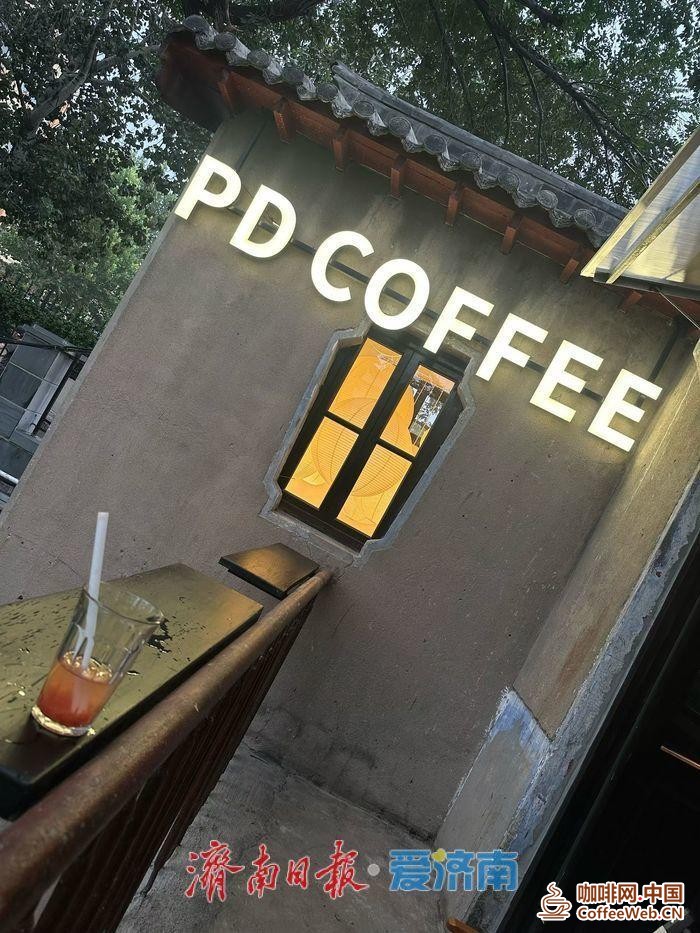
护城河畔垂柳拂水,潺潺泉声顺着青石板漫进窗棂,开在水岸旁的PD咖啡,成了今夏济南年轻人心照不宣的约会坐标。深烘咖啡豆的焦香混着河畔湿润的水汽扑面而来,临窗落座抬眼便是碧波漾着树影,这样“把泉水喝进咖啡杯”的松弛感,在小红书上持续刷屏。
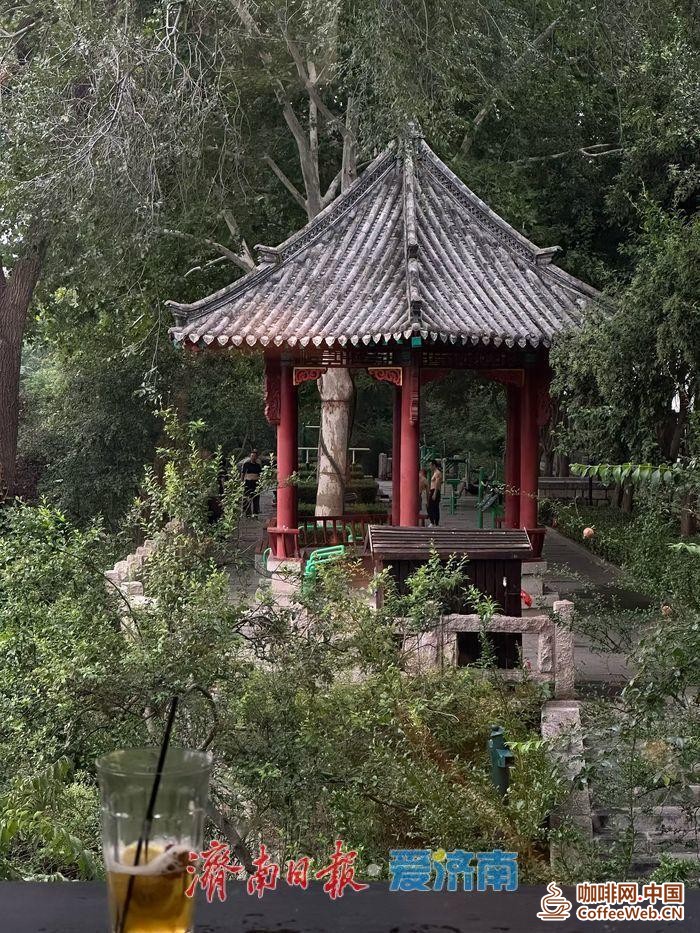
不远处的泉城公园里,藏在荷塘垂柳间的玻璃咖啡屋同样热度不减,阳光穿过叶隙落在杯沿,往来的市民游客推门而入,把传统公园的晨练散步,过成了“城市森林里的下午茶”。
小红书博主@春日漫游写下这样的感受:“工作日中午偷跑出来,点一杯甜牙齿拿铁,看光斑在桌面慢慢移动,半小时就够治愈一整个下午。”
当咖啡香飘进老院墙,当新业态住进旧空间,济南老城区正悄然上演一场温柔的空间焕新。从公园河畔到老街深巷,从工业遗产到商埠老宅,一批兼具审美品位与在地文化的消费新场景破土而出,它们不只是网红打卡点,更是年轻人与老城对话的全新媒介,也在悄然重塑着这座城市的气质。
曲水亭街高升桥边,有着百年历史的“高升店”老宅变身一尺花园咖啡馆。《老残游记》里记载过的旧时客栈,如今仍保留着老济南四合院的青砖灰瓦与穿院活水,简约通透的落地窗与现代软装又悄悄注入了都市质感。一渠清泉从院中缓缓流过,两岸捧着咖啡拍照的年轻人笑意明亮,老建筑的斑驳肌理与当代生活方式在此奇妙叠合。
上新街的蜕变更具样本意义。这条百年老街曾一度落寞冷清,如今经过“绣花功夫”式的修缮更新,数十家特色店铺相继入驻。青砖洋楼里飘出绵密的奶泡香气,四合院里办起了文创手作市集,三楼露台能俯瞰整片青灰瓦顶的老城肌理。上新会客厅里的“盖碗咖啡”最是出圈——老济南大碗茶的瓷盖碗盛着意式浓缩,中西碰撞的仪式感拉满,成了不少人来老街的必点选项。
老城区的消费焕新,不止于古建民居,沉睡的工业遗产也在续写新故事。
文化东路上的山东电影洗印厂始建于上世纪七十年代,曾是华北地区胶片洗印的重镇,数字时代来临后一度沉寂。如今,不少咖啡馆入驻,保留着混凝土立柱与工业墙面的老车间里,老式放映机被改造成创意茶几,洗印车间变身为流动的艺术展厅。当梧桐叶落满厂区庭院,写生的学生、办公的青年、拍照的游客各得其所,“咖啡+艺术+教育”的复合生态在这里自然生长。同样的更新也在老商埠区发生,经三路沿线的二十余座法式、德式老建筑里,古着店、独立咖啡馆、买手店、精酿酒吧次第开张。没有大拆大建,只靠民间自主的审美更新,就让这条梧桐掩映的老街重新聚拢了人气。
这些藏在老城肌理里的新场景,何以持续抓住年轻人的目光?答案藏在审美与文化的双重共鸣里。不同于传统景区粗放的商业业态,这批新空间普遍有着在线的视觉表达,简约的设计、自然的采光、与环境相融的调性,精准契合了年轻人的审美需求与“出片”期待。更重要的是,它们扎根济南本土的文化根脉,盖碗咖啡、泉水茶席、老建筑改造,这些带着城市印记的消费场景,让年轻人重新发现家乡的魅力,也让外地游客触摸到真实可感的城市肌理。
老城不老,新芽正发。从一杯护城河边的咖啡开始,济南正在用温柔的方式完成城市更新——不推倒重来,不急于求成,让历史与当下在同一个空间里平和对话。年轻人的脚步与镜头,就是对这场焕新最好的回应,而这些生长在老城深处的消费新场景,也正一点点丰盈着城市的内涵,让这座千年泉城,多了几分可漫步、可停留、可回味的年轻质感。
Willow trees sway by the moat, and the sound of a gurgling spring flows through the window lattice along the bluestone slab. PD coffee, opened by the waterfront, has become an unspoken date destination for young people in Jinan this summer. The roasted aroma of deep roasted coffee beans mixed with the moist water vapor by the river wafted towards me. Sitting by the window and looking up, I saw the green waves rippling with tree shadows. This relaxed feeling of "drinking spring water into a coffee cup" continued to flood the screen on Xiaohongshu.
In the nearby Quancheng Park, the glass coffee shop hidden among the weeping willows in the lotus pond remains hot, with sunlight shining through the gaps in the leaves and falling on the rim of the cup. Citizens and tourists who come and go open the door, turning the traditional morning exercise and walk in the park into "afternoon tea in the urban forest".
Xiaohongshu blogger @ Chunri Roaming wrote about this feeling: "Sneaking out at noon on weekdays, ordering a sweet tooth latte, watching the light spot slowly move on the table, half an hour is enough to cure an entire afternoon
As the aroma of coffee wafts into the old courtyard walls and new businesses move into the old spaces, Jinan's old city area is quietly undergoing a gentle spatial renewal. From the riverside of the park to the old streets and alleys, from industrial heritage to commercial old houses, a group of new consumption scenes that combine aesthetic taste and local culture have emerged. They are not only popular check-in points, but also a new medium for young people to communicate with the old city, quietly reshaping the temperament of this city.
By the Gaosheng Bridge on Qushuiting Street, the century old "Gaosheng Shop" mansion has been transformed into a one foot garden caf é. The old inn recorded in the Travels of Lao Can still retains the green bricks and grey tiles of the old courtyard in Jinan and the running water through the courtyard. The simple and transparent french window and modern soft clothes have quietly injected into the urban texture. A clear spring slowly flows through the courtyard, with young people holding coffee and taking photos on both sides smiling brightly. The mottled texture of old buildings and contemporary lifestyle are wonderfully overlapped here.
The transformation of Shangxin Street has more sample significance. This century old street was once desolate and deserted, but now it has undergone a "embroidery style" renovation and renewal, with dozens of specialty shops settling in one after another. The dense aroma of milk foam wafts from the blue brick western-style buildings, and a cultural and creative handicraft market is set up in the quadrangle courtyard. The third floor terrace overlooks the texture of the old city with its green and gray tiled roofs. The "covered bowl coffee" in the new living room is the most popular - the porcelain covered bowl of the old Jinan big bowl tea is filled with Italian espresso, and the sense of ritual of collision between Chinese and Western cultures is full, becoming a must-have for many people coming to the old street.
The revitalization of consumption in the old city area is not just about ancient residential buildings, but also about the dormant industrial heritage continuing to write new stories.
The Shandong Film Processing Factory on Wenhua East Road was founded in the 1970s and was once a major hub for film processing in North China. However, it fell silent after the advent of the digital age. Nowadays, many coffee shops have settled in, preserving old workshops with concrete columns and industrial walls. Old projectors have been transformed into creative coffee tables, and printing workshops have been transformed into mobile art exhibition halls. When wutong leaves fall all over the factory yard, students sketching, young office workers and tourists taking photos have their own places. The compound ecology of "coffee+art+education" grows naturally here. The same update also occurred in the old commercial district, where more than 20 French and German style old buildings along the route of Jingsan Road have opened antique shops, independent cafes, buying shops, and craft bars one after another. There was no major demolition and construction, and only the independent aesthetic renewal of the folk helped this old street covered by wutong regain its popularity.
How can these new scenes hidden in the texture of the old city continue to capture the attention of young people? The answer lies in the dual resonance between aesthetics and culture. Unlike the extensive commercial format of traditional scenic spots, these new spaces generally have online visual expression, simple design, natural lighting, and tone that blends with the environment, accurately meeting the aesthetic needs and "release" expectations of young people. More importantly, they are rooted in the local cultural roots of Jinan, such as cup coffee, spring tea mats, and renovation of old buildings. These consumption scenes with urban imprints allow young people to rediscover the charm of their hometown, and also allow out of town tourists to touch the real and tangible urban texture.
The old city is not old, but new shoots are sprouting. Starting from a cup of coffee by the moat, Jinan is completing urban renewal in a gentle way - without demolishing and starting over, without rushing for success, allowing history and the present to have a peaceful dialogue in the same space. The footsteps and shots of young people are the best response to this revitalization, and these new consumption scenes growing deep in the old city are gradually enriching the connotation of the city, adding a touch of youthfulness to this millennium spring city that can be walked, stayed, and savored.