雀巢咖啡 NESCAFÉ
雀巢咖啡(NESCAFÉ)是瑞士雀巢集团旗下核心咖啡品牌,1938年4月1日诞生于瑞士,为全球首款商业化速溶咖啡。品牌名由“Nestlé(雀巢)”与“Café(咖啡)”组合而成,象征着品质与咖啡文化的融合。作为全球咖啡行业绝对领导者,雀巢咖啡覆盖全球180余国,每秒售出超5500杯,是中国消费者的“咖啡启蒙品牌”,从速溶到胶囊、即饮,构建全品类咖啡帝国。
一、发展历程:从解决过剩到全球巨头
1. 诞生背景:为巴西咖啡过剩破局(1930-1938)
1929年全球经济危机后,巴西咖啡产量严重过剩,价格暴跌。1930年,巴西政府向雀巢求助,希望开发一种易储存、便运输的咖啡产品。雀巢化学家马克斯·莫根塔勒带领团队,耗时7年,利用喷雾干燥技术,将咖啡浓缩液制成粉末,既保留香气又能快速溶解。1938年4月1日,全球首款速溶咖啡“NESCAFÉ”在瑞士上市,保质期长达2年,彻底改变咖啡消费格局。
2. 全球崛起:二战助推与技术革新(1939-2000)
二战红利(1940s):速溶咖啡因便携、易保存成为美军军需物资,年产量破100万箱。战后,退伍军人将饮用习惯带回各国,迅速风靡欧美,1950年代覆盖47国。
技术升级(1960s):1965年推出冻干咖啡(雀巢金牌),用冷冻干燥替代喷雾干燥,更好保留芳香物质,速溶咖啡品质接近现磨。
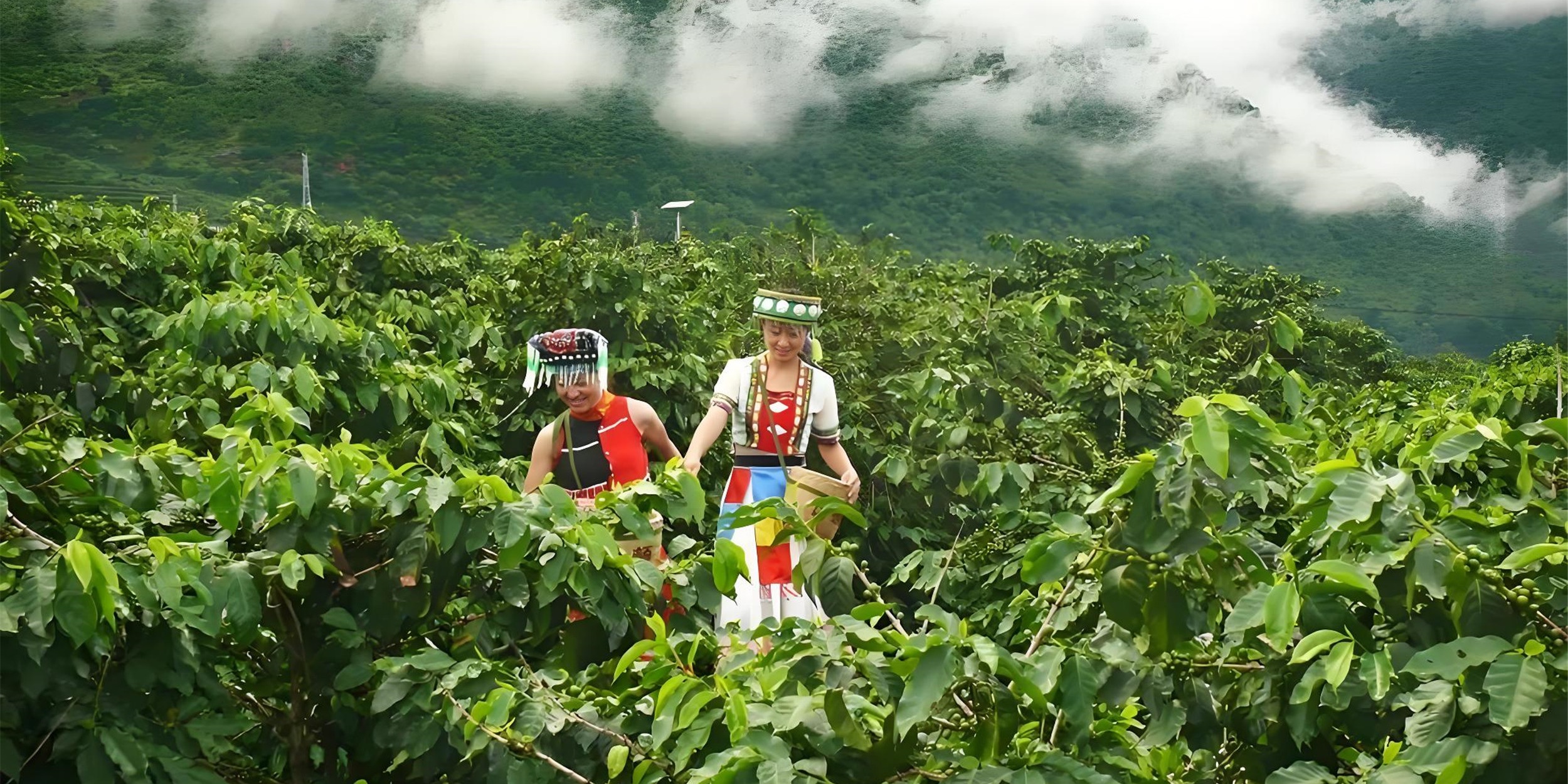
亚洲布局(1970-1990s):在巴西建全球最大咖啡种植基地,菲律宾设亚洲首厂;1980年代进入中国,1988年助力云南咖啡种植,成为中国咖啡产业推动者。
3. 中国深耕与全品类扩张(2001-至今)
本土化爆发(2000s):1989年雀巢咖啡首支中国电视广告“味道好极了”深入人心。1990-2010年,1+2三合一速溶咖啡成为国民饮品,占据中国速溶市场70%以上份额,是几代人的“第一杯咖啡”。
全产业链整合(2010s后):1986年推出Nespresso胶囊咖啡,2006年收购Dolce Gusto胶囊品牌,布局高端家用咖啡;收购蓝瓶咖啡(Blue Bottle)、星巴克零售咖啡业务,覆盖高端精品与即饮赛道。
健康化转型(2020s):推出0糖黑咖啡、冻干冷萃、浓缩咖啡液,契合健康需求;即饮线新增生椰拿铁、桂花龙井拿铁等国风单品,应对本土品牌冲击。
二、品牌定位与核心优势
1. 品牌定位:全场景国民咖啡
雀巢咖啡覆盖全年龄段、全消费层级、全场景:大众市场靠1+2三合一、醇品黑咖啡(客单价1-5元);中高端市场有金牌冻干、Nespresso胶囊(客单价5-20元);便捷市场靠即饮丝滑拿铁(客单价8-15元)。定位“平价、便捷、品质稳定”,是家庭、办公室、出行场景的首选,区别于星巴克的高端体验与瑞幸的数字化低价。
2. 核心优势:五大壁垒筑牢龙头地位
全球顶级供应链
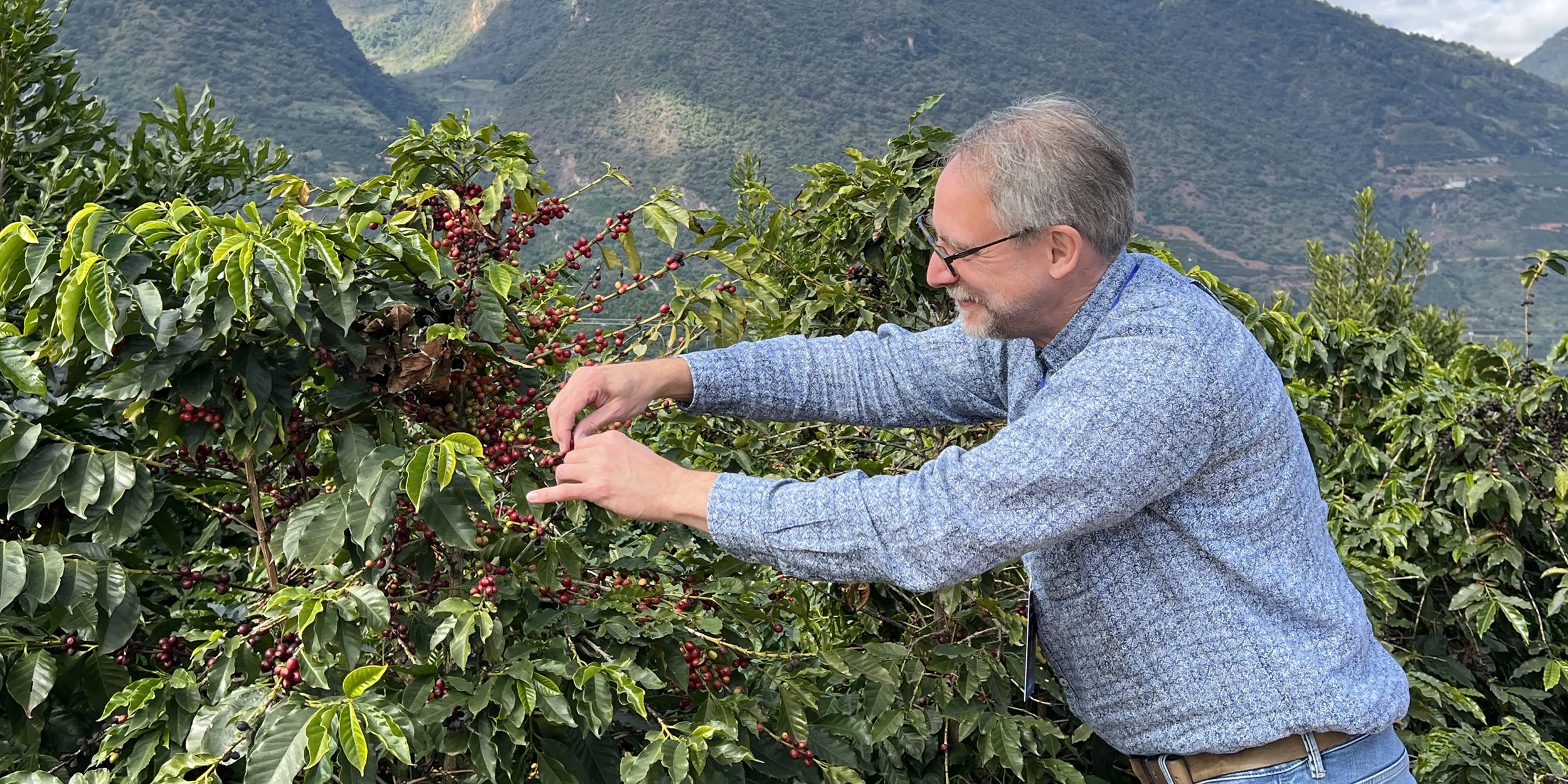
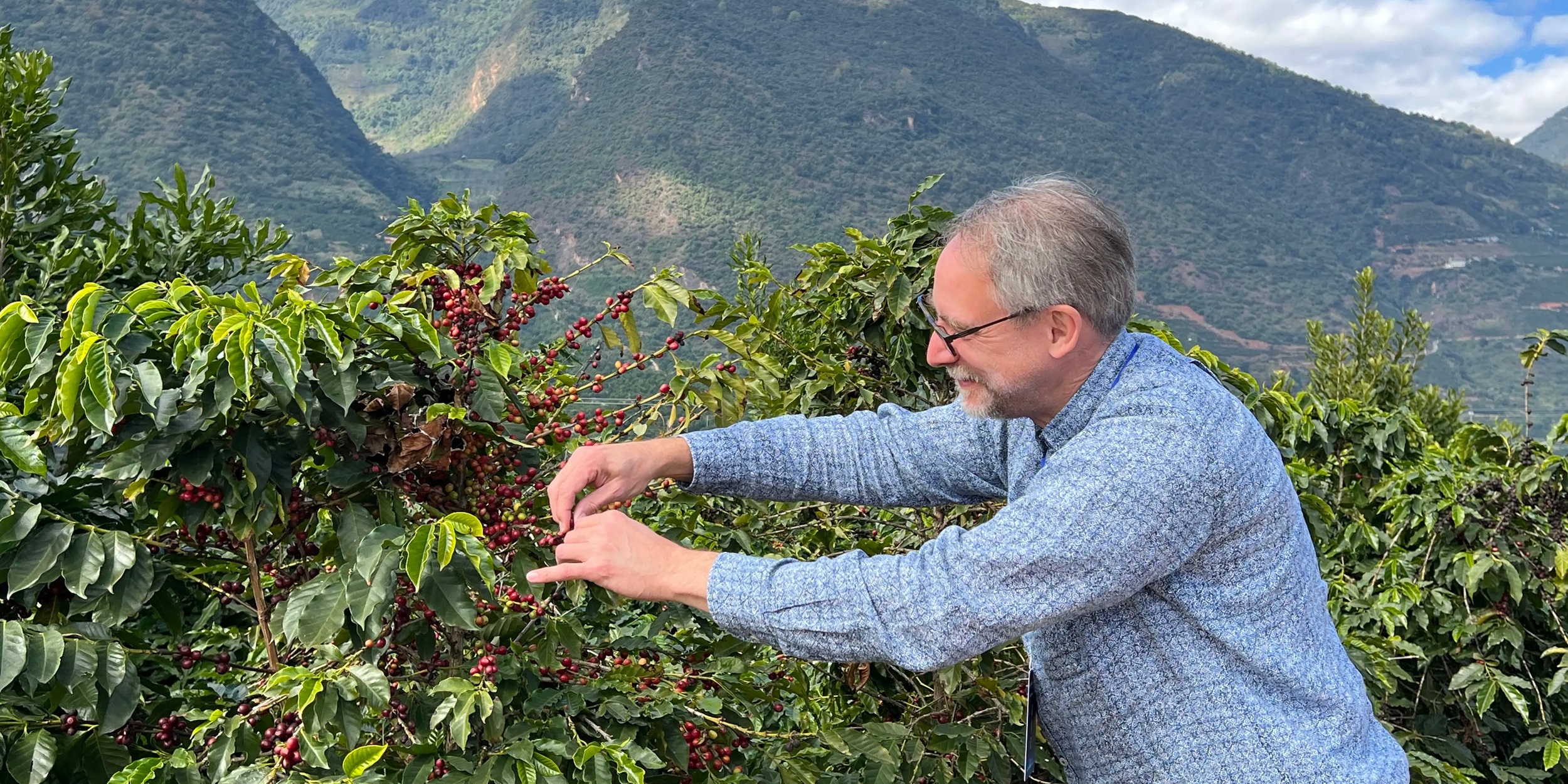
掌控全球30%优质阿拉比卡豆资源,在巴西、哥伦比亚、埃塞俄比亚及中国云南拥有专属种植园;自建20+全球烘焙工厂,严控生豆筛选、烘焙度(中深烘为主)、萃取浓度,确保全球口味统一,品质稳定远超普通速溶。
全品类矩阵覆盖
构建速溶+胶囊+即饮+烘焙+咖啡伴侣全产品线:
速溶:1+2三合一(爆款)、醇品黑咖、金牌冻干(高端);
胶囊:Nespresso(高端)、Dolce Gusto(平价);
即饮:丝滑拿铁、生椰拿铁、桂花龙井拿铁;
配套:咖啡伴侣、三花淡奶、咖啡机,一站式满足需求。
国民级品牌认知
雀巢咖啡是中国市场渗透率最高的咖啡品牌,“味道好极了”广告语家喻户晓,品牌认知度超90%。全球品牌价值超200亿美元,位列全球热饮品牌第一,Interbrand全球百强品牌中唯一咖啡品牌。
本土化深度适配
深耕中国40余年,懂国人口味:三合一咖啡甜度适中、奶味浓郁,契合大众偏好;针对中国市场开发桂花、龙井、生椰等国风风味;在云南建立咖啡基地,带动本土产业,强化“中国老朋友”形象。
强大渠道与用户粘性
渠道覆盖商超、便利店、电商、餐饮、酒店,下沉至乡镇市场,随处可见;会员体系成熟,中国活跃会员超3000万;复购率超60%,依赖“高性价比+便捷+情怀”锁定用户。
三、市场地位与经营数据
1. 全球市场:绝对龙头
2023年雀巢咖啡全球销售额达237亿瑞士法郎(约2000亿元人民币),占雀巢集团总营收的20%。全球速溶咖啡市场份额25%,胶囊咖啡32%,即饮咖啡10%,全品类市占率断层第一,是第二名的3倍以上。
2. 中国市场:启蒙者与领导者
中国是雀巢咖啡全球第四大市场,2023年销售额约79亿元人民币。速溶咖啡市场份额超60%,即饮咖啡超40%,长期稳居第一。消费者画像:25-45岁白领、家庭主妇、学生,其中35岁以上人群忠诚度最高,是童年与青春的记忆符号。
四、行业影响与挑战
1. 行业影响:咖啡文化普及者
雀巢咖啡是中国咖啡文化的启蒙者,1980年代进入中国后,将“速溶咖啡”带入寻常百姓家,打破咖啡是“奢侈品”的认知,培养第一代中国咖啡消费者。其平价化、便捷化策略,推动咖啡从“小众高端”走向“大众日常”,为瑞幸、星巴克等品牌培育市场基础,是中国咖啡产业的“引路人”。
2. 挑战与压力
年轻群体流失:Z世代偏好现制咖啡(瑞幸、库迪)、精品速溶(三顿半、永璞),追求0糖0脂、高颜值、个性化,雀巢传统三合一因高糖高脂被嫌弃。
本土品牌冲击:瑞幸、库迪以10-20元低价现磨抢占市场;三顿半、永璞靠创意包装与健康定位吸引年轻人;幸运咖极致平价挤压下沉市场。
健康化转型滞后:传统核心产品(三合一)高糖高脂,健康标签弱;新品创新速度不及本土品牌,难以快速匹配年轻群体需求。
五、未来发展规划
雀巢咖啡未来坚持“健康化转型+本土化创新+全渠道渗透+年轻化营销”四大战略:
产品升级:减少传统三合一占比,重点发力0糖黑咖、冻干冷萃、浓缩咖啡液、植物基奶咖,2027年健康产品占比提升至50%;
本土化深耕:持续开发国风限定(如茉莉、普洱风味),深化云南咖啡基地建设,打造“中国味咖啡”;
渠道下沉与线上发力:深耕三四线及乡镇市场,扩大便利店、夫妻店覆盖;加码电商与直播,适配年轻群体购物习惯;
年轻化营销:联名热门IP、签约新生代偶像、布局社交媒体,重塑“时尚、年轻、健康”形象,吸引Z世代。
从1938年全球首款速溶咖啡到如今的全品类咖啡帝国,雀巢咖啡用88年定义了“平价、便捷、稳定”的咖啡标准,是全球咖啡产业的奠基者与领导者。尽管面临年轻群体流失、本土品牌冲击等挑战,但凭借强大的供应链、国民级品牌认知、深度本土化能力与持续创新决心,雀巢咖啡仍将是中国咖啡市场的核心力量,持续陪伴中国消费者的日常,书写国民咖啡的传奇。
Nescaf é is a core coffee brand under the Nestle Group in Switzerland. It was born on April 1, 1938 and is the world's first commercially available instant coffee. The brand name is a combination of "Nestl é" and "Caf é", symbolizing the fusion of quality and coffee culture. As the absolute leader in the global coffee industry, Nestle Coffee covers more than 180 countries worldwide and sells over 5500 cups per second. It is the "coffee enlightenment brand" for Chinese consumers, building a full category coffee empire from instant to capsule and ready to drink.
1、 Development History: From Resolving Surplus to Becoming a Global Giant
1. Background of birth: Breaking through the coffee surplus in Brazil (1930-1938)
After the global economic crisis in 1929, Brazil's coffee production was severely overproduced and prices plummeted. In 1930, the Brazilian government sought help from Nestle to develop a coffee product that was easy to store and transport. Led by Nestle chemist Max Morgentale, the team took 7 years to use spray drying technology to make coffee concentrate into powder, which not only retains the aroma but also quickly dissolves. On April 1, 1938, the world's first instant coffee "NESCAF É" was launched in Switzerland, with a shelf life of up to 2 years, completely changing the coffee consumption pattern.
2. Global Rise: Boosted by World War II and Technological Innovation (1939-2000)
World War II dividend (1940s): Instant caffeine was portable and easy to store, becoming a military supply for the US military, with an annual output of over one million boxes. After the war, veterans brought their drinking habits back to various countries and quickly became popular in Europe and America, covering 47 countries in the 1950s.
Technical upgrading (1960s): In 1965, freeze-dried coffee (Nestle Gold Medal) was introduced, which replaced spray drying with freeze-drying to better retain aromatic substances, and the quality of instant coffee was close to that of freshly ground coffee.
Asian layout (1970-1990s): Building the world's largest coffee plantation in Brazil and the first Asian factory in the Philippines; In the 1980s, he entered China and in 1988, he assisted in the cultivation of coffee in Yunnan, becoming a promoter of the Chinese coffee industry.
3. China's deep cultivation and full category expansion (2001 present)
Localization explosion (2000s): In 1989, Nestle Coffee's first Chinese TV advertisement "Delicious" deeply penetrated people's hearts. From 1990 to 2010, 1+2 three in one instant coffee became a national beverage, occupying over 70% of the Chinese instant market share and becoming the "first cup of coffee" for several generations.
Integration of the entire industry chain (after 2010s): Nespresso capsule coffee was launched in 1986, and the Dolce Gusto capsule brand was acquired in 2006, laying out high-end home coffee; Acquiring Blue Bottle coffee and Starbucks retail coffee business, covering high-end boutique and ready to drink tracks.
Healthy Transformation (2020s): Launch zero sugar black coffee, freeze-dried cold extract, and concentrated coffee liquid to meet health needs; New Chinese style single products such as coconut latte and osmanthus Longjing latte have emerged in the ready to drink line to cope with the impact of local brands.
2、 Brand positioning and core advantages
1. Brand positioning: National coffee in all scenarios
Nestle Coffee covers all age groups, all consumption levels, and all scenarios: the mass market relies on 1+2 three in one, mellow black coffee (unit price 1-5 yuan); In the mid to high end market, there are gold medal freeze-drying and Nespresso capsules (unit price 5-20 yuan); The convenient market relies on ready to drink silky latte (unit price 8-15 yuan). Positioned as "affordable, convenient, and of stable quality", it is the first choice for home, office, and travel scenarios, distinguishing it from Starbucks' high-end experience and Luckin Coffee's digital low price.
2. Core advantage: Building a leading position with five major barriers
Top Global Supply Chain
Control 30% of the world's high-quality Arabica bean resources and have exclusive plantations in Brazil, Colombia, Ethiopia, and Yunnan, China; We have built over 20 global baking factories and strictly control the selection of raw beans, baking degree (mainly medium and deep baking), and extraction concentration to ensure a unified global taste and stable quality far exceeding ordinary instant.
Full category matrix coverage
Build a complete product line of instant+capsule+ready to drink+baking+coffee companion:
Instant: 1+2 three in one (popular), alcoholic black coffee, gold medal freeze-drying (high-end);
Capsules: Nespresso (high-end), Dolce Gusto (affordable);
Ready to drink: silky latte, coconut latte, osmanthus Longjing latte;
Supporting facilities: coffee companion, Sanhua diluted milk, coffee machine, one-stop solution to meet your needs.
National level brand awareness
Nestle Coffee is the coffee brand with the highest penetration rate in the Chinese market, with a well-known slogan of "delicious taste" and a brand awareness of over 90%. The global brand value exceeds 20 billion US dollars, ranking first among global hot drink brands, and the only coffee brand among Interbrand's top 100 global brands.
Localized deep adaptation
Having been deeply rooted in China for more than 40 years, I understand the taste of Chinese people: the three in one coffee has a moderate sweetness and a rich milk flavor, which is in line with the preferences of the public; Develop Chinese style flavors such as osmanthus, Longjing, and coconut for the Chinese market; Establishing a coffee base in Yunnan to drive local industries and strengthen the image of an "old friend of China".
Powerful channels and user stickiness
The channels cover supermarkets, convenience stores, e-commerce, catering, and hotels, and can be found everywhere in rural markets; The membership system is mature, with over 30 million active members in China; The repurchase rate exceeds 60%, relying on "high cost-effectiveness+convenience+sentiment" to lock in users.
3、 Market position and business data
1. Global market: absolute leader
In 2023, Nestle Coffee's global sales reached 23.7 billion Swiss francs (approximately 200 billion yuan), accounting for 20% of Nestle Group's total revenue. The global market share of instant coffee is 25%, capsule coffee is 32%, and ready to drink coffee is 10%. The market share of all categories is the highest, more than three times that of the second place.
2. Chinese market: enlighteners and leaders
China is Nestle Coffee's fourth largest market globally, with sales of approximately 7.9 billion yuan in 2023. Instant coffee has a market share of over 60%, while ready to drink coffee has a market share of over 40%, consistently ranking first in the long term. Consumer Profile: White collar workers aged 25-45, housewives, students, among whom those aged 35 and above have the highest loyalty and are symbols of childhood and youth memories.
4、 Industry impact and challenges
1. Industry impact: coffee culture popularizer
Nestle Coffee is the pioneer of Chinese coffee culture. After entering China in the 1980s, it brought "instant coffee" to ordinary people's homes, breaking the perception that coffee is a "luxury" and cultivating the first generation of Chinese coffee consumers. Its affordable and convenient strategy has promoted coffee from "niche high-end" to "mass daily", cultivating market foundations for brands such as Luckin Coffee and Starbucks, and serving as a "guide" for China's coffee industry.
2. Challenges and pressures
The loss of young people: Generation Z prefers freshly made coffee (Luckin Coffee, Kudi) and premium instant (three and a half meals, Yongpu), pursuing zero sugar and zero fat, high appearance, and personalization. Nestle's traditional three in one is despised for its high sugar and high fat content.
Local brand impact: Luckin Coffee and Kudi seize the market by grinding at a low price of 10-20 yuan; Three and a half meals, Yongpu attracts young people with creative packaging and healthy positioning; Lucky Coffee's ultimate affordability squeezes the sinking market.
The transformation towards health is lagging behind: traditional core products (three in one) are high in sugar and fat, with weak health labels; The innovation speed of new products is not as fast as that of local brands, making it difficult to quickly match the needs of young people.
5、 Future Development Plan
Nestle Coffee will adhere to four major strategies in the future: "healthy transformation+localized innovation+omni channel penetration+youth oriented marketing":
Product upgrade: Reduce the proportion of traditional three in one coffee, focus on zero sugar black coffee, freeze-dried cold extraction, concentrated coffee liquid, plant-based milk coffee, and increase the proportion of health products to 50% by 2027;
Localization and deep cultivation: Continuously develop national style limited edition (such as jasmine and Pu'er flavors), deepen the construction of Yunnan coffee base, and create "Chinese style coffee"
Channel sinking and online development: Deeply cultivate third - and fourth tier markets as well as rural markets, expand the coverage of convenience stores and couple stores; Intensify e-commerce and live streaming to adapt to the shopping habits of young people;
Youthful marketing: Collaborate with popular IPs, sign new generation idols, and expand social media to reshape the image of "fashion, youth, and health" and attract Generation Z.
From the world's first instant coffee in 1938 to today's all category coffee empire, Nestle Coffee has defined the coffee standard of "affordable, convenient, and stable" for 88 years, and is the founder and leader of the global coffee industry. Despite facing challenges such as the loss of young people and the impact of local brands, Nestle Coffee will still be the core force in the Chinese coffee market with its strong supply chain, national level brand awareness, deep localization ability, and continuous innovation determination. It will continue to accompany Chinese consumers in their daily lives and write the legend of national coffee.