星巴克 Starbucks
星巴克(Starbucks)是全球最大的连锁咖啡品牌,1971年创立于美国西雅图,总部位于华盛顿州西雅图市。品牌名源自小说《白鲸记》,寓意航海时代的咖啡贸易传统。星巴克以第三空间体验、高品质阿拉比卡咖啡、全球化供应链为核心,从西雅图派克市场的咖啡豆小店,成长为覆盖全球80余国、超3.8万家门店的咖啡帝国,也是中国高端咖啡市场的标杆品牌。
一、发展历程:从咖啡豆店到全球巨头
1. 初创奠基期(1971-1986)
1971年,三位咖啡爱好者在西雅图派克市场开设首家星巴克门店,主营烘焙咖啡豆、茶叶与香料,不提供现制饮品。1982年,霍华德·舒尔茨加入,担任零售与营销总监。1983年,舒尔茨赴意大利考察,被当地咖啡馆文化吸引,决心将“咖啡社交”引入美国。1985年,舒尔茨创立Il Giornale咖啡馆,1987年收购星巴克并更名,正式转型为现制咖啡连锁店,开启全球化扩张。
2. 全球扩张期(1992-2011)
1992年,星巴克在纳斯达克上市,加速全球布局。1996年进入日本,1998年进驻欧洲,1999年1月进入中国内地,在北京国贸开设首家门店。2000年后,星巴克以“直营+合资”模式快速渗透中国一二线城市,主打“高端咖啡+第三空间”,成为都市白领社交与办公的首选场景[(36氪)]。2011年,全球门店超1.7万家,确立行业龙头地位。
3. 中国深耕与转型期(2012-至今)
2012年后,中国成为星巴克全球增长最快市场,2019年门店破4000家[(36氪)]。2020年后,面对瑞幸、库迪等本土品牌冲击,星巴克加速本土化:推出茶拿铁、月饼等国风产品;下沉三四线城市,开设小型快取店;2025年与博裕资本合作,出让多数股权,提升本土化运营效率。截至2026年5月,星巴克全球门店超3.8万家,中国内地超8000家,覆盖1000余座城市,员工超6万人。
二、品牌定位与核心优势
1. 品牌定位:第三空间+高端咖啡
星巴克精准锚定25-45岁都市白领、商务人士、中高收入群体,核心定位“第三空间”——介于家庭与办公室之间的社交、办公、休闲场所,客单价35-50元,主打“高品质咖啡+舒适体验+社交价值”,区别于本土品牌的平价定位,塑造高端生活方式符号。
2. 核心优势:四大壁垒构建护城河
全球顶级供应链与品质把控
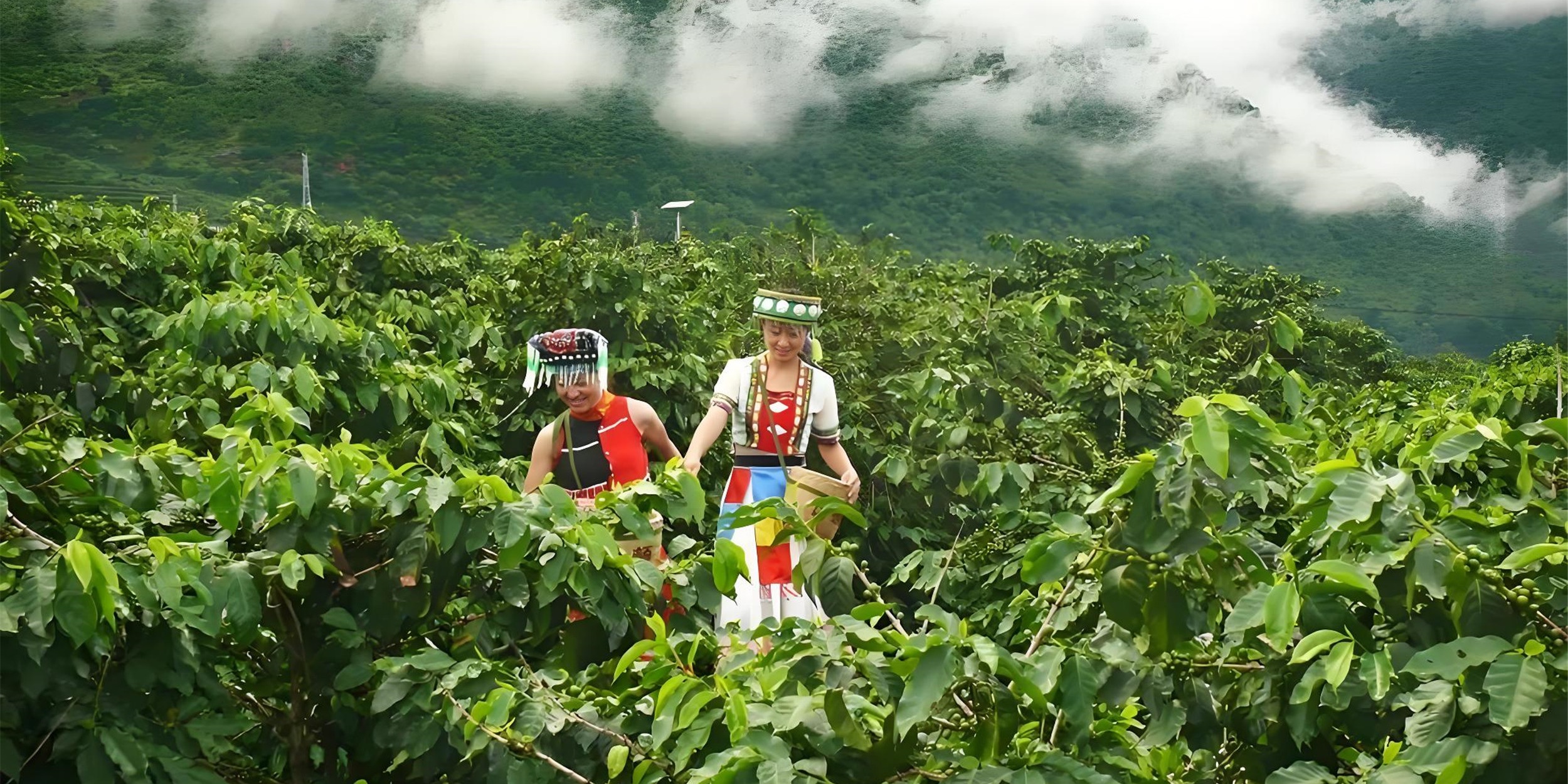
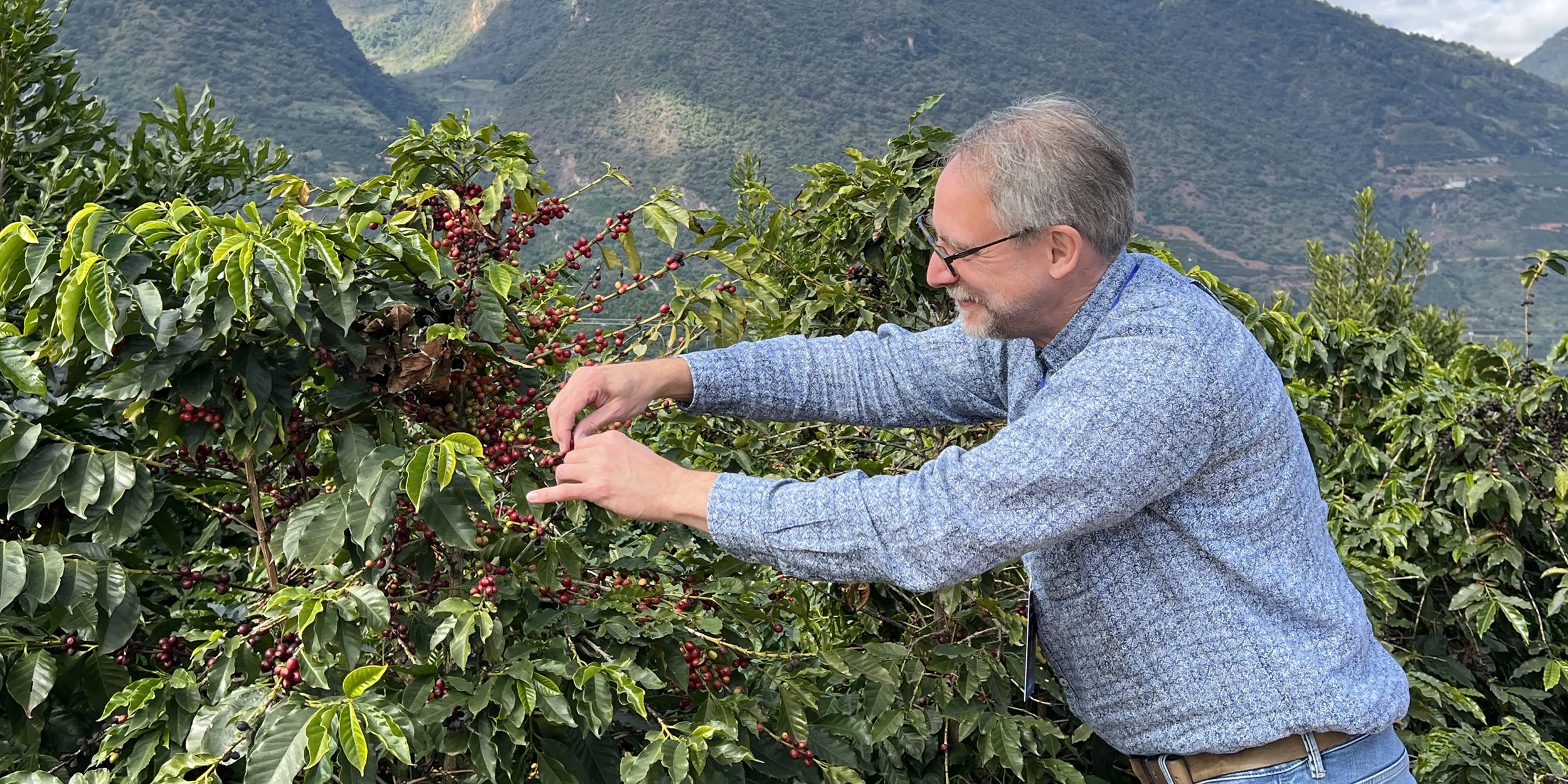
星巴克坚持100%阿拉比卡豆,咖啡豆精选拉丁美洲、非洲、亚洲高海拔产区,全球200+咖啡农合作基地,严苛的“咖啡与种植者公平交易”标准。自建烘焙工厂,独创星巴克烘焙法,平衡风味与香气;每杯咖啡现磨现萃,严控萃取时间(浓缩咖啡25-30秒)与牛奶温度(误差±1℃),品质稳定可控。
第三空间体验与场景壁垒
门店设计融合当地文化,主打舒适座椅、柔和灯光、免费WiFi、静谧氛围,适配办公、会议、约会、独处等多元场景。高端门店(如臻选店、烘焙工坊)提供手冲、虹吸、冷萃等专业咖啡,打造咖啡文化体验高地,形成差异化壁垒,难以被平价品牌复制。
强大品牌影响力与会员体系
星巴克是全球最具价值咖啡品牌,品牌价值超千亿美元,“绿色美人鱼”Logo辨识度全球第一。会员体系(星享卡)积累超1亿活跃会员,中国会员超5000万,通过积分、专属优惠、生日福利提升用户粘性,复购率超70%。
全渠道本土化创新
产品贴合国人口味:桂花拿铁、龙井拿铁、星冰乐等爆款适配中国味蕾;季节性限定(如南瓜香料拿铁、中秋月饼)引爆消费热潮。渠道覆盖“门店+外卖+零售”,APP与小程序订单占比超40%;零售线推出咖啡豆、胶囊咖啡、随行杯等,拓展消费场景,提升品牌溢价。
三、门店布局与经营数据
1. 全球与中国布局
全球门店超3.8万家:美国1.6万家(42%),中国8000家(21%),其余分布于欧洲、亚洲、拉美等地区。中国市场:一线城市占比30%,新一线40%,二三线25%,下沉市场5%(快速增长中)。店型分三类:200㎡旗舰店(臻选/烘焙工坊,强化体验)、100-150㎡标准店(核心店,主打第三空间)、30㎡快取店(下沉市场,低成本高效)。
2. 经营数据
单店日均销量400-600杯,客单价40元,单店月营收50-80万元,净利率20%-25%。2025年全球总营收超350亿美元,中国市场营收超900亿元,贡献全球25%营收,是星巴克最重要的海外市场。
四、行业影响与争议
1. 行业影响:咖啡文化启蒙者
星巴克是中国咖啡文化的启蒙者,1999年进入中国后,将“现磨咖啡+社交场景”概念引入,培养第一代都市咖啡消费者,推动中国咖啡市场从“速溶”向“现磨”转型。其标准化运营、供应链管理、会员体系为本土品牌提供借鉴,倒逼行业提升品质与服务,推动中国咖啡市场从小众走向大众。
2. 争议与挑战
高速发展背后,挑战凸显:一是价格战冲击,瑞幸、库迪以10-20元低价抢占市场,星巴克客单价高,年轻客群流失;二是本土化不足,部分产品与定价脱离下沉市场需求,创新速度不及本土品牌;三是第三空间优势弱化,疫情后居家办公普及,平价快取店崛起,“空间需求”下降;四是环保与争议,一次性纸杯消耗量大,“环保杯”推广受阻,面临环保组织压力。
五、未来发展规划
星巴克未来坚持“中国深耕+下沉渗透+健康创新+数字化转型”四大战略:2025-2028年,中国门店突破1.2万家,下沉市场占比提升至45%;推出“真味无糖”系列,迎合健康化趋势,降低糖分与热量;加速数字化,投资14.6亿元建设数字创新中心,AI预测销量、优化库存,线上订单占比提升至60%;深化本土化,与中国设计师、IP联名,打造国风特色门店与产品;强化环保,2030年实现门店碳中和,全面替换一次性纸杯。
从1971年西雅图小店到2026年全球咖啡帝国,星巴克用55年定义了“咖啡+空间+社交”的生活方式,深刻影响全球与中国咖啡市场。尽管面临本土品牌冲击、价格战、需求变迁等挑战,但凭借强大的品牌力、供应链壁垒与本土化转型决心,星巴克仍将是中国高端咖啡市场的领导者,持续推动咖啡文化与生活方式的融合创新。
Starbucks is the world's largest chain coffee brand, founded in Seattle, USA in 1971 and headquartered in Seattle, Washington. The brand name originates from the novel 'Moby Dick', symbolizing the coffee trade tradition of the Age of Discovery. Starbucks has grown from a coffee bean shop in Seattle's Pike Place market to a coffee empire covering over 80 countries and more than 38000 stores worldwide, with a focus on third space experiences, high-quality Arabica coffee, and a global supply chain. It is also a benchmark brand in China's high-end coffee market.
1、 Development History: From Coffee Bean Shop to Global Giant
1. Founding period (1971-1986)
In 1971, three coffee enthusiasts opened the first Starbucks store in Seattle's Pike Place Market, specializing in roasted coffee beans, tea, and spices, and not offering freshly made beverages. In 1982, Howard Schultz joined as the Director of Retail and Marketing. In 1983, Schultz went to Italy for research and was attracted by the local caf é culture, determined to introduce "coffee socializing" into the United States. In 1985, Schultz founded Il Giornale coffee shop. In 1987, he acquired Starbucks and renamed it, officially transforming it into a chain of freshly made coffee shops and embarking on global expansion.
2. Global Expansion Period (1992-2011)
In 1992, Starbucks went public on NASDAQ, accelerating its global expansion. Entered Japan in 1996, entered Europe in 1998, and entered mainland China in January 1999, opening its first store at Beijing Guomao. After 2000, Starbucks quickly penetrated first and second tier cities in China through a "direct sales+joint venture" model, focusing on "high-end coffee+third space", becoming the preferred scene for urban white-collar social and office work [(36Kr)]. In 2011, there were over 17000 stores worldwide, establishing a leading position in the industry.
3. China's deep cultivation and transformation period (2012 present)
After 2012, China became Starbucks' fastest-growing market globally, with over 4000 stores in 2019. After 2020, facing the impact of local brands such as Luckin Coffee and Kudi, Starbucks accelerated localization by launching Chinese style products such as tea latte and mooncakes; Expand to third - and fourth tier cities and open small express delivery stores; In 2025, we will cooperate with Boyu Capital to transfer a majority stake and improve the efficiency of localized operations. As of May 2026, Starbucks has over 38000 global stores and over 8000 stores in mainland China, covering more than 1000 cities and employing over 60000 people.
2、 Brand positioning and core advantages
1. Brand positioning: Third space+high-end coffee
Starbucks precisely targets urban white-collar workers, business people, and middle to high-income groups aged 25-45, with its core positioning as the "third space" - a social, office, and leisure place between home and office, with a unit price of 35-50 yuan. It focuses on "high-quality coffee+comfortable experience+social value", distinguishing itself from the affordable positioning of local brands and shaping a symbol of high-end lifestyle.
2. Core advantage: Building a moat with four major barriers
Global Top Supply Chain and Quality Control
Starbucks insists on 100% Arabica beans, with coffee beans selected from high-altitude production areas in Latin America, Africa, and Asia. It has over 200 global coffee farmer cooperative bases and strict "fair trade between coffee and growers" standards. Self built baking factory, original Starbucks baking method, balancing flavor and aroma; Each cup of coffee is freshly ground and extracted, with strict control over extraction time (25-30 seconds for espresso) and milk temperature (error ± 1 ℃), ensuring stable and controllable quality.
Third Space Experience and Scene Barrier
The store design integrates local culture, featuring comfortable seats, soft lighting, free WiFi, and a peaceful atmosphere, suitable for diverse scenarios such as office, meetings, dates, and solitude. High end stores (such as Zhenxuan Store and Baking Workshop) offer professional coffee services such as hand drawn, siphon, and cold brew, creating a highland of coffee culture experience and forming differentiated barriers that are difficult to replicate by affordable brands.
Strong brand influence and membership system
Starbucks is the world's most valuable coffee brand, with a brand value of over 100 billion US dollars and the "Green Mermaid" logo recognition ranking first in the world. The membership system (Star Enjoy Card) has accumulated over 100 million active members, with over 50 million members in China. Through points, exclusive discounts, and birthday benefits, it enhances user stickiness, with a repurchase rate of over 70%.
Omnichannel localization innovation
Products that cater to Chinese tastes: popular items such as Osmanthus Latte, Longjing Latte, and Xingbingle are suitable for Chinese taste buds; Seasonal restrictions, such as pumpkin spice latte and Mid Autumn Festival mooncakes, have sparked a consumer craze. Channel coverage includes "store+takeaway+retail", with APP and mini program orders accounting for over 40%; The retail line has launched coffee beans, capsule coffee, and portable cups to expand consumer scenarios and increase brand premium.
3、 Store layout and operational data
1. Global and Chinese layout
There are over 38000 stores worldwide: 16000 in the United States (42%), 8000 in China (21%), and the rest are distributed in Europe, Asia, Latin America, and other regions. Chinese market: First tier cities account for 30%, new first tier cities account for 40%, second and third tier cities account for 25%, and lower tier markets account for 5% (rapidly growing). There are three types of store types: a 200 square meter flagship store (premium selection/baking workshop, enhancing experience), a 100-150 square meter standard store (core store, focusing on the third space), and a 30 square meter fast pickup store (sinking market, low-cost and efficient).
2. Business data
The daily average sales volume of a single store is 400-600 cups, with a unit price of 40 yuan per customer. The monthly revenue of a single store is 500000 to 800000 yuan, and the net profit margin is 20% -25%. By 2025, the global total revenue will exceed 35 billion US dollars, with China's market revenue exceeding 90 billion yuan, contributing 25% of global revenue, making it Starbucks' most important overseas market.
4、 Industry impact and controversy
1. Industry impact: coffee culture pioneer
Starbucks is the pioneer of Chinese coffee culture. After entering China in 1999, it introduced the concept of "freshly ground coffee+social scenes", cultivated the first generation of urban coffee consumers, and promoted the transformation of the Chinese coffee market from "instant" to "freshly ground". Its standardized operation, supply chain management, and membership system provide reference for local brands, forcing the industry to improve quality and service, and promoting the Chinese coffee market from niche to mass market.
2. Disputes and Challenges
Behind the rapid development, challenges are highlighted: firstly, the impact of price wars, with Luckin Coffee and Kudi seizing the market at low prices of 10-20 yuan, while Starbucks has a high average customer base and a loss of young customers; Secondly, there is a lack of localization, with some products and pricing deviating from the needs of the lower tier market, resulting in slower innovation speed compared to local brands; The third is the weakening of the advantage of the third space, the popularization of working from home after the epidemic, the rise of affordable quick access stores, and the decline in "space demand" The fourth issue is environmental protection and controversy. The consumption of disposable paper cups is high, and the promotion of "environmentally friendly cups" is hindered, facing pressure from environmental organizations.
5、 Future Development Plan
Starbucks will adhere to four major strategies in the future: "China deep cultivation+sinking penetration+health innovation+digital transformation". From 2025 to 2028, the number of stores in China will exceed 12000, and the proportion of sinking markets will increase to 45%; Launch the "True Taste Sugar Free" series to cater to the trend of health, reducing sugar and calories; Accelerate digitalization, invest 1.46 billion yuan to build a digital innovation center, use AI to predict sales and optimize inventory, and increase the proportion of online orders to 60%; Deepen localization, collaborate with Chinese designers and IPs to create Chinese style specialty stores and products; Strengthen environmental protection, achieve carbon neutrality in stores by 2030, and fully replace disposable paper cups.
From a small store in Seattle in 1971 to a global coffee empire in 2026, Starbucks has defined a lifestyle of "coffee+space+social" in 55 years, profoundly influencing the global and Chinese coffee markets. Despite facing challenges such as local brand impact, price wars, and changing demand, Starbucks will remain the leader in China's high-end coffee market with its strong brand power, supply chain barriers, and determination to transform into a local brand. It will continue to promote the integration and innovation of coffee culture and lifestyle.