


不喝咖啡就难受,问题出在哪?If you don't drink coffee, you feel uncomfortable. What's the problem?
1.有点想念,但不影响日常生活。
2.头痛、烦躁,下午困得什么都干不了。
3.情绪明显低落,觉得日子过得没什么意思。
如果你的答案是2或3,请继续读完这篇文章。别担心,文章不是要劝你戒咖啡,而是请你用咖啡这面镜子,照见自己当下的心理状态。
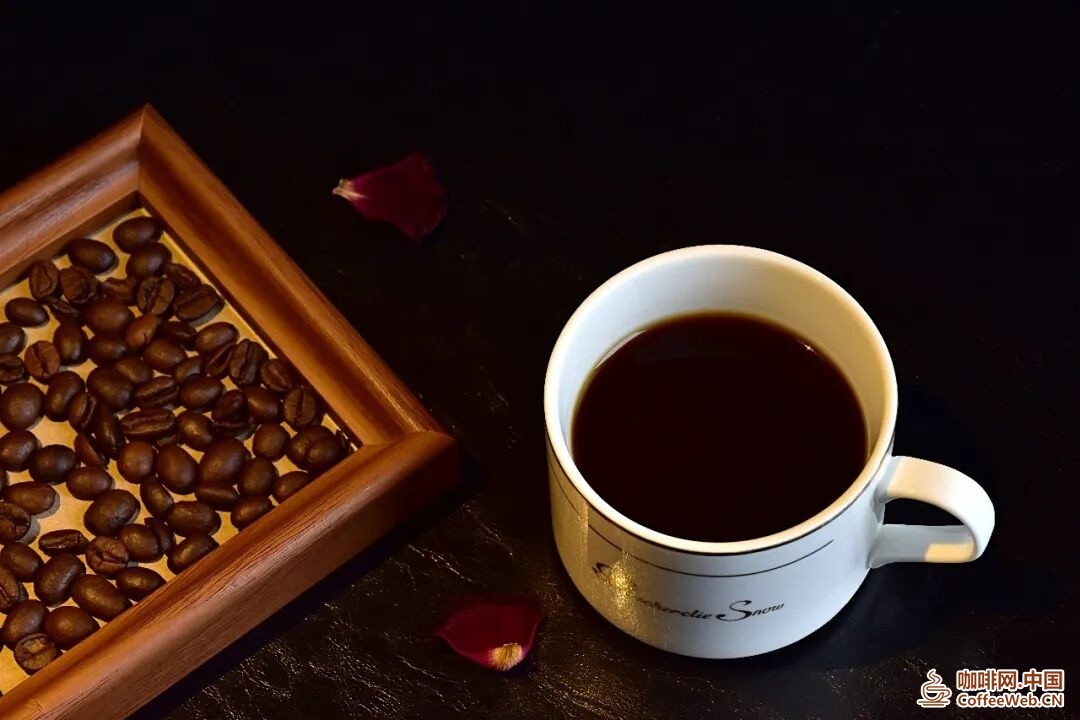
在心理门诊,医生常会询问来访者的喝咖啡习惯。答案大致分为两类:一类人享受咖啡的味道与仪式感;另一类人必须靠咖啡对抗困倦、乏力与注意力涣散。
当咖啡从享受变成单纯的提神工具,就值得提高警惕。这是身心状态正在发出调节能力下降的预警信号。
观察2:喝第一口咖啡时的获得感和满足感。
喝下第一口咖啡时若有强烈的“得救了”的释然感,不仅因为咖啡因起效快,更说明你的多巴胺基线长期偏低。你对咖啡的情感依赖强度,与平日的动力匮乏程度密切相关。这就如同人在沙漠中渴求水源,对咖啡的迫切渴求,往往映射着内在心理资源的枯竭。
观察3:无限续杯的“失控”。
很多有抑郁倾向的人,需要频繁续杯来增加咖啡因的摄入量,以此维持情绪及机体的平衡。
研究显示,适量摄入咖啡因(约200毫克/天)可改善与疲劳相关的不良情绪,而摄入咖啡因超过400毫克/天,则可能增加焦虑的风险。
不必纠结是否喝咖啡,试着自问:如果排除疲劳因素,心情怎么样?有没有别的充电方式?最近一次的真正休息是什么时候?
咖啡如同情绪体温计,只能觉察失衡,不能疗愈问题;只能短暂维持状态,无法修复身心。当喝咖啡成为刚需,或许意味着身心过载。提醒大家注意,不必恐慌身体出现的戒断反应,捕捉隐秘的求救信号、学会接纳不紧绷的自己,便是自我修复。

精神障碍患者能否喝咖啡,需根据具体诊断和用药情况分层判断。
严格禁止:患有精神分裂症或其他精神病性障碍且需服用氯氮平的患者严禁摄入咖啡因。咖啡因可致患者血药浓度明显升高。已有案例报告,咖啡和氯氮平同用,有引发多器官衰竭的风险。
高风险需避免:双相情感障碍患者饮用咖啡可能诱发躁狂发作并降低血锂浓度,突然停止饮用咖啡又会增加锂中毒风险。焦虑障碍患者对咖啡因的焦虑诱发作用异常敏感,应完全避免。
低风险可限制:抑郁症患者在服用选择性5-羟色胺再摄取抑制剂(SSRIs)时,每日低于400毫克的适度咖啡因摄入与较少抑郁症状和较低自杀风险相关,但过量反而加重症状并增加5-羟色胺综合征风险。
由于个体咖啡因代谢能力差异较大,建议咨询主治医生后自测身体耐受性,再决定能否经常喝咖啡。如果持续饮用则要避免骤停,正在服药者需注意监测血药浓度。
文:河北省精神卫生中心情感障碍一科 王琦 崔伟
Nowadays, many people are used to drinking coffee every day. If you are one of them, please answer a question - what would you feel if you didn't drink coffee for three consecutive days?
I miss it a bit, but it doesn't affect my daily life.
2. Headache, irritability, and being too tired to do anything in the afternoon.
3. The mood is noticeably low, feeling that life is not very interesting.
If your answer is 2 or 3, please continue reading this article. Don't worry, this article is not meant to advise you to quit coffee, but to use the mirror of coffee to see your current psychological state.
Many people believe that the value of drinking coffee lies in refreshing oneself, but from the perspective of a psychiatrist, coffee is also an excellent "emotional barometer". The human response to coffee is highly dependent on the state of the dopamine and adenosine systems in the brain, which are the core pathological pathways associated with depression. The feeling after drinking coffee to some extent reflects the level of "background noise" in the brain. The 'bottom noise' level refers to the baseline dynamics of the individual's dopamine system and the fatigue level of adenosine accumulation.
Coffee is a mirror
See your psychological energy balance
Observation 1: Why are you drinking this cup of coffee.
In psychological clinics, doctors often inquire about visitors' coffee drinking habits. The answers can be roughly divided into two categories: one group of people enjoy the taste and ceremony of coffee; Another type of person must rely on coffee to combat drowsiness, fatigue, and lack of attention.
When coffee transforms from a pleasure to a simple tool for alertness, it is worth being vigilant. This is a warning signal that the physical and mental state is emitting a decrease in regulatory ability.
Observation 2: The sense of gain and satisfaction when taking the first sip of coffee.
If you feel a strong sense of relief when taking your first sip of coffee, it's not only because caffeine works quickly, but also because your dopamine baseline has been consistently low. The intensity of your emotional dependence on coffee is closely related to the degree of lack of motivation on a daily basis. This is just like how people in the desert crave for water and coffee, often reflecting the depletion of their inner psychological resources.
Observation 3: The 'loss of control' of unlimited refills.
Many people with a tendency towards depression need to frequently refill their cups to increase their caffeine intake, in order to maintain emotional and physical balance.
Research has shown that moderate intake of caffeine (about 200 milligrams per day) can improve negative emotions related to fatigue, while intake of caffeine exceeding 400 milligrams per day may increase the risk of anxiety.
Press the coffee pause button
Capture hidden distress signals
You can conduct a 3-day self-test experiment: on the first day, drink coffee normally and record your energy score; Stop drinking the next day; On the third day, resume drinking. If there is a severe emotional and energy collapse after stopping drinking for 12-24 hours, it may indicate that the body and mind are overloaded, and the problem is not just a lack of caffeine.
Don't worry about whether or not to drink coffee, try asking yourself: If fatigue is excluded, how would your mood be? Are there any other charging methods available? When was the last time you truly rested?
Coffee is like an emotional thermometer, it can only detect imbalances and cannot cure problems; It can only maintain a state for a short period of time and cannot repair the body and mind. When drinking coffee becomes a necessity, it may mean physical and mental overload. Attention everyone, there is no need to panic about withdrawal symptoms in the body. Capturing hidden distress signals and learning to accept a relaxed self is self-healing.
Extended Reading ★★★
Can patients with mental disorders drink coffee
Mental disorders cover various diseases, such as schizophrenia, bipolar disorder, depression, anxiety disorders, etc.
Whether patients with mental disorders can drink coffee needs to be judged based on specific diagnosis and medication use.
Strict prohibition: Patients with schizophrenia or other psychiatric disorders who need to take chlorpromazine are strictly prohibited from consuming caffeine. Caffeine can significantly increase the blood drug concentration in patients. There have been case reports that the combination of coffee and clozapine carries a risk of causing multiple organ failure.
High risk to avoid: Drinking coffee may trigger manic episodes and lower blood lithium concentrations in patients with bipolar disorder, and sudden cessation of coffee consumption can increase the risk of lithium poisoning. Patients with anxiety disorders are extremely sensitive to the anxiety inducing effects of caffeine and should completely avoid it.
Low risk can be limited: Moderate caffeine intake of less than 400 milligrams per day is associated with fewer depressive symptoms and lower suicide risk in patients with depression taking selective serotonin reuptake inhibitors (SSRIs), but excessive intake can worsen symptoms and increase the risk of serotonin syndrome.
Due to significant individual differences in caffeine metabolism, it is recommended to consult with the attending physician and self test the body's tolerance before deciding whether to drink coffee regularly. If drinking continuously, one should avoid sudden arrest, and those taking medication should pay attention to monitoring their blood drug concentration.
Article: Wang Qi and Cui Wei from the Department of Emotional Disorders at Hebei Mental Health Center
Editor: Liu Yang, Yang Zhenyu
Proofreading: Yu Yang
Reviewed by: Qin Mingrui, Xu Bingnan