


长期适量喝咖啡或茶,真的有好处!Long term moderate consumption of coffee or tea is really beneficial!
在快节奏的现代生活里,咖啡和茶常伴我们左右,成为全世界范围内消费最广泛的饮料之一。你知道吗?它们还堪称饮品界守护大脑健康的“脑健康双侠”。
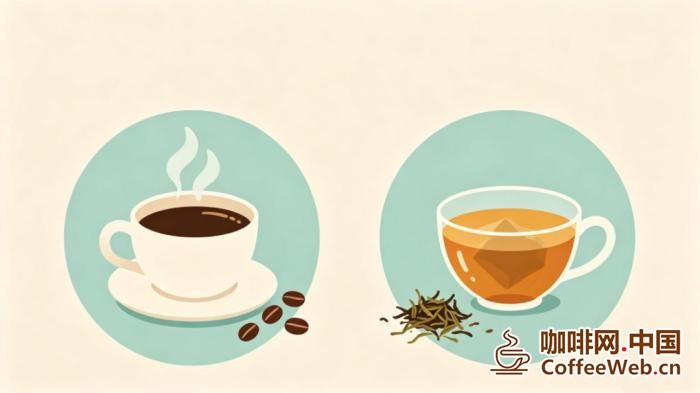
图为AI生成。
咖啡和茶含有什么?
咖啡中含有咖啡因,它是咖啡侠的核心力量来源。咖啡因是一种天然兴奋剂,亲水又亲脂,容易吸收,在45分钟内吸收99%,迅速穿过血脑屏障进入脑内。大脑中的腺苷会让我们感到疲倦,而咖啡因抢先与腺苷受体结合,阻断腺苷传递疲劳信号,同时促进多巴胺和去甲肾上腺素释放,让大脑快速清醒,思维更敏捷,注意力更集中,工作学习效率直线上升。
茶中含有茶氨酸,茶氨酸是茶侠的秘密武器之一。它能促进大脑产生α脑波,这种脑波让大脑处于放松且清醒的状态,帮助缓解压力、改善情绪;同时,茶里富含抗氧化剂,如绿茶中的儿茶素,尤其是EGCG(表没食子儿茶素没食子酸酯),能穿越血脑屏障,清除导致神经退行性变的β淀粉样蛋白,减少大脑炎症,预防神经细胞受损。
适度喝咖啡和茶有什么好处?
咖啡因的平均推荐剂量为2.4mg/kg/天,每天2—3杯的适度范围内,持续饮用咖啡与缓解各种疾病的进展之间存在潜在联系,包括偏头痛、中风、糖尿病、几种癌症系、多发性硬化症、心血管疾病、帕金森和阿尔兹海默病。
每天多喝一杯茶,痴呆症风险显著降低3.77%,特别是绿茶中的EGCG对减轻神经退行性疾病风险的显著作用。研究还发现,每天饮用1杯或更少的茶,可使头颈癌风险降低9%,下咽癌风险降低27%。
咖啡和茶喝的越多越好吗?
咖啡和茶并非喝的越多越好。
这个饮用量效果最显著研究还通过剂量反应分析发现,含咖啡因咖啡、茶的摄入量和痴呆风险、主观认知功能下降,呈非线性负相关——不是喝的越多效果越好。
研究发现了最优饮用范围。含咖啡因咖啡,每天喝2—3杯,关联效果最显著;茶则是每天喝1—2杯,对认知的保护作用更突出。
简单来说,日常适量喝杯含咖啡因的咖啡或茶,不仅能提神,还能为认知健康“保驾护航”,降低未来患上痴呆的风险,且把握好每日饮用量,效果会更优。

图为AI生成。
过量摄入的危害是什么?
过量摄入咖啡因(一般建议单日不超400mg,约4杯美式),会产生交感神经症状,出现焦虑不安、失眠多梦、心悸心慌等症状。
还可能刺激胃酸过度分泌,引起胃肠不适,长期过量甚至影响心脏健康,增加心律失常风险。
在合并症(如严重心脏疾病、失眠、极度紧张,有时还包括妊娠)时避免饮用咖啡。
喝咖啡和茶还应该注意什么?
1.不空腹:不空腹饮用浓茶和咖啡,避免咖啡因快速吸收刺激肠胃和神经。
2.不超量:每个人对咖啡因的耐受程度不同,建议健康成人每日咖啡因摄入量不超过400毫克,单次摄入量应控制在200毫克以内。
3.多喝水:喝咖啡最好配一杯水。咖啡有利尿作用,容易导致脱水。在饮用咖啡前应先喝水,以补充身体所需的水分。
4.不混喝:喝茶、喝咖啡以及功能饮料时,切勿与酒精、碳酸饮料混合饮用,降低协同伤害风险。
5.少加糖:加糖和奶油会使咖啡的热量和糖分上升,对身体健康产生不利影响。如果非常需要增加口感,可以选择在咖啡中加一些魔芋或椰奶。
6.白天喝:咖啡因在人体内需要8—10小时左右才能被完全代谢掉,因此建议不要在晚上喝咖啡,会影响睡眠质量,最好在下午3点之前饮用。对于睡眠不好的人,更建议在上午喝。
哪些人饮用咖啡要慎重?
孕妇和备孕女性的咖啡因总量宜控制在每天200毫克以内,因咖啡因可进入母乳中,因此哺乳期女性应尽量少喝或不喝咖啡,否则婴儿容易出现烦躁或睡眠改变。
儿童和青少年不建议把咖啡、奶茶或能量饮料作为日常提神的手段。
容易失眠、焦虑、心悸、胃食管反流,或者血压控制不佳的人,应尽量减少咖啡的摄入量。饮用后若出现持续心悸、胸闷、明显头晕等症状,应停止饮用并及时就医。
正在服药者若不确定是否与咖啡存在相互作用,可以先咨询医生或药师。
此外,缺铁性贫血、以植物性食物为主或正在服用铁剂的人,喝咖啡最好与正餐或铁剂间隔1~2小时,以减少对非血红素铁吸收的影响。
血脂偏高且经常饮用法压壶、土耳其咖啡等未经过滤咖啡的人,可以考虑改用纸滤咖啡,以减少可能升高低密度脂蛋白胆固醇的咖啡醇等物质的摄入量。
咖啡与茶虽拥有守护大脑健康的益处,但并非多多益善。选对饮用时机、把控合适饮用量,结合自身身体状况理性饮用,才能在享受香醇滋味的同时,更好地发挥它们对身体的积极作用,收获提神与健康的双重体验。
来源丨广西云-广西日报综合科普中国、中国科学报、南京日报、北京青年报、科技日报、北京时间等
In the fast-paced modern life, coffee and tea often accompany us, becoming one of the most widely consumed beverages worldwide. Did you know? They can also be called the "brain health heroes" in the beverage industry who protect brain health.
The image is generated by AI.
What do coffee and tea contain?
Coffee contains caffeine, which is the core source of strength for Coffee Man. Caffeine is a natural stimulant that is hydrophilic and lipophilic, easily absorbed, with 99% absorbed within 45 minutes, quickly crossing the blood-brain barrier and entering the brain. Adenosine in the brain can make us feel tired, and caffeine binds to adenosine receptors first, blocking the transmission of fatigue signals by adenosine, while promoting the release of dopamine and norepinephrine, allowing the brain to quickly wake up, think more agilely, concentrate more, and improve work and study efficiency.
Tea contains theanine, which is one of the secret weapons of tea warriors. It can promote the production of alpha brain waves in the brain, which keep the brain in a relaxed and awake state, helping to relieve stress and improve emotions; At the same time, tea is rich in antioxidants, such as catechins in green tea, especially EGCG (epigallocatechin gallate), which can cross the blood-brain barrier, clear beta amyloid protein that causes neurodegeneration, reduce brain inflammation, and prevent damage to nerve cells.
What are the benefits of moderate coffee and tea consumption?
The average recommended dose of caffeine is 2.4mg/kg/day, within the moderate range of 2-3 cups per day, there is a potential relationship between continuous coffee drinking and the alleviation of the progress of various diseases, including migraine, stroke, diabetes, several cancer lines, multiple sclerosis, cardiovascular disease, Parkinson's disease and Alzheimer's disease.
Drinking an extra cup of tea every day significantly reduces the risk of dementia by 3.77%, especially the significant effect of EGCG in green tea on reducing the risk of neurodegenerative diseases. The study also found that drinking one cup or less of tea per day can reduce the risk of head and neck cancer by 9% and the risk of throat cancer by 27%.
Is it better to drink more coffee and tea?
Coffee and tea are not necessarily the more you drink, the better.
The most significant study on the effect of drinking quantity also found through dose-response analysis that the intake of caffeinated coffee and tea is nonlinearly negatively correlated with the risk of dementia and subjective cognitive function decline - not the more you drink, the better the effect.
The study found the optimal drinking range. Caffeine containing coffee, drinking 2-3 cups per day, has the most significant correlation effect; Drinking 1-2 cups of tea every day has a more prominent protective effect on cognition.
Simply put, drinking a moderate cup of coffee or tea containing caffeine in daily life can not only refresh the mind, but also "protect" cognitive health, reduce the risk of developing dementia in the future, and control the daily consumption amount. The effect will be even better.
The image is generated by AI.
What are the hazards of excessive intake?
Excessive intake of caffeine (generally recommended not to exceed 400mg per day, about 4 cups of American style) can cause sympathetic nervous system symptoms, including anxiety, insomnia, dreams, palpitations, and palpitations.
It may also stimulate excessive secretion of gastric acid, causing gastrointestinal discomfort, long-term overdose, and even affecting heart health, increasing the risk of arrhythmia.
Avoid drinking coffee during comorbidities such as severe heart disease, insomnia, extreme stress, and sometimes pregnancy.
What else should I pay attention to when drinking coffee and tea?
1. Not on an empty stomach: Drink strong tea and coffee on an empty stomach to avoid rapid absorption of caffeine and stimulation of the stomach and nerves.
2. Not excessive: Everyone has different tolerance levels for caffeine, and it is recommended that healthy adults consume no more than 400 milligrams of caffeine per day, with a single intake controlled within 200 milligrams.
3. Drink plenty of water: It's best to pair coffee with a glass of water. Coffee has a diuretic effect and can easily lead to dehydration. Drink water before drinking coffee to replenish the body's necessary hydration.
4. Do not mix: When drinking tea, coffee, and functional drinks, do not mix them with alcohol or carbonated drinks to reduce the risk of synergistic harm.
5. Add less sugar: Adding sugar and cream can increase the calorie and sugar content of coffee, which has adverse effects on health. If you really need to enhance the taste, you can choose to add some konjac or coconut milk to your coffee.
6. Drinking during the day: Caffeine takes about 8-10 hours to be completely metabolized in the human body, so it is recommended not to drink coffee at night as it can affect sleep quality. It is best to drink it before 3 pm in the afternoon. For people who have poor sleep, it is recommended to drink it in the morning.
Who should be cautious when drinking coffee?
The total amount of caffeine in pregnant and preconception women should be controlled within 200 milligrams per day, as caffeine can enter breast milk. Therefore, lactating women should try to drink less or avoid coffee, otherwise the baby may experience irritability or sleep changes.
It is not recommended for children and adolescents to use coffee, milk tea, or energy drinks as a daily way to refresh themselves.
People who are prone to insomnia, anxiety, palpitations, gastroesophageal reflux, or poor blood pressure control should try to reduce their intake of coffee as much as possible. If there are persistent symptoms such as palpitations, chest tightness, and obvious dizziness after drinking, stop drinking and seek medical attention promptly.
If a person taking medication is unsure whether there is an interaction with coffee, they can consult a doctor or pharmacist first.
In addition, for people with iron deficiency anemia, who mainly consume plant-based foods, or are taking iron supplements, it is best to drink coffee 1-2 hours after meals or iron supplements to reduce the impact on non heme iron absorption.
Those who have high blood fat and often drink unfiltered coffee such as French coffee press and Türkiye coffee can consider using paper filter coffee to reduce the intake of caffeinated alcohol and other substances that may increase LDL cholesterol.
Although coffee and tea have the benefits of protecting brain health, the more is not necessarily the better. Choosing the right drinking time, controlling the appropriate amount, and drinking rationally based on one's own physical condition can not only enjoy the mellow taste, but also better exert their positive effects on the body, and achieve a dual experience of alertness and health.
Source: Guangxi Cloud Guangxi Daily Comprehensive Science Popularization China, China Science Daily, Nanjing Daily, Beijing Youth Daily, Science and Technology Daily, Beijing Time, etc