


61 1 收藏 分享 喝咖啡好处多还是坏处多?长期喝咖啡该注意什么?Are there more benefits or drawbacks to drinking coffee? What should I pay attention to when drinking coffee for a long time?
一杯咖啡究竟有什么用?
对喜欢喝咖啡、习惯喝咖啡的人来说,是提神续命,是脑壳不痛,是在喝下的瞬间觉得人间值得!
对不喜欢、不习惯喝咖啡的人来说,则是心慌心悸,是半夜失眠,是喝完立马就能去厕所一泻千里!
早起喝一杯咖啡,是很多人开启新一天的标配。但,咖啡一直背负着些许健康争议。近日,#长期喝咖啡会导致皮质醇过高#登上微博热搜,阅读量有4亿。

众咖啡爱好者一脸懵,真相到底如何?一起来看看。

皮质醇是啥?
皮质醇,常被通俗地称作“压力激素”,由肾上腺皮质产生,是我们身体里一种很重要的激素,身体面临压力时,就会释放皮质醇。
正常情况下,皮质醇有利于调节压力、分解脂肪、稳定血压、对抗炎症,帮我们激发更多能量,让我们注意力更集中等。
皮质醇分泌具有昼夜节律性。早晨8点左右皮质醇水平最高,下午时它就会下降,最低点大约在凌晨2点。
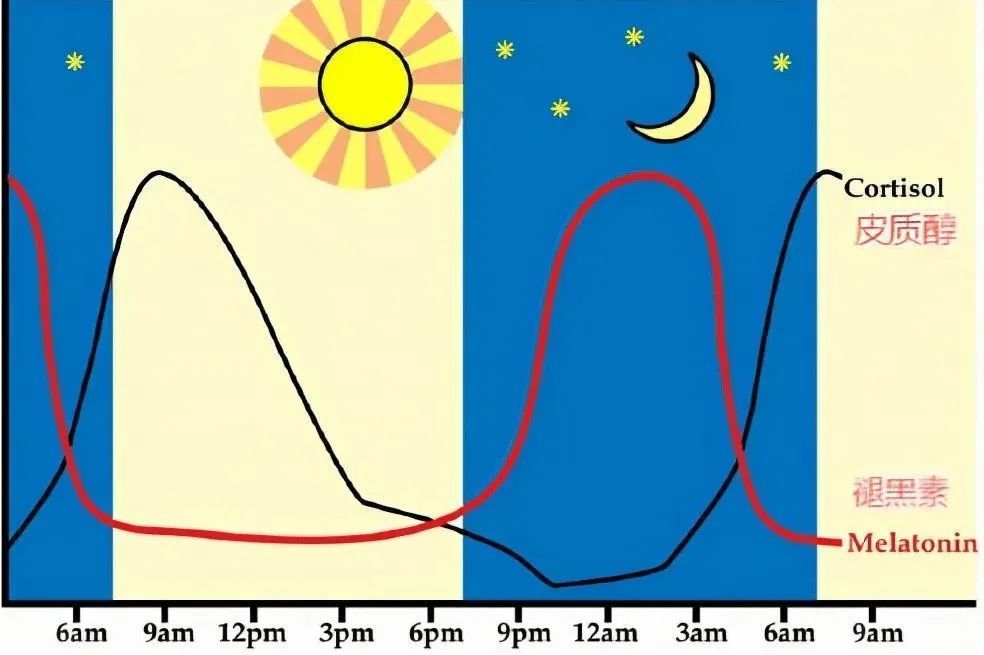
皮质醇的分泌,受到精神压力、药物、咖啡因及某些肿瘤的影响,小幅度短期波动是正常的,不太可能对身体造成危害,但长期升高可能造成肥胖,增加患心血管病、糖尿病和恶性肿瘤的风险。
长期喝咖啡
会导致皮质醇过高?
如上所述,吃东西、锻炼和精神压力都可以影响皮质醇的分泌,喝咖啡也有类似作用。
咖啡因可以促进肾上腺素的产生,有人喝了咖啡,就会感觉心率加快,很兴奋的感觉。而肾上腺会分泌皮质醇,长期喝咖啡可能会让皮质醇多一点。但目前没有证据表明,皮质醇会持续地增高,从而影响人的机体变化,因为人的机体有自我调控的功能。
至于热搜中提到的“长期喝咖啡让小肚子难减”,这种情况最大的可能性就是你喝的咖啡不是一般的黑咖啡,而是加了奶、糖,以及其他的东西,导致热量摄入增多,体重上升。而不是喝了咖啡引起皮质醇升高导致的肥胖。
长期喝咖啡
对人体都有哪些影响?
你们应该都晓得喝了咖啡能利尿,是不是没想到居然还有通便的效果?
是的,没豁大家,喝了咖啡的确可以帮助排便,这是因为咖啡可以促进胃泌激素的分泌,能刺激肠道活动,增强肠动力。但通便的效果就因人而异了,有的人喝了咖啡可能就是在蹲坑时稍微顺畅一点,而有的人喝了就立马见效窜稀,还有的呢可以说是毫无反应。但不管咋个说,咖啡通便的作用是很明确的。
这里提示一句,很多咖啡里都添加了牛奶,有的朋友喝了拉稀,也可能是对牛奶中的乳糖不耐受引起的。
2
有的人偶尔喝几口咖啡,整个人就感觉心跳加速,出现心悸等症状,会怀疑自己是不是心脏出了问题,甚至以为喝咖啡会对心脏健康产生一些不良的影响。
其实,大家不必过于担心,出现这些情况都是因为咖啡因。人体在摄入咖啡因后激活了交感神经,在起到提神作用的同时,也会增强心脏的心肌收缩率,从而出现心跳加速的情况。如果一个人对咖啡因比较敏感的话,喝完咖啡后就会明显感到心动过速,而比起长期喝咖啡的人,偶尔或者初次喝咖啡的人会更容易出现心慌心悸的情况。
这里也啰嗦一句,如果最近处于工作、精神压力大的状态下,突然出现喝咖啡后心慌心悸甚至症状不断加重,那么建议首要是好好休息,其次减少咖啡的摄入,亚健康状态是会加重这些症状的。
这一点其实用不着多说了,既然咖啡能起到提神的效果,那当你喝多或者喝的时间离睡觉时间太近,咖啡因还在发挥作用,自然能让你睡不戳。
不过人和人之间就是那么不同,有的人下午闷了几口咖啡,能够续航到半夜,但有的人即使晚上喝了咖啡,也能倒头就睡,莫法,摊手.jpg

咖啡的这些“危害”
都不用担心
对于咖啡到底会不会致癌这件事,科学家们也是走了弯路的,最早有人认为咖啡豆在高温烘烤下,会产生致癌物丙烯酰胺,所以就把咖啡列入了致癌物质的行列,但随着研究不断深入和扩大,科学家们逐渐发现,真·错怪了人家。
首先,丙烯酰胺虽然是致癌物质,但咖啡中的含量低,一个成人起码每天要喝上几十上百杯的咖啡,才能够量,但哪个又喝得到那么多呢?
其次,丙烯酰胺存在于很多食物中,如油条、炸薯条、烧烤等,一杯咖啡中的丙烯酰胺含量不见得比这些食物多,单独把咖啡拿出来吊打是很不合理的。
最后,也是最重要的一点,国际癌症研究机构将丙烯酰胺确定为2A类致癌物质,虽然在动物试验中具有明确致癌作用,在人群研究结果中还没得定论,也就是说,它致癌的证据还不足。
比起担心丙烯酰胺会致癌,大家不如注意咖啡的温度,因为喝65℃以上的热饮,可能会增加得食管癌的风险,所以,不管是咖啡、茶、水、汤等,都不要喝得太烫,晾一下再喝。
有的人认为咖啡属于刺激性的饮品,尤其空腹喝会伤胃。刚才也讲了,既然咖啡可以通便,那确实会刺激到胃部,浓度越高的咖啡对肠胃刺激性越大,至于引起的反应有多大,这也是因人而异,但大家注意了,咖啡本身并不会导致胃肠道疾病。
对于胃肠道没有疾病的人来说,喝咖啡最多就是加速胃肠蠕动,但对于本来就有胃食管反流、胃溃疡等有胃肠道疾病的人群来说,那喝咖啡可能会加重反酸、烧心等症状。
咖啡喝得多,是可能会让牙齿变黄,但并不会让皮肤变黑啊!之前你们担心酱油吃多了要变黑,现在又轮到咖啡了,想象力还真是过于丰富。给你们说,想变黑晒太阳或者花钱去做美黑都行,但喝咖啡真的喝不黑你的皮肤!
因为咖啡中的色素和人体的黑色素完全不是一回事,人体的黑色素是由黑色素细胞生成并且储存在其中,影响黑色素细胞分泌黑色素的主要原因是酪氨酸酶的活性,而酪氨酸酶的活性受紫外线的影响很大,不会因为每天吃进肚儿的食物色素影响到皮肤。不然你喝了那么多年的牛奶、酸奶,也没见变白啊……
喝惯了咖啡的人偶尔一天没有喝,可能会出现脑壳痛的情况,很多人就说自己“咖啡成瘾”,其实,这种情况应该叫【咖啡因戒断性头痛】。
根据研究发现,咖啡因使用量大于200mg/天,持续时间大于2周,突然戒断或者没有按时服用咖啡因,在24小时内就出现头痛,并且这种头痛在马上服用100mg咖啡因后1小时内就好转了,或者头痛在戒断咖啡因7天后就好转,那么就属于【咖啡因戒断性头痛】。
大家也不要担心,这种瘾不像烟瘾、酒瘾、毒瘾的危害大,一般来说连续一两周不喝就会慢慢缓解,对身体没有啥子不良影响,淡定点,莫得好大问题!

那长期喝咖啡好吗?
健康喝咖啡有什么需要注意的?
看到这,爱喝咖啡的人疑问了,长期喝咖啡好吗?2022年,发表于《欧洲预防心脏病学杂志》的一项研究就指出:每天喝0.5-3杯咖啡,与全因死亡率下降12%,心血管病死亡率下降17%有关,相比不喝咖啡的人,长期喝咖啡的人心血管健康状况更优,但好处都是无咖啡因咖啡和研磨咖啡的,并不包括速溶咖啡。
其实,每个人对咖啡因的反应会有差异,因此并非所有人都会受到相同程度的影响。但对于大多数人来说,只要适度饮用咖啡,通常是安全的,不会导致健康问题。健康喝咖啡,也可以注意以下细节:
1.尽量选黑咖啡,避免长期喝速溶咖啡。速溶咖啡中的添加剂包括植脂末和白砂糖,这些添加剂可能会对健康产生负面影响。
咖啡的选择 优先推荐纯黑咖啡,热量低,且含丰富的钾和抗氧化物质。其次在浓缩咖啡基础上加入奶的种类,如拿铁、卡布奇诺,优点是增加了钙和蛋白质。最不推荐的是额外加糖、奶油的种类,如加入巧克力酱和鲜奶油的摩卡、焦糖玛奇朵等。

2.一天最好别超3杯一般来说,一杯(约200~300毫升)咖啡中含有100~150毫克咖啡因。目前,国际研究机构对咖啡因的评估结果分析,正常人每天摄入400毫克以内的咖啡因是安全的。因此,健康成年人每天喝2-3杯是可以的。

3.喝咖啡也有最佳时间:9:30~11:00之间。
大量频繁摄入咖啡因,尤其是在一天中压力较大时(如早起后或焦虑时),更可能导致皮质醇过高。因此,喝咖啡最好避开压力过大的时刻。咖啡因需要8小时左右才能代谢出去,所以别太晚喝。一般来说,上午10点左右喝,可以达到很好的提神效果。

4.特殊人群不喝或者少喝孕妇和哺乳期女性、儿童青少年、骨质疏松症或消化道疾病患者、正在服药者、对咖啡因敏感者、失眠者,尽量不喝或少喝咖啡。
总之,如果你是一个咖啡爱好者,不必因为担心皮质醇而放弃咖啡。

编辑 / 孙超慧
资料 /南京卫生12320 四川大学华西医院 生命时报
1.很多人都不知道!原来还有这个假可以请……
2.夏季儿童易腹泻,怎么防怎么治一篇说清楚!
What is the use of a cup of coffee?
For those who enjoy and are accustomed to drinking coffee, it's about refreshing and prolonging their lives, about not having a headache, and about feeling that the world is worth it in the moment they drink it!
For people who don't like or are not used to drinking coffee, it's palpitations, insomnia in the middle of the night, and the urge to go to the bathroom immediately after drinking it!
Getting up early and having a cup of coffee is a standard for many people to start a new day. However, coffee has always been burdened with some health controversies. Recently, # Long term coffee consumption can lead to high cortisol # has become a hot topic on Weibo with 400 million views.
Coffee enthusiasts are confused, what is the truth? Let's take a look together.
What is cortisol?
Cortisol, commonly known as the "stress hormone," is produced by the adrenal cortex and is an important hormone in our body. When our body is under stress, it releases cortisol.
Under normal circumstances, cortisol is beneficial for regulating stress, breaking down fat, stabilizing blood pressure, fighting inflammation, helping us stimulate more energy, and making us more focused.
Cortisol secretion has a circadian rhythm. Cortisol levels are highest around 8am in the morning, then decrease in the afternoon, and reach their lowest point around 2am.
The secretion of cortisol is affected by mental pressure, drugs, caffeine and some tumors. Small short-term fluctuations are normal and unlikely to cause harm to the body, but long-term increase may cause obesity and increase the risk of cardiovascular disease, diabetes and malignant tumors.
Long term coffee consumption
Can it lead to excessive cortisol?
As mentioned above, eating, exercising, and mental stress can all affect the secretion of cortisol, and drinking coffee has a similar effect.
Caffeine can promote the production of adrenaline, and some people feel their heart rate increase and excited after drinking coffee. The adrenal glands secrete cortisol, and long-term coffee consumption may increase cortisol levels. But there is currently no evidence to suggest that cortisol continues to increase, thereby affecting changes in the human body, as the human body has self-regulation functions.
As for the phrase "drinking coffee for a long time makes it difficult to lose weight" mentioned in the hot search, the most likely scenario is that the coffee you drink is not ordinary black coffee, but has added milk, sugar, and other things, leading to an increase in calorie intake and weight gain. Instead of obesity caused by elevated cortisol levels due to drinking coffee.
Long term coffee consumption
What are the impacts on the human body?
You all know that drinking coffee can promote diuresis, didn't you expect it to have a laxative effect?
Yes, I'm sorry, but drinking coffee can indeed help with bowel movements. This is because coffee can promote the secretion of gastric hormones, stimulate intestinal activity, and enhance intestinal motility. But the effect of defecation varies from person to person. Some people may drink coffee just to make it slightly smoother while squatting, while others may immediately experience diarrhea after drinking it, and some may have no response at all. But regardless, the laxative effect of coffee is very clear.
Here is a reminder that many coffees contain milk, and some friends who drink diarrhea may also be intolerant to lactose in milk.
two
Some people occasionally take a few sips of coffee, feeling their heart rate increase and experiencing symptoms such as palpitations. They may suspect that there is a problem with their heart and even think that drinking coffee will have some adverse effects on their heart health.
Actually, there's no need to worry too much, these situations are all due to caffeine. After consuming caffeine, the human body activates the sympathetic nervous system, which not only has a refreshing effect, but also enhances the myocardial contraction rate of the heart, resulting in accelerated heartbeat. If a person is sensitive to caffeine, they will feel obvious tachycardia after drinking coffee, and compared to those who drink coffee for a long time, those who drink coffee occasionally or for the first time are more likely to experience palpitations.
I would like to add that if you have been under a lot of work and mental pressure recently, and suddenly experience palpitations, heart palpitations, or even worsening symptoms after drinking coffee, it is recommended to rest well first and reduce coffee intake. Sub healthy conditions can worsen these symptoms.
There's actually no need to say more about this. Since coffee can have a refreshing effect, when you drink too much or drink too close to bedtime, caffeine still plays a role, naturally making it difficult for you to sleep.
However, people are so different from each other. Some people can last until midnight after taking a few sips of coffee in the afternoon, while others can still fall asleep after drinking coffee at night. There's no other way
The hazards of coffee
Don't worry
Scientists have also taken a wrong turn when it comes to whether coffee can cause cancer. Initially, some people believed that coffee beans would produce the carcinogenic substance acrylamide when roasted at high temperatures, so coffee was listed as a carcinogen. However, as research continues to deepen and expand, scientists gradually realize that they have really misjudged them.
Firstly, although acrylamide is a carcinogen, the content in coffee is low. An adult needs to drink dozens or even hundreds of cups of coffee every day to get enough, but who can drink so much?
Secondly, acrylamide exists in many foods, such as deep-fried dough sticks, French fries, barbecues, etc. The acrylamide content in a cup of coffee is not necessarily more than these foods. It is unreasonable to take out the coffee alone.
Finally, and most importantly, the International Agency for Research on Cancer has identified acrylamide as a Class 2A carcinogen. Although it has a clear carcinogenic effect in animal experiments, the results of population studies have not yet been conclusive, indicating that the evidence for its carcinogenicity is insufficient.
Instead of worrying about acrylamide causing cancer, it is better to pay attention to the temperature of coffee, because drinking hot drinks above 65 ℃ may increase the risk of esophageal cancer. Therefore, whether it is coffee, tea, water, soup, etc., do not drink too hot and let it dry before drinking.
Some people believe that coffee is a stimulating beverage, especially when consumed on an empty stomach, which can harm the stomach. As mentioned earlier, since coffee can relieve constipation, it can indeed stimulate the stomach. The higher the concentration of coffee, the greater the irritation to the gastrointestinal tract. As for the extent of the reaction caused, it varies from person to person, but please note that coffee itself does not cause gastrointestinal diseases.
For people without gastrointestinal diseases, drinking coffee at most accelerates gastrointestinal peristalsis, but for those who already have gastrointestinal diseases such as gastroesophageal reflux and gastric ulcers, drinking coffee may worsen symptoms such as acid reflux and heartburn.
Drinking too much coffee may cause teeth to turn yellow, but it does not cause skin to turn black! Previously, you were worried that eating too much soy sauce would turn black, but now it's time for coffee again. Your imagination is really too rich. Let me tell you, you can get tanned by sunbathing or spending money on tanning, but drinking coffee really won't darken your skin!
Because the pigments in coffee are completely different from the melanin in the human body, which is generated and stored by melanocytes. The main reason that affects the secretion of melanin by melanocytes is the activity of tyrosinase, which is greatly affected by ultraviolet radiation and does not affect the skin due to the pigments in the food consumed every day. Otherwise, after drinking milk and yogurt for so many years, you wouldn't have seen it turn white
People who are used to drinking coffee and occasionally don't drink it for a day may experience headaches. Many people say they are "addicted to coffee", but in fact, this condition should be called "caffeine withdrawal headache".
According to research, if the amount of caffeine used is greater than 200mg/day, the duration is greater than 2 weeks, sudden withdrawal or failure to take caffeine on time, and headaches occur within 24 hours, and these headaches improve within 1 hour after taking 100mg of caffeine immediately, or the headaches improve after stopping caffeine for 7 days, then it belongs to "caffeine withdrawal headache".
Don't worry, this addiction is not as harmful as smoking, drinking, or drug addiction. Generally speaking, if you don't drink for one or two consecutive weeks, it will gradually relieve and have no adverse effects on your body. Stay calm and don't worry too much!
Is it good to drink coffee for a long time?
What should I pay attention to when drinking coffee healthily?
Seeing this, coffee lovers are wondering, is it good to drink coffee for a long time? In 2022, a study published in the European Journal of Preventive Cardiology found that drinking 0.5-3 cups of coffee per day is associated with a 12% decrease in all-cause mortality and a 17% decrease in cardiovascular disease mortality. Compared to those who do not drink coffee, those who drink coffee for a long time have better cardiovascular health, but the benefits are for decaffeinated coffee and ground coffee, not including instant coffee.
In fact, everyone's reaction to caffeine varies, so not everyone will be affected to the same extent. But for most people, as long as they drink coffee in moderation, it is usually safe and will not cause health problems. Drinking coffee healthily can also pay attention to the following details:
1. Try to choose black coffee and avoid drinking instant coffee for a long time. The additives in instant coffee include vegetable fat powder and white sugar, which may have negative effects on health.
The preferred choice for coffee is pure black coffee, which is low in calories and rich in potassium and antioxidants. Secondly, adding milk types such as latte and cappuccino on top of espresso has the advantage of increasing calcium and protein. The least recommended types are those that add extra sugar or cream, such as mocha with chocolate sauce and fresh cream, caramel macchiato, etc.
2. It is best not to exceed 3 cups per day. Generally speaking, one cup (about 200-300 milliliters) of coffee contains 100-150 milligrams of caffeine. At present, international research institutions have analyzed the evaluation results of caffeine, and it is safe for normal people to consume less than 400 milligrams of caffeine per day. Therefore, it is acceptable for healthy adults to drink 2-3 cups per day.
3. There is also an optimal time to drink coffee: between 9:30-11:00.
Excessive and frequent intake of caffeine, especially during times of high stress throughout the day (such as waking up early or feeling anxious), is more likely to lead to elevated cortisol levels. Therefore, it is best to avoid moments of excessive stress when drinking coffee. Caffeine takes about 8 hours to metabolize, so don't drink too late. Generally speaking, drinking around 10am can achieve a good refreshing effect.
4. Special populations should avoid or reduce their consumption of coffee, including pregnant and lactating women, children and adolescents, patients with osteoporosis or gastrointestinal diseases, those taking medication, caffeine sensitive individuals, and those suffering from insomnia.
In short, if you are a coffee enthusiast, there is no need to give up coffee just because you are worried about cortisol.
Editor/Sun Chaohui
Data/Nanjing Health 12320 West China Hospital of Sichuan University Life Times
Many people don't know! So there is still this leave that can be taken
2. Children are prone to diarrhea in summer, how to prevent and treat it clearly in one article!