
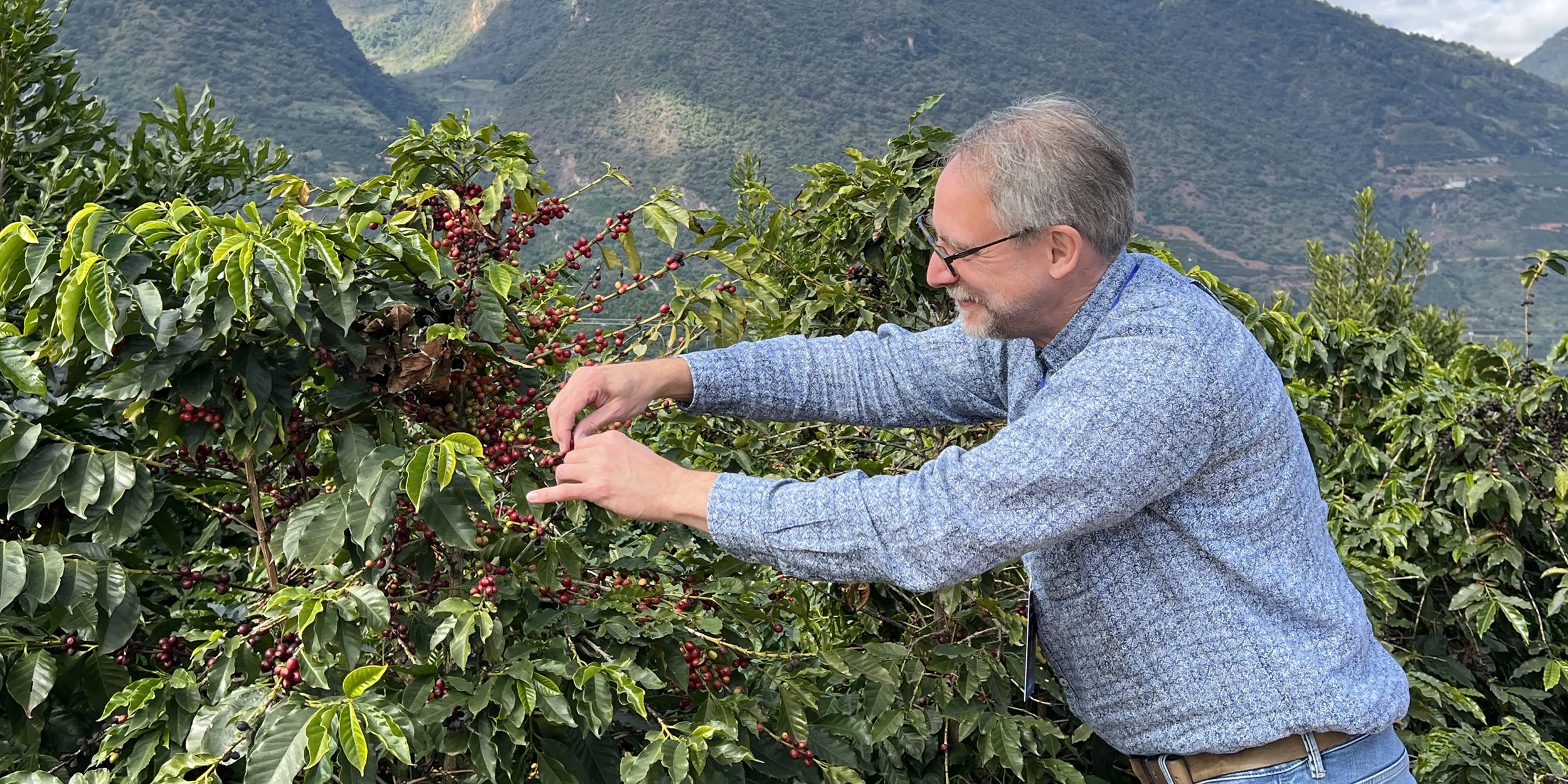

咖啡里到底藏着什么,你知道吗?Do you know what's hidden in coffee?
很多人喜欢喝咖啡,有的是因为它的口味,有的是觉得它醒脑提神,那么今天我们就来一起了解一下,咖啡到底藏着什么?
咖啡最早起源于埃萨俄比亚,
当地的土著开始都是用来嚼食咖啡果实来提神,但未形成“冲泡饮品”,至今埃塞俄比亚仍是重要咖啡产国。
15世纪左右 - 也门,苏菲派修士用咖啡助长夜间祈祷、保持清醒,首次将咖啡豆烘焙+研磨+煮饮,形成现代咖啡雏形。当时港口摩卡(Mocha/Al-Makha)成为重要出口地→摩卡咖啡名字的来源。

来自网络
新鲜的咖啡豆成分含有绿原酸、蔗糖、咖啡因、蛋白质/氨基酸、脂质、纤维素/半纤维素、水分、挥发性芳香物、极微量的毒素,在烘焙之后,除了咖啡因、绿原酸及类黑精(新生成)之外,其余的微量元素所剩无几,可以说咖啡不存在什么营养价值。

来自网络
一、咖啡对人体的潜在好处(适量饮用时)
1.提神醒脑:咖啡因阻断腺苷,短期提升注意力、反应速度和警觉性
2.抗氧化作用:富含绿原酸等多酚,有助对抗氧化应激和慢性炎症
咖啡是西方饮食中最大的膳食抗氧化剂来源之一
3.与帕金森、肝癌、肝硬化风险降低有一定关联
肝脏是咖啡“益处最一致”的器官之一,不等于“治疗”,仅为风险关联
4.2 型糖尿病风险降低
归因于:绿原酸改善胰岛素敏感性 + 抗氧化 + 抗炎
5.轻度提升基础代谢 & 脂肪氧化(约 3%~5%)
可辅助减脂期运动表现,但不能代替饮食控制
6.适量饮用中风(缺血性)风险轻度下降或中性;心衰风险不增加,部分研究示略降
对血压是短暂升高 → 高血压患者需控量 & 避免未滤过大量深烘
前提:健康成人、适量饮用(通常每天 3~5 杯过滤黑咖啡,咖啡因 ≤400 mg)、无禁忌症;
益处基于黑咖啡 / 滤纸咖啡;
加糖 + 植脂末多量 → 抵消甚至逆转好处;
孕妇、严重高血压、心律失常、胃食管反流、焦虑症者需个体化限制

☕ 咖啡(咖啡因)对人体的潜在坏处与风险
前提说明:多数坏处在过量、空腹、个体敏感、特殊人群下更明显;适量黑咖啡对大多数健康人短期是可耐受的。
1.引起失眠、焦虑、依赖
咖啡因半衰期 3~5 小时(个别可达 9 h);下午/晚上饮用 → 入睡困难、浅睡、早醒
每日规律摄入 ≥100 mg 数周后,突然停饮 → 头痛、疲倦、易怒、注意力降(1~3 天最明显)
2.胃刺激
胃食管反流 / 烧心(尤其空腹 + 浓咖啡)
咖啡因松弛下食管括约肌 + 促胃酸分泌
个别出现胃痛、恶心(空腹喝浓缩易诱发)
3.心血管影响
心率增快 / 早搏感(敏感者、心律失常史)
短暂血压升高(SBP ↑3–5 mmHg,30–90 分)→ 未控制高血压者注意
未滤过咖啡(法压/煮式)含咖啡醇 → 大量长期饮用可 ↑ LDL-C、总胆固醇
4.骨骼 & 矿物质
轻微影响钙吸收(≈ 每杯多尿钙排出 2–3 mg)
长期大量 + 钙摄入不足 → 老年/绝经女性骨折风险轻微↑
每天额外补奶/钙片可抵消

来自网络
多数坏处与过量(>400 mg 咖啡因/天)、空腹浓饮、未滤过大量深烘、个体敏感有关;
真正把咖啡变成“不健康饮品”的常是添加大量糖 + 植脂末,而非咖啡本身。
那么,怎么喝咖啡才比较好?
综合来看,对大多数健康成人:
量:每天 ≤ 3~4 杯(咖啡因 ≤ 400 mg)
方式:优先选择过滤黑咖啡,其次少量纯奶咖啡
时间:起床 60~90 分钟后喝,睡前 6 小时不喝
习惯:不空腹猛灌浓缩,不加糖与植脂末
选豆:浅–中烘焙、新鲜、密封防潮
特殊人群:孕妇 ≤ 200 mg/天;高血压、焦虑、胃病者减量或遵医嘱

来自网络
调配方式:
黑咖啡 → 最纯粹
纯奶 / 燕麦奶 → 可接受、护胃
糖 / 糖浆 → 开始抵消好处
植脂末 + 奶油顶 → 基本告别健康收益

来自网络
咖啡不会让你变的多健康,也不会说对你有大的伤害,怎么喝、喝多少才是关键。
咖啡越来越深入到每个家庭,越来越多人喜欢它,适当饮用,增加风味也不失为一种不错的选择。
那么你喜欢喝什么口味的咖啡呢?

来自网络
Many people like to drink coffee, some because of its taste, and some because they find it refreshing and invigorating. So today, let's explore together what exactly coffee hides?
Coffee originated in Ethiopia,
The local indigenous people initially used to chew coffee fruits to refresh themselves, but did not form "brewed drinks". Ethiopia is still an important coffee producing country today.
Around the 15th century in Yemen, Sufi monks used coffee to promote nighttime prayer and wakefulness, and for the first time roasted, ground, and brewed coffee beans, forming the embryonic form of modern coffee. At that time, the port of Mocha/Al Makha became an important export destination - the origin of the name Mocha coffee.
From the internet
Fresh coffee beans contain chlorogenic acid, sucrose, caffeine, protein/amino acids, lipids, cellulose/hemicellulose, water, volatile aromatic compounds, and trace amounts of toxins. After roasting, apart from caffeine, chlorogenic acid, and newly generated melanin, there are very few other trace elements left, indicating that coffee has no nutritional value.
From the internet
1、 Potential benefits of coffee for the human body (when consumed in moderation)
1. Refreshing and refreshing: Caffeine blocks adenosine, short-term improves attention, reaction speed, and alertness
2. Antioxidant effect: Rich in polyphenols such as chlorogenic acid, it helps to combat oxidative stress and chronic inflammation
Coffee is one of the largest sources of dietary antioxidants in Western cuisine
3. There is a certain association with reduced risk of Parkinson's disease, liver cancer, and cirrhosis
The liver is one of the organs with the most consistent benefits of coffee, not equivalent to "treatment", only associated with risk
Risk reduction of type 4.2 diabetes
Attributed to: Chlorogenic acid improves insulin sensitivity+antioxidant+anti-inflammatory
5. Mild improvement in basal metabolism and fat oxidation (approximately 3% to 5%)
Can assist in reducing fat during exercise performance, but cannot replace dietary control
6. Moderate consumption may result in a mild or neutral risk of stroke (ischemia); Heart failure risk does not increase, some studies show a slight decrease
Blood pressure is temporarily elevated → Hypertensive patients need to control their intake and avoid unfiltered large amounts of deep baking
Prerequisite: Healthy adults, moderate consumption (usually 3-5 cups of filtered black coffee per day, caffeine ≤ 400 mg), no contraindications;
The benefits are based on black coffee/filter paper coffee;
Adding too much sugar and vegetable fat powder → offsetting or even reversing the benefits;
Pregnant women, individuals with severe hypertension, arrhythmia, gastroesophageal reflux disease, and anxiety disorders need individualized restrictions
☕ The potential harm and risks of coffee (caffeine) to the human body
Prerequisite statement: Most of the disadvantages are more pronounced in cases of overdose, fasting, individual sensitivity, and special populations; Moderate black coffee is tolerable for most healthy people in the short term.
1. Causes insomnia, anxiety, and dependence
The half-life of caffeine is 3-5 hours (some can reach up to 9 hours); Drinking in the afternoon/evening → difficulty falling asleep, light sleep, early awakening
After daily regular intake of ≥ 100 mg for several weeks, suddenly stopping drinking → headache, fatigue, irritability, and decreased attention (most obvious 1-3 days)
2. Gastric irritation
Gastroesophageal reflux/heartburn (especially on an empty stomach with strong coffee)
Caffeine relaxes the lower esophageal sphincter and promotes gastric acid secretion
Individual cases of stomach pain and nausea (easily triggered by drinking concentrated food on an empty stomach)
3. Cardiovascular effects
Increased heart rate/premature beats (sensitive individuals, history of arrhythmia)
Transient increase in blood pressure (SBP ↑ 3-5 mmHg, 30-90 points) → Attention for uncontrolled hypertension patients
Unfiltered coffee (French pressed/boiled) contains caffeic acid → long-term consumption in large quantities can increase LDL-C and total cholesterol
4. Bones&Minerals
Mild impact on calcium absorption (≈ 2-3 mg of polyuria calcium excretion per cup)
Long term high intake+insufficient calcium intake → Mild risk of fractures in elderly/menopausal women ↑
Extra daily milk/calcium supplements can offset it
From the internet
Most of the drawbacks are related to excessive intake (>400 mg caffeine/day), fasting heavy drinks, unfiltered large amounts of deep roasting, and individual sensitivity;
The real way to turn coffee into an "unhealthy drink" is often by adding a lot of sugar and vegetable fat powder, rather than the coffee itself.
So, how to drink coffee better?
Overall, for most healthy adults:
Quantity: ≤ 3-4 cups per day (caffeine ≤ 400 mg)
Method: Prioritize filtering black coffee, followed by a small amount of pure milk coffee
Time: Drink 60-90 minutes after waking up, do not drink for 6 hours before bedtime
Habit: Do not administer concentrated food on an empty stomach, without adding sugar or vegetable fat powder
Bean selection: light to medium baked, fresh, sealed and moisture-proof
Special population: Pregnant women ≤ 200 mg/day; Reduce or follow medical advice for patients with hypertension, anxiety, and stomach diseases
From the internet
Allocation method:
Black coffee → purest
Pure milk/oat milk → acceptable and stomach friendly
Sugar/Syrup → Start offsetting benefits
Plant fat powder+cream top → Say goodbye to basic health benefits
From the internet
Coffee won't make you healthier or cause you significant harm. The key is how and how much you drink.
Coffee is becoming increasingly popular in every household, and more and more people enjoy it. Drinking it in moderation to enhance its flavor is also a good choice.
So what flavor of coffee do you like to drink?