在新疆,咖啡是用热沙子“煮”出来的,是装在馕里的In Xinjiang, coffee is brewed with hot sand and packaged in naan
如果说以前提到新疆饮品,大家脑海里只有大盘鸡配冰镇大乌苏,或者是咸香滚烫的砖茶奶茶,那这两年的新疆,简直是把咖啡豆扔进了“香料乾坤大挪移”里重新炼制了一遍。
新疆的咖啡师们似乎达成了一个共识:既然咱们这儿啥都产——顶级的水果、浓厚的奶制品、甚至沙漠里的热沙,那为啥不能把它们和咖啡碰一下?于是,一场名为“新疆特色咖啡”的味觉革命,就这么猝不及防又顺理成章地炸了。
1. 馕咖啡:喝了不做“窝囊废”,还能把杯子吃了
先说说顶流——馕咖啡。这玩意儿在社交媒体上还有个很梗的别称:“窝馕啡”(喝了就不做窝囊废)。
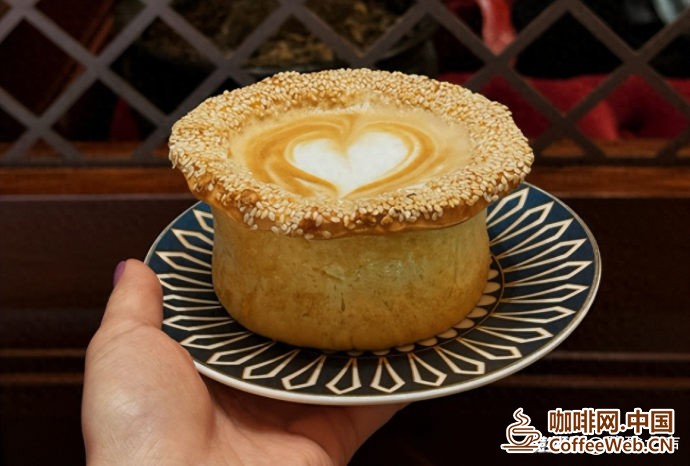
它的玩法非常硬核且实用:咖啡师会用一个新鲜烤制的迷你馕(通常是馕杯造型,做过防渗处理),代替咖啡杯。先倒进滚烫的意式浓缩,再拉个精致的奶泡花。
你可以用吸管吸,也可以拿勺子舀,但最绝的一定是喝完咖啡,直接把这个吸饱了咖啡汁、奶香和麦香的馕杯吃掉。那种外皮酥脆、内里吸满液体后软糯带韧劲的口感,麦香和咖啡焦香在嘴里“双向奔赴”,简直是碳水快乐水的终极形态。
2. 辣皮子拿铁:咖啡圈的“重口味天花板”
别听到辣椒加咖啡就急着划走,这可不是黑暗料理,而是“疆味特调”的精髓。新疆安集海产的辣皮子(干辣椒),肉厚、色红、香辣兼备。咖啡师通常会把它油泼激香,或者熬成酱、磨成粉,巧妙地融合进拿铁的奶泡里。
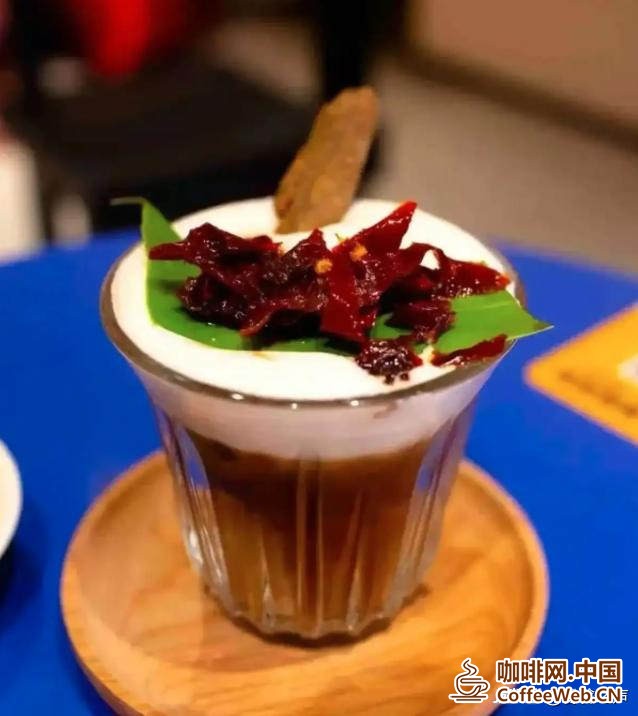
入口先是咖啡的醇厚和牛奶的温润,紧接着,辣皮子特有的咸香微辣会在舌尖铺开,完美中和了拿铁的甜腻。那种“又辣又爽、越喝越上头”的复合口感,像极了吃新疆炒米粉时噎得慌却舍不得放筷子的劲儿。
3. 沙煮咖啡:热沙里的丝路慢时光
如果把前面两种归类为“创意饮品”,那沙煮咖啡就是正儿八经的古老技艺新生的代表。
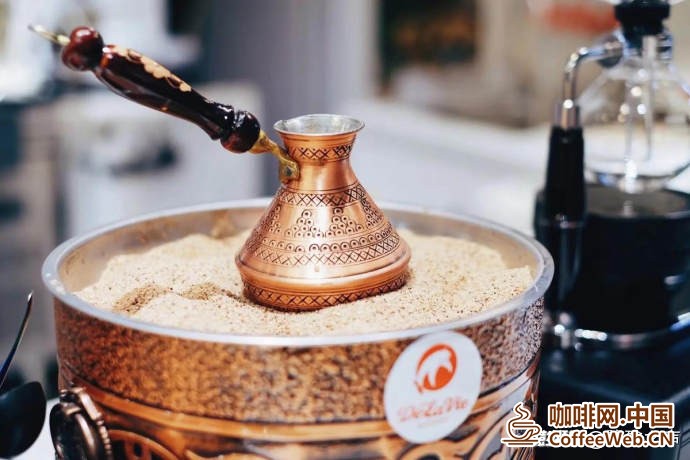
在喀什古城或乌鲁木齐大巴扎的一些老派咖啡馆里,你能看到这种源自奥斯曼帝国、经丝绸之路传过来的煮法。一个大铜盘里铺满滚烫的细沙,把装有咖啡粉和水的长嘴铜壶(“Jezve”)埋进沙子里。沙子比热容大、导热均匀,能让咖啡在80-92℃的黄金区间里慢萃,经历几次“沸腾-离火”的循环,最后顶着一层厚厚的、像蜂巢又像丝绸的金褐色泡沫出锅。喝起来比手冲更浓郁醇厚,带着一丝烟火气的焦香,配一块本地的油糕,仿佛能听见千年前的驼铃声。
4. 驼奶与酸奶:草原风味拿铁
新疆是牧场,所以咖啡遇上本地特色乳品,也是天作之合。
驼奶咖啡最近挺火,驼奶本身带有一种独特的轻微咸鲜和更高的醇厚度,打发出的奶泡也别有风味,比普通牛奶更“野”一点,是牧区珍品的城市化演绎。
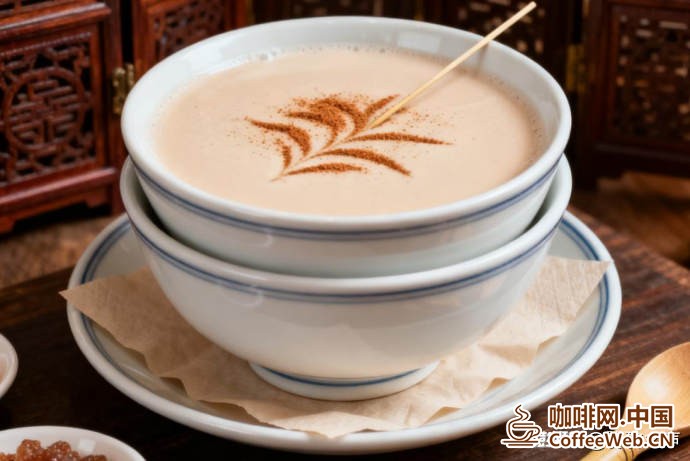
而酸奶咖啡则是清爽挂的,新疆本地的手工酸奶浓稠得像奶酪,质地细腻。当醇苦的冰咖啡遇上这勺浓酸奶,酸甜与苦涩交织,不需要太多糖,就能喝出一种草原般的舒爽感,特别适合新疆那些暴晒的午后。

新疆特色咖啡的走红,其实不只是为了猎奇。它更像是一种文化态度的表达:我们尊重咖啡的仪式感,但我们更爱自家门口的馕、辣皮子、骆驼和沙漠。
下次如果你飞去乌鲁木齐或者喀什,别只盯着景点看了,钻进那些开着葡萄架的咖啡馆里,点一杯沙煮咖啡,或者咬咬看那个咖啡味的馕杯。你会发现,在这片土地上,传统与摩登从来不是对立面,它们在一只咖啡杯里,融解得刚刚好。
If in the past, when it comes to Xinjiang beverages, people's minds were only filled with large plates of chicken paired with chilled Da Wusu, or salty and hot brick tea milk tea, then in the past two years, Xinjiang has simply thrown coffee beans into the "spice universe" and re refined them.
The baristas in Xinjiang seem to have reached a consensus: since we produce everything here - top-notch fruits, strong dairy products, and even hot sand in the desert - why can't we touch them with coffee? So, a taste revolution called 'Xinjiang specialty coffee' exploded unexpectedly and naturally.
1. naan coffee: Drinking it doesn't make you useless, and you can still eat the cup
First, let's talk about the top stream - naan coffee. This thing has a very catchy nickname on social media: "Wonang Coffee" (drinking it doesn't make you useless).
Its gameplay is very hardcore and practical: the barista will use a freshly baked mini naan (usually in the shape of a naan cup, with anti-seepage treatment) to replace the coffee cup. First pour in the hot Italian espresso, then pull a delicate milk froth.
You can use a straw to suck or a spoon to scoop, but the most amazing thing is to finish the coffee and eat the naan cup that has been filled with coffee juice, milk aroma, and wheat aroma directly. The crispy outer skin, soft and chewy texture after being filled with liquid, and the dual aroma of wheat and coffee in the mouth are the ultimate form of carbonated happy water.
2. Spicy skin latte: the "heavy flavor ceiling" of the coffee industry
Don't rush to swipe away when you hear chili and coffee, this is not a dark dish, but the essence of "Xinjiang style special seasoning". The spicy skin (dried chili) from Anji Seafood in Xinjiang has thick flesh, red color, and a combination of spiciness and aroma. Baristas usually splash it with oil to enhance its aroma, or boil it into sauce, grind it into powder, and cleverly blend it into the milk foam of latte.
The entrance begins with the richness of coffee and the warmth of milk, followed by the unique salty and slightly spicy flavor of the spicy skin spreading out on the tongue, perfectly balancing the sweetness of the latte. The complex taste of "hot and cool, and the more you drink, the more you get" is like choking when eating Fried rice noodles from Xinjiang, but reluctant to put chopsticks.
3. Sand brewed coffee: slow time on the Silk Road in hot sand
If the first two are classified as "creative drinks", then sand brewed coffee is a representative of the new generation of the ancient craft.
In some old-fashioned cafes in the ancient city of Kashgar or the Grand Bazaar of Urumqi, you can see this cooking method that originated from the Ottoman Empire and was passed down through the Silk Road. A large copper plate is filled with hot sand, and a long mouthed copper pot ("Jezve") filled with coffee powder and water is buried in the sand. Sand has a large specific heat capacity and uniform heat conduction, which allows coffee to be slowly extracted in the golden range of 80-92 ℃. After several cycles of "boiling off fire", it finally emerges from the pot with a thick layer of golden brown foam, which is like a honeycomb and silk. Drinking it is richer and more mellow than hand washing, with a hint of smoky aroma, paired with a piece of local oil cake, as if you can hear the camel bells from thousands of years ago.
4. Camel milk and yogurt: grassland flavored latte
Xinjiang is a pasture, so coffee meets local specialty dairy products, which is a perfect match.
Camel milk coffee has been quite popular recently. Camel milk itself has a unique slight saltiness and higher alcohol content, and the milk foam it produces also has a unique flavor, which is a bit more "wild" than ordinary milk. It is an urban interpretation of pastoral treasures.
Yogurt coffee, on the other hand, is refreshing and refreshing. The handmade yogurt in Xinjiang is thick and creamy like cheese, with a delicate texture. When the mellow and bitter iced coffee meets this spoonful of strong yogurt, the sweetness, sourness, and bitterness are intertwined. Without too much sugar, one can drink a grassland like sense of comfort, especially suitable for those sunny afternoons in Xinjiang.
The popularity of Xinjiang specialty coffee is not just for curiosity. It is more like an expression of cultural attitude: we respect the ceremonial sense of coffee, but we love the naan, spicy skin, camels, and desert at our doorstep more.
Next time if you fly to Urumqi or Kashgar, don't just stare at the scenic spots, get into those coffee shops with grape racks, order a cup of sand brewed coffee, or bite into the coffee flavored naan cup. You will find that on this land, tradition and modernity have never been in opposition, they blend perfectly in a coffee cup.