
朋友圈卖“减肥咖啡”被查出含有违禁成分西布曲明和酚酞,17名获刑微商为宝妈,多人以主观不明知为由提起上诉Selling "weight loss coffee" on social media was found to contain prohibited ingredients such as sibutramine and phenolphthalein. 17 people were sentenced to be mothers of WeChat merchants, and multiple people appealed on the grounds of subjective ignorance
Qianjiang Evening News
Shanxi Baoma Xu Yan (pseudonym) was sentenced to ten years in prison for selling weight loss coffee on her social media platform, which was found to contain prohibited ingredients such as sibutramine and phenolphthalein.
The sale of this weight loss coffee involves multiple layers of micro businesses - Zhang from Heilongjiang sells it to a woman named Ru, who sells it to Xu Yan and four others, who then sell it to more downlines. A total of 19 people have been charged with the crime of selling toxic and harmful food, with Zhang being dealt with separately. Among the 18 defendants in the same case, except for 1 male, 17 are all mothers.
In June 2025, the case was retried and the first instance verdict was announced, and Xu Yan was sentenced to 10 years in prison. Another 5 defendants were sentenced to 5 to 12 years in prison. The remaining 12 people were sentenced to probation.
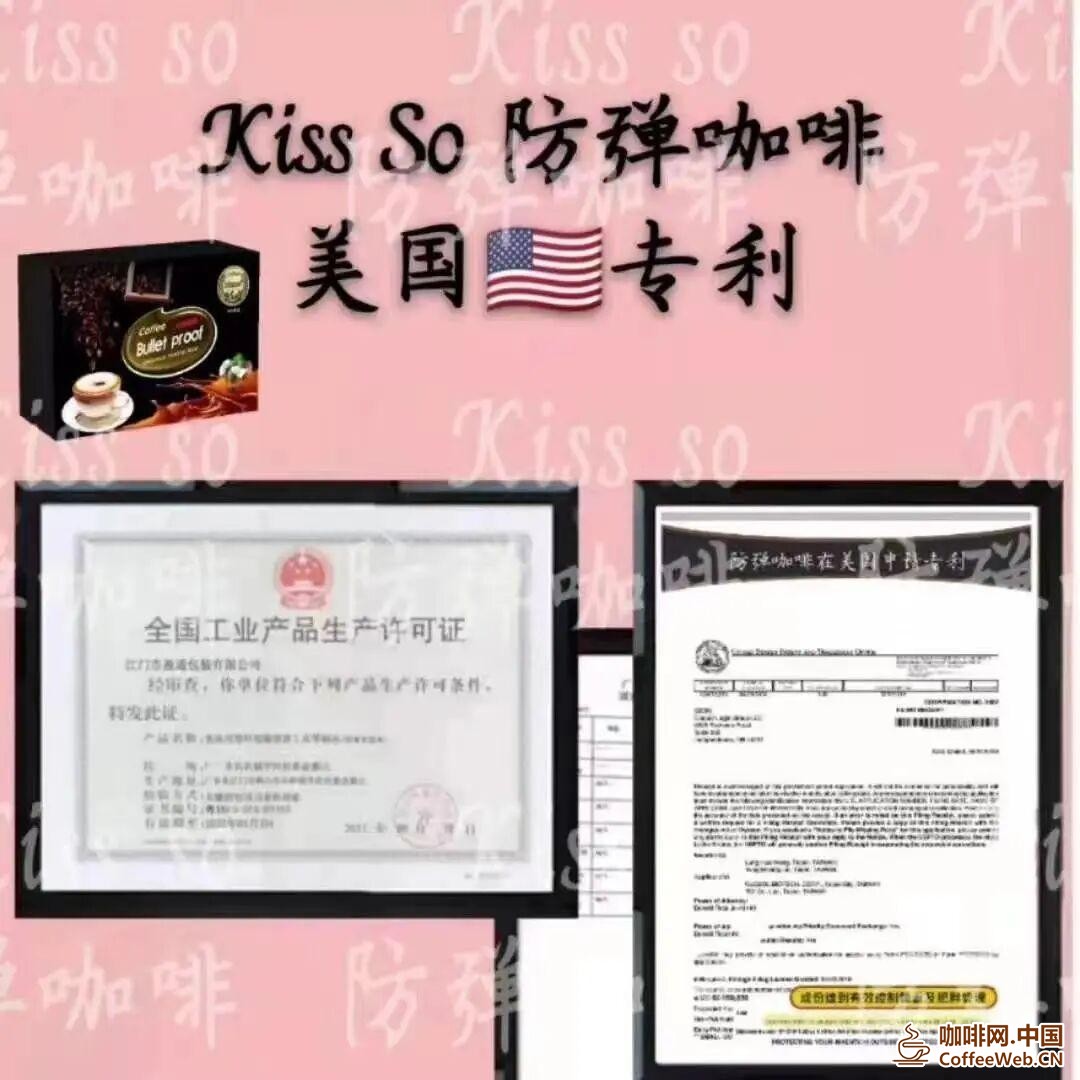
She drinks it herself, and even recommends it to her friends and family. If she knew it was poisonous, would she still recommend it? This is already contradictory, "said Xu Yan's husband Yang Liu (pseudonym). Xu Yan also requested the coffee testing report and food production license involved in the case from her family to determine whether it was legitimate. Those documents were all stamped with official seals, and they only found out after the incident that they were all fake.
Not only Xu Yan, but also 17 other defendants argued in court that they were "unaware" of the prohibited ingredients in the coffee involved. The court believes that the defendants do not have the corresponding business qualifications, have not fulfilled their obligations to ensure food safety in accordance with the law, and some of the defendants knowingly continued to sell even after being investigated for adverse reactions to others' consumption. Therefore, it can be concluded that the defendants subjectively knew or should have known.
The six convicted defendants have all appealed on the grounds of subjective ignorance. On May 19th, the retrial and second instance of the case were held in Jining Intermediate People's Court in Shandong Province.
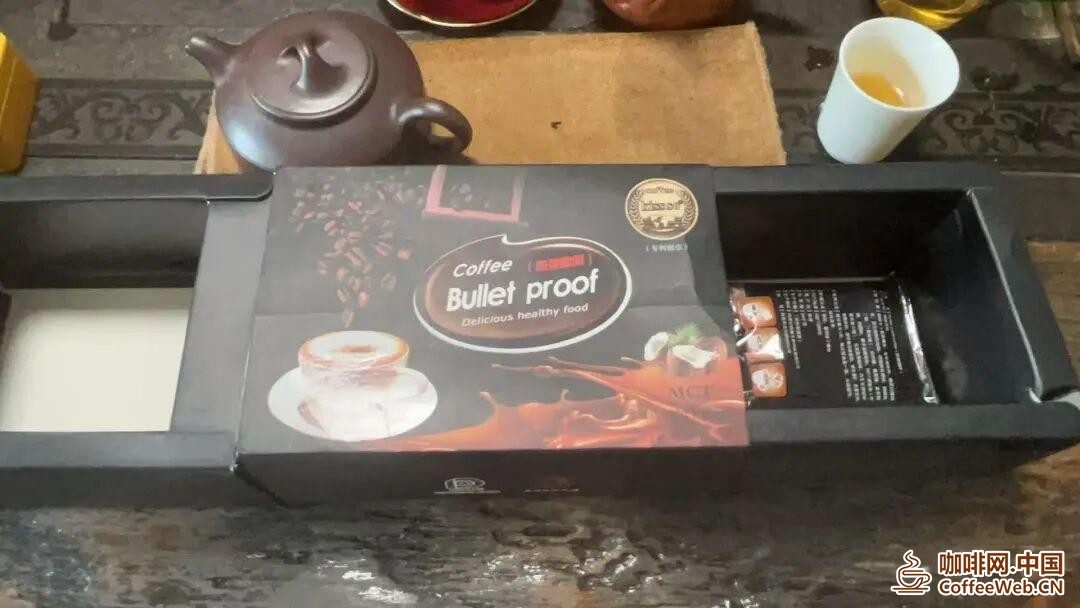
A packaging in the coffee involved in the case
Fast acting weight loss coffee found to contain banned ingredients
On June 24, 2022, at home in Linfen, Shanxi, Xu Yan had just picked up her child from school and was cooking dinner when Yang Liu suddenly received a call from the local police team, accusing Xu Yan of selling toxic and harmful food. Yang Liu remembers that when the police came to her house, there was still an opened box of "Xianso Fang" bulletproof coffee on the table, with 8 packets left inside, which were leftover from Xu Yan's drink.
In Yang Liu's account, in 2020, Xu Yan, who weighed over 130 pounds at the time, wanted to lose weight. She purchased this weight loss coffee online and after using it for one or two months, she lost more than ten pounds. As more and more relatives and friends around asked her about it, and she thought of subsidizing her family, Xu Yan took the initiative to find Ru to start buying goods.
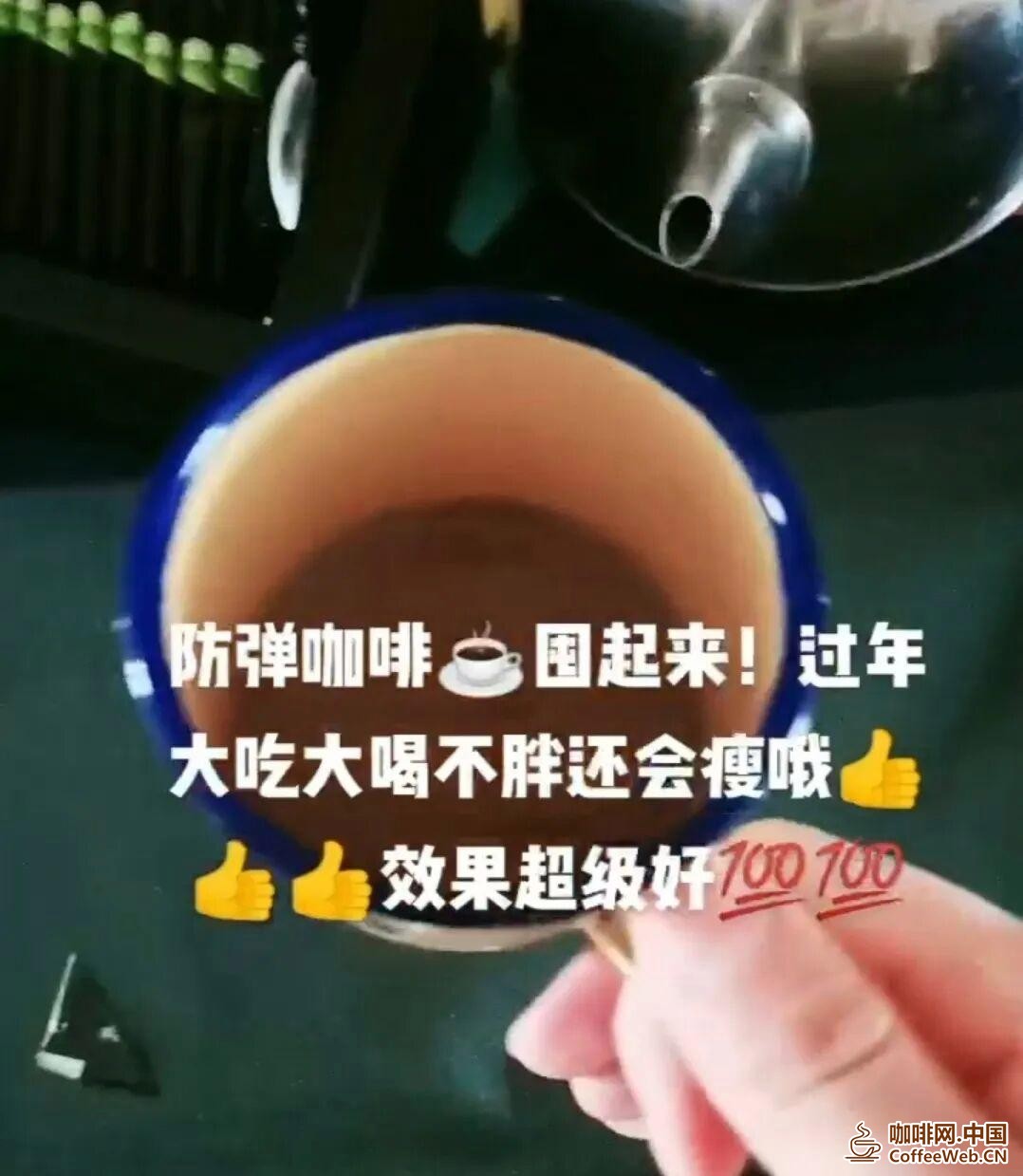
Xu Yan often posts videos of herself consuming this coffee on her social media to recommend products. The purchase price was around 70-80 yuan. At first, retail was the main focus, but Xu Yan raised the price quite a bit. As the number of downlines gradually increased, her profit per box gradually shrank to a few yuan. The judgment shows that from October 2020 to May 2022, Xu Yan developed more than 40 offline agents, paid more than 540000 yuan in goods to Ru, sold more than 600000 yuan in total, and profited more than 60000 yuan.
Later, Yang Liu exchanged information with other defendants and learned that in February 2022, a consumer purchased the coffee on an e-commerce platform and requested a refund but was unsuccessful. They reported the coffee to the Market Supervision Administration, claiming to have adverse reactions such as dry mouth and palpitations after consuming it. The Market Supervision Bureau of Jining High tech Zone, Shandong Province conducted a random inspection and found that the product contained sibutramine. The case clues were transferred to the High tech Zone Public Security Bureau. Later, professional appraisal institutions detected sibutramine and phenolphthalein.
Sibutramine mainly acts on the central nervous system and can control appetite. Long term use can cause symptoms such as dry mouth, insomnia, and elevated heart rate. In severe cases, it can lead to stroke or even death. This drug has been widely added to weight loss pills. Phenolphthalein is a stimulant laxative that poses a risk of cancer if taken for a long time. Overdosing may induce arrhythmia, fatigue, and other symptoms. They were listed as prohibited ingredients by the National Medical Products Administration (formerly the State Food and Drug Administration) in 2010 and 2021, respectively.
After investigation, the police found Ru located in Yuncheng, Shanxi, and also traced Zhang, a person from Heilongjiang who supplied her, and her five subordinates, including Xu Yan. In nearly two and a half years, Ru sold more than 1.64 million yuan of coffee involved in the case to offline Zhang, over 540000 yuan to Xu Yan, over 330000 yuan to Wang, nearly 230000 yuan to Li, and over 180000 yuan to Dai, totaling over 2.93 million yuan.
In May 2024, the People's Court of Jining High tech Industrial Development Zone sentenced Ru to 12 years in prison and a fine of 2.5 million yuan in the first instance of the case. Five downlines were sentenced to 11 years, 10 years, 6 years (2 people), and 5 years respectively, and were fined accordingly. The 12 downlines who were further developed by them were sentenced to probation.
After the appeal, the Economic Ning Intermediate People's Court remanded the case for retrial due to some unclear facts. The retrial verdict of this case, except for correcting the amount of crimes committed by the two defendants, includes almost no difference from the original trial in terms of charges, sentence, etc. Six convicted defendants have appealed again.
Screenshot of the promotional video released by Xu Yan
The Controversy of 'Should Know'
During the trial, whether the defendants had subjective knowledge has always been the biggest controversy in this case.
The retrial court held that the defendants did not have the corresponding business qualifications, did not effectively verify the source when purchasing coffee, and a small number of defendants sent unclear materials such as production licenses and customs declarations through WeChat. The information about the manufacturer and ingredient list was also untrue. Moreover, the coffee involved in the case was sold through WeChat Moments without legal and valid purchase and sales vouchers, making it impossible to prove its legal source;
Secondly, in this case, none of the defendants have fulfilled their obligation to ensure food safety in accordance with the law, and some of the defendants knowingly continued to sell products even after being investigated for adverse reactions to others' consumption.
In summary, it can be concluded that each defendant subjectively knew or should have known that the food sold contained toxic and harmful non food ingredients.
No one has ever reported any adverse reactions to her. "Yang Liu said that Xu Yan and her family also consume this weight loss coffee themselves, and may experience symptoms such as dry mouth and satiety after use," but she thought it was a normal phenomenon. She went to ask her upstream and said it was because the ingredient 'white kidney beans' contained in the product would make people feel full. She even searched online and found that it was indeed the case
Yang Liu believes that if Xu Yan subjectively knew or should have known that the coffee involved was toxic, she would not drink it every day and dare to sell it under her real name on her social media.
In addition, Xu Yan also inquired about the testing report, food production license, customs tax bill, business license and other related materials of the coffee involved from her superior Ru. They later found out that these documents were all fake, such as the company's registered address and registration authority being different in the business license, and the social credit code of the food production license not corresponding to the company.
If the documents are stamped with official seals, ordinary people will definitely consider them legitimate, "Yang Liu said. After graduating from vocational school, Xu Yan had no other work experience except for working as an art teacher part-time in a tutoring class. After marriage, she became a full-time nanny, working tirelessly at school, the market, and home every day, without much business experience.
Xu Yan's defense lawyer Huang Haizhi also pointed out that the defendant did have faults in fulfilling the obligation of inspection of purchased goods, but this cannot be used to infer their "knowledge" in the criminal law sense. It should be determined based on various factors including the perpetrator's cognitive ability.
Yang Liu told reporters that the second trial will continue to advocate for a not guilty defense. "Ten years is too heavy, and it is a devastating blow to our family
The reporter also learned that Mr. Zhang, the previous partner of Mr. Ru, was sentenced to 13 years in prison and fined RMB 3.5 million for the crime of selling toxic and harmful food after first and second trials.
The judgment shows that Zhang has been engaged in the sales of weight loss coffee for a long time, and is unable to provide legal and valid purchase vouchers for the weight loss coffee involved in the case. He cannot explain the source of supply of the weight loss coffee involved in the case. Without examining and verifying whether the coffee sold is a legal and valid product and whether it has been inspected and qualified, he sold a large amount of food without legal and valid origin vouchers to the offline market, failing to fulfill his legal obligation to ensure food safety and causing great safety hazards to consumers. Therefore, it should be determined that he had subjective knowledge of selling toxic and harmful food and had criminal intent.
Partial documents received by Xu Yan regarding the coffee involved in the case
Lawyer's reminder: "Should have known" in criminal law adopts the general social cognitive standard, not based on "low educational level" or "not knowing" as the judgment basis
Focus 1: What is the basis for the court to determine that the defendant "should have known" in this case?
Lawyer Liu Kai from Beijing Zhongwen Law Firm stated that in judicial practice of cases involving the sale of toxic and harmful food, courts usually make comprehensive judgments based on transaction models, product effects, business models, abnormal reactions, and the subsequent performance of the perpetrator.
In this case, the court focused on several factors: firstly, the weight loss coffee involved has been sold through WeChat Moments, hierarchical agents, and other means for a long time, and lacks formal production and distribution qualifications; Secondly, a large number of consumers may experience obvious abnormal reactions such as dry mouth, loss of appetite, and palpitations after taking it; Thirdly, some defendants engaged in behaviors such as deleting chat records, destroying account books, and continuing sales after the incident. After these factors are combined, the court will consider that the perpetrator has at least reached the level of "should have known that the product had a problem" but continued to sell it.
Focus 2: Can the defendant's claim of limited cognitive ability be used as a reason to refute "should have known"?
Liu Kai emphasized that the concept of "should have known" in criminal law is based on the general social cognitive standard, rather than relying solely on the perpetrator's self proclaimed "low educational level" and "not knowing what sibutramine is" as the sole criterion for judgment. Especially for long-term, large-scale, and continuous sales of weight loss products, even if they do not have professional knowledge, it is difficult to completely deny their basic understanding of the abnormal weight loss effects and risks of the products.
Therefore, in similar cases, "limited cognitive level" can usually only be considered as a discretionary factor in sentencing, and it is difficult to completely prevent criminal responsibility.
Focus 3: What are the sentencing standards for the crime of selling toxic and harmful food?
Liu Kai stated that many members of the public may mistakenly believe that the severity of punishment mainly depends on "how much money is earned", but the legislative logic of the crime of selling toxic and harmful food is not solely based on illegal profits.
This charge essentially belongs to the category of crimes that endanger food safety and public health, with a focus on protecting social public safety and consumer life and health. In this case, the individuals involved continuously sold weight loss coffee through various channels such as WeChat Moments, forming a clear "online offline" agency chain with a wide range of dissemination and a long duration. Therefore, even if some individuals have limited personal profits, the court may still determine that their behavior has a high level of social danger.
In addition, Article 144 of the Criminal Law itself imposes relatively heavy statutory penalties, and once the circumstances are deemed "serious", the sentencing range will be significantly increased.
Focus 4: Will selling food on social media be regulated?
Lawyer Liu Kai stated that many people mistakenly believe that "selling goods on social media" and "private domain traffic sales" are personal behaviors that are not regulated. However, in reality, as long as the behavior has a sustainable business nature, it may already be included in the regulatory system for food, medicine, e-commerce, and other industries.
The food industry mainly applies the provisions of the Food Safety Law and the Criminal Law on the crime of selling toxic and harmful food, with a focus on regulating whether there are issues such as illegal additives, false advertising, and unknown sources. If the product involves therapeutic effects, pharmacological effects, and may even further involve stricter legal responsibilities such as the Drug Administration Law, counterfeit drugs, and obstruction of drug management.
Source: Xiaoxiang Morning Post
Responsible Editor: Liu Ruiyang