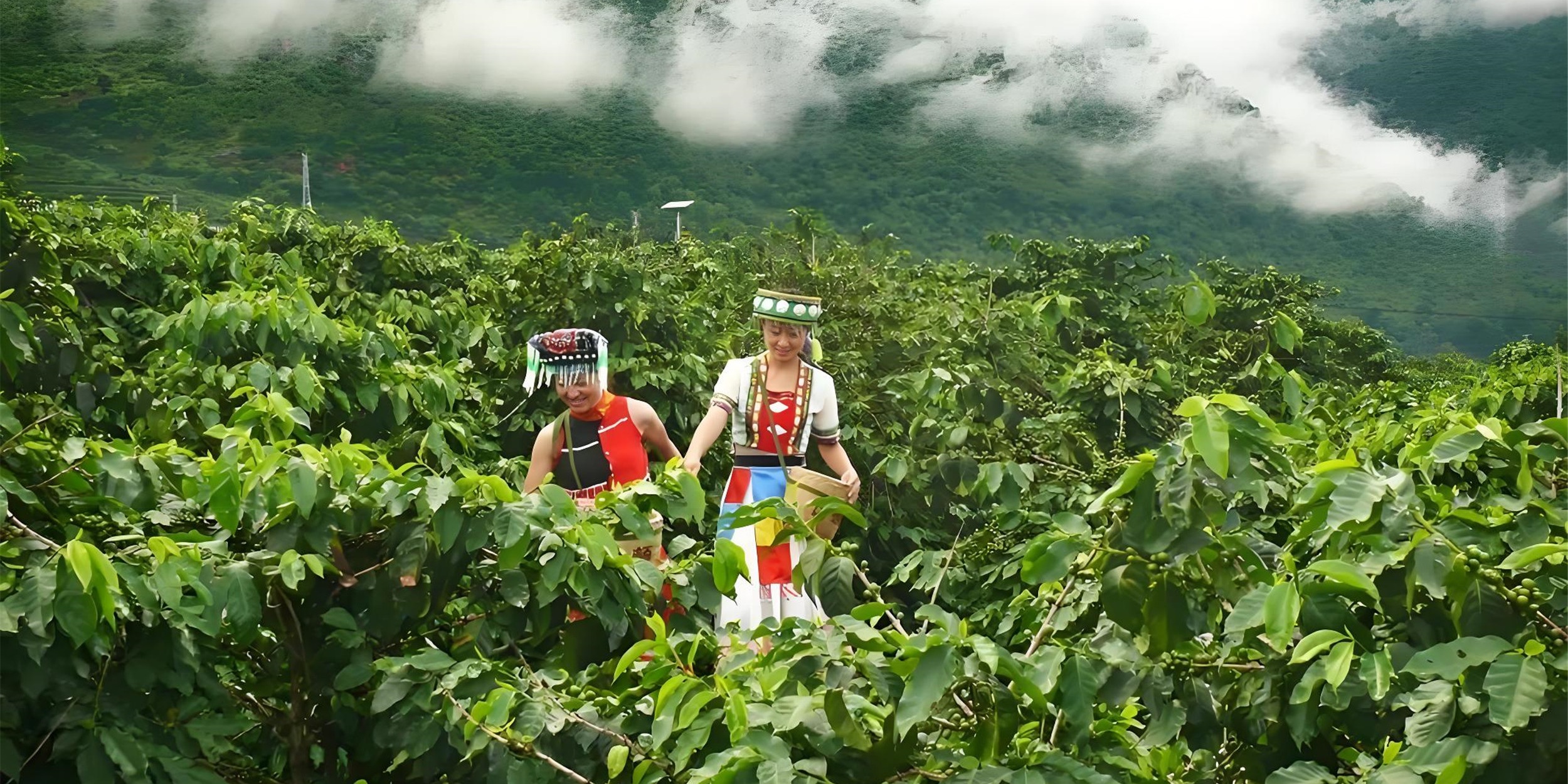
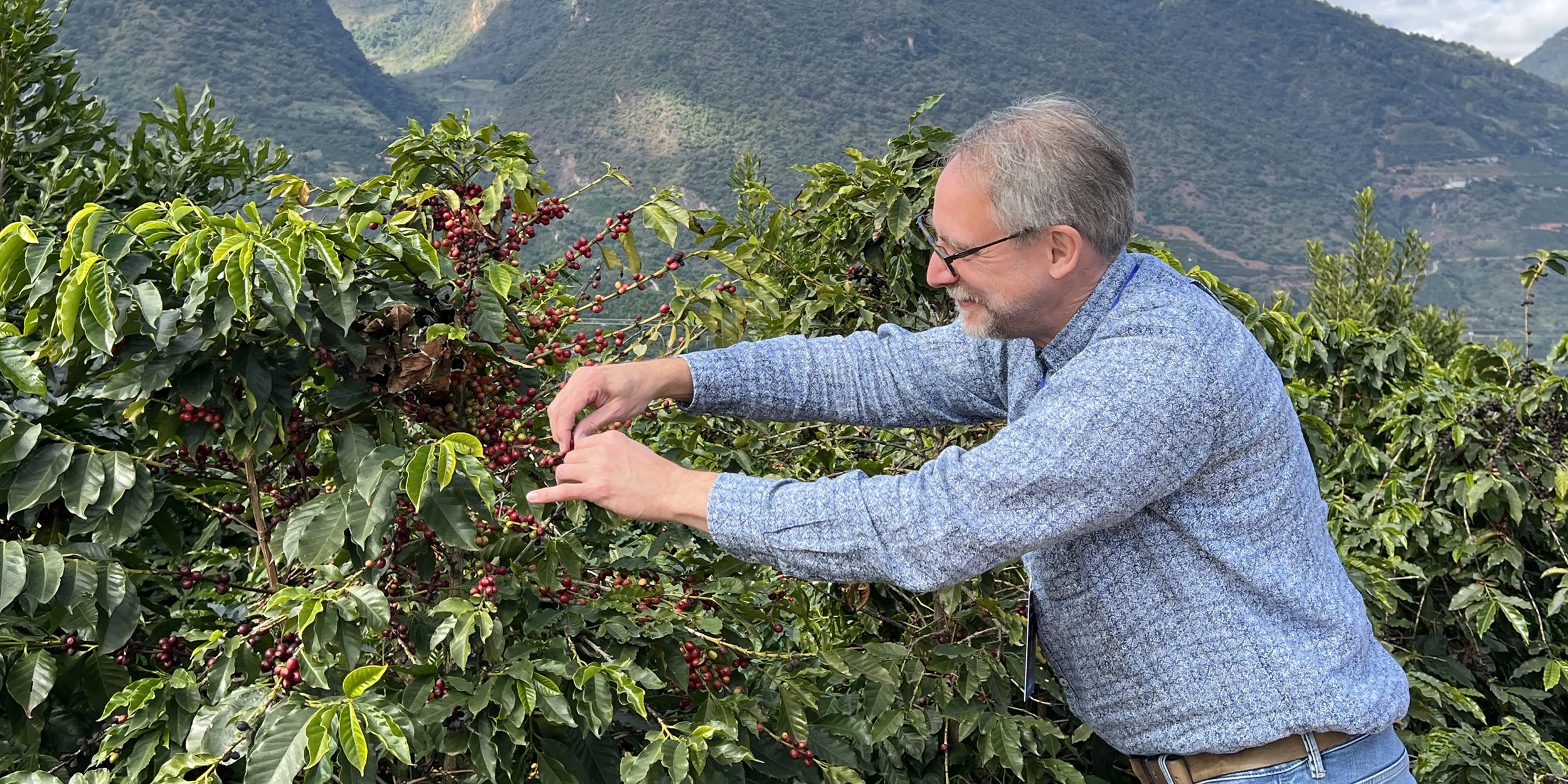
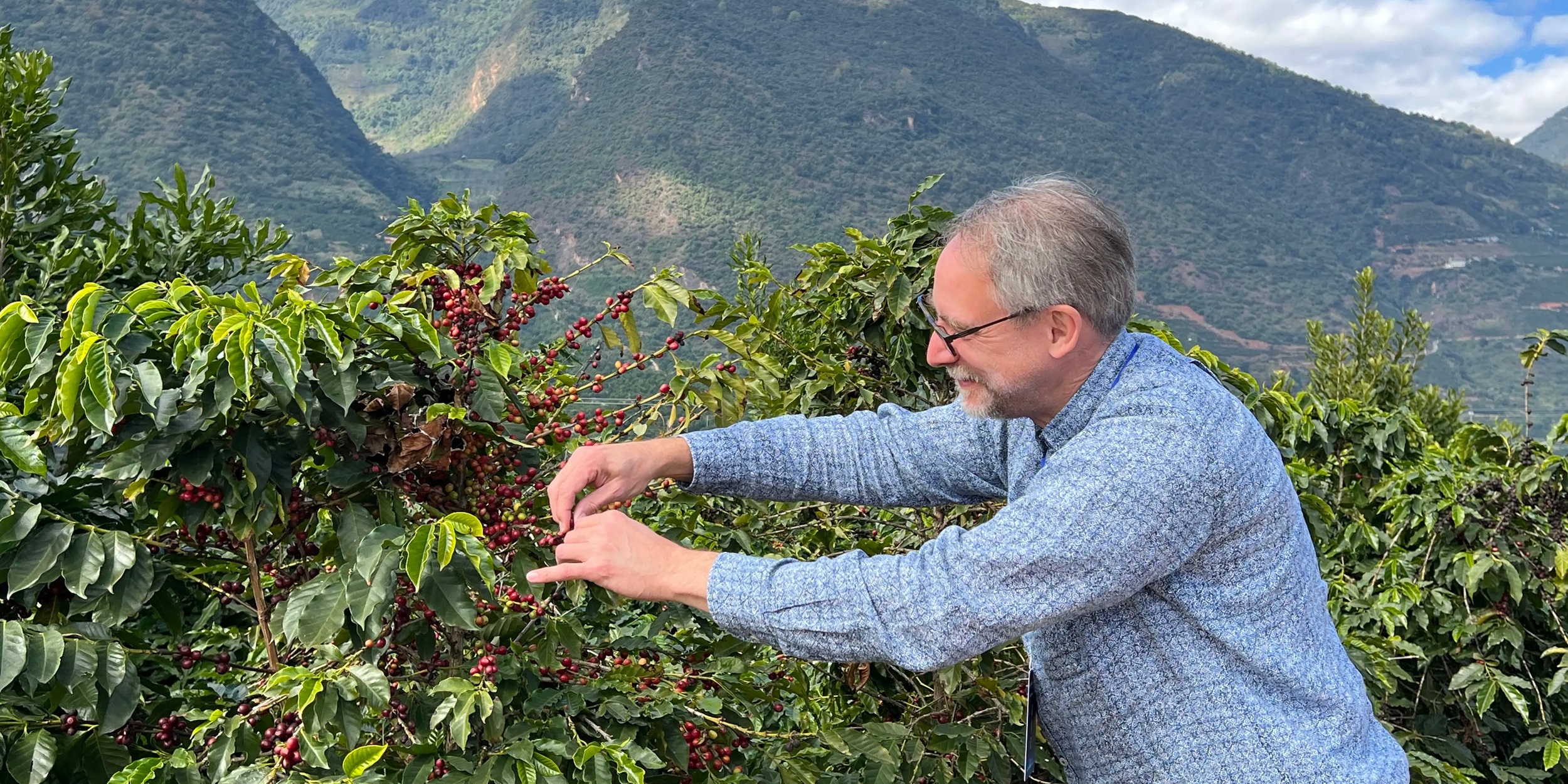
埃塞俄比亚咖啡有多好喝?中国大使现场推荐:“早上刚喝了两杯”How delicious is Ethiopian coffee? Chinese Ambassador on-site recommendation: 'I just had two drinks this morning'
“我曾经在埃塞俄比亚工作,在那里喜欢上了非洲的埃塞俄比亚咖啡。今天早上刚刚喝了两杯,非常好喝。相信以后能直接在中国超市里买到埃塞俄比亚咖啡,也能买到非洲其他国家生产的”。
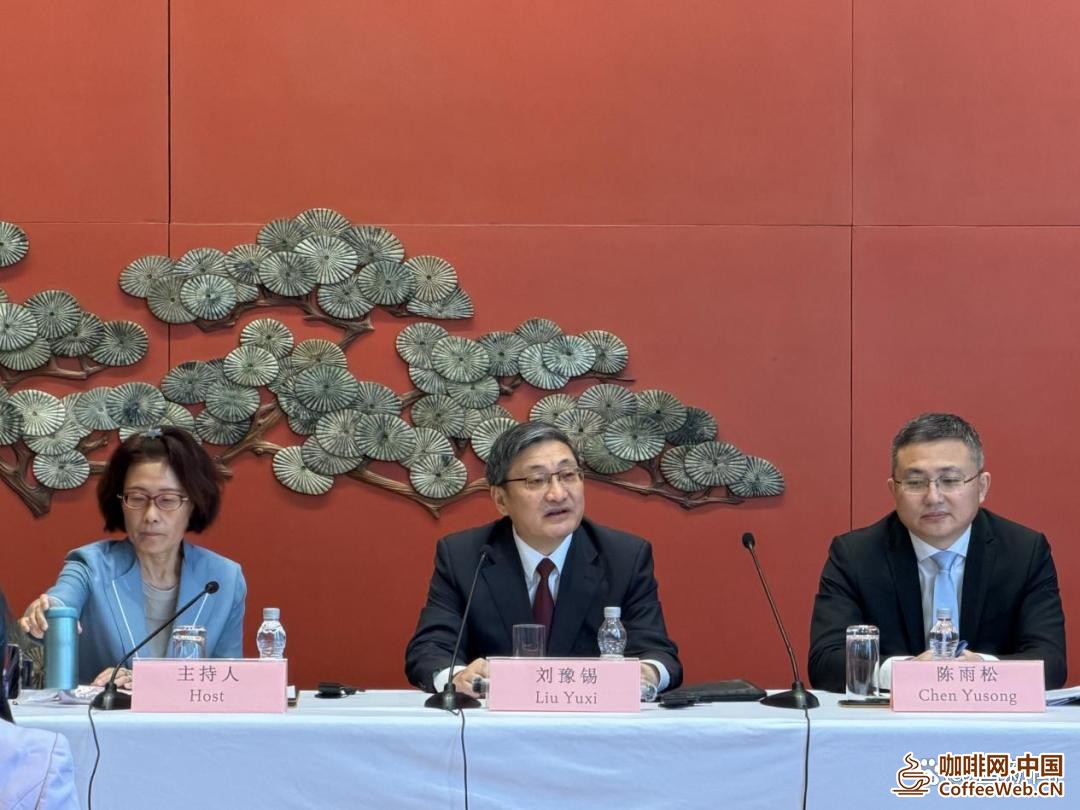
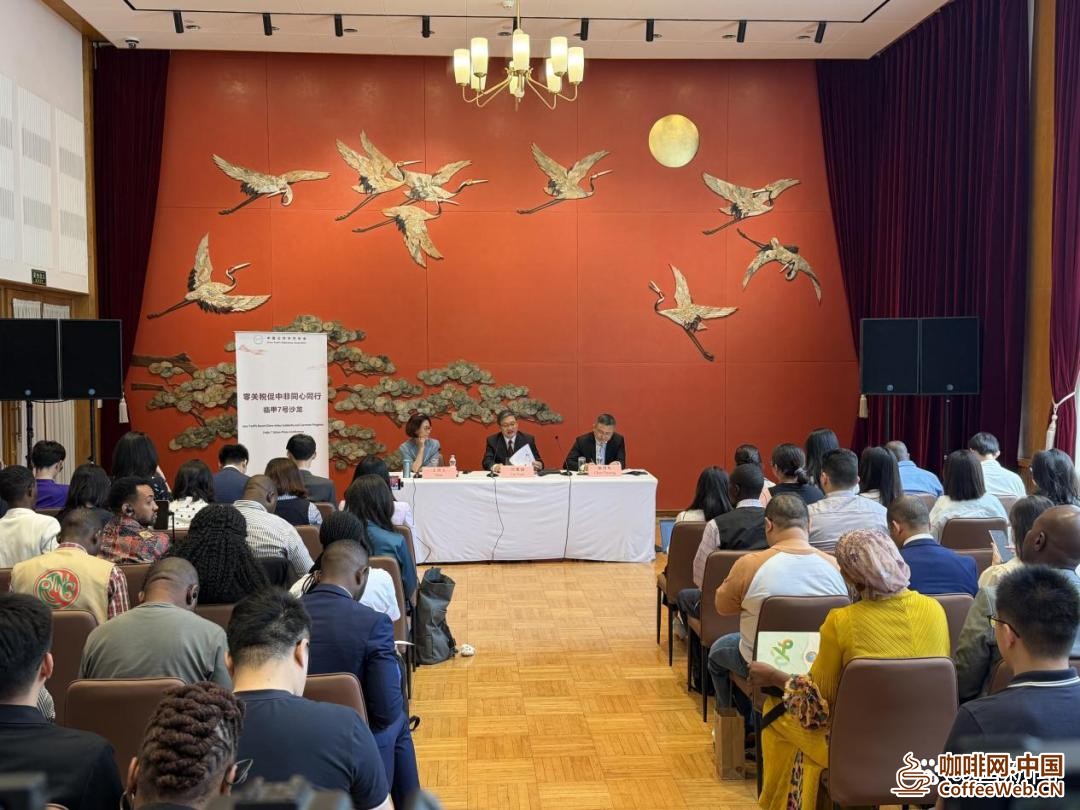
5月19日,中国公共外交协会在北京举办“临甲7号沙龙”专题吹风会,主题为“零关税促中非同心同行”。吹风会一开始,中非合作论坛事务大使刘豫锡先给非洲咖啡打起了广告。
本月起,中国对53个非洲建交国全面实施零关税举措,成为全球首个对所有非洲建交国和所有建交的最不发达国家实现单方面、全覆盖零关税待遇的主要经济体。
零关税能为中非人民带来什么?这要从一颗咖啡豆开始讲起。
中非合作牢固、友谊长久
中国连续17年保持非洲最大贸易伙伴国地位。中非贸易额连续5年创历史新高,2025年更是首次突破了3000亿美元。今年一季度,中非贸易持续活跃,我国对非洲的进出口增长23.7%。其中,自非洲进口增长14.6%。
咖啡豆是许多非洲国家的主要出口产品。公开报道显示,2025年前9个月,中国从非洲进口的咖啡及制品总额超过5.04亿美元,其中从著名咖啡之乡埃塞俄比亚的进口额约为4.1亿美元。
“埃塞俄比亚的驻华大使曾说,咖啡象征着牢固的合作与长久的友谊。中国的零关税政策有助于非洲国家提升生产和出口能力,提高出口产品收益。”刘豫锡说。
商务部世界贸易组织司副司长陈雨松介绍,相关行业报告显示,近10年来,中国咖啡消费量以年均15%的速度快速增长,远超全球年均2%的增长率。中国人均咖啡消费量其实现在只有28杯,全世界人均咖啡消费量平均水平为70杯到75杯,东亚国家可能在100杯左右,欧洲可能有200杯到300杯。虽然中国咖啡的消费量增长非常快速,但仍远远低于全球平均水平。
“这就是说,未来中国咖啡的消费量还有极大潜力,预计将很快成为全球最大咖啡进口国。”陈雨松说。
在享受零关税进口后,非洲咖啡豆的成本会进一步降低,中国消费者以较低价格就能品尝到精品咖啡,这也是零关税同样获得中国人民热烈欢迎的重要原因。
现在,埃塞俄比亚咖啡、肯尼亚牛油果、冈比亚腰果、坦桑尼亚芝麻等非洲产品都已在中国市场形成了稳定需求,零关税举措会进一步便利非洲产品扩大对华出口,同时也有效丰富中国市场供给,为消费者提供更多元的新选择。
助力“非洲制造”摆脱西方模式
更为重要的是,零关税同时还能促进中非双方企业合作延伸产业链。比如,咖啡豆就可以从单纯的种植延伸到加工、烘焙、包装,向更标准、更专业、更高品质的方向迈进,并创造大量就业。
在吹风会上,面对非洲记者,陈雨松强调,有些非洲国家可能会面临着对华贸易逆差,这是各自的产业结构、产品结构以及国际分工等多重因素造成的,中方从不刻意追求贸易顺差,而重在务实共赢,始终是非洲发展之路的同行者。
中国不但从非洲国家进口大量的产品,还对非洲出口大量中间产品。过去5年,中国对非出口纺织面料、汽车零部件、光伏产品等中间品年均增速为9.3%。这些中间产品正是非洲工厂用来生产的原料和零件,加之技术服务,非洲可以形成或者增强自己的加工能力,把增值留在本地,形成本地产业链,加速自身工业化进程。
2025年,中资企业对非全行业直接投资36亿美元,同比增长超过40%,涉及工业、农业、基础设施等各领域。
刘豫锡分析指出,零关税举措可以为支持中国扩大对非洲直接投资提供强劲政策动能,在零关税这一政策红利推动下,预计将有越来越多来自中方等全球贸易伙伴的资本、技术、设备和管理经验,寻求与非洲的资源禀赋实现更有机融合,助力非洲发挥比较优势,打造“在非洲投资加工、成品零关税输华”的产贸联动机制,助力培育一批“非洲制造”成长壮大。打破以往非洲“出口原材料、进口制成品”的传统国际分工格局,为非洲国家经济发展开辟一条摆脱西方模式的新道路。
“斯威士兰被排除在外,令人遗憾”
目前53个非洲建交国中,已有33国享受了中国以特惠税率形式给予最不发达国家的零关税。5月1日起实施的零关税面向20个不属于最不发达国家的非洲建交国,以特惠税率形式实施,为期2年。
5月1日零时,24吨南非鲜苹果成为中国首票零关税进口享惠货物,在深圳湾口岸顺利入境。同日,肯尼亚牛油果、埃及鲜橙、摩洛哥生石膏、尼日利亚牛骨粒等也纷纷从广州、上海、荆门、大连等地入境。从南海之滨到渤海之畔,零关税带来的更多非洲优质特色产品正在加速进入中国。
不过,零关税举措只适用于同中国建立外交关系的非洲国家,未与中国建交的斯威士兰不在其中。
斯威士兰是非洲东南部内陆国家,是世界上少数几个仍实行绝对君主制的国家之一。有媒体人士呼吁斯威士兰尽早与中国建交,不要一再错失发展机遇。中国外交部发言人也表示,中国大市场向非洲敞开大门,真诚希望所有非洲国家都能成为中非合作“全家福”中的一员,搭乘中国发展快车,融入中非友好,实现中非共同现代化。
那中方会以零关税为契机主动与斯威士兰商讨相关事宜吗?“这种互动应该是双向的。”刘豫锡向深圳卫视直新闻记者强调。
此前,因有关国家坚持一个中国原则,赖清德企图乘包机窜访斯威士兰被迫取消,后又突然搭乘斯威士兰国王的私人飞机窜抵。在吹风会上,刘豫锡指出,斯威士兰当局顽固坚持和中国的台湾地区勾连,严重违背了一个中国原则这一国际关系的基本准则,斯威士兰人民因为当局的错误的选择而被排除在零关税享惠的范围之外,令人遗憾。
“中国人民对斯威士兰人民始终怀有友好的情谊,斯威士兰当局应该正视国际大势,顺应民心民意,早日回到一个中国原则的正路上来,使斯威士兰人民从零关税当中受益,分享中国大市场带来的发展机遇。”他说。
记者丨董鑫
摄像丨袁子建
排版丨李烁
编辑丨林舒琪
审校丨宋菁菁
监制丨周玉国
I used to work in Ethiopia and fell in love with Ethiopian coffee from Africa there. I just had two cups this morning and it was very delicious. I believe that in the future, I can buy Ethiopian coffee directly from Chinese supermarkets and also from other African countries.
On May 19th, the China Public Diplomacy Association held a special press conference on the "Linjia No. 7 Salon" in Beijing, with the theme of "Zero Tariffs Promoting China and Africa to Walk Together". At the beginning of the press conference, Ambassador Liu Yuxi of the Forum on China Africa Cooperation first advertised for African coffee.
Starting from this month, China has fully implemented zero tariff measures for 53 African countries with diplomatic relations, becoming the world's first major economy to achieve unilateral and comprehensive zero tariff treatment for all African countries with diplomatic relations and all least developed countries with diplomatic relations.
What can zero tariffs bring to the people of Central Africa? This starts with a coffee bean.
Strong cooperation and long-lasting friendship between China and Africa
China has maintained its position as Africa's largest trading partner for 17 consecutive years. The trade volume between China and Africa has reached a historic high for five consecutive years, and in 2025, it exceeded 300 billion US dollars for the first time. In the first quarter of this year, China Africa trade remained active, with China's imports and exports to Africa increasing by 23.7%. Among them, imports from Africa increased by 14.6%.
Coffee beans are a major export product for many African countries. According to public reports, in the first nine months of 2025, China's total imports of coffee and related products from Africa exceeded 504 million US dollars, with imports from the famous coffee producing country of Ethiopia accounting for approximately 410 million US dollars.
The Ambassador of Ethiopia to China once said that coffee symbolizes strong cooperation and long-lasting friendship. China's zero tariff policy helps African countries improve their production and export capabilities, and increase export product revenue, "said Liu Yuxi.
Chen Yusong, Deputy Director of the World Trade Organization Department of the Ministry of Commerce, introduced that relevant industry reports show that in the past 10 years, China's coffee consumption has grown rapidly at an average annual rate of 15%, far exceeding the global average annual growth rate of 2%. The per capita coffee consumption in China is currently only 28 cups, while the average per capita coffee consumption worldwide is 70 to 75 cups. East Asian countries may have around 100 cups, while Europe may have 200 to 300 cups. Although the consumption of coffee in China is growing rapidly, it is still far below the global average.
This means that there is still great potential for the consumption of coffee in China in the future, and it is expected to soon become the world's largest importer of coffee, "said Chen Yusong.
After enjoying zero tariff imports, the cost of African coffee beans will be further reduced, and Chinese consumers can taste premium coffee at a lower price, which is also an important reason why zero tariff has been warmly welcomed by the Chinese people.
Now, African products such as Ethiopian coffee, Kenyan avocados, Gambian cashews, and Tanzanian sesame have formed stable demand in the Chinese market. The zero tariff measures will further facilitate the expansion of African products' exports to China, while also effectively enriching the supply in the Chinese market and providing consumers with more diverse new choices.
Helping 'Made in Africa' break away from the Western model
More importantly, zero tariffs can also promote cooperation between Chinese and African enterprises to extend the industrial chain. For example, coffee beans can be extended from simple cultivation to processing, roasting, and packaging, moving towards a more standardized, professional, and high-quality direction, and creating a large number of jobs.
At the press conference, facing African journalists, Chen Yusong emphasized that some African countries may face trade deficits with China, which is caused by multiple factors such as their own industrial structure, product structure, and international division of labor. China never deliberately pursues trade surplus, but focuses on pragmatic win-win cooperation and has always been a fellow traveler on the path of African development.
China not only imports a large amount of products from African countries, but also exports a large amount of intermediate products to Africa. In the past five years, China's average annual growth rate for intermediate goods such as non export textile fabrics, automotive parts, and photovoltaic products has been 9.3%. These intermediate products are the raw materials and parts used by African factories for production, coupled with technical services, Africa can form or enhance its own processing capabilities, retain value-added locally, form a local industrial chain, and accelerate its own industrialization process.
In 2025, Chinese enterprises will invest 3.6 billion US dollars directly in non industry sectors, a year-on-year increase of over 40%, involving various fields such as industry, agriculture, and infrastructure.
Liu Yuxi analyzed that zero tariff measures can provide strong policy momentum to support China's expansion of direct investment in Africa. Driven by the policy dividend of zero tariffs, it is expected that more and more capital, technology, equipment, and management experience from global trading partners such as China will seek to achieve more organic integration with Africa's resource endowment, help Africa leverage its comparative advantages, create an industry trade linkage mechanism of "zero tariff investment and processing in Africa, and zero tariff export of finished products to China", and help cultivate a group of "Made in Africa" to grow and develop. Breaking the traditional international division of labor pattern of exporting raw materials and importing finished products in Africa, and opening up a new path for the economic development of African countries to break away from the Western model.
"It is regrettable that Eswatini has been excluded"
Currently, among the 53 African countries that have established diplomatic relations, 33 countries have enjoyed zero tariffs granted by China to the least developed countries in the form of preferential tax rates. The zero tariff policy, which will be implemented from May 1st, is aimed at 20 African countries that do not belong to the least developed countries and have diplomatic relations. It will be implemented in the form of preferential tax rates for a period of 2 years.
On May 1st at midnight, 24 tons of South African fresh apples became China's first zero tariff imported goods to enjoy preferential treatment, and smoothly entered the Shenzhen Bay Port. On the same day, Kenyan avocados, Egyptian fresh oranges, Moroccan gypsum, and Nigerian beef bones also entered the country from Guangzhou, Shanghai, Jingmen, Dalian, and other places. From the coast of the South China Sea to the coast of the Bohai Sea, more high-quality African specialty products brought by zero tariffs are accelerating their entry into China.
However, the zero tariff measure is only applicable to African countries that have established diplomatic relations with China, and Eswatini, which has not established diplomatic relations with China, is not one of them.
Eswatini is a landlocked country in southeast Africa and one of the few countries in the world that still practices absolute monarchy. Some media people called on Eswatini to establish diplomatic relations with China as soon as possible and not to miss development opportunities again and again. The spokesperson of the Chinese Ministry of Foreign Affairs also stated that China's large market has opened its doors to Africa, and sincerely hopes that all African countries can become members of the "family portrait" of China Africa cooperation, ride the fast train of China's development, integrate into China Africa friendship, and achieve common modernization between China and Africa.
Will China take the opportunity of zero tariff to discuss relevant issues with Eswatini? This kind of interaction should be two-way, "Liu Yuxi emphasized to Shenzhen TV's direct news reporter.
Previously, Lai Qingde was forced to cancel his attempt to visit Eswatini by chartered plane because the countries concerned adhered to the one China principle, and then suddenly arrived in the private plane of the King of Eswatini. At the briefing, Liu Yuxi pointed out that the Eswatini authorities stubbornly insisted on linking with China's Taiwan region, which seriously violated the one China principle, the basic principle of international relations. It is regrettable that the people of Eswatini were excluded from the scope of zero tariff benefits because of the wrong choice of the authorities.
"The Chinese people have always held friendly feelings towards the people of Eswatini. The Eswatini authorities should face up to the international trend, conform to the public opinion, and return to the right path of the one China principle as soon as possible, so that the people of Eswatini can benefit from zero tariffs and share the development opportunities brought by China's big market," he said.
Reporter | Dong Xin
Camera | Yuan Zijian
Layout | Li Shuo
Editor | Lin Shuqi
Proofreading | Song Jingjing
Producer | Zhou Yuguo