云南保山:小粒咖啡香飘南博会Baoshan, Yunnan: Fragrant Small Grain Coffee at the Southern Expo
在第10届中国—南亚博览会开幕前夕,云南省保山市围绕咖啡产业开展配套采访调研活动,透过一颗颗咖啡豆从田间到杯中的发展脉络,展现保山从小粒咖啡的原料基地迈向精品化、品牌化、融合化的路径。
保山是云南咖啡主产区之一。近年来,当地依托怒江干热河谷、高黎贡山生态屏障和昼夜温差明显等得天独厚的自然条件,持续推动咖啡产业提质增效。保山小粒咖啡因香气浓郁、口感醇厚、带有果酸风味等特征,获得越来越多消费者的喜爱。
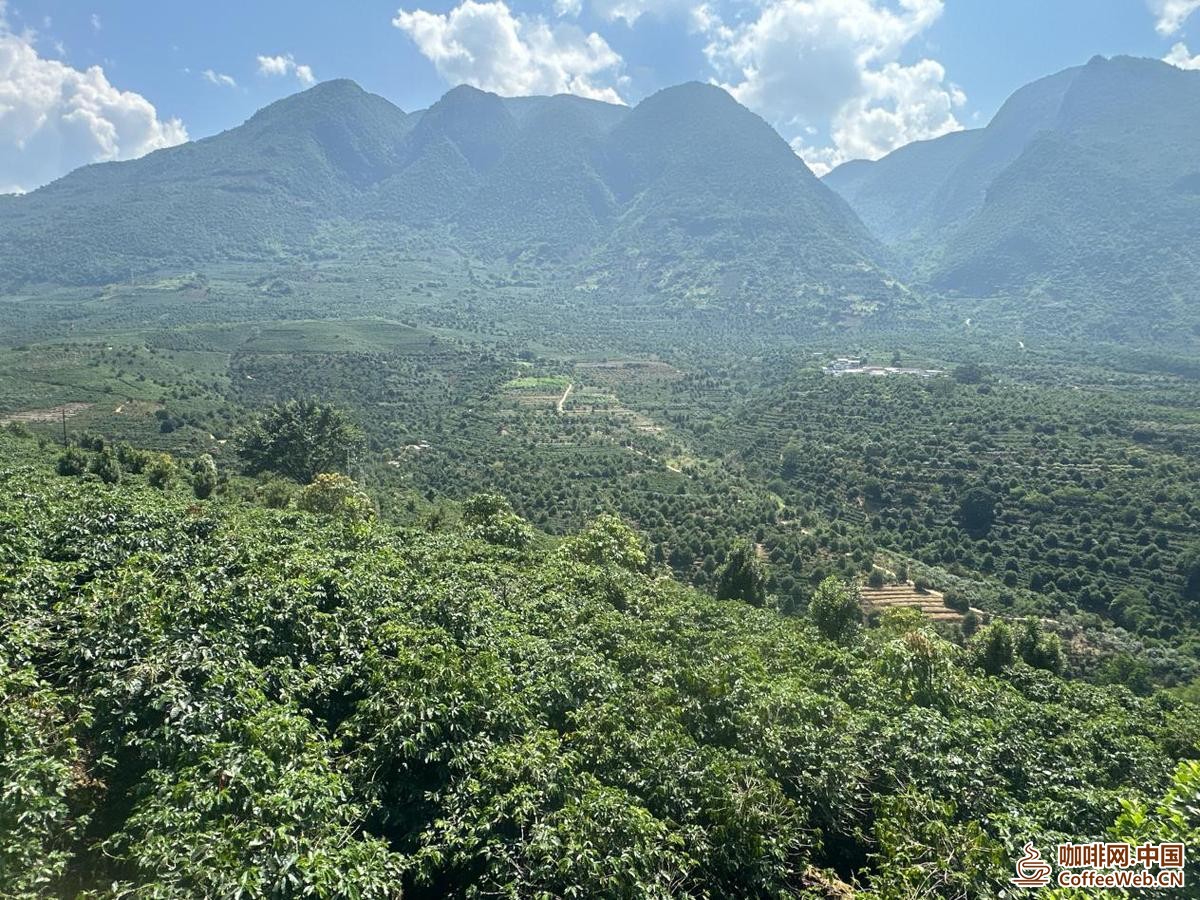
新寨村咖啡林
在保山市隆阳区潞江镇,连片咖啡林沿山谷铺展。这里是保山小粒咖啡的核心产区之一,也孕育出被誉为“中国咖啡第一村”的新寨村。
数据显示,2025年隆阳区咖啡投产面积达11.87万亩,生豆产量2.31万吨,实现农业产值25.6亿元、加工产值76.8亿元、三产产值97.52亿元,全产业链综合产值达199.92亿元。当地咖啡的精品率达80%,精深加工率达90%,正从传统种植向全产业链发展转型。
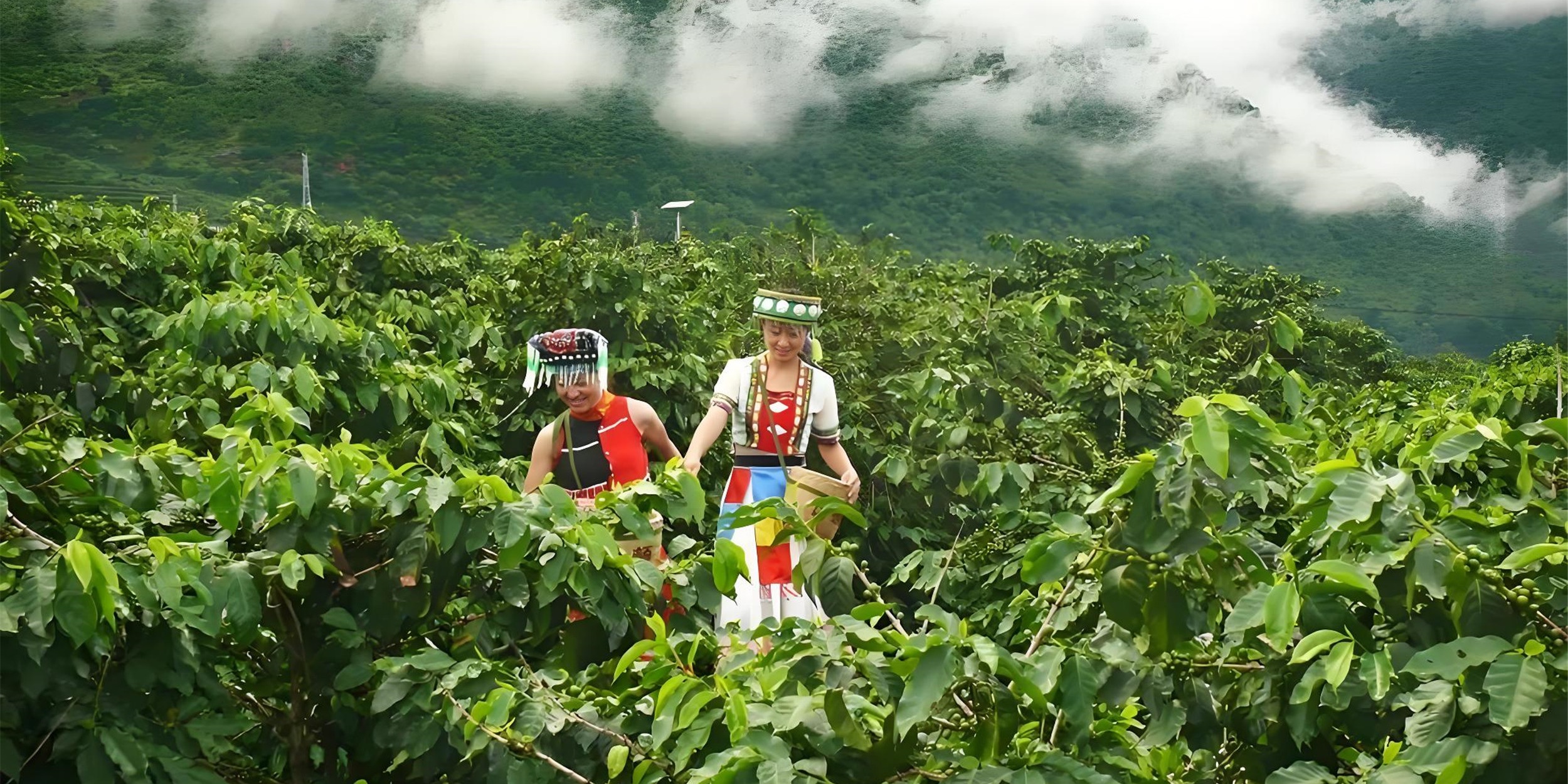
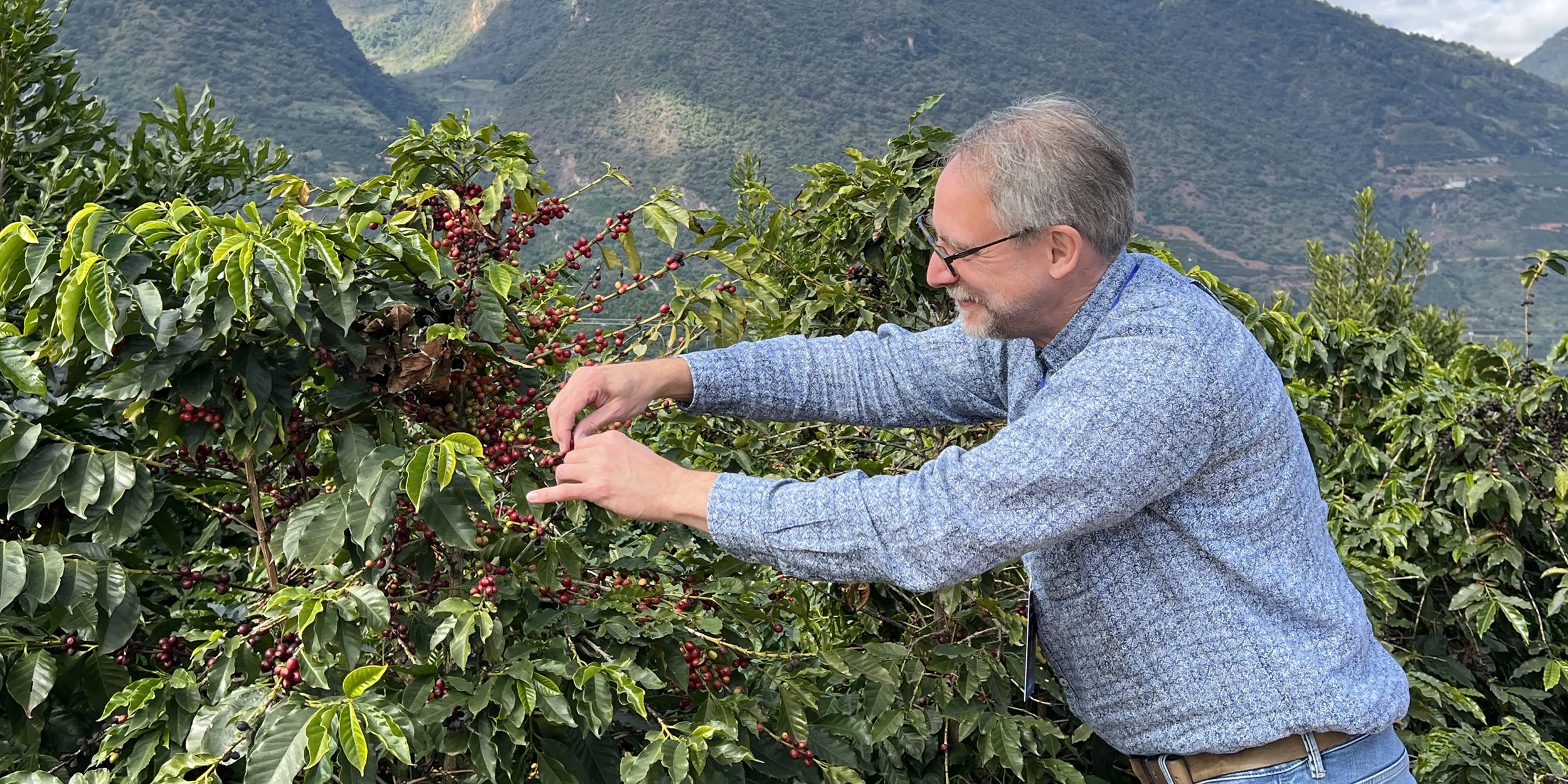
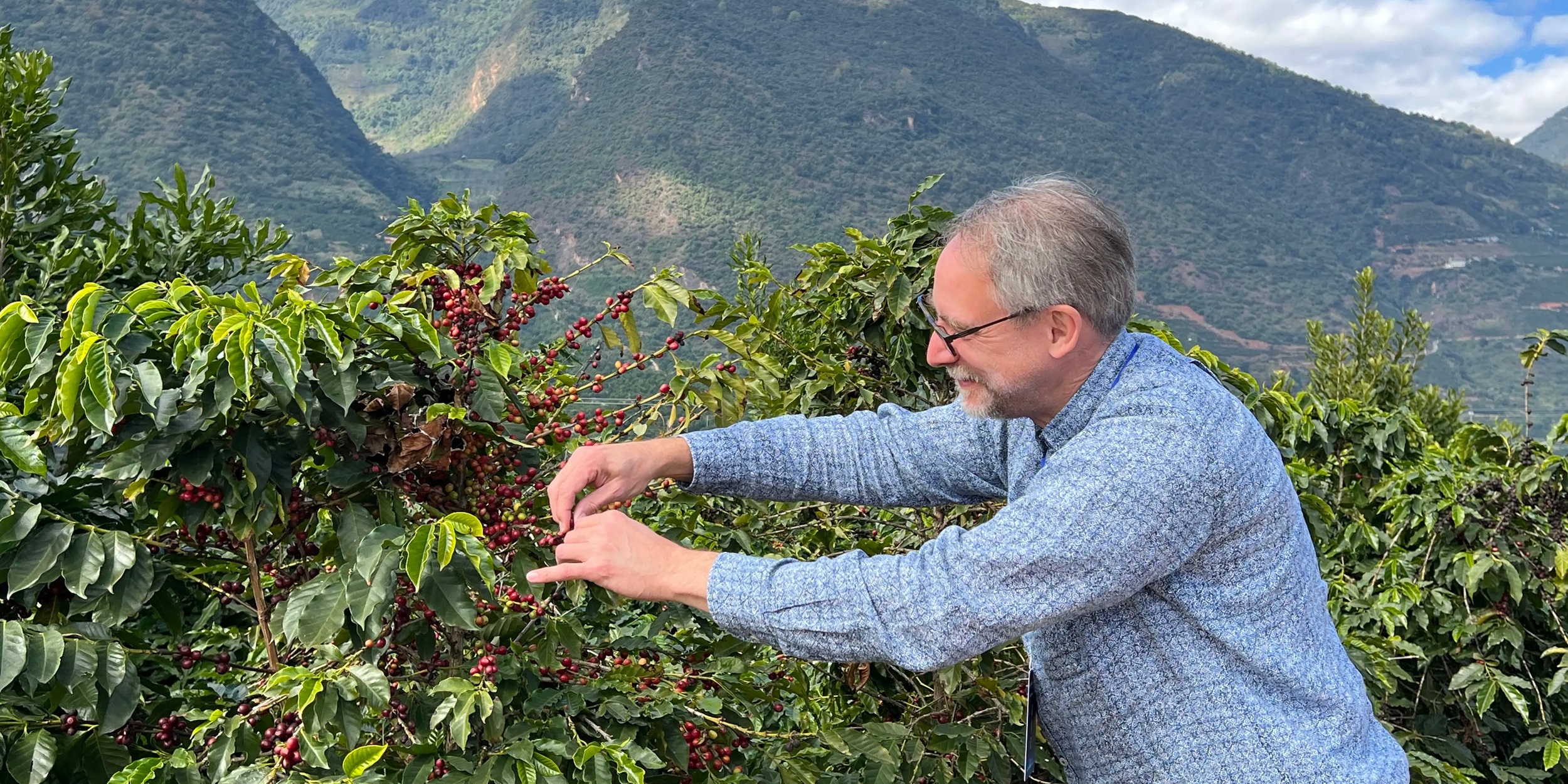
产业升级首先发生在田间。过去,咖啡鲜果采摘和初加工方式较为粗放,影响了后端产品品质。近年来,新寨村等咖啡村寨从采摘、分级、加工等环节入手,推广全红果采摘、分级收购和标准化处理,引导咖农从“卖原料”转向“卖品质”。
精品化带来的变化,也体现在农户收入上。通过优质优价、订单收购和精细化加工,咖啡鲜果和生豆的市场价值不断提升。咖啡不再只是山地农业作物,也成为带动群众增收、推动乡村产业升级的重要支撑。
在产业链另一端,保山咖啡正从单一生豆销售向深加工、品牌化和消费体验延伸。当地咖啡企业围绕精品咖啡豆、挂耳咖啡、冻干咖啡、即饮咖啡等产品持续丰富产品矩阵,推动咖啡产业链向加工端、消费端和品牌端延伸。
一杯咖啡,也正在成为保山乡村文旅的新入口。
在潞江坝怒江之上的双虹桥边,一位被网友称为“咖叔”的咖啡摊主,凭借喷枪火烧虹吸咖啡的独特制作方式吸引游客驻足。火焰升起,咖香弥漫,不少游客专程前来打卡。一个路边咖啡摊,成为游客认识保山小粒咖啡的窗口,也带动了当地咖啡产品销售和乡村消费场景拓展。
在新寨村,咖啡庄园、咖啡主题小院、手冲体验、咖啡宴和文创空间不断丰富游客体验。游客可以在咖啡林间看见咖啡生长,在加工区了解脱果、晾晒、烘焙过程,也可以在咖啡师指导下完成一杯手冲咖啡。咖啡从农产品变成一种可体验、可传播、可消费的乡村生活场景。
目前,隆阳区各类咖啡庄园数量达20个,咖啡馆门店超过100家。庄园经济和咖旅融合的发展,让咖啡产业连接起农业生产、加工制造、消费体验和乡村旅游,也让更多年轻人返乡参与咖啡种植、加工、经营和文旅服务。
南博会也为保山咖啡提供了展示品牌形象、对接市场资源的重要窗口。依托展会平台,保山小粒咖啡正不断提升产区知名度和市场认可度,让更多消费者了解来自云南高原的咖啡。
从一颗咖啡红果到一杯精品咖啡,从咖啡种植村寨到南博会展台,保山小粒咖啡正在走出一条以品质提升带动产业升级的发展道路。如今,咖啡产业已成为保山高原特色农业的重要名片,也成为带动群众增收、推动农文旅融合和拓展国内外市场的重要支撑。
(中国日报云南记者站 编辑:李映青 通讯员:金照翔)
On the eve of the opening of the 10th China South Asia Expo, Baoshan City in Yunnan Province conducted supporting interviews and research activities around the coffee industry. Through the development of coffee beans from the field to the cup, Baoshan showcased its path from being a raw material base for small grain coffee to becoming boutique, branded, and integrated.
Baoshan is one of the main coffee producing areas in Yunnan. In recent years, relying on the unique natural conditions such as the dry hot valley of the Nujiang River, the ecological barrier of Gaoligong Mountain, and the significant temperature difference between day and night, the local area has continued to promote the improvement and efficiency of the coffee industry. Baoshan small grain caffeine has a rich aroma, mellow taste, and fruity flavor, which has gained increasing popularity among consumers.
Xinzhai Village Coffee Forest
In Lujiang Town, Longyang District, Baoshan City, contiguous coffee forests spread along the valley. This is one of the core production areas of Baoshan small grain coffee, and has also given birth to Xinzhai Village, known as the "Number One Coffee Village in China".
Data shows that by 2025, the coffee production area in Longyang District will reach 118700 mu, with a green bean output of 23100 tons, achieving an agricultural output value of 2.56 billion yuan, a processing output value of 7.68 billion yuan, a tertiary output value of 9.752 billion yuan, and a comprehensive output value of the entire industry chain of 19.992 billion yuan. The local coffee has a premium rate of 80% and a deep processing rate of 90%, and is transitioning from traditional cultivation to the development of the entire industry chain.
Industrial upgrading first occurs in the fields. In the past, the picking and initial processing methods of coffee fresh fruits were relatively extensive, which affected the quality of backend products. In recent years, coffee villages such as Xinzhai Village have started from picking, grading, and processing to promote the picking, grading, and standardized processing of all red fruits, guiding coffee farmers to shift from "selling raw materials" to "selling quality".
The changes brought about by refinement are also reflected in the income of farmers. The market value of fresh coffee and green beans continues to increase through high-quality and cost-effective products, order acquisition, and refined processing. Coffee is no longer just a mountain agricultural crop, but has also become an important support for increasing people's income and promoting rural industrial upgrading.
At the other end of the industry chain, Baoshan Coffee is extending from single life bean sales to deep processing, branding, and consumer experience. Local coffee companies continue to enrich their product matrix around premium coffee beans, hanging ear coffee, freeze-dried coffee, ready to drink coffee, and other products, promoting the extension of the coffee industry chain to the processing, consumption, and brand ends.
A cup of coffee is also becoming a new entrance for rural tourism in Baoshan.
On the banks of Shuanghong Bridge above the Nu River in Lujiang Dam, a coffee vendor known as "Uncle Coffee" by netizens attracts tourists with his unique way of making siphon coffee by burning it with a spray gun. The flames rose and the fragrance of coffee filled the air, attracting many tourists to come and check in. A roadside coffee stall has become a window for tourists to learn about Baoshan small grain coffee, and has also driven the sales of local coffee products and the expansion of rural consumption scenes.
In Xinzhai Village, coffee estates, coffee themed courtyards, handmade brewing experiences, coffee banquets, and cultural and creative spaces continuously enrich the tourist experience. Tourists can see coffee growing in the coffee forest, learn about the processes of fruit removal, drying, and roasting in the processing area, and also complete a cup of hand brewed coffee under the guidance of a barista. Coffee has transformed from an agricultural product into an experiential, communicable, and consumable rural lifestyle scene.
At present, there are 20 coffee estates and over 100 coffee shops in Longyang District. The development of estate economy and the integration of coffee and tourism has connected the coffee industry with agricultural production, processing and manufacturing, consumer experience, and rural tourism, and has also enabled more young people to return home to participate in coffee planting, processing, operation, and cultural tourism services.
The South China International Fair also provides an important window for Baoshan Coffee to showcase its brand image and connect with market resources. Relying on the exhibition platform, Baoshan Small Grain Coffee is continuously improving the visibility and market recognition of its production area, allowing more consumers to learn about coffee from the Yunnan Plateau.
From a coffee red fruit to a cup of premium coffee, from a coffee plantation village to a booth at the South China International Fair, Baoshan Small Grain Coffee is embarking on a development path driven by quality improvement and industrial upgrading. Nowadays, the coffee industry has become an important business card of Baoshan Plateau's characteristic agriculture, as well as an important support for driving people's income increase, promoting the integration of agriculture, culture and tourism, and expanding domestic and foreign markets.
(China Daily Yunnan Reporter Station Editor: Li Yingqing Correspondent: Jin Zhaoxiang)