国内首批精品咖啡代表性品牌上海西舍咖啡有限公司Seesaw Coffee(下称西舍咖啡)破产清算The first batch of representative boutique coffee brands in China, Seesaw Coffee (hereinafter referred to as Seesaw Coffee), went bankrupt and liquidated
(来源:i商周)
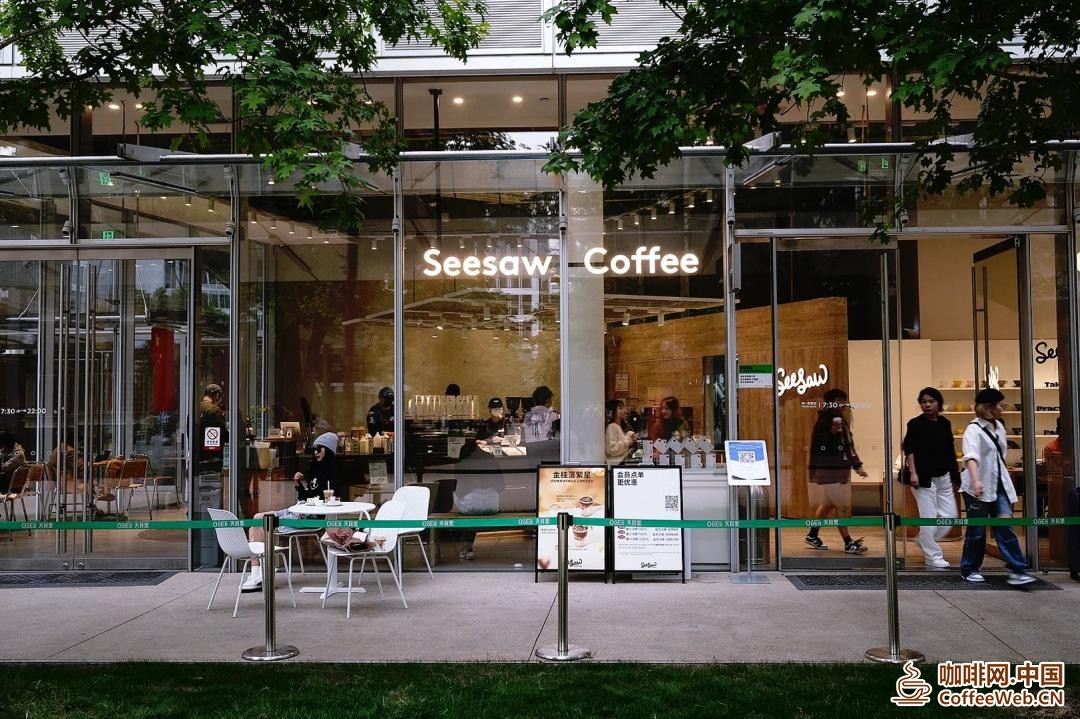
近年来,国内咖啡市场竞争日益激烈。天眼查APP显示,Seesaw Coffee运营主体上海西舍咖啡有限公司(下称西舍咖啡)目前有多条破产审查案件,申请人分别是上海琉璃工房玻璃艺术品有限公司与上海玛露实业有限公司。申请人均以西舍咖啡不能清偿到期债务且明显缺乏清偿能力为由,向法院申请对其进行破产清算。此外,2026年以来,上海西舍咖啡有限公司及其法定代表人、Seesaw创始人吴晓梅被限高。
作为国内首批精品咖啡代表性品牌,Seesaw起步较早。2012年,品牌首家门店落地上海愚园路433号静安设计中心。彼时国内高端咖啡市场仅有星巴克知名度较高,本土连锁精品咖啡赛道几乎处于空白状态。Seesaw Coffee诞生后,首次向国内消费者普及了精品咖啡豆、手冲单品咖啡等专业概念,填补了本土精品咖啡市场的空白,也因此一度被誉为“精品咖啡黄埔军校”。
Seesaw主打中高端精品咖啡定位,产品单价集中在30至40元区间,门店设计极具质感。品牌自创立之初,便将空间美学、咖啡文化与场景体验深度融合,走出了一条区别于传统标准化连锁咖啡的差异化发展路径。
在餐饮空间设计领域,Seesaw是国内“一店一设计”模式的先行者。品牌摒弃连锁门店的标准化复制模板,坚持依据门店区位特点、商圈气质定制专属设计方案。其中,北京大悦城门店设计极具创新性,将山石、苔藓、水雾等自然景致融入商业综合体空间,开放式吧台打破了咖啡师与消费者的隔阂,营造出松弛高级的沉浸式消费氛围。这套兼具艺术感与舒适度的空间设计体系,一度刷新国内餐饮门店审美标准,成为众多设计师及餐饮品牌的参考范本。
成立以来,Seesaw Coffee累计完成三轮融资。2017年6月,品牌斩获4500万元融资,投资方为百福控股、沃生投资,成为国内首个获得资本融资的精品咖啡赛道品牌;2021年7月,Seesaw Coffee完成超亿元A+轮融资,投资方涵盖喜茶、基石资本、百福控股;2022年2月,品牌再度完成数亿元A++轮融资,基石资本、黑蚁资本参与投资,彼时品牌估值一度突破10亿元。
2023年起,国内连锁咖啡行业全面进入价格战阶段,瑞幸9.9元、库迪8.8元的平价策略,带动整个赛道陷入低价内卷。与此同时,大众消费者对精品咖啡的消费认知逐渐趋于理性,Seesaw的市场处境持续承压。2023年底,Seesaw陆续关停北京、上海、重庆、武汉、杭州等多地门店。
2025年3月,Seesaw陷入供应链债务危机,多家供应商因品牌长期拖欠货款、多次催收无果,对其发起诉讼追讨欠款。另有内部员工爆料,品牌已拖欠员工两个半月薪资;线下直营门店因资金链断裂,无力支付物业租赁费、水电费,设备故障也无法维修,最终被迫停业闭店。
数据显示,截至2026年5月13日,Seesaw全国在营门店仅34家,较2023年3月巅峰时期的135家门店,缩减超百家。从区域分布来看,浙江现存7家、上海6家、江苏4家,北京、山西、河南、广东等其余省市均仅留存1至2家门店。2026年以来,品牌仅新增1家门店,落地于长沙梅溪湖商圈。
平价咖啡的猛烈冲击、自身偏高的定价策略,是Seesaw大规模闭店、陷入经营危机的原因之一。在行业白热化的竞争格局下,叠加消费者消费理念愈发理性,高性价比、标准化运营、成熟供应链等核心能力,已然成为咖啡品牌立足市场的核心根基,而这正是Seesaw的短板所在。
(Source: Business Week)
In recent years, the competition in the domestic coffee market has become increasingly fierce. According to the Tianyancha APP, Seesaw Coffee's operating entity, Shanghai Xishe Coffee Co., Ltd. (hereinafter referred to as Xishe Coffee), currently has multiple bankruptcy review cases, with the applicants being Shanghai Liuli Workshop Glass Art Co., Ltd. and Shanghai Malu Industrial Co., Ltd. The applicant has applied to the court for bankruptcy liquidation of Xishe Coffee on the grounds that it is unable to repay its due debts and clearly lacks the ability to repay. In addition, since 2026, Shanghai Xishe Coffee Co., Ltd. and its legal representative, Seesaw founder Wu Xiaomei, have been subject to height restrictions.
As one of the first representative brands of premium coffee in China, Seesaw started early. In 2012, the brand's first store landed at Jing'an Design Center, 433 Yuyuan Road, Shanghai. At that time, only Starbucks had a high level of popularity in the domestic high-end coffee market, and the local chain specialty coffee track was almost blank. After the birth of Seesaw Coffee, it first popularized professional concepts such as premium coffee beans and hand brewed single product coffee to domestic consumers, filling the gap in the local premium coffee market. As a result, it was once known as the "Huangpu Military Academy of Premium Coffee".
Seesaw focuses on high-end boutique coffee positioning, with product unit prices concentrated in the range of 30 to 40 yuan. The store design is highly textured. Since its establishment, the brand has deeply integrated spatial aesthetics, coffee culture, and scene experience, and has embarked on a differentiated development path that is different from traditional standardized chain coffee.
In the field of catering space design, Seesaw is a pioneer of the "one store, one design" model in China. The brand abandons the standardized replication template of chain stores and insists on customizing exclusive design schemes based on the location characteristics and commercial district temperament of the stores. Among them, the design of the Beijing Joy City store is highly innovative, integrating natural scenery such as rocks, moss, and water mist into the commercial complex space. The open bar breaks the barrier between baristas and consumers, creating a relaxed and high-end immersive consumption atmosphere. This space design system, which combines artistic sense and comfort, once broke the aesthetic standards of domestic catering stores and became a reference model for many designers and catering brands.
Since its establishment, Seesaw Coffee has completed three rounds of financing. In June 2017, the brand secured a financing of 45 million yuan from Baifu Holdings and Wosheng Investment, becoming the first boutique coffee track brand in China to obtain capital financing; In July 2021, Seesaw Coffee completed an A+round financing of over 100 million yuan, with investors including Heytea, Cornerstone Capital, and Baifu Holdings; In February 2022, the brand completed another A++round of financing worth hundreds of millions of yuan, with cornerstone capital and Black Ant Capital participating in the investment. At that time, the brand's valuation once exceeded 1 billion yuan.
Starting from 2023, the domestic chain coffee industry will enter a phase of price war, with Luckin Coffee's 9.9 yuan and Kudi's 8.8 yuan parity strategy driving the entire track into a low price competition. At the same time, the general public's perception of premium coffee consumption is gradually becoming rational, and Seesaw's market situation continues to be under pressure. By the end of 2023, Seesaw will gradually shut down its stores in Beijing, Shanghai, Chongqing, Wuhan, Hangzhou and other cities.
In March 2025, Seesaw fell into a supply chain debt crisis, with multiple suppliers filing lawsuits to recover outstanding payments due to long-term brand arrears and multiple unsuccessful collections. Another internal employee revealed that the brand has already withheld two and a half months' salary from its employees; Offline direct operated stores were forced to close down due to a broken capital chain, unable to pay property rental fees, water and electricity bills, and equipment failures that could not be repaired.
According to data, as of May 13, 2026, Seesaw had only 34 operating stores nationwide, a decrease of over a hundred stores from its peak of 135 stores in March 2023. From a regional distribution perspective, there are currently 7 stores in Zhejiang, 6 in Shanghai, and 4 in Jiangsu, while other provinces and cities such as Beijing, Shanxi, Henan, and Guangdong only retain 1 to 2 stores. Since 2026, the brand has only added one new store, located in the Meixihu commercial district of Changsha.
The fierce impact of affordable coffee and its own high pricing strategy are one of the reasons for Seesaw's large-scale closure and business crisis. In the fiercely competitive landscape of the industry, coupled with increasingly rational consumer consumption concepts, core competencies such as high cost-effectiveness, standardized operations, and mature supply chains have become the core foundation for coffee brands to establish themselves in the market. This is precisely where Seesaw's shortcomings lie.