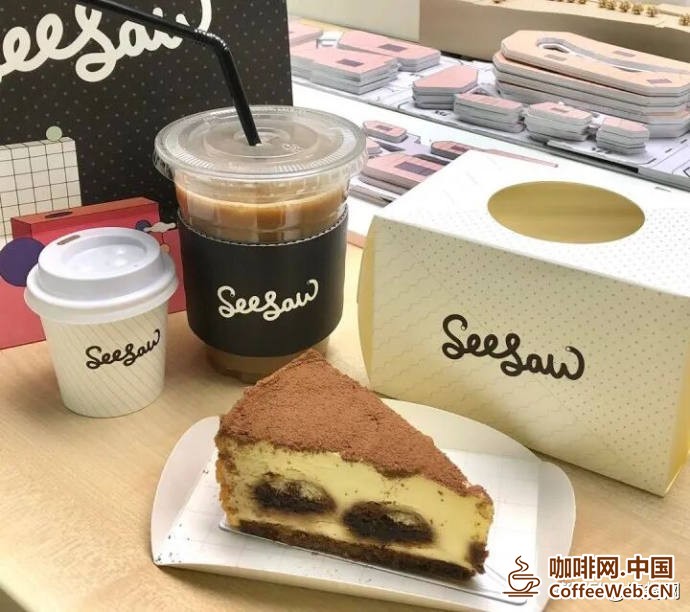
知名餐饮品牌被申请破产,精品咖啡集体面临困局Famous catering brand filed for bankruptcy, boutique coffee collective faces dilemma
曾单店估值10亿、如今负债1646万。Seesaw这杯精品咖啡,还能续上吗?
本文由红餐网 原创首发,作者:邱邱;编辑:王秀清。
从“单店估值过亿”到“负债1646万”,这家曾被誉为中国精品咖啡“黄埔军校”的品牌,只用了不到四年。
近期,精品咖啡品牌Seesaw被曝,运营主体上海西舍咖啡有限公司新增多例破产审查案件,理由均为“不能清偿到期债务且明显缺乏清偿能力”。今年早些时候,Seesaw创始人吴晓梅还被多次采取限制高消费措施。
Seesaw成立于2012年,曾是中国本土精品咖啡的启蒙品牌之一。备受资本追捧的高光时刻犹在眼前,而今已步入破产程序,曾经的精品咖啡“白月光”,到底经历了什么?
1646万债务、31家门店:Seesaw的“残局”
公开信息显示,上海西舍咖啡有限公司涉诉债务总额为1646.3万元,案由以买卖合同纠纷为主。该公司被执行总金额超过1400万元,涉及118起司法案件;其还存在多条被执行人信息,以及历史失信被执行人信息,涉案金额亦高达千万元级别。
门店数据更为直观地反映了Seesaw的萎缩态势。大众点评数据显示,截至2026年6月8日,Seesaw全国在营门店数为31家,其中江浙沪仅剩15家。这一数字距其2023年3月巅峰时期的135家门店,已减少超过100家。品牌官方小红书、微信公众号的账号的最新动态基本停留在了2025年11月。
△图片来源:小红书截图
这不是Seesaw第一次以令人唏嘘的姿态出现在公众视野。
2023年下半年,Seesaw开始出现大规模关店调整,有媒体报道称闭店近三分之一。2024年11月,公司及其创始人首次被曝出限制高消费信息。2025年,多家供应商公开追讨欠款,有供应商称Seesaw拖欠7至9个月货款。另有员工反映,Seesaw已拖欠其两个半月的工资,且其所在的直营门店因资金支持不到位,物业租赁费、水电费无法缴纳,设备损坏无法维修,只能被迫关店。
破产清算消息传出后,社交媒体上涌现出不少消费者的惋惜之声。“曾经我来上海第一件事甚至是去买seesaw……现在真是可惜了。”有网友这样写道。也有人表示,“趁店还没关完之前,要赶紧再去喝一杯。”
这些留言背后,是Seesaw作为一代消费者精品咖啡“启蒙者”所留下的情感印记。
从“黄埔军校”到破产清算,Seesaw被谁推向深渊?
2012年,Seesaw的首家门店在上海愚园路开业。彼时中国本土精品咖啡市场几近空白,掌舵人宗心旷将个人审美意趣融入品牌,做出了中国精品咖啡的初代模型——强调单一产地、手冲技艺、创意空间与咖啡师文化。在人才培养上,Seesaw在愚园路首店后院开办“梦工厂咖啡学院”,建立了完整的咖啡师培养体系,为行业持续输送大量人才,因此有了“中国精品咖啡黄埔军校”的美誉。
在这些高光之下,Seesaw得到了一批投资机构的青睐,拿下多轮融资。成立五年后,Seesaw获得4500万元融资,成为国内精品咖啡赛道第一个获得融资的品牌。2021年7月,Seesaw完成A+轮过亿元融资;2022年2月,Seesaw再次获得数亿元的A++轮融资,其估值一度达到10亿元。创始人吴晓梅曾公开喊出“2022年底门店达到200家,未来5年扩张至500-1000家”的目标。
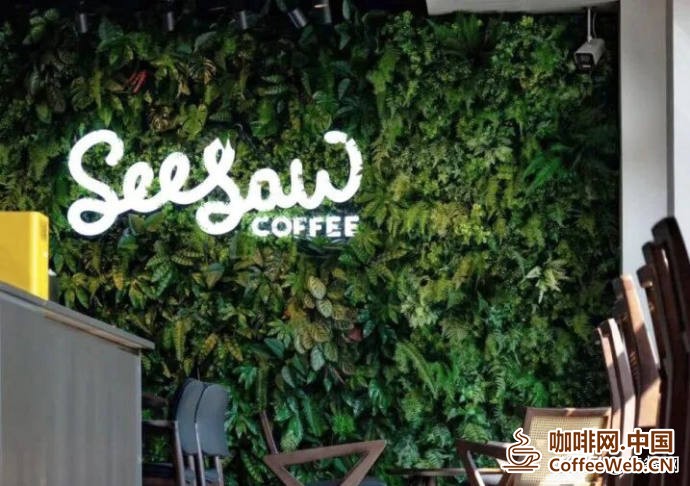
△图片来源:Seesaw官方小红书账号
这样一家曾“高居神坛”的精品咖啡品牌,何以在短短数年内走到破产清算的境地?
资本的快速催熟导致门店失控。Seesaw早期以“小而美”路线起步,门店数量长期保持个位数。在资本驱动下,2022年新开门店超过60家。然而,精细化运营能力未能同步跟进。据公开报道,部分新开门店日均出杯量低于咖啡行业普遍参考的300杯盈亏线。与此同时,Seesaw后来所坚持的“大店+第三空间”模式单店固定成本较高,2023年后无新资本注入,前期融资大量用于补贴亏损门店,资金链随之承压。
价格战绞杀之下,品牌处在两难处境。 2023年,瑞幸与库迪发起9.9元价格战,彻底改变了消费者对咖啡的价格认知。一杯Seesaw美式售价28元,而瑞幸促销价仅9.9元,三倍差价让精品溢价失去了说服力。定位30元以上的Seesaw被迫参与团购促销甚至推出低价饮品、试图吸引年轻流量,但老客觉得它不纯粹,新客又嫌弃它“贵”“价值撑不起价格”。
开放加盟为时已晚、标准已失。2024年,Seesaw在资金链紧张、门店大量关闭的情况下,仓促开放加盟。但由于缺乏标准化的管理体系,品控进一步滑坡,品牌声誉持续受损。加盟进展也较为缓慢,到2024年底加盟门店仅约20家。
在社交媒体平台,还有自称Seesaw加盟商的用户表示,为了进一步缓解资金链紧张问题,总部要求加盟商继续压低成本,“一杯成本3元的拿铁,本来就够低了,还要把进口奶换成杂牌奶,客人都说不好喝。”
资本的捆绑与催熟埋下隐患,又在价格战中被挤压生存空间,多重压力之下,Seesaw被一步步推向深渊。
消费者变了,精品咖啡集体面临困境
Seesaw的倒下并非个案。从整个咖啡赛道看,不少精品咖啡面临着成本和价格困局。
2025年,被誉为“星巴克祖师爷”的皮爷咖啡,其华南首店因租约到期关闭,引发行业关注;不久后,其还关闭了位于广州天河城的门店。主打高端极简风格的%Arabica,自2025年以来亦有部分门店陆续停止运营,包括无锡恒隆广场店、上海丰盛里店、厦门万象城首店等。头部品牌瑞幸、库迪以价格战抢占市场,而精品咖啡品牌因成本高企、定位尴尬,一批品牌陆续收缩。
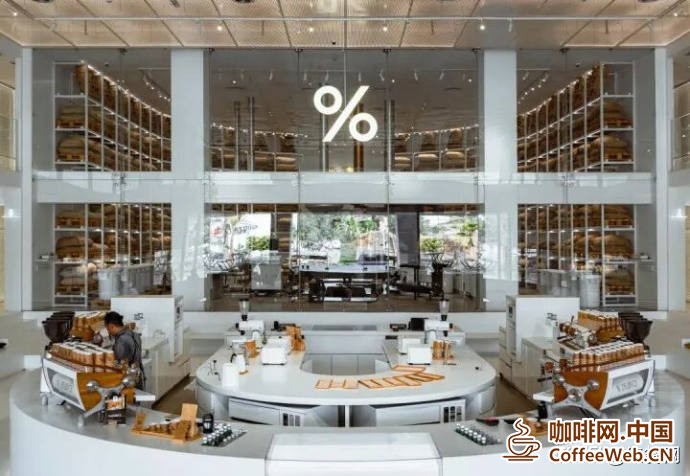
△图片来源:小红书截图
精品咖啡品牌普遍面临一个共同的困境,既无法像平价品牌那样极致压缩成本,又无法提供真正不可替代的体验。它们被困在30至50元的“尴尬地带”——价格明显高于平价咖啡,在一定程度上影响了顾客的消费频次。
与此同时,消费者的消费习惯正在分化。过去,咖啡作为舶来品具备较强的溢价属性,30元左右一杯的咖啡是主流。但如今,平价咖啡和精品咖啡分化,除了社交场景外,消费者更愿意选择“9块9”的咖啡作为“提神口粮”。
目前,Seesaw的破产清算程序已经启动,30余家门店的命运、1646万元债务的清偿比例,将在债权申报后逐步揭晓。曾经依靠精品叙事撑起的高溢价模式,正在经历一场集体洗牌。
眼下的清算,不代表故事的结局,只是把过往的问题,一次性摆到了台面之上。曾经靠审美、调性和精品质感出圈的Seesaw,攒下的用户好感、门店口碑和市场认知,都没有凭空消失。
Seesaw的故事还没有落幕,市场也不希望这个明星品牌以遗憾收场,但留给它解决问题的窗口正在缩紧。
Once valued at 1 billion yuan, the single store now has a debt of 16.46 million yuan. Seesaw, can I continue this cup of premium coffee?
This article is original and first published by Red Food Network, written by Qiu Qiu; Editor: Wang Xiuqing.
From a single store valuation of over 100 million to a debt of 16.46 million, this brand, once known as the "Huangpu Military Academy" of Chinese boutique coffee, took less than four years.
Recently, the boutique coffee brand Seesaw has been exposed that its operating entity, Shanghai Xishe Coffee Co., Ltd., has added multiple bankruptcy review cases, all citing "inability to repay due debts and obvious lack of solvency". Earlier this year, Seesaw founder Wu Xiaomei was repeatedly subjected to measures to restrict high consumption.
Seesaw was founded in 2012 and was once one of the pioneering brands of local specialty coffee in China. The shining moment that was highly sought after by capital is still in front of us. Now that we have entered bankruptcy proceedings, what has happened to the once boutique coffee "White Moonlight"?
16.46 million debt, 31 stores: Seesaw's' endgame '
Public information shows that the total amount of debt involved in the lawsuit against Shanghai Xishe Coffee Co., Ltd. is 16.463 million yuan, and the main cause of the case is a dispute over a sales contract. The company has been executed for a total amount exceeding 14 million yuan, involving 118 judicial cases; There are also multiple pieces of executed person information, as well as historical dishonest executed person information, and the amount involved in the case is also as high as tens of millions of yuan.
The store data more intuitively reflects the shrinking trend of Seesaw. According to data from Dianping, as of June 8, 2026, Seesaw had 31 operating stores nationwide, with only 15 remaining in Jiangsu, Zhejiang, and Shanghai. This number has decreased by more than 100 stores since its peak of 135 stores in March 2023. The latest developments of the brand's official Little Red Book and WeChat official account will basically stay in November 2025.
△ Image source: screenshot from Xiaohongshu
This is not the first time Seesaw has appeared in the public eye in a poignant manner.
In the second half of 2023, Seesaw began to experience large-scale store closures and adjustments, with media reports stating that nearly one-third of its stores were closed. In November 2024, the company and its founder were first exposed for restricting high consumption information. In 2025, multiple suppliers publicly pursued outstanding payments, with some claiming that Seesaw was in arrears for 7 to 9 months. Another employee reported that Seesaw has already delayed their salary for two and a half months, and their direct operated store is forced to close due to insufficient financial support, inability to pay property rental fees, water and electricity bills, and equipment damage that cannot be repaired.
After the news of bankruptcy liquidation was released, many consumers expressed their regret on social media. The first thing I did when I came to Shanghai was even to buy Seesaw... now it's really a pity. ”Some netizens wrote like this. Some people also said, "Go have another drink before the store closes
Behind these messages is the emotional imprint left by Seesaw as a generation of consumers who were the "enlighteners" of premium coffee.
From "Huangpu Military Academy" to bankruptcy liquidation, who pushed Seesaw into the abyss?
In 2012, Seesaw's first store opened on Yuyuan Road in Shanghai. At that time, the domestic premium coffee market in China was almost blank, and the leader Zong Xinkuang integrated his personal aesthetic interests into the brand, creating the first generation model of Chinese premium coffee - emphasizing a single origin, hand brewing skills, creative space, and barista culture. In terms of talent cultivation, Seesaw has established the "DreamWorks Coffee Academy" in the backyard of the first store on Yuyuan Road, establishing a complete barista training system and continuously delivering a large number of talents to the industry, thus earning the reputation of "Huangpu Military Academy of Chinese Premium Coffee".
Under these highlights, Seesaw has gained the favor of a group of investment institutions and secured multiple rounds of financing. After five years of establishment, Seesaw received a financing of 45 million yuan, becoming the first brand in the domestic specialty coffee industry to receive financing. In July 2021, Seesaw completed an A+round of over 100 million yuan financing; In February 2022, Seesaw received another A++round of financing worth hundreds of millions of yuan, with a valuation of up to 1 billion yuan at one point. Founder Wu Xiaomei once publicly announced the goal of "reaching 200 stores by the end of 2022 and expanding to 500-1000 stores in the next 5 years".
△ Image source: Seesaw official Xiaohongshu account
How could such a boutique coffee brand, which once held a high position on the altar, reach bankruptcy and liquidation in just a few years?
The rapid maturation of capital led to the loss of control of the store. Seesaw started with the "small and beautiful" route in its early days, and the number of stores remained in single digits for a long time. Driven by capital, more than 60 new stores will be opened in 2022. However, the refined operational capabilities have not been synchronized and followed up. According to public reports, the daily average cup volume of some newly opened stores is lower than the profit and loss line of 300 cups commonly referred to in the coffee industry. At the same time, Seesaw's later insistence on the "big store+third space" model resulted in high fixed costs per store. After 2023, there will be no new capital injection, and a large amount of initial financing will be used to subsidize loss making stores, putting pressure on the funding chain.
Under the price war, brands are in a dilemma. In 2023, Luckin Coffee and Kudi launched a 9.9 yuan price war, completely changing consumers' perception of coffee prices. A cup of Seesaw in American style is priced at 28 yuan, while Luckin's promotional price is only 9.9 yuan. The triple price difference makes the premium of the boutique lose its persuasiveness. Seesaw, which is positioned above 30 yuan, is forced to participate in group buying promotions and even launch low-priced drinks in an attempt to attract young traffic. However, old customers feel that it is not pure, and new customers dislike it as "expensive" and "not worth the price".
It's too late to open up franchising, and the standards have been lost. In 2024, Seesaw hastily opened its franchise due to tight funding chain and a large number of store closures. However, due to the lack of standardized management system, quality control has further declined and brand reputation continues to be damaged. The progress of franchise is also relatively slow, with only about 20 franchise stores by the end of 2024.
On social media platforms, users claiming to be Seesaw franchisees have expressed that in order to further alleviate the tight funding chain, the headquarters requires franchisees to continue to lower costs. "A latte with a cost of 3 yuan is already low enough, and we have to replace imported milk with mixed brand milk. Customers say it's not tasty
The bundling and ripening of capital have planted hidden dangers, and Seesaw has been squeezed into survival space in the price war. Under multiple pressures, Seesaw has been pushed step by step into the abyss.
Consumers have changed, and boutique coffee is facing difficulties collectively
Seesaw's fall is not an isolated case. From the perspective of the entire coffee industry, many premium coffees are facing cost and price dilemmas.
In 2025, Piye Coffee, known as the "ancestor of Starbucks", will close its first store in southern China due to the expiration of its lease, attracting industry attention; Shortly thereafter, it also closed its store located in Tianhe City, Guangzhou. % Arabica, which focuses on high-end minimalist style, has also stopped operating some stores since 2025, including Wuxi Henglong Plaza store, Shanghai Fengshengli store, and Xiamen Wanda Plaza first store. Top brands Luckin Coffee and Kudi are seizing the market through price wars, while boutique coffee brands are gradually shrinking due to high costs and awkward positioning.
△ Image source: screenshot from Xiaohongshu
Specialty coffee brands generally face a common dilemma of not being able to compress costs to the extreme like affordable brands, and not being able to provide truly irreplaceable experiences. They are trapped in an awkward zone of 30 to 50 yuan - prices significantly higher than affordable coffee, which to some extent affects customers' consumption frequency.
At the same time, consumer spending habits are diverging. In the past, coffee, as an imported product, had a strong premium attribute, with coffee priced around 30 yuan per cup being the mainstream. But now, there is a differentiation between affordable coffee and premium coffee. Apart from social scenes, consumers are more willing to choose "9.9 yuan" coffee as a "refreshing food".
At present, Seesaw's bankruptcy liquidation procedure has been initiated, and the fate of more than 30 stores and the repayment ratio of 16.46 million yuan of debt will be gradually revealed after the creditor's rights declaration. The high premium model that once relied on high-quality storytelling is undergoing a collective reshuffle.
The current settlement does not represent the ending of the story, but simply puts past issues on the table at once. Seesaw, which once gained popularity through aesthetics, tonality, and high-quality texture, has not disappeared out of thin air with its accumulated user favorability, store reputation, and market awareness.
The story of Seesaw is not over yet, and the market does not want this celebrity brand to end in regret, but the window left for it to solve problems is shrinking.