一杯咖啡激活乡村发展新动能A cup of coffee activates new driving forces for rural development
曾经闲置的农宅、破旧的牛栏、堆满杂物的仓房,如今正被一缕缕醇厚的咖啡香悄然“唤醒”。连日来,记者走访南昌多个乡村发现,遍地开花的乡村咖啡馆,已然成为南昌乡村文旅新晋潮流地标。
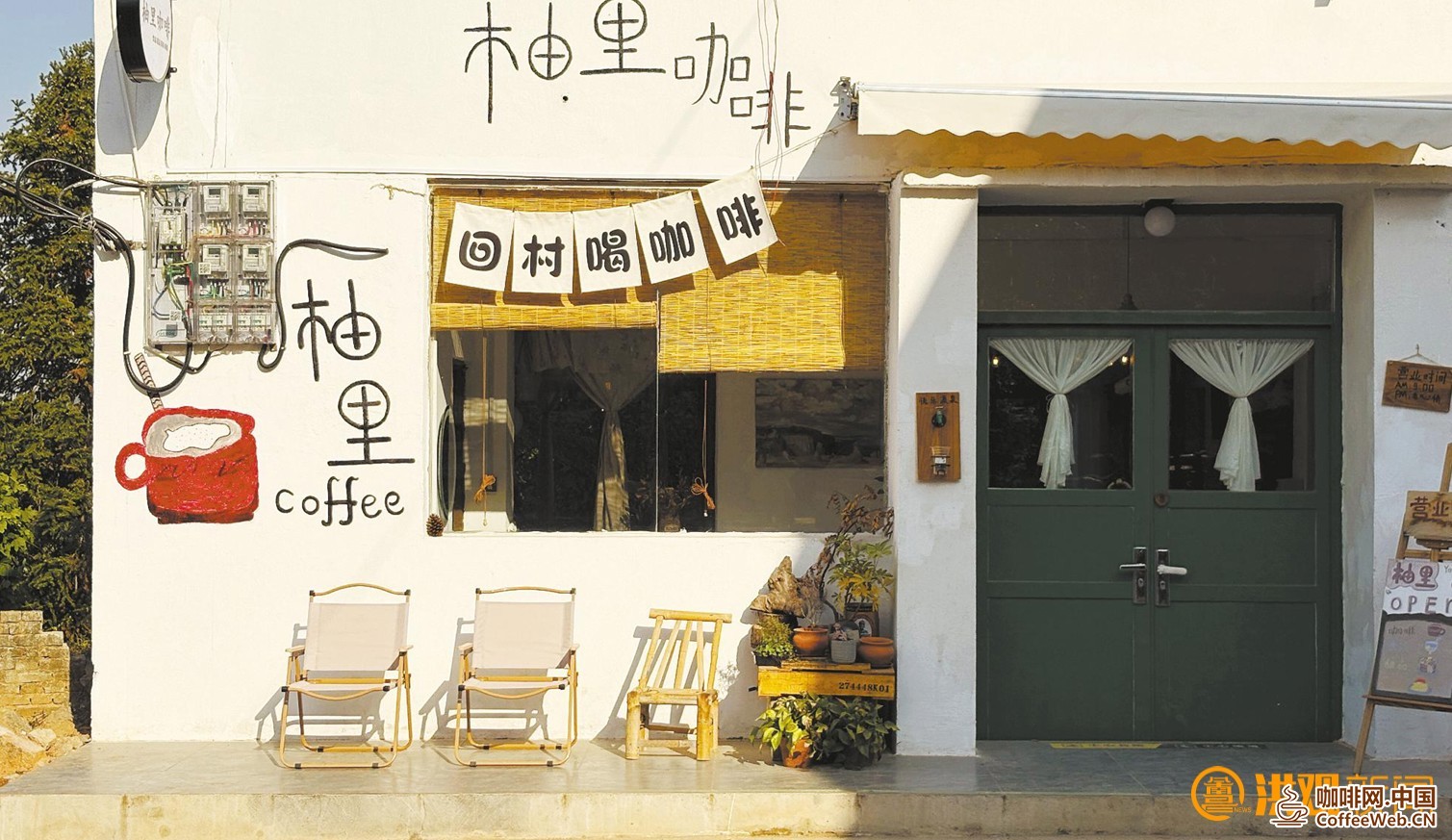
柚里咖啡
老屋新生:
闲置农房成打卡“顶流”
6月上旬,一个普通的周末午后,位于湾里管理局招贤镇卫东村的“577空间”里人头攒动。这家“村咖”坐落于梅岭山麓,远处梯田层层叠叠,山间云雾缭绕,景致清幽,诗意盎然。
不少年轻人穿梭在木质廊台、落地玻璃窗边,寻找着最佳打卡角度。“在网上刷到这家‘村咖’,特意带着家人从市区过来。相比美味的咖啡,这里的自然风光更让人惊艳。”市民周莉莉笑着说。
“577空间”主理人宋敏告诉记者,这里原本是一间废弃的仓房,堆满了杂物和柴火。2024年初,他租下这间老屋,自己动手改造,刷墙、铺石、搭木廊,一点点把荒废的空间变成如今的模样。
“刚开始周围村民都不理解,花钱在这‘瞎折腾’。”宋敏回忆道。如今,这家“村咖”已成为山间一景,即便在工作日也是人气爆棚。“到了油菜花盛开的季节,周末一天能接待两三百人。”
这样的火热场景,在新建区溪霞镇溪霞村的“柚里咖啡”同样上演。这家咖啡馆紧邻溪霞水库,站在门口望去,湖面波光粼粼,偶有白鹭掠水翩飞,治愈感满满。
走进店内,复古氛围感扑面而来。老式缝纫机改造的置物架、黑白电视机、老旧搪瓷杯等老物件有序陈列,留存了一代人的乡村记忆。三五成群的年轻人围坐窗边,手捧咖啡,惬意闲谈。
“这里原本是一间空置房屋,我和丈夫亲手改造翻新,还把家里的老物件都搬了过来。”主理人黄婉君说,她希望最大化保留乡村生活韵味,打造一个兼具烟火气与年代感的休闲空间。
黄婉君介绍,虽然小店开在村里,但靠着顾客的口碑相传和网络自发传播,客流持续稳步增长,生意火爆时单日营业额可达三千余元。“很多客人都是回头客,他们觉得这里环境舒服、价格实惠,还会主动带朋友来。”
从荒废积灰的老旧农房,到人气爆棚的网红打卡地标,南昌一座座乡村咖啡馆,以微改造、精提升的方式盘活了沉睡的乡村闲置资产。小小的“村咖”,不仅点亮了乡村颜值,更带来了人气,让沉寂的乡村焕发全新生机。
青年归来:
把梦想种在山水之间
这些乡村咖啡馆的诞生,离不开一群带着故事回到乡村的年轻人。他们曾是房产中介、投行精英、城市白领……如今有了共同的身份——“村咖”主理人。
走近梅岭镇妙泉村,翠林蜿蜒,拾级而上,一栋有着落地窗的老屋静静伫立,这便是孺子书房牛栏咖啡分馆。
千禧年出生的咖啡师叶腾,是这家“村咖”的主理人。磨豆、压粉、萃取、打奶、拉花……当他将一杯香气四溢的咖啡递到记者面前时,深色咖啡液上,一片白色树叶静静漂浮。“拉花是我的强项,三十几种图案不在话下。”叶腾自豪地说。
谈及与牛栏咖啡的缘分,叶腾坦言:“我是被这里的乡村美景吸引来的,第一次来就一见倾心。”他清楚地记得初次到访的情景——目之所及皆是绿意,青山环绕,微风拂面,“整个人都舒畅了。”
在叶腾看来,咖啡扎根乡村,意义远不止于一杯饮品。“它更像是乡村文化的时尚表达,是对乡村价值的重新塑造。”他告诉记者,“村咖”真正让人沉醉的,是大自然馈赠的风景,是带有乡土气息的“特调”。
与叶腾的“一见倾心”不同,黄婉君成为“柚里咖啡”的主理人,更像是一场生活的“重塑”。这位“80后”姑娘此前做了多年房产中介,每天穿梭在城市的高楼之间。但她的心里一直藏着一个念头:“喜欢有山有水的地方,想寻一处自由的小天地。”
黄婉君笑着说,她在网上看到一线城市“村咖”很火,当时南昌像这样的乡村咖啡馆还不多,便突然萌生了开店的念头。“村里租金便宜,试错成本不高。最重要的是工作时间自由,正是我想要的生活方式。”
如今,黄婉君已告别房产中介的工作,全身心投入到咖啡店中。她住在经开区,每天开车20多分钟到溪霞村的店里,是一位典型的“城乡两栖”青年。“刚开始只是想当个副业做,做着做着便主次互换,现在全靠它了。”她笑称,如今“就是给自己打工”,自由自在。
这些年轻人从城市归来,或凭一技之长,或带一份热爱,把梦想种在山水之间,也让自己的人生有了新的方向。一杯小小的咖啡,让人才与创意双向流动,为城乡融合发展注入了全新活力。
共生共荣:
一杯咖啡激活的乡村生态
一家家乡村咖啡馆的兴起,带来的不仅是打卡拍照的人流量,更是一个个乡村的“新生”。
在卫东村,以“577空间”“小满咖啡屋”“山山来迟”为代表的“村咖”已经形成聚集效应,曾经的“银发村”因为咖啡香变得青春起来。从“577空间”的山野自然风,到“小满咖啡屋”的清新文艺风,再到“山山来迟”的静谧疗愈空间,形成了差异化发展的“村咖”矩阵。咖啡之外,露营地、餐吧、手工坊等年轻业态也相继落地。
“以前觉得乡村就是看看山看看水,没想到现在还能一条龙体验到喝咖啡、吃面包、住民宿,比城里还丰富。”和闺蜜一起来游玩的市民黄女士笑着告诉记者。
这些“村咖”主理人还在积极对接渠道,将乡村的好物分享给更多人。“小满咖啡屋”的主理人周志坚告诉记者,来店里的客人有很多是城市白领,他们特别喜欢山里的农产品。“我想通过咖啡馆这个窗口,帮村民打开一条增收渠道。”他计划与当地村民合作,将土鸡蛋、竹编手工艺品等引入咖啡馆展示和代售,“让客人喝咖啡的同时,也能带走一点乡村的味道。”
“新业态的萌芽,不仅让我们看见了乡村发展的新可能,更提振了大家的干劲。”卫东村村委会负责人介绍,这个常住人口仅200余人且多为老年人的小村庄,因一家家咖啡馆的涌现,被注入了别样的活力。近年来,村里流转了近300亩土地种植油菜,匠心打造的“金花节”吸引大批游客前来赏花、喝咖啡、尝农家菜,乡村旅游产业链条不断延伸。
一杯小小的咖啡,映照的是南昌乡村发展的巨大变迁。当咖啡香飘进山野,当老屋焕发新生,当年轻人选择归来,我们看到的,是一个个正在被激活的乡村,是一个个正在被续写的振兴故事。
记者手记
“村咖”突围:风景之外更要扎根乡土
梅岭的梯田云雾、溪霞水库的湖光鹭影……青山绿水是南昌乡村最大的“底色”。当这些风景被一扇扇窗“框”进咖啡馆,当一杯咖啡与山野气息相遇,乡村成了一个可以停下来、坐下来、慢下来的地方。它吸引众多年轻人逃离城市的快节奏,在山水间放松身心。“村咖”卖的不仅是咖啡,更是一个过滤疲惫的治愈空间。
“村咖”如果只靠打卡吸引眼球,热度难免会消退。要让“流量”变“留量”,“村咖”还需要不断升级。一方面,要整合村庄周边山水资源,打造“咖啡+”的复合体验空间。比如,围绕梅岭山地设计徒步线路、山地自行车道,让游客在喝完咖啡后还有更多“玩头”。针对室内活动,融入音乐弹唱、手作体验、自然教育等内容,让游客每次来都有新惊喜。
此外,乡村咖啡馆不能“悬浮”于乡村之上,应深深扎根于乡土文化。孺子书房牛栏咖啡分馆在改造时,使用万历年间刘綎将军府的废弃古砖,搭配老旧木料和石头,留存了旧牛栏的本地记忆。这启示我们,每一座村庄都有自己的历史、传说、手艺、风物,把这些文化元素融入咖啡馆的肌理中,能让村咖成为一个有故事、有温度的文化空间,而不仅仅是一个拍照的背景板。
“村咖”的走红,是南昌乡村价值被重新发现的一个缩影。当一杯咖啡承载起乡土记忆与城乡交融的故事,我们看到,南昌的“村咖”不再是转瞬即逝的网红风潮,而是赋能乡村振兴的持久亮色。
The once idle farmhouses, dilapidated cowsheds, and cluttered warehouses are now quietly awakened by the rich aroma of coffee. In recent days, reporters have visited multiple rural areas in Nanchang and found that the blooming rural cafes have become the new trend landmark of rural tourism in Nanchang.
Pomelo coffee
Old house new life:
Idle farmhouses become the top trend for check-in
On an ordinary weekend afternoon in early June, the "577 Space" located in Weidong Village, Zhaoxian Town, Wanli Management Bureau was crowded with people. This "village caf é" is located at the foot of Meiling Mountain, with terraced fields layered in the distance, misty mountains and clear scenery, full of poetry.
Many young people shuttle between wooden corridors and floor to ceiling glass windows, searching for the best check-in angle. I came across this' village caf é 'online and specifically brought my family from the city. Compared to delicious coffee, the natural scenery here is even more stunning, "said citizen Zhou Lili with a smile.
Song Min, the manager of "577 Space", told reporters that this was originally an abandoned warehouse filled with miscellaneous items and firewood. In early 2024, he rented this old house and started renovating it himself, painting the walls, laying stones, and building a wooden corridor, gradually transforming the abandoned space into its current appearance.
At first, the villagers around didn't understand and spent money here 'fooling around', "Song Min recalled. Nowadays, this "village caf é" has become a scenic spot in the mountains, and even on weekdays, it is extremely popular. In the season when rapeseed flowers are in full bloom, we can receive two to three hundred people a day on weekends
This kind of hot scene is also happening at "Yuzhi Coffee" in Xixia Village, Xixia Town, Xinjian District. This caf é is located next to Xixia Reservoir. Standing at the entrance, you can see the shimmering lake surface and occasional white egrets fluttering in the water, giving you a sense of healing.
Entering the store, a vintage atmosphere is overwhelming. The shelves transformed from old sewing machines, black and white televisions, old enamel cups, and other vintage items are displayed in an orderly manner, preserving the rural memories of a generation. Groups of three or five young people sit around the window, holding coffee and chatting leisurely.
This used to be an empty house, and my husband and I personally renovated and renovated it. We even moved all the old items in the house, "said the manager Huang Wanjun. She hopes to maximize the preservation of rural life charm and create a leisure space that combines fireworks and a sense of the times.
Huang Wanjun introduced that although the small shop is located in the village, it relies on word-of-mouth from customers and spontaneous dissemination on the internet, and the customer flow continues to steadily increase. When the business is booming, the daily turnover can reach more than 3000 yuan. Many customers are returning customers who feel that the environment here is comfortable, the prices are affordable, and they even take the initiative to bring friends here
From abandoned and dusty old farmhouses to popular internet celebrity check-in landmarks, the rural cafes in Nanchang have revitalized dormant rural idle assets through micro renovation and upgrading. The small 'village cafes' not only brighten up the appearance of the countryside, but also bring popularity, bringing new vitality to the quiet countryside.
Youth Returns:
Plant your dreams between mountains and rivers
The birth of these rural cafes cannot be separated from a group of young people who return to the countryside with stories. They used to be real estate agents, investment banking elites, urban white-collar workers... Now they have a common identity - the "village coffee" managers.
Approaching Miaoquan Village, Meiling Town, the green forest winds up and goes up. An old house with french window stands quietly. This is the Niulan Branch of Ruzi Study.
The coffee master Ye Teng, born in the millennium, is the manager of this "village coffee shop". Grinding beans, pressing powder, extracting, milking, pulling flowers... When he handed a cup of fragrant coffee to the reporter, a white leaf floated quietly on the dark coffee liquid. Hua Hua is my strong suit, with over thirty different patterns that I can easily handle, "Ye Teng proudly said.
When it comes to the fate of Niulan Coffee, Ye Teng frankly said, "I was attracted by the beautiful rural scenery here. I fell in love with it at first sight." He vividly remembers the scene of his first visit - everything he saw was green, surrounded by green mountains, and the breeze brushed his face. "I felt completely relaxed
In Ye Teng's view, coffee rooted in the countryside has meaning far beyond just a cup of beverage. It is more like a fashionable expression of rural culture, a reshaping of rural values, "he told reporters." What truly immerses people in 'village cafes' is the scenery gifted by nature, a' special tone 'with a local flavor.
Unlike Ye Teng's "falling in love at first sight", Huang Wanjun becoming the manager of "Pomelo Coffee" is more like a "reshaping" of life. This girl born in the 1980s had worked as a real estate agent for many years, shuttling between high-rise buildings in the city every day. But there has always been a thought hidden in her heart: "I like places with mountains and water, and I want to find a free little world
Huang Wanjun smiled and said that she saw online that "village cafes" in first tier cities were very popular. At that time, there were not many rural cafes like this in Nanchang, so she suddenly had the idea of opening a shop. The rent in the village is cheap, and the cost of trial and error is not high. The most important thing is the freedom of working hours, which is exactly the lifestyle I want
Now, Huang Wanjun has bid farewell to her job as a real estate agent and devoted herself wholeheartedly to the coffee shop. She lives in the Economic Development Zone and drives more than 20 minutes every day to the shop in Xixia Village. She is a typical "urban and rural amphibious" youth. At first, I just wanted to do a side job and switch priorities while doing it, but now it's all up to me, "she joked. Now," I just work for myself, "feeling free and unrestrained.
These young people return from the city, either with a skill or a passion, planting their dreams in the mountains and rivers, and giving their lives a new direction. A small cup of coffee allows talent and creativity to flow in both directions, injecting new vitality into the integrated development of urban and rural areas.
Symbiosis and Prosperity:
A cup of coffee activates the rural ecology
The rise of rural coffee shops has brought not only a flow of people checking in and taking photos, but also the "rebirth" of each village.
In Weidong Village, "village cafes" represented by "577 Space", "Xiaoman Coffee House", and "Shanshan Wanlai" have formed a gathering effect, and the former "Silver Hair Village" has become youthful due to the aroma of coffee. From the natural mountain breeze of "577 Space" to the fresh artistic style of "Xiaoman Coffee House", and then to the tranquil healing space of "Mountain Comes Late", a differentiated development of the "village coffee" matrix has been formed. In addition to coffee, young businesses such as camping sites, restaurants, and handicraft workshops have also landed one after another.
I used to think that the countryside was just about seeing the mountains and water, but now I can still experience drinking coffee, eating bread, and staying in homestays in one go, which is even more abundant than in the city, "said Ms. Huang, a citizen who came to visit with her best friend, with a smile to the reporter.
These "village coffee" managers are still actively connecting channels to share the good things of the countryside with more people. Zhou Zhijian, the manager of Xiaoman Coffee House, told reporters that many of the customers who come to the store are urban white-collar workers who particularly like agricultural products from the mountains. I want to use the coffee shop as a window to open up a channel for villagers to increase their income. "He plans to cooperate with local villagers to introduce local eggs, bamboo handicrafts, and other items to the coffee shop for display and sale," so that customers can take away a bit of rural flavor while drinking coffee
The emergence of new business models not only allows us to see new possibilities for rural development, but also boosts everyone's enthusiasm, "said the person in charge of the Weidong Village Committee. This small village with a permanent population of only 200 people and mostly elderly people has been injected with a different kind of vitality due to the emergence of coffee shops one by one. In recent years, nearly 300 acres of land have been transferred to the village for planting rapeseed, and the ingeniously crafted "Golden Flower Festival" has attracted a large number of tourists to come and enjoy flowers, drink coffee, and taste rural cuisine, continuously extending the rural tourism industry chain.
A small cup of coffee reflects the tremendous changes in rural development in Nanchang. When the aroma of coffee wafts into the mountains, when old houses are rejuvenated, and when young people choose to return, what we see are villages that are being activated, and revitalization stories that are being continued.
Journalist's note
Breakthrough of 'Village Coffee': Rooted in the Countryside Beyond Scenery
The terraced fields of Meiling are shrouded in mist, and the lake lights and heron shadows of Xixia Reservoir... Green mountains and clear waters are the biggest "background color" of rural areas in Nanchang. When these landscapes are framed into cafes through windows, when a cup of coffee meets the scent of the mountains, the countryside becomes a place to stop, sit down, and slow down. It attracts many young people to escape the fast-paced city and relax in the mountains and waters. Village cafes not only sell coffee, but also serve as a healing space for filtering fatigue.
If "village cafes" only rely on clocking in to attract attention, their popularity will inevitably fade. To turn 'traffic' into 'retention', 'village cafes' still need to constantly upgrade. On the one hand, it is necessary to integrate the surrounding mountain and water resources of the village and create a "coffee+" composite experience space. For example, designing hiking trails and mountain bike paths around the Meiling Mountains allows tourists to have more fun after drinking coffee. For indoor activities, incorporating music playing and singing, handmade experiences, nature education, and other content to provide visitors with new surprises every time they come.
In addition, rural cafes should not be "suspended" above the countryside and should be deeply rooted in local culture. During the renovation of the Ruzi Study Niulan Coffee Branch, abandoned ancient bricks from General Liu Cong's mansion during the Wanli period were used, along with old wood and stone, to preserve the local memory of the old Niulan. This enlightens us that every village has its own history, legends, craftsmanship, and charm. Integrating these cultural elements into the texture of a caf é can make it a cultural space with stories and warmth, rather than just a backdrop for photography.
The popularity of "village cafes" is a microcosm of the rediscovery of rural values in Nanchang. When a cup of coffee carries the story of local memories and urban-rural integration, we see that the "village coffee" in Nanchang is no longer a fleeting trend of internet celebrities, but a lasting bright color that empowers rural revitalization.