云南网:咖啡领跑、多业并进!保山将持续做优“土特产”大文章Yunnan Network: Leading the way in coffee and advancing in multiple industries! Baoshan will continue to strive for excellence in "local specialties"
5月28日,记者从云南省“开局起步‘十五五’”主题系列新闻发布会·保山专场获悉,“十五五”期间,保山市将聚焦高原特色农业提质增效,持续做优“土特产”文章,加快推动咖啡、中药材、茶叶、特色果蔬等产业全链条升级,让高原特色农业成为驱动乡村全面振兴的“金色引擎”。
数据显示,2025年,保山市农林牧渔业总产值达439亿元,农村常住居民人均可支配收入19401元,农民生活水平显著提升,获得感、幸福感持续增强。目前,全市农业龙头企业共750户,农产品加工业产值与农业总产值之比达3:1,农产品加工能力持续增强。
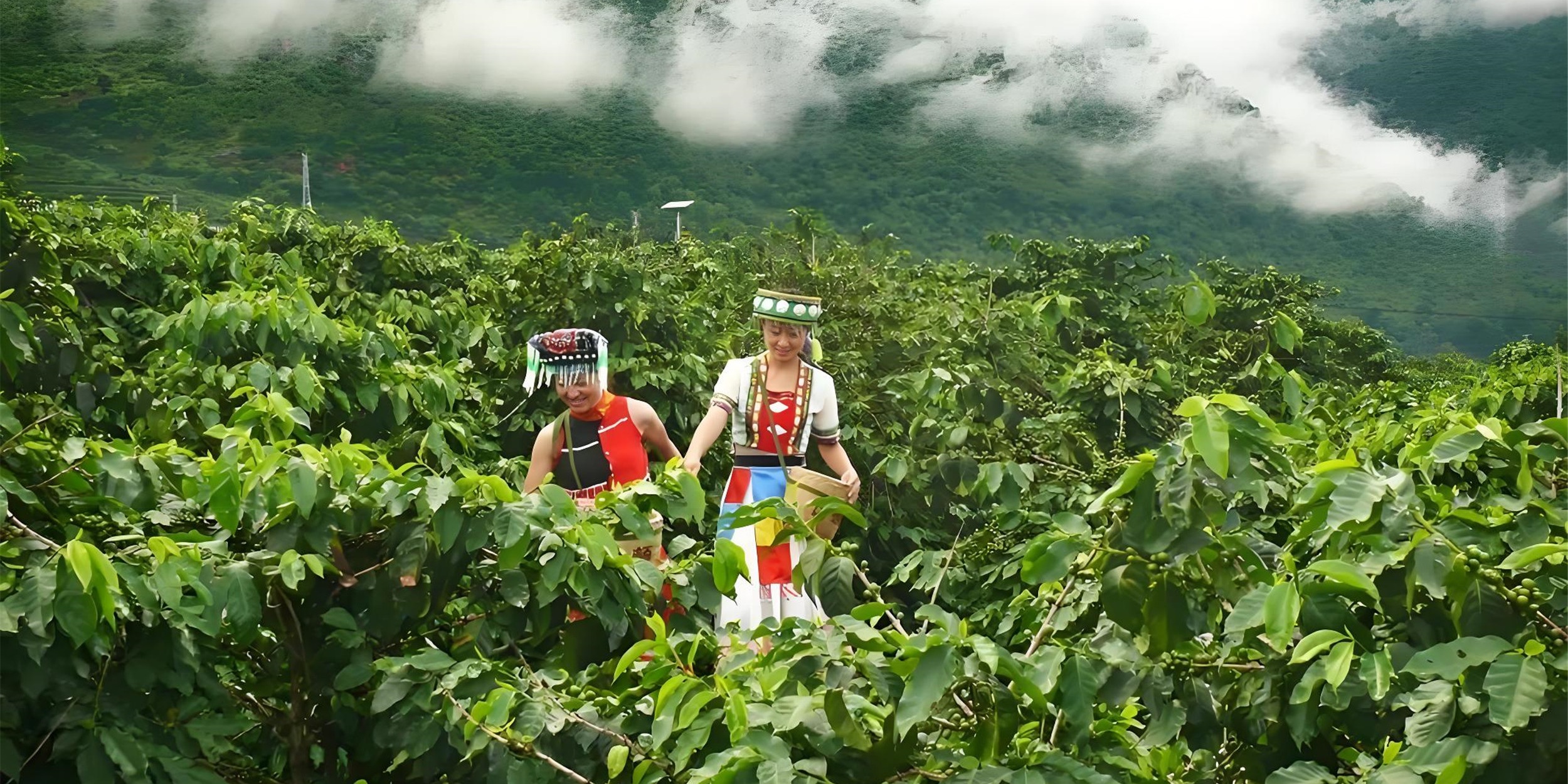
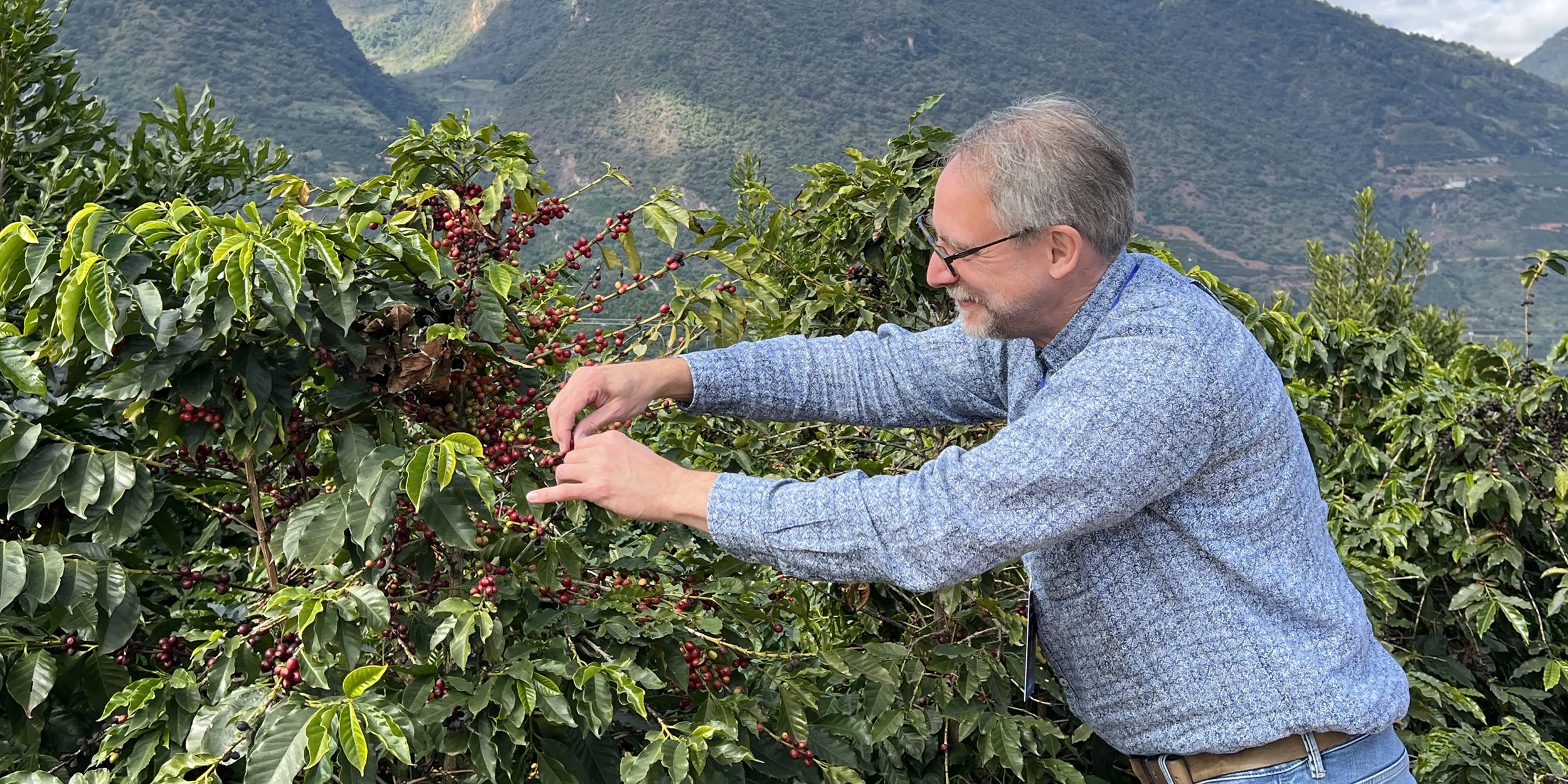
作为云南精品咖啡核心承载地,保山咖啡产业发展势头强劲。目前,全市咖啡种植面积达18万亩,精品率达80%,位居全省第一,自主培育“云咖系列”实现品种零的突破。全市共有咖啡加工企业81户,保山咖啡产业园区汇聚23家涉咖企业,建成亚洲最大生豆分拣线,精深加工率超过90%,形成从烘焙豆到即饮咖啡的全品类产品矩阵。“保山小粒咖啡”入选农业农村部精品培育名单并获欧盟认证,全国咖啡冲煮大赛永久落户保山,产品远销27个国家和地区。
咖啡产业也成为联农带农的重要支撑。新寨村通过探索联农带农发展新模式,实现产业全覆盖,村民人均收入从8000元增长至4万元,村集体经济收入突破50万元。同时,保山市统筹涉农资金1亿元,撬动社会投资2亿多元发展咖啡产业,创新授信和保险产品惠及咖农4000余户。
除咖啡产业外,保山高原特色农业呈现多点开花态势。全市围绕“1+10+2+N”产业体系发展,2025年全产业链产值突破1500亿元。其中,中药材种植面积达55万亩,产值50亿元,龙陵紫皮石斛推动“一株仙草多链条增值”;茶园面积达67万亩,古茶树超50万株,“昌宁红茶”入选国礼;保山甜柿成为国家地理标志产品,蔬菜、蓝莓、芒果等特色农产品出口中亚、俄罗斯等地;林下经济利用面积达460万亩,产值84亿元,带动57万人增收。与此同时,农文旅融合发展持续升温。保山市已建成34个咖啡庄园、茶博园等特色项目,“咖啡+文旅”“石斛+康养”等新业态不断拓展,乡村旅游收入增长22%以上。
“十五五”期间,保山市将抢抓咖啡行业发展机遇,持续推进高原特色农业精品化、特色化、融合化发展。围绕咖啡、石斛、红茶等重点产业,推动从“卖原料”向“卖品牌”转型;壮大道地药材、特色果蔬、林下经济等产业,做强区域公用品牌;健全利益联结机制,发展庭院经济和农文旅融合业态,打造50个乡村旅居重点村,让更多群众共享产业发展红利。(记者 高祎祎)
On May 28th, the reporter learned from the "Starting from the 15th Five Year Plan" themed series press conference and Baoshan session in Yunnan Province that during the "15th Five Year Plan" period, Baoshan City will focus on improving the quality and efficiency of high-altitude characteristic agriculture, continuously optimizing "local specialties", accelerating the upgrading of the entire industry chain of coffee, traditional Chinese medicine, tea, specialty fruits and vegetables, and making high-altitude characteristic agriculture the "golden engine" driving the comprehensive revitalization of rural areas.
Data shows that by 2025, the total output value of agriculture, forestry, animal husbandry, and fishery in Baoshan City will reach 43.9 billion yuan, and the per capita disposable income of rural residents will be 19401 yuan. The living standards of farmers will significantly improve, and their sense of gain and happiness will continue to increase. At present, there are 750 leading agricultural enterprises in the city, with a ratio of 3:1 between the output value of agricultural product processing industry and the total agricultural output value, and the processing capacity of agricultural products continues to increase.
As the core carrier of Yunnan's premium coffee, Baoshan's coffee industry has a strong development momentum. At present, the coffee planting area in the city has reached 180000 acres, with a premium rate of 80%, ranking first in the province. The self cultivated "Cloud Coffee Series" has achieved a breakthrough of zero varieties. There are a total of 81 coffee processing enterprises in the city, and Baoshan Coffee Industrial Park gathers 23 coffee related enterprises. It has built the largest green bean sorting line in Asia, with a deep processing rate of over 90%, forming a complete product matrix from roasted beans to ready to drink coffee. Baoshan Small Grain Coffee "has been selected for the Ministry of Agriculture and Rural Affairs' premium cultivation list and certified by the European Union. The national coffee brewing competition has permanently settled in Baoshan, and the products are exported to 27 countries and regions.
The coffee industry has also become an important support for agricultural cooperation. Xinzhai Village has achieved full industrial coverage by exploring a new model of integrated agriculture and rural development. The per capita income of villagers has increased from 8000 yuan to 40000 yuan, and the collective economic income of the village has exceeded 500000 yuan. At the same time, Baoshan City has coordinated agricultural funds of 100 million yuan, leveraged social investment of over 200 million yuan to develop the coffee industry, and innovated credit and insurance products to benefit more than 4000 coffee farmers.
In addition to the coffee industry, the characteristic agriculture of Baoshan Plateau is showing a multi-point flowering trend. The city is developing around the "1+10+2+N" industrial system, and the output value of the entire industrial chain will exceed 150 billion yuan by 2025. Among them, the planting area of traditional Chinese medicine reached 550000 mu, with an output value of 5 billion yuan. Longling Purple skinned Dendrobium promotes the "multiple chain value-added of one fairy herb" The tea garden covers an area of 670000 acres, with over 500000 ancient tea trees. "Changning Black Tea" has been selected as a national gift; Baoshan sweet persimmon has become a national geographical indication product, and specialty agricultural products such as vegetables, blueberries, and mangoes are exported to Central Asia, Russia, and other regions; The utilization area of understory economy reached 4.6 million mu, with an output value of 8.4 billion yuan, driving an increase in income for 570000 people. At the same time, the integration of agriculture, culture, and tourism continues to heat up. Baoshan City has built 34 characteristic projects such as coffee plantations and tea museums, and new formats such as "coffee+cultural tourism" and "dendrobium+health preservation" are constantly expanding. Rural tourism revenue has increased by more than 22%.
During the 15th Five Year Plan period, Baoshan City will seize the development opportunities of the coffee industry and continue to promote the high-quality, distinctive, and integrated development of plateau characteristic agriculture. Promote the transformation from "selling raw materials" to "selling brands" around key industries such as coffee, dendrobium, and black tea; Strengthen industries such as local medicinal herbs, specialty fruits and vegetables, and agroforestry, and enhance regional public brands; Establish a sound mechanism for linking interests, develop courtyard economy and the integration of agriculture, culture and tourism, create 50 key villages for rural tourism, and enable more people to share the dividends of industrial development. (Reporter Gao Yiyi)