热点关注|国内咖啡头部品牌“增收不增利”隐忧浮现Hot Focus - Top Domestic Coffee Brands' Hidden Concerns of 'Increasing Income without Increasing Profits' Emerging
4月29日,瑞幸咖啡正式发布2026年第一季度未经审计财务业绩报告。 一份“规模狂飙、利润承压”的成绩单揭开了中国咖啡头部品牌在高速扩张与盈利效率之间的深层博弈。
营收上涨35%,门店逼近3.4万家
瑞幸咖啡一季度交出了一份“规模教科书”:总净收入119.95亿元,同比增长35.3%,折合约17.35亿美元;季度净增门店2548家,其中中国市场(含香港)新增2531家,海外新增17家(新加坡1家、马来西亚13家、美国3家)。截至3月31日,其中国门店总数达33419家,自营21713家、联营11706家,覆盖各线级城市;海外门店总数177家,包括新加坡自营82家、美国自营12家、马来西亚加盟83家。
其一季度新增交易客户超2100万,累计交易客户达4.73亿。与此同时,瑞幸咖啡宣布启动上市以来首次股份回购计划,总额不超过3亿美元,为期一年,由现有资金支持。
利润承压:配送费暴涨近九成,同店销售转负
规模狂飙的背面,是利润端的明显收缩。
净利润下滑,利润率走低。 GAAP(公认会计原则)净利润5.06亿元,同比下降3.3%;净利率由5.9%降至4.2%。经调整净利为6.87亿元,同比增长6%,但经调整净利率5.7%仍低于去年同期的7.3%。
配送费用成最大“出血点”。 一季度公司配送费用达13.08亿元,同比激增89.8%,占收入比重由约8%升至约11%。管理层在业绩会上坦言:“外卖履约成本占比过高,对单杯定价敏感度高,单位经济效益欠佳。”
自营同店销售增速由正转负。 公司自营门店同店销售增长率为-0.1%,而2025年同期为+9.2%。这意味着单纯依靠门店加密带来的增长红利正在消退,新增供给与存量门店之间开始出现分流。
瑞幸的应对:从“爆款依赖”到“组合拳”
面对增长质量下滑的现实,瑞幸咖啡正在多线调整打法。
产品矩阵拓宽方面,一季度上新26款饮品和十余款轻食,推出浅烘美式、埃塞金烘拿铁等专业线,同时布局雪酪芝士、抹茶等非咖啡品类。
客单价提升方面,推出冷热饮升杯选项,超大杯产品初期升杯率亮眼,有效支撑了客单价。
供应链加码方面,第三座烘焙基地——青岛创新生产中心正式投产,四地协同总产能预计超15.5万吨;本季采购云南咖啡豆超3万吨。
联营加速下沉方面,联营门店收入30.15亿元,同比增长44.9%,占比升至25.1%;今年春节期间低线城市加盟店表现突出。
线下引流方面, 5月推出堂食限定含酒精特调饮品,试图将客流从外卖拉回线下自提。
管理层定调:规模红利见顶,效率竞争开始
瑞幸联合创始人兼CEO郭谨一在业绩会上表示:“在愈发多元的竞争环境中,我们利用全链路数字化运营能力,稳步推进门店规模、客户规模、消费规模和供应链规模协同发展。相信我们的系统性竞争优势将支撑公司穿越短期波动,并逐步释放长期可持续增长与盈利潜力。”
同时他也承认外卖模式的阶段性代价:“较长的配送时间可能影响消费者期待的即时性与咖啡口感体验,并非理想的消费模式。咖啡业务将自然回归以自提为导向的模式,尽管这一转型过程可能需要较长时间。”
当前中国咖啡市场已进入全链条能力比拼阶段。瑞幸咖啡的33596家门店、9309万月均交易客户、140亿GMV(商品交易总额),依然是行业绝对龙头。但配送费用吞噬利润、同店销售转负、净利率降至-4.2%,这些信号都在说明一件事:靠规模换增长的上半场已经结束,靠效率换利润的下半场才刚开场。
瑞幸3亿美元回购计划的启动,也标志着这家公司从“疯狂扩张”正式转入“精耕细作”的新阶段。能否在3.4万家门店的基础上跑通单店盈利模式,将决定它能否穿越这轮行业效率竞争。
文|李练
On April 29th, Luckin Coffee officially released its unaudited financial performance report for the first quarter of 2026. A report card of "skyrocketing scale and profit pressure" reveals the deep game between China's top coffee brands' rapid expansion and profitability efficiency.
Revenue increased by 35%, with stores approaching 34000
Luckin Coffee submitted a "scale textbook" in the first quarter: total net revenue was 11.995 billion yuan, a year-on-year increase of 35.3%, equivalent to about 1.735 billion US dollars; Quarterly net increase of 2548 stores, including 2531 new stores in the Chinese market (including Hong Kong) and 17 new stores overseas (1 in Singapore, 13 in Malaysia, and 3 in the United States). As of March 31st, the total number of its stores in China reached 33419, with 21713 self operated and 11706 joint operated, covering various tier cities; There are a total of 177 overseas stores, including 82 self operated stores in Singapore, 12 self operated stores in the United States, and 83 franchised stores in Malaysia.
In the first quarter, the number of new trading clients exceeded 21 million, with a cumulative total of 473 million trading clients. At the same time, Luckin Coffee announced the launch of its first share buyback plan since going public, with a total amount not exceeding $300 million, for a period of one year, supported by existing funds.
Profit pressure: Delivery costs skyrocket by nearly 90%, same store sales turn negative
The reverse side of the skyrocketing scale is a significant contraction in the profit side.
Net profit has declined and profit margin has decreased. GAAP (Generally Accepted Accounting Principles) net profit was RMB 506 million, a year-on-year decrease of 3.3%; The net profit margin decreased from 5.9% to 4.2%. The adjusted net profit was 687 million yuan, a year-on-year increase of 6%, but the adjusted net profit margin of 5.7% was still lower than the 7.3% in the same period last year.
Delivery costs become the biggest "bleeding point". In the first quarter, the company's delivery expenses reached 1.308 billion yuan, a year-on-year increase of 89.8%, and the proportion of revenue increased from about 8% to about 11%. The management admitted at the performance meeting, "The proportion of delivery fulfillment costs is too high, the sensitivity to single cup pricing is high, and the unit's economic benefits are poor
The growth rate of self operated same store sales has turned from positive to negative. The growth rate of same store sales in the company's self operated stores is -0.1%, compared to+9.2% in the same period of 2025. This means that the growth dividend brought by solely relying on store encryption is diminishing, and there is a diversion between new supply and existing stores.
Luckin's response: from "dependence on popular products" to "combination punch"
Faced with the reality of declining growth quality, Luckin Coffee is adjusting its strategy on multiple fronts.
In terms of expanding the product matrix, 26 new beverages and over ten light snacks were launched in the first quarter, and professional lines such as light roasted American style and Ethiopian gold roasted latte were introduced. At the same time, non coffee categories such as snow cheese and matcha were also laid out.
In terms of increasing the unit price per customer, we have launched the option of upgrading hot and cold drinks, and the initial cup upgrading rate of our ultra large cup products is impressive, effectively supporting the unit price per customer.
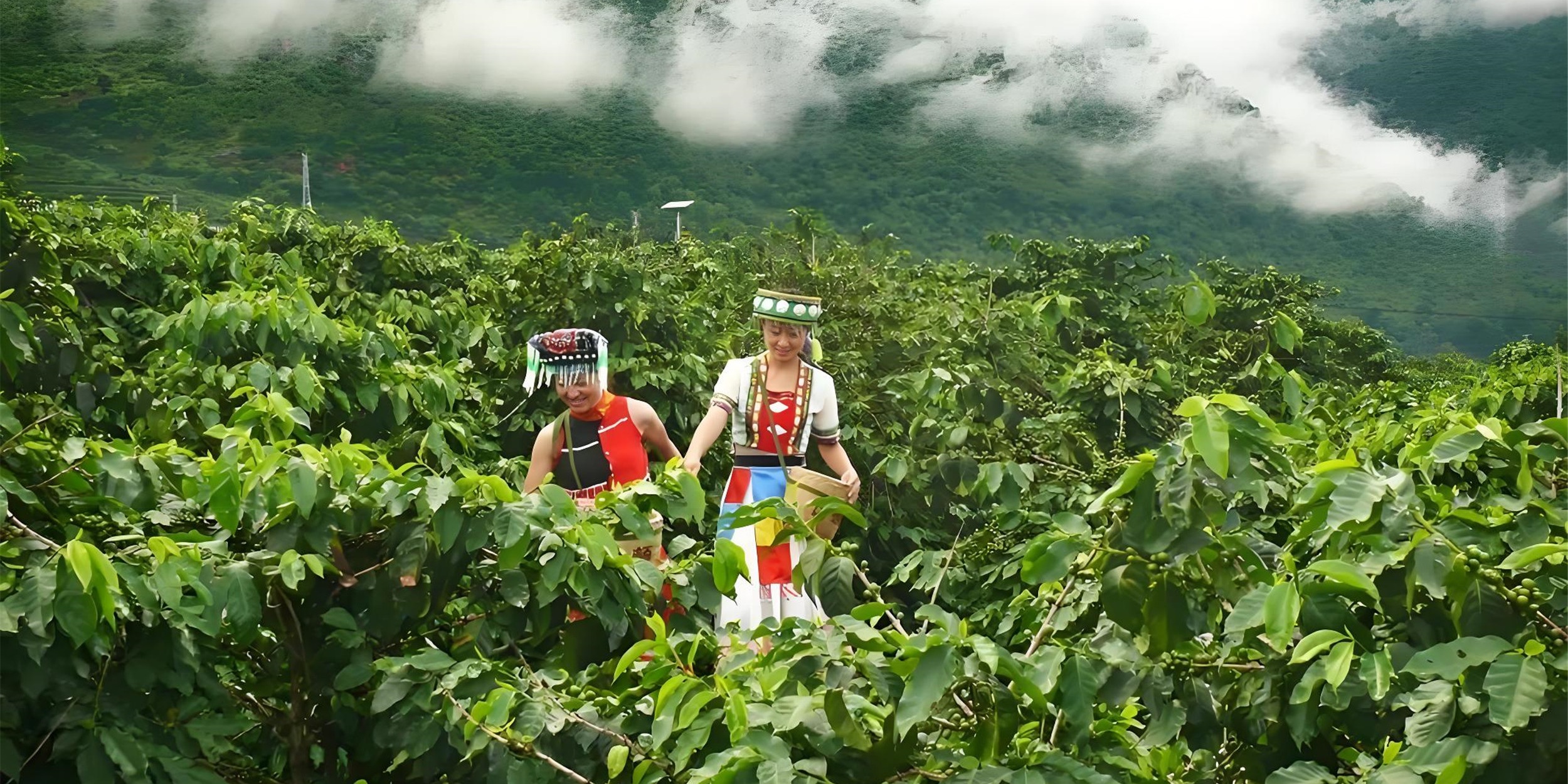
In terms of supply chain reinforcement, the third baking base - Qingdao Innovation Production Center - has officially started production, and the total collaborative production capacity of the four regions is expected to exceed 155000 tons; We have purchased over 30000 tons of Yunnan coffee beans this season.
In terms of accelerating the sinking of joint ventures, the revenue of joint venture stores reached 3.015 billion yuan, a year-on-year increase of 44.9%, and the proportion increased to 25.1%; During this year's Spring Festival, franchise stores in lower tier cities performed outstandingly.
In terms of offline traffic diversion, in May, we launched a limited edition alcoholic beverage for dine in, attempting to redirect customer traffic from takeaway to offline self pickup.
Management's tune: Scale dividends peak, efficiency competition begins
Guo Jinyi, co-founder and CEO of Luckin Coffee, said at the performance meeting, "In an increasingly diverse competitive environment, we are utilizing our full chain digital operation capabilities to steadily promote the coordinated development of store scale, customer scale, consumption scale, and supply chain scale. We believe that our systematic competitive advantages will support the company to overcome short-term fluctuations and gradually release long-term sustainable growth and profit potential
At the same time, he also acknowledges the phased costs of the food delivery model: "Longer delivery times may affect consumers' expectations of immediacy and coffee taste experience, and are not an ideal consumption model. The coffee business will naturally return to a self pickup oriented model, although this transformation process may take a long time
The current Chinese coffee market has entered a stage of full chain capacity competition. Luckin Coffee's 33596 stores, 93.09 million monthly average transaction customers, and 14 billion GMV (total merchandise transaction volume) remain the absolute leader in the industry. But the signals of delivery costs devouring profits, same store sales turning negative, and net profit margin dropping to -4.2% all indicate one thing: the first half of trading scale for growth has ended, and the second half of trading efficiency for profit has just begun.
The launch of Luckin's $300 million repurchase plan also marks the company's transition from "crazy expansion" to a new stage of "intensive cultivation". Whether it can establish a single store profit model on the basis of 34000 stores will determine whether it can overcome this round of industry efficiency competition.
Text | Li Lian