按吨卖→按杯卖,云南精品咖啡香飘世界Sell by ton → Sell by cup, Yunnan premium coffee fragrance wafts around the world
那么,从原料出口到全产业链自主发展,云南咖啡是如何实现精品化,并且深度链接全球市场的呢?
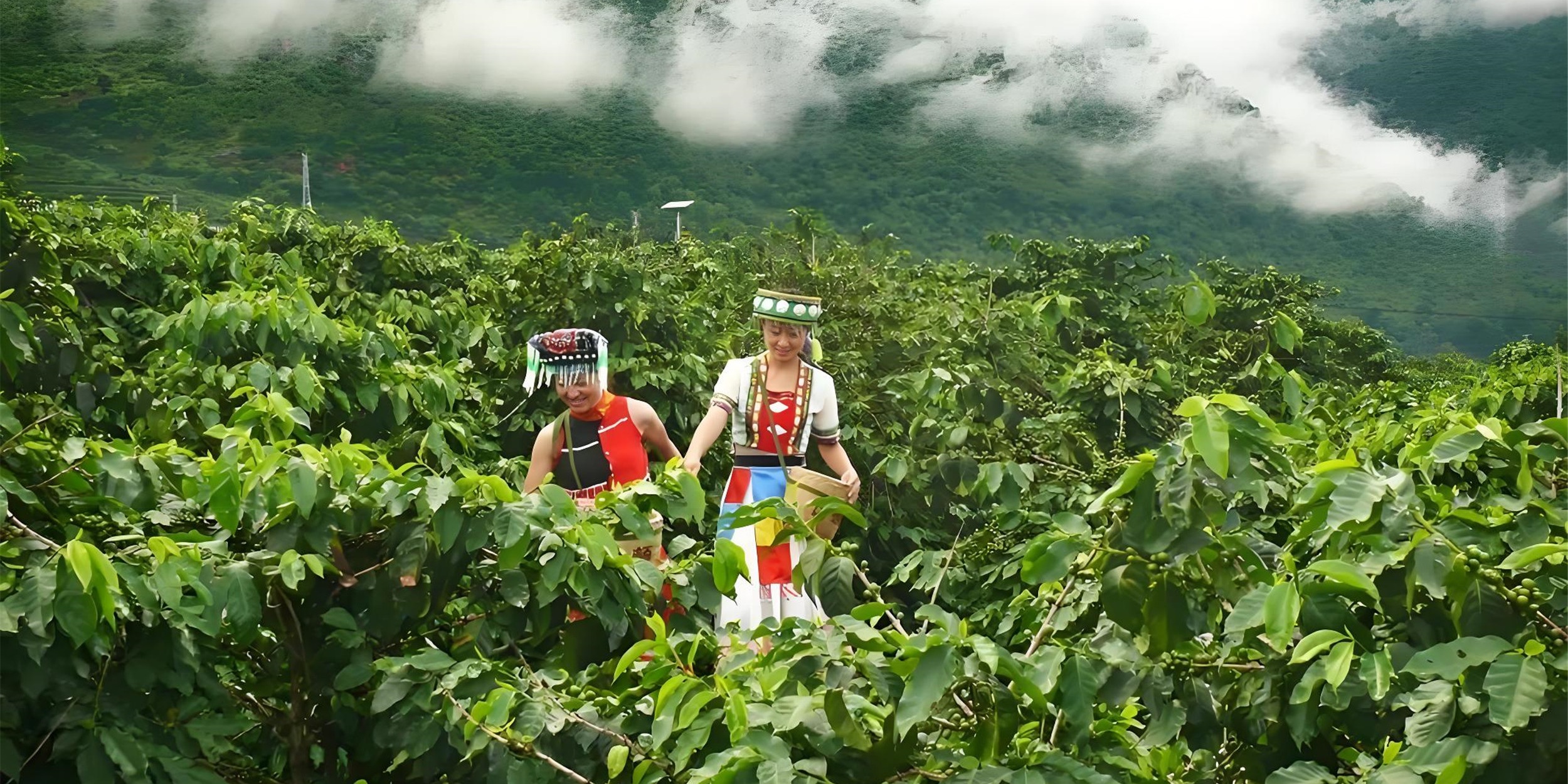
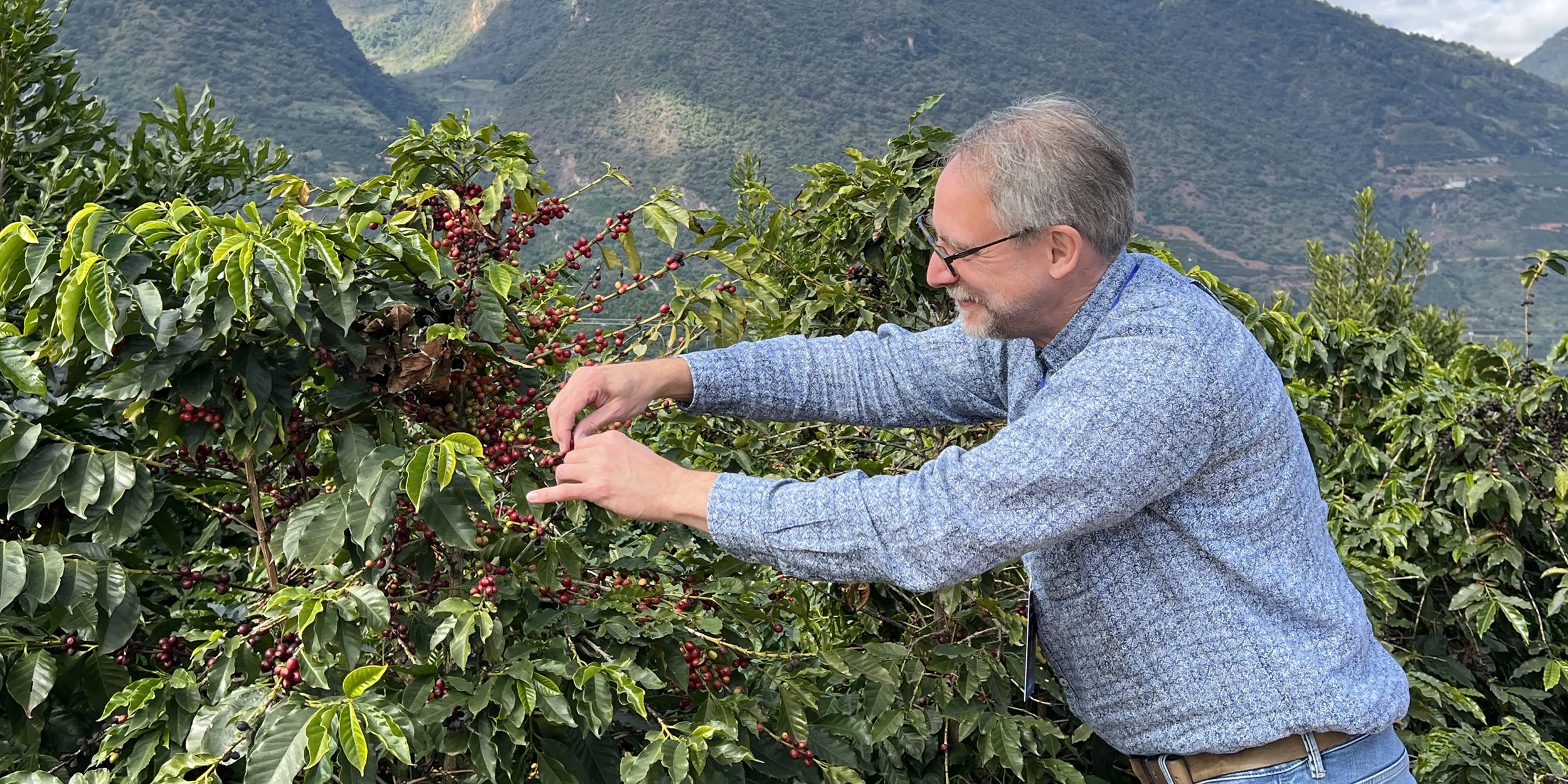
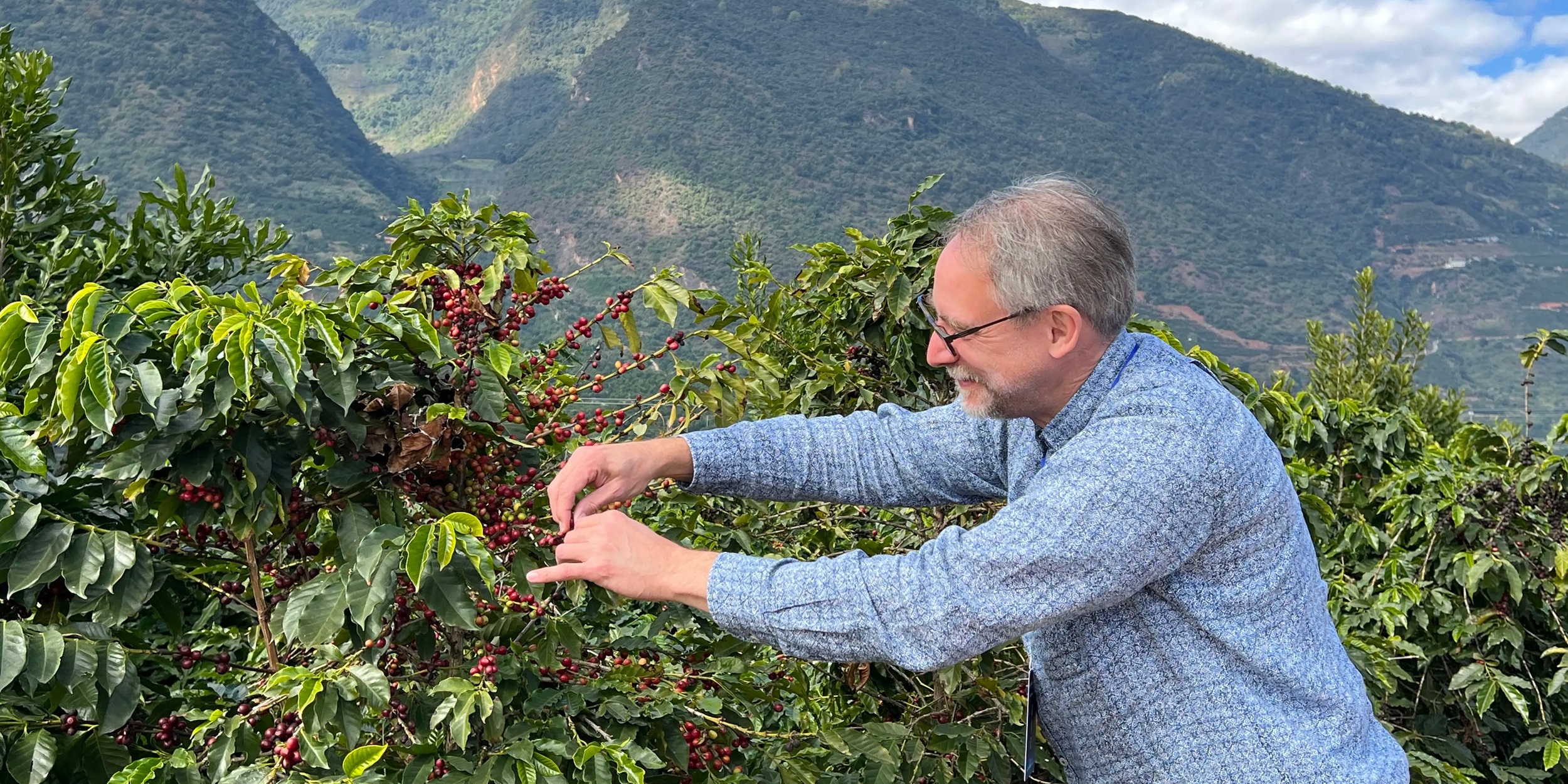
这些散布在云南普洱原始雨林中的咖啡树,产出的就是国际认证的雨林精品咖啡豆。精品咖啡不仅难找,更难照料,记者正赶上全年压力最大的除虫季。
精细化的种植让雨林咖啡一杯就要卖到100元左右。别看现在这么贵,10年前,普洱的咖啡500杯才卖100元。那时咖啡豆当原料卖,咖农并不知道这里是全球仅有的2%的雨林种植地。多年前,星巴克、雀巢等国际咖啡巨头看好了这里,带来了标准化的种植规范、养护管护体系以及优质优价的市场化理念,这里迎来了加入全球供应链的契机。
云南普洱爱伲咖啡总经理 何跃军:确实带来了很多理念,比如从全球引进精品咖啡品种。像瑰夏、卡杜拉、维拉萨奇,更高的价钱必须有更好的风味,所以咖农就往这条路上进行升级。
如今,面对越来越激烈的市场竞争,云南咖啡开始创立属于自己的品牌。
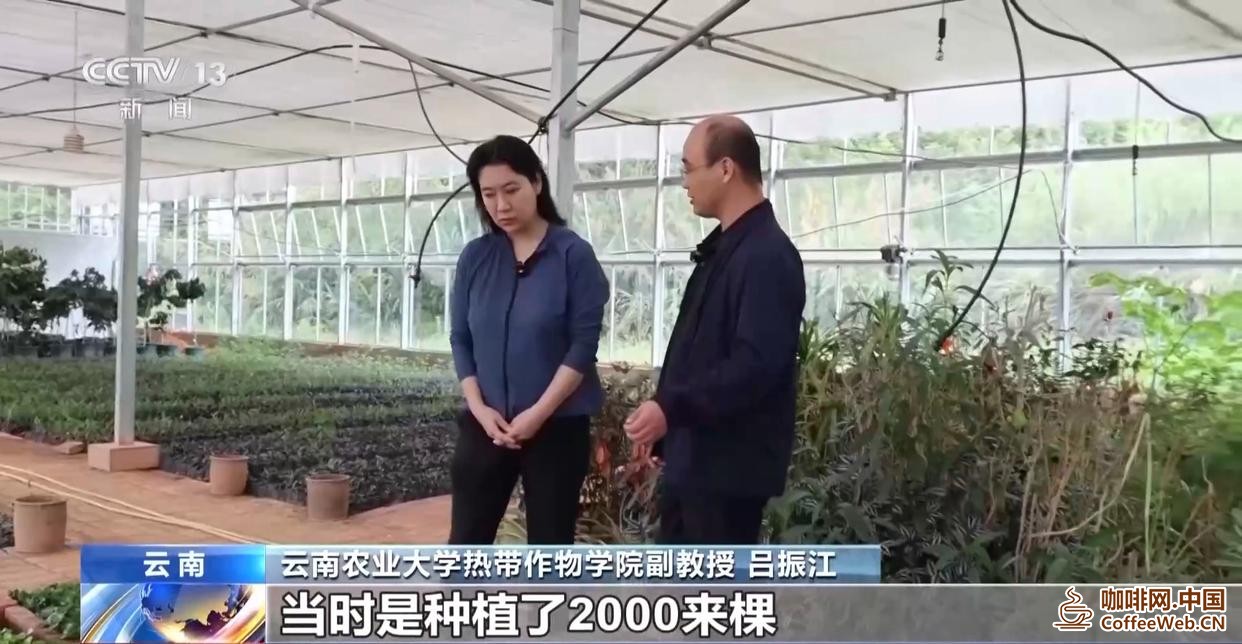
云南农业大学热带作物学院副教授 吕振江:我们当时在景东的哀牢山上种植了2000来棵,唯一保存下来一株咖啡苗,采来它的种子,培育到这里。因为高海拔的咖啡品质要好一些,所以我们要选育出抗寒的品种,种到高海拔上。
记者:从以前的“按吨卖”到“按杯卖”,靠着培育良种、生态种植、本土化风味创新,云南咖啡在全球供应链中崭露头角,今年的链博会,又会给云南咖啡带来哪些契机?
和以前分散展示不同,今年云南12家咖啡企业组团亮相链博会,不仅带来了自主培育的新品种,还显示出云南咖啡从“单打独斗”走向“区域优势”再到“品牌出海”的决心。依靠链博会的供应链平台,补齐精深加工、国际贸易的产业短板,抱团融入全球咖啡产业链,打响云南咖啡品牌,拓宽全球市场。
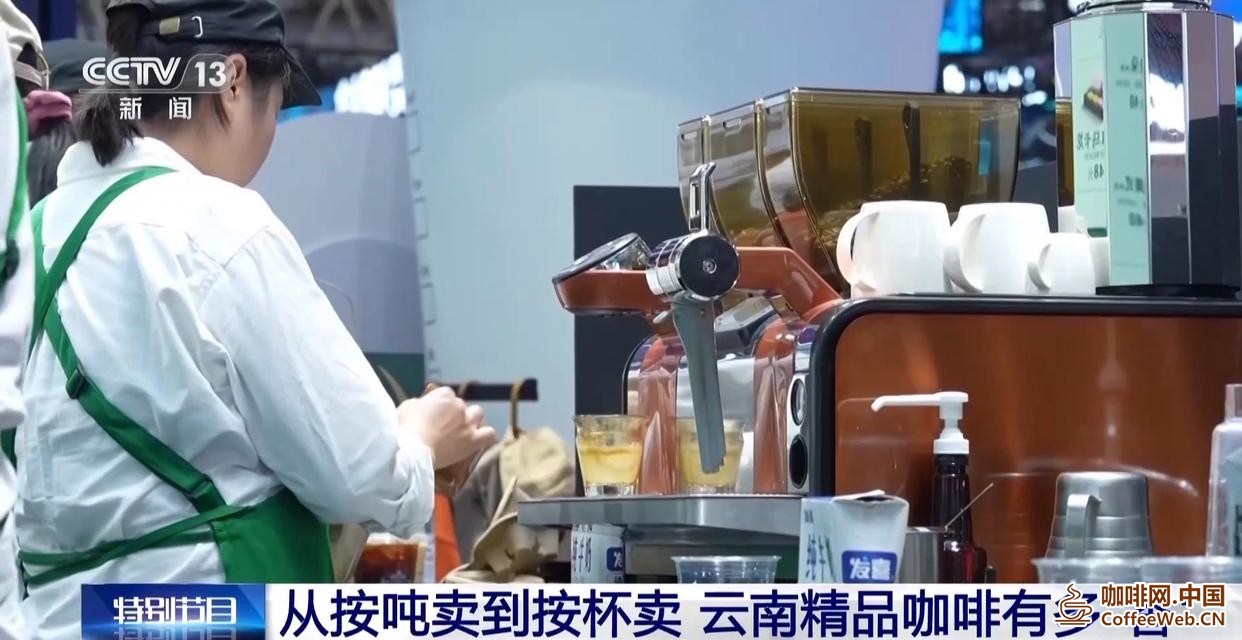
The 4th China International Supply Chain Promotion Expo opened in Beijing on the 22nd, with coffee wafting through the Healthy Life Chain exhibition area. At this year's Chain Expo, 12 coffee companies from all over Yunnan participated in the exhibition.
So, from raw material exports to independent development of the entire industry chain, how does Yunnan coffee achieve refinement and deeply connect with the global market?
CCTV reporter Yang Litian: In addition to producing abundant tea, Pu'er coffee in Yunnan has also made a name for itself in the past two years. Unlike imagined coffee plantations, what unique flavors of coffee can be produced in the primitive rainforest?
These coffee trees scattered in the primitive rainforest of Pu'er, Yunnan, produce internationally certified rainforest specialty coffee beans. Fine coffee is not only difficult to find, but also difficult to take care of. The reporter is currently in the midst of the most stressful pest control season of the year.
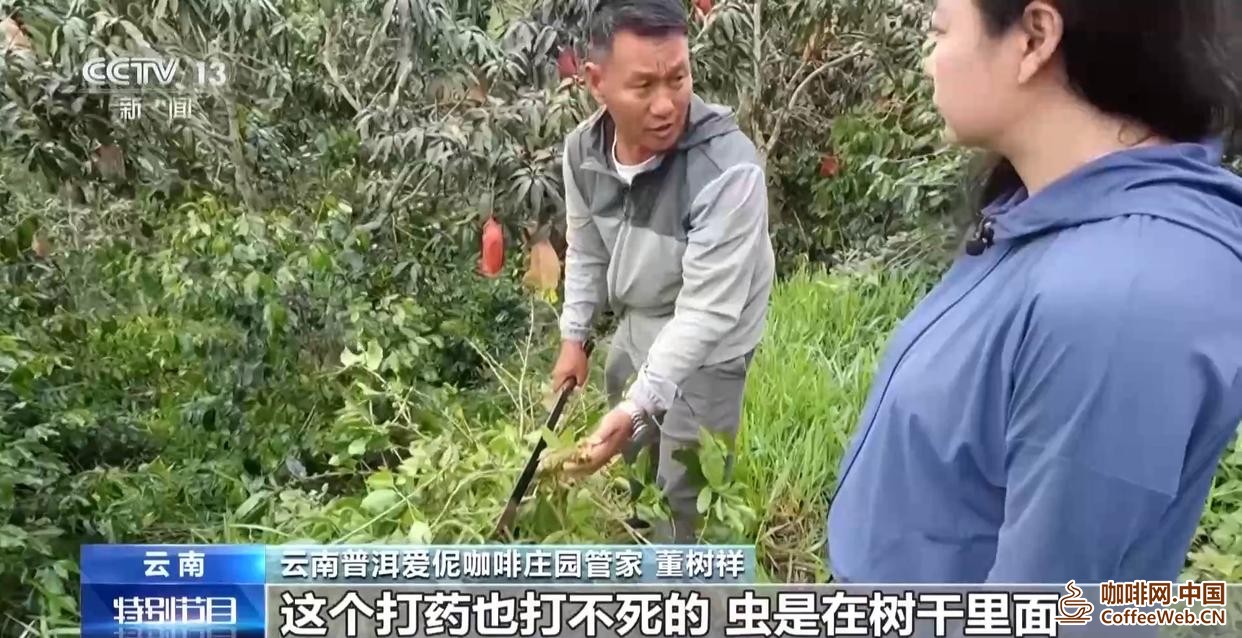
Dong Shuxiang, the butler of Yunnan Pu'er Aini Coffee Plantation: Even with medicine, it cannot be killed. The insects are inside the tree trunk and can only be artificially dewormed.
The refined cultivation makes Rainforest Coffee sell for around 100 yuan per cup. Don't be fooled by how expensive it is now. Ten years ago, 500 cups of Pu erh coffee were only sold for 100 yuan. At that time, coffee beans were sold as raw materials, and coffee farmers did not know that this was only 2% of the world's rainforest plantations. Many years ago, international coffee giants such as Starbucks and Nestle were optimistic about this place, bringing standardized planting standards, maintenance and care systems, and market-oriented concepts of high quality and high price. This place welcomed the opportunity to join the global supply chain.
He Yuejun, General Manager of Yunnan Pu'er Aini Coffee: It has indeed brought many ideas, such as introducing premium coffee varieties from around the world. Like Guixia, Kadura, and Vilasaki, higher prices must have better flavors, so coffee farmers upgrade to this path.
For better flavor and higher premium, Pu'er coffee farmers have introduced and collected 114 coffee varieties over the years, which basically cover the mainstream coffee germplasm resources worldwide, and selected the most suitable varieties for planting in the Yunnan rainforest.
Over the past decade, deeply integrated into the global supply chain, Yunnan coffee has developed rapidly, with a premium rate increasing from 8% to 41%. At the same time, coffee processing has also made up for its shortcomings, upgrading the quality of the entire process from grading, fermentation, to roasting. The coffee agriculture output value of Yunnan Province in 2025 is 8.66 billion yuan, a year-on-year increase of 77.8%.
Nowadays, facing increasingly fierce market competition, Yunnan Coffee has begun to establish its own brand.
Associate Professor Lv Zhenjiang from the School of Tropical Crops at Yunnan Agricultural University: At that time, we planted about 2000 coffee plants on Ailao Mountain in Jingdong, and the only one that survived was a coffee seedling. We collected its seeds and cultivated it here. Because coffee at high altitudes has better quality, we need to breed cold resistant varieties and plant them at high altitudes.
Through three major technologies of altitude zoning planting, microbial targeted fermentation, and standardized treatment, local research institutes continuously innovate local coffee varieties, incorporating Yunnan plateau floral fragrance and tropical nut sweetness, creating coffee beans with unique flavors in each production area. Single product coffee such as Fengwu Xiangyun and Yunka No.1 were born.
Reporter: From "selling by ton" to "selling by cup" in the past, Yunnan coffee has emerged in the global supply chain by cultivating high-quality varieties, ecological planting, and local flavor innovation. What opportunities will this year's Chain Expo bring to Yunnan coffee?
Unlike previous scattered displays, this year 12 coffee companies from Yunnan participated in the Chain Expo in groups, not only bringing new varieties of independently cultivated coffee, but also demonstrating Yunnan coffee's determination to move from "solo" to "regional advantage" and then to "brand going global". Relying on the supply chain platform of the Chain Expo, we will fill the gaps in the deep processing and international trade industries, integrate into the global coffee industry chain, establish Yunnan coffee brands, and expand the global market.
At the Starbucks booth, the reporter saw the brand value of Yunnan coffee. At present, Yunnan coffee beans have become the basic flavor of Starbucks' classic concentrated series. Starbucks will also promote Yunnan specialty coffee beans with a honey flavor to create exclusive bestsellers.
Stories of the close integration of production areas and products like this can be seen everywhere at the Chain Expo. After 4 years of development, the Chain Expo has become a bridge, allowing more local characteristic industries to connect with global resources and grow stronger.
Source: CCTV News App