从世界评审桌到滇池之畔:云南咖啡正在迎来新的黄金时代From the World Jury Table to the banks of Dianchi Lake: Yunnan Coffee is ushering in a new golden age
6月15日至25日,2026第二届云南瑰宝咖啡生豆大赛(云南卓越杯试点赛)在昆明西山区滇萃举行。对于云南咖啡而言,这不是一次普通的生豆比赛——它是CoE(Cup of Excellence,卓越杯)体系在云南连续第二年的试点,也是云南咖啡与世界精品咖啡标准持续对话的重要节点。
去年,首届赛事在保山落地,144支参赛豆来自七大产区,19支获奖,临沧秋珀庄园水洗巴天以89.96分夺冠,拍卖价13150元/公斤创下中国纪录。今年,第二届移师昆明,参赛规模增至169支,覆盖普洱、保山、临沧、德宏、西双版纳、怒江等核心产区。如果说第一届解决的是从0到1,第二届要回答的问题更进了一步:当国际标准持续照进云南产区,会带来怎样的连锁反应?
CoE:不只评冠军,更评一个产区的未来
在精品咖啡领域,CoE一直被誉为咖啡生豆的奥林匹克。1999年始于巴西,最初名为最佳巴西,2001年更名并制定专属杯测表,2002年由非营利组织ACE(卓越咖啡联盟)统筹管理。二十余年来,CoE已覆盖全球12个咖啡生产国,累计促成8400万美元交易额,成为产区进入世界精品咖啡版图最具公信力的准入证。
它的核心机制是竞赛加拍卖:国内评审团先行筛选,国际评审团多轮盲测终评。全程编码、双重盲测、审计公证、统一烘焙——每一个环节的设计只为一个目标:让咖啡的品质自己说话。87分及以上、排名前30的咖啡进入全球线上拍卖,拍卖收益75%以上直接返回给咖农。
CoE的底层逻辑不是选美,而是定价——用一套国际通行的品质评价体系,替代传统贸易中模糊的议价模式,让好咖啡被看见、被理解、被合理定价。对产区而言,CoE带来的不只是某一支豆子的成交价,更是标准、品牌、国际声誉和长期买家关系。
这也正是云南连续两年引入CoE试点赛的深层原因。一支冠军豆代表某个庄园的阶段成功,而试点赛所衡量和推动的,是一个产区系统性进入国际精品咖啡体系的能力。
云南咖啡:从原料供应地到中国选项
截至2025年,云南全省咖啡种植面积达149.5万亩,总产量17万吨,优良品种覆盖率、精品率、精深加工率分别提升至21.8%、41.7%、85%。
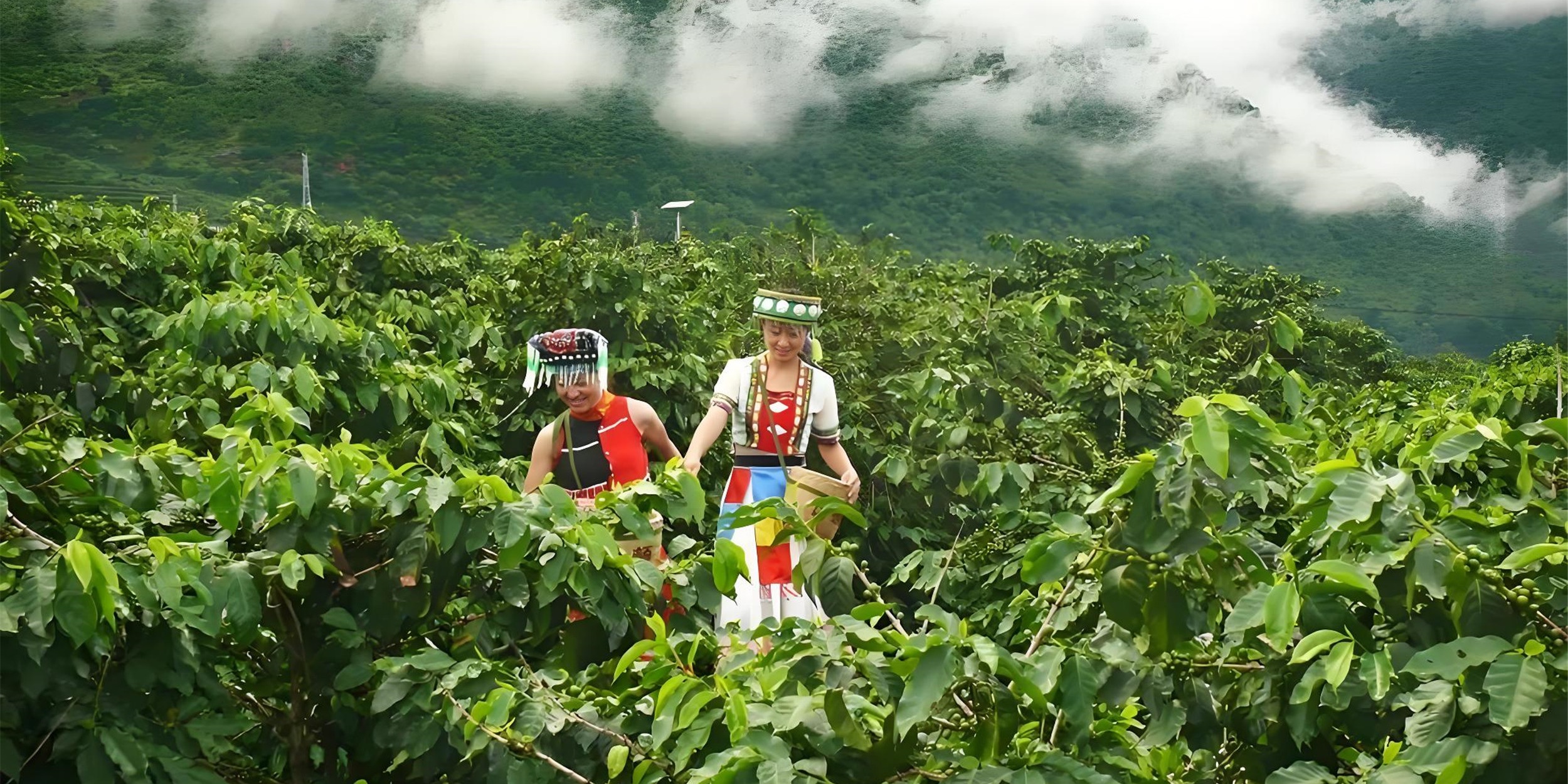
数字背后,是产业多年来的持续深耕。品种层面,从过去以卡蒂姆为主的单一结构,发展到德热系列、云咖系列,以及瑰夏、帕卡马拉、卡杜拉等优质品种的本土化种植;处理法层面,除传统水洗外,日晒、厌氧发酵、蜜处理等创新工艺百花齐放;产业形态层面,全省已建成近60个精品咖啡庄园,庄园化正在让云南咖啡从卖豆子走向卖品牌加卖体验。
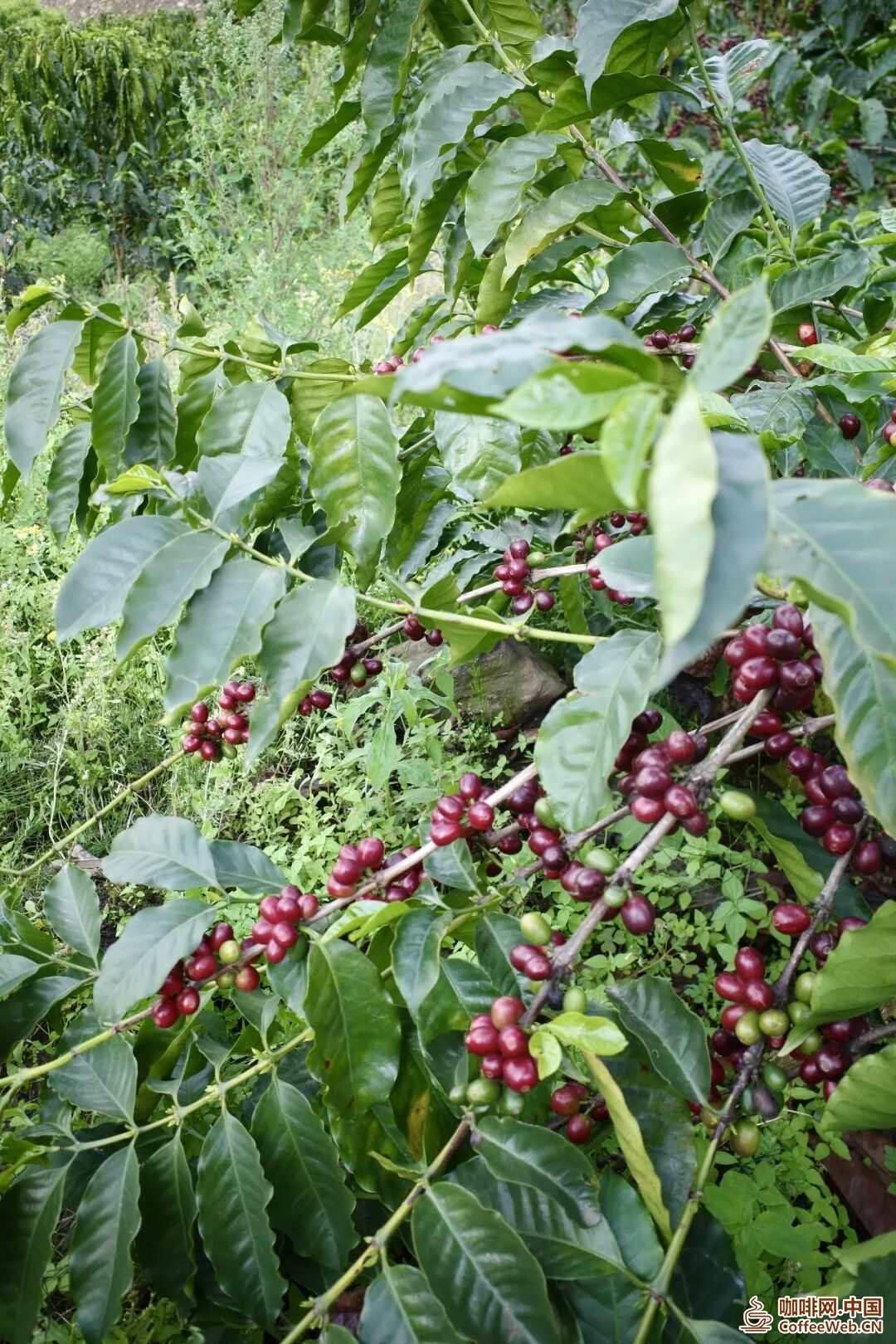
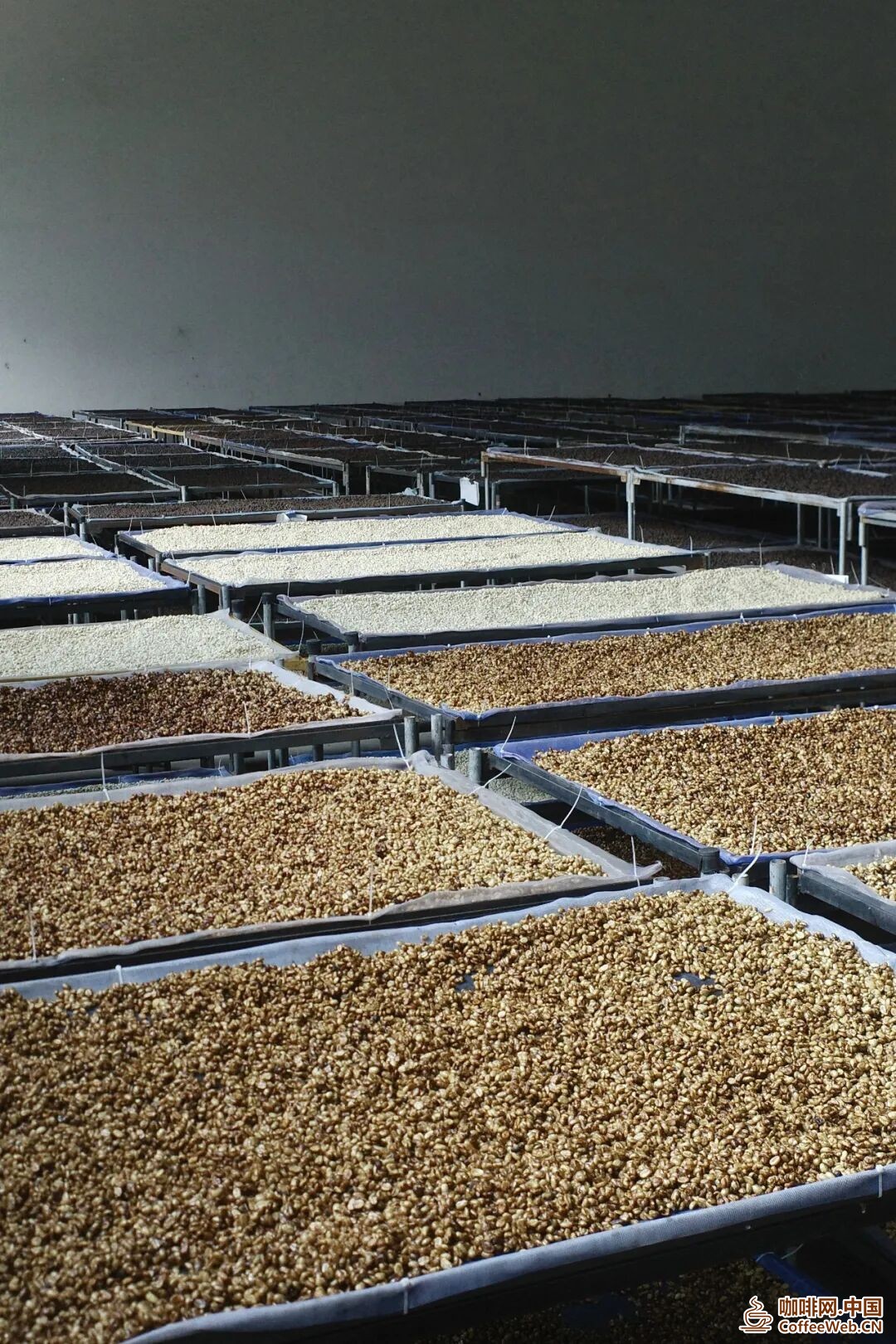
2025年秋珀庄园以一支初年挂果的水洗巴天拿下89.96分,印证了这种变化的成果——品种、风土、处理法三者叠加,正在催生出具有辨识度的云南风味。
云南咖啡曾长期被视为原料型产区,品质话语权不足。但近年来,从品种迭代到处理法创新,从庄园化到精品率跃升,变化是实实在在的。CoE试点赛的意义在于:它为这些变化提供了一个国际通行的检验坐标系——不再是我自己觉得好,而是世界觉得好。云南咖啡正在从原料供应地走向拥有国际话语权的产业新高地,成为世界菜单上的中国选项。
一场严谨的赛事:从评审选拔到国际终评
今年赛事启动后,国内评审选拔率先展开。组委会3小时内收到120份完整报名表。4月2日,62位候选人齐聚上海虹桥品汇,进行三轮现场盲测,每轮10支咖啡。考核由CoE/ACE执行理事Erwin Mierisch主持,赛事召集人、CoE/ACE东亚顾问苏程程联合执考,CoE资深主审Paul Songer负责数据分析。ACE从个体与集体打分一致性、个体前后打分一致性、品质判别能力、落分能力四个维度筛选,最终12位国内评审脱颖而出。
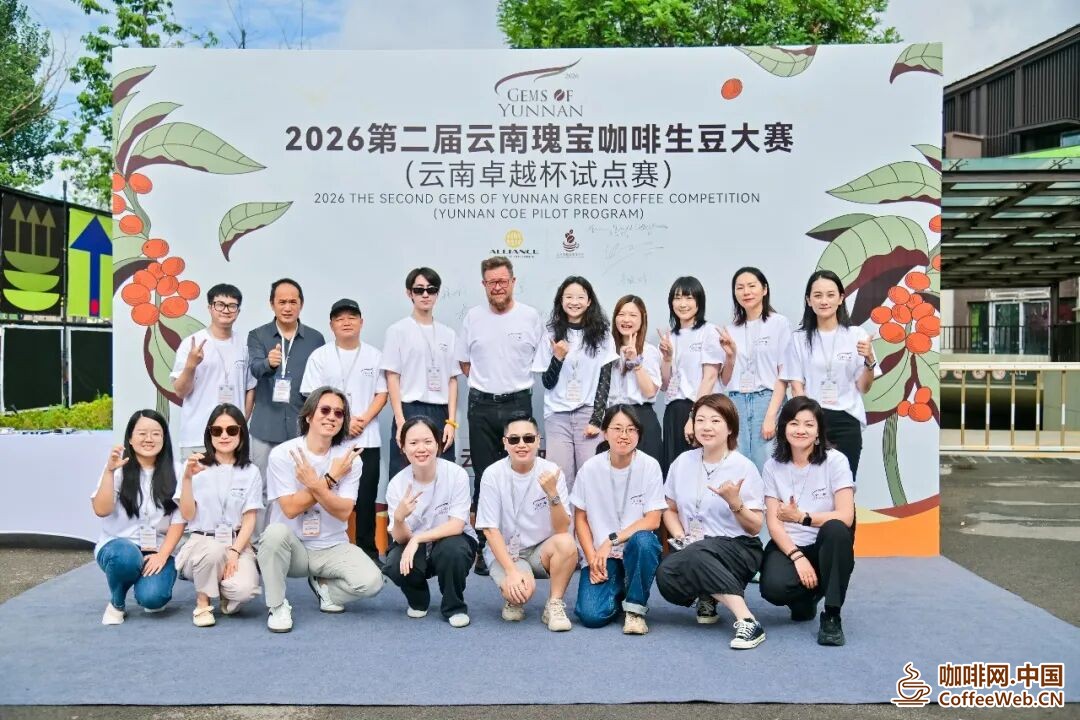
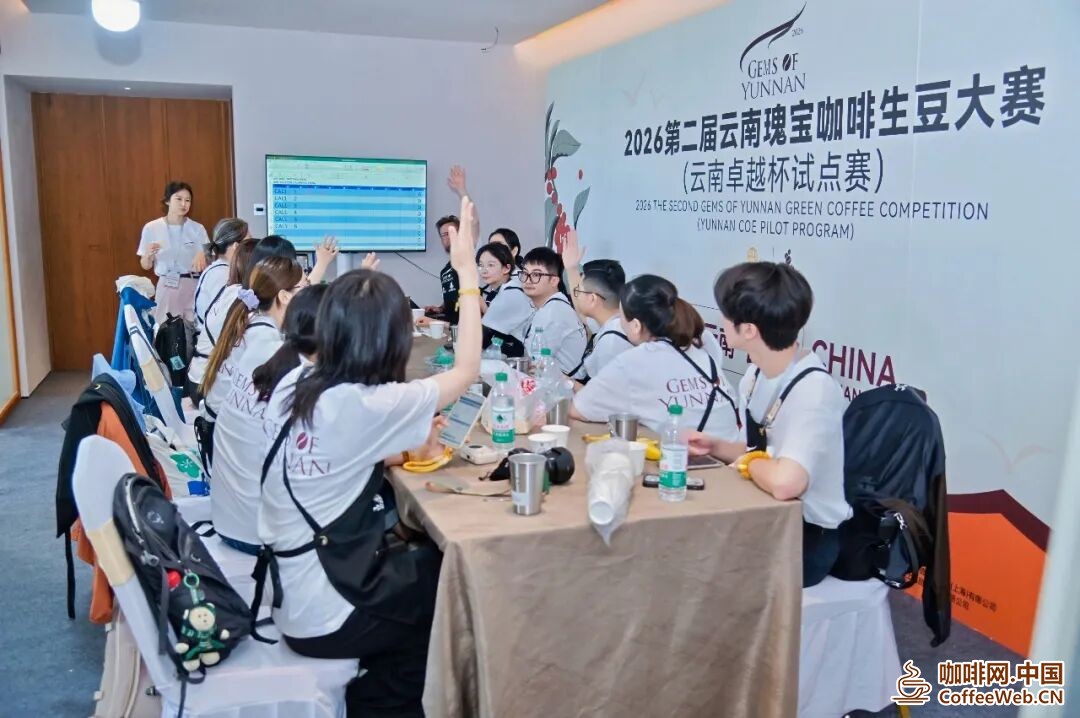
6月15日至19日,国内评审周在昆明西山区滇萃进行。所有参赛豆经物理性质初筛后统一入库,由审计员在公证监督下编码,实现预选赛、国内赛段、国际赛段三重编码盲测。整个评审过程由赛事主审Stephen Vick全程督导,昆明市明诚公证处全程公证。6月22日至25日,国际评审周举行,主审Stephen Vick领衔国际评审团对晋级豆样进行多轮杯测终评,流程与CoE正式赛标准完全对标。
流程本身就是叙事。编码、盲测、审计、统一烘焙——这些环节的本质,是信任机制的建立。对咖农而言,他们提交的不只是一批豆子,更是一整年的劳动成果;对评审而言,他们面对的不只是风味,更是整个产区的发展水平。
还有一个值得行业关注的消息从杯测现场传出:在已完成的多轮评审中,有三支参赛豆突破了90分大关。
“本届参赛豆整体品质较去年提升非常明显,部分批次已经开始呈现出属于云南产区自己的标志性风味特征。”——这对于一个仍在试点阶段的产区而言,是一个极具分量的信号。
按照CoE体系的惯例,试点赛的成绩表现是ACE评估该产区能否获得正式赛资格的重要参考。当然,最终是否升级为正式赛,仍需ACE(卓越咖啡联盟)综合评估后做出决定——但评审桌上给出的分数,已经率先交了卷。
结果公布与现场拍卖
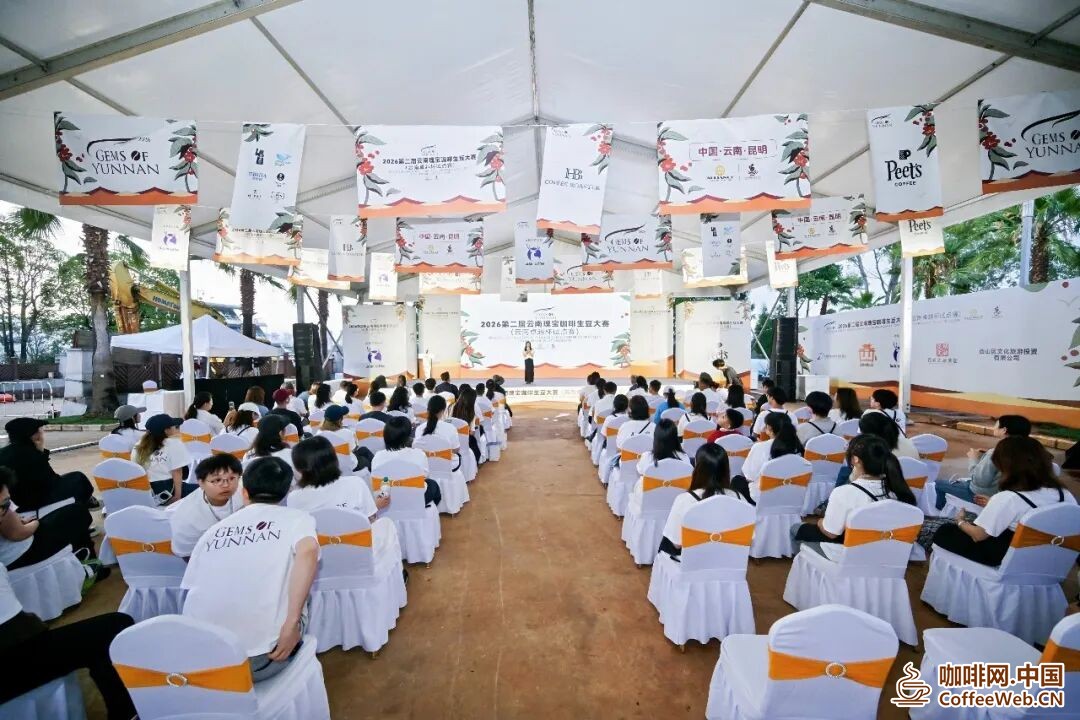
6月25日下午,赛事评选的前10名获奖豆在昆明滇池旅游度假区的彰美村码头主会场进行现场拍卖。这一天,分数与价格当然重要——但比分数和价格更重要的,是这些咖啡背后的生产者,被更清晰地看见了。
临沧市耕夏庄园有限公司、勐海云乐咖啡有限公司、临沧市临翔区松风咖啡种植农民专业合作社三家企业送选的三支豆子,评分悉数突破90分大关,备受瞩目的冠军——耕夏庄园的传统水洗瑰夏达到91.78分——这是云南咖啡发展史上一个里程碑式的突破。
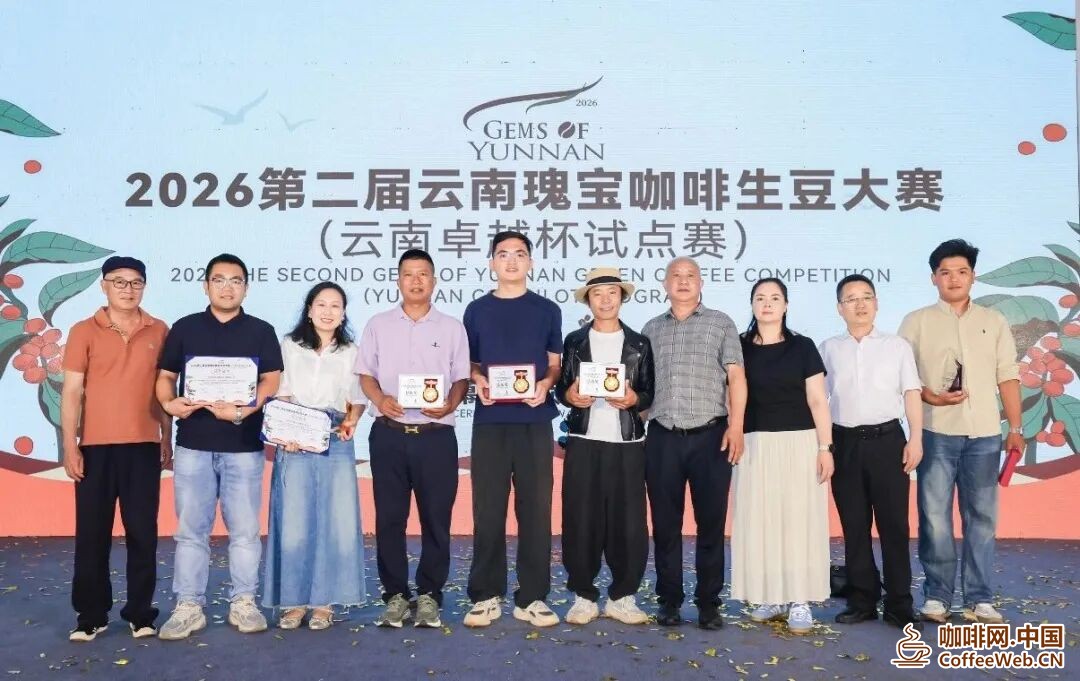
今年共有三支参赛豆突破90分,按照CoE体系的惯例,90分以上的咖啡豆可获得“总统奖”(Presidential Award)称号。在一个仍处于试点阶段的产区,三支豆子同时迈过这道门槛,含金量不言而喻。
纵观前十榜单,瑰夏品种占据绝对主导,水洗依然占据前十名的半壁江山,而西双版纳勐海、怒江等新兴产区首次闯入前列,云南咖啡的产区版图正在被重新描绘。完整Top 20名单及详细分数见下表。
当天下午,前十名获奖豆在彰美村码头主会场进行了现场拍卖。标王由冠军豆——耕夏庄园的水洗瑰夏摘得,成交价14000元/公斤,由瑞幸咖啡拍下。这一价格打破了去年秋珀庄园13150元/公斤的纪录,再次刷新了中国咖啡生豆拍卖的历史最高价。
为什么是昆明:一场咖啡与城市的双向奔赴
与首届落地保山产区不同,本届赛事选在了昆明。CoE历史上大多扎根于咖啡主产区——巴西的喜拉多、哥伦比亚的蕙兰、埃塞俄比亚的耶加雪菲,赛事往往就在产地举办。而这一次,它被一座省会城市接住了。这背后,昆明拿出的不是一座城市的名头,而是一整套承接能力和开放包容的欢迎姿态(以开放之姿 与世界共舞)。
先说一组很多人可能忽略的数字。昆明年均气温15℃左右,空气湿度维持在60%上下——这两项指标恰好覆盖了咖啡生豆仓储最理想的环境参数。在常规条件下,仓储成本比沿海城市低将近三成。换句话说,昆明不需要人工控温控湿的大型仓配体系,它本身就是一座天然的保鲜仓库。而在物流端,中欧班列让云南咖啡豆15天可抵德国,昆明到巴黎的精品航运专线更是将时效压缩到了36小时。2025年,云南咖啡出口额超过8亿元,同比增长3倍以上,远销43个国家和地区。当一颗在普洱晒过高原阳光的咖啡豆,36小时后就能出现在巴黎街头咖啡馆的研磨机里——你会意识到,昆明早已不只是春城,它正在成为全球咖啡贸易版图中一个难以绕开的中转节点。
如果只是气候和物流,昆明还不足以让一场顶级生豆赛事在此落脚。更深层的东西,在时间深处。昆明的咖啡血脉可以追溯到清末民初——滇越铁路通车后,咖啡作为舶来品从越南一路北上,最早落脚的云南城市就是昆明。20世纪30年代,金碧路上有一家叫南来盛的西餐厅,用现磨咖啡招待过西南联大的教授、滇越铁路的客商、南来北往的行旅人。1992年,中国第一家现代化咖啡加工厂——云南咖啡厂,也在昆明诞生。从老昆明人端着搪瓷缸喝咖啡的市井画面,到如今全市2000多家咖啡馆散布在街巷与湖滨——这座城市用近百年的时间,把咖啡从舶来品喝成了日常。
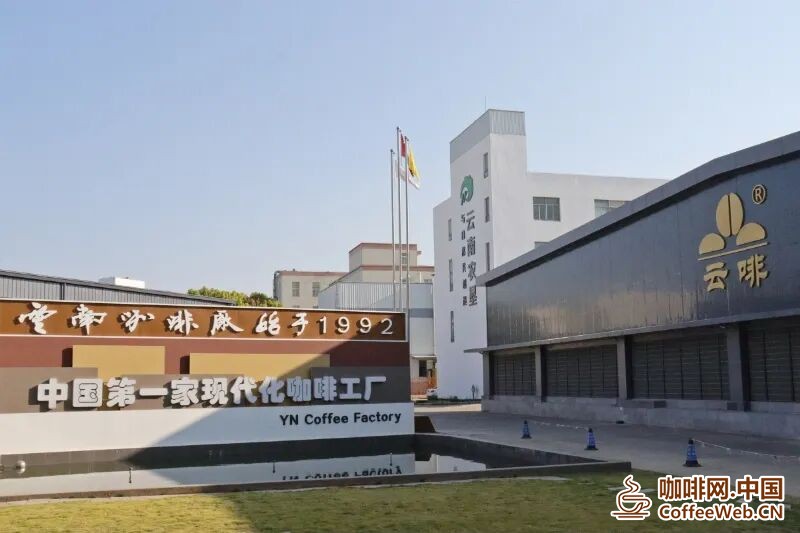
而在产业端,昆明已印发打造世界咖啡风尚之城工作方案,目标是2027年全市咖啡门店突破3000家。咖啡加文创、咖啡加旅游、咖啡庄园体验线路——这些新业态正在成为昆明文旅消费中增长最快的一块。
所以,云南CoE试点赛第二年选择昆明,不是一次简单的场地搬迁。它是云南咖啡产业走到一定阶段之后,自然生长出来的需求:产区需要一扇面向世界的窗口,而昆明,刚好准备好了。从一个行业观察者的角度看,昆明所承接的,不只是一场国际赛事的执行落地,更是云南咖啡从产地走向市场、从专业圈层走向大众消费的那最后一公里。这座城市正在用湖滨春城山水花都的定位,回答一个问题:当咖啡不再只是一件大宗农产品,而是一张城市名片的时候,它该以什么面貌被世界看见。
下一站:滇池国际咖啡文化嘉年华
赛事从来不是终点。甚至可以说,一场生豆比赛真正的价值释放,往往不在评审桌上,而在评审桌之外。而8月1日至9日,以「滇咖聚 万物生」为主题的2026滇池国际咖啡文化嘉年华,将承接云南CoE试点赛的专业成果,把评审桌上的云南瑰宝转化为大众消费者可知可感的体验。
滇池国际咖啡文化嘉年华到今年已经是第三届。回顾前两年,第一届在滇池东岸横空出世,用一场最大规模咖啡品鉴派对拿下了吉尼斯世界纪录,9天65万人次涌入,拉动消费近亿元。第二届东西岸全域联动,东岸做艺文高地,西岸打潮流场域,累计280.59万人次参与,直接销售收入近2000万元。两届下来,它不仅验证了咖啡加文旅这个模式在昆明跑得通,更重要的是,它让滇池沿线逐渐长出了一条真实的消费动线——滇岸精品咖啡走廊。这条走廊以咖啡文化为内核,把精品零售、轻餐饮、文创艺术、滨水休闲串联在一起,赛事期间的限时热度,正在转化为片区日常的商业活力。
嘉年华从第一届到今年的第三届,三年持续深耕同一个IP,对于一场城市级文旅活动而言,意味着IP有了根基,从“内容内卷”到“IP生根”。以差异化策划力穿透同质化迷雾,逐年迭代的内容有传承有创新,今夏的嘉年华咖啡体验单元,除了保留万众期待的“云咖拾序”国内外超级咖啡车联盟,还有此次云南CoE试点赛的延伸体验持续加码,将赛事成果转化为大众消费者可知可感可参与的体验内容。
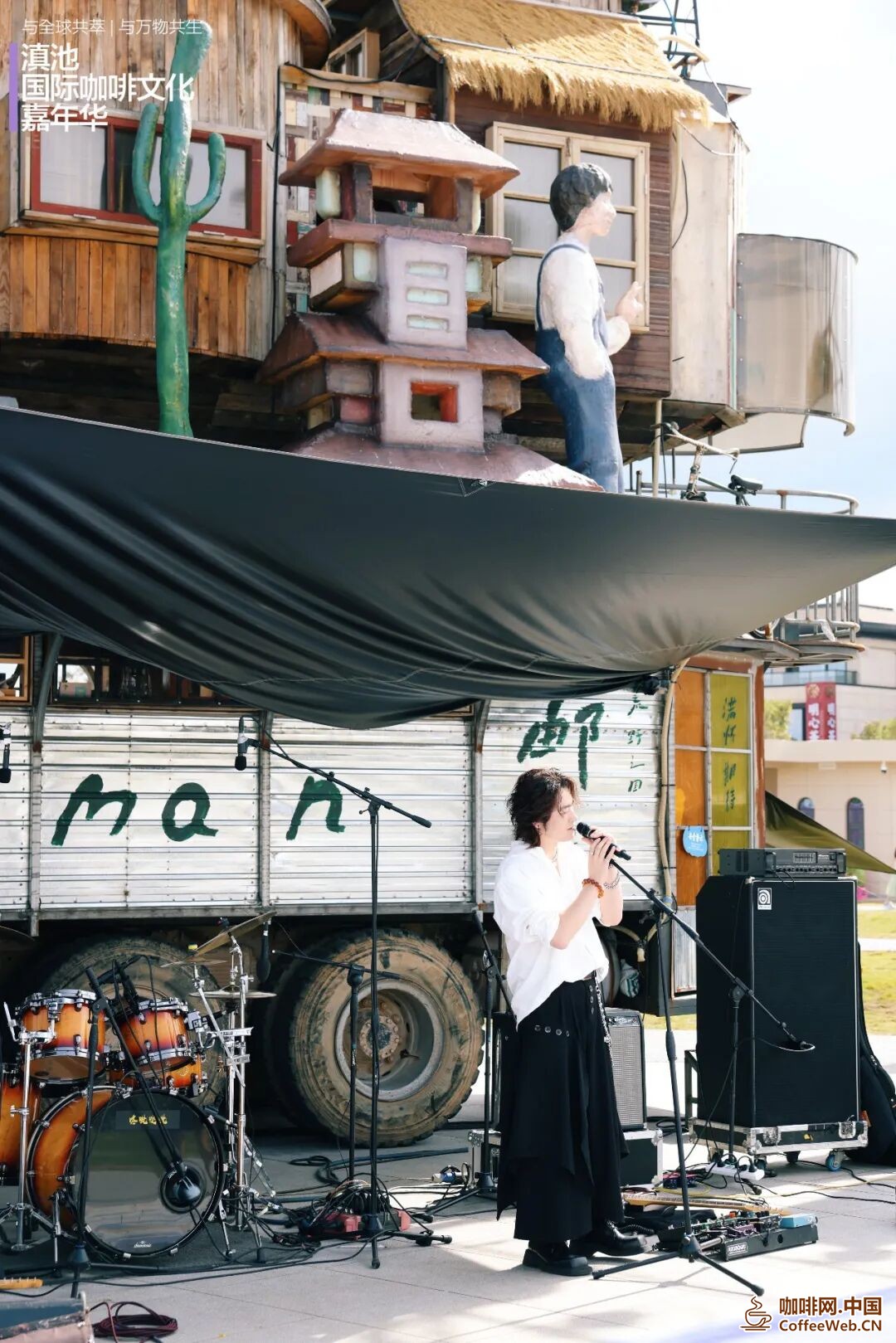
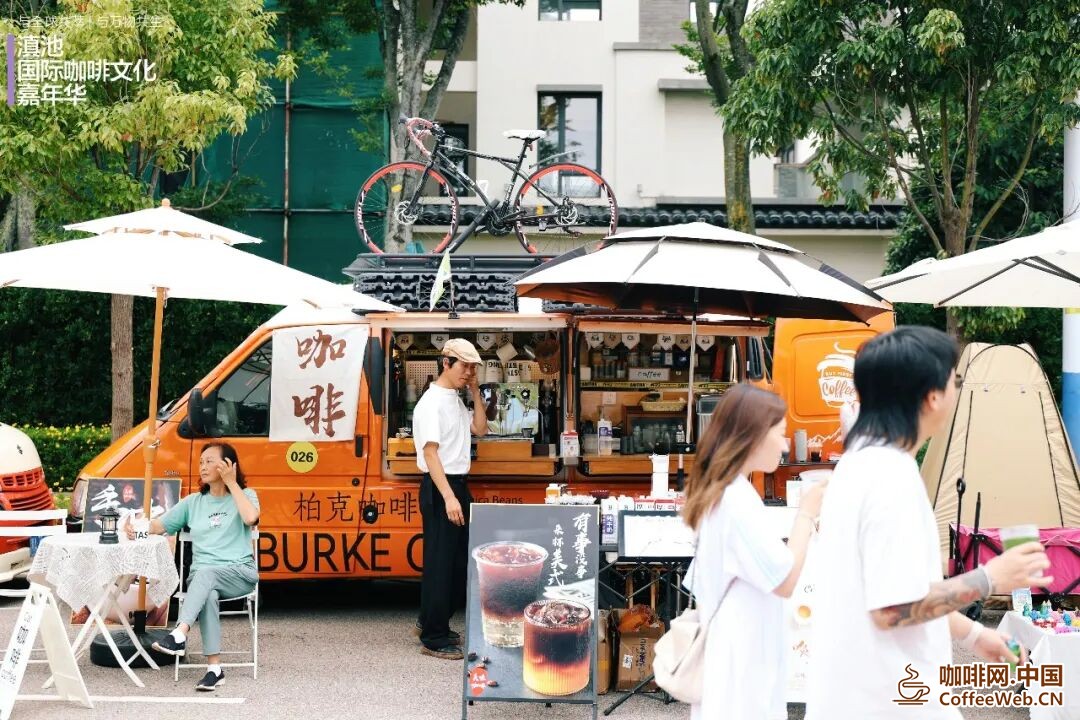
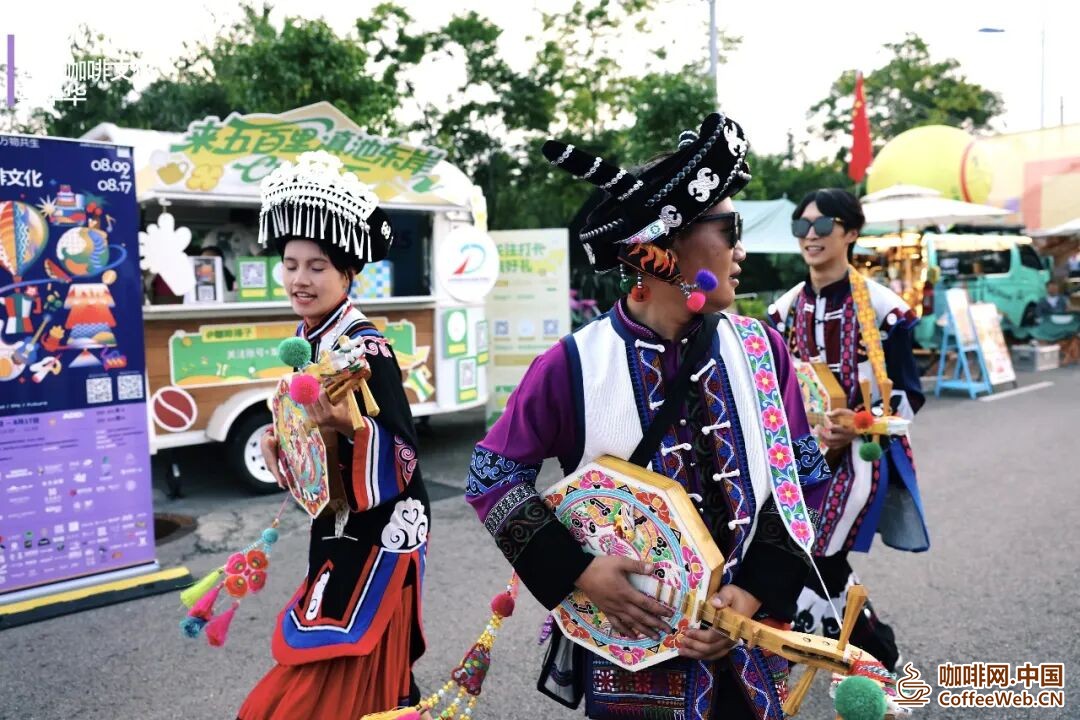
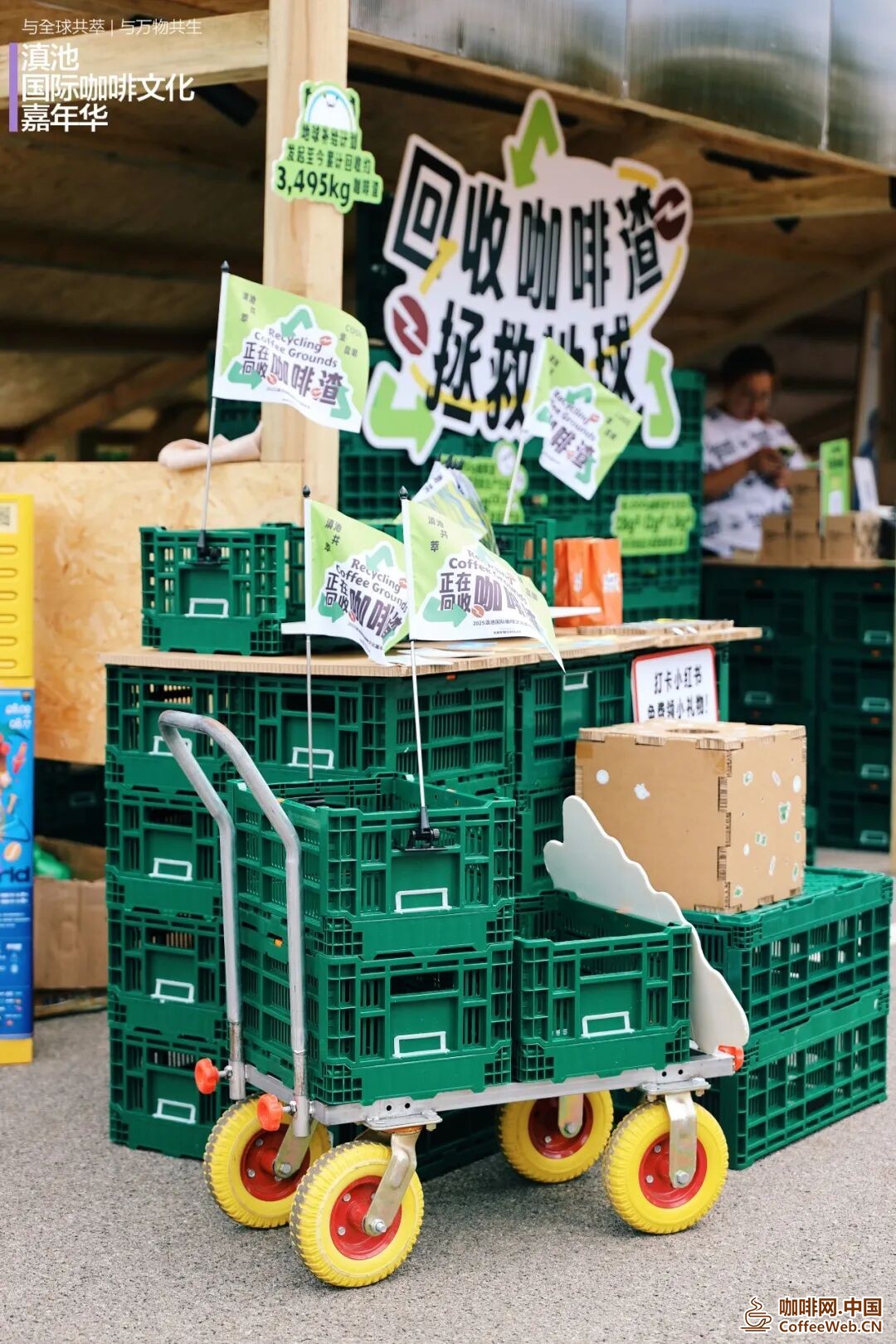
今年嘉年华围绕生根、生趣、生活、生力四个方向展开,其中有几条线尤其值得业内外关注。产业端,“万物生”滇池(国际)咖啡产业大咖圆桌会&思享会将邀请云南CoE试点赛国际评审参与对话,而前十名获奖豆的瑰宝出滇·杯赏卓越——云南CoE试点赛获奖豆品鉴盛典,则让消费者有机会在嘉年华现场,喝到刚刚从国际评审桌上走下来的同一批咖啡——对于平时只能在咖啡馆菜单上认识云南豆的普通消费者来说,这种面对面接触产区风味的体验,可能是建立精品咖啡认知最直接的方式。消费端,滇池马咖松把跑步路线嵌入滇池绿道和咖啡风味之间,咖香花境滇岸巡游撷取云南四时鲜花装点复古花车,在滇池水岸穿行出流动的咖啡风景线;除了艺文东岸、活力西岸的精彩纷呈,今年还增设了彰美码头、丹霞营地、庾园、云南民族村、金碧巡津片区文旅街区、绿动高峣—运动生活自然聚落作为活动分会场——这些板块的共同逻辑,是把咖啡从一杯饮品变成一个连接器,连接音乐、艺术、运动和社交,串联起滇池生态资源、春城花都底蕴、云南咖啡产业与全域文旅资源。而在更长线的维度上,“海陆空”咖啡漫游计划和一颗咖啡渣星球·共生计划,则分别从空间体验和环保循环两个方向,试着回答咖啡文旅除了吃喝打卡之外还能做什么。
站在产业端的角度,我们更在意的是云南CoE试点赛与嘉年华之间正在成型的联动模式:前十名获奖豆在嘉年华设专区专享品鉴,获奖庄园入驻专区展位面向消费者做分享——从田间的品质升级,到评审桌的专业认可,再到消费者手中的那一杯,一条此前在云南从未被完整打通过的链路,正在滇池之畔首次串联起来。
结语
第二届云南瑰宝咖啡生豆大赛(云南卓越杯试点赛)的意义,不止于评选出高分咖啡和拍卖成交。它让云南咖啡进一步进入了更严谨的国际评价体系,也让更多人看到了这座城市正在发生的变化。随着咖啡产业的持续升级与咖啡文化的不断深耕,昆明将以更开放、更具辨识度的姿态,成为全球咖啡版图中不可忽视的一站。
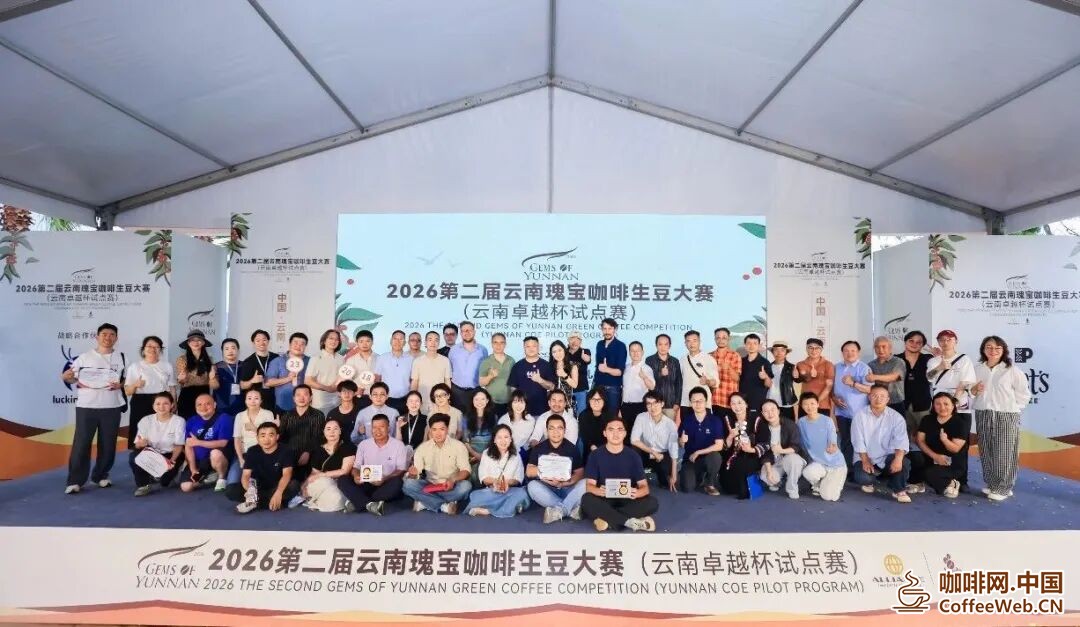
而咖啡加文旅加产业的融合路径,正在为昆明湖滨春城山水花都的城市定位注入新的内涵。从高山上的咖啡树,到世界评审的杯测桌;从一支获奖豆,到滇池边的一杯咖啡——以赛带产、以节促旅的昆明实践,让咖啡不再只是一杯饮品,更成为这座城市连接世界的一种方式。
为世界甄选云南瑰宝——今年是第二年。但它所开启的,是云南咖啡一个全新的十年。
来源:“咖啡沙龙”微信公众号
图源:2026第二届云南瑰宝咖啡生豆大赛(云南卓越杯试点赛)赛事官方、咖啡沙龙
The 2nd Yunnan Treasure Coffee Green Bean Competition (Yunnan Excellence Cup Pilot Competition) will be held in Diancui, Xishan District, Kunming from June 15th to 25th, 2026. For Yunnan coffee, this is not an ordinary green bean competition - it is the second consecutive year of pilot of the CoE (Cup of Excellence) system in Yunnan, and an important node in the continuous dialogue between Yunnan coffee and the world's premium coffee standards.
Last year, the first competition landed in Baoshan, with 144 participating beans from seven major production areas, 19 of which won awards. Lincang Qiupo Manor Water Washed Batian won the championship with 89.96 points and set a Chinese record with an auction price of 13150 yuan/kg. This year, the second edition moved to Kunming, and the number of participants increased to 169, covering core production areas such as Pu'er, Baoshan, Lincang, Dehong, Xishuangbanna, and Nujiang. If the first session solved the problem of going from 0 to 1, the second session went one step further in answering the question: what kind of chain reaction will it bring when international standards continue to shine in Yunnan's production areas?
CoE: Not only for champions, but also for the future of a production area
In the field of specialty coffee, CoE has always been hailed as the Olympics of coffee beans. Started in Brazil in 1999, initially named Best Brazil, renamed and developed a dedicated cup gauge in 2001, and managed by the non-profit organization ACE (Excellence Coffee Alliance) in 2002. For over 20 years, CoE has covered 12 coffee producing countries worldwide, resulting in a cumulative transaction volume of $84 million and becoming the most credible entry permit for producing regions to enter the world's premium coffee market.
Its core mechanism is a combination of competition and auction: domestic judges conduct preliminary screening, while international judges conduct multiple rounds of blind testing for final evaluation. Full process coding, double blind testing, audit notarization, and unified roasting - each stage is designed for one goal: to let the quality of coffee speak for itself. Coffee with a score of 87 or above and ranking in the top 30 will enter the global online auction, and over 75% of the auction proceeds will be directly returned to the coffee farmers.
The underlying logic of CoE is not beauty pageants, but pricing - using an internationally recognized quality evaluation system to replace the vague bargaining model in traditional trade, allowing good coffee to be seen, understood, and reasonably priced. For the production area, CoE brings not only the transaction price of a single bean, but also standards, brands, international reputation, and long-term buyer relationships.
This is also the underlying reason why Yunnan has introduced the CoE pilot competition for two consecutive years. A champion bean represents the stage success of a certain plantation, while the pilot competition measures and promotes the ability of a production area to systematically enter the international premium coffee system.
Yunnan Coffee: From Raw Material Supply to China Options
By 2025, the coffee planting area in Yunnan Province will reach 1.495 million mu, with a total output of 170000 tons. The coverage rate of excellent varieties, high-quality products, and deep processing rates will increase to 21.8%, 41.7%, and 85%, respectively.
Behind the numbers lies the continuous cultivation of the industry over the years. At the variety level, it has evolved from a single structure dominated by Katim in the past to localized cultivation of high-quality varieties such as the Dere series, Yunka series, and Guixia, Pakamara, and Kadura; At the treatment level, in addition to traditional water washing, innovative processes such as sun drying, anaerobic fermentation, and honey treatment are flourishing; At the level of industrial form, nearly 60 boutique coffee plantations have been built in the province, and the manorization is transforming Yunnan coffee from selling beans to selling brands and experiences.
In the autumn of 2025, Pu Manor scored 89.96 points with a freshly washed Ba Tian fruit, which confirms the results of this change - the combination of variety, terroir, and processing methods is giving birth to a distinctive Yunnan flavor.
Yunnan coffee was once regarded as a raw material production area for a long time, with insufficient quality discourse power. But in recent years, the changes have been real, from variety iteration to innovative processing methods, from manorial to high quality rate. The significance of the CoE pilot competition is that it provides an internationally recognized testing coordinate system for these changes - no longer what I think is good, but what the world thinks is good. Yunnan coffee is moving from a raw material supplier to a new industrial highland with international discourse power, becoming a Chinese option on the world menu.
A rigorous competition: from judging and selection to international final evaluation
After the launch of this year's competition, the domestic judging and selection process took the lead. The organizing committee received 120 complete registration forms within 3 hours. On April 2nd, 62 candidates gathered at Shanghai Hongqiao Pinhui for three rounds of on-site blind testing, with 10 coffees per round. The assessment is presided over by Erwin Mierisch, Executive Director of CoE/ACE, and jointly conducted by Su Chengcheng, Convenor of the event and CoE/ACE East Asia Advisor. Paul Songer, Senior Chief Editor of CoE, is responsible for data analysis. ACE screened from four dimensions: consistency in individual and collective scoring, consistency in pre - and post individual scoring, quality discrimination ability, and scoring ability. Finally, 12 domestic judges stood out.
From June 15th to 19th, the domestic evaluation week will be held in Diancui, Xishan District, Kunming. All participating beans undergo preliminary screening of their physical properties and are stored in a unified database. They are then coded by auditors under notarized supervision, achieving blind testing of triple coding for preliminary rounds, domestic stages, and international stages. The entire evaluation process was supervised by the event's chief referee Stephen Vick and notarized by the Mingcheng Notary Office in Kunming. From June 22nd to 25th, the International Jury Week will be held, with the presiding judge Stephen Vick leading the international jury to conduct multiple rounds of cup tests and final evaluations on the qualifying bean samples. The process will be fully aligned with the standards of the Coe official tournament.
The process itself is a narrative. The essence of coding, blind testing, auditing, and unified baking is the establishment of trust mechanisms. For coffee farmers, what they submit is not just a batch of beans, but also the fruits of a whole year's labor; For the judges, they are not only facing the flavor, but also the development level of the entire production area.
Another news worth paying attention to in the industry came from the cup testing site: in the completed rounds of evaluation, three participating beans broke the 90 point mark.
The overall quality of the beans participating in this competition has improved significantly compared to last year, and some batches have begun to show their own iconic flavor characteristics belonging to Yunnan production areas. This is a significant signal for a production area that is still in the pilot stage.
According to the convention of the CoE system, the performance of the pilot competition is an important reference for ACE to evaluate whether the production area can qualify for the official competition. Of course, the final decision on whether to upgrade to an official tournament still needs to be made after comprehensive evaluation by ACE (Excellent Coffee Alliance) - but the scores given at the judging table have already been submitted first.
Result announcement and on-site auction
On the afternoon of June 25th, the top 10 winning beans from the competition were auctioned live at the main venue of Zhangmei Village Pier in Kunming Dianchi Tourist Resort. On this day, scores and prices are certainly important - but more important than scores and prices is that the producers behind these coffees are seen more clearly.
The three beans selected by three companies, namely Lincang Gengxia Manor Co., Ltd., Menghai Yunle Coffee Co., Ltd., and Linxiang District Songfeng Coffee Planting Farmers' Professional Cooperative, all scored over 90 points. The highly anticipated champion, Gengxia Manor's traditional washed Guixia, achieved a milestone of 91.78 points in the history of Yunnan coffee development.
This year, a total of three participating beans have exceeded 90 points. According to the convention of the CoE system, coffee beans with a score above 90 points can receive the title of "Presidential Award". In a production area that is still in the pilot stage, three beans have crossed this threshold at the same time, and the gold content is self-evident.
Looking at the top ten rankings, Guixia varieties dominate the market, while water washing still occupies half of the top ten. Emerging coffee producing areas such as Menghai and Nujiang in Xishuangbanna have entered the forefront for the first time, and the map of Yunnan coffee producing areas is being redrawn. The complete Top 20 list and detailed scores are shown in the table below.
In the afternoon of that day, the top ten winning beans were auctioned live at the main venue of Zhangmei Village Pier. The champion was picked from the washed Guixia harvest of Champion Bean - Gengxia Manor, with a transaction price of 14000 yuan/kg, and was purchased by Luckin Coffee. This price broke the record of 13150 yuan/kg set by last autumn's Po Estate, once again setting a new record for the highest price in Chinese coffee bean auctions.
Why Kunming: A two-way journey between coffee and the city
Unlike the first landing in Baoshan production area, this competition was held in Kunming. Most of the history of Coe has been rooted in coffee producing areas such as Girardo in Brazil, Huilan in Colombia, and Yegashefe in Ethiopia, where competitions are often held. And this time, it was caught by a provincial capital city. Behind this, Kunming is not presenting the name of a city, but a complete set of capacity and an open and inclusive welcoming attitude (dancing with the world in an open manner).
First, let's talk about a set of numbers that many people may overlook. The average annual temperature in Kunming is around 15 ℃, and the air humidity is maintained at around 60% - these two indicators precisely cover the most ideal environmental parameters for storing coffee beans. Under normal conditions, storage costs are nearly 30% lower than in coastal cities. In other words, Kunming does not require a large-scale warehouse and distribution system with manual temperature and humidity control. It is a natural preservation warehouse in itself. On the logistics side, the China Europe freight train allows Yunnan coffee beans to arrive in Germany in 15 days, and the boutique shipping line from Kunming to Paris has compressed the delivery time to 36 hours. By 2025, Yunnan's coffee exports will exceed 800 million yuan, a year-on-year increase of more than three times, and will be exported to 43 countries and regions. When a coffee bean that has been exposed to the plateau sunshine in Pu'er can appear in the grinder of a street caf é in Paris after 36 hours, you will realize that Kunming is no longer just a spring city, it is becoming an unavoidable transit node in the global coffee trade map.
If it were only climate and logistics, Kunming would not be enough to host a top-level live bean competition here. Something deeper, in the depths of time. The coffee heritage of Kunming can be traced back to the late Qing Dynasty and early Republic of China. After the opening of the Yunnan Vietnam Railway, coffee, as an imported product, traveled north from Vietnam and first settled in Kunming, a city in Yunnan. In the 1930s, there was a Western restaurant called Nanlaisheng on Jinbi Road, which served freshly ground coffee to professors from Southwest Associated University, merchants from the Yunnan Vietnam Railway, and travelers from all over the country. In 1992, the first modern coffee processing plant in China, Yunnan Coffee Factory, was also born in Kunming. From the common scene of old Kunming people holding enamel jars to drink coffee, to the more than 2000 coffee shops scattered on the streets, alleys, and lakeshores of the city today - this city has transformed coffee from an imported beverage into a daily routine in nearly a century.
On the industrial side, Kunming has issued a work plan to build a world coffee fashion city, with the goal of surpassing 3000 coffee stores in the city by 2027. Coffee combined with cultural and creative industries, coffee combined with tourism, and coffee plantation experience routes - these new formats are becoming the fastest-growing part of Kunming's cultural and tourism consumption.
So, choosing Kunming for the second year of the Yunnan CoE pilot competition is not a simple relocation of the venue. It is a natural demand that has grown in Yunnan's coffee industry after reaching a certain stage: the production area needs a window to the world, and Kunming is just ready. From the perspective of an industry observer, what Kunming has undertaken is not only the execution and landing of an international competition, but also the last mile for Yunnan coffee to move from the production area to the market and from the professional circle to mass consumption. This city is positioning itself as a lakeside spring city with mountains, waters, and flowers, answering a question: when coffee is no longer just a bulk agricultural product, but a city business card, what kind of appearance should it be seen by the world.
Next stop: Dianchi International Coffee Culture Carnival
The race is never the finish line. It can even be said that the true value release of a live bean competition is often not on the judging table, but outside of it. From August 1st to 9th, the 2026 Dianchi International Coffee Culture Carnival with the theme of "Dian Coffee Gathers All Things to Live" will inherit the professional achievements of the Yunnan CoE pilot competition and transform the Yunnan treasures on the judging table into experiences that are known and felt by the general public.
The Dianchi International Coffee Culture Carnival is now in its third year. Looking back at the past two years, the first coffee tasting party emerged on the east bank of Dianchi Lake, setting a Guinness World Record for the largest scale coffee tasting event. Over nine days, 650000 people flocked in, driving consumption of nearly 100 million yuan. The second East West Coast Global Linkage, with the East Coast as an artistic and cultural highland and the West Coast as a trendy venue, attracted a total of 2.8059 million participants and generated nearly 20 million yuan in direct sales revenue. Over the course of two editions, it not only validated the feasibility of the coffee plus cultural tourism model in Kunming, but more importantly, it gradually created a real consumption route along the Dianchi Lake - the Dian'an Boutique Coffee Corridor. This corridor is centered around coffee culture, connecting boutique retail, light dining, cultural and creative arts, and waterfront leisure. The limited time popularity during the event is being transformed into the daily commercial vitality of the area.
From the first edition to the third edition this year, Carnival has been deeply cultivating the same IP for three years. For a city level cultural and tourism event, it means that the IP has a foundation, from "content internalization" to "IP rooting". Through the fog of homogenization with differentiated planning power, the content that has been iterated year by year includes both inheritance and innovation. This summer's Carnival Coffee Experience Unit not only retains the highly anticipated "Cloud Coffee Picking Sequence" domestic and international super coffee car alliance, but also continues to enhance the extended experience of the Yunnan CoE pilot competition, transforming the results of the competition into experiential content that is known, felt, and participated in by the general public.
This year's carnival revolves around four directions: rooting, fun, life, and vitality, among which several lines are particularly worth paying attention to both inside and outside the industry. On the industry side, the "Life of All Things" Dianchi (International) Coffee Industry Roundtable&Thought Sharing Event will invite international judges from the Yunnan CoE Pilot Competition to participate in the dialogue. The top ten award-winning beans will be showcased in Yunnan Cup Awards for Excellence - the Yunnan CoE Pilot Competition Award Winning Bean Tasting Ceremony, which provides consumers with the opportunity to drink the same batch of coffee that has just stepped off the international judging table at the carnival. For ordinary consumers who usually only know Yunnan beans on the coffee shop menu, this face-to-face experience of experiencing the flavor of the production area may be the most direct way to establish awareness of premium coffee. On the consumer end, Dianchi Majiasong embeds its running route between the Dianchi Greenway and the coffee flavor. The Coffee Fragrance Flower Scene Dian Bank Parade captures Yunnan's seasonal flowers and decorates vintage floats, creating a flowing coffee landscape along the Dianchi waterfront; In addition to the exciting cultural and artistic activities on the east bank and the vibrant west bank, this year we have also added sub venues such as Zhangmei Pier, Danxia Camp, Yuyuan, Yunnan Ethnic Village, Jinbi Patrol Area Cultural and Tourism Block, and Green Dynamic Gaoqiao - Sports Life Natural Settlement. The common logic of these areas is to turn coffee from a cup of beverage into a connector, connecting music, art, sports, and social activities, linking the ecological resources of Dianchi Lake, the cultural heritage of the Spring City Flower Capital, Yunnan coffee industry, and the overall cultural and tourism resources. On a longer-term perspective, the "Sea, Land, and Air" Coffee Roaming Plan and the "Coffee Residue Planet · Symbiosis Plan" attempt to answer the question of what coffee tourism can do besides eating, drinking, and clocking in from two directions: spatial experience and environmental recycling.
From the perspective of the industry, what we are more concerned about is the emerging linkage model between the Yunnan CoE pilot competition and the carnival: the top ten award-winning beans will be exclusively tasted in a dedicated area at the carnival, and the award-winning estates will be stationed at the booth in the dedicated area to share with consumers - from the quality upgrade in the fields, to the professional recognition at the judging table, to the cup in the hands of consumers. A link that has never been fully established in Yunnan before is now being connected for the first time by the banks of Dianchi Lake.
Conclusion
The significance of the second Yunnan Treasure Coffee Green Bean Competition (Yunnan Excellence Cup Pilot Competition) goes beyond selecting high scoring coffee and auctioning transactions. It has further brought Yunnan coffee into a more rigorous international evaluation system, and also allowed more people to see the changes happening in this city. With the continuous upgrading of the coffee industry and the deepening of coffee culture, Kunming will become an indispensable stop in the global coffee map with a more open and recognizable attitude.
The integration path of coffee, culture, tourism, and industry is injecting new connotations into the urban positioning of Kunming as a lakeside spring city with mountains, waters, and flowers. From coffee trees on high mountains to cup testing tables for world judges; From an award-winning bean to a cup of coffee by the Dianchi Lake - Kunming's practice of promoting production through competition and travel through festivals has made coffee no longer just a drink, but also a way for this city to connect with the world.
Selecting Yunnan's treasures for the world - this is the second year. But what it has opened is a brand new decade for Yunnan coffee.
Source: "Coffee Salon" WeChat official account
Image source: The official event and coffee salon of the 2026 Second Yunnan Treasure Coffee Green Bean Competition (Yunnan Excellence Cup Pilot Competition)
Responsible Editor: He Xuanying