烟台的风是咖啡味的The wind in Yantai is coffee flavored

人们常说,烟台的酒没有度数,风才有。其实,烟台的风并非真的有度数,却有着浓浓的咖啡味。
风过处,皆是咖啡味。烟台这座北纬37度的海岸城市,正在用一杯咖啡,书写一个关于活力、年轻与机遇的新故事。
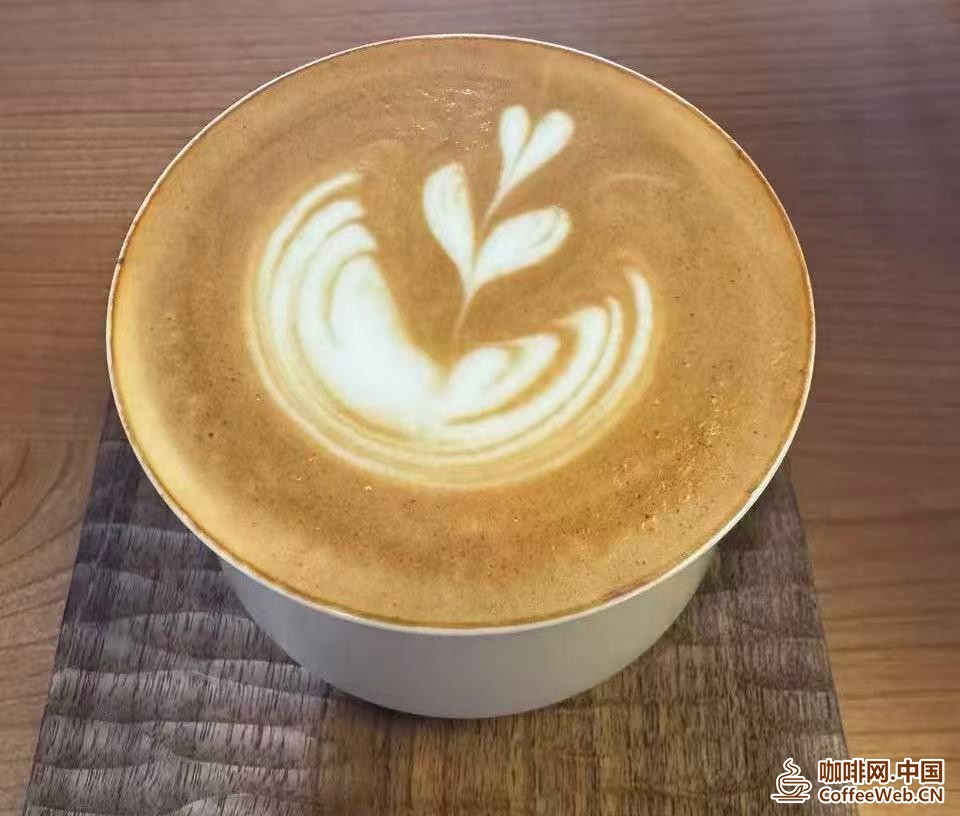
“EBC新人王拉花赛城市赛”无疑是本届咖啡季最吸睛的环节。本次比赛不同于专业拉花赛事过高的壁垒门槛,重点突出“新人王”的定位,为喜欢拉花的年轻咖啡师以及咖啡爱好者创造一个竞技锻炼的机会。
除了拉花比赛,现场还集齐花式美食、文创市集、咖啡手作体验和LIVE演出等,在将咖啡文化延展为一场多元的生活方式嘉年华的同时,让这条十里黄金海岸摇身变为一座香气四溢的“咖啡乐园”。
咖啡香飘一年又一年,凤凰城市咖啡季可谓年年有新意,场场皆沸腾。特别是在去年举行的第二届凤凰城市咖啡季上,百余位精酿大咖齐聚烟台,咖啡、汽车、海风与热情在此交融,吸引了超过10万市民游客打卡,全网曝光量超300万次,直接营业收入突破110万元。
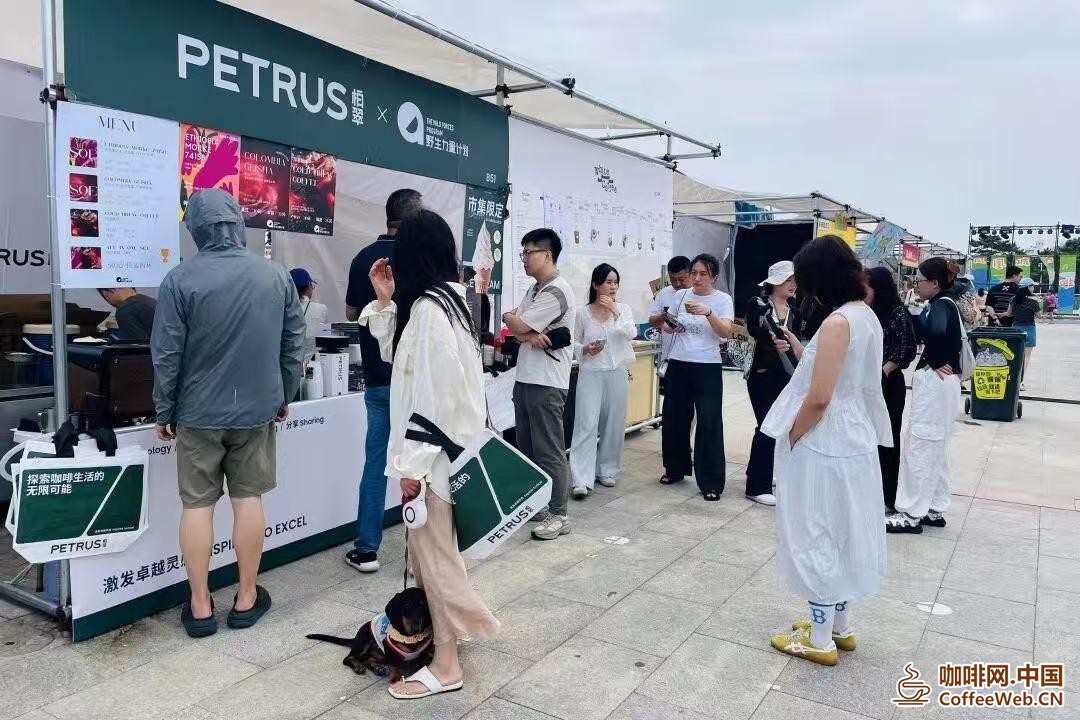
“这阵仗一年比一年大,你看那边,全国几十家咖啡品牌都来了,在家门口就能喝遍天南海北的口味,搁以前谁敢想。”烟台市民宋婷指了指远处那辆“3Q桑吉公路咖啡”的车,说那是从兰州远道而来的,自带一股西北的洒脱味儿。
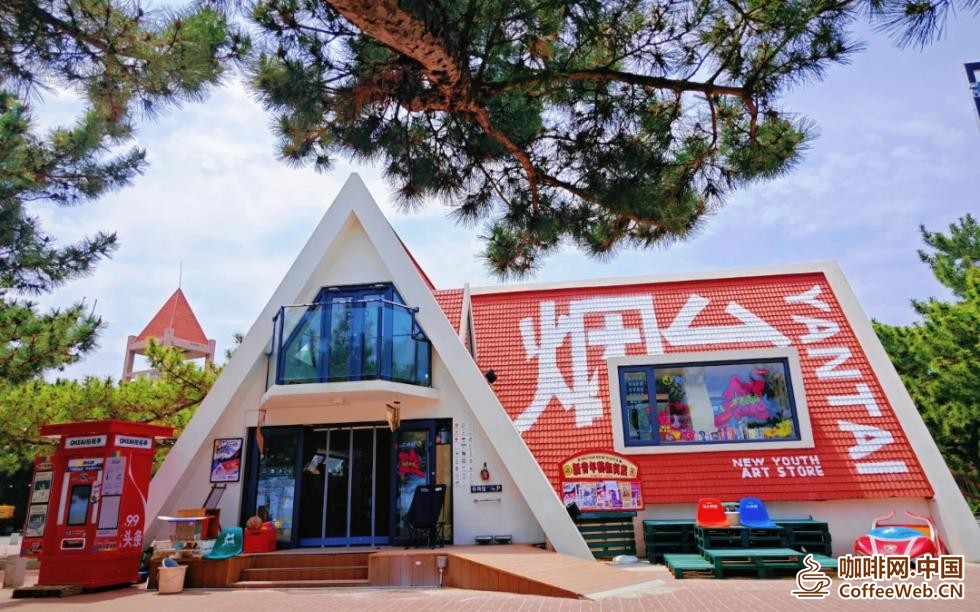
在烟台,咖啡的香气如今已无处不在——它是朝阳街百年洋楼里的一杯手冲,是海边咖啡馆落地窗前与浪花对饮的惬意,甚至是乡村老宅院落里被阳光晒透了的、懒洋洋的慢时光。然而,当人们沉醉于“咖啡+”带来的多元体验时,有人会追问:这缕“舶来”的醇香,究竟何时在这座海滨城市生根发芽?
(大众新闻记者 董卿 杨秀萍)
People often say that Yantai's wine has no alcohol content, only the wind has it. In fact, the wind in Yantai is not really strong, but it has a strong coffee flavor.
If you don't believe it, go for a walk on Chaoyang Street in the evening - the hand brewed coffee of Fendu and the exquisite selection of Starbucks, the aroma of coffee will follow the sea mist and wrap around your clothes; Strolling back to the first beach, the coconut fragrance of the island diary mixed with foam, the bitterness of the ant camera taking advantage of the sunset, every bite feels like drinking against the tide. If you're not satisfied yet, go to Fisherman's Wharf. White Waves, Murph, Tinghai... Each one has set their coffee rack on the top of the waves. Coffee collides with the sea, and bitterness and saltiness reconcile on the tongue, creating Yantai's unique coastal specialty.
Wherever the wind blows, there is always the smell of coffee. Yantai, a coastal city at 37 degrees north latitude, is writing a new story about vitality, youth, and opportunity with a cup of coffee.
A coffee carnival along the coastline
On the afternoon of June 25th, the third Phoenix City Coffee Season officially kicked off at Huanghai Mingzhu Square in Laishan District. Backed by the blue sea, enjoying the sea breeze and coffee, this unique romance of Yantai is fully expressed.
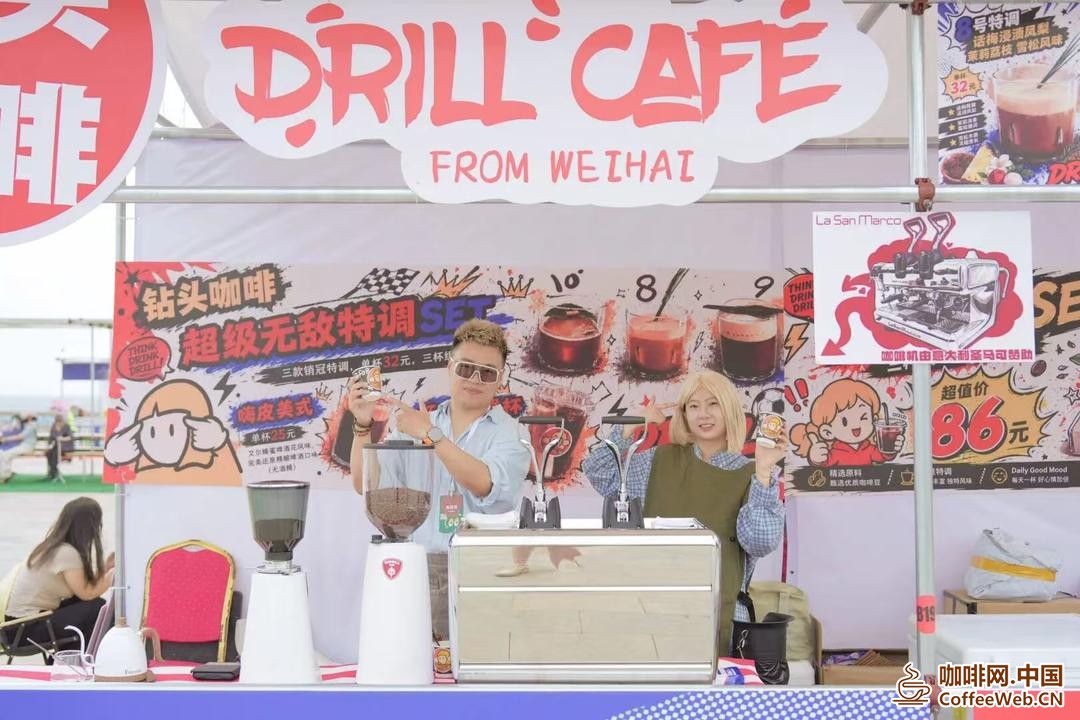
This coffee season is unprecedented in scale, with over 120 specialty stalls lined up along the coastline and more than 60 treasure coffee brands from both domestic and international markets making a concentrated appearance. From Rabbit Jump in South Korea to Homeka in Taiwan, China; From Henan's Chinese aesthetic themed coffee to Suzhou's gentle and healing specialty; From Yunnan's native bean market to Yantai's local powerhouse brands, a grand scene of "coffee brand gods fighting" is unfolding here.
The "EBC Newcomer King La Hua City Competition" is undoubtedly the most eye-catching part of this coffee season. This competition is different from the high barrier threshold of professional latte art competitions, focusing on the positioning of "newcomer king", creating an opportunity for young baristas and coffee enthusiasts who love latte art to compete and exercise.
The competition has no threshold and is particularly friendly to beginners, which makes me dare to showcase the 'little tricks' that I usually practice secretly at the bar. I never expected to be able to chat and compare with so many peers, and I gained a lot from latte art techniques to understanding coffee, "said Zhang Chen, a barista from Qingdao.
In addition to the latte art competition, the venue also features a variety of delicacies, cultural and creative markets, coffee handcraft experiences, and live performances. While extending coffee culture into a diverse lifestyle carnival, it transforms this ten mile Gold Coast into a fragrant "coffee paradise".
This is the most comfortable coffee festival I have participated in this year, "said Zhao Yu, the coffee manager of Dayu Manufacturing in Shenyang, Liaoning, stretching her arms in the sea breeze. This unique experience of "facing the sea, accompanied by coffee" is the most difficult charm to replicate during the Phoenix City coffee season.
The fragrance of coffee lingers year after year, and the Phoenix City Coffee Season is full of new ideas every year, with every scene boiling with excitement. Especially at the second Phoenix City Coffee Season held last year, over a hundred craft beer experts gathered in Yantai, where coffee, cars, sea breeze, and passion blended together, attracting over 100000 citizens and tourists to check in, with over 3 million online exposures and direct revenue exceeding 1.1 million yuan.
For the citizens of Yantai, the annual Phoenix City Coffee Season is not only a pleasure for the taste buds, but also a way of life that integrates into the urban fabric. In the sea breeze and coffee aroma of Huanghai Mingzhu Square, citizens and tourists enjoy a unique experience of "one-stop check-in at the world's top coffee shops". Coffee consumption has also expanded from being exclusive to young people to a wider audience, and even coffee shop owners have observed that nearly half of the customers who come to check-in every day are middle-aged and elderly.
This battle is getting bigger year by year. Look over there, dozens of coffee brands from all over the country have come, and you can taste flavors from all over the world right at your doorstep. Who would have dared to think before? "Song Ting, a resident of Yantai, pointed to the" 3Q Sangji Highway Coffee "car in the distance, saying that it came from Lanzhou and had a carefree northwest flavor.
Not far away, a girl from out of town came to Yantai on a business trip, holding a cup of "Kashitang" Chinese style lion dance special tune that she couldn't bear to drink, and kept taking photos. She turned her head and said to her companion, "This trip was worth it. I didn't expect Yantai to make the coffee festival so trendy. It's more enjoyable than any other city I've visited before
A strand of 'imported fragrance' drives employment for 300000 people
In Yantai, the aroma of coffee is now everywhere - it is a cup of hand washing in the century old western-style building on Chaoyang Street, a pleasure to drink with the spray in front of the french window of the seaside cafe, and even a lazy slow time in the old rural houses that have been soaked in the sun. However, when people are immersed in the diverse experiences brought by "coffee+", some may ask: when did this "imported" aroma take root and sprout in this coastal city?
The story of Yantai coffee begins with the opening of Yantai as a port in 1861. As the earliest trading port in Shandong, 17 consulates of the United Kingdom, the United States, France, Germany, and other countries were successively established in the Yantai Mountain and Chaoyang Street areas, and foreign firms, post offices, and Western style architectural complexes emerged.
According to historical records, with the deep integration of Chinese and Western cultures after the opening of the port, traditional tea houses can be seen on the streets of Yantai in modern times, as well as Western style bars and cafes, where diverse cultures collide and coexist. Although coffee may have been a niche beverage for foreign immigrants and the elite at the time, these old buildings laid the most crucial "hardware" foreshadowing for the landing of coffee culture - space and scenery. The more than 30 well preserved European style buildings on Yantai Mountain today are the most silent yet powerful witnesses to this history.
Nowadays, more than 160 years have passed, and Yantai coffee has become its own climate. There are over 80000 coffee production and operation entities in the city, driving nearly 300000 jobs. "Facing the sea, coffee as a companion" is transforming from a livable literary slogan to a true portrayal of the streets and alleys of Yantai.
Among them, the coffee industry in Laishan District has shown particularly strong development momentum in recent years. According to the Market Supervision Bureau of the district, the number of market entities registered with the word "coffee" in the district has increased from 33 at the end of 2021 to 143 now, an expansion of 4.3 times in five years. On the 10 kilometer Gold Coast in Laishan District alone, there is an average of one coffee shop every 200 meters, attracting 3000 people to check in every day. The density of coffee shops per square kilometer in the core business district even exceeds some popular areas in first tier cities.
The radiation power of the coffee economy goes far beyond the storefront itself. Local brand Hu Ge Coffee is the beneficiary and promoter of this wave. Its seaside single store located at Yumeiren Square in Yantai sold over 3000 cups of apple coffee and pear coffee in May alone - these creative drinks are deeply integrated with local agricultural products in Yantai, driving sales growth of over 30% in upstream industries such as pear orchards. Hu Grain Coffee, with its composite model of "boundless sea view+art exhibition+intangible cultural heritage exhibition booth", has an average daily passenger flow of 300 to 400 people during peak seasons, with a maximum daily reception of nearly a thousand people.
In Laishan Street, Laishan District, Sekou Jungle Coffee features a "mountain view seating" as its characteristic, creating a natural leisure space and driving the construction of the second phase project of "coffee+homestay+camping" in the surrounding area. After completion, it can create 30 new job opportunities and is expected to receive over 100000 tourists within the year. More noteworthy is that, relying on the Jungle Coffee project, the local area has also utilized idle land in the surrounding area to create a "Deer House Homestay", upgrading a single coffee consumption to a suburban tourism internet celebrity check-in spot that integrates "eating, accommodation, and tourism". It is expected to drive more than 40 people to employment and increase per capita wage income by about 30000 yuan.
Brewing 'youthful state' in the aroma of coffee
Strolling along Xinglong Street in Zhifu District, Yantai City, under the eaves of a century old stage, the aroma of freshly ground coffee wafts out. Post-95 entrepreneur Xiao Guang transformed an inconspicuous old house next to the stage into a coffee shop, with several high chairs and potted plants, adding a touch of fashionable artistic color to this old street filled with fruit shops and hair salons.
Opening a shop on the old street, I value the historical heritage here, which can make the small shop more recognizable, "Xiao Guang said. Many customers come through social media platforms to admire the reputation, experience it, and then share it, repeating the cycle and attracting a large flow of people.
This is not an isolated case. In Yantai, a narrative about "youth" is being rewritten by cups of coffee. From the "reverse growth" of old neighborhoods to the "poetic dwelling" of rural areas, from the "trendy format" of cultural and tourism integration to the "black technology" empowered by AI, coffee is reshaping the texture and temperament of this coastal city with a soft yet firm power.
Yantai is a coastal city with rich cultural heritage, which has nurtured many excellent independent coffee brands. Here, coffee can be combined with alcohol, as well as cross-border collaborations between kayaking, coffee, and camping, and the integration of coffee, clothing, and trendy activities. "The person in charge of Yantai Municipal Bureau of Culture and Tourism introduced that" Coffee+"enriches the tourism industry, enhances the consumer experience, and makes more tourists willing to stay for a long time, enhance communication, and enjoy time.
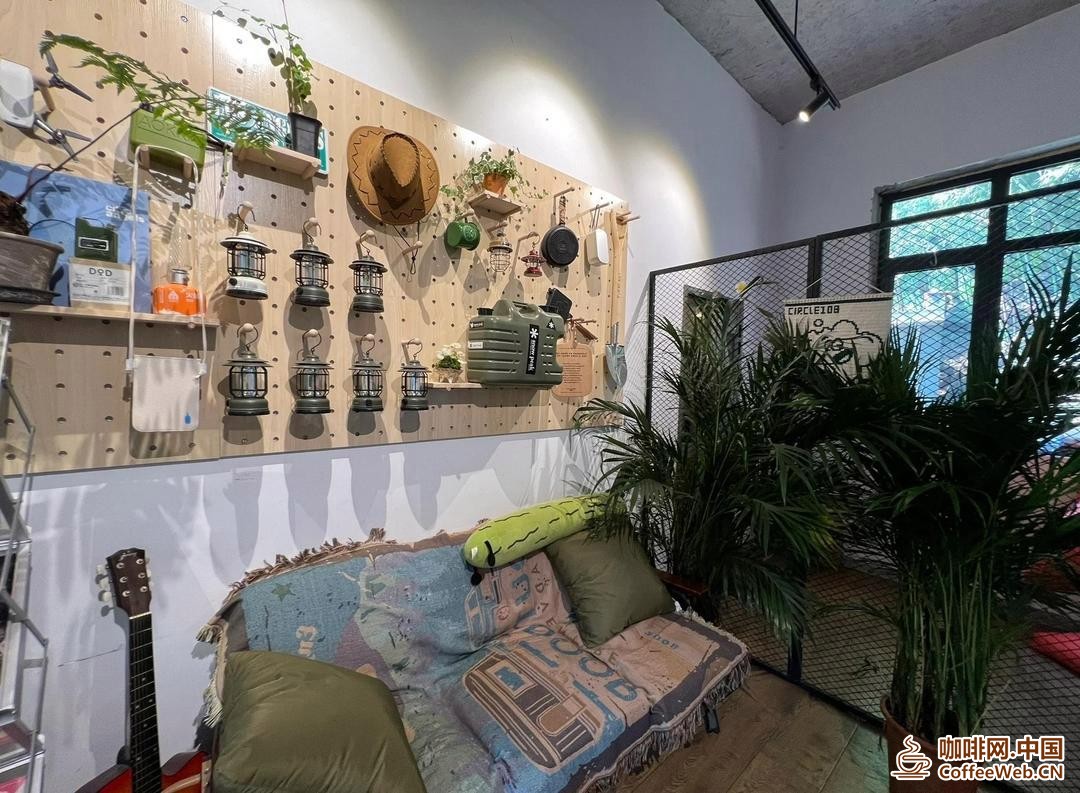
At present, going to the village to drink coffee has become a special living experience in Yantai. In Yaqian Village, Yuangezhuang Street, Laishan District, a small courtyard surrounded by flowers and green plants is particularly eye-catching. Entering the courtyard, the reporter saw that the buildings renovated from village residents' houses and abandoned warehouses had a unique charm, and this was the location of the internet famous caf é Hu Li Coffee.
In the coffee shop, young men and women in twos and threes sit around the coffee table, sometimes whispering and sometimes laughing heartily. Unlike traditional rural tourism, our focus is on the integration of urban and rural areas, "Zhang Houbin, one of the founders of Huli Coffee, told reporters. Huli Coffee advocates simplicity, rejecting fancy details from store location selection to product development and decoration, giving customers a sense of nature and poetry.
Zhang Houbin explained that although he rarely promotes on social media platforms, with the word-of-mouth and photo posting effects of people who come to "check-in", the coffee shop now receives more than a hundred visitors per day, making it another leisure and vacation destination for urbanites.
Can you imagine that 50% of the people who come to our store every morning to check in are middle-aged and elderly? "Said Hua Hua, a well-known coffee manager in Yantai. From being unable to distinguish the difference between American and latte, to being able to explain the flavor preferences of beans to baristas in industry terms, the iteration speed of Yantai consumers is amazing.
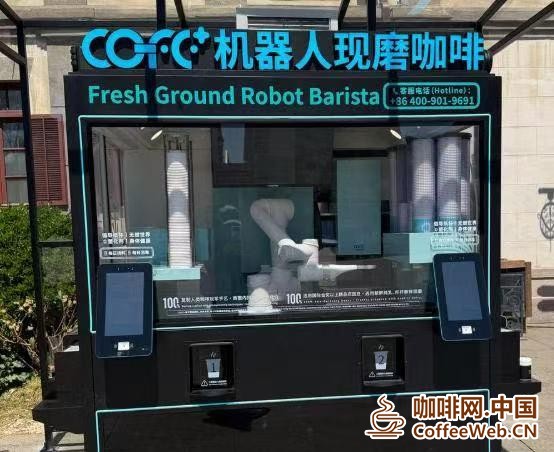
The youthfulness of Yantai is also reflected in its embrace of "black technology". Not long ago, a COFE+fully intelligent robot caf é covering only 2.35 square meters landed on Chaoyang Street in Yantai. From grinding beans to pulling flowers, the robotic arm can complete it in one go within 50 seconds, with a starting price of only 9.9 yuan. This new business model of 24-hour unmanned operation not only refreshes the consumer experience, but also demonstrates Yantai's open attitude towards new things as a vibrant coastal city.
From the "reverse growth" of old streets, to the "new poetry" of rural areas, and to the "cool application" of technology, coffee is refreshing the urban texture of Yantai with its unique penetrating power. It is no longer just a drink, but a carrier of lifestyle, a flexible force for urban renewal, and a fragrant invitation letter handed to young people in Yantai. In the texture of this trillion dollar city, the aroma of coffee is emanating a younger, more open, and vibrant future.
(Popular News reporter Dong Qing and Yang Xiuping)