


你真的会喝咖啡吗?有关喝咖啡的4个小技巧Do you really know how to drink coffee? 4 tips about drinking coffee
编者按:许多上班族都习惯早餐先喝一杯咖啡提神。喝咖啡有提神和促进新陈代谢等诸多好处,但是“打开方式”错误也可能导致失眠、焦虑、心悸等副作用。想要让咖啡有提神效果,又要减少负面影响,选对方法很重要!以下小技巧将教你如何在享受咖啡的同时又不造成身体负担,让咖啡发挥最大作用。本文来自编译。
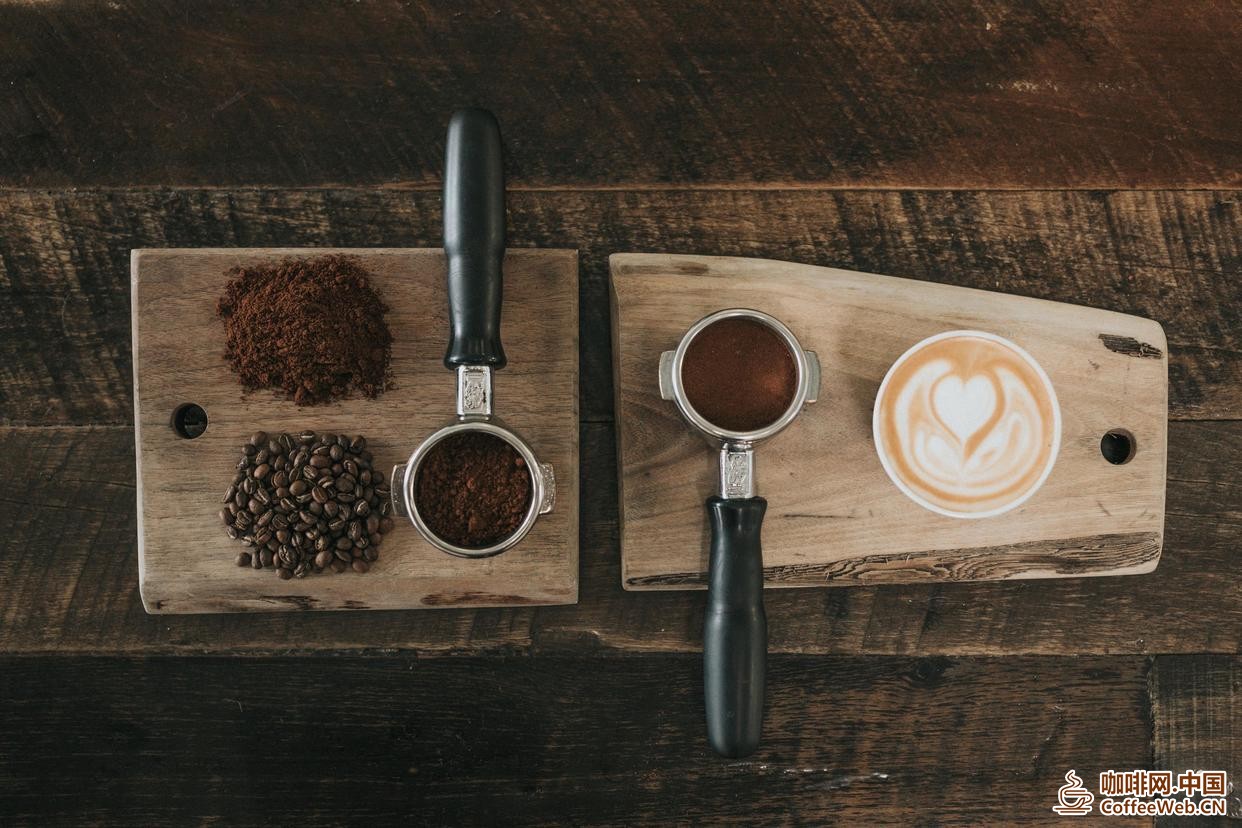
全世界每年消费近 5 亿杯咖啡。这个数字太令人震撼了!
咖啡因具备多种药理和生理作用,实际上也是世界上使用最广泛的中枢神经系统“兴奋剂”。
但我怀疑是否真的有很多人了解咖啡或咖啡因的力量,并知道如何正确使用它。
我喝咖啡已经很多年了。随着时间的推移,我已经弄清楚了如何最好地把握我的咖啡摄入,以让它在我的生活中最大程度发挥作用。
在这篇文章中,我想讨论对于咖啡消费的一些微小调整,这些小调整也可以帮助你让咖啡发挥最大的作用。让我们一起深入了解一下吧:
1-适时用口香糖代替咖啡
大多数人不明白,只有当咖啡能刺激你的时候,它才能发挥作用。但我们许多人喝咖啡喝得太多了,以至于身体对咖啡都产生了耐受性,效果就会随之降低,比如:
我们一醒来就喝它。
当我们感到困但不想睡觉时就喝它。
我们在无聊的时候也喝。
人们似乎一直在喝咖啡。
我懂,因为我就是这样一个人。然而,当我意识到咖啡对我身体的影响随着时间的推移越来越小,我需要喝越来越多的咖啡才能获得与先前一样的效果时,我决定改变这种情况。
这种效果的科学术语叫做耐受性。
为了保持咖啡对我身体的作用,我必须减少咖啡的摄入,只有在我真正需要咖啡的力量时才使用。
所以我这样做了,但并没有持续多久。
那么,可以用什么来取代咖啡:
你看,减少咖啡摄入后,生活变得空虚了许多。特别是在中午的时候,我经常感到这种空虚,我感到困倦,但我不能睡觉,因为我想继续学习。
为了解决这个问题,每当我在中午感到困的时候,我就重新开始喝咖啡。我持续了一段时间,然后决定再次减少喝咖啡。实际上,我来来回 回折腾,从来没有找到一个有效的解决方案。
然后,口香糖出现了。
可能这听起来很蠢,但口香糖确实彻底改变了我喝咖啡的方式。你可能在想,口香糖与咖啡有什么关系?好问题,我来告诉你。
你看,每当我觉得困时,我就将喝咖啡作为一种让我不困的方式。但后来,我想,我也可以用口香糖来做同样的事情。
现在,每当我在学习或工作时感到困倦,如果我不能或不想喝咖啡时,我就嚼一块口香糖代替。
为什么口香糖可以作为咖啡的替代品:
当你咀嚼一块口香糖时,你在欺骗你的大脑,让它认为你在吃东西。而你的大脑知道在吃东西的时候是无法入睡的,所以它不会再试图让你入睡。
与此同时,实际上没有食物进入你的胃。这也很棒。因为当你吃东西时,你全身的血液,包括你大脑的注意力都被转移到你的胃里以帮助你消化和吸收这些食物。这就解释了为什么人们常常会在午餐后觉得困,还想打个盹。
在某种程度上,口香糖唤醒你的方式与咖啡一样。而且,通过适时用口香糖代替咖啡的方法,你可以避免对咖啡因越来越耐受的情况。
这是否意味着你要把咖啡完全换成口香糖?不是的,完全不是。咖啡的威力仍然很大。我只是想让你为一些特定目的而限制咖啡摄入,我们将在下一点中谈及这个问题。
注意:这并不意味着你必须整天不停地嚼口香糖。这仅仅意味着,如果你想减少咖啡因的摄入,它是一个不错的替代品。另外,如果你要这样做,也请找到一款优质的无糖口香糖。
2-为更重要的目标限制你的咖啡摄入
实际上,咖啡的威力很大。一项又一项的研究表明,咖啡可以:
减少反应时间,提高表现水平。
通过强化与学习和记忆有关的神经回路来提高认知能力。
促进新陈代谢。
简而言之,咖啡可以让你进入一种高能量状态。但大多数人即使在做轻松的工作时也会喝咖啡,这并不是对咖啡力量最明智的使用方法。
我想让你做的是,只为你生活中具有认知和体力挑战的工作中保留这种高水平的能量状态。
例如,我只在以下情况下喝咖啡:
我将要在良好状态下进行写作。
我要做一个长达 3 小时的重要模拟考试。
我正在锻炼身体。
早些时候,我也会无意识地喝咖啡。只要我觉得想喝,我就会喝,不管我喝完这杯咖啡后要做什么。
但现在,我的大部分咖啡摄入都被限制在我生活的“最高行动”中。这样做效果很好,因为:
第一,通过将咖啡摄入限制在这些目标上,你减少了总摄入量。这就降低了产生耐受性的几率。因此,咖啡因的力量得以保留,并只在适当时候被利用。
第二,通过将咖啡摄入限制在你生活中的更重要行动上,咖啡也开始“强制”让你有更好的表现。例如,有时我给自己安排写作时间仅仅是因为我想喝咖啡!
除了做这些更重要的行动之前,我都尽可能地避免喝咖啡。不过,有时我可能会和朋友一起边喝咖啡边享受一段美好的谈话,或者如果我要读一本好书。但这些都是例外。
3-围绕咖啡摄入使用一些心理战术
我们在上一点中讨论了咖啡因的一些短期认知益处。简单地说,咖啡因能让你进入一种更好的能量状态。然而,同样重要的是,你要学会如何将这种能量用于手头的工作。
这里有几个方法可以确保这一点:
在喝咖啡之前: 浏览你的任务清单,为你的咖啡时间指定一个目的
在许多时候,我都有许多具有认知挑战的任务要做。这对每个人来说都是如此。但早些时候,我常犯的一个错误是,在喝咖啡之前,我没有明确地告诉自己我要做什么。
这样一来,我就会在喝完咖啡后浪费时间来决定要做什么工作。通常,我只是在许多任务之间无意识地来回切换。这将冲淡我的注意力,使我无法做深入的工作。
但现在,每次喝咖啡之前,我都会浏览一下我的任务清单,然后选择一项任务来集中我的全部精力。例如:
“我要写这篇关于 XXX 的文章。”
“我将为这款数码产品写文案。”
“我将复习这次考试的题目。”
这让你的每一杯咖啡都有了一个特定的目的,而这让你能够集中精力。
在喝完咖啡后或喝咖啡时:穿过心流之门
一旦我喝下第一口咖啡,我就只有一个目标:进入心流状态。这让我能够全神贯注地以最佳状态去工作。
以下是我为进入心流状态而做的几件事:
我把手机开到免打扰状态,然后锁上房间的门,特别是当我在家的时候。
我戴上降噪耳机。
我在音乐软件上播放“平静的音乐”播放列表。
我设定一个小时或 90 分钟的计时器,因为计时器能确保我保持专注。它既能强制让我保持心流状态,又能防止我走出心流状态。
我发现我大约需要 10 到 20 分钟才能进入心流状态。但是,一旦我进入了这种状态,在喝了咖啡之后,我所达到的专注度以及为此所做的工作都是超常发挥的。
4-起床后 1.5 小时内不要喝咖啡
大多数人就像我过去一样,在醒来后 30 分钟左右就立即喝咖啡。但斯坦福大学医学院眼科和神经科学教授安德鲁·休伯曼(Andrew Huberman)在他的播客中提出了这种方法存在问题。
为了正确理解这一点,让我给大家简单介绍一下这种名为腺苷的分子,以及咖啡因是如何影响其功能的。
关于腺苷和咖啡因:
你的身体有一种叫腺苷三磷酸(Adenosine Tri-Phosphate,ATP)的“能量货币”。
当你的身体耗费能量时,ATP 就会被分解,腺苷就会在你的身体里积累。
腺苷与你体内的受体结合,并告诉你的身体此时能量不足,你需要睡眠来将腺苷重新转化为 ATP。
咖啡因通过阻断腺苷受体发挥作用来使你再次感到清醒。
当咖啡因被排出你的身体时,腺苷可以再次与受体结合,你就不会再感到那么清醒了。
醒来后不久喝咖啡会导致下午精力崩溃
当你晚上睡觉时,你体内的腺苷被循环利用,重新形成 ATP。
因此,当你醒来时,你体内的腺苷水平比你睡觉时低。然而,腺苷水平仍然没有归零。即使睡得很好,也会有一些腺苷残留。
当你在醒来后立即饮用咖啡因时,这些腺苷就不能与受体结合。因此,你会感到清醒。但请注意,这种腺苷并没有消失。它仍然在那里等待着。
一旦咖啡因的效果消失,这种备用的腺苷就开始与它的受体结合,并导致下午精力崩溃。
这种崩溃会促使许多人再次摄入咖啡。如果这杯咖啡是在睡觉时间的 8 到 12 小时内摄入的,就会影响他们入睡的能力或睡眠质量。
该怎么做呢?
安德鲁·休伯曼说,与其在醒来后马上喝咖啡来阻断腺苷的作用,不如把腺苷完全“洗”掉!
这可以通过以下方式实现:
醒来后立即让你的皮肤和眼睛接受 10 到 15 分钟的阳光照射。
和/或在起床后做 10 到 15 分钟的运动。
这两种行为都会增加你的皮质醇,他们会帮助你完全洗掉腺苷,使你在不摄入咖啡因的情况下也能感到清醒。
这可以帮助你避免因起床后立即喝咖啡而导致的下午崩溃。
不要忘记这些基础知识
咖啡因有很多优点,但也有缺点。过多的咖啡会降低睡眠质量,并导致失眠、脱水、焦虑、血压升高等等。
这就是为什么你要负责任地使用它。因此,你绝不能忘记饮用咖啡的基本原则:
剂量:每杯咖啡为每公斤体重摄入 1 到 3 毫克的咖啡因被认为比较合适,而每天的最大剂摄入量为 400 毫克。尽量控制在这个范围内。
时间安排:至少在睡觉前 8 小时内避免摄入咖啡因。理想情况下,最好在睡前 12 小时内就避免使用。即使你在喝完咖啡后入睡没有问题,但你的睡眠质量仍然会在不知不觉中受到影响。睡眠是生活中表现的基石。不值得为了咖啡带来的好处而牺牲它。
频率:要负责任地喝,而且只在需要时喝。我觉得隔天喝一次咖啡比每天喝一次咖啡要好。另一种选择是每隔几周彻底戒除一周咖啡因摄入,这样你就可以避免产生咖啡因耐受性。
避免糖和奶油:尽量不要在喝咖啡的时候摄入过多的卡路里。一杯未经检查的咖啡很容易就超过 300 到 400 卡路里。这一定不是你想要的。
总结
我们在这篇文章中讨论了你在摄入咖啡时的一些小技巧:
当你感到困倦时,可以适时选择嚼口香糖而不是喝咖啡。这能帮你感到清醒,而不是只能求助于咖啡。从长远来看,这也将帮助你避免产生耐受性。
将咖啡因的摄入限制在你生活中最重要的行动上,比如做具有认知和体力挑战的工作。偶尔在一杯咖啡中享受谈话或一本好书是可以的,但不要过度。
为你的每一杯咖啡都指定一个目的,并确保你在喝完咖啡后进入心流状态来引导能量。
醒来后 1.5 小时内不要喝咖啡,而是去晒太阳和/或做一些运动来代替。
所有这些调整都是为了同一个目标。记住,你要以一种能为你带来利益最大化的方式来摄入咖啡!
译者:oakmoss
Editor's note: Many office workers are accustomed to drinking a cup of coffee before breakfast to refresh themselves. Drinking coffee has many benefits such as refreshing and promoting metabolism, but incorrect "opening methods" can also lead to side effects such as insomnia, anxiety, and palpitations. It is important to choose the right method to make coffee have a refreshing effect while reducing negative effects! The following tips will teach you how to enjoy coffee without causing physical burden, and make the most of it. This article is compiled.
Nearly 500 million cups of coffee are consumed worldwide every year. This number is so shocking!
Caffeine has multiple pharmacological and physiological effects, and is actually the most widely used central nervous system stimulant in the world.
But I doubt if there are really many people who understand the power of coffee or caffeine and know how to use it correctly.
I have been drinking coffee for many years. Over time, I have figured out how to best manage my coffee intake to maximize its impact in my life.
In this article, I would like to discuss some minor adjustments to coffee consumption that can also help you maximize the benefits of coffee. Let's delve deeper together:
1. Replace coffee with chewing gum at the appropriate time
Most people don't understand that coffee only works when it can stimulate you. But many of us drink coffee too much, to the point where our bodies develop tolerance to coffee and the effects decrease accordingly, for example:
We drink it as soon as we wake up.
When we feel tired but don't want to sleep, we drink it.
We also drink when we are bored.
People seem to have been drinking coffee all along.
I understand, because that's the kind of person I am. However, when I realized that the impact of coffee on my body was diminishing over time and that I needed to drink more and more coffee to achieve the same results as before, I decided to change this situation.
The scientific term for this effect is tolerance.
In order to maintain the benefits of coffee on my body, I must reduce my intake of coffee and only use it when I truly need its power.
So I did it, but it didn't last long.
So, what can be used to replace coffee:
You see, after reducing coffee intake, life has become much more empty. Especially at noon, I often feel this emptiness. I feel tired, but I can't sleep because I want to continue studying.
To solve this problem, whenever I feel tired at noon, I start drinking coffee again. I lasted for a while and then decided to reduce my coffee consumption again. In fact, I have been tossing and turning, but have never found an effective solution.
Then, chewing gum appeared.
It may sound silly, but chewing gum has truly changed the way I drink coffee. You may be thinking, what is the relationship between chewing gum and coffee? Good question, let me tell you.
You see, whenever I feel tired, I use drinking coffee as a way to keep me from feeling sleepy. But later on, I thought I could do the same thing with chewing gum.
Now, whenever I feel tired while studying or working, if I can't or don't want to drink coffee, I chew a piece of gum instead.
Why chewing gum can be used as a substitute for coffee:
When you chew a piece of gum, you're deceiving your brain into thinking you're eating. And your brain knows that you can't fall asleep while eating, so it won't try to make you fall asleep again.
At the same time, there is actually no food entering your stomach. This is also great. Because when you eat, your entire body's blood, including your brain's attention, is diverted to your stomach to help you digest and absorb these foods. This explains why people often feel sleepy after lunch and want to take a nap.
To some extent, chewing gum awakens you in the same way as coffee. Moreover, by replacing coffee with chewing gum in a timely manner, you can avoid the situation of increasing tolerance to caffeine.
Does this mean you need to completely replace coffee with chewing gum? No, not at all. The power of coffee is still significant. I just want you to limit your coffee intake for specific purposes, which we will discuss in the next point.
Note: This does not mean that you have to chew gum non-stop all day long. This only means that if you want to reduce your intake of caffeine, it is a good alternative. Also, if you want to do this, please find a high-quality sugar free chewing gum.
2- Limit your coffee intake for more important goals
In fact, coffee has a great power. One study after another has shown that coffee can:
Reduce reaction time and improve performance level.
Enhance cognitive abilities by strengthening neural circuits related to learning and memory.
Promote metabolism.
In short, coffee can put you in a high-energy state. But most people drink coffee even when doing light work, which is not the wisest way to use the power of coffee.
What I want you to do is to preserve this high-level energy state only for the cognitive and physical challenges in your work life.
For example, I only drink coffee in the following situations:
I will be writing in a good state.
I am going to do an important mock exam that lasts for 3 hours.
I am exercising my body.
Earlier, I also unconsciously drank coffee. Whenever I feel like drinking, I will drink it, no matter what I do after finishing this cup of coffee.
But now, most of my coffee intake is limited to my 'highest action' in life. This approach works well because:
Firstly, by limiting coffee intake to these targets, you have reduced your total intake. This reduces the likelihood of developing tolerance. Therefore, the power of caffeine is preserved and only utilized at appropriate times.
Secondly, by limiting coffee intake to more important actions in your life, coffee also begins to 'force' you to perform better. For example, sometimes I schedule writing time for myself simply because I want to have coffee!
I try to avoid drinking coffee as much as possible before taking these more important actions. However, sometimes I may enjoy a wonderful conversation while drinking coffee with friends, or if I want to read a good book. But these are all exceptions.
3. Use some psychological tactics around coffee intake
We discussed some short-term cognitive benefits of caffeine in the previous point. Simply put, caffeine can help you enter a better energy state. However, equally important is to learn how to use this energy for the work at hand.
There are several methods here to ensure this:
Before drinking coffee: browse your task list and specify a purpose for your coffee time
Many times, I have many tasks with cognitive challenges to complete. This is true for everyone. But earlier, a common mistake I made was not clearly telling myself what I wanted to do before drinking coffee.
In this way, I will waste time deciding what work to do after drinking coffee. Usually, I just unconsciously switch back and forth between many tasks. This will dilute my attention and prevent me from doing in-depth work.
But now, before every cup of coffee, I browse through my to-do list and choose a task to focus all my energy. For example:
I want to write this article about XXX. ”
I will write a copy for this digital product
I will review the questions for this exam
This gives each cup of coffee a specific purpose, allowing you to concentrate.
After drinking coffee or while drinking coffee: pass through the door of flow
Once I take my first sip of coffee, my only goal is to enter a state of flow. This allows me to concentrate fully and work at my best.
Here are a few things I have done to enter a state of flow:
I set my phone to do not disturb mode and locked the room door, especially when I am at home.
I put on noise cancelling headphones.
I play the "Calm Music" playlist on a music app.
I set a timer of one hour or 90 minutes because the timer ensures that I stay focused. It can both force me to maintain a flow state and prevent me from stepping out of it.
I found that it takes about 10 to 20 minutes for me to enter a flow state. However, once I entered this state, after drinking coffee, the concentration I achieved and the work I did for it were beyond normal.
Do not drink coffee within 1.5 hours after waking up
Most people, like me in the past, drink coffee immediately about 30 minutes after waking up. But Andrew Huberman, a professor of ophthalmology and neuroscience at Stanford University School of Medicine, pointed out in his podcast that this method has problems.
To better understand this point, let me briefly introduce a molecule called adenosine and how caffeine affects its function.
Regarding adenosine and caffeine:
Your body has an energy currency called Adenosine Tri Phosphate (ATP).
When your body consumes energy, ATP is broken down and adenosine accumulates in your body.
Adenosine binds to receptors in your body and tells your body that energy is insufficient at this time, and you need sleep to convert adenosine back into ATP.
Caffeine works by blocking adenosine receptors to make you feel alert again.
When caffeine is excreted from your body, adenosine can bind to the receptor again, and you won't feel as alert anymore.
Drinking coffee shortly after waking up can lead to a breakdown of energy in the afternoon
When you sleep at night, the adenosine in your body is recycled and reformed into ATP.
Therefore, when you wake up, the level of adenosine in your body is lower than when you sleep. However, adenosine levels have not yet returned to zero. Even if you sleep well, there may still be some residual adenosine.
When you drink caffeine immediately after waking up, these adenosine cannot bind to receptors. Therefore, you will feel clear headed. But please note that this adenosine has not disappeared. It is still waiting there.
Once the effect of caffeine disappears, this spare adenosine begins to bind to its receptor and leads to an afternoon energy breakdown.
This kind of breakdown will prompt many people to consume coffee again. If this cup of coffee is consumed within 8 to 12 hours of bedtime, it will affect their ability to fall asleep or sleep quality.
What should we do?
Andrew Huberman said that instead of drinking coffee immediately after waking up to block the action of adenosine, it is better to completely "wash" adenosine!
This can be achieved through the following methods:
Immediately expose your skin and eyes to sunlight for 10 to 15 minutes after waking up.
And/or do 10 to 15 minutes of exercise after waking up.
Both of these behaviors will increase your cortisol levels, which will help you completely wash away adenosine and make you feel alert without consuming caffeine.
This can help you avoid afternoon breakdowns caused by drinking coffee immediately after waking up.
Don't forget these basic knowledge
Caffeine has many advantages, but there are also disadvantages. Excessive coffee can lower sleep quality and lead to insomnia, dehydration, anxiety, elevated blood pressure, and more.
That's why you need to use it responsibly. Therefore, you must never forget the basic principles of drinking coffee:
Dosage: It is considered appropriate to consume 1 to 3 milligrams of caffeine per kilogram of body weight per cup of coffee, with a maximum daily dose intake of 400 milligrams. Try to keep it within this range as much as possible.
Time schedule: Avoid caffeine intake at least 8 hours before bedtime. Ideally, it is best to avoid use within 12 hours before bedtime. Even if you have no problem falling asleep after drinking coffee, your sleep quality can still be affected unconsciously. Sleep is the cornerstone of performance in life. It's not worth sacrificing coffee for the benefits it brings.
Frequency: Drink responsibly and only when needed. I think drinking coffee every other day is better than drinking coffee every day. Another option is to completely quit caffeine intake every few weeks, so you can avoid developing caffeine tolerance.
Avoid sugar and cream: Try not to consume too many calories while drinking coffee. A cup of unchecked coffee can easily exceed 300 to 400 calories. This is definitely not what you want.
summary
In this article, we discussed some tips for you when consuming coffee:
When you feel tired, you can choose to chew gum instead of drinking coffee at the right time. This can help you feel clear headed instead of relying solely on coffee. In the long run, this will also help you avoid developing tolerance.
Limit caffeine intake to the most important actions in your life, such as doing cognitive and physically challenging work. It's okay to occasionally enjoy a conversation or a good book over a cup of coffee, but don't overdo it.
Assign a purpose to each cup of coffee and ensure that you enter a flow state to guide energy after drinking the coffee.
Do not drink coffee within 1.5 hours after waking up, instead go to the sun and/or do some exercise as a substitute.
All these adjustments are aimed at the same goal. Remember, you should consume coffee in a way that maximizes your benefits!
Translator: Oakloss