澜沧江畔:一粒咖啡豆酿出大田山村的好日子On the banks of the Lancang River: A good day in Datianshan Village brewed from a single coffee bean
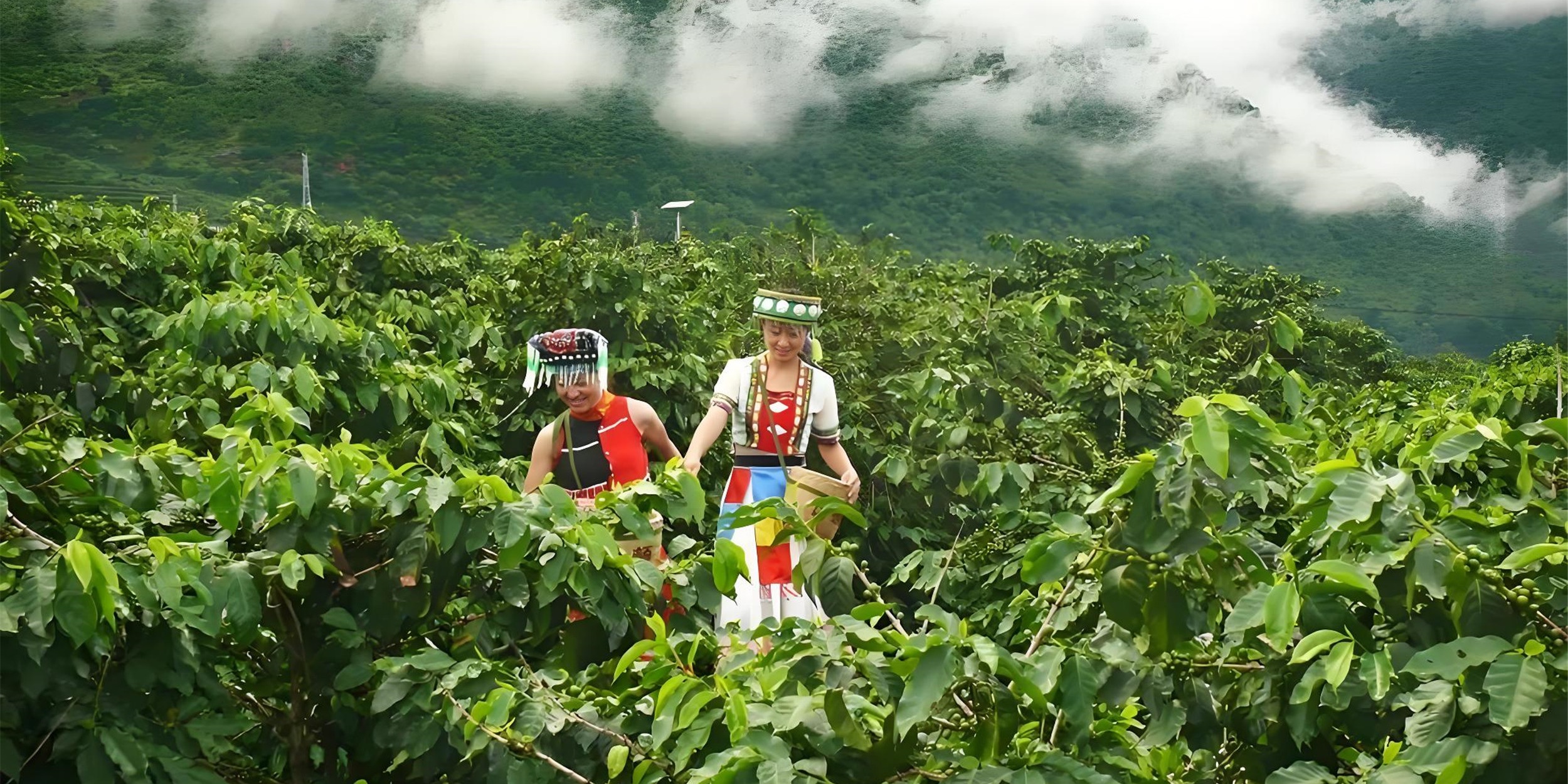
坐落于澜沧江沿岸的云南临沧市云县栗树彝族傣族乡大田山村,依托沿江区位优势,以党建引领发展,凝聚各族群众力量,完善基础设施,深耕精品咖啡主导产业。一颗颗咖啡豆,成为撬动本村沿江经济崛起、带动各族群众增收致富的核心密码。
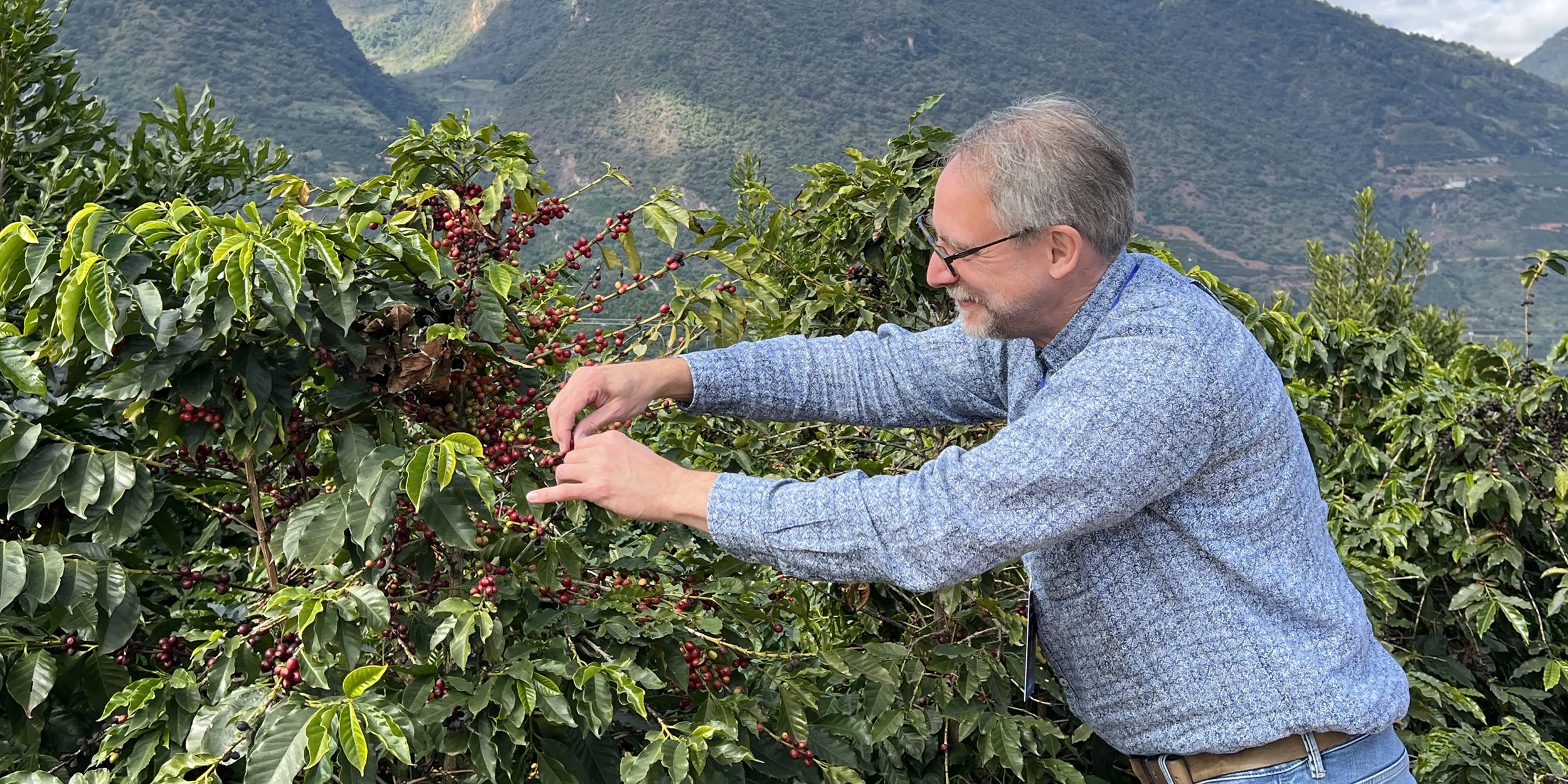
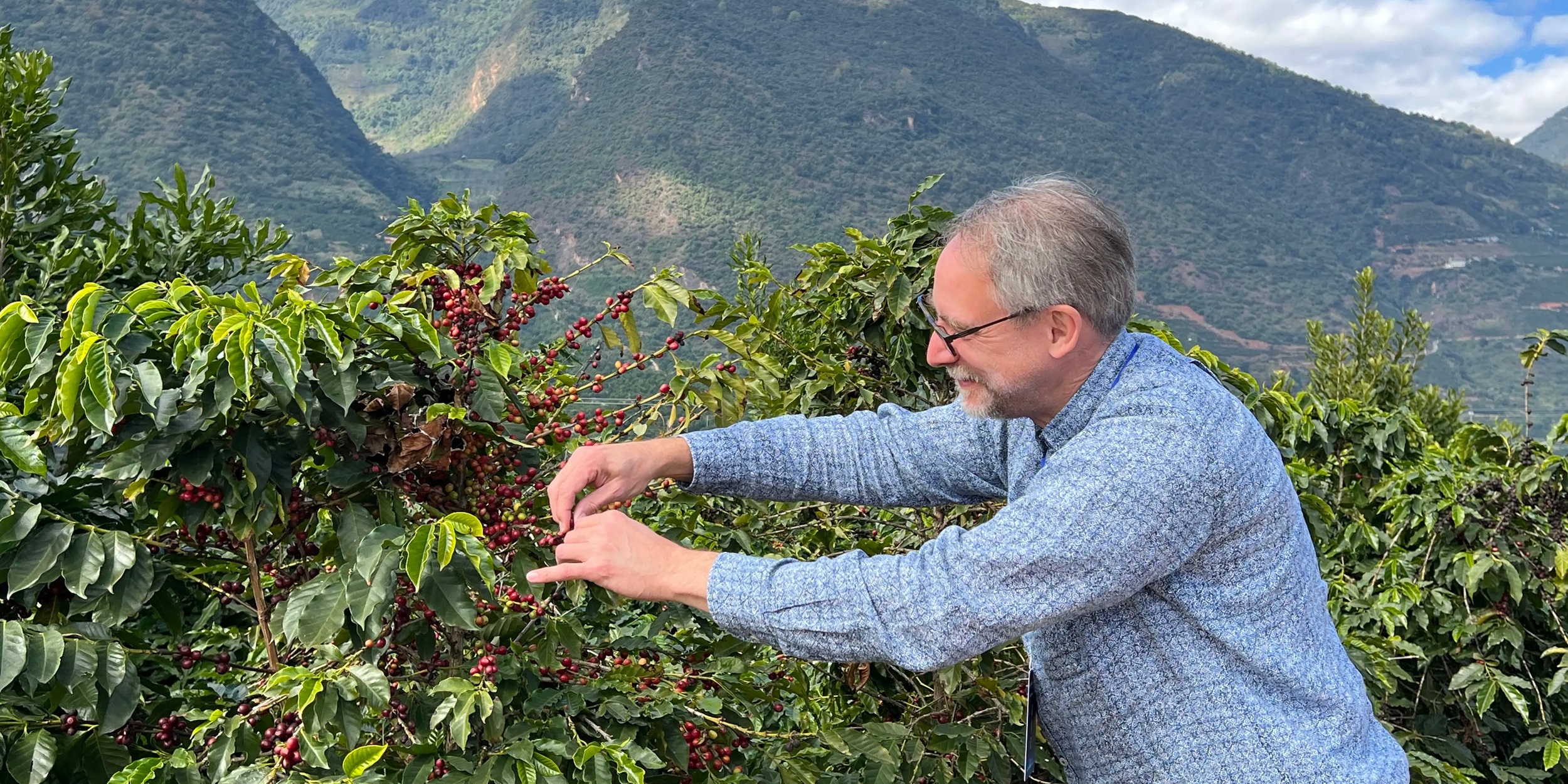
曾经的大田山村山高路远、交通闭塞、产业结构单一。村民仅靠种植玉米、茶叶等传统作物谋生,收入微薄,乡村发展后劲不足。为打破发展困局,村党支部充分发挥战斗堡垒作用,推行“党支部+合作社+企业+农户”联农带农模式。党员带头试种示范、普及技术、开拓市场,带动全村各族群众告别零散粗放种植,抱团发展规模化咖啡产业,筑牢特色产业发展根基。
早年落后的交通路网,造成咖啡鲜果运输损耗大、物流成本高,严重制约产业发展。近年来,该村统筹推进道路硬化、水利灌溉、电网升级等基建工程,畅通种植基地、加工厂与外部市场通道,真正把澜沧江沿江区位优势转化为产业发展优势,让深山优质咖啡豆畅销各地。
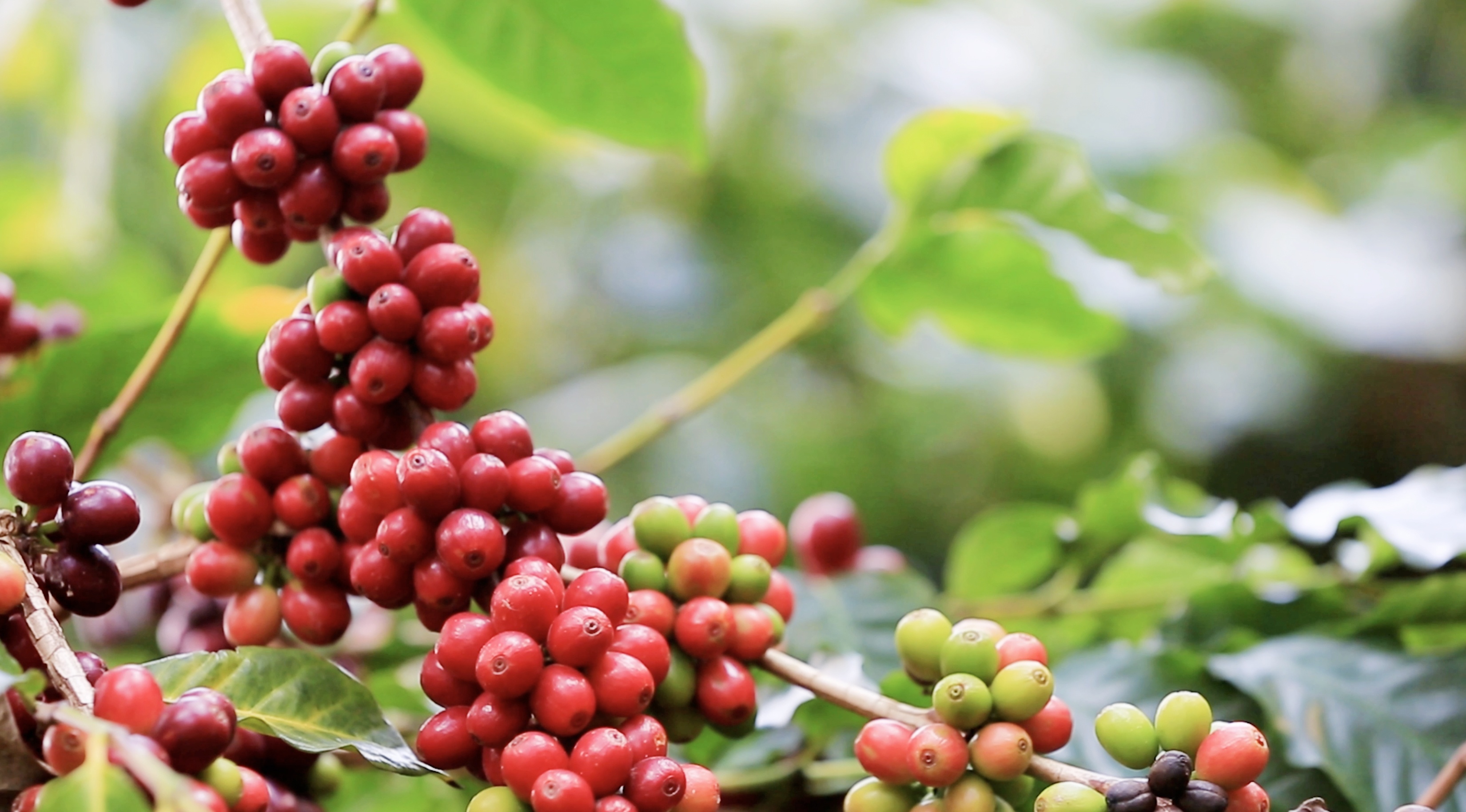
大田山村党支部书记、村主任杨芝伟介绍,澜沧江河谷得天独厚的水土气候,适配精品咖啡培育。村里择优推广市场认可度高的阿拉比卡小粒咖啡,产出咖啡豆风味饱满醇厚。目前全村285户农户参与种植,面积达2010亩。
针对产业链条短、仅售卖生豆附加值偏低的短板,大田山村抢抓招商引资、沪滇协作机遇,联动本土企业对接上海市场,延伸咖啡精深加工链条,配套鲜果处理、烘焙分装生产线,开发挂耳咖啡、咖啡酒、咖啡果皮茶等多元衍生产品。同步培育“栗树小粒咖啡”区域公共品牌,旗下持旭咖啡斩获省级生豆评比奖项,品牌知名度持续攀升。
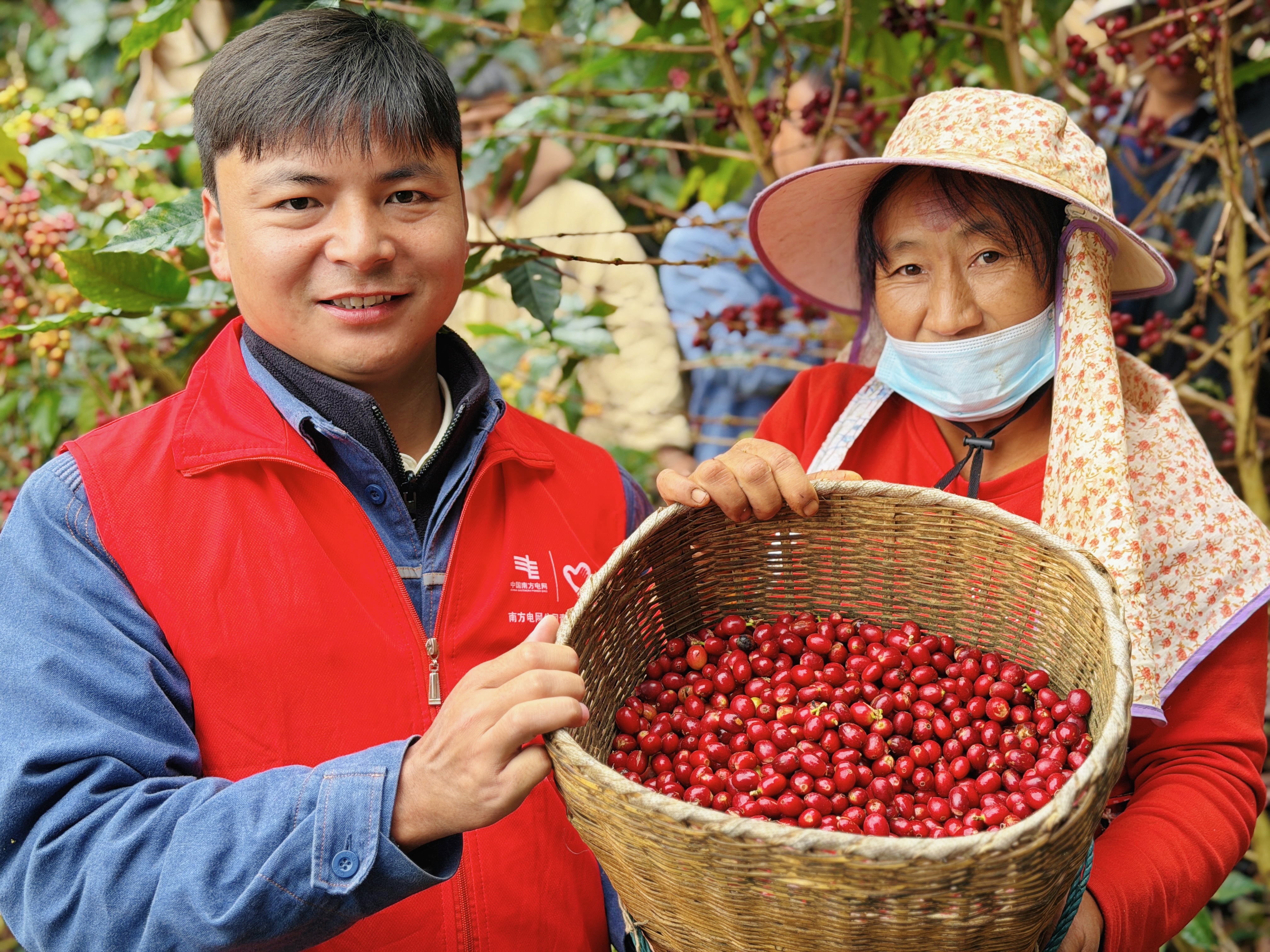
2025年,大田山村咖啡产业年产值达880万元,种植户人均收入6.5万元,人均增收4.6万元。咖啡产品线下进驻各地商超、一线城市精品门店,线上依托电商渠道销往全国各地。放眼栗树全乡,咖啡种植规模达2.39万亩,年产值突破5000万元。
立足全县层面,2025年,云县咖啡种植总面积5.59万亩,总产量4215吨,综合产值3.7亿元,带动1.27万户、4.83万名群众稳定增收。预计2026年全县咖啡产量提升至5500吨,产业效益持续攀升。大田山村的发展实践,成为云县沿江片区特色产业振兴鲜活样板。
一缕咖香萦绕澜沧江畔,大田山村走出党建引领、民族团结、产业兴村的特色振兴路。小小咖啡豆撑起富民大产业,为全县可持续发展提供了优秀乡村实践范例。
Datianshan Village, Lishu Yi and Dai Ethnic Township, Yun County, Lincang City, Yunnan Province, located along the Lancang River, relies on its advantageous location along the river to lead development through party building, gather the strength of various ethnic groups, improve infrastructure, and deeply cultivate the leading industry of specialty coffee. Each coffee bean has become the core password to drive the economic rise of the village along the Yangtze River and increase the income and wealth of all ethnic groups.
The former Datianshan Village had high mountains, long roads, blocked transportation, and a single industrial structure. Villagers rely solely on traditional crops such as corn and tea to make a living, with meager income and insufficient momentum for rural development. In order to break through the development dilemma, the village party branch fully plays the role of a fighting fortress and implements the "party branch+cooperative+enterprise+farmers" model of joint agriculture and rural development. Party members take the lead in trial planting demonstrations, popularizing technology, and exploring markets, driving all ethnic groups in the village to bid farewell to scattered and extensive planting, unite to develop a large-scale coffee industry, and build a solid foundation for the development of characteristic industries.
The outdated transportation network in the early years caused significant losses and high logistics costs in the transportation of coffee and fresh fruits, severely restricting the development of the industry. In recent years, the village has coordinated the promotion of infrastructure projects such as road hardening, water conservancy irrigation, and power grid upgrading, ensuring smooth access to planting bases, processing plants, and external markets. This has truly transformed the advantageous location along the Lancang River into an industrial development advantage, allowing high-quality coffee beans from deep mountains to sell well in various regions.
Yang Zhiwei, Secretary of the Party Branch and Village Director of Datianshan Village, introduced that the unique water and soil climate in the Lancang River Valley is suitable for cultivating high-quality coffee. The village selects and promotes Arabica coffee with high market recognition, producing coffee beans with full and mellow flavors. Currently, 285 households in the village are involved in planting, covering an area of 2010 acres.
In response to the shortcomings of the short industrial chain and low added value of only selling raw beans, Datianshan Village seized the opportunities of investment promotion and Shanghai Yunnan cooperation, linked local enterprises to connect with the Shanghai market, extended the coffee deep processing chain, matched fresh fruit processing, baking and packaging production lines, and developed diversified derivative products such as hanging ear coffee, coffee wine, coffee peel tea, etc. Simultaneously cultivating the regional public brand of "Chestnut Tree Small Grain Coffee", its subsidiary Zhixu Coffee has won the provincial green bean evaluation award, and the brand awareness continues to rise.
By 2025, the annual output value of the coffee industry in Datianshan Village will reach 8.8 million yuan, with a per capita income of 65000 yuan for growers and a per capita income increase of 46000 yuan. Coffee products are sold offline in supermarkets and boutique stores in first tier cities, and online through e-commerce channels to various parts of the country. Looking at the entire Chestnut Tree Township, the coffee planting scale has reached 23900 acres, with an annual output value exceeding 50 million yuan.
Based on the county level, by 2025, the total coffee planting area in Yun County will be 55900 mu, with a total output of 4215 tons and a comprehensive output value of 370 million yuan, driving stable income growth for 12700 households and 48300 people. It is expected that the coffee production in the county will increase to 5500 tons by 2026, and the industrial benefits will continue to rise. The development practice of Datianshan Village has become a vivid model for the revitalization of characteristic industries in the Yangtze River area of Yun County.
A wisp of coffee fragrance lingers along the banks of the Lancang River, and Datianshan Village has embarked on a unique path of revitalization led by party building, ethnic unity, and industrial development. The small coffee beans support the prosperity of the people and provide excellent rural practice examples for the sustainable development of the whole county.
Author: Shen Shichun, Wang Xin, Zhang Liang (Shen Shichun, Wang Xin, Zhang Liang)