中国精品咖啡十五年:Seesaw、Manner、M Stand为何结出了不同的果实?Fifteen years of premium coffee in China: Why did Seesaw, Manner, and M Stand produce different fruits?
AI导读
2026年咖啡市场风云变幻:瑞幸推出68元限量手冲被抢购一空,Seesaw却黯然破产。从Seesaw的极致专业、Manner的极致效率到M Stand的极致美学,中国精品咖啡三大品牌在消费升级与价格战夹击中走向不同命运——有人负重前行,有人轻装突围,唯有把握供应链与规模效应者方能穿越周期。
作者|黎巧
编辑|田甜
2026年的咖啡市场,库迪退出价格战,瑞幸向精品化摸高。
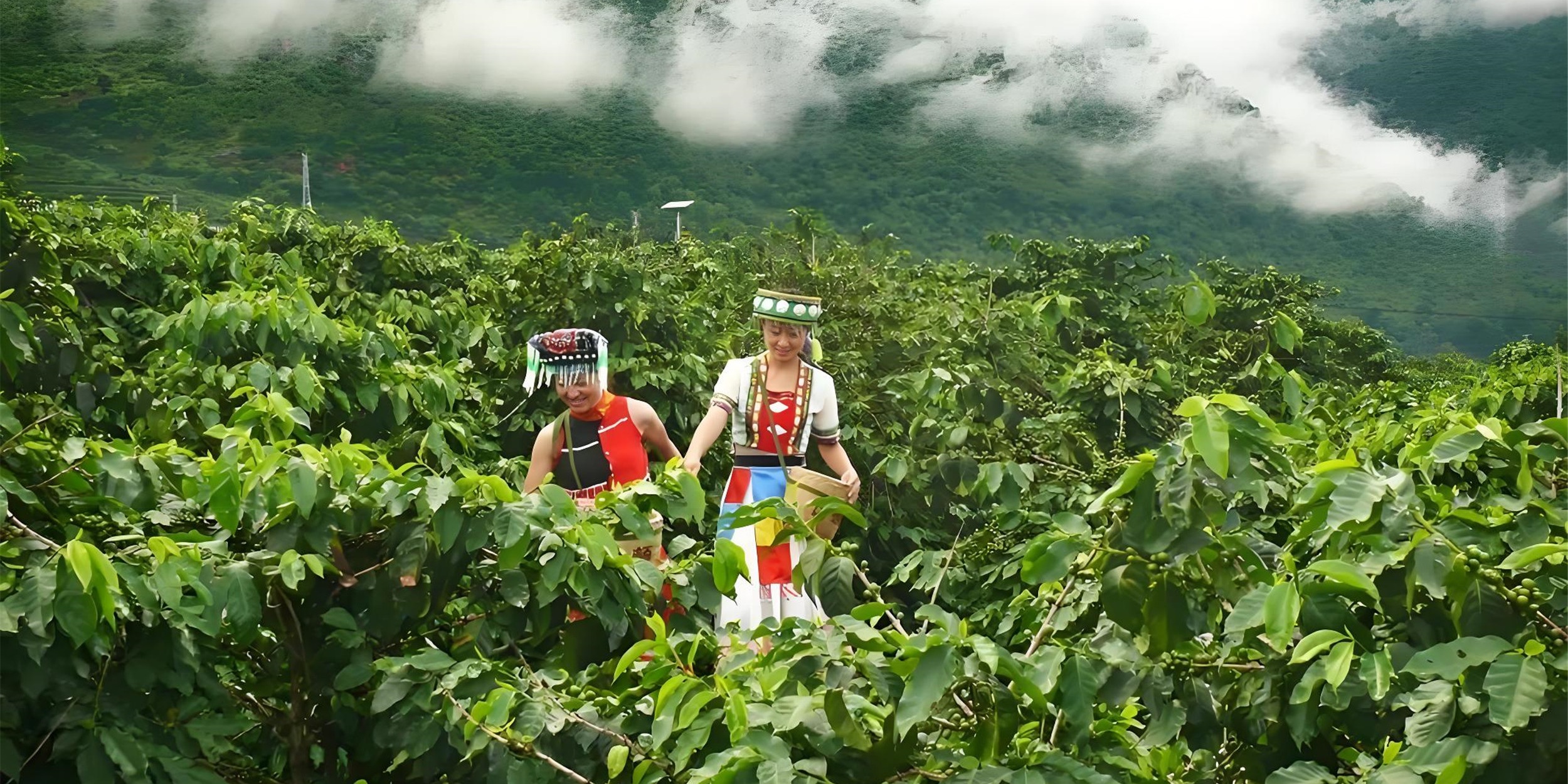
年初,瑞幸全国第30000家门店暨瑞幸原产地旗舰店,一款引入了2025首届云南瑰宝咖啡生豆大赛冠军豆(13150元/kg)的限量手冲,单杯定价高达68元,开业当天被抢空。大众消费者也在尝鲜中提升了对精品咖啡的认知。
但另一面,被视为中国精品咖啡启蒙者的Seesaw却在这个夏天正式破产清算。与此同时,曾让小红书看好的M Stand也放缓脚步,唯有Manner还在稳步扩张。
这让人不免困惑:明明咖啡的消费需求在升级,为什么精品咖啡品牌们却走上了不同的岔路?
01
空白市场里长出的精品咖啡店
当咖啡刻进日常消费习惯,再去回望Seesaw诞生的时代,多少有种沧海桑田之感。
2010年,周立波拉踩郭德纲:“一个吃大蒜的怎么可以和一个喝咖啡的在一起呢?”一句话挑起互联网南北战争。这从侧面体现了当时的消费观念,咖啡不仅是提神饮品,更代表了一种精致的生活方式。
但彼时大多数消费者对精致的理解,仍然停留在星巴克拿铁,或是上岛咖啡里的现磨蓝山。至于SCA(精品咖啡协会)定义的杯测分数≥80分,手冲、单一产区(SOE)这些晦涩术语,只有极少数小众爱好者才能说出门道。
2012年,和吴晓梅创立宗心旷Seesaw。他们踩中了本土精品咖啡的空白市场,成为上海第一家真正意义上的精品咖啡连锁雏形。
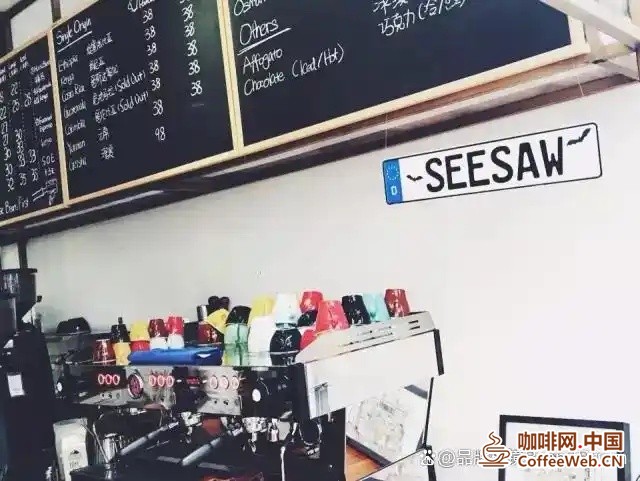
最早的门店隐藏于弄堂里的设计中心,门店没有固定租金,只有业绩抽成。投入很低,但Seesaw在精品咖啡产业链的布局却野心勃勃。
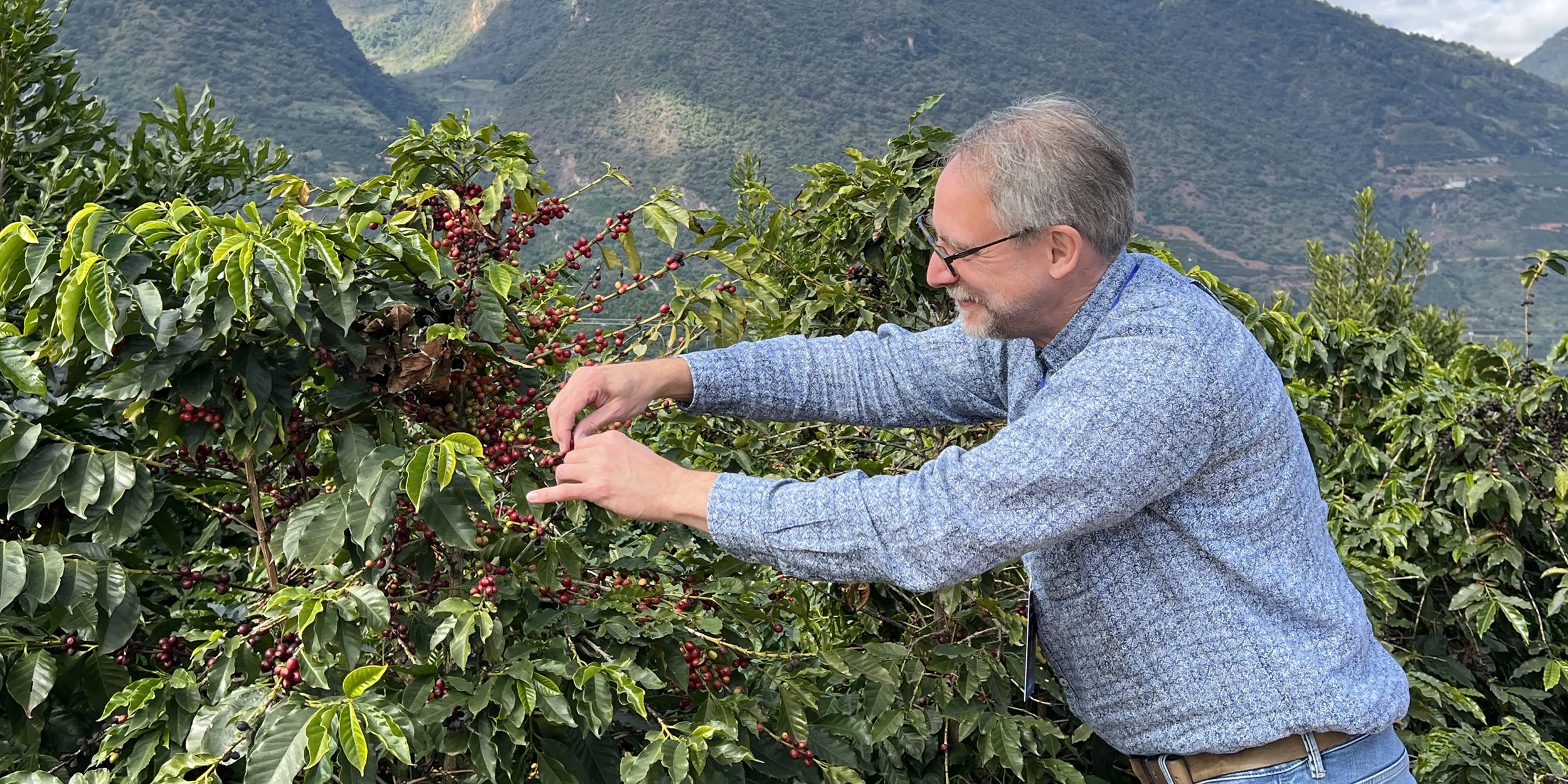
在产业链上游,当云南的咖农们还无法理解现磨和精品咖啡的区别时,Seesaw已经启动“云南十年计划”,在当地设立收豆站,帮扶咖农种植和处理技术。
在中游,自建烘焙实验室,成立“梦工厂咖啡学院”,专业体系化培训,为整个精品咖啡行业培养和输送人才。
在下游门店,Seesaw将门店打造成社区艺廊,最早的客户群体六七成都是职场女性,成为中产阶级生活方式的启蒙。
诞生于2015年的Manner,和Seesaw的模式截然相反,它最初只是一家仅有2㎡的外带街边小店。
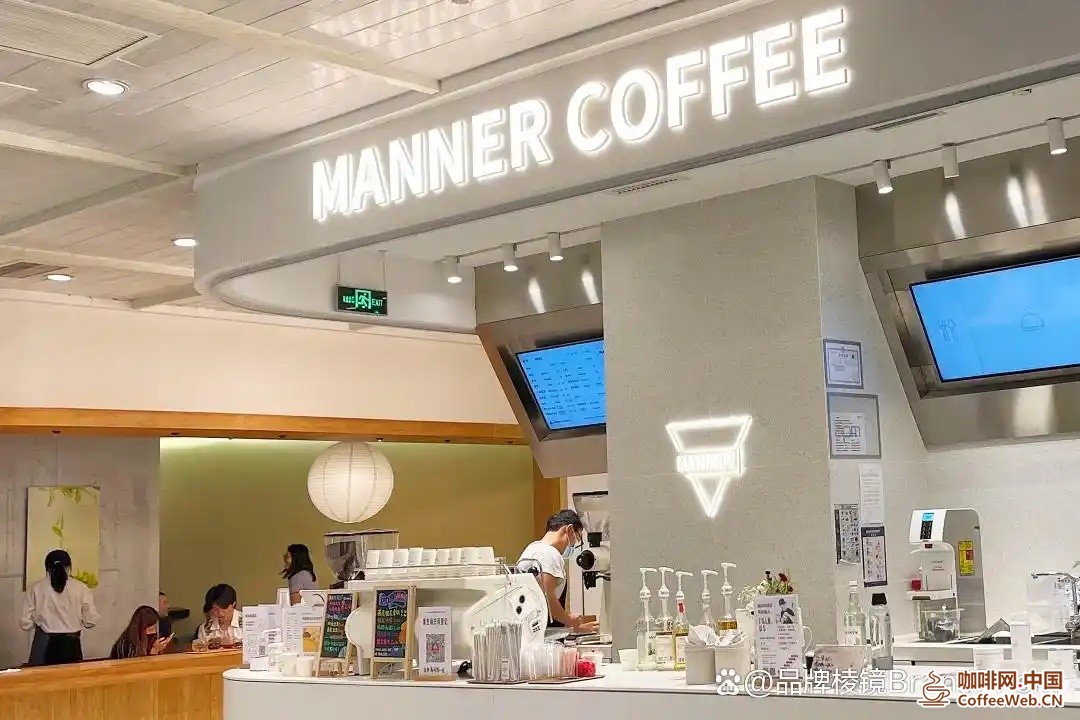
彼时,瑞幸还未诞生,星巴克占据30元以上价格带,韩系咖啡陷入同质化竞争。Manner精准捕捉到白领“不需要第三空间,只想喝一杯好咖啡”的刚需,大刀阔斧砍掉空间成本,只保留精品咖啡豆的核心价值。
Manner确立了SOE豆、7天鲜烘的硬标准,但靠着低成本和供应链,它把精品咖啡价格打到了地板价。
当时Seesaw的意式线价格在25-35之间,而Manner的拿铁仅需20元,自带杯还能再减5元。
正是这种窗口店和高周转的经营模式,让Manner早于瑞幸三年就完成了一次效率革命。
如果说Seesaw代表极致的专业理想,Manner代表极致的运营效率,2017年闯入的M Stand则代表极致的美学追求。
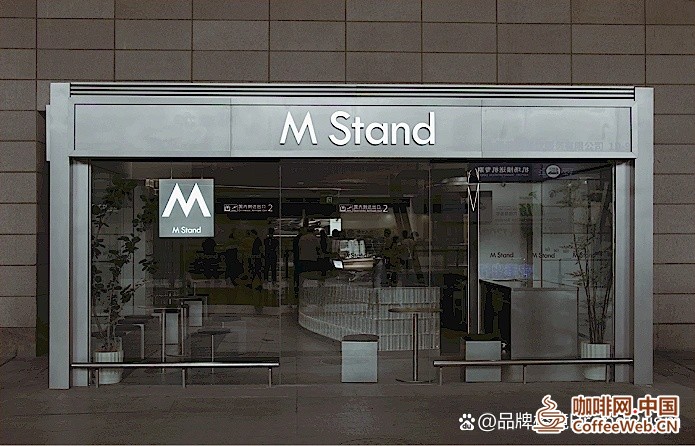
M Stand的创始人葛冬,有着 LVMH 的战略顾问背景,他瞄准的是类似喜茶的网红潮牌,而非纯血精品咖啡。
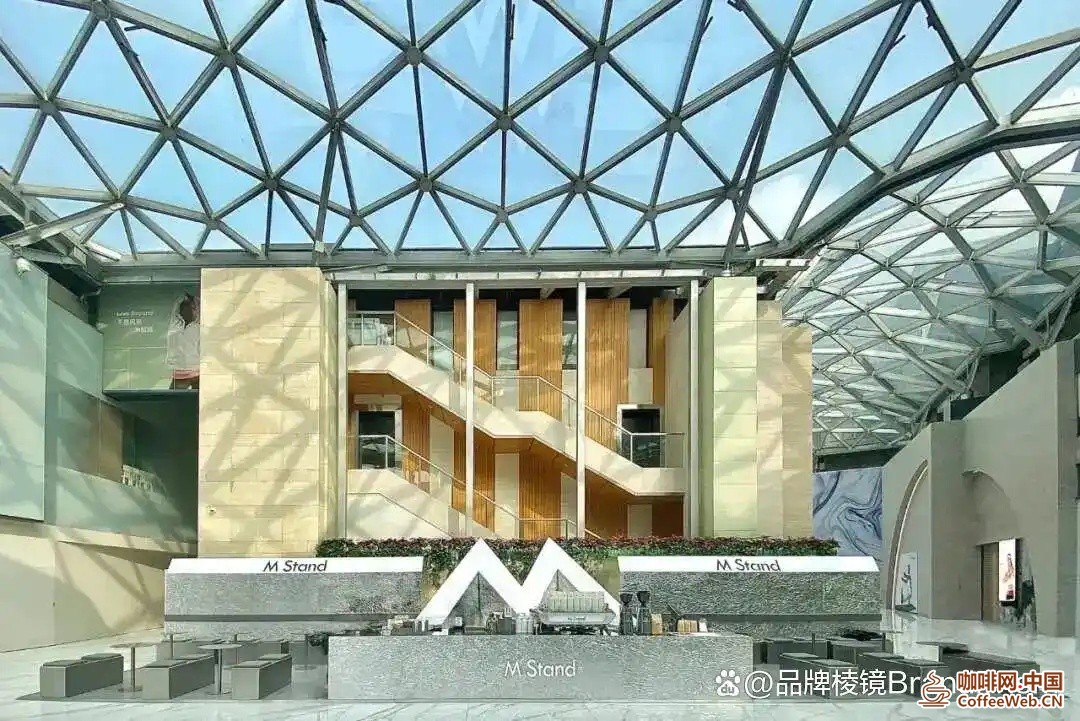
M Stand不死磕单一产区,核心都聚焦在了美学设计上。从第一家店开始就走一店一设计路线。工业风水泥墙、极简风原木桌椅、性冷淡风软装……每一家店随手一拍就能出片。葛冬管这套打法叫“美学驱动传播”,不用额外营销,靠小红书、抖音传播就自带流量。
2012年到2017年,正是中国消费市场升级的时间节点。乘着这股劲风,三个玩家共同完成了一次本土精品咖啡从0到1的市场启蒙。
02
9.9元时代,精品咖啡的三岔路口
2017年是热钱涌动的美好时代,喜茶和奈雪A轮融资上亿。本土精品咖啡对标的Blue Bottle也被雀巢收购多数股权,在消费蓬勃的时代,资本相信精品咖啡的潜力。
2017年,Seesaw拿到了百福控股和弘毅投资的4500万元;2018年,Manner拿到今日资本8000万元投资;2021年,CMC资本、启承资本、黑蚁资本、高榕资本悉数入局,M Stand完成超6亿元融资。
一切欣欣向荣。只是没有人会预料到,消费降级叠加9.9元咖啡价格战,竟让本土精品咖啡的三大品牌走向不同道路。
Seesaw在融资的春天,将资金投入到了开店这件事上。主力店型是100㎡以上的大店,一店一设,筹备期长达三四个月,从设计到装修,每一步都投入巨大。
对咖啡手冲技艺的追求,意味着出杯效率慢,人力成本高。30—40元的中间地带价格,不上不下,受9.9元咖啡冲击强烈。
2023年前,Seesaw依然坚持直营,默默扛下所有的成本压力。
Seesaw想过模仿星巴克,靠规模化摊薄成本,但星巴克在全球有四万家店铺,早就形成规模效应,而Seesaw2022年底仅有162家门店。每增加一家店,就等于在9.9元价格战中,多了一个沉重的成本包袱。
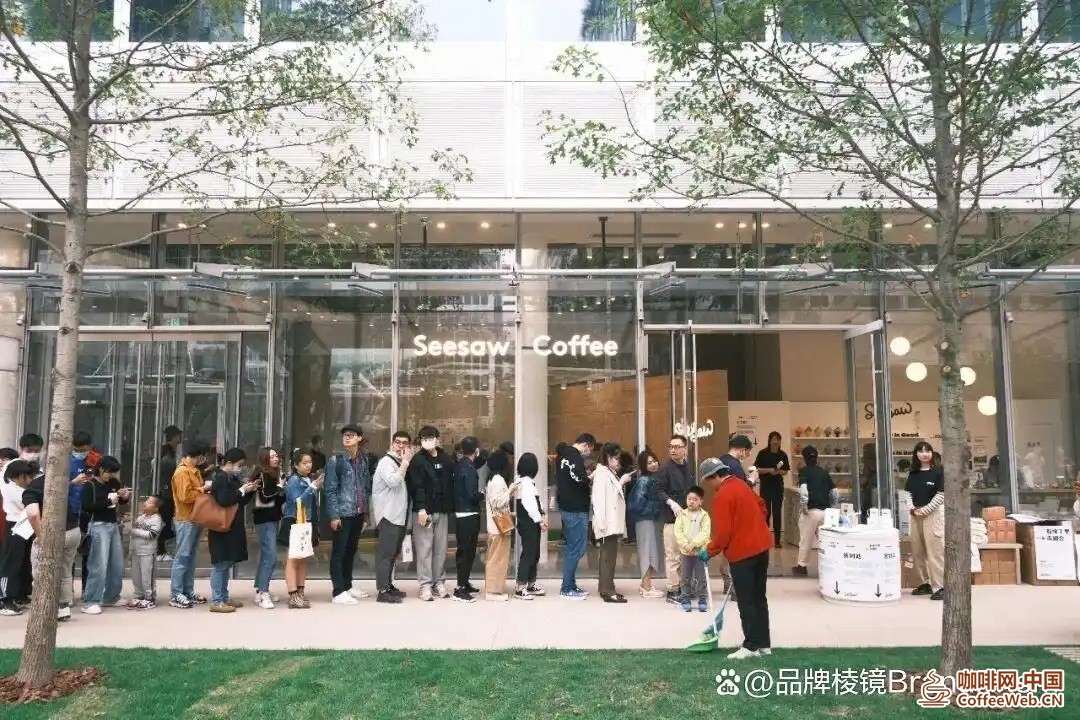
资金链千疮百孔,2023年下半年,Seesaw开始出现大规模闭店。2026年7月,窄门餐眼数据显示,Seesaw全国在营门店仅剩32家,四年关闭超过100家。2022 年那句"咖啡界lululemon"的野望,最终只能成为价格战里的一声叹息。
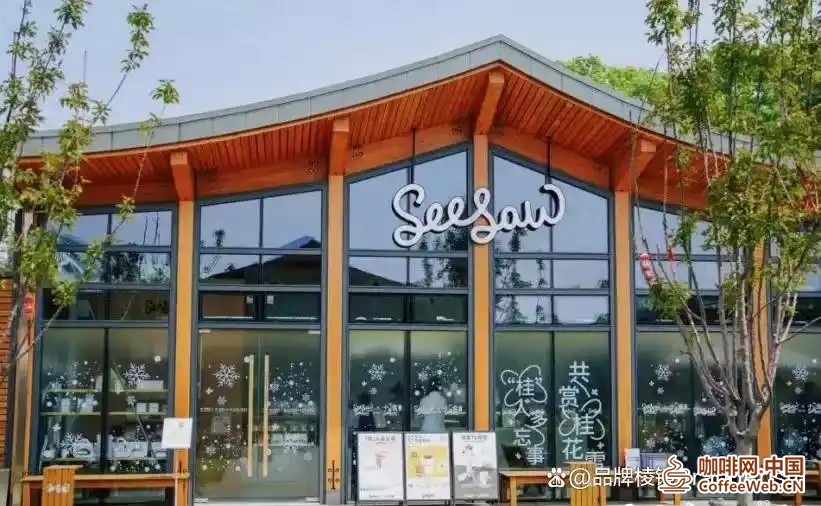
和Seesaw一样定价在35—45元的M Stand,显然也在价格战中受到不小冲击。但主打空间美学的M Stand投入比Seesaw轻得多,它不强调纯血精品咖啡,因此在豆子、烘焙和人力成本方面投入更少。
为了减少冲击,M Stand也放缓了自己的扩张脚步。根据窄门餐眼数据,2023年新开店铺251家,2024年新开店铺90家,2025年新开店铺83家。
除此之外,M Stand还推出了汉堡、小吃,延长经营时段;增加了文创、鞋服周边产品,开拓增长曲线。对M Stand来说,咖啡只是钩子,真正赚钱的是高客单价的特调、甜品和周边。
三个品牌里活得相对舒服的还是要属Manner。
2018年拿到今日资本投资后,Manner除了扩店之外,把部署的重点落在了供应链上。精品咖啡风味如何,原料、烘焙技艺极为重要。Manner自建烘焙工厂,将咖啡豆的品质和供应握在自己手中。
品控稳定后,Manner迈开步子扩店。2023 新开 512 家,2024 新开 655 家,2025 新开 450 家,2025年,全国直营门店超过2400家。有了规模效应,Manner供应链成本优势凸显,从而可以确保价格优势。靠着性价比精品咖啡,Manner在价格战中找到了生存空间,证明了精品和规模并非只能二选一。
03
精品咖啡向何处去?
2015年,Manner捕捉到了职场人群对日常好咖啡的饮用需求,切入平价精品咖啡的赛道。到了2026年,瑞幸也开始复制这个故事,试探着向精品化迈步。
其实,瑞幸的精品化之路,并非源于今年。
早在2020年,瑞幸就推出了SOE产品线“小黑杯”系列,把单一产区的概念带到大众面前;2023年,开启“全球寻豆之旅”计划,组建瑞幸WBC 冠军大师团队,深度介入产业链上游,在云南保山创立鲜果处理厂,在全球最大阿拉比卡咖啡豆生产国巴西大规模集采,并建设高品质种植基地。
苦练内功多年,瑞幸的精品化野心终于在今年被更多人看见。
2026年2月,第30000家店“原产地旗舰店”在深圳落地,420㎡的大店,展示全球咖啡豆原产地布局,专业咖啡师现场手冲,平价瑞幸看上去一副高攀不起的样子。
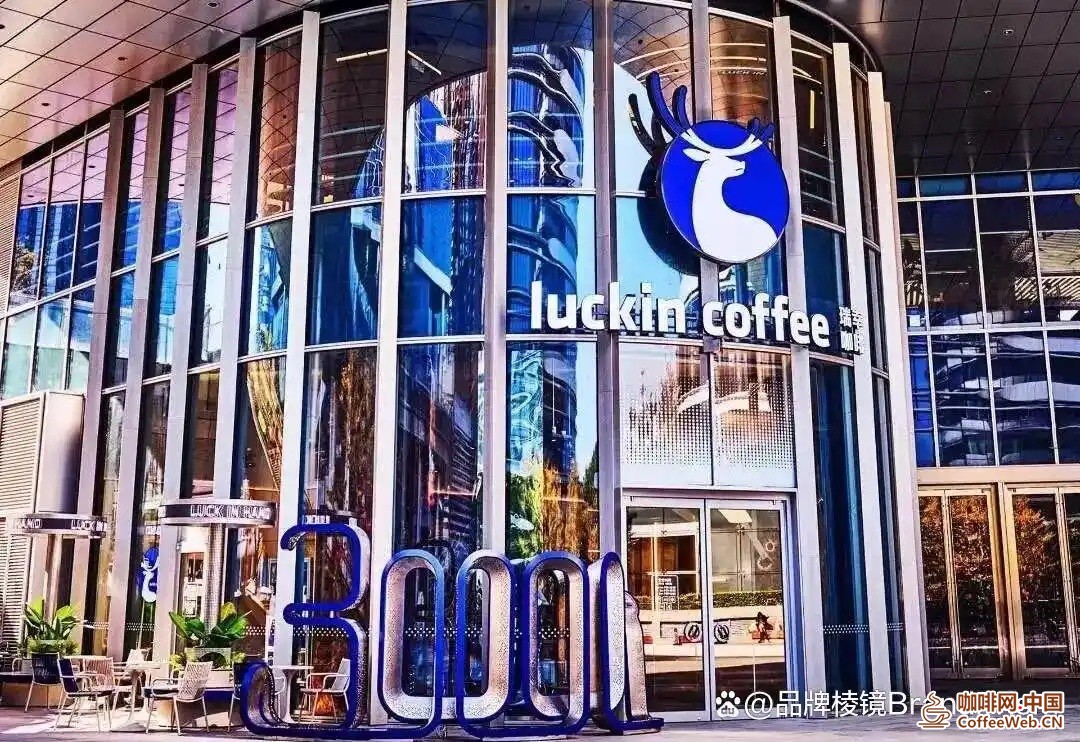
瑞幸升咖,最应该感到紧张的当然还是Manner。
小黑杯SOE价格在16—21元之间,而Manner的SOE价格在20—25之间,瑞幸直接挤压了Manner的这部分市场。而瑞幸在供应链上的话语权优势,对Manner更是降维打击。
这样的背景下,精品咖啡究竟往何处去?皮爷咖啡的活法,或许是参考样本。
红餐产业研究院的《现制饮品创新趋势报告2024》显示,近80%的消费者倾向于10—20元的现制饮品,而接受25元以上的仅剩4%。
皮爷咖啡瞄准的正是这4%的价格不敏感人群。产品线推出精品蓝山、瑰夏系列单品,靠季节限定和本土化特调,避开价格战,守住40元左右的价格带。
这是往上探,往下皮爷咖啡推出了副牌Ora Coffee,价格带在15—20元之间,直接对标Manner。
此外,皮爷咖啡的第二增长曲线零售业务表现亮眼。
皮爷咖啡零售总经理陈皓在今年的采访中表示,目前包装类产品在整个皮爷中国区业务营收占比已经超过30%。通过盒马、山姆等零售渠道,售卖精品即饮咖啡。这样一来,消费人群就从精品咖啡的小众爱好者,拓宽为中产家庭。精品咖啡,也从考究的生活方式,变成随手一杯的日常。
Manner显然也在上探。今年4月,SOE产品线单价上涨至25—30元。官方给出的理由是:选用品质更优的咖啡豆,为消费者提供更出色的风味体验。在感知到瑞幸精品化的威胁后,Manner正努力提升产品力。
根据2026上海国际咖啡文化节上发布的《2026中国城市咖啡发展报告》,2025年中国咖啡产业规模已经达到3549亿元,咖啡豆成交额增速高达140.38%,远超速溶咖啡的69.05%。
瑞幸的精品化将为精品咖啡带来更多客流,精品咖啡市场无疑蕴藏巨大潜力。品牌或发掘特色,守住品质,提升价值;或开辟第二增长曲线,让精品咖啡品牌不必局限于连锁门店,还能够在超市货架上找到更多增长空间。
但无论哪个方向,处于中间地带的平庸之辈,日子都不会好过。
AI Introduction
The coffee market is changing rapidly in 2026: Luckin Coffee's 68 yuan limited edition hand punch was sold out, while Seesaw went bankrupt. From Seesaw's ultimate professionalism, Manner's ultimate efficiency to M Stand's ultimate aesthetics, the three major Chinese specialty coffee brands are heading towards different fates in the midst of consumer upgrading and price wars - some are carrying heavy loads, while others are breaking through with light equipment. Only those who grasp the supply chain and scale effects can cross the cycle.
Author | Li Qiao
Editor | Tian Tian
In the coffee market of 2026, Kudi will withdraw from the price war, while Luckin Coffee will strive for excellence.
At the beginning of the year, Luckin Coffee's 30000th nationwide store and flagship store of Luckin Coffee's origin introduced a limited edition hand punch featuring the champion beans from the first Yunnan Treasure Coffee Green Bean Competition in 2025 (13150 yuan/kg). The single cup price was as high as 68 yuan, but it was sold out on the opening day. The general public has also increased their awareness of premium coffee through tasting.
On the other hand, Seesaw, regarded as the pioneer of Chinese boutique coffee, officially went bankrupt and liquidated this summer. At the same time, M Stand, which was once favored by Xiaohongshu, has also slowed down its pace, while only Manner is steadily expanding.
This inevitably confuses people: even though the demand for coffee consumption is upgrading, why are boutique coffee brands taking different paths?
01
A boutique coffee shop growing in a blank market
When coffee is engraved into daily consumption habits, looking back at the era when Seesaw was born, there is a sense of change and upheaval.
In 2010, Zhou Libola stepped on Guo Degang and said, "How can a garlic eater and a coffee drinker be together?" This sentence provoked the Internet Civil War. This indirectly reflects the consumption concept at that time, where coffee was not only a refreshing drink, but also represented a refined way of life.
But at that time, most consumers' understanding of refinement still remained at Starbucks latte or freshly ground Blue Mountain in Island coffee. As for the SCA (Specialty Coffee Association) definition of cup test scores ≥ 80, obscure terms such as hand brew and single origin (SOE) can only be understood by a very small number of niche enthusiasts.
In 2012, he founded Zong Xinkuang Seesaw with Wu Xiaomei. They stepped into the blank market of local specialty coffee and became the first true prototype of a specialty coffee chain in Shanghai.
The earliest stores were hidden in the design center in the alleyway, with no fixed rent and only a commission on performance. The investment is very low, but Seesaw's layout in the boutique coffee industry chain is ambitious.
In the upstream of the industry chain, when coffee farmers in Yunnan were still unable to understand the difference between freshly ground and premium coffee, Seesaw had already launched the "Yunnan Ten Year Plan" to set up bean harvest stations locally to assist coffee farmers in planting and processing technology.
In the midstream, we have built our own baking laboratory and established the "DreamWorks Coffee Academy" to provide professional and systematic training, cultivating and delivering talents for the entire boutique coffee industry.
In downstream stores, Seesaw has transformed them into community art galleries, with 60-70% of its initial customer base being working women, becoming an inspiration for the middle-class lifestyle.
Manner, born in 2015, has a completely opposite model to Seesaw. Initially, it was just a small street side shop with only 2 square meters of outdoor space.
At that time, Luckin Coffee had not yet been born, Starbucks occupied the price range of over 30 yuan, and Korean coffee was caught in homogeneous competition. Manner accurately captured the urgent need of white-collar workers who do not need a third space and only want to have a good cup of coffee, cutting down space costs and retaining only the core value of premium coffee beans.
Manner established the hard standard of SOE beans and 7-day fresh roasting, but with low cost and supply chain, it pushed the price of premium coffee to floor price.
At that time, Seesaw's Italian line was priced between 25-35 yuan, while Manner's latte was only 20 yuan, and bringing a cup could save an additional 5 yuan.
It is this window store and high turnover business model that enabled Manner to complete an efficiency revolution three years earlier than Luckin.
If Seesaw represents the ultimate professional ideal, Manner represents the ultimate operational efficiency, and the 2017 M Stand represents the ultimate aesthetic pursuit.
The founder of M Stand, Ge Dong, has a background as a strategic consultant for LVMH. He is targeting internet famous trendy brands like Heytea, rather than pure blood specialty coffee.
M Stand is not limited to a single production area, with a focus on aesthetic design at its core. Starting from the first store, we will follow the route of one store, one design. Industrial feng shui mud walls, minimalist wooden tables and chairs, and cool toned soft furnishings... Every store can easily produce a photo with just a snap. Ge Dong calls this method "aesthetic driven communication". It does not need additional marketing. It relies on Xiaohongshu and Tiktok to carry its own traffic.
From 2012 to 2017, it was the time period for the upgrading of the Chinese consumer market. Riding on this strong wind, the three players jointly completed a market enlightenment of local specialty coffee from 0 to 1.
02
9.9 yuan era, the three-way intersection of boutique coffee
2017 is a beautiful era of hot money surging, with HEYTEA and Nayuki raising over 100 million yuan in Series A financing. Blue Bottle, a benchmark for local specialty coffee, has also been acquired by Nestle for a majority stake. In an era of booming consumption, capital believes in the potential of specialty coffee.
In 2017, Seesaw received 45 million yuan from Baifu Holdings and Hongyi Investment; In 2018, Manner received an investment of 80 million yuan from Today's Capital; In 2021, CMC Capital, Qicheng Capital, Black Ant Capital, and Gaorong Capital all entered the market, and M Stand completed over 600 million yuan in financing.
Everything is thriving. However, no one expected that the combination of consumer downgrades and a 9.9 yuan coffee price war would lead the three major local specialty coffee brands to different paths.
Seesaw invested funds into opening a store during the spring of financing. The flagship store type is a large store of over 100 square meters, with one store and one setup. The preparation period lasts for three to four months, and every step from design to decoration requires huge investment.
The pursuit of handcrafted coffee brewing techniques means slow cup making efficiency and high labor costs. The price in the middle zone of 30-40 yuan is neither up nor down, strongly impacted by the 9.9 yuan coffee.
Before 2023, Seesaw will still adhere to direct operation and silently bear all cost pressures.
Seesaw has considered imitating Starbucks and diluting costs through scale, but Starbucks has 40000 stores worldwide and has already formed economies of scale, while Seesaw only had 162 stores by the end of 2022. Every additional store adds a heavy cost burden to the 9.9 yuan price war.
The funding chain is riddled with holes, and in the second half of 2023, Seesaw will begin to experience large-scale store closures. In July 2026, according to data from Narrow Gate Restaurant, Seesaw had only 32 operating stores nationwide, with over 100 closed in four years. The wild hope of "lululemon in the coffee industry" in 2022 can only become a sigh in the price war.
The M Stand, priced at 35-45 yuan like Seesaw, has clearly been hit hard by the price war. But the M Stand, which focuses on spatial aesthetics, requires much less investment than Seesaw. It does not emphasize pure blood premium coffee, so it invests less in beans, baking, and labor costs.
In order to reduce the impact, M Stand has also slowed down its expansion pace. According to data from Narrow Gate Restaurant, there will be 251 new stores opened in 2023, 90 new stores opened in 2024, and 83 new stores opened in 2025.
In addition, M Stand has also launched hamburgers and snacks, extending its operating hours; Added cultural and creative products, footwear and apparel peripheral products, and explored growth curves. For M Stand, coffee is just a hook, and what really makes money are high priced specialties, desserts, and merchandise.
Among the three brands, the one that lives relatively comfortably still belongs to Manner.
After receiving today's capital investment in 2018, Manner not only expanded its stores, but also focused its deployment on the supply chain. The flavor of premium coffee depends heavily on the ingredients and roasting techniques used. Manner builds its own roasting factory and takes control of the quality and supply of coffee beans.
After stabilizing the quality control, Manner took steps to expand its stores. 512 new stores will be opened in 2023, 655 new stores will be opened in 2024, 450 new stores will be opened in 2025, and by 2025, there will be over 2400 directly operated stores nationwide. With economies of scale, Manner's supply chain cost advantage is highlighted, ensuring price advantages. By relying on the cost-effectiveness of premium coffee, Manner has found survival space in the price war, proving that quality and scale are not the only two options.
03
Where does boutique coffee go?
In 2015, Manner captured the daily demand for good coffee among the working class and entered the field of affordable boutique coffee. In 2026, Luckin Coffee will also begin to replicate this story and explore the path towards refinement.
In fact, Luckin's path to refinement did not originate from this year.
As early as 2020, Luckin Coffee launched the SOE product line "Little Black Cup" series, bringing the concept of a single production area to the public; In 2023, we will launch the "Global Search for Beans" program, form the Luckin WBC Champion Master Team, deeply intervene in the upstream of the industry chain, establish a fresh fruit processing plant in Baoshan, Yunnan, conduct large-scale centralized procurement in Brazil, the world's largest producer of Arabica coffee beans, and build high-quality planting bases.
After years of hard training in internal skills, Luckin's ambition for excellence has finally been seen by more people this year.
In February 2026, the 30000th "Origin Flagship Store" will be established in Shenzhen, a 420 square meter large store showcasing the global coffee bean origin layout. Professional baristas will conduct on-site operations, and Luckin Coffee's affordable prices will give it an unbeatable appearance.
Of course, the one who should feel the most nervous about Luckin Coffee's promotion is still Manner.
The SOE price of Xiaohei Cup is between 16-21 yuan, while Manner's SOE price is between 20-25 yuan, which directly squeezes Manner's market share. And Luckin's dominant position in the supply chain has dealt a blow to Manner in terms of dimensionality reduction.
In this context, where is boutique coffee heading? The way Piye Coffee works may be a reference sample.
According to the "Innovation Trend Report on Ready made Beverages 2024" by the Red Meal Industry Research Institute, nearly 80% of consumers prefer freshly made beverages priced between 10-20 yuan, while only 4% accept drinks priced above 25 yuan.
Piye Coffee targets the 4% price insensitive population. The product line launches premium Blue Mountain and Guixia series items, relying on seasonal restrictions and localized special adjustments to avoid price wars and maintain the price range of around 40 yuan.
This is an upward trend, and now the sub brand Ora Coffee has been launched by Xiapi Ye Coffee, with a price range of 15-20 yuan, directly benchmarking against Manner.
In addition, the second growth curve of Piye Coffee's retail business has shown impressive performance.
Chen Hao, the General Manager of Piye Coffee Retail, stated in an interview this year that packaging products currently account for over 30% of Piye's business revenue in the entire China region. Sell premium ready to drink coffee through retail channels such as Hema and Sam. In this way, the consumer group has expanded from niche enthusiasts of specialty coffee to middle-class families. Premium coffee has also transformed from a refined lifestyle to a casual cup for daily use.
Manner is obviously also investigating. In April of this year, the unit price of SOE product line increased to 25-30 yuan. The official reason is to choose coffee beans of higher quality to provide consumers with a better flavor experience. After sensing the threat of Luckin's refinement, Manner is working hard to enhance its product capabilities.
According to the "2026 China Urban Coffee Development Report" released at the 2026 Shanghai International Coffee Culture Festival, the scale of China's coffee industry has reached 354.9 billion yuan by 2025, with a growth rate of 140.38% in coffee bean transactions, far exceeding the 69.05% of instant coffee.
Luckin Coffee's specialization will bring more customers to the premium coffee market, which undoubtedly has enormous potential. Brand or explore unique features, maintain quality, and enhance value; Or open up a second growth curve, allowing boutique coffee brands to not be limited to chain stores, but also find more growth space on supermarket shelves.
But no matter which direction, mediocre people in the middle ground will never have a good time.