喊话叶国富:“自营咖啡”虽是乌龙,但名创卖咖啡有N种玩法Shouting to Ye Guofu: Although "self operated coffee" is a mistake, there are N ways for Miniso to sell coffee
文 | 娱乐资本论,作者 | 豆腐
近期,名创优品被曝开始卖咖啡了。
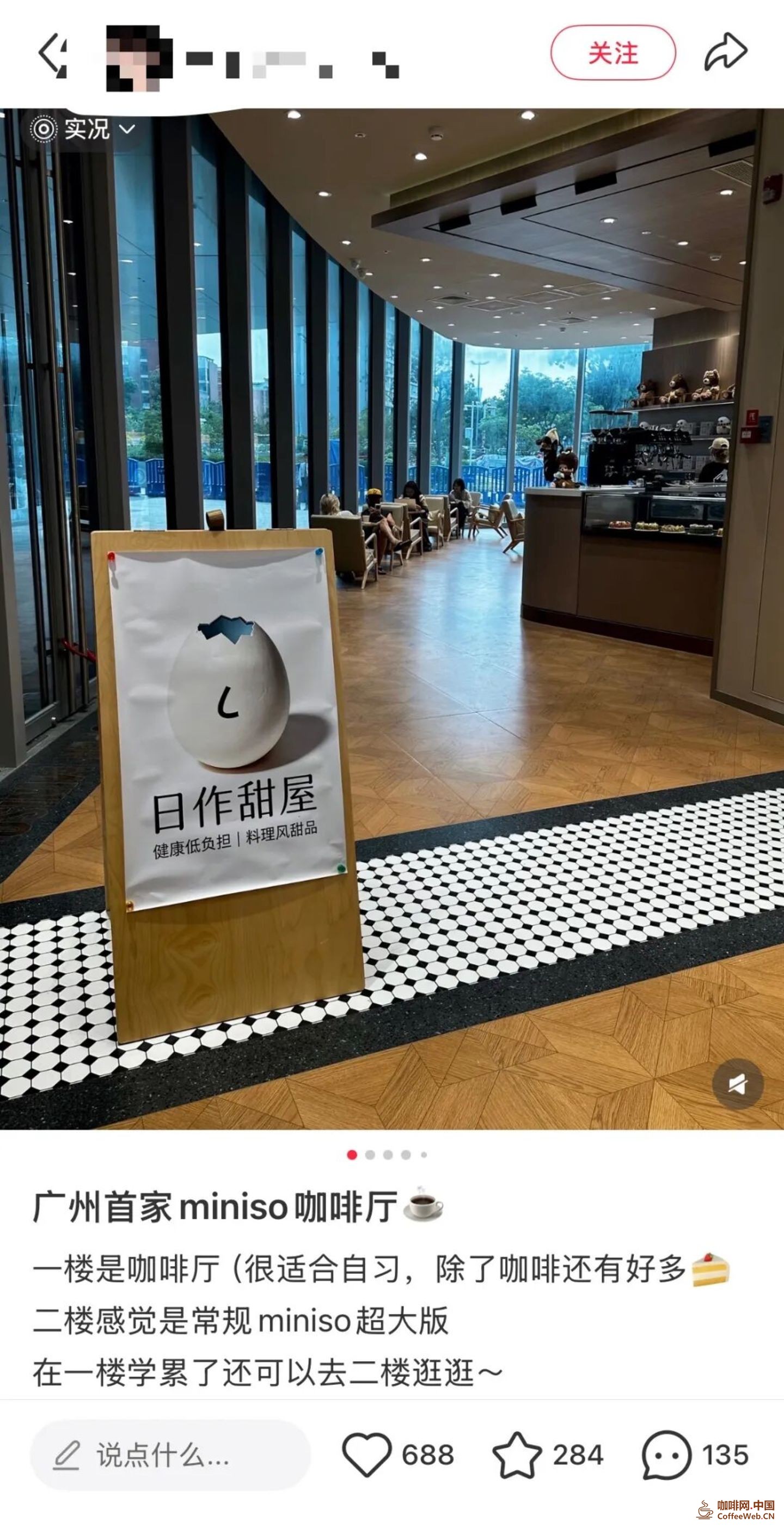
起因是广州首家“SUPER MINISO超级门店”推出了饮品和甜点,且价格并不低,客单价在19~39元之间。最便宜的是售价19元的美式咖啡,蛋糕普遍在30元左右,Gelato香水椰系列(冰淇淋)双球定价39元。较高的定价及“进军餐饮业务”的苗头,使得该消息很快就吸引了消费者和行业的关注。
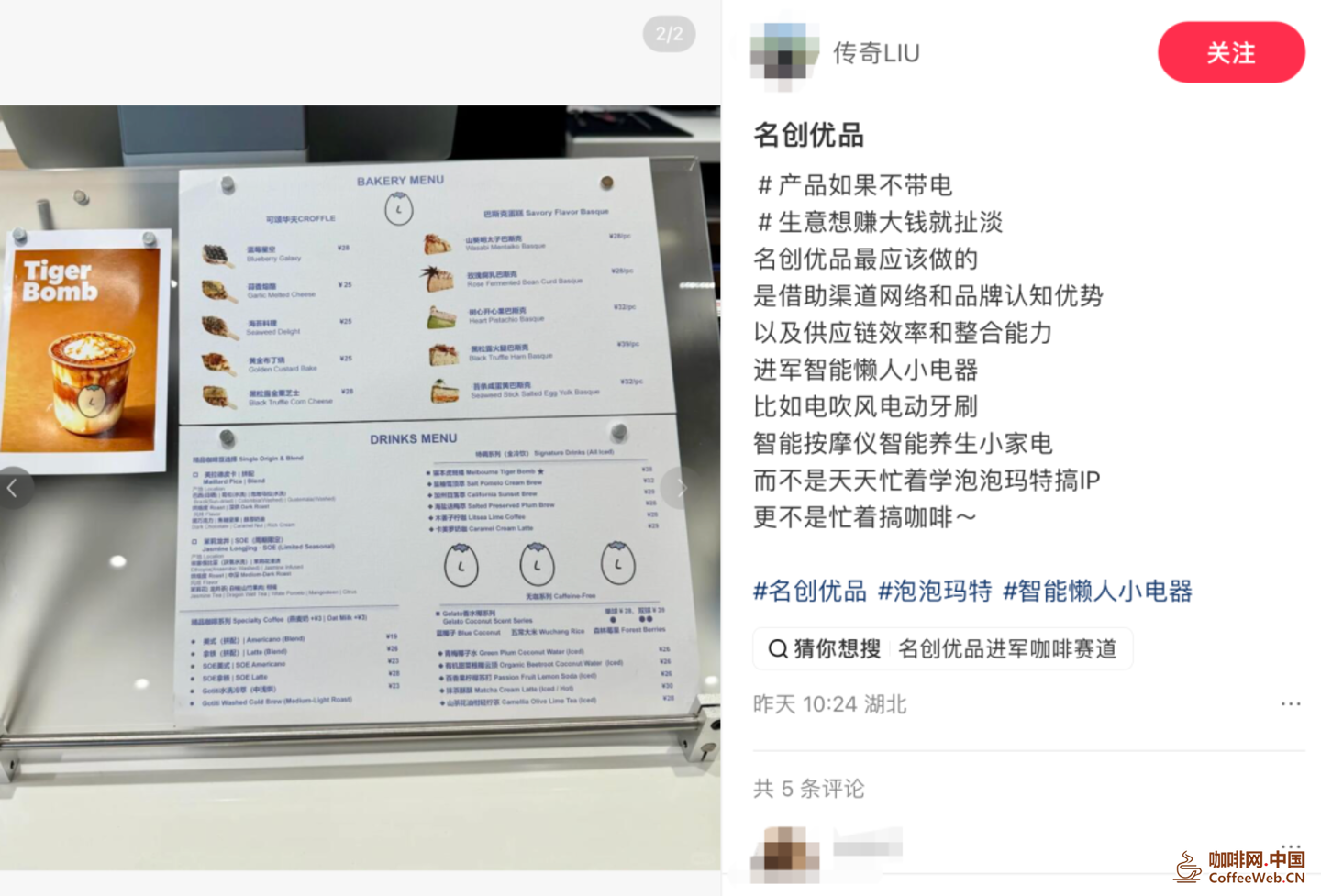
“太贵了”、“Miniso变Muji吗”、“一点也不Miniso”......虽然并没有落实属于名创优品的新业务,但已经引发了很多消费者的吐槽。
针对此官方很快出面回应,表示“不属于品牌自营业务”,即相关食饮的售卖属于个别SUPER MINISO超级门店与第三方饮品店“日作甜屋”的场地合作。
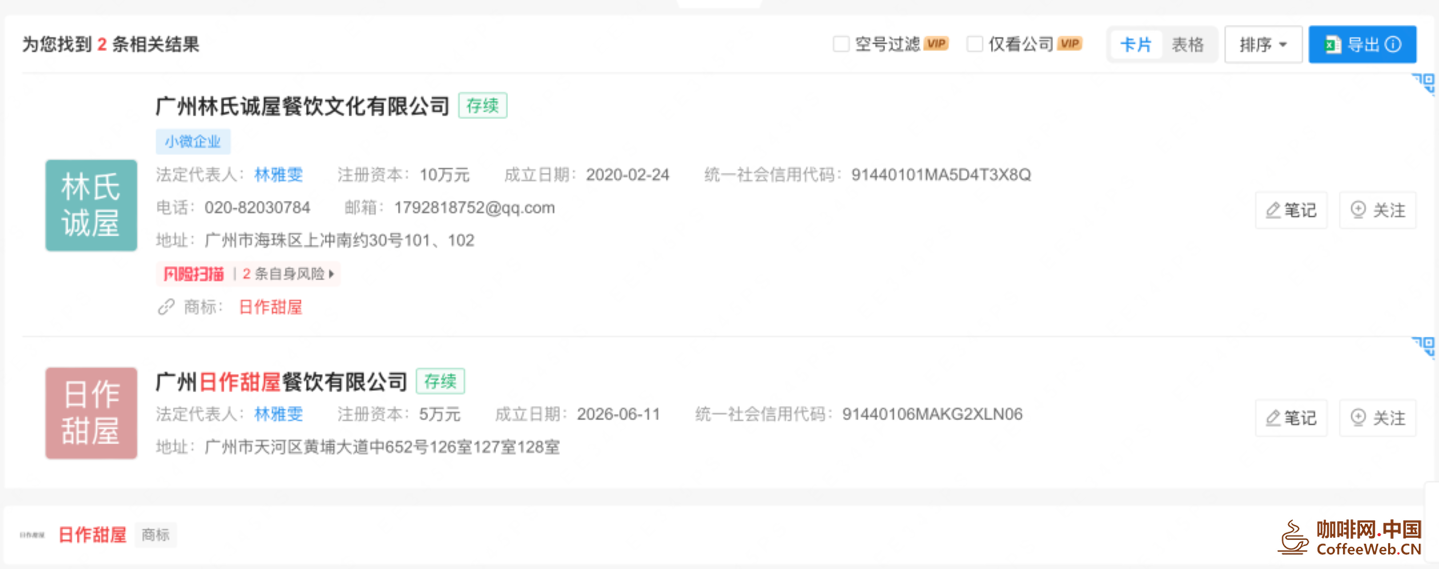
根据企查查,“日作甜屋”商标申请人为广州林氏诚屋餐饮文化有限公司,该公司还有多个方便食品、酒类商标正在注册申请中。广州林氏诚屋餐饮文化有限公司法定代表人林雅雯,名下还有一家成立于2026年6月11日的公司“广州日作甜屋餐饮有限公司”。目前暂未发现该公司与名创优品之间有关联。
虽然是一场乌龙,但“名创优品卖咖啡”的消息之所以能引发如此大的关注,很大程度在于如今越来越多潮玩公司纷纷下场做餐饮。
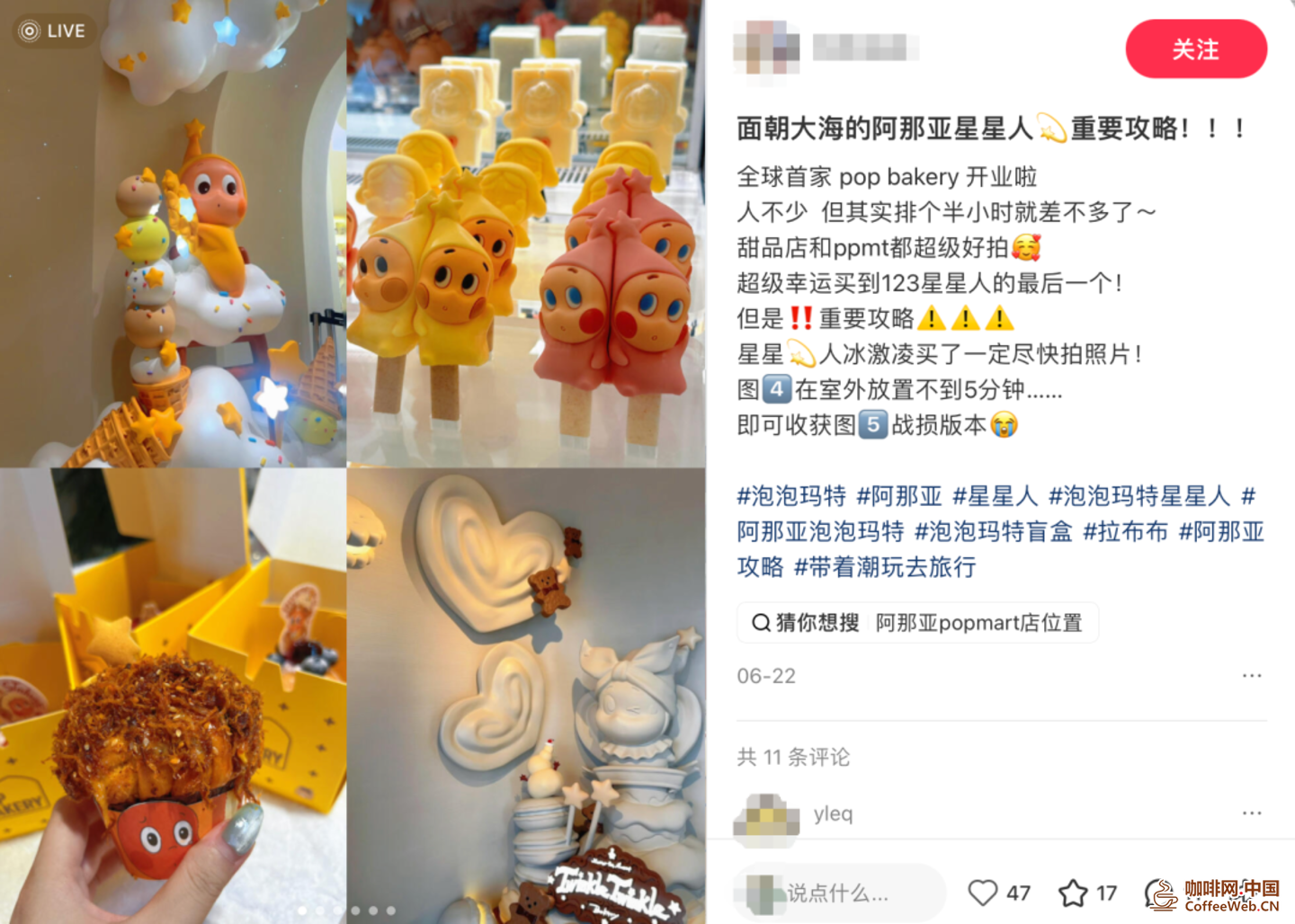
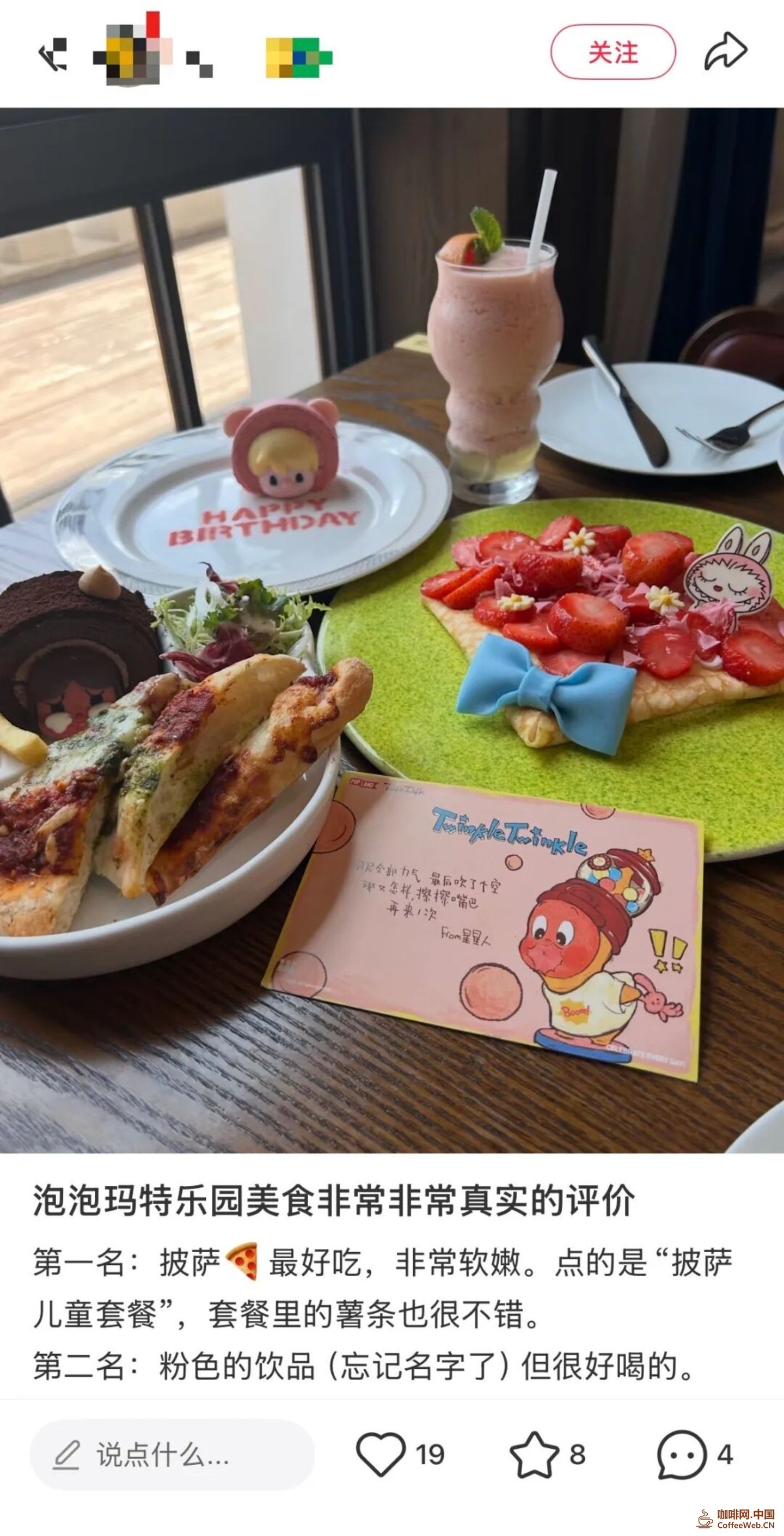
此前泡泡玛特就推出了独立甜品品牌POP BAKERY,全国首店落地阿那亚,将IP创意融入在甜品饮品中。除了泡泡玛特,GOODSLOVE等连锁谷店也纷纷扎进餐饮赛道,试图在零售之外找到新增长路径,此前剁椒Spicy拆解过,这一赛道有很显著的消费痛点——花198元吃一口色素拌饭。如果名创入场能让IP餐饮走上物美价廉之路,想必会让消费者喜闻乐见。
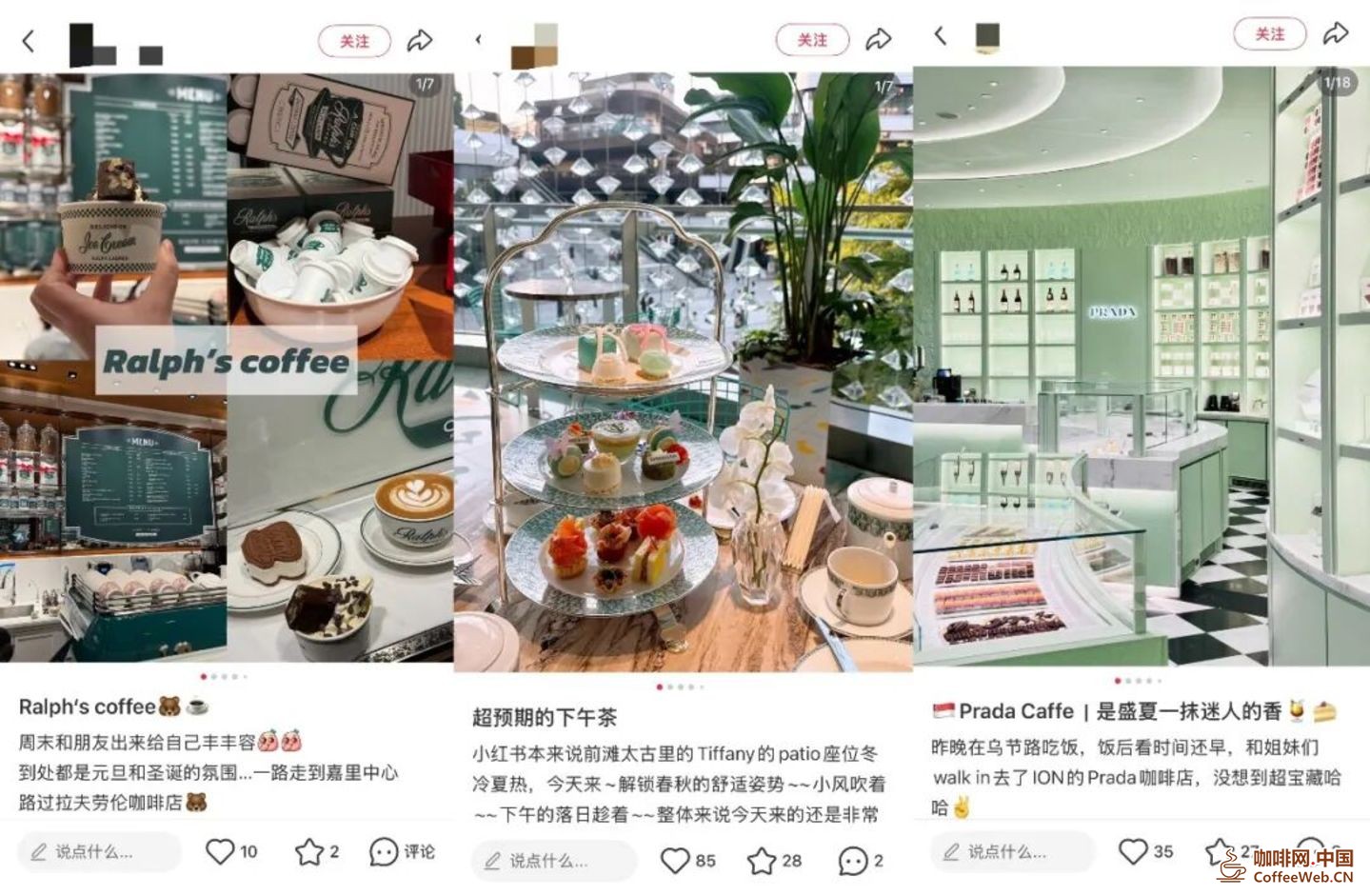
不仅是潮玩公司,餐饮似乎已经成为很多线下业态的挂件。MUJI在部分门店内置了餐厅,“把食堂搬进门店”;宜家已然将餐饮做成了特色,甚至很多消费者去逛宜家的终极目的是炫饭;拉夫劳伦、蒂芙尼、Prada 等奢侈品品牌也纷纷推出了“贵妇下午茶”。
如此看来,既手握大量IP、又有线下空间的名创优品,进军餐饮属于水到渠成,且以名创优品当前的规模来看,卖咖啡甜品似乎也是一个低门槛、高收益的业务形态。但为什么名创优品迟迟不肯入局?卖咖啡这件事对于名创优品而言有什么特殊难度?此次场地合作是否是名创优品有意进军餐饮赛道的一次试探?
前文提到,做餐品已经是潮玩公司、奢侈品牌非常普遍的“副业”,但名创优品迟迟没有动作。剁椒Spicy仔细拆解发现,这一业态平移在名创优品的商业模式中,其实并不算一门好生意。
就IP维度而言,名创优品虽然不缺IP,但很难直接复制“IP+餐饮”的模式。
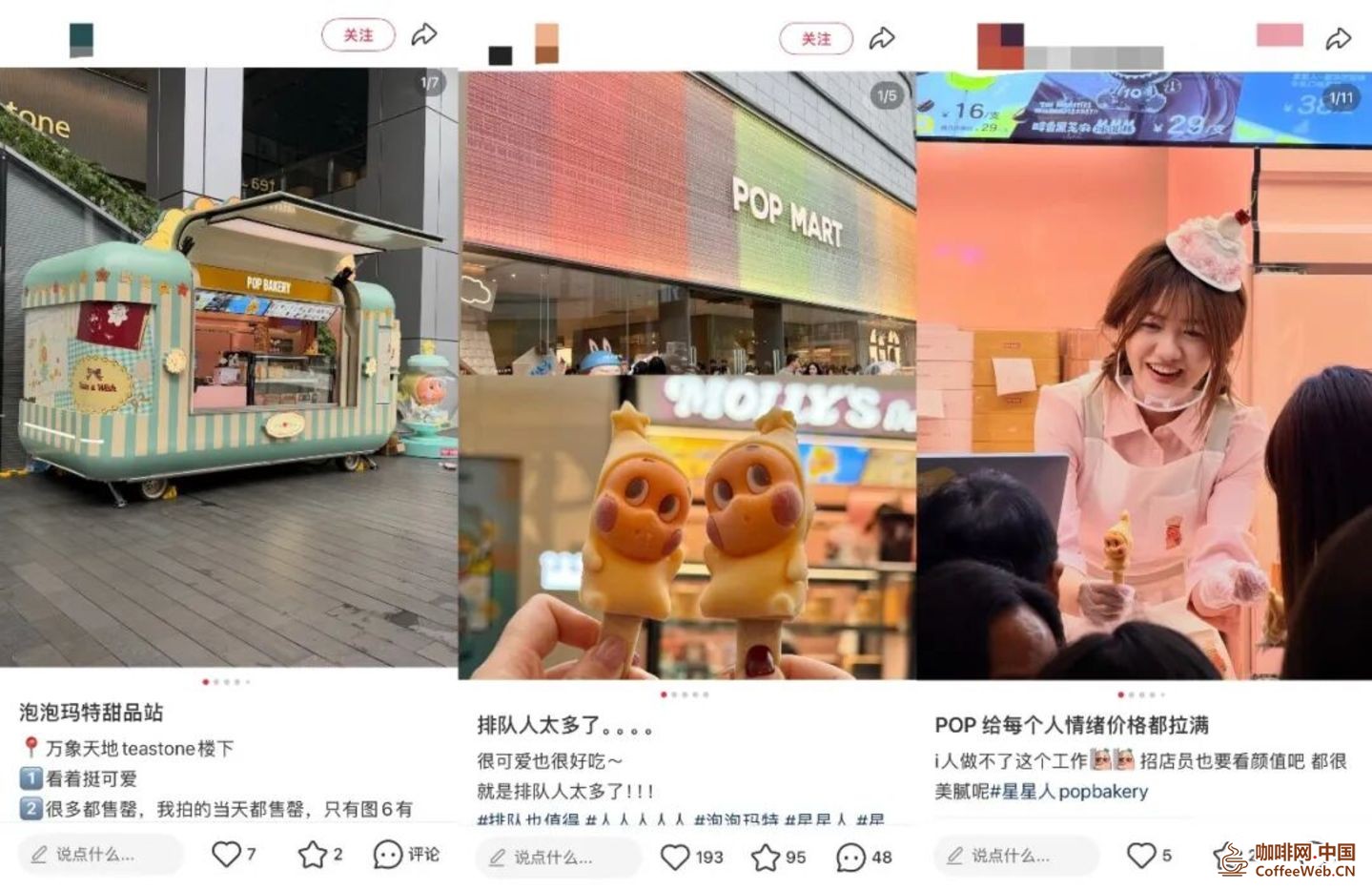
一方面是名创优品缺乏强硬的自营IP牵引,纵观所有IP餐饮业态,基本都是依靠IP的强影响力来售卖相关的产品。泡泡玛特的核心优势在于旗下有多款高热度的IP,如LABUBU、星星人本就自带流量,能够吸引大量消费者。目前POP BAKERY在社交媒体上讨论度非常高的一款产品正是星星人雪糕,除了完美复刻的可爱外形,销售过程中店员也回以“谁是星星人的好朋友”等话术与粉丝互动,给足情绪价值。
同样此前备受二次元消费者青睐的IP主题餐厅,本质售卖的也是“IP影响力+沉浸式体验+独特周边”,即便很多IP主题餐厅的产品口味饱受诟病,也有不少粉丝愿意为之买单。
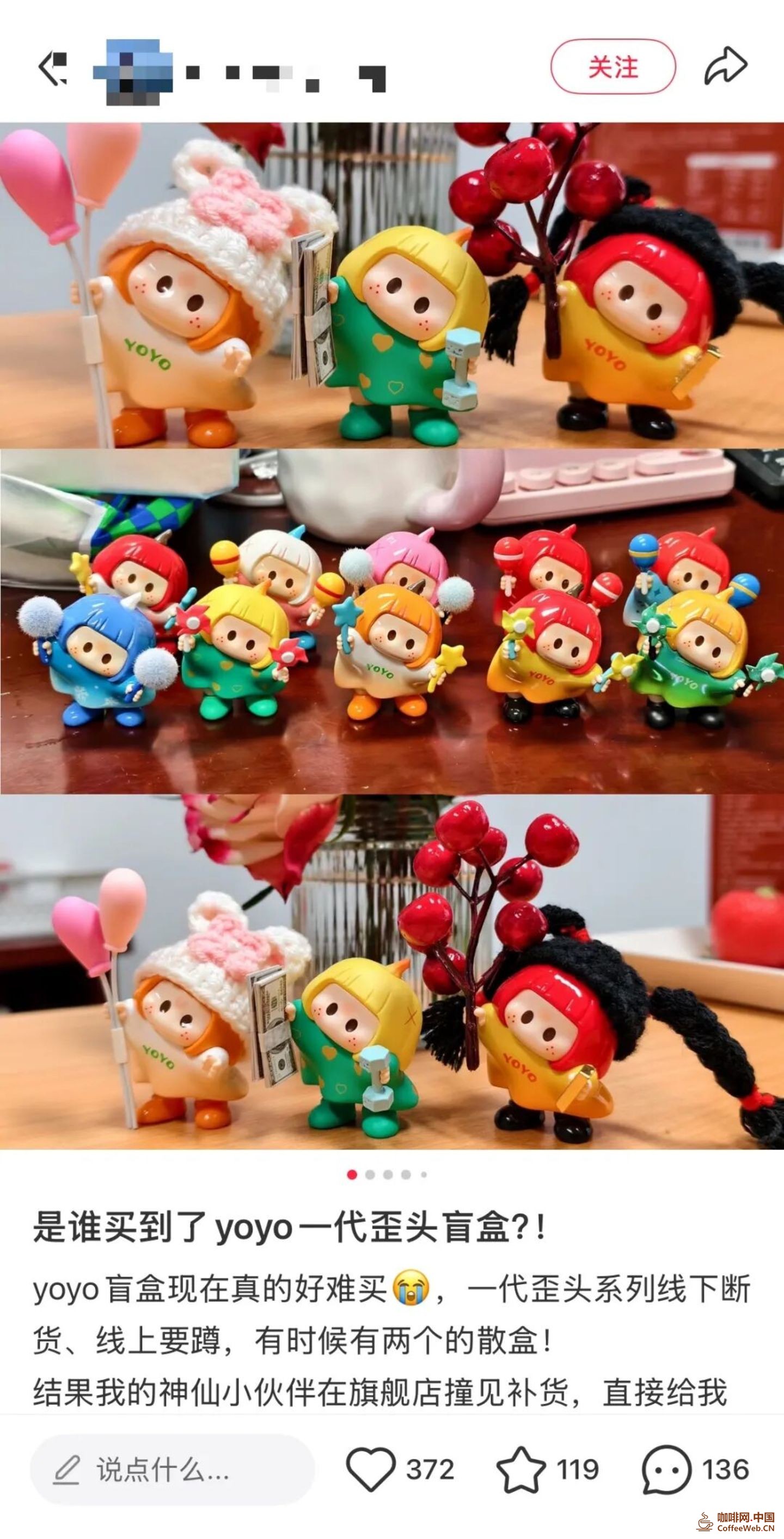
回看名创优品,虽然已经推出了一些高热度的自营IP,例如2025年“诞生”的YOYO在消费者端的反馈就很亮眼,今年6月YOYO全系列产品在中国市场单月销售额突破1亿元。但客观来看,YOYO当前的热度还不足于撑起餐饮等新业态的销售。
另一方面,名创优品虽然手握着多个全球范围内流行的知名IP,以及小众热门IP授权,与三丽鸥、迪士尼、哈利波特、宝可梦、Chiikawa等顶级IP均有持续深度的合作。但将授权IP与餐饮结合,又是新的路径。
“很多IP的授权是严格拆分的,不同类目的授权之间不互通,如果名创优品要做授权IP的餐饮,需要单独谈授权。且不说授权费用,尤其是很多日本IP对于餐饮类的授权非常严谨,审核链路和周期都很长,即便去谈也并不一定能谈下来”,行业资深从业者费费(化名)告诉我们。
“如果是做餐饮估计比较难,主题cafe可能会稍微好一些,要看公司资质,日本IP审核很严”,一位从事日本IP授权相关业务的从业者表示。
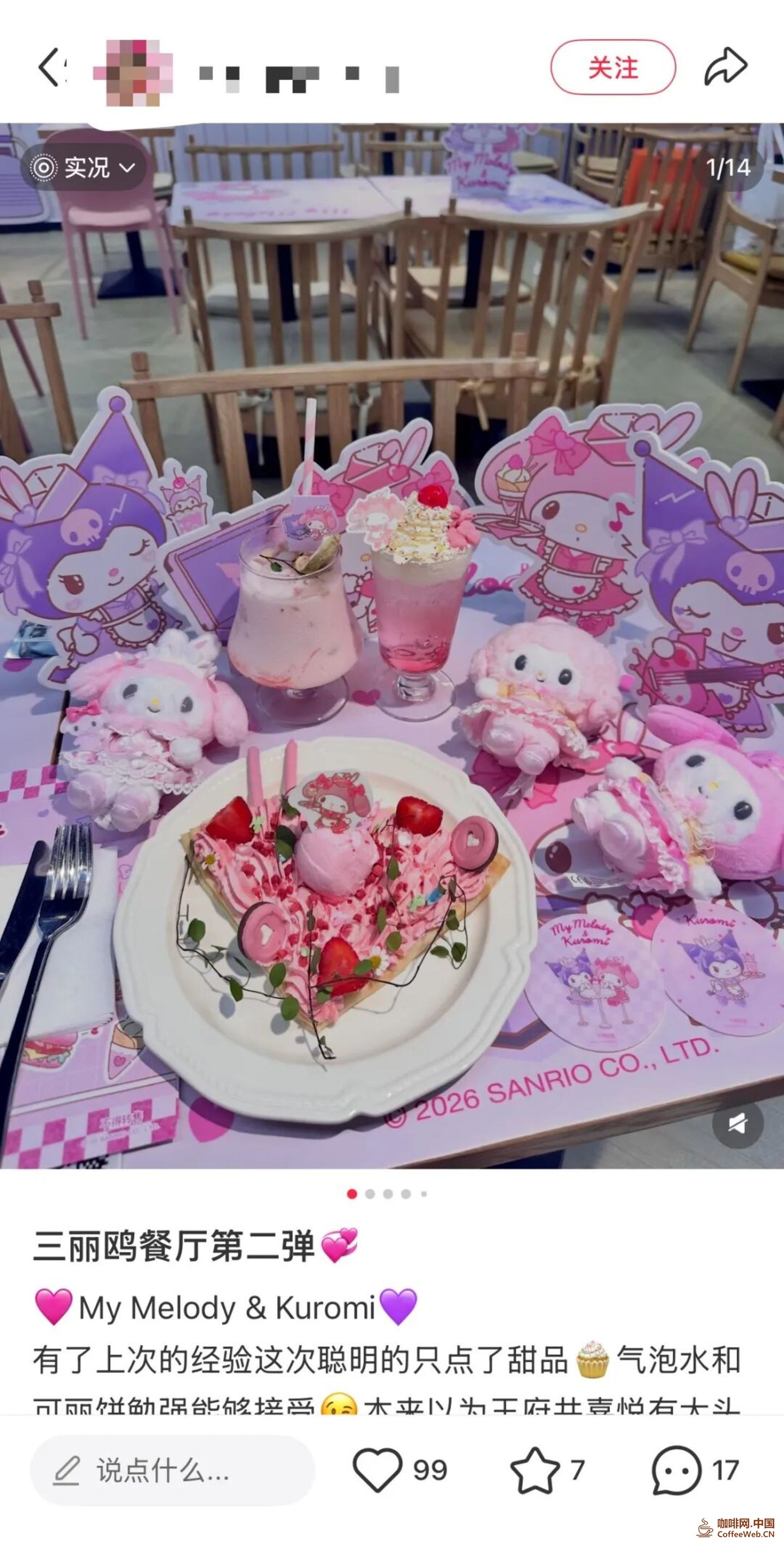
观察日本IP的餐饮联名合作,主要有以下两类,一是官方授权的沉浸式主题餐厅,例如三丽鸥目前在北京、上海各推出了一家家族主题餐厅,目前宝可梦主题餐厅只有日本有,这类主题餐厅通常数量少、需要提前预约;另一类是与连锁餐厅品牌合作,例如肯德基、瑞幸等这类“资质强、销量高”的品牌,名创优品目前并没有成熟的餐饮体系。
当然凭借名称优品如今的规模和资本实力,拿下授权并不难,但要搭建规模化的餐饮体系、维持良善的运营,这笔账并不好算。
就场景适配度和消费体验而言,名创优品也很难在现有体系里丝滑融入现制餐饮。
目前名创优品的标准旗舰店选址于核心商圈,通常是货品陈列最大化的布局原则,通道窄、货架密集、顾客停留时间短,属于高频高效消费的场景。
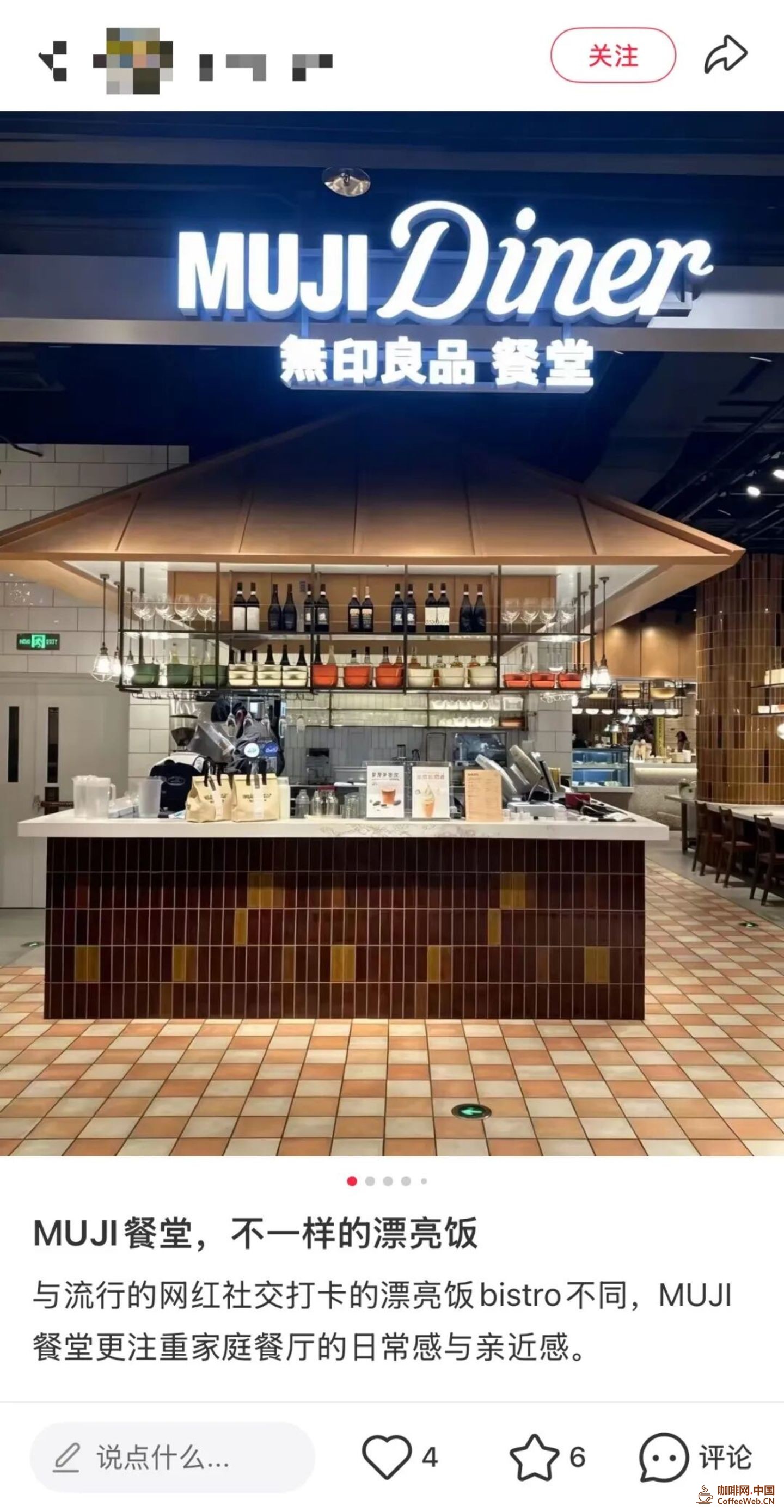
这种场景一是不适合拓展餐饮区域,相较而言,MUJI这类线下零售主要是长时间选购消费的空间,天然具备顾客心智,而且MUJI有大量家具类产品,餐饮区域本质也是隐形的产品陈列空间。二是如果不借助IP影响力,名创优品做餐饮很难靠自然流吸引消费者。
“假设名创做餐饮,如果不是我特别愿意买单的IP,名创优品周边通常也不缺咖啡奶茶甜品店,我应该会选择其他品牌”,喜好二次元、也多次为IP主题餐厅付费的消费者小圆(化名)表示。
当然名创优品也有大店型,此次被曝进军餐饮业务其实就是超级名创与第三方甜品店的场地合作。这就意味着名创优品其实不具备规模化落地餐饮项目的客观条件,目前泡泡玛特也主要是“快闪测试+少量独立店型”的布局,并非直接嵌入门店。
此外对于名称优品而言,做餐饮还面临着一个价格心智的难题。
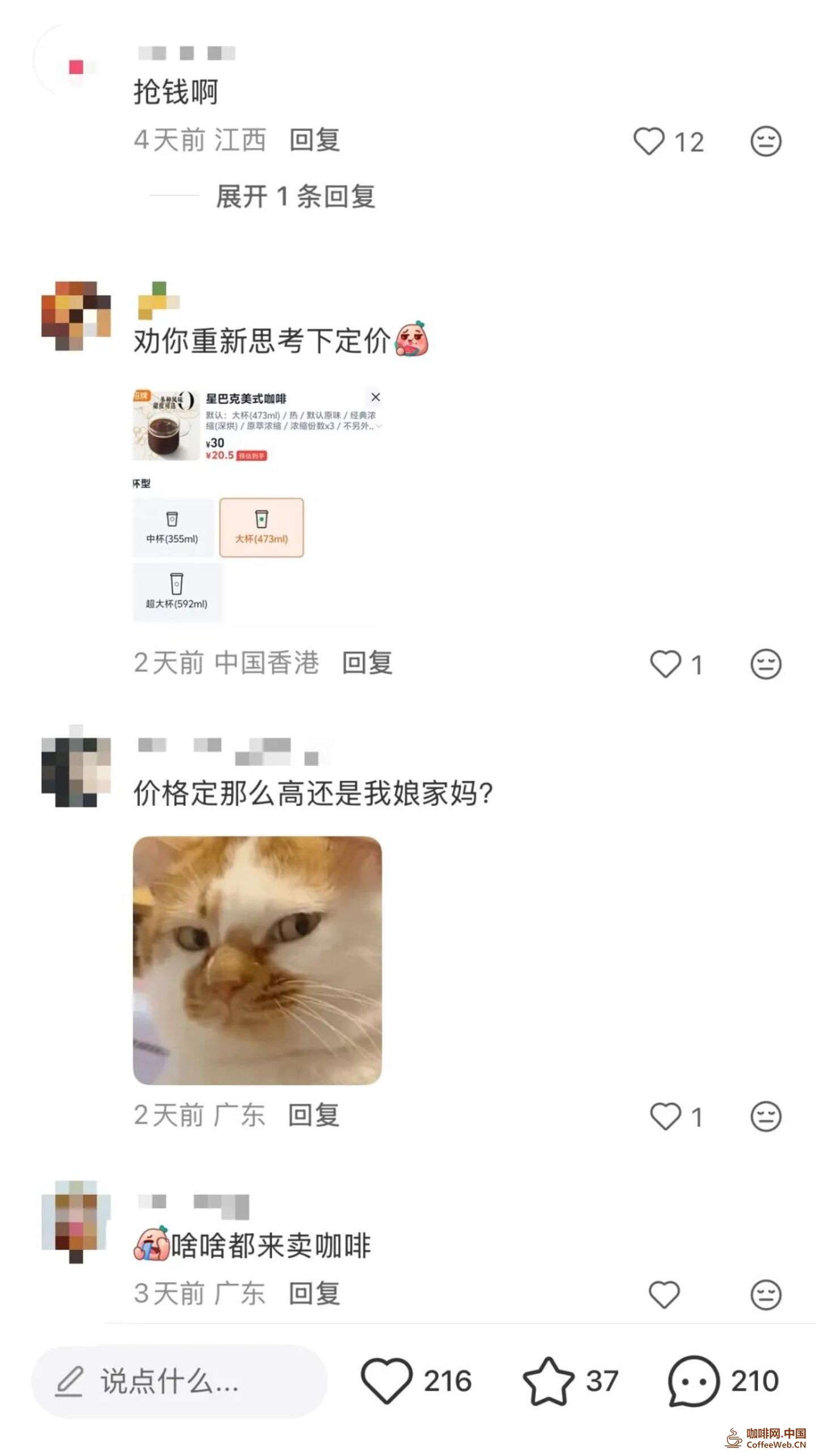
此次仅仅是场地合作,就已经被消费者诟病“太贵”,透露出的正是名创优品的品牌心智悖论。长期以来名创优品的优势在于“性价比”,虽然后期凭借IP增值,名创优品的客单价有所提升,在IP领域也仍是“性价比之王”,核心心智是“无负担吃谷”。但IP餐饮对于消费者而言是一门“溢价生意”,由于存在一笔授权费,产品客单价普遍更高,名创优品的核心用户群对价格敏感度较高,难以承载IP餐饮溢价,“一点也不MINISO”就精准体现了消费者的心态。
而不依靠IP、只做性价比餐饮咖啡,对于名创优品而言竞争力拼不过瑞幸等成熟企业,也与名创优品当前的“IP公司”的核心定位和战略有所背离。
如此来看餐饮这门生意看似诱人,但与名创优品的核心业务和战略之间存在种种矛盾,真正做起来吃力不讨好,或许这才是名创优品迟迟不入局的原因。
上述种种门槛,虽然对于名创优品做规模化、自营的“现制IP餐饮”有较大限制,但这并不意味着名创优品与餐饮赛道无缘。
其实名创优品沉淀下来的供应链能力,对于其布局预包装食品饮料非常友好,尤其是重押“IP+包装咖啡”或许是一条捷径。
相较于现制餐饮,预包装食饮的流程更加标准化、对于零售渠道的需求更高,完全可以平移名创优品现有的核心能力,且人力成本和餐饮安全风险都更低,经营模式与现制餐饮完全不同;另外在授权难度上,多数IP的包装食品类目开放度高于现制、堂食类业态;同时预包装食饮也可以同步向海外市场铺货。
不论是后端的供应链优势、还是前端的IP数量、以及终端渠道,甚至战略定位契合度上,预包装食品也完全在名创优品的舒适区。
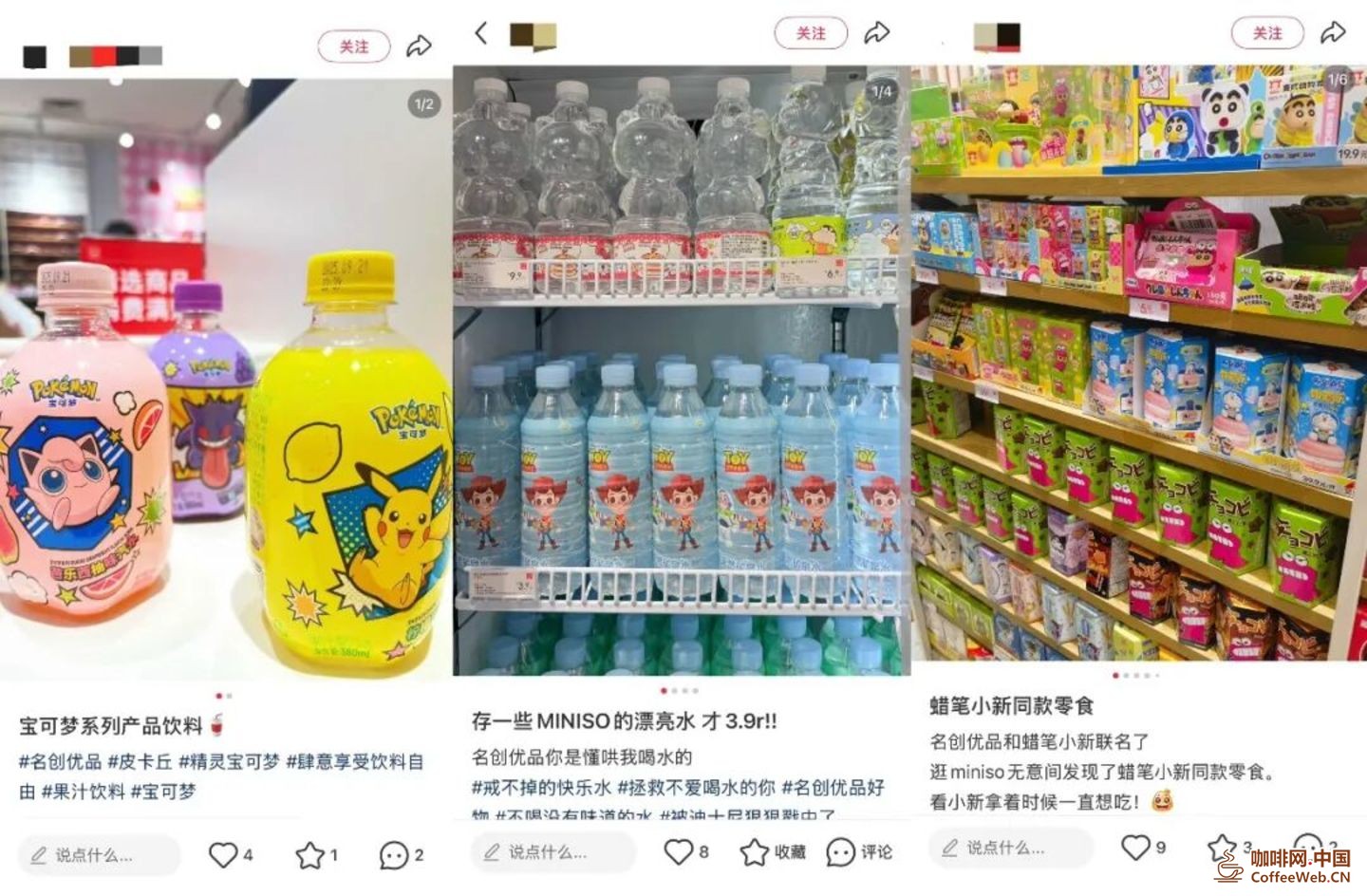
其实名创优品已经有相关的IP联名包装产品,此前推出了宝可梦系列联名汽水、迪士尼联名矿泉水、蜡笔小新联名零食,“光看就想要,想整排搬回家”、“名创优品你是懂哄我喝水的”......很多消费者如此反馈。不过目前包装食饮业务并不是名创优品非常核心的业务,财报中也没有相关的数据披露。
值得关注的是,就咖啡这一品类,目前市面上现制咖啡非常卷,但瓶装咖啡饮品等包装类咖啡赛道仍有一定空间。虽然也有一些品牌推出了相关产品,但暂时没有绝对领先玩家,打法也都比较传统,例如星巴克的预包装饮品客单价较高,单瓶普遍在8元左右;瑞幸即享虽然单价较低,生椰拿铁瓶装即饮单瓶价格为6元,但瑞幸的IP优势不如名创优品,因此目前即饮并没有大规模联名。或许名创优品可以凭借强供应链和IP矩阵优势,打爆高性价比的“IP+预包装咖啡”产品。
其次现制餐饮这一业务,名创优品大店型也可以借其提升大店客流、拉高消费者的在店时长,搅动社交话题。
虽然规模化落地对于名创优品来说不算好生意,但现制餐饮的优势在于拉长消费者停留时长、也可以联动IP打造打卡场景。名创优品目前也在持续拓展大店型,例如MINISO LAND、SUPER MINISO等,这类大店更需要沉浸式、长时间的“逛买”体验,此次SUPER MINISO开放与第三方餐饮店进行场地合作,可能也是出于这一考虑。
前文提到很多奢侈品牌都在做咖啡、下午茶,显然这些品牌并非“增收”目的,而是吸引到店人流、创造打卡条件、制造社交话题度等等,把奢侈品店变成生活场景。社交平台上,有大量消费者特意去店内打卡,并自发晒图传播,附上“公主请喝下午茶”等文案,品牌无形中实现了声量提升。
泡泡玛特做餐饮的核心目的,也是提升乐园的二消占比,即大家在乐园里要消费。“我们不做酒店,那能让用户在乐园里待半天的项目就应该是配套餐饮,而且餐饮能让客单价提升”,泡泡玛特乐园负责人胡健在李翔的《因为独特》这本书中提到。
不过按照当下与第三方场地合作,虽然能降低名创优品的风险、减轻负担,但品牌的植入相对受限,如果既想提升停留时长、也想创造打卡场景,或许在少数大店型点位自营效果更好一些。当然这种模式就与前文提到的规模化落地是两种完全不同的思路,品宣目的高于盈利目的。
值得关注的是,泡泡玛特的餐饮就是纯自营模式。“我们并非做一家传统餐厅,乐园的餐饮首先要跟IP结合,要好看,再保证口味、口感,逻辑跟普通的餐饮不一样”,胡健也提到。
“我觉得名创优品做IP餐饮的话,更多还是丰富业态的作用,可以提升粉丝和消费者粘性。IP餐饮的业态可以带来一定的增长,但我觉得不会是陡增,很难做成支柱型业务,而且做的没特色的话甚至会成为消耗型产业,还是要看具体的结合方式”,IP行业资深从业者默默(化名)告诉我们。在默默看的,对于名创优品而言,做IP餐饮更适合品宣目的,“可以整点活儿,造一些话题热度,吸引投资人。”
不论是IP预包装食饮、还是作为大店的引流,都是名创优品现阶段做餐厅更为轻松的路径。长远来看,或许随着名创优品自营IP的影响力破圈,也可以做自营“MINISO BAKERY”,但目前并不容易。当然前提是POP BAKERY验证了潮玩公司规模化入局餐饮的长期可行性。
虽然卖咖啡是一场乌龙,但SUPER MINISO与第三方开放场地合作,或许也透露出名创优品对于现制餐饮领域的小心试探,只是现阶段名创优品要想把“卖咖啡甜品做成一门支柱型生意”,这笔账不好算。
Article | Entertainment Capital, Author | Tofu
Recently, it has been revealed that Miniso has started selling coffee.
The reason is that the first "SUPER MINISO Super Store" in Guangzhou has launched drinks and desserts, and the prices are not low, with an average order price between 19 and 39 yuan. The cheapest is American coffee, which costs 19 yuan. Cakes are generally around 30 yuan. Gelato perfume coconut series (ice cream) double balls are priced at 39 yuan. The high pricing and the potential for entering the catering business quickly attracted the attention of consumers and the industry.
"Too expensive", "Miniso becomes Muji", "Not Miniso at all"... Although the new business belonging to famous innovative products has not been implemented, it has triggered many consumers' roast.
In response to this, the official quickly responded, stating that "it does not belong to the brand's self operated business", that is, the sale of related food and drinks belongs to the venue cooperation between individual SUPER MINISO super stores and third-party beverage store "Nissho Sweet House".
According to Qichacha, the applicant for the "Rizuo Sweet House" trademark is Guangzhou Linshi Chengwu Catering Culture Co., Ltd., which also has multiple convenience food and alcohol trademarks under registration and application. Lin Yawen, the legal representative of Guangzhou Linshi Chengwu Catering Culture Co., Ltd., also owns a company called "Guangzhou Rizuo Sweet House Catering Co., Ltd." established on June 11, 2026. At present, no connection has been found between the company and Miniso.
Although it was a mistake, the reason why the news of "Miniso selling coffee" has attracted so much attention is largely due to the increasing number of trendy toy companies going into the catering industry.
Previously, Pop Mart launched its independent dessert brand POP BAKERY, with its first store in Anaya, integrating IP creativity into dessert drinks. In addition to Pop Mart, chain grain stores such as GOODSLOVE have also entered the catering industry, trying to find new growth paths outside of retail. Previously, Spicy Chopped Pepper dismantled the trend and business model of IP themed restaurants, which has a significant consumer pain point - spending 198 yuan to eat a bite of pigment mixed rice. If Mingchuang's entry can lead IP catering to the path of good quality and low price, it will surely make consumers enjoy it.
Not only trendy entertainment companies, but also catering seems to have become a must-have for many offline businesses. MUJI has built restaurants in some of its stores, "bringing the cafeteria into the store"; IKEA has already made catering a specialty, and even many consumers visit IKEA with the ultimate goal of showing off their food; Luxury brands such as Ralph Lauren, Tiffany, and Prada have also launched "Lady Afternoon Tea".
It seems that Miniso, which holds a large number of IPs and has offline space, has entered the catering industry naturally. Moreover, based on Miniso's current scale, selling coffee and desserts seems to be a low threshold, high-yield business form. But why is Miniso reluctant to enter the market? What are the special difficulties of selling coffee for Miniso? Is this venue cooperation a test for Miniso's intention to enter the catering industry?
As mentioned earlier, catering has become a common "side business" for trendy toy companies and luxury brands, but Miniso has yet to take action. Upon careful disassembly, Spicy discovered that this business model shift in Mingchuang Youpin is not actually a good business.
In terms of IP dimension, although Miniso does not lack IP, it is difficult to directly replicate the "IP+catering" model.
On the one hand, Miniso lacks strong self operated IP traction. Looking at all IP catering formats, they basically rely on the strong influence of IP to sell related products. The core advantage of Bubble Mart lies in its multiple highly popular IPs, such as LABUBU and Starman, which already have their own traffic and can attract a large number of consumers. At present, one of POP BAKERY's highly discussed products on social media is the Star People Ice Cream. In addition to its perfectly replicated cute appearance, the salesperson also interacts with fans using phrases such as "who is a good friend of Star People" during the sales process, giving it emotional value.
Similarly, the IP themed restaurants that have been favored by anime consumers before are essentially selling "IP influence+immersive experience+unique surroundings". Even though many IP themed restaurants have been criticized for their product tastes, many fans are willing to pay for them.
Looking back at Miniso, although it has already launched some highly popular self operated IPs, such as YOYO, which was born in 2025, the feedback from consumers has been very impressive. In June of this year, YOYO's full range of products exceeded 100 million yuan in monthly sales in the Chinese market. However, objectively speaking, YOYO's current popularity is not enough to support the sales of new formats such as catering.
On the other hand, Miniso holds multiple globally popular well-known IPs as well as licenses for niche popular IPs, and has sustained and deep partnerships with top IPs such as Sanrio, Disney, Harry Potter, Pok é mon, and Chiikawa. But combining authorized IP with catering is a new path.
Many IP authorizations are strictly separated, and authorizations for different categories are not interoperable. If Miniso wants to do catering for authorized IP, it needs to negotiate authorization separately. Not to mention the authorization fees, especially for many Japanese IPs, the authorization for catering is very strict, with a long review process and cycle. Even if we go to negotiate, it may not necessarily be possible to negotiate, "said Fei Fei (pseudonym), a senior industry practitioner.
It may be difficult to do catering, but themed cafes may be slightly better, depending on the company's qualifications. Japanese IP audits are very strict, "said a practitioner engaged in Japanese IP authorization related business.
Observing the joint cooperation of Japanese IP in the catering industry, there are mainly two types: one is officially authorized immersive themed restaurants. For example, Sanrio has currently launched a family themed restaurant in Beijing and Shanghai, while Pok é mon themed restaurants are only available in Japan. These themed restaurants are usually few in number and require advance reservations; Another type is to cooperate with chain restaurant brands, such as KFC, Luckin Coffee, and other brands with strong qualifications and high sales. Miniso currently does not have a mature catering system.
Of course, with the current scale and capital strength of Mingyoupin, it is not difficult to obtain authorization, but it is not easy to calculate the cost of building a large-scale catering system and maintaining good operations.
In terms of scene adaptation and consumer experience, it is also difficult for Miniso to seamlessly integrate into the existing catering system.
At present, the standard flagship store of Miniso is located in the core business district, usually based on the layout principle of maximizing product display. The narrow channels, dense shelves, and short customer stay time belong to high-frequency and efficient consumption scenarios.
This scenario is not suitable for expanding the dining area. In comparison, offline retail like MUJI mainly provides a space for long-term purchasing and consumption, naturally possessing customer mentality. Moreover, MUJI has a large number of furniture products, and the dining area is essentially an invisible product display space. Secondly, without leveraging IP influence, it is difficult for Miniso to attract consumers through natural flow in the catering industry.
"If Mingchuang is not the IP I am particularly willing to pay for, and there is usually no shortage of coffee, milk, tea and dessert stores around Mingchuang and high-quality products, I should choose other brands", said Xiaoyuan (alias), a consumer who likes anime and has paid for IP themed restaurants for many times.
Of course, Miniso also has large stores, and this time it was revealed that entering the catering business is actually a venue cooperation between Super Miniso and third-party dessert shops. This means that the famous brand Chuangyoupin does not actually have the objective conditions for large-scale implementation of catering projects. Currently, Bubble Mart mainly adopts a layout of "flash testing+a small number of independent stores", rather than directly embedding in stores.
In addition, for Mingyoupin, catering also faces a problem of price mentality.
This time, just the venue cooperation has already been criticized by consumers as "too expensive", revealing the brand mentality paradox of Miniso. For a long time, the advantage of Miniso has been its "cost-effectiveness". Although Miniso's unit price has increased with the increase of IP value in the later stage, it is still the "king of cost-effectiveness" in the IP field, with the core concept of "eating grain without burden". However, IP catering is a "premium business" for consumers. Due to the existence of an authorization fee, the average unit price of products is generally higher. The core user group of Miniso is highly price sensitive and difficult to bear the premium of IP catering. "Not MINISO at all" accurately reflects the consumer's mentality.
Without relying on IP and only focusing on cost-effective catering and coffee, Miniso's competitiveness cannot compete with mature enterprises such as Luckin Coffee, and it deviates from Miniso's current core positioning and strategy as an "IP company".
From this perspective, the catering business may seem tempting, but there are various contradictions between it and Miniso's core business and strategy. It is truly difficult and unrewarding to do it, perhaps this is the reason why Miniso has not entered the market for a long time.
Although there are significant restrictions on the scale and self operation of "freshly made IP catering" by Miniso, the above thresholds do not mean that Miniso is excluded from the catering industry.
In fact, the supply chain capabilities accumulated by Miniso are very friendly for its layout of pre packaged food and beverages, especially for placing a heavy emphasis on "IP+packaged coffee", which may be a shortcut.
Compared to traditional catering, the process of pre packaged food and beverage is more standardized, and there is a higher demand for retail channels. It can fully transfer the existing core capabilities of Miniso, and the labor costs and catering safety risks are lower. The business model is completely different from traditional catering; In addition, in terms of authorization difficulty, the openness of the packaged food category for most IPs is higher than that of existing and dine in formats; At the same time, pre packaged food and beverages can also be simultaneously distributed to overseas markets.
Whether it is the advantage of the supply chain in the backend, the number of IPs in the frontend, the terminal channels, or even the strategic positioning fit, pre packaged food is completely within the comfort zone of Miniso.
In fact, Miniso already has related IP co branded packaging products. Previously, they launched the Pok é mon series co branded soda, Disney co branded mineral water, and Crayon Shin chan co branded snacks. "Just looking at them makes you want to bring them home in a row" and "Miniso, you know how to coax me to drink water" Many consumers have given such feedback. However, currently the packaging food and beverage business is not a very core business of Miniso, and there is no relevant data disclosure in the financial report.
It is worth noting that in the coffee category, freshly made coffee is currently very popular on the market, but there is still some room for packaging coffee such as bottled coffee drinks. Although some brands have launched related products, there are currently no absolute leading players, and their strategies are relatively traditional. For example, Starbucks' pre packaged drinks have a relatively high unit price per customer, with a single bottle costing around 8 yuan; Although the unit price of Luckin Coffee's instant drink is relatively low, with a single bottle price of 6 yuan for a coconut latte bottle, Luckin Coffee's IP advantage is not as good as Miniso, so there is currently no large-scale co branding for instant drinks. Perhaps Miniso can leverage its strong supply chain and IP matrix advantages to promote high cost-effective "IP+pre packaged coffee" products.
Secondly, in the field of on-site catering, Miniso's large store model can also use it to increase foot traffic, prolong consumer stay, and stir up social topics.
Although large-scale implementation may not be a good business for Miniso, the advantage of on-site catering is that it can prolong consumers' stay time and also create check-in scenes through IP linkage. Miniso is currently continuing to expand its large store models, such as MINISO LAND, SUPER MINISO, etc. These large stores require an immersive and long-term "shopping" experience. The opening of SUPER MINISO's venue cooperation with third-party restaurants may also be based on this consideration.
As mentioned earlier, many luxury brands are making coffee and afternoon tea. Obviously, these brands are not aiming to increase revenue, but to attract foot traffic, create check-in conditions, create social topics, and turn luxury stores into a living scene. On social media platforms, a large number of consumers deliberately went to the store to check in and spontaneously posted pictures to spread, attaching slogans such as "Princess, please have afternoon tea", which invisibly increased the brand's popularity.
The core purpose of Pop Mart's catering is also to increase the proportion of secondary consumption in the amusement park, that is, everyone needs to consume in the park. We don't do hotels, so the project that allows users to stay in the amusement park for half a day should be supporting catering, and catering can increase the average customer price, "said Hu Jian, the person in charge of Pop Mart amusement park, in Li Xiang's book" Because of Uniqueness ".
However, according to the current cooperation with third-party venues, although it can reduce the risk and burden of Miniso, the implantation of the brand is relatively limited. If you want to increase the length of stay and create check-in scenes, perhaps self operated in a few large store locations may have better results. Of course, this model is completely different from the scale implementation mentioned earlier, where the goal of product promotion is higher than the goal of profitability.
It is worth noting that Bubble Mart's catering is a pure self operated model. We are not a traditional restaurant. The catering in the amusement park should first be combined with IP, look good, and ensure taste and texture. The logic is different from ordinary catering, "Hu Jian also mentioned.
I think if Miniso focuses on IP catering, it mainly serves to enrich the business format and enhance the stickiness of fans and consumers. The IP catering industry can bring certain growth, but I don't think it will be a sudden increase. It will be difficult to become a pillar business, and if it is not distinctive, it may even become a consumption industry. It still depends on the specific combination method, "said a senior practitioner in the IP industry (pseudonym) to us. Watching silently, for Miniso, doing IP catering is more suitable for product promotion purposes. "You can organize the work, create some buzz, and attract investors
Whether it's IP pre packaged food and beverage or serving as a source of traffic for large stores, both are easier paths for Miniso to become a restaurant at this stage. In the long run, perhaps with the breaking influence of Miniso's self operated IP, we can also do self operated "MINISO BAKERY", but it is not easy at present. Of course, the premise is that POP BAKERY has verified the long-term feasibility of scaling up the entry of trendy toy companies into the catering industry.
Although selling coffee is a mistake, SUPER MINISO's cooperation with third-party open venues may also reveal Miniso's cautious exploration of the freshly made catering industry. However, at this stage, Miniso's attempt to turn "selling coffee and desserts into a pillar business" is difficult to calculate.