

如何正确选择和饮用咖啡How to choose and drink coffee correctly
正确选择和饮用咖啡,关键在于选择含咖啡因的品种、每天饮用2至3杯,并在合适时间享用。这不仅能提神,还可能为大脑健康带来长期益处,但前提是避开常见误区。
选对核心:含咖啡因是关键
想通过咖啡获得认知保护,含咖啡因的咖啡是唯一有效选择。一项针对超13万人的长期研究发现,与几乎不喝的人相比,含咖啡因咖啡摄入量最高的人群,痴呆风险降低了18%。更关键的是,脱咖啡因咖啡与这种风险降低无关,甚至高摄入时可能与主观认知下降风险较高相关。
这强烈提示,咖啡因才是发挥神经保护作用的核心成分。
从生物学机制看,咖啡因可能通过多种途径守护大脑:
作为腺苷受体的拮抗剂,调节突触传递,减少β-淀粉样蛋白的沉积
减轻神经炎症和氧化应激,这两者是神经退行性疾病的重要驱动因素
改善胰岛素敏感性和血管功能,间接降低认知衰退风险
所以,如果为了健康而喝咖啡,就别选脱因款了。
把握剂量:每天2-3杯最佳
咖啡的好处并非“越多越好”。剂量反应分析显示,每天2至3杯含咖啡因咖啡(约300毫克咖啡因)与最低的痴呆风险相关,超过这个量后,保护作用不再增加。茶的摄入也有类似规律,每天1至2杯效果最突出。
为什么有个“天花板”?研究推测,身体可能无法有效代谢过量的咖啡因或其他生物活性化合物。换算一下,一杯标准现煮咖啡(约237毫升)通常含100-150毫克咖啡因,2-3杯刚好落在最佳范围内。
喝对方式:时间与搭配有讲究
选对了种类和剂量,喝法也很重要。以下几个小技巧能让体验更健康:
挑对时间:上午9:30-11:30是提神效果较好的时段。避免起床立刻喝,因为清晨皮质醇水平较高,提神效果会打折扣;也最好别在下午3点后饮用,以免影响夜间睡眠。
拒绝空腹:不要空腹大量喝咖啡,容易引起心慌、手抖。建议在早餐后饮用,既能减少肠胃刺激,也有助于吸收。
少加“料”:很多花式咖啡是“热量炸弹”,添加了大量糖和植脂末。为健康起见,尽量选择黑咖啡,或只加纯牛奶、少量糖。如果想增添风味,可以撒一点点肉桂粉,它还有辅助稳定血糖的作用。
注意体质:从中医角度,怕冷、疲劳等阳气不足者适合早餐后喝热咖啡;而口干舌燥、失眠等阴虚火旺者则需慎重。肠胃敏感或患有胃溃疡等人群也应谨慎饮用。
最后,记住咖啡是一种可以融入健康生活的饮品,但其益处建立在“适量”和“正确”的基础上。对于平时不喝的人,无需刻意开始;有习惯的人,保持每天2-3杯含咖啡因咖啡,享受这份醇香就好。
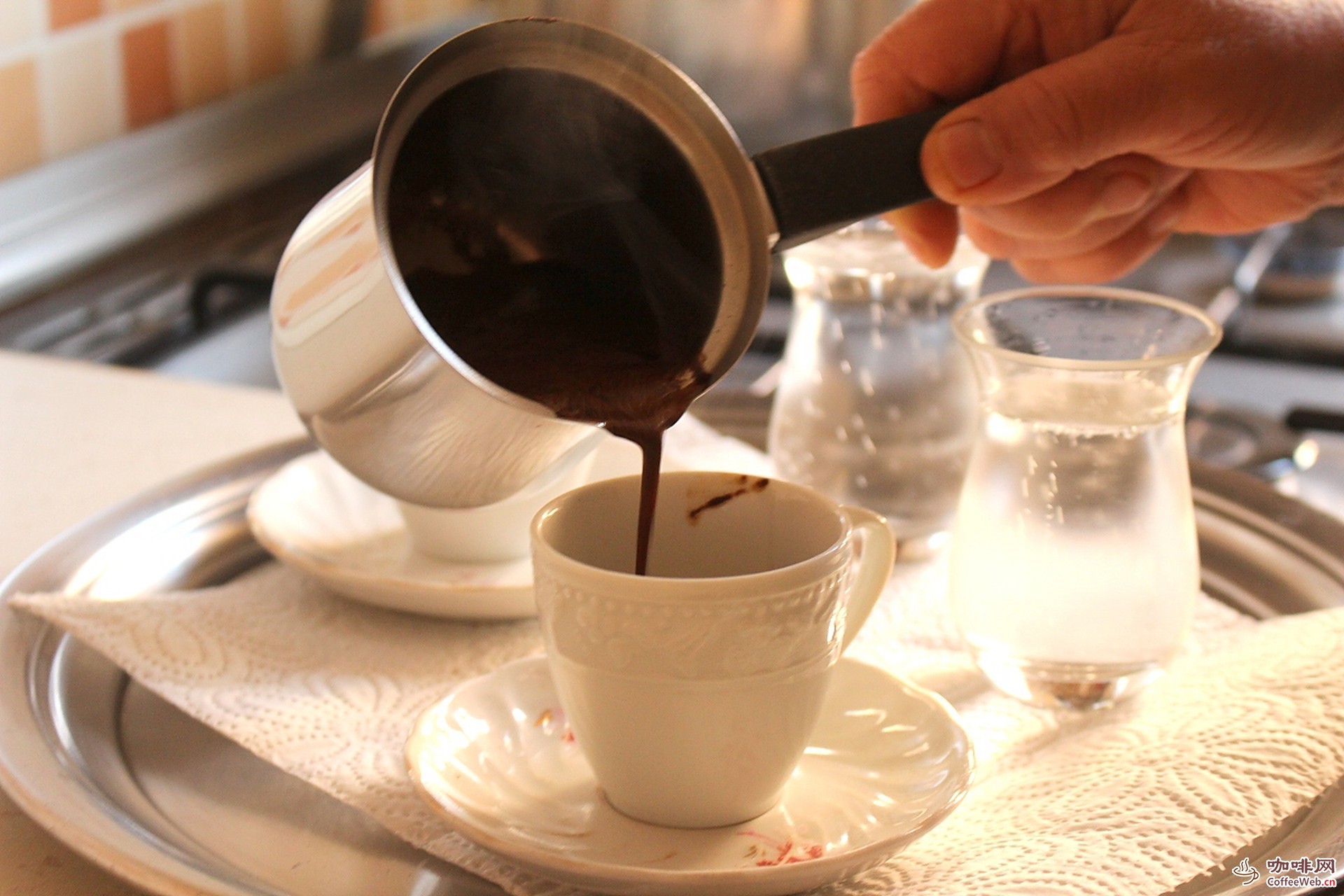
The key to choosing and drinking coffee correctly is to choose varieties that contain caffeine, drink 2 to 3 cups per day, and enjoy them at the appropriate time. This can not only refresh the mind, but may also bring long-term benefits to brain health, but the premise is to avoid common misconceptions.
Choosing the right core: caffeine is key
To obtain cognitive protection through coffee, caffeinated coffee is the only effective choice. A long-term study of over 130000 people found that the group with the highest intake of caffeinated coffee had an 18% lower risk of dementia compared to those who hardly drink it. More importantly, decaffeinated coffee is not associated with this risk reduction, and even high intake may be associated with a higher risk of subjective cognitive decline.
This strongly suggests that caffeine is the core component that exerts neuroprotective effects.
From a biological perspective, caffeine may protect the brain through multiple pathways:
As an antagonist of adenosine receptors, it regulates synaptic transmission and reduces the deposition of β - amyloid protein
Reducing neuroinflammation and oxidative stress, both of which are important driving factors for neurodegenerative diseases
Improving insulin sensitivity and vascular function, indirectly reducing the risk of cognitive decline
So, if you drink coffee for the sake of your health, don't choose to take it off.
Control dosage: 2-3 cups per day is optimal
The benefits of coffee are not 'more is better'. Dose response analysis showed that 2 to 3 cups of caffeinated coffee (approximately 300 milligrams of caffeine) per day were associated with the lowest risk of dementia, and beyond this amount, the protective effect no longer increased. The intake of tea follows a similar pattern, with 1 to 2 cups per day having the most significant effect.
Why is there a 'ceiling'? Research suggests that the body may not be able to effectively metabolize excessive amounts of caffeine or other bioactive compounds. Converted, a standard freshly brewed coffee cup (approximately 237 milliliters) typically contains 100-150 milligrams of caffeine, with 2-3 cups falling within the optimal range.
Drinking the right way: timing and pairing are important
Choosing the right type and dosage, as well as drinking method, is also important. The following tips can make the experience healthier:
Choose the right time: 9:30-11:30 in the morning is the time when the refreshing effect is better. Avoid drinking immediately upon waking up, as high cortisol levels in the morning can compromise the energizing effect; It is also best not to drink it after 3 pm in the afternoon to avoid affecting nighttime sleep.
Refuse to drink coffee on an empty stomach: Do not drink too much coffee on an empty stomach, as it can cause palpitations and hand tremors. It is recommended to drink it after breakfast as it can reduce gastrointestinal irritation and aid absorption.
Add less "ingredients": Many fancy coffees are "calorie bombs" that add a lot of sugar and vegetable fat powder. For health reasons, try to choose black coffee or add only pure milk and a small amount of sugar. If you want to add flavor, you can sprinkle a little cinnamon powder, which also helps stabilize blood sugar levels.
Pay attention to physical fitness: From the perspective of traditional Chinese medicine, those who are afraid of cold, tired, and have insufficient yang energy are suitable for drinking hot coffee after breakfast; However, those with Yin deficiency and excessive fire, such as dry mouth and tongue, insomnia, etc., need to be cautious. People with gastrointestinal sensitivity or gastric ulcers should also drink with caution.
Finally, remember that coffee is a beverage that can be integrated into a healthy lifestyle, but its benefits are based on "moderation" and "correctness". For people who don't usually drink, there's no need to deliberately start; People with habits should maintain 2-3 cups of caffeinated coffee every day to enjoy its rich aroma.