广州已形成15个特色咖啡集聚区 咖啡门店超8000家Guangzhou has formed 15 specialty coffee clusters with over 8000 coffee shops
中新网广州8月7日电 (王华 张松乐)2026广州咖啡文化季7日闭幕。这场以“花城咖香·品味世界”为主题的咖啡盛事,跨越百日,点燃城市消费新引擎。据悉,广州已形成15个特色咖啡集聚区,全市咖啡门店已超8000家,2025年咖啡全产业链产值达670亿元。
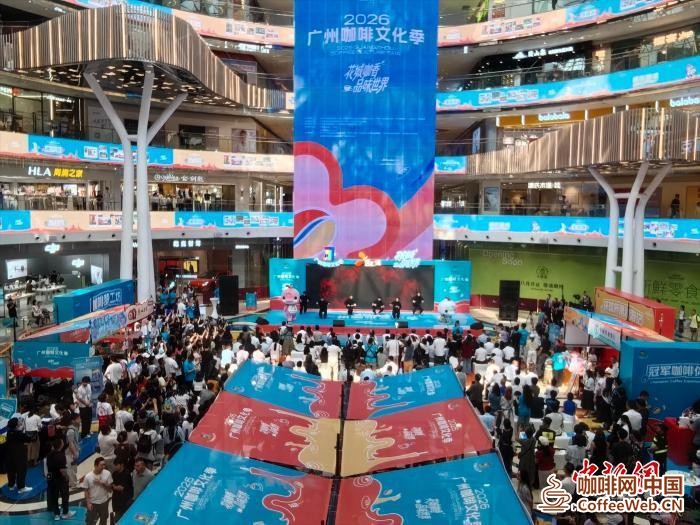
2026广州咖啡文化季7日闭幕。据悉,广州已形成15个特色咖啡集聚区,全市咖啡门店已超8000家,2025年咖啡全产业链年产值达670亿元。 张松乐 摄
闭幕式现场发布《广州市推动咖啡产业高质量发展的若干措施》(简称:《措施》),共十条,涵盖全产业链环节,为该市咖啡产业发展提供政策支撑。
在贸易端,《措施》提出优化生豆进口等咖啡品类专项通关机制,完善南沙港、黄埔港、白云机场口岸的配套服务,搭建集保税交易、仓储监管、跨境支付结算于一体的数字化咖啡交易平台,构建“广州枢纽+周边制造”的大湾区协作模式,依托广交会、跨境电商平台打造咖啡豆集散贸易地。
在制造端,《措施》明确支持相关企业开展技术改造,对符合产业政策的技改项目,在建设期内购置新设备或进行技术改造,按比例给予奖励,单个项目奖励不超过3000万元。
在消费端,鼓励公园绿地、公共文化场所、旅游景区设置咖啡门店和咖啡机器人,打造咖啡街区;依托古村落、精品民宿打造“村咖”“乡咖”,形成城乡联动的特色咖啡消费格局。
在金融端,引导金融机构围绕咖啡产业优化信贷、保险等服务。支持广州商品交易所深化“咖啡生豆”品种交易服务。
同时发布的“广州咖啡集聚区”榜单,直观呈现广州咖啡业态集群化、差异化发展格局。榜单覆盖全市15个特色咖啡集聚区:天河六运小区“每150米一家咖啡店”,密度冠绝全国;荔湾恩宁路骑楼下,非遗主题咖啡空间与西关风情交织;番禺南村万博超80家咖啡店形成分层多元格局;花都中巴咖啡走廊连接大湾区与拉美精品豆源;从化罗洞稻田荔枝林里,山野治愈风与咖啡香相伴。
榜单的背后,是扎实的产业与消费数据支撑。据《广州咖啡产业发展白皮书(2026)》显示,广州咖啡门店已超8000家,数量稳居华南第一。2025年咖啡全产业链产值达670亿元,直接带动就业超15万人。
数据显示,2026年5月1日至6月底,两个月内广州新增376家咖啡门店;广州商品交易所2026年1至5月咖啡生豆交易量达12409.92吨,是去年全年的10倍以上。今年上半年广州咖啡馆营业额增速超过9%。(完)
Guangzhou, August 7th (Xinhua) - The 2026 Guangzhou Coffee Culture Season will conclude on August 7th. This coffee event with the theme of "Flower City Coffee Fragrance, Tasting the World" spans over a hundred days and ignites a new engine of urban consumption. It is reported that Guangzhou has formed 15 specialty coffee gathering areas, with over 8000 coffee stores in the city. By 2025, the total output value of the coffee industry chain will reach 67 billion yuan.
The 2026 Guangzhou Coffee Culture Season will conclude on the 7th. It is reported that Guangzhou has formed 15 specialty coffee gathering areas, with over 8000 coffee stores in the city. By 2025, the annual output value of the entire coffee industry chain will reach 67 billion yuan. Photo by Zhang Songle
At the closing ceremony, the "Several Measures for Promoting High Quality Development of the Coffee Industry in Guangzhou" (referred to as the "Measures") were released, consisting of ten articles covering the entire industry chain, providing policy support for the development of the coffee industry in the city.
On the trade side, the Measures propose to optimize the special customs clearance mechanism for coffee categories such as imported green beans, improve the supporting services at Nansha Port, Huangpu Port, and Baiyun Airport ports, build a digital coffee trading platform that integrates bonded trading, warehousing supervision, and cross-border payment settlement, establish a "Guangzhou hub+surrounding manufacturing" cooperation model in the Greater Bay Area, and rely on the Canton Fair and cross-border e-commerce platforms to create a coffee bean distribution and trading center.
On the manufacturing side, the Measures clearly support relevant enterprises to carry out technological transformation. For technological transformation projects that comply with industrial policies, rewards will be given proportionally for the purchase of new equipment or technological transformation during the construction period. The reward for a single project shall not exceed 30 million yuan.
On the consumer end, encourage the establishment of coffee shops and coffee robots in parks, green spaces, public cultural venues, and tourist attractions to create coffee districts; Relying on ancient villages and boutique homestays to create "village cafes" and "rural cafes", forming a characteristic coffee consumption pattern of urban-rural linkage.
On the financial side, guide financial institutions to optimize credit, insurance and other services around the coffee industry. Support the Guangzhou Commodity Exchange to deepen the trading services of "coffee green beans" varieties.
The list of "Guangzhou Coffee Agglomeration Areas" released at the same time visually presents the clustering and differentiated development pattern of Guangzhou's coffee industry. The list covers 15 specialty coffee gathering areas in the city: Tianhe Liuyun Community has "one coffee shop every 150 meters", with the highest density in the country; Under the arcade on Enning Road in Liwan, the intangible cultural heritage themed coffee space interweaves with the charm of Xiguan; More than 80 coffee shops in Wanbo, Nancun, Panyu have formed a layered and diversified pattern; The Huadu China Pakistan Coffee Corridor connects the Greater Bay Area with Latin American premium bean sources; In the lychee forest of the rice fields in Hualuo Cave, the healing wind of the mountains and the fragrance of coffee accompany each other.
Behind the list is solid industry and consumer data support. According to the "White Paper on the Development of Guangzhou Coffee Industry (2026)", there are over 8000 coffee shops in Guangzhou, ranking first in South China in terms of quantity. By 2025, the total output value of the coffee industry chain will reach 67 billion yuan, directly driving employment for over 150000 people.
Data shows that from May 1st to the end of June 2026, Guangzhou will add 376 new coffee shops within two months; The trading volume of coffee beans on the Guangzhou Commodity Exchange from January to May 2026 reached 12409.92 tons, which is more than 10 times that of the whole year last year. The revenue growth rate of coffee shops in Guangzhou exceeded 9% in the first half of this year. (End)