魏尚进:茶与咖啡背后的全球贸易与资本博弈Wei Shangjin: The Global Trade and Capital Game Behind Tea and Coffee
(来源:定位与商业模式研究)
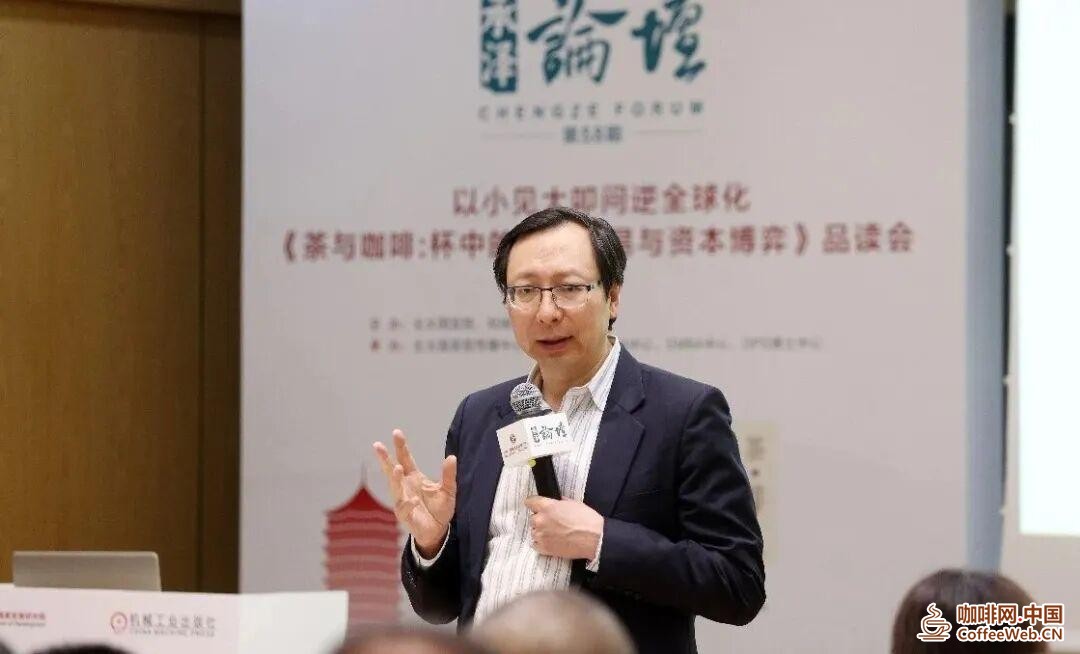
题记:2026年8月2日,由北京大学国家发展研究院(以下简称“北大国发院”)与机械工业出版社联合主办的“承泽论坛”第58期在国发院承泽园举办。本文根据复旦大学国际金融学院学术访问教授、哥伦比亚大学终身讲席教授、《茶与咖啡:杯中的全球贸易与资本博弈》作者魏尚进的主旨演讲整理。
您是否认同这三个说法?第一,茶叶曾经引发两场改变世界历史的战争;第二,历史上围绕茶叶曾发生过一场惊心动魄的“去中国化”运动;第三,茶与咖啡领域正在发生一场“再中国化”革命。
茶叶引发的两场重要战争
为什么说茶叶曾引发两场改变世界历史的战争?
先看第一场战争:今年适逢美国建国250周年。美国的建国是如何发生的?在美国建国之前,曾发生过一场被世界历史教科书称为“波士顿倾茶事件”的运动。当时,包括北美、欧洲在内的消费者对茶叶极为痴迷,而彼时茶叶的出口国仅有中国。咖啡虽已传入北美与欧洲,但在当时饮用咖啡十分不便,如今使用的各类咖啡机器发明于20世纪初。因此,当时人们若要享用优质饮品,主要选择仍是茶。要喝茶,只能向中国采购。
英国人从中看到了利润,遂决定垄断茶叶贸易。英国人规定,销往北美的茶叶,只能出自英国的国有及准国有企业。实现垄断后,英国人便可通过这些企业加征赋税。此举引发北美殖民地民众的强烈不满。于是便有了后来的一幕:深夜,殖民地民众潜入波士顿港口,将英国企业刚刚从中国采购、尚未卸船的茶叶全部倾倒入海。事发后,英国采取的高压处置最终引发美国独立战争。由此可见,美国独立战争与产自中国的茶叶,存在着这样一层深刻的关联。
第二场战争离我们更近。鸦片战争也可被称作“茶叶战争”。如前所述,包括英国人在内的欧洲人极度迷恋中国茶叶,而中国是当时唯一的茶叶出口国。并且,在清政府治下,中国向英国出售茶叶时只收取白银,不愿接受英国的其他商品。因此在中英贸易中,英国长期大幅逆差,中国保持巨额顺差。为解决贸易失衡,英国人向中国贩卖鸦片,这一恶劣手段引发鸦片战争。
茶叶的“去中国化”历史
这段历史还有一段鲜为人知的后续,《茶与咖啡》一书中有大量篇幅讲述。
在回溯这段历史之前,有要先强调一点:全世界都喜爱喝茶,而茶叶长年只产于中国。此处可列举两个间接证据。
其一,全球共有六千余种语言,而在所有语言中,“茶”的发音仅有两种,即“cha”与“tea”。“cha”源自中国北方发音,“tea”则源于闽南方言。发音差异的形成,源于各国获取茶叶的渠道与来源地不同;而之所以仅有两种发音,其根本原因在于茶叶仅产自中国。
其二,茶叶的拉丁文学名为Camellia sinensis。其中,Camellia指一种开花的树木,中文译为山茶属;sinensis在拉丁文中的含义为“中国的”。该植物的学名直接包含“中国”的属性,间接印证了茶起源于中国。
回到那段历史本身。英国人为改变茶叶带来的对中国巨额贸易逆差,发起鸦片战争并自认为大获全胜,但很快,他们意识到即便打赢了鸦片战争,中英贸易的格局最终仍会回到英国大幅逆差、中国大幅顺差的局面。原因何在?此前,英国依靠贩卖鸦片赚取白银,用以购买中国茶叶,其前提是中国本土不种植鸦片。然而,鸦片战争之后,清政府既然无法禁止鸦片贸易,大概率也不会禁止本土鸦片种植。罂粟这种植物生命力极强,易于种植。因此英国人认为,一旦鸦片贸易合法化,英国将很快重回贸易大幅逆差的状态,再次陷入在全球范围内搜罗白银以购买茶叶的困境。
如何破解这一困局?以当今西方的话语体系表述,英国人认为必须发起一场彻底的茶叶“去中国化”运动。所谓“去中国化”,即通过极端的产业政策,将茶籽、茶树及制茶工艺从中国窃取出去,从而打破中国对茶叶产业的独家垄断。
当时海外对茶树形态与制茶工艺完全陌生,普通人员根本无法完成窃取任务,因此英国必须选派专业人士潜入中国。英国人对茶叶的认知匮乏,可从科学文献中窥见一斑:当时英国乃至整个欧洲学界都在争论,红茶与白茶究竟源自同一种植物,还是分属不同物种。事实上,所有品类的茶叶均源自同一种植物。但凡能被称作“茶”的作物,必然属于Camellia sinensis这一物种。不同品类的茶仅主要源于加工工艺的差异。然而,在当时的英国与欧洲其他国家,人们仅见过成品茶叶,从未见过茶树本身,即便是专家也无法厘清这一问题。
由此可见,窃取茶叶相关技术必须委派专业人员执行。当时英国选定了伦敦某植物园园长罗伯特·福琼(Robert Fortune),他身兼植物学家与行政管理者双重身份。英国政府向福琼提出,基于国家利益需要,希望委托他率人前往中国,取回茶籽、茶树苗以及制茶工艺,完成茶叶脱离中国管控的任务。
福琼最初予以拒绝,称自己身为植物学家,不应潜入他国行窃。在英国政府提出将薪资提升五倍后,他最终应允。考虑到茶种与茶苗的运输成本较高,英国国营企业东印度公司承诺,只要福琼能将茶叶相关物产与技术带出,无论最终运往英国还是英帝国其他殖民地,均可为其免费提供运输支持。英国还动用了当时最新的便携式玻璃温室技术,解决了远洋航行中植物存活率低的难题。
1848年,受东印度公司派遣,福琼剃发留辫,化名“兴汉”,假扮中国商人,突破禁令深入武夷山、黄山等核心产茶区,沿上海、杭州、徽州、武夷山路线,成功盗取2万株优质茶苗、1.3万颗珍贵茶籽,囊括了正山小种、龙井等核心品种。他并非单纯带走植物,还系统记录了杀青、揉捻、发酵、干燥的全套工艺流程,手绘了关键制茶工具与工序细节,将制茶技术转化为可复制的文字与图像。福琼还以重金利诱,成功招募8名精通制茶技艺的中国工匠远赴印度,在喜马拉雅山麓的茶园中直接传授实操技艺,确保了技术落地。
英国曾尝试本土种茶,但气候条件不适宜,转而在殖民地寻找适宜产区,最终确定印度的大吉岭、阿萨姆地区,以及当时的锡兰(即今天的斯里兰卡)和肯尼亚等地作为茶叶种植区。这些地区属于亚热带气候,与中国产茶区的气候相近。
在英国茶叶“去中国化”运动的持续努力之下,仅仅3年后,印度阿萨姆地区成功产出首批红茶,致使中国延续千年的茶叶全球垄断地位被彻底打破。
从茶叶兴衰看产业迭代
茶叶对英国与欧洲至关重要,茶叶对当时的中国有什么样的意义?
19世纪中期,即英国人谋划窃取茶种的时期,茶叶出口占清政府出口总额的比例约为60%至70%,部分年份占比更高。换言之,茶叶远远超过瓷器、丝绸等其余所有商品的总和,是当之无愧的绝对出口主力。简言之,中国当时的出口几乎约等于茶叶出口。
英国这场“去中国化”行动究竟有多成功?茶籽、茶苗在中国以外的地区经过几年培育便开始有收成,且产量逐年提升。到19世纪末,英国与欧洲仍保持大量茶叶采购需求,但采购来源已经巨变:中国不仅失去了全球唯一茶叶供应国的地位,甚至丢掉了世界第一大茶叶出口国的头衔,时常连第二的位置都难以守住。当时全球前两大茶叶出口地分别是英属印度与英属斯里兰卡。即便到了今天,查看国际贸易数据也会发现,有些年份中国茶叶出口总量在全球仅排第4位,排在前面的还有肯尼亚(肯尼亚国内茶叶消费量有限,因此出口量常年高于中国)。
曾几何时,茶叶几乎等同于中国的出口,且仅有中国能出口。但到19世纪末,欧洲与北美市场的大量茶叶消费已经摆脱中国。站在英国的角度,这场“去中国化”运动成效非常显著。
从中国的视角来看,这无疑是一次巨大的负面冲击,其影响程度可与当下人工智能技术对产业格局的冲击相提并论。在19世纪中期,中国的出口几乎完全依赖于茶叶。若当时有人预言,未来茶叶将不再是中国的主要出口产品,甚至其他国家的出口量将超越中国,那么中国将依靠何种商品维持出口?这一问题与当今人们所面临的困惑具有相似性:如果人工智能取代了人类的工作岗位,经济体系中将剩余哪些岗位?在当时,这种局面难以设想。
引申一点,今天的中国还能出口什么?我们需不需要为此担心?答案是不需要。当前中国的出口金额与出口总量,不仅创下中国自身的历史最高纪录,也占居世界首位。同时,中国的年贸易顺差超过1.2万亿美元,不仅为中国经济史上最大值,在世界经济史上也前所未有。当前中国出口商品构成如何?按照国际贸易对可贸易商品的分类,全部可贸易商品约为6500种。根据海关数据统计,中国出口产品约有5000种,其中半数产品的出口金额与出口量均位居全球前三,中国已成为众多商品的全球最大出口国。
把这段历史和当下热议的AI对照,可以发现:即便今天我们无法预知AI普及后会诞生哪些新的工作岗位,但历史经验告诉我们,大概率无需过度担忧,未来会出现大量我们今天想象不到的工作。就像历史已经告诉我们,失去茶叶出口垄断地位的中国依旧还能成为综合实力最强的出口大国。
茶叶的“再中国化”新浪潮
接下来进入茶叶故事的下半场——“再中国化”。
除英国人主导的“去中国化”运动外,多重外部因素也共同推波助澜,例如咖啡传入中国市场、年轻群体生活方式与消费偏好发生转变,致使茶叶不仅在中国出口领域地位下滑,在国内消费市场也面临诸多挑战。大量年轻群体选择拥抱咖啡,逐渐远离喝茶,甚至将喝茶视为年长群体的习惯,因为咖啡象征着现代化、全球化,也更为方便快捷。
但最近几年,出现了几方面变化,为茶叶的“再中国化”带来了诸多机遇,其中表现突出的是中国奶茶的崛起。
站在中国茶企与消费者的视角,奶茶是一种相对新型的茶叶制作、销售与消费形态。霸王茶姬、蜜雪冰城等不少奶茶品牌不仅连锁规模庞大,还成功实现了上市。还有一部分品牌已经开始布局海外市场,如今在洛杉矶、旧金山、芝加哥、纽约、伦敦、吉隆坡、新加坡等地,都能看到中国奶茶品牌的门店,而且常常能看到许多人排队,只为买一杯来自中国的奶茶。排队的人群不仅有华侨华裔,还有来自世界各地的消费者。
一杯奶茶,让中国茶叶凭借这种全新的制作、销售与消费形式,骤然提升了在年轻群体、国际消费者心中的地位。2025年中国茶叶出口实现两位数增长,布局海外的中国奶茶企业大概率功不可没。
奶茶和我们传统认知中的茶截然不同。年轻人喜爱奶茶,原因之一是便捷,并且,奶茶虽名为“茶”,饮用体验却大不相同。奶茶这种制作与消费形式是谁首创的?其实答案已经暗含在前面的故事里——英式奶茶是英国人发明的。英国人为什么会发明奶茶?因为在完成茶叶产业的“去中国化”,并将茶叶种植推广到印度、斯里兰卡、肯尼亚等地之后,当地的英国跨国公司对制茶方式做了几处“改良”,其中很重要的一项就是改用机器采茶。
中国的茶园里,采茶基本依靠人工。背后的原因有多重解读,其中一种说法是,中国消费者选购茶叶时,偏好完整的叶片,且茶梗要少。我们认知中的好茶,讲究一芽一叶、一芽两叶;像金骏眉这类名贵品种,仅采摘芽头原料,是其价格高昂的重要原因。核心要求就是叶片完整,且茶梗不能太多,因为茶梗会让茶汤发苦。
英国人用机器采茶,为追求产量规模并控制成本(少用人工),难免有两个副作用:一是无法保证叶片完整,大概率会把茶叶采碎;二是茶梗易混进茶叶里,再做茶梗与茶叶分拣,成本又高很多。跨国公司不愿承担分拣成本,那该如何解决?办法之一就是“教育消费者”,引导欧洲的消费者接受“正确的喝茶方式是往茶里加糖加奶”。一旦加糖加奶,茶梗的苦味就不再是问题,反而恰到好处。
奶茶里的茶味来源,恰恰和茶梗有关。观察国内奶茶品牌的原料采购不难发现,他们采购的茶叶,叶片是否完整并不重要,并且他们还会特意采购茶梗。因为这些奶茶企业清楚,只有在奶茶里加入茶梗,带来一丝苦味,再经过糖和奶的稀释,消费者才会觉得这款奶茶茶味充足。如果用一芽一叶的优质茶叶做奶茶,消费者反而会觉得茶味太淡。茶梗的成本远低于茶叶、茶芽,奶茶企业乐于采用。
简言之,奶茶的饮用方式最初由英国人发明,而如今我们的奶茶企业把这套工艺又拿回来,让制茶成本大降,让品质稳定性更可控,也为消费者提供了便捷的饮茶方式,因此越来越多的年轻人愿意随手点杯奶茶。茶叶的消费量,尤其是在年轻群体中的消费占比就此大幅提升。
过去200年间,海外消费者经历了从以饮茶为主,到茶与咖啡并行,再到咖啡消费超过茶饮的转变;而如今,忽然有了大量欧美消费者,尤其是年轻消费者,开始喜爱来自中国的奶茶。这非常值得关注。
咖啡的“中国化”
《茶与咖啡》书中也有很多关于咖啡的内容,在此简述几点。从中国与全球化的关联角度看,咖啡很有意思。中国曾经既不产咖啡,也不喝咖啡,后来咖啡作为舶来品传入中国。从鲁迅的日记与散文里,我们能看到尽管他对咖啡文化多有批评,讲“拿来主义”的种种弊端,但他每天早上都会买杯咖啡。
时至今日,中国许多城市的咖啡店数量已十分庞大。据相关资料显示,上海的各类咖啡门店数量已超过伦敦与纽约,成为全球咖啡店数量最多的城市,没有之一。由此可见,从消费习惯的角度来看,变化已十分显著。
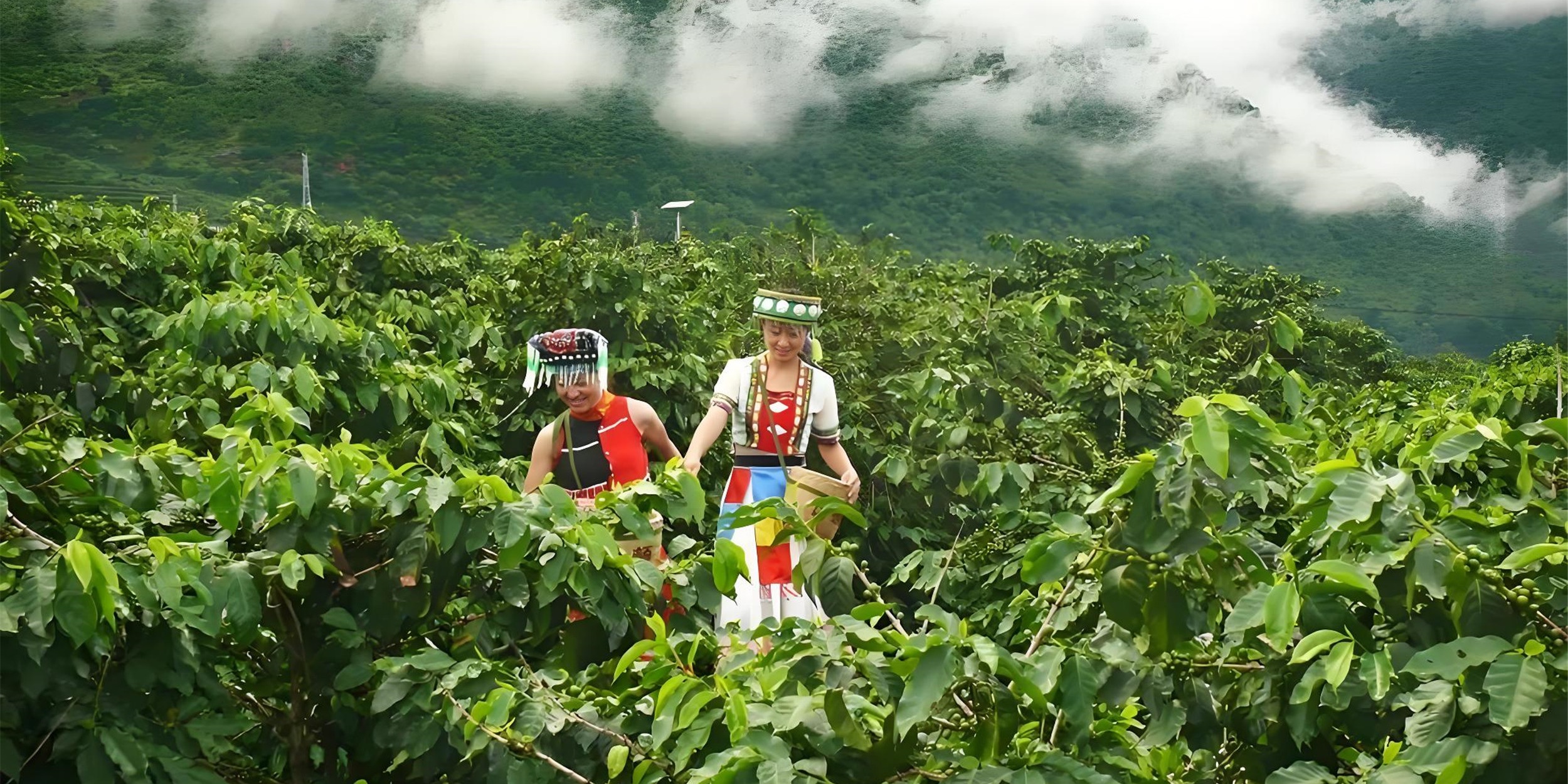
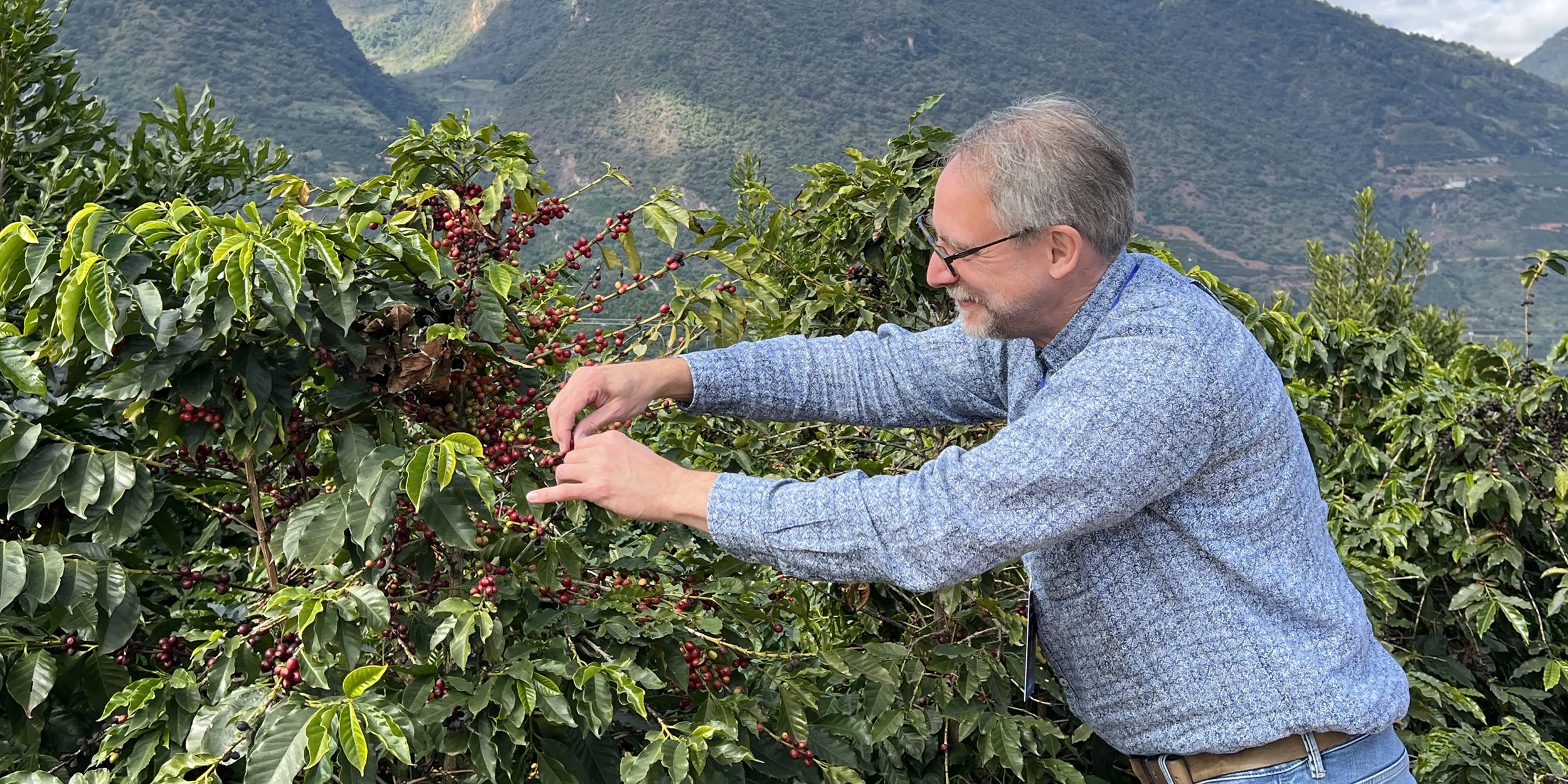
同样值得关注且更具研究价值的是,中国曾完全不种咖啡,咖啡也不被视为中国的比较优势。然而现在,海南岛已出现咖啡园,云南的咖啡种植规模更为可观,已成为中国最重要的咖啡产区。
云南为何适宜种植咖啡?有一个鲜为人知的事实:经验表明,适合种茶的地区通常也适合种植咖啡,反之亦然。这一规律最早由英国人发现。19世纪,英国人从中国窃取茶籽、茶苗与制茶技术后,随即在全球范围内寻找适宜种茶的区域,斯里兰卡便是其中之一。斯里兰卡原本被英帝国规划为咖啡种植区。19世纪中期,一场灾害席卷斯里兰卡,当地咖啡树几乎全部损毁。当英方计划引进新的咖啡树苗时,突然调整任务,将种植茶叶列为优先级更高的战略任务。于是斯里兰卡清理了原咖啡种植园的残树,改种茶叶,最终茶叶种植取得成功。斯里兰卡的茶叶种植与销售同样由英国跨国公司运营,还诞生了多个知名茶叶品牌,例如Dilmah。印度的茶产业同样在英国跨国公司的运营下,诞生了多个知名品牌。
云南从不种植咖啡到逐步发展咖啡产业,如今已取得显著成效,产量颇为可观。国内新兴咖啡连锁品牌Manner Coffee的原料大量采用云南咖啡豆,便是云南咖啡产业崛起的典型例证。多位欧洲友人评价认为,该品牌咖啡价格低于星巴克,而品质和口感却优于星巴克。Manner Coffee销量最高的几款产品之中,用量最大的几类咖啡豆均采用云南咖啡。云南咖啡不仅供应国内咖啡连锁品牌,在国际市场上同样受到广泛欢迎。
这一现象带来的启示是:咖啡这个产品曾完全不被认为是中国具备比较优势的品类,然而实践证明,它完全可以成长为中国的优势产品,云南咖啡便是典型例证。当然,中国高品质咖啡的规模化种植与产业化发展仍处于起步阶段。
国内茶行业竞争激烈,内卷现象严重。对大多数茶农而言,茶叶难以获得理想售价,而过去数年间,全球茶叶平均价格持续下降,与此同时,全球咖啡价格却呈上升趋势。结合前文所述——适合种植茶的区域往往也适宜种植咖啡——或许未来会有具备创新精神的企业家,其中可能包括国发院的MBA、EMBA毕业生,引导陷入行业竞争困境的茶农转型种植高品质咖啡,提升其收入水平。
总结而言,茶与咖啡不只是日常饮品,也是资本与国运博弈的载体,更是映照人类文明演进的镜子。
整理:白尧 |编辑:王贤青
(Source: Positioning and Business Model Research)
Title: On August 2, 2026, the 58th session of the "Chengze Forum" jointly organized by the National Development Research Institute of Peking University (hereinafter referred to as "Peking University National Development Institute") and the Machinery Industry Press was held at Chengze Garden of the National Development Institute. This article is compiled based on the keynote speech of Wei Shangjin, visiting professor at the School of International Finance, Fudan University, tenured professor at Columbia University, and author of "Tea and Coffee: Global Trade and Capital Gaming in the Cup".
Do you agree with these three statements? Firstly, tea has sparked two wars that changed world history; Secondly, there was a thrilling "de Sinicization" movement around tea in history; Thirdly, there is a're Sinicization 'revolution happening in the tea and coffee industry.
Two Important Wars Triggered by Tea
Why is it said that tea has sparked two wars that changed world history?
Let's start with the first war: this year marks the 250th anniversary of the founding of the United States. How did the founding of the United States occur? Before the founding of the United States, there was a movement known as the "Boston Tea Party" in world history textbooks. At that time, consumers including North America and Europe were extremely obsessed with tea, and the only exporting country for tea was China. Although coffee has been introduced to North America and Europe, drinking coffee was very inconvenient at that time, and various coffee machines used today were invented in the early 20th century. Therefore, at that time, if people wanted to enjoy high-quality drinks, their main choice was still tea. If you want to drink tea, you can only purchase from China.
The British saw profits from it and decided to monopolize the tea trade. According to British regulations, tea sold to North America can only come from state-owned and quasi state-owned enterprises in the UK. After achieving a monopoly, the British can increase taxes through these enterprises. This move sparked strong dissatisfaction among the people of North American colonies. So there was the later scene: late at night, colonial residents infiltrated the port of Boston and dumped all the tea leaves that British companies had just purchased from China and had not yet unloaded into the sea. After the incident, the high-pressure measures taken by Britain ultimately triggered the American Revolutionary War. It can be seen that there is a profound connection between the American Revolutionary War and tea produced in China.
The second war is closer to us. The Opium War can also be called the 'Tea War'. As mentioned earlier, Europeans, including the British, were extremely obsessed with Chinese tea, and China was the only tea exporting country at that time. Moreover, under the rule of the Qing government, China only charged silver when selling tea to Britain and was unwilling to accept other British goods. Therefore, in Sino British trade, the UK has long had a significant deficit, while China maintains a huge surplus. To solve the trade imbalance, the British sold opium to China, which led to the Opium War.
The history of "de Sinicization" of tea
There is a little-known sequel to this history, which is extensively discussed in the book 'Tea and Coffee'.
Before looking back at this period of history, it is important to emphasize that tea is loved all over the world, and tea is only produced in China for many years. Two indirect evidences can be listed here.
Firstly, there are over 6000 languages worldwide, and among all languages, the pronunciation of "tea" is only two, namely "cha" and "tea". 'cha' originates from the northern Chinese pronunciation, while 'tea' originates from the Minnan dialect. The formation of pronunciation differences stems from the different channels and sources of obtaining tea in different countries; The fundamental reason why there are only two pronunciations is that tea is only produced in China.
Secondly, the Latin scientific name for tea is Camellia sinensis. Among them, Camellia refers to a flowering tree, translated as Camellia in Chinese; The meaning of 'sinensis' in Latin is' Chinese'. The scientific name of this plant directly includes the attribute of "China", indirectly confirming that tea originated in China.
Returning to that period of history itself. The British launched the Opium War to change the huge trade deficit caused by tea with China and believed they had won a complete victory. However, they soon realized that even if they had won the Opium War, the pattern of Sino British trade would eventually return to a situation where Britain had a large trade deficit and China had a large trade surplus. What is the reason? Previously, Britain relied on selling opium to earn silver, which was used to purchase Chinese tea, provided that opium was not cultivated domestically in China. However, after the Opium War, since the Qing government was unable to ban the opium trade, it is highly unlikely that they would also ban local opium cultivation. The poppy plant has extremely strong vitality and is easy to cultivate. Therefore, the British believe that once the opium trade is legalized, Britain will soon return to a state of significant trade deficit, once again falling into the dilemma of searching for silver globally to purchase tea.
How to solve this dilemma? In today's Western discourse system, the British believe that a thorough "de Sinicization" movement must be launched for tea. The so-called 'de Sinicization' refers to the use of extreme industrial policies to steal tea seeds, tea trees, and tea making processes from China, thereby breaking China's exclusive monopoly on the tea industry.
At that time, the morphology and tea making process of tea trees were completely unfamiliar overseas, and ordinary personnel were unable to complete the theft task. Therefore, Britain had to send professionals to infiltrate China. The lack of knowledge about tea among the British can be seen from scientific literature: at that time, the British and even the entire European academic community were debating whether black tea and white tea originated from the same plant or belonged to different species. In fact, all types of tea come from the same plant. Any crop that can be called 'tea' must belong to the species Camellia sinensis. Different types of tea are mainly due to differences in processing techniques. However, in Britain and other European countries at that time, people had only seen finished tea leaves and had never seen the tea tree itself, and even experts could not clarify this issue.
It can be seen that stealing tea related technology must be carried out by professional personnel. At that time, Britain selected Robert Fortune, the director of a botanical garden in London, who served as both a botanist and an administrator. The British government proposed to Fuqiong that, based on national interests, they would like to entrust him to lead people to China to retrieve tea seeds, tea seedlings, and tea making techniques, in order to complete the task of freeing tea from Chinese control.
Fu Qiong initially refused, stating that as a botanist, he should not infiltrate other countries to steal. After the British government proposed a fivefold increase in salary, he ultimately agreed. Considering the high transportation costs of tea seeds and tea seedlings, the British state-owned enterprise East India Company promises to provide free transportation support for Fuqiong as long as it can bring tea related products and technologies out, whether it is ultimately transported to Britain or other colonies of the British Empire. Britain also utilized the latest portable glass greenhouse technology at the time to solve the problem of low plant survival rates during ocean voyages.
In 1848, sent by the East India Company, Fortune shaved her hair and braided her hair, disguised as "Xinghan", pretended to be a Chinese businessman, broke through the ban and went deep into core tea producing areas such as Mount Wuyi and Mount Huangshan, and successfully stole 20000 high-quality tea seedlings and 13000 precious tea seeds along the routes of Shanghai, Hangzhou, Huizhou and Mount Wuyi, including core varieties such as Zhengshan Race and Longjing. He did not simply take away the plants, but also systematically recorded the complete process of withering, rolling, fermentation, and drying. He hand-painted key tea making tools and process details, transforming tea making techniques into replicable text and images. Fuqiong also successfully recruited 8 Chinese craftsmen who were proficient in tea making techniques to travel to India with heavy financial incentives, and directly taught practical skills in tea gardens at the foot of the Himalayas, ensuring the implementation of the technology.
Britain once attempted to grow tea locally, but the climate conditions were not suitable. Instead, they searched for suitable tea producing areas in colonies and ultimately determined the Darjeeling and Assam regions in India, as well as Ceylon (now Sri Lanka) and Kenya as tea planting areas. These regions have a subtropical climate, similar to the climate of tea producing areas in China.
Under the continuous efforts of the "de Sinicization" movement in British tea, just three years later, the Assam region of India successfully produced its first batch of black tea, completely breaking China's millennium long global monopoly on tea.
Observing Industrial Iteration from the Rise and Fall of Tea Industry
Tea was crucial to Britain and Europe, and what was the significance of tea to China at that time?
In the mid-19th century, when the British planned to steal tea seeds, tea exports accounted for about 60% to 70% of the Qing government's total exports, with some years accounting for even higher proportions. In other words, tea far exceeds the sum of all other commodities such as porcelain and silk, and is undoubtedly the absolute export mainstay. In short, China's exports at that time were almost equal to tea exports.
How successful has the UK's "de Sinicization" campaign been? After several years of cultivation outside of China, tea seeds and seedlings began to yield, and the yield has been increasing year by year. By the end of the 19th century, Britain and Europe still maintained a large demand for tea procurement, but the sources of procurement had undergone tremendous changes: China not only lost its position as the world's only tea supplier, but also lost its title as the world's largest tea exporting country, often even struggling to maintain its second position. At that time, the top two tea export destinations in the world were British India and British Sri Lanka. Even today, when looking at international trade data, it can be found that in some years, China's total tea exports only ranked fourth in the world, with Kenya ranking first (Kenya's domestic tea consumption is limited, so its export volume is always higher than China's).
Once upon a time, tea was almost equivalent to China's exports, and only China could export it. But by the end of the 19th century, a large amount of tea consumption in the European and North American markets had already moved away from China. From the perspective of the UK, the 'de Sinicization' movement has achieved significant results.
From China's perspective, this is undoubtedly a huge negative impact, and its impact can be compared to the impact of current artificial intelligence technology on the industrial landscape. In the mid-19th century, China's exports were almost entirely dependent on tea. If someone had predicted at that time that tea would no longer be China's main export product in the future, and even that the export volume of other countries would surpass China, what commodity would China rely on to maintain its exports? This question is similar to the confusion faced by people today: if artificial intelligence replaces human jobs, which positions will remain in the economic system? At that time, this situation was unimaginable.
By extension, what else can China export today? Do we need to worry about this? The answer is no. The current export amount and total export volume of China not only set a historical record for China itself, but also rank first in the world. At the same time, China's annual trade surplus exceeds $1.2 trillion, which is not only the largest in China's economic history, but also unprecedented in world economic history. What is the current composition of China's export commodities? According to the classification of tradable goods in international trade, there are approximately 6500 types of tradable goods. According to customs data statistics, China exports about 5000 types of products, with half of them ranking among the top three in terms of export value and volume. China has become the world's largest exporter of many commodities.
Comparing this history with the current hot topic of AI, it can be found that even though we cannot predict which new job positions will emerge after the popularization of AI today, historical experience tells us that there is a high probability that there will be a large number of jobs that we cannot imagine today in the future. Just as history has shown us, China, which has lost its monopoly on tea exports, can still become the strongest exporting country in terms of comprehensive strength.
The New Wave of "Re Sinicization" of Tea
Next, let's enter the second half of the tea story - 'Re Sinicization'.
In addition to the "de Sinicization" movement led by the British, multiple external factors have also contributed to the situation, such as the introduction of coffee into the Chinese market, changes in the lifestyle and consumption preferences of young people, resulting in a decline in the status of tea not only in China's export sector, but also facing many challenges in the domestic consumer market. A large number of young people choose to embrace coffee, gradually moving away from drinking tea, and even considering drinking tea as a habit of the older group, because coffee symbolizes modernization, globalization, and is more convenient and fast.
But in recent years, there have been several changes that have brought many opportunities for the "re Sinicization" of tea, among which the rise of Chinese milk tea stands out.
From the perspective of Chinese tea companies and consumers, milk tea is a relatively new form of tea production, sales, and consumption. Many milk tea brands such as Ba Wang Cha Ji and Mi Xue Bing Cheng not only have a large chain scale, but have also successfully gone public. Some brands have also begun to expand into overseas markets. Nowadays, Chinese milk tea brand stores can be seen in Los Angeles, San Francisco, Chicago, New York, London, Kuala Lumpur, Singapore and other places, and many people can often be seen queuing up just to buy a cup of milk tea from China. The queue includes not only overseas Chinese, but also consumers from all over the world.
A cup of milk tea has suddenly elevated the status of Chinese tea among young people and international consumers through this new form of production, sales, and consumption. By 2025, China's tea exports will achieve double-digit growth, and Chinese milk tea companies that have expanded overseas are likely to play a significant role.
Milk tea is completely different from our traditional perception of tea. One of the reasons why young people love milk tea is convenience, and although milk tea is called "tea", the drinking experience is quite different. Who pioneered the production and consumption of milk tea? In fact, the answer is already implicit in the previous story - English milk tea was invented by the British. Why did the British invent milk tea? After completing the "de Sinicization" of the tea industry and promoting tea cultivation to India, Sri Lanka, Kenya and other places, local British multinational companies made several "improvements" to the tea making method, one of which was to switch to machine tea picking.
In Chinese tea gardens, tea picking mainly relies on manual labor. There are multiple interpretations of the reasons behind it, one of which is that Chinese consumers prefer complete leaves and fewer tea stems when purchasing tea. The good tea in our perception emphasizes one bud and one leaf, one bud and two leaves; The expensive price of precious varieties such as Jin Jun Mei is mainly due to the fact that only the bud raw materials are harvested. The core requirement is that the leaves are intact and there should not be too many tea stems, as they can make the tea soup bitter.
The British use machines to pick tea, in order to pursue production scale and control costs (with less manual labor), inevitably has two side effects: first, it cannot guarantee the integrity of the leaves, which is likely to crush the tea leaves; The second reason is that tea stems are easily mixed into tea leaves, and the cost of making tea stems and sorting tea leaves is much higher. How can multinational corporations solve the problem of unwilling to bear sorting costs? One way is to "educate consumers" and guide European consumers to accept that "the correct way to drink tea is to add sugar and milk to the tea". Once sugar and milk are added, the bitterness of the tea stem is no longer a problem, but rather just right.
The origin of the tea flavor in milk tea is precisely related to the tea stem. Observing the raw material procurement of domestic milk tea brands, it is not difficult to find that the completeness of the tea leaves they purchase is not important, and they also deliberately purchase tea stems. Because these milk tea companies are aware that only by adding tea stems to milk tea to bring a slight bitterness, and then diluting it with sugar and milk, will consumers feel that this milk tea has a sufficient tea flavor. If high-quality tea leaves with one bud and one leaf are used to make milk tea, consumers may feel that the tea flavor is too weak. The cost of tea stems is much lower than that of tea leaves and tea buds, and milk tea companies are happy to adopt them.
In short, the drinking method of milk tea was originally invented by the British, and now our milk tea companies have brought back this process, greatly reducing tea production costs, making quality stability more controllable, and providing consumers with a convenient way to drink tea. Therefore, more and more young people are willing to order a cup of milk tea at will. The consumption of tea, especially among young people, has significantly increased.
Over the past 200 years, overseas consumers have undergone a transformation from primarily drinking tea, to combining tea and coffee, and then to coffee consumption surpassing tea drinks; Nowadays, a large number of European and American consumers, especially young consumers, have suddenly started to love milk tea from China. This is very noteworthy.
The Sinicization of Coffee
The book 'Tea and Coffee' also has a lot of content about coffee, here are a few brief points. From the perspective of the connection between China and globalization, coffee is very interesting. China used to neither produce nor drink coffee, but later coffee was introduced to China as an imported product. From Lu Xun's diary and prose, we can see that although he criticized coffee culture and talked about the various drawbacks of "take it for yourself", he would buy a cup of coffee every morning.
Today, the number of coffee shops in many cities in China is already very large. According to relevant data, the number of various coffee shops in Shanghai has surpassed London and New York, becoming the city with the largest number of coffee shops in the world, without exception. From the perspective of consumption habits, it can be seen that the changes have been very significant.
Equally noteworthy and of greater research value is that China once did not grow coffee at all, and coffee was not considered a comparative advantage for China. However, now coffee plantations have emerged in Hainan Island, and the coffee planting scale in Yunnan is even more considerable, becoming the most important coffee producing area in China.
Why is it suitable to grow coffee in Yunnan? There is a little-known fact: experience has shown that areas suitable for growing tea are usually also suitable for growing coffee, and vice versa. This pattern was first discovered by the British. In the 19th century, after stealing tea seeds, seedlings, and tea making techniques from China, the British immediately searched for suitable tea growing areas worldwide, and Sri Lanka was one of them. Sri Lanka was originally planned by the British Empire as a coffee plantation area. In the mid-19th century, a disaster swept through Sri Lanka, causing almost all of the local coffee trees to be destroyed. When the British planned to introduce new coffee saplings, they suddenly adjusted their tasks and prioritized planting tea as a higher strategic task. So Sri Lanka cleared the remaining trees in the original coffee plantation and planted tea instead, ultimately achieving success in tea cultivation. The tea cultivation and sales in Sri Lanka are also operated by British multinational corporations, and several well-known tea brands have emerged, such as Dilmah. The tea industry in India has also given birth to multiple well-known brands under the operation of British multinational corporations.
Yunnan has gradually developed its coffee industry from not planting coffee, and has achieved significant results with considerable production. The emerging domestic coffee chain brand Manner Coffee extensively uses Yunnan coffee beans as raw materials, which is a typical example of the rise of Yunnan's coffee industry. Several European friends have commented that this brand of coffee is priced lower than Starbucks, but its quality and taste are superior to Starbucks. Among the best-selling products of Manner Coffee, the most widely used types of coffee beans all use Yunnan coffee. Yunnan coffee not only supplies domestic coffee chain brands, but is also widely welcomed in the international market.
The inspiration brought by this phenomenon is that coffee was once not considered a category with comparative advantages in China, but practice has proven that it can grow into a competitive product in China, and Yunnan coffee is a typical example. Of course, the large-scale cultivation and industrial development of high-quality coffee in China are still in their infancy.
The competition in the domestic tea industry is fierce, and the phenomenon of internal competition is severe. For most tea farmers, it is difficult to obtain an ideal selling price for tea, and in the past few years, the global average price of tea has continued to decline, while the global coffee price has shown an upward trend. Based on the previous statement that areas suitable for growing tea are often also suitable for growing coffee, there may be innovative entrepreneurs in the future, including MBA and EMBA graduates from the National Development Institute, who can guide tea farmers who are struggling with industry competition to transform into planting high-quality coffee and increase their income levels.
In summary, tea and coffee are not just daily beverages, but also carriers of capital and national fortune, and mirrors reflecting the evolution of human civilization.
Organized by: Bai Yao | Edited by: Wang Xianqing