从无糖低糖饮料到咖啡果皮咖啡,蔡旺庭押注年轻人的“健康生意”From sugar free low sugar beverages to coffee peel coffee, Cai Wangting is betting on the "health business" of young people
2026年夏天,一场关于“减糖”的舆论议题将老牌国民企业旺旺推上社交平台风口。不少消费者公开呼吁旺旺推出更多低糖、无糖版产品。事实上,在热搜背后,由旺旺集团总经理、邦德咖啡创始人蔡旺庭主导的一场健康化转型,已经在企业内部推进多年。
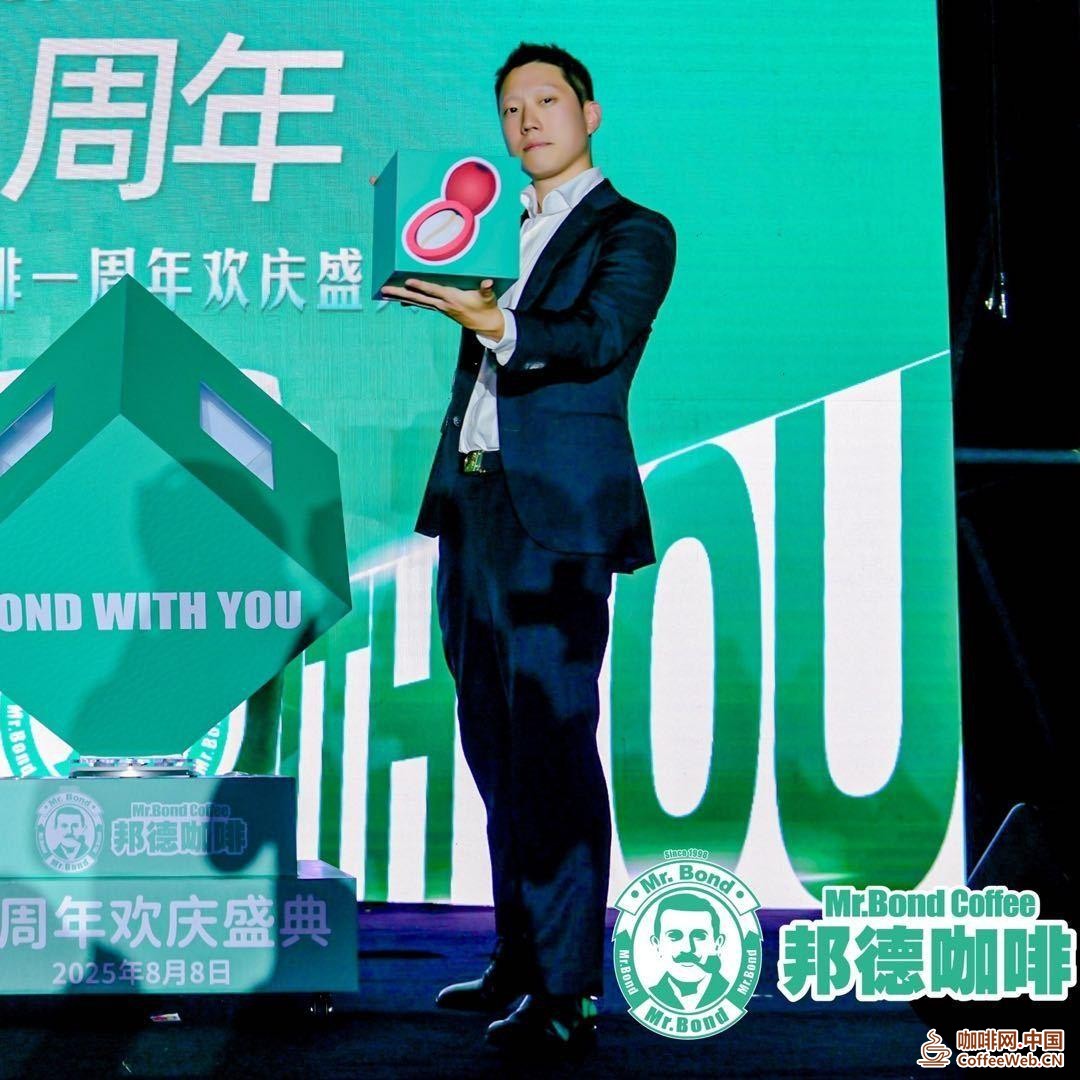
旺旺总经理 蔡旺庭
作为90后创二代,蔡旺庭试图在旺旺传统零食与甜饮的版图之外,为这家老牌快消巨头寻找面向年轻消费群体的第二增长曲线。
“减糖”硬仗:成熟爆款与无糖趋势的博弈
中国无糖饮料赛道近年来持续扩容。艾媒咨询数据显示,该市场规模从2015年的22.6亿元增长至2024年的570.5亿元,预计2028年将突破800亿元。超过70%的年轻消费者在购买食品饮料时,开始将配料表作为核心决策依据。然而,对于拥有旺仔牛奶、O泡果奶等经典甜味单品的旺旺而言,健康化转型并非易事。
直接修改成熟爆款配方易引发老用户反弹;而完全依赖新品牌,又面临极高的研发投入与渠道开拓成本。对此,蔡旺庭采用了双线并行的过渡策略:一方面,自2022年起,搭建无糖与功能性饮品矩阵,推出邦德无糖黑咖啡、荟动电解质水、茗享无糖茶等产品,切入无糖饮品细分市场;另一方面,对传统核心爆款进行低糖化改版,推出低糖版O泡果奶与低糖冰红茶,在尽量保留品牌风味记忆的同时降低含糖量。
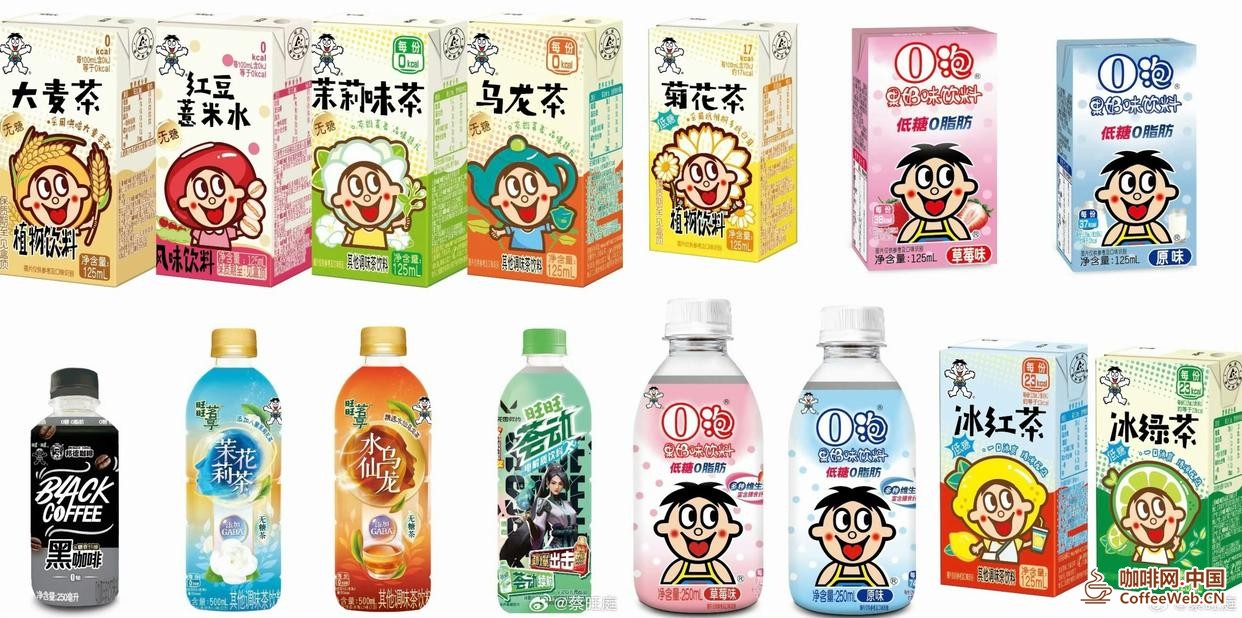
旺旺无糖、低糖饮料(部分)
财报数据反映了这一策略的阶段性成果:2025财年旺旺饮品业务实现同比40%的增长;而在2026财年第一季度,该业务在高基数下继续取得6.6%的同比增幅。
差异化破局:咖啡果皮的“废料”商业化
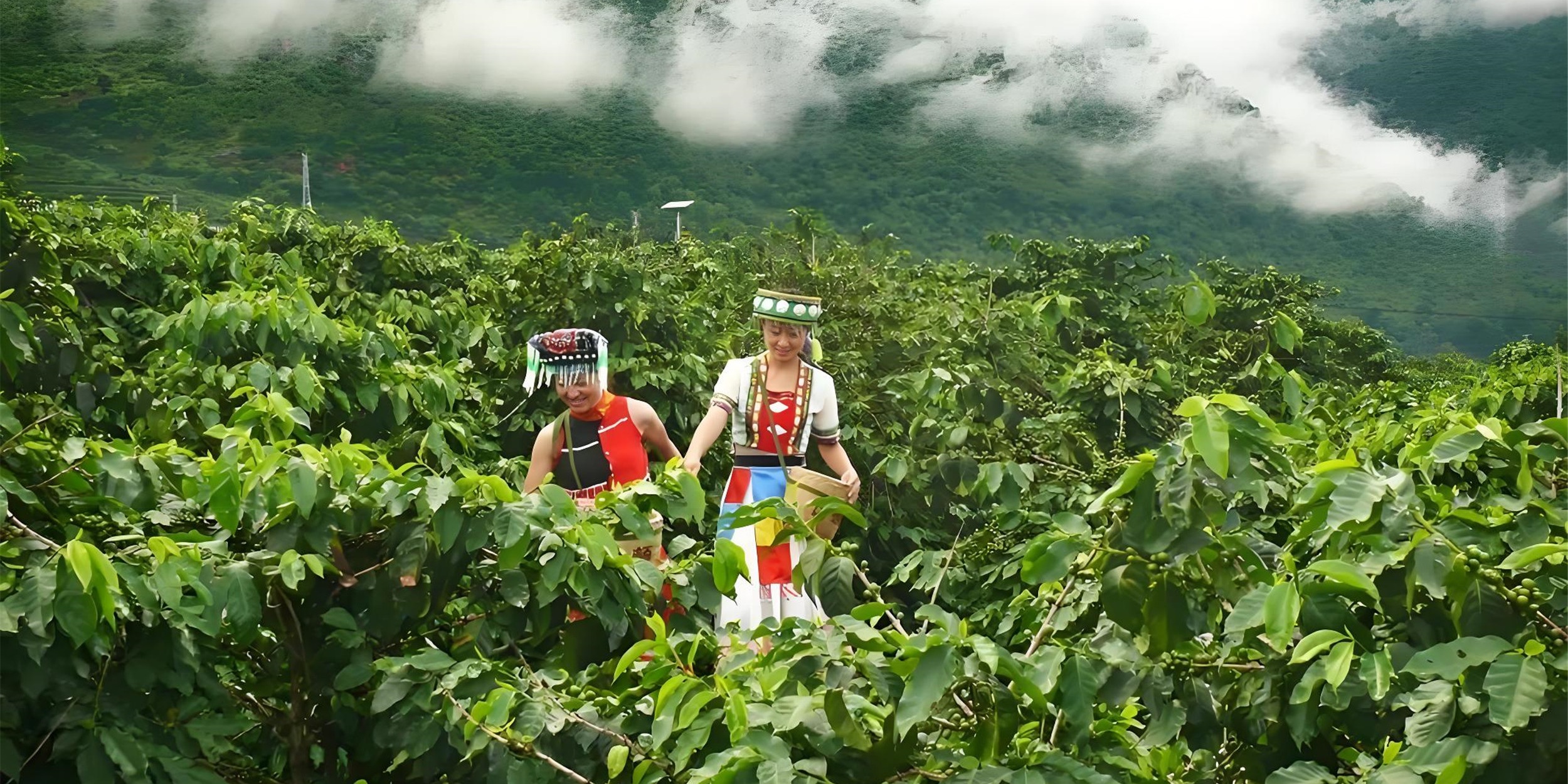
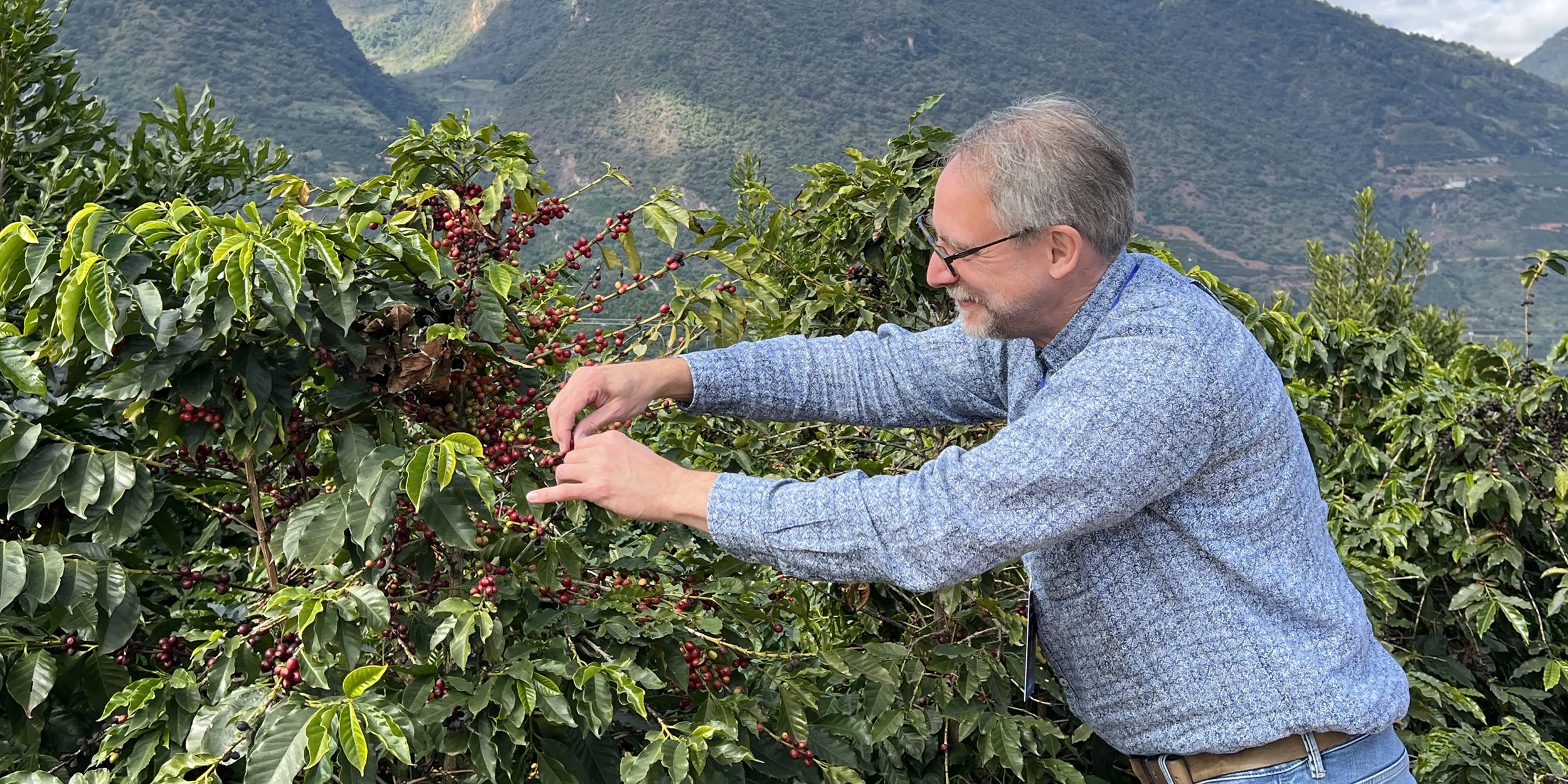
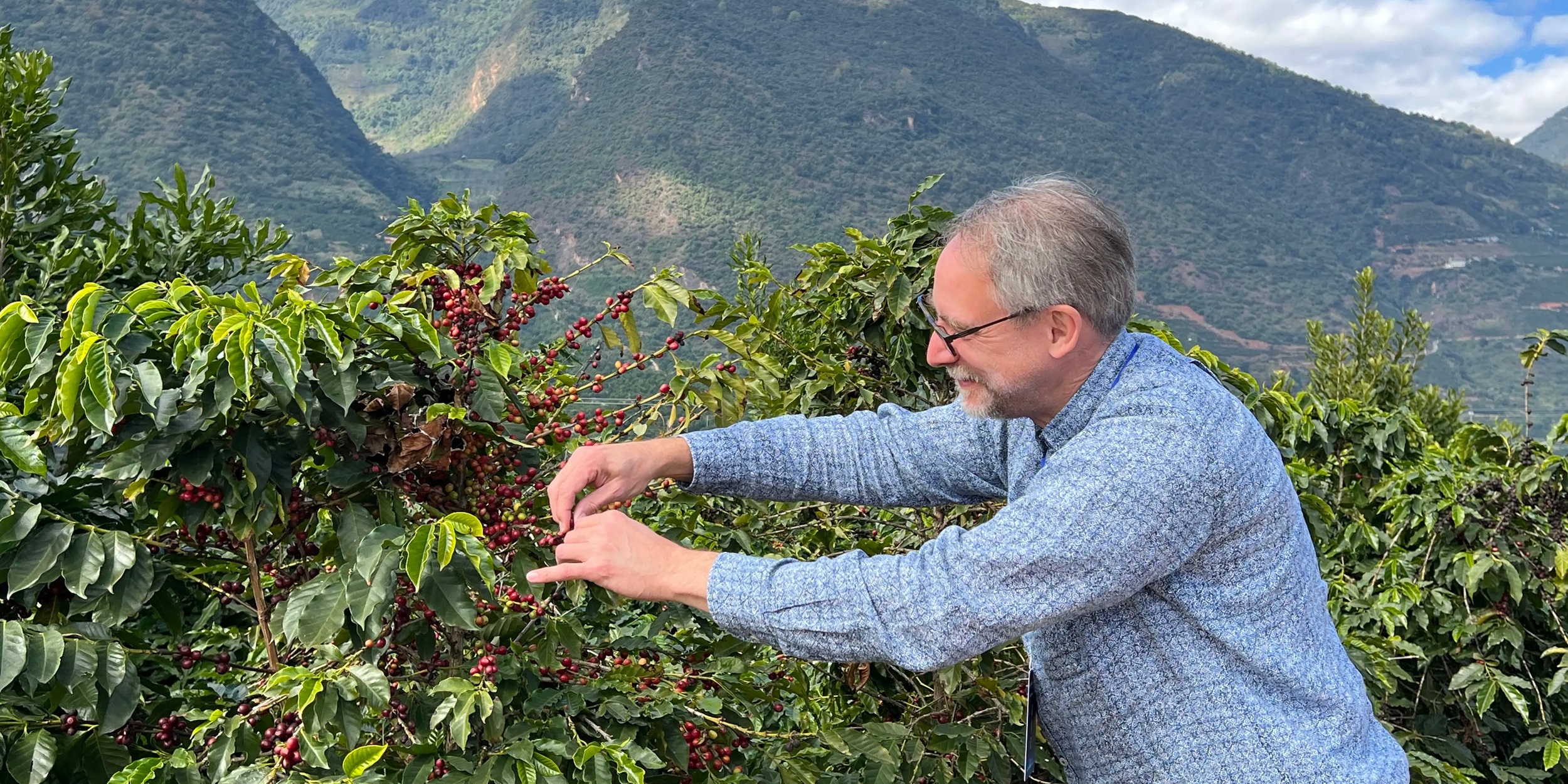
如果说低糖化是顺应行业大众趋势,那么蔡旺庭对咖啡果皮的商业化开发,则是试图在高度卷化的饮品赛道中建立差异化壁垒。在传统咖啡产业链中,包裹着咖啡豆的果皮通常作为加工副产品被直接丢弃。但从营养成分看,咖啡果皮富含绿原酸与抗氧化物,且咖啡因含量远低于咖啡豆。基于此特性,蔡旺庭团队将云南咖啡果皮与茶饮萃取工艺结合,首创了中国现萃咖啡果皮咖啡,将果皮萃取液作为茶底,再与咖啡现萃液调配,打造出兼具果香与茶感的低负担饮品。
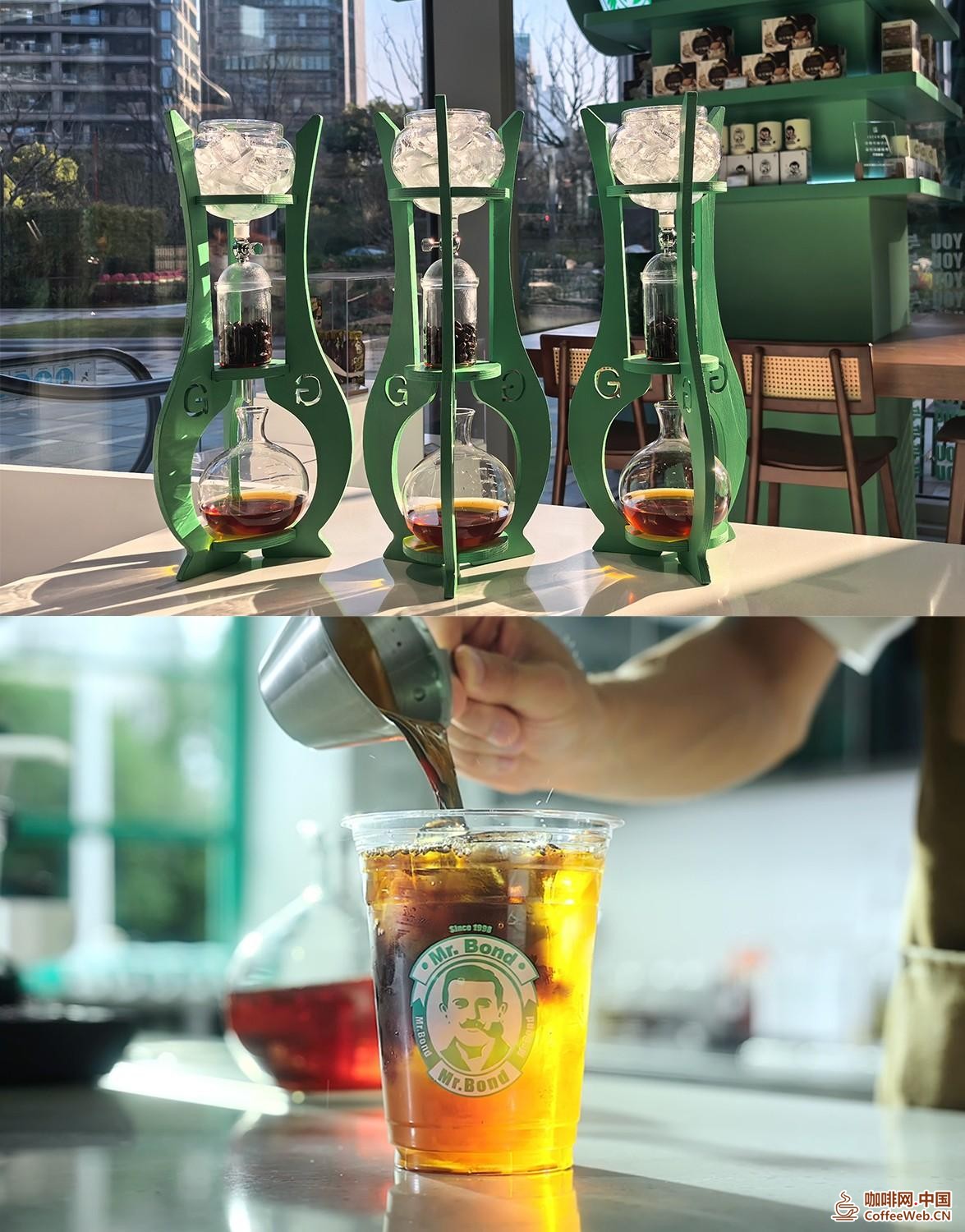
邦德咖啡果皮咖啡
基于咖啡果皮咖啡这一区别于传统咖啡品牌的重要特色,2024年8月,邦德咖啡馆首店于上海开业,随后拓展至上海环球金融中心、乐高乐园等地标,公开数据显示,其线下门店年复合增长率达273%,复购率达到47%。至2026年8月,邦德咖啡开始逐步进入石油等央企渠道,目前已落实近100家门店。
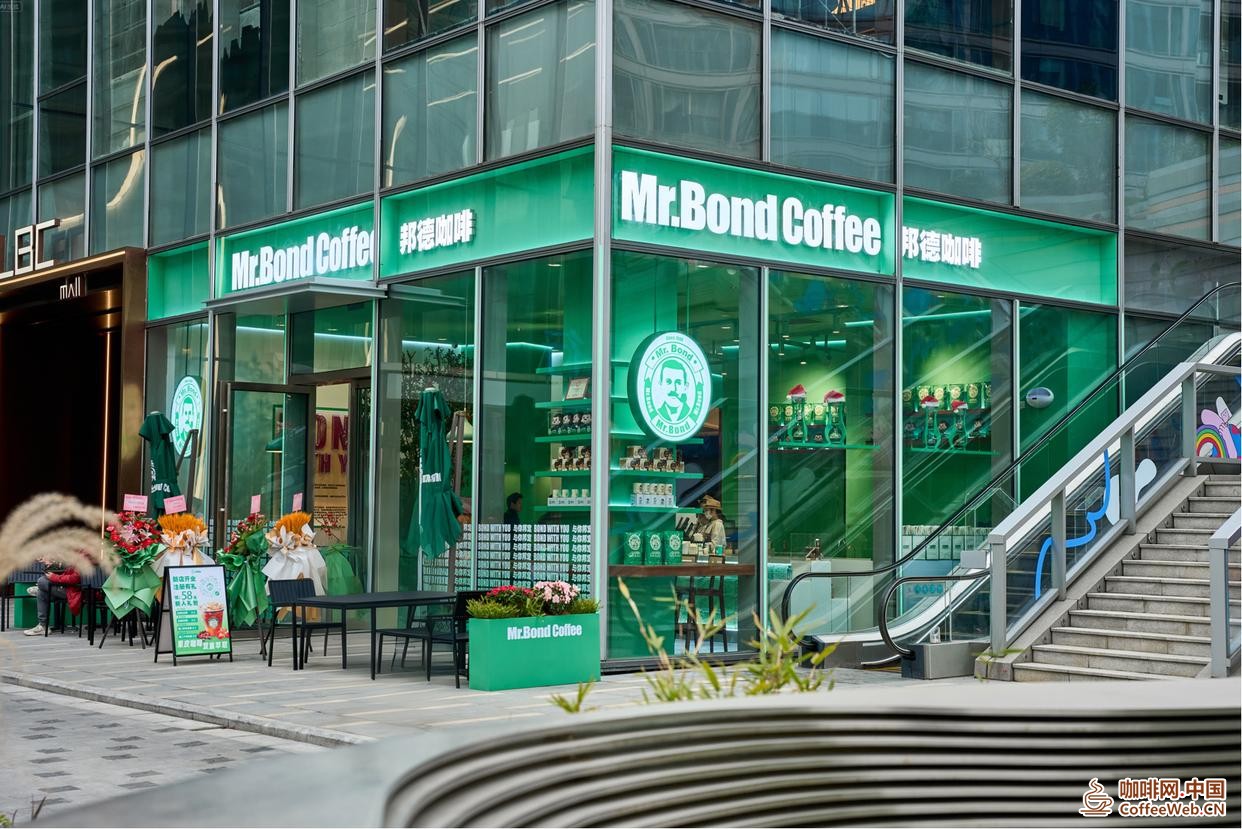
邦德咖啡馆
从即饮包装茶饮到线下现制咖啡,旺旺的探索展示了传统快消品牌转型的典型逻辑:不盲目对传统爆款实行一刀切,而是在维系老用户基本盘的同时,通过新独立品牌与创新品类抢占新人群的认知。不过,这场健康化与年轻化的转型依然面临不小的市场挑战。对于主导这项业务的蔡旺庭而言,如何将无糖、低糖饮料从新品尝试变成稳定增长的品类支柱,将咖啡果皮从冷门尝鲜推向大众常态消费,将是他接下来必须回答的硬课题。
In the summer of 2026, a public opinion issue about "sugar reduction" will push the old national enterprise Wangwang into the social media trend. Many consumers have publicly called on Want Want to launch more low sugar and sugar free products. In fact, behind the trending topics, a healthy transformation led by Cai Wangting, General Manager of Want Want Group and founder of Bond Coffee, has been underway within the company for many years.
Want Want General Manager Cai Wangting
As a second-generation entrepreneur born in the 1990s, Cai Wangting is trying to find a second growth curve for this old fast-moving consumer goods giant, targeting young consumers, beyond the traditional snack and sweet drink market of Wangwang.
The tough battle of "reducing sugar": the game between mature popular products and sugar free trends
The sugar free beverage market in China has continued to expand in recent years. According to data from iMedia Consulting, the market size has grown from 2.26 billion yuan in 2015 to 57.05 billion yuan in 2024, and is expected to exceed 80 billion yuan by 2028. More than 70% of young consumers begin to use ingredient lists as the core decision-making basis when purchasing food and beverages. However, for Want Want, which has classic sweet single products such as Wangzai milk and O-Pao fruit milk, the transformation towards a healthier lifestyle is not an easy task.
Directly modifying the formula of mature popular products can easily trigger a backlash from old users; However, relying entirely on new brands and facing extremely high R&D investment and channel development costs. Regarding this, Cai Wangting has adopted a dual line transition strategy: on the one hand, starting from 2022, it will build a sugar free and functional beverage matrix, launching products such as Bond sugar free black coffee, Huidong electrolyte water, and Mingxiang sugar free tea, and entering the sugar free beverage sub market; On the other hand, a low sugar version of the traditional core hot selling product has been redesigned, introducing low sugar versions of O-Pao fruit milk and low sugar iced black tea, which aim to preserve the brand's flavor memory while reducing sugar content.
Want Want Sugar Free and Low Sugar Beverages (Partial)
The financial report data reflects the phased results of this strategy: in the fiscal year 2025, Wangwang's beverage business achieved a year-on-year growth of 40%; In the first quarter of the 2026 fiscal year, this business continued to achieve a year-on-year growth rate of 6.6% on a high base.
Differentiation Breakthrough: Commercialization of Coffee Peel Waste
If low saccharification is in line with the trend of the industry, then Cai Wangting's commercial development of coffee peels is an attempt to establish differentiation barriers in the highly rolled beverage market. In the traditional coffee industry chain, the skin wrapped around coffee beans is usually discarded directly as a processing byproduct. However, in terms of nutritional content, coffee peels are rich in chlorogenic acid and antioxidants, and the caffeine content is much lower than that of coffee beans. Based on this characteristic, the Cai Wangting team combined Yunnan coffee skin with tea beverage extraction technology, pioneering the Chinese freshly extracted coffee skin coffee. The skin extraction liquid is used as the tea base, and then mixed with the freshly extracted coffee liquid to create a low burden beverage that combines fruit aroma and tea flavor.
Bond Coffee Peel Coffee
Based on the important feature of coffee peel coffee that distinguishes it from traditional coffee brands, Bond Cafe opened its first store in Shanghai in August 2024, and later expanded to landmarks such as the Shanghai World Financial Center and LEGO Land. Public data shows that its offline stores have a compound annual growth rate of 273% and a repeat purchase rate of 47%. By August 2026, Bond Coffee will gradually enter the channels of state-owned enterprises such as oil, and has currently established nearly 100 stores.
Bond Cafe
From ready to drink packaged tea drinks to offline freshly made coffee, Wangwang's exploration demonstrates the typical logic of traditional fast-moving consumer goods brand transformation: it does not blindly implement a one size fits all approach to traditional popular products, but instead, while maintaining the basic base of old users, it seizes the recognition of new audiences through new independent brands and innovative categories. However, this transformation towards health and youthfulness still faces significant market challenges. For Cai Wangting, who leads this business, how to transform sugar free and low sugar beverages from new product attempts into stable growth pillars of the category, and push coffee peels from niche tasting to mainstream consumption, will be the hard questions he must answer next.