
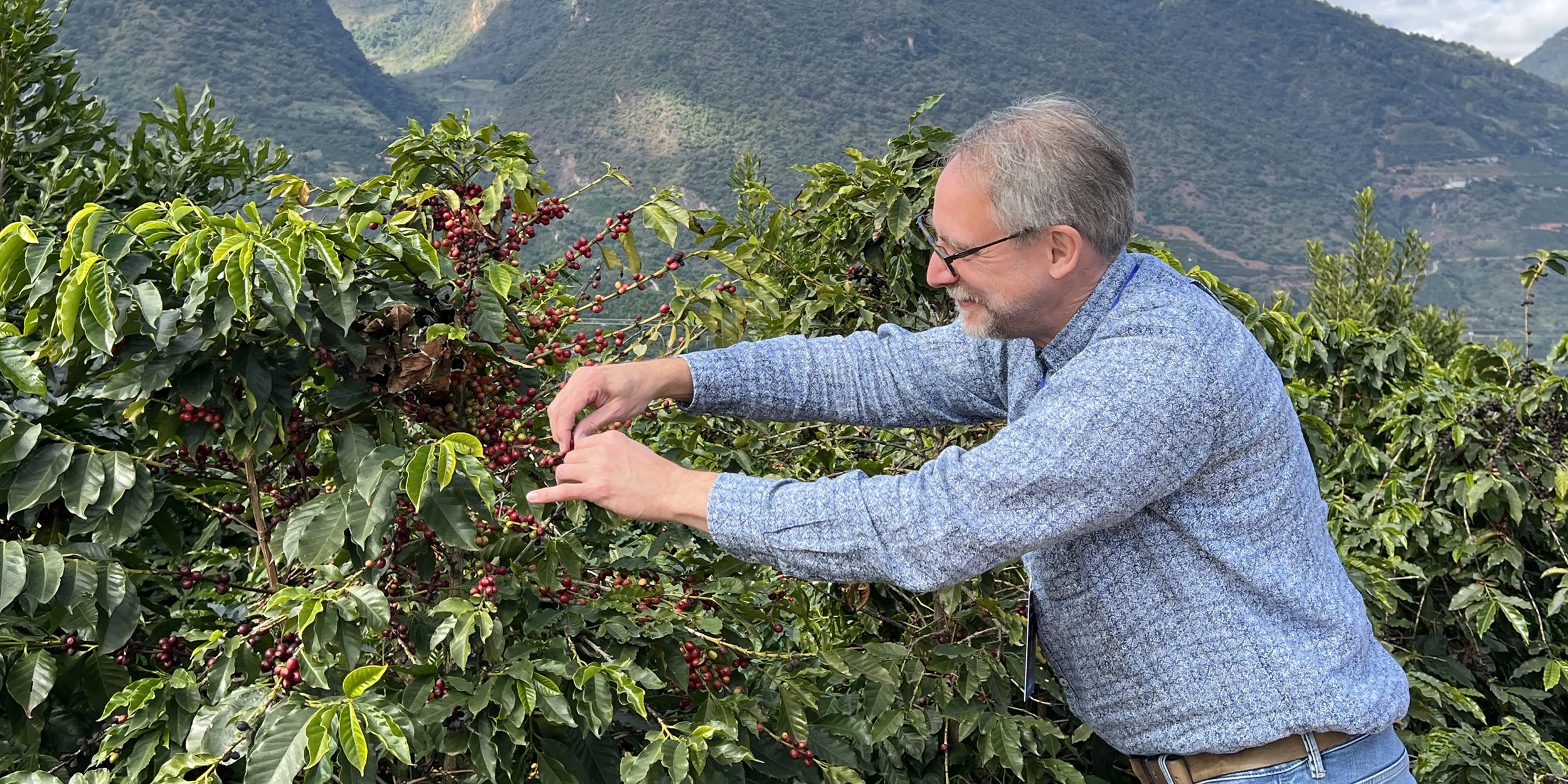

意式、美式、拿铁、摩卡、卡布奇诺有何区别?健康喝咖啡四问四答What is the difference between Italian, American, latte, mocha, and cappuccino? Four Questions and Four Answers on Drinking Healthy Coffee
清晨提神、午后“续航”,咖啡已经成为不少职业人群的日常饮品。不过,同样叫咖啡,有的只是浓缩咖啡加水,有的却加入了大量的牛奶、糖浆和奶油;有人喝完精神抖擞,也有人喝完出现心慌、手抖和失眠等症状。咖啡究竟是健康饮品还是身体负担?答案并不是简单的能喝或不能喝,关键在于喝什么、喝多少、什么时候喝,以及是否适合自己。

编辑:刘洋 仵坤冉(实习)
校对:杨真宇
审核:胡彬 徐秉楠
Coffee has become a daily drink for many professionals, as it helps to stay alert in the morning and provides energy in the afternoon. However, also known as coffee, some are just concentrated coffee with water, while others contain large amounts of milk, syrup, and cream; Some people feel refreshed after drinking, while others experience symptoms such as palpitations, hand tremors, and insomnia. Is coffee a healthy beverage or a burden on the body? The answer is not simply whether one can drink or not, the key lies in what to drink, how much to drink, when to drink, and whether it is suitable for oneself.
ask
What are the benefits of moderate coffee consumption for the body?
Caffeine can temporarily block adenosine receptors in the brain, reducing drowsiness, so moderate consumption can improve alertness, attention, and reaction speed. But this effect only temporarily reduces drowsiness and cannot eliminate fatigue and cognitive decline caused by sleep deprivation. Drinking coffee after staying up late may help people become more alert, but their judgment and ability to handle complex tasks may not be fully restored. Therefore, it is not recommended to use coffee as a "cure" for staying up late, let alone driving long distances, engaging in strenuous exercise, or engaging in high-risk activities after drinking it.
Coffee also contains polyphenolic substances such as chlorogenic acid. The study found that habitual coffee drinking was associated with a lower risk of all-cause death and type 2 diabetes, some liver diseases and Parkinson's disease. But it should be emphasized that 'correlation' does not equal 'causality'. Coffee is not medicine, nor does it mean that people who originally didn't drink coffee must start drinking it for the sake of their health. A balanced diet, regular exercise, adequate sleep, and non smoking are still the foundation for maintaining health.
Answer
ask
What is the difference between Italian, American, latte, mocha, and cappuccino?
Italian coffee, also known as Italian espresso, is the "base" of most fancy coffees. An Italian espresso is about 30 milliliters, with a small amount and a strong flavor. It usually contains 60-75 milligrams of caffeine, and the specific content may vary depending on the type of coffee beans, powder amount, and extraction method.
American coffee is made by adding water to Italian espresso. If the concentration is the same, adding water will only dilute the taste and will not reduce the caffeine content. Therefore, when placing an order, attention should be paid to how many concentrated portions have been added, rather than just looking at the size of the cup.
Latte is composed of espresso and a lot of milk, which can provide a certain amount of protein and calcium, but choosing whole milk, large cup or adding extra syrup will also increase energy.
Cappuccino also contains espresso, milk, and milk foam, with milk content usually lower than latte and a more prominent coffee flavor. Without additional sugar, its energy is generally lower than that of a latte of the same amount.
Mocha can be understood as a latte with chocolate sauce added, sometimes with cream, usually the one with higher sugar and energy content in these coffees.
People who want to control their weight, blood sugar, or blood lipids can prioritize choosing unsweetened Italian or American coffee, or unsweetened small cups of latte or cappuccino, and try to avoid adding white sugar, syrup, condensed milk, cream, and vegetable powder as much as possible.
Answer
ask
How is drinking coffee more beneficial to health?
For most healthy adults, the daily caffeine intake should generally not exceed 400 milligrams, and it is best not to exceed 200 milligrams per dose. This calculation includes all sources, including coffee, tea, cola, energy drinks, chocolate, and some medications. The caffeine content varies greatly among different stores, bean varieties, and cup types, so the statement 'how many cups of coffee to drink per day' is not accurate. When purchasing coffee, you can check the product label or inquire about the number of concentrated portions in a cup of coffee.
Drinking coffee on an empty stomach does not necessarily harm the stomach, but if symptoms such as acid reflux, stomach pain, nausea, or palpitations occur, it should be consumed after meals, the dosage should be reduced, or low caffeine coffee should be chosen. Low caffeine coffee is not completely caffeine free, and sensitive individuals still need to pay attention.
There is no perfect time to drink coffee for everyone. Most people prefer to drink coffee from breakfast to afternoon. There are significant individual differences in the metabolic rate of caffeine. Research has found that even consuming higher doses of caffeine 6 hours before bedtime may shorten sleep time. Therefore, it is generally recommended to stop consuming caffeine at least 6 hours before bedtime; People who are prone to insomnia or sensitive to caffeine can advance the deadline to noon. If you can't sleep well at night and rely on coffee to support yourself the next day, it is easy to form a vicious cycle of "lack of sleep - drinking coffee - worse sleep".
Moderate coffee usually does not significantly dehydrate habitual drinkers, but it cannot completely replace plain water. After long-term heavy consumption, sudden cessation may also result in short-term cessation reactions such as headache, fatigue, and decreased attention. Gradually reducing the intake is usually easier to tolerate than sudden cessation.
Answer
ask
Who should be cautious when drinking coffee?
The total amount of caffeine in pregnant and preconception women should be controlled within 200 milligrams per day, as caffeine can enter breast milk. Therefore, lactating women should try to drink less or avoid coffee, otherwise the baby may experience irritability or sleep changes.
It is not recommended for children and adolescents to use coffee, milk tea, or energy drinks as a daily way to refresh themselves.
People who are prone to insomnia, anxiety, palpitations, gastroesophageal reflux, or poor blood pressure control should try to reduce their intake of coffee as much as possible. If there are persistent symptoms such as palpitations, chest tightness, and obvious dizziness after drinking, stop drinking and seek medical attention promptly.
If a person taking medication is unsure whether there is an interaction with coffee, they can consult a doctor or pharmacist first.
In addition, for people with iron deficiency anemia, who mainly consume plant-based foods, or are taking iron supplements, it is best to drink coffee 1-2 hours after meals or iron supplements to reduce the impact on non heme iron absorption.
Those who have high blood fat and often drink unfiltered coffee such as French coffee press and Türkiye coffee can consider using paper filter coffee to reduce the intake of caffeinated alcohol and other substances that may increase LDL cholesterol.
Answer
Article: Liu Shaojie, Deputy Chief Physician of Clinical Nutrition Department, First Affiliated Hospital of Xiamen University
Organized by: Chen Jing
Editor: Liu Yang and Kun Ran (Intern)
Proofreading: Yang Zhenyu
Reviewed by: Hu Bin, Xu Bingnan